Chihuahua in February: Weather, El Chepe & Tips
Is Chihuahua Good in February?
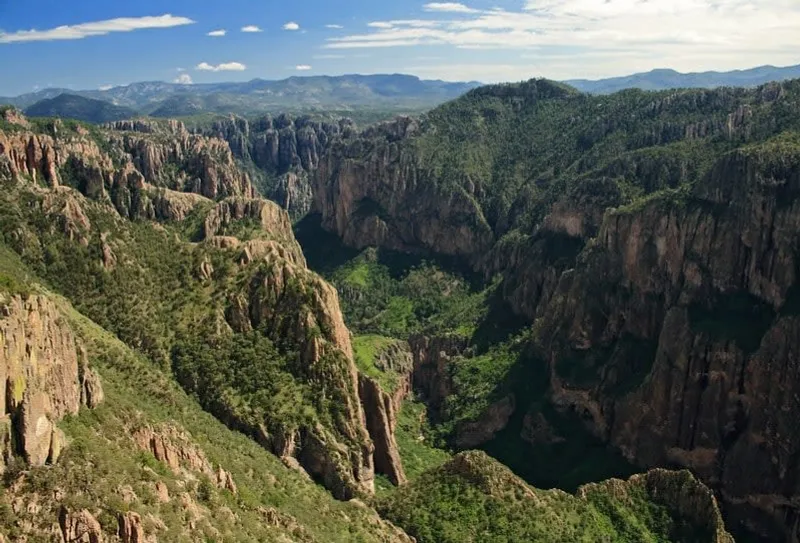
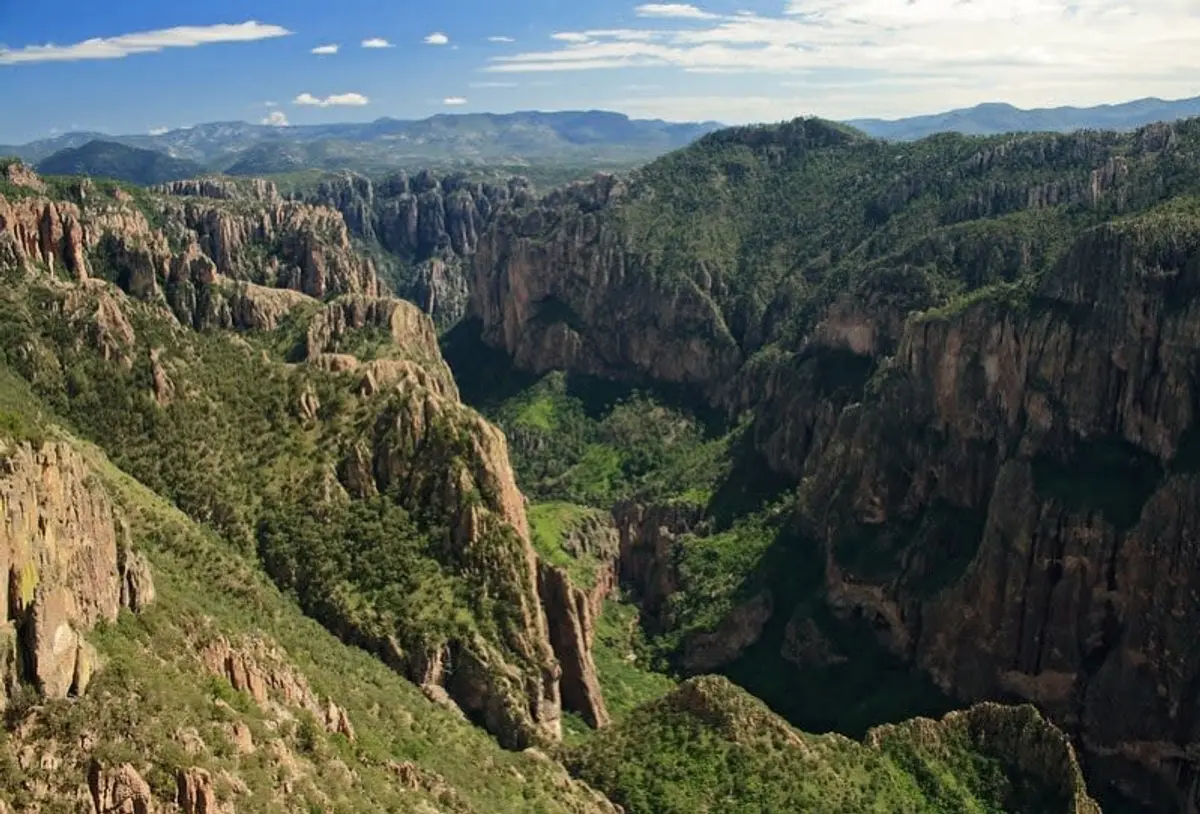
Chihuahua in February is a strong choice if you want dry northern Mexico weather, El Chepe access, Copper Canyon winter views, lower crowds, and a city base that feels different from the beach circuit. It is not warm in the way Los Cabos, Puerto Vallarta, or the Riviera Maya are warm. This is a crisp city-and-mountain trip with cold nights, clear air, serious food, and big distances.
The month works best for travelers who want Chihuahua City plus one larger reason to be in the state: Copper Canyon, Creel, Divisadero, Pancho Villa history, Paquime, or a northern Mexico road route. February is still winter, but it is also one of the more practical months for moving around because rain is limited and the worst holiday demand has passed.
Start with Mexico in February if you are still comparing the whole country, or use the Mexico winter escape guide to weigh Chihuahua’s cold, dry mountain route against warmer beach and colonial-city options. Use this guide once Chihuahua is on the shortlist and you need the practical answer on weather, where to stay, El Chepe timing, and how it compares with Copper Canyon in February, Durango in February, Torreon in February, and Saltillo in February.
Chihuahua in February in 30 Seconds
| Question | Short answer |
|---|---|
| Is February worth it? | Yes, for dry weather, Copper Canyon access, northern food, and lower crowds than major beach areas. |
| Biggest upside | Clear winter light, low rain risk, good train-route visibility, and easier city walking. |
| Biggest downside | Cold nights, colder mountain mornings, and limited appeal for travelers who want warmth. |
| Best 2026 window | February 3-11 or February 18-28 to avoid the busiest Carnival travel elsewhere in Mexico. |
| Best trip length | 1-2 nights in Chihuahua City; 5-7 nights if Copper Canyon is included. |
| Best base | Historic-center Chihuahua City hotel for museums, restaurants, taxis, and station transfers. |
| Poor fit | Beach-first travelers, light packers, or anyone expecting warm evenings. |
February is useful because it sits deep inside northern Mexico’s dry season. You get cooler weather than spring, fewer domestic holiday crowds than December, and a calmer planning window than March if Semana Santa falls early in the year.
Weather in Chihuahua in February
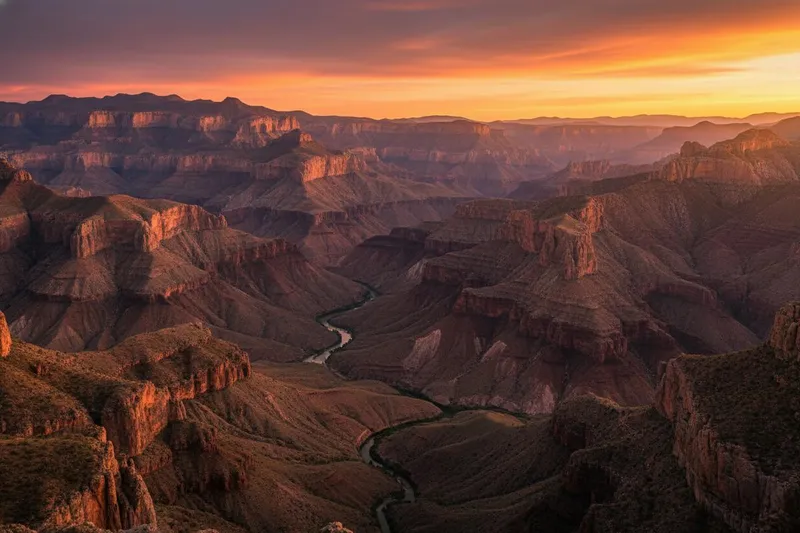
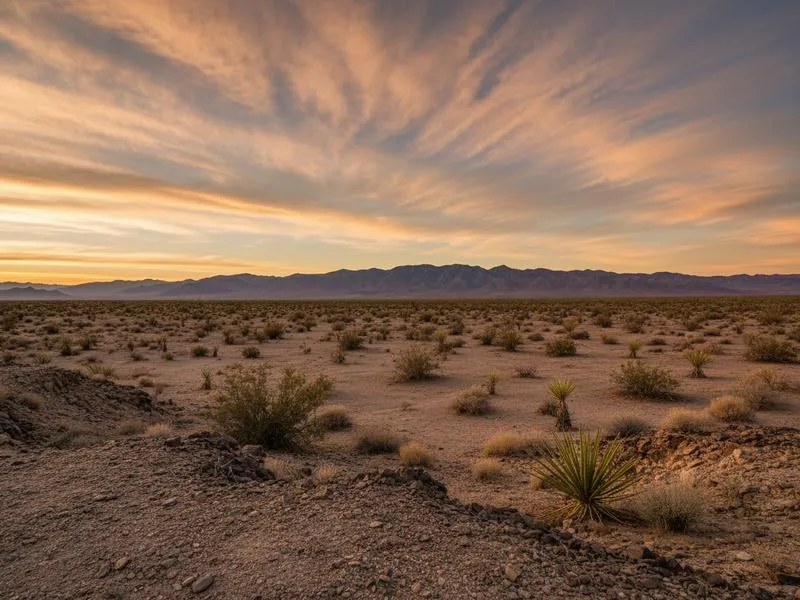
Chihuahua in February usually means sunny or bright days, dry air, cold nights, and large swings between the city and the mountains. Chihuahua City can be pleasant for walking around Plaza de Armas, the cathedral, Palacio de Gobierno, Quinta Gameros, Casa Chihuahua, and the Pancho Villa Museum if you wear layers.
The highlands are different. Creel and Divisadero sit high enough that mornings can feel genuinely wintry, and a cold front can still bring frost or snow to the route. That does not ruin the trip, but it changes how you book hotels, transfers, and early starts.
| February factor | What it means in Chihuahua | Best move |
|---|---|---|
| City days | Dry, cool to mild, and good for walking | Use sunny afternoons for museums and plazas |
| City nights | Cold enough for a jacket | Stay close to dinner options or use taxis |
| Mountain mornings | Cold, sometimes freezing | Confirm heating before booking |
| Rain risk | Usually low | Still leave buffer for road or train changes |
| Crowds | Moderate to low outside special weekends | Book El Chepe and canyon hotels early anyway |
The main planning mistake is treating Chihuahua City and Copper Canyon as one climate. You may feel fine in the city at lunch and still need a heavy layer at a canyon viewpoint before breakfast.
Best Things to Do in Chihuahua in February
February is a good month to give Chihuahua City a full day instead of using it only as a transfer point. The cathedral area, Palacio de Gobierno murals, Quinta Gameros, Casa Chihuahua, and the Pancho Villa Museum fit well into a compact city stay, especially because the weather is far easier than late spring or summer.
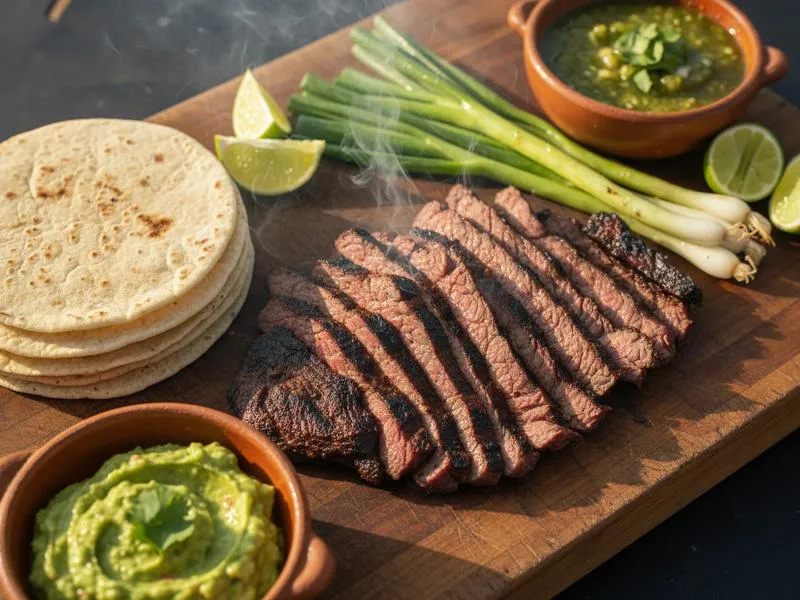
Food matters here. Look for carne asada, flour-tortilla burritos, chile colorado, machaca, discada, queso menonita, and sotol. Cold evenings make northern food feel natural, and Chihuahua is one of the best places in Mexico to understand the desert, ranching, Mennonite, and borderland influences behind it.
For the wider state, February works best when Chihuahua City supports one or two mountain or desert legs:
| Add-on | Why it works in February | Planning note |
|---|---|---|
| Copper Canyon | Dry-season visibility and winter light | Give it more than one night |
| Creel | Pine forest, lake, valleys, and Tarahumara context | Expect cold mornings |
| Divisadero | Viewpoints and El Chepe logistics | Book rooms with heating in mind |
| Basaseachi Falls | Cooler road-trip weather | Check road conditions before leaving |
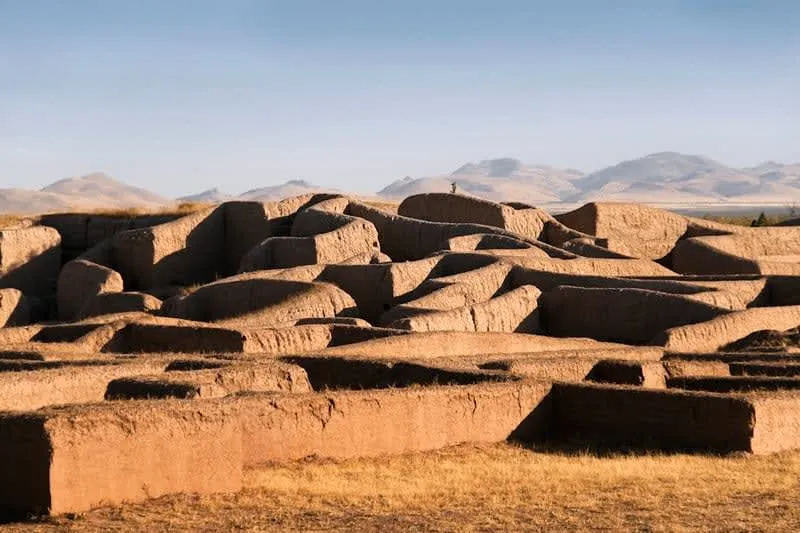
| Paquime | Dry desert weather and archaeology | Start early because the site is exposed |
Pair this page with the Copper Canyon travel guide, Creel travel guide, and El Chepe train guide before you lock the mountain portion.
Where to Stay and How to Plan the Route
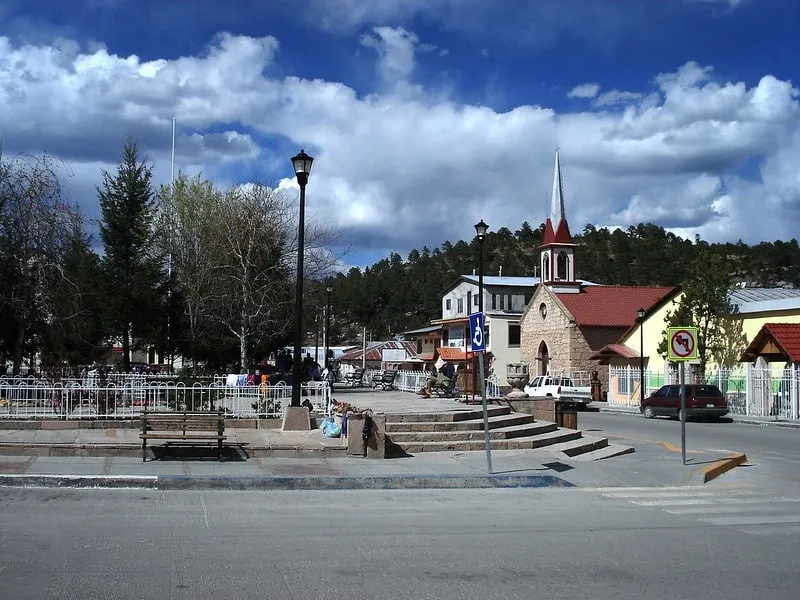
For a first Chihuahua City stay, the historic center is the easiest base. You can walk to the cathedral, museums, cafes, and restaurants, then use taxis or rideshare for anything farther out. If you are driving, secure parking matters more than being on the prettiest block.
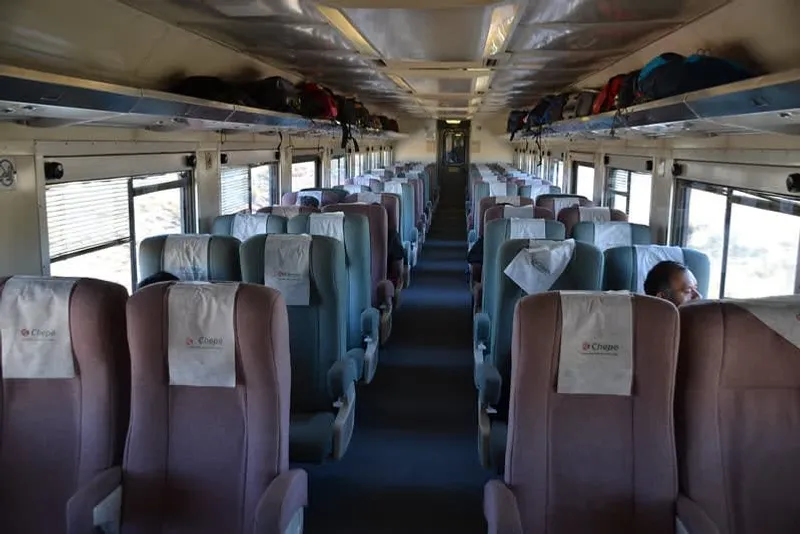
If El Chepe is part of the trip, check station timing before choosing a hotel. Early departures feel different in February because mornings are cold and you do not want a long wait outside with luggage. If you are continuing to Creel or Divisadero, confirm heating, not just views.
| Trip style | Suggested route |
|---|---|
| Quick gateway | 1 night Chihuahua City before El Chepe |
| City plus food | 2 nights Chihuahua City with museums, cathedral, and northern dinners |
| Classic canyon route | Chihuahua City, Creel, Divisadero, El Chepe segment |
| Winter canyon route | Chihuahua City, Creel, Divisadero, Copper Canyon viewpoints, Los Mochis |
| Long northern route | Chihuahua, Copper Canyon, Durango, Mazatlan or Zacatecas |
February is not a month for overstuffed transfers. Distances are long, daylight matters, and cold starts can slow down mornings. A little buffer makes the entire route easier.
Chihuahua vs Copper Canyon, Durango, and Saltillo
Choose Chihuahua in February if you want a useful northern city base with Pancho Villa history, serious food, dry walking weather, and direct Copper Canyon access. It is the best fit when city logistics and mountain scenery both matter.
Choose Copper Canyon in February if your main goal is Creel, Divisadero, canyon viewpoints, and El Chepe scenery. Choose Durango in February if you want colonial streets, western film history, mountain roads, and a possible route toward Mazatlan. Choose Saltillo in February if museums, sarape culture, desert routes, and Coahuila logistics matter more than train travel.
| Destination | Best February fit | Main caution |
|---|---|---|
| Chihuahua City | El Chepe gateway, Pancho Villa history, northern food, dry walking weather | Cold mountain add-ons need real layers |
| Copper Canyon | Winter views, Creel, Divisadero, train scenery | Nights can be freezing |
| Durango | Colonial center, film sets, mountain roads, Mazatlan connection | Cold nights and long drives |
| Saltillo | Museums, sarape culture, Coahuila road trips | Less dramatic as a standalone vacation |
| Torreon | Practical La Laguna stop, Cristo de las Noas, northern food | Weaker as a standalone trip |
For a first northern Mexico route, Chihuahua plus Copper Canyon gives the stronger travel story. For a simpler city break, Saltillo or Monterrey is easier. For a colonial mountain route, Durango can be the better match.
Final Verdict
Chihuahua in February is worth it for travelers who want dry northern Mexico weather, cold mountain scenery, strong food, Pancho Villa history, and practical Copper Canyon access. It is not a warm escape, but that is why it works: February keeps Chihuahua crisp, clear, and far from the usual resort rhythm.
Book the mountain portion with cold nights in mind, give El Chepe and Copper Canyon a buffer, and pack warmer layers than Chihuahua City afternoons suggest. Do that, and February can be one of the better months to use Chihuahua as the doorway into northern Mexico.