Chihuahua in March: Weather, El Chepe & Tips
Is Chihuahua Good in March?
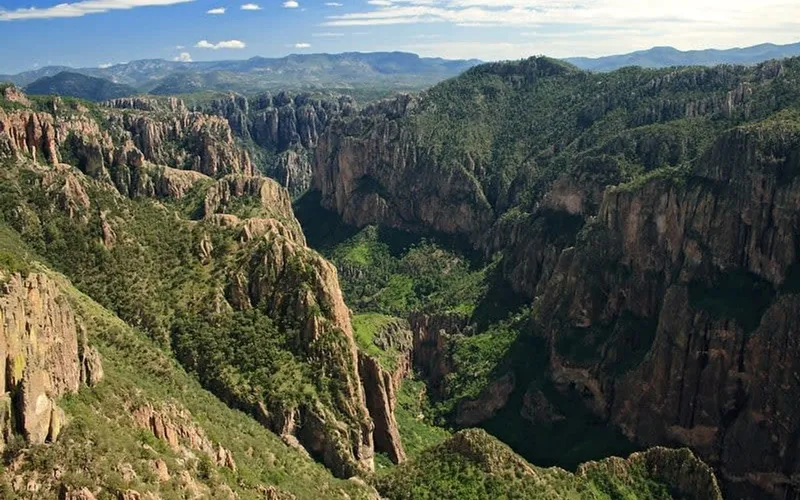
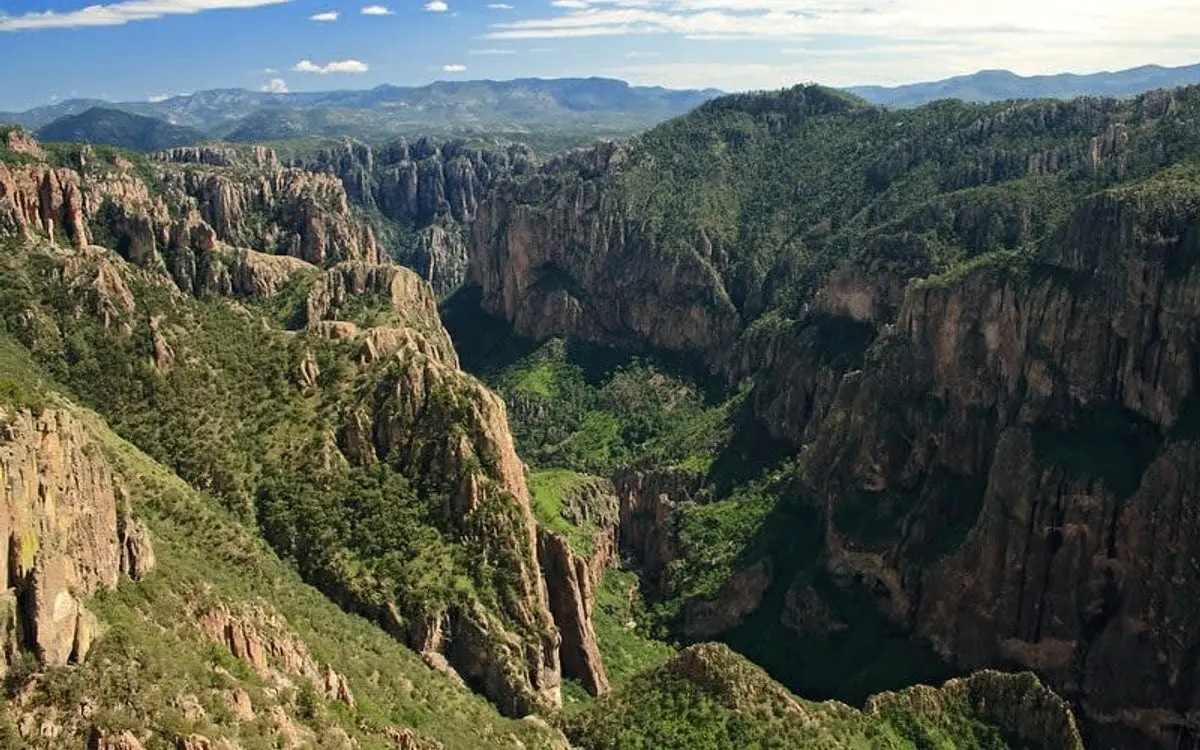
Chihuahua in March is a strong northern Mexico choice if you want dry spring weather, El Chepe access, Copper Canyon views, Pancho Villa history, and food that feels completely different from the beach circuit. It is not the softest first-time Mexico trip, but it is one of the better months to make Chihuahua work without fighting winter cold or late-spring heat.
March gives the city useful travel weather. Days are usually bright enough for the cathedral, Plaza de Armas, museums, and road starts toward Creel or Divisadero. Nights can still feel cool, especially if a cold front moves through, but the month is generally easier than January or February for travelers who do not want a full winter packing list.
Start with Mexico in March if you are still comparing the country. Use this guide once Chihuahua is on the shortlist and you need the practical answer on weather, El Chepe timing, Semana Santa pressure, where to stay, and how it compares with Copper Canyon in March, Durango in March, Monterrey in March, and Saltillo in March.
Chihuahua in March in 30 Seconds
| Question | Short answer |
|---|---|
| Is March worth it? | Yes, especially for El Chepe positioning, Copper Canyon visibility, city history, and northern food. |
| Biggest upside | Dry spring weather, clearer canyon views, and easier walking than hotter months. |
| Biggest downside | Late-month Semana Santa demand can raise hotel prices and tighten route logistics. |
| Best 2026 window | March 3-18 for dry weather before the heaviest Holy Week movement. |
| Best trip length | 1-2 nights in Chihuahua City; 5-7 nights if Copper Canyon is included. |
| Best base | Historic-center Chihuahua City hotel for museums, restaurants, and station transfers. |
| Poor fit | Beach-first travelers or anyone who wants a compact resort-style vacation. |
March works because Chihuahua has a clear job in the itinerary. It can be your northern city break, your El Chepe gateway, or the start of a Copper Canyon route. It is weaker when treated as a random stop with no plan beyond wandering, because the distances around the state are large.
Weather in Chihuahua in March
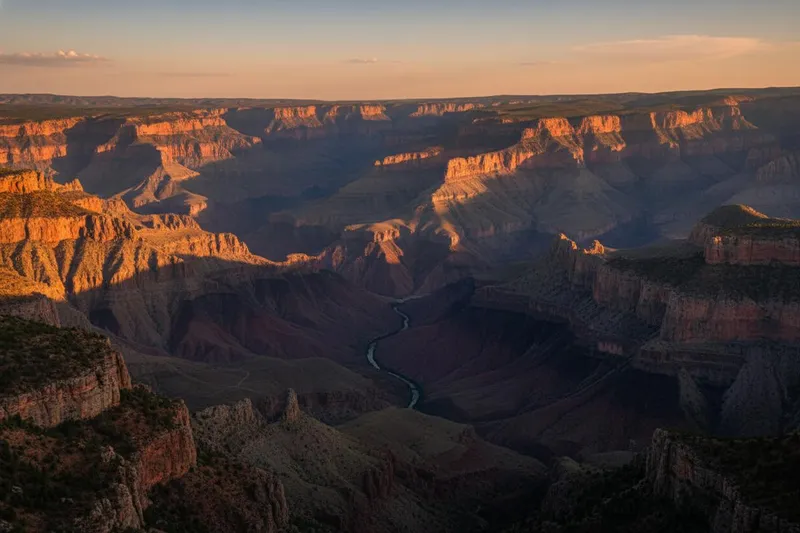
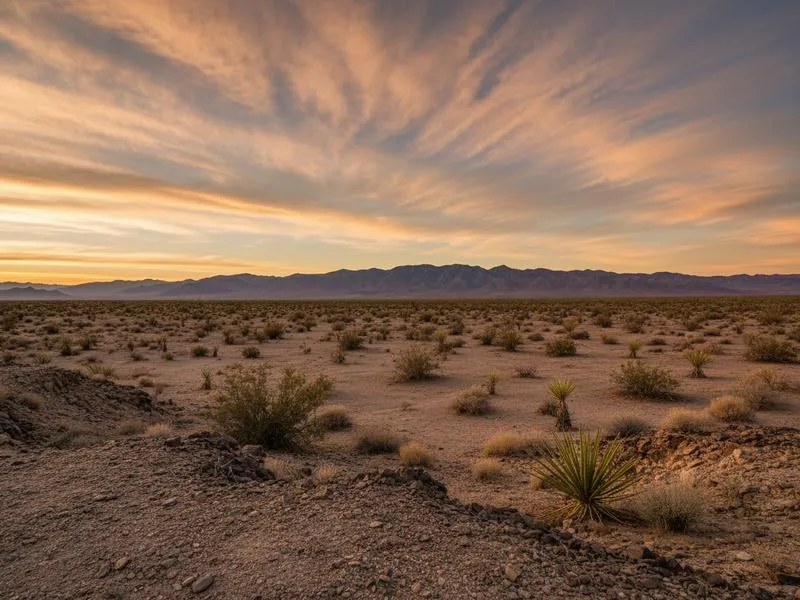
Chihuahua City in March usually means dry air, bright days, cool mornings, and stronger sun than the temperature alone suggests. It is comfortable for walking the historic center, visiting Palacio de Gobierno, Casa Chihuahua, Quinta Gameros, the cathedral, and the Pancho Villa Museum if you plan the day with layers.
The mountain route is cooler. Creel, Divisadero, and Copper Canyon sit high enough that mornings and nights can still feel cold, even when Chihuahua City feels mild by afternoon. That contrast is the main packing trap: city weather can make you underpack for canyon viewpoints, early train timing, and mountain hotels.
| Factor | What March usually means | Planning note |
|---|---|---|
| Daytime weather | Mild to warm, dry, and bright in Chihuahua City | Good for museums, plazas, and city walking |
| Nights | Cool in the city, colder in the mountains | Bring a real layer for Creel and Divisadero |
| Rain | Usually low | Better route reliability than summer |
| Sun | Strong at midday | Use sunscreen and start exposed walks early |
| Crowds | Moderate early, busier near Semana Santa | Book late-March hotels and train plans early |
The best March Chihuahua trip uses the dry weather without ignoring the elevation changes. Pack for spring in the city and late winter in the mountains.
Best Things to Do in Chihuahua in March

March is a useful month to give Chihuahua City more than one transfer night. The historic center, cathedral, Palacio de Gobierno murals, Casa Chihuahua, Quinta Gameros, and Pancho Villa Museum fit well into a full day, and the weather is usually friendly enough that the city feels easier than it does in hotter months.
Food is part of the reason to come. Chihuahua is a strong place for carne asada, flour-tortilla burritos, discada, machaca, chile colorado, queso menonita, and sotol. March evenings are still cool enough that a serious northern dinner feels right after a day of city walking or canyon logistics.
For the wider state, choose one larger add-on instead of trying to sample everything:
| Add-on | Why it works in March | Planning note |
|---|---|---|
| Copper Canyon | Dry-season visibility and practical train timing | Give the route more than one night |
| Creel | Valleys, lake, forest, and Raramuri context | Expect cool mornings |
| Divisadero | Viewpoints, hotels, and El Chepe access | Book ahead near Semana Santa |
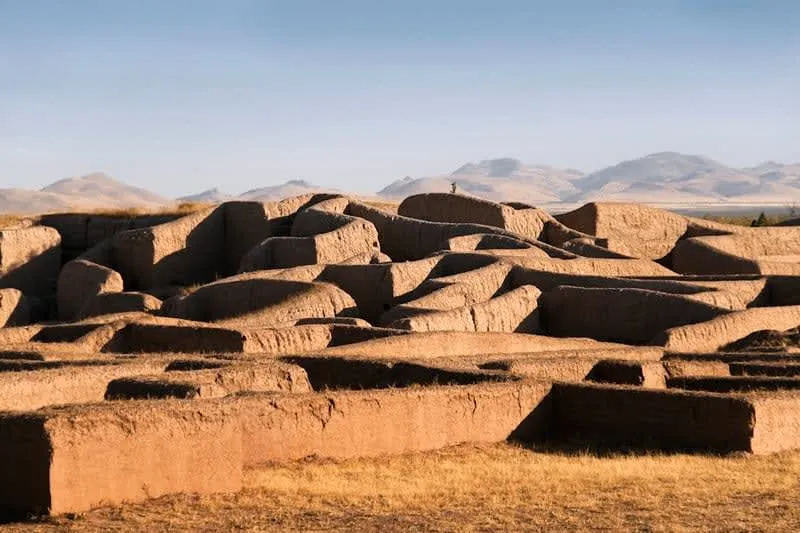
| Paquime | Dry archaeology weather near Casas Grandes | Start early because the site is exposed |
| Basaseachi Falls | Cooler road-trip weather than late spring | Check route conditions before leaving |
Pair this page with the Copper Canyon travel guide, El Chepe train guide, and Chihuahua City guide before you lock the mountain portion.
Where to Stay and How to Plan the Route
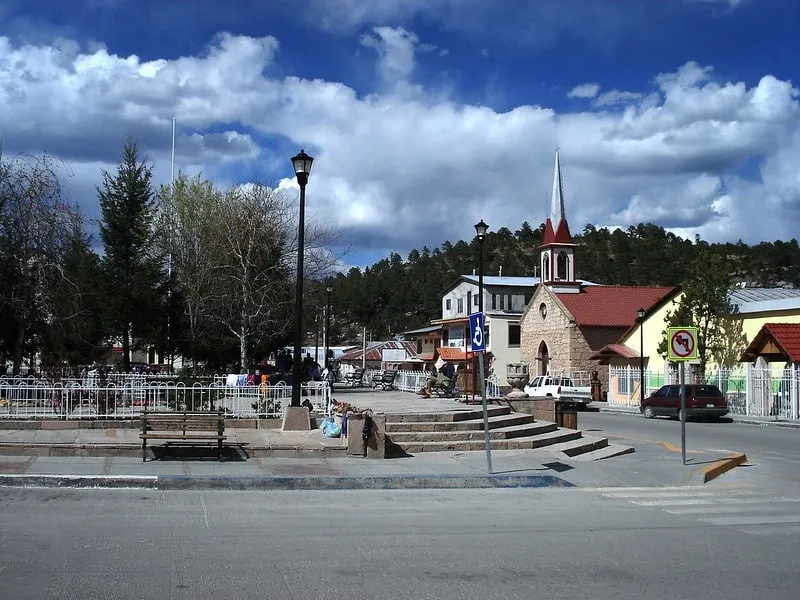
For a first Chihuahua City stay, the historic center is the easiest base. You can walk to the cathedral, museums, cafes, and restaurants, then use rideshare or taxis for anything farther out. If you are driving, secure parking matters more than being on the most photogenic block.
If El Chepe is part of the trip, choose the hotel around station timing and sleep quality. Early departures are easier when you are not crossing the city before sunrise, and late arrivals are less stressful when dinner options are close.
| Trip style | Suggested route |
|---|---|
| Quick gateway | 1 night Chihuahua City before El Chepe |
| City plus food | 2 nights Chihuahua City with museums, cathedral, and northern dinners |
| Classic canyon route | Chihuahua City, Creel, Divisadero, El Chepe segment |
| Dry-season route | Chihuahua City, Creel, Divisadero, Copper Canyon viewpoints, Los Mochis |
| Long northern route | Chihuahua, Copper Canyon, Durango, Mazatlan or Zacatecas |
March is also when booking pressure starts to matter if Semana Santa falls late in the month. Reserve canyon hotels, train segments, and central Chihuahua rooms earlier than you would for an ordinary weekday city stop.
Chihuahua vs Copper Canyon, Durango, and Monterrey
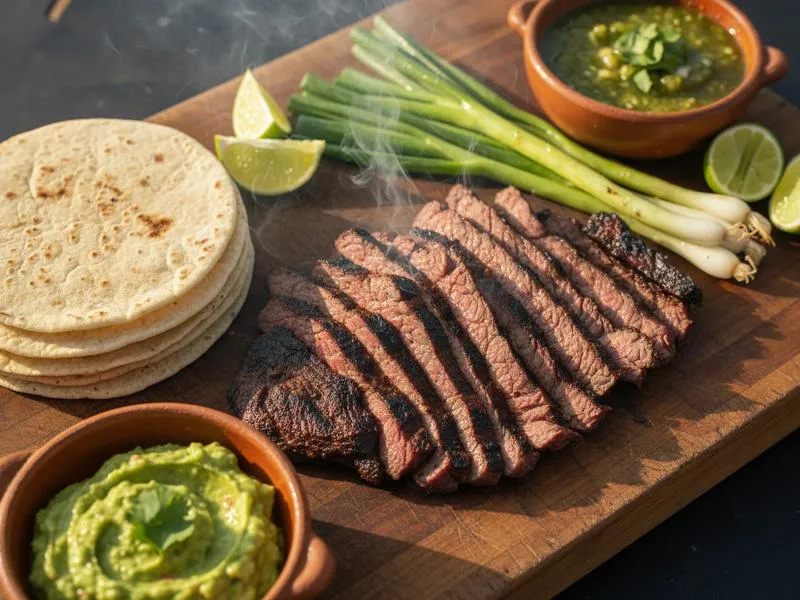
Choose Chihuahua in March if you want a practical northern city base with Pancho Villa history, serious food, dry walking weather, and direct Copper Canyon access. It is the right choice when the city and the route both matter.
Choose Copper Canyon in March if your main goal is Creel, Divisadero, canyon viewpoints, and El Chepe scenery. Choose Durango in March if you want colonial streets, western film history, mountain roads, and a possible route toward Mazatlan. Choose Monterrey in March if flights, restaurants, mountain parks, and a bigger city base matter more than train logistics.
| Destination | Best March fit | Main caution |
|---|---|---|
| Chihuahua City | El Chepe gateway, Pancho Villa history, northern food, dry walking weather | Larger state distances require a real route plan |
| Copper Canyon | Dry-season views, Creel, Divisadero, train scenery | Mountain nights can still be cold |
| Durango | Colonial center, film sets, Sierra Madre roads | Long drives if combined with Chihuahua |
| Monterrey | Flights, restaurants, parks, business hotels | More urban and less canyon-focused |
| Saltillo | Museums, sarape culture, Coahuila road trips | Less dramatic as a standalone trip |
For a first northern Mexico route, Chihuahua plus Copper Canyon gives the strongest travel story. For an easier city break, Monterrey or Saltillo is simpler. For a colonial mountain route, Durango can be the better match.
Final Verdict
Chihuahua in March is worth it for travelers who want dry spring weather, El Chepe access, Copper Canyon views, Pancho Villa history, northern food, and a trip that feels far from beach spring break. It is not the easiest Mexico vacation, but it is one of the more rewarding months for the state.
Pack layers, book the canyon portion early if your dates touch Semana Santa, and avoid rushing the route. Do that, and March can be one of the best months to use Chihuahua as the doorway into northern Mexico.