Chihuahua in October: El Chepe & Weather
Is Chihuahua Good in October?
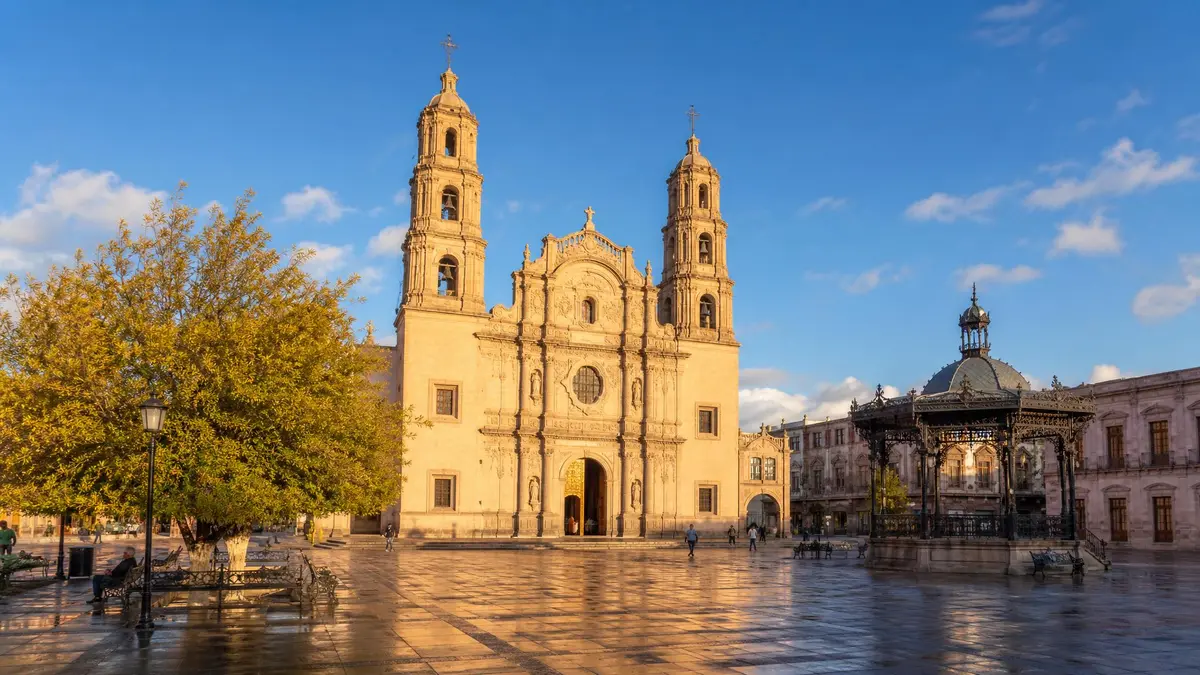
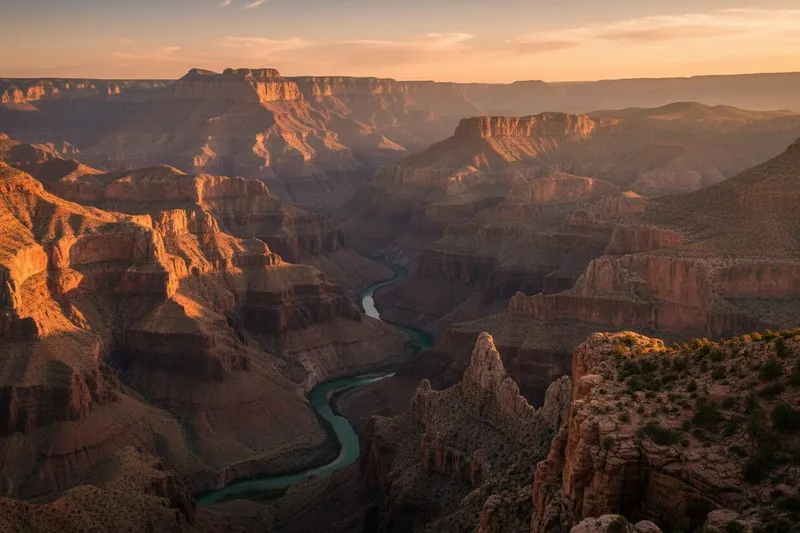
Chihuahua in October is one of the easier months for a northern Mexico trip because the city starts feeling more comfortable, Copper Canyon still has post-rain color, and the route is less pressured than winter high season. It is not beach-weather Mexico. It is a city, desert, mountain, train, and food trip built around El Chepe logistics, Pancho Villa history, and cool mountain nights.
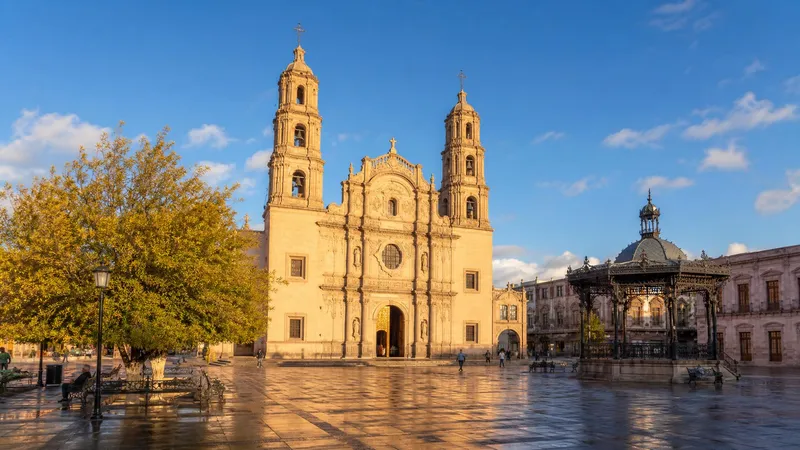
October is especially useful if you want Chihuahua City to be more than a one-night stop before El Chepe. The cathedral, Plaza de Armas, Pancho Villa sites, northern food, and evening walks all work better when the summer heat has backed off. In the Sierra Tarahumara, the weather begins shifting from rainy-season drama toward clearer fall travel, though early October can still need flexibility.
For most trips, the sweet spot is mid to late October. That window keeps some post-rain scenery in the canyon while giving you better odds of clear viewpoints, easier city walks, and fewer transfer surprises than the first week of the month.
Start with Mexico in October if you are comparing regions. If your dates run into November 1-2, check the Day of the Dead travel guide before assuming Chihuahua offers the same scale of events as Oaxaca or Pátzcuaro. Use this guide once Chihuahua is on the shortlist and you need the practical answer on weather, where to stay, El Chepe timing, Copper Canyon routing, and how it compares with Copper Canyon in October, Durango in October, Monterrey in October, and Torreón in October.
Chihuahua in October in 30 Seconds
| Question | Short answer |
|---|---|
| Is October worth it? | Yes, especially for city comfort, El Chepe planning, and Copper Canyon scenery without peak-season pressure. |
| Biggest upside | Warm but easier city days, cooler evenings, post-rain mountain color, and strong northern food weather. |
| Biggest downside | Early-month rain can still affect mountain plans, and Creel nights can be cold. |
| Best timing window | Mid to late October for a better balance of clearer weather and shoulder-season value. |
| Best trip length | 1-2 nights in Chihuahua City; 5-7 nights if Copper Canyon is part of the trip. |
| Best base | Historic-center Chihuahua City hotel with parking or easy taxi access. |
| Poor fit | Travelers who want beaches, tropical warmth, or a no-layer packing list. |
Think of October as the turning point. You still get some of the visual payoff from the rains, but the trip starts feeling more predictable than July, August, or September. If El Chepe is the anchor, avoid building a same-day chain from arrival flight to train to canyon hotel; one missed transfer can flatten the whole route.
Weather in Chihuahua in October
October in Chihuahua City is much easier than midsummer. Days are often warm enough for short sleeves, but the harsh afternoon heat usually fades. Mornings and evenings become better for walking around the historic center, sitting in plazas, and planning dinner without hiding from the sun.
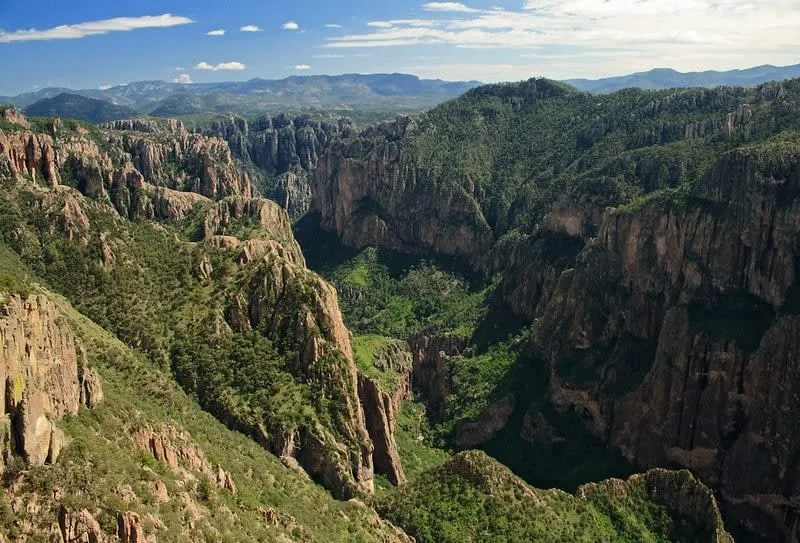
Rain drops compared with summer, but it does not disappear overnight. Early October can still bring scattered storms, especially if you are pushing into the Sierra Tarahumara. By later October, the route usually feels drier and clearer. That matters if your trip depends on Creel, Divisadero, Basaseachi, or viewpoints where clouds and road conditions can change the day.
| October factor | What it means in Chihuahua | Best move |
|---|---|---|
| City days | Warmer than the highlands, but easier than summer | Plan museums and plazas without rushing |
| Evenings | Comfortable to cool | Bring a light jacket for dinner |
| Mountain nights | Creel and Divisadero can feel cold | Pack layers, not only city clothes |
| Rain risk | Lower than summer, higher early in the month | Keep buffers for canyon routes |
| Visibility | Often improves as the month dries | Save key viewpoints for mornings when possible |
If you want the simplest weather, later October is the safer bet. If you want a greener-looking canyon route, early to mid October can still be rewarding. Put your most important canyon viewpoint morning after at least one night in the mountains, not immediately after a long arrival day.
Best Things to Do in Chihuahua in October

Use Chihuahua City as a real stop, not just a station. The cathedral, Plaza de Armas, Palacio de Gobierno, Quinta Gameros, and Pancho Villa Museum fit well into a one- or two-night stay. October makes that easier because you can spend more time outside without building the whole day around heat avoidance.
Food is a major reason to slow down. Look for carne asada, burritos de harina, machaca, discada, queso menonita, flour tortillas, and sotol. October evenings are excellent for this kind of trip because the city feels more comfortable after dark and the heavier northern food makes more sense than it does in peak summer heat.
For the wider route, October is strongest when you connect the city with at least one mountain segment:
| Add-on | Why it works in October | Planning note |
|---|---|---|
| Copper Canyon | Post-rain scenery, better visibility, cooler days | Do not rush it into one night |
| Creel | Pine forest, valleys, lakes, and Tarahumara context | Pack for cold evenings |
| Divisadero | Big canyon views and easy train logistics | Book canyon-view stays early for weekends |
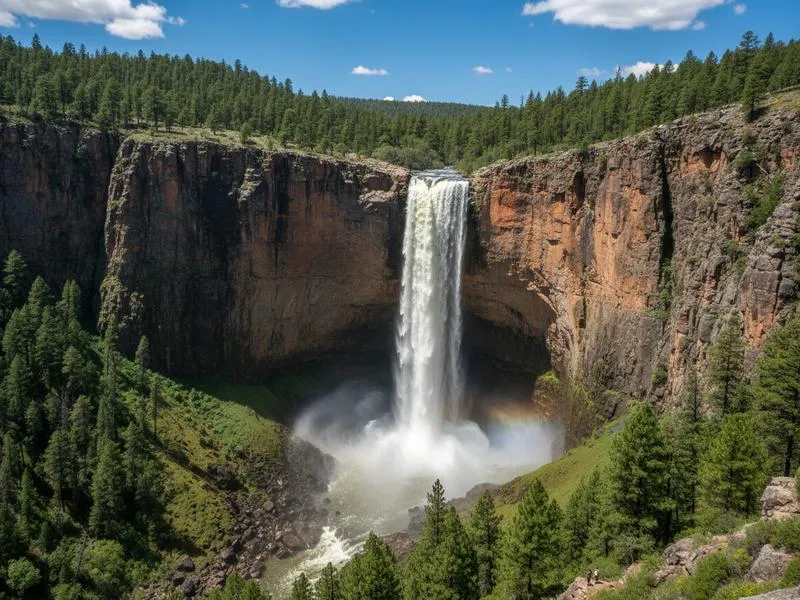
| Basaseachi Falls | Flow can still be stronger than late dry season | Check road conditions after rain |
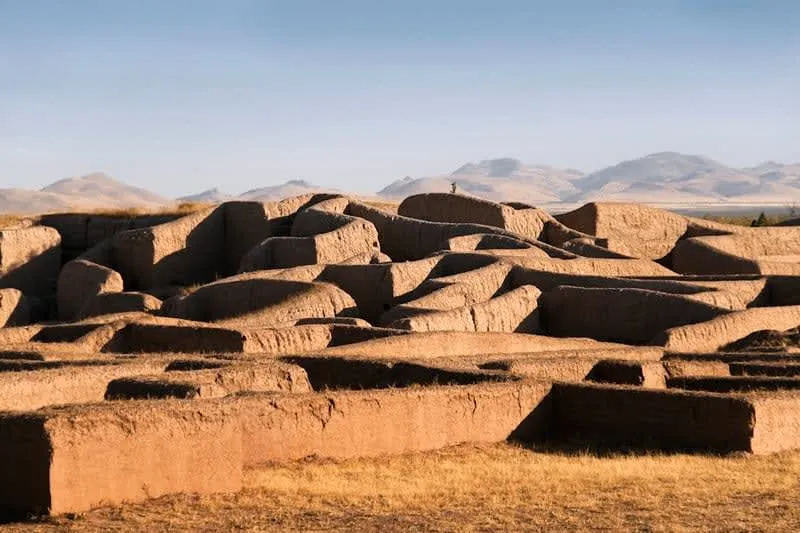
| Paquime | Desert archaeology and Casas Grandes context | Go early because the site is exposed |
Pair this with the Copper Canyon travel guide, Creel travel guide, and El Chepe train guide before booking the mountain portion. If you are choosing between a quick city stop and the full canyon route, spend the extra night in Creel or Divisadero before adding another city museum.
Where to Stay and How to Plan the Route
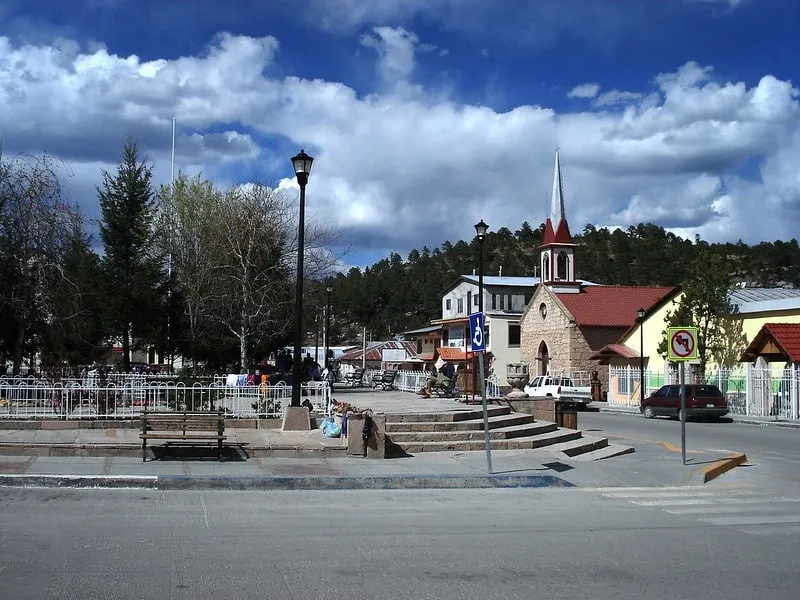
For Chihuahua City, choose logistics first. A central hotel near the historic core works well if you want cathedral evenings, restaurants, museums, and short taxi rides. If you are driving, prioritize secure parking and simple road access. If you are taking El Chepe, ask the hotel about station transfer timing before assuming anything.
For Copper Canyon, decide whether the train is the centerpiece or only one segment. A rushed trip can turn into a chain of transfers. A better October route gives you at least two nights in the mountains so you can absorb weather changes and still see more than one viewpoint.
| Trip style | Suggested route |
|---|---|
| Quick gateway | 1 night Chihuahua City before El Chepe |
| City plus food | 2 nights Chihuahua City with museums, cathedral, and dinner focus |
| Classic canyon route | Chihuahua City, Creel, Divisadero, El Chepe segment |
| Waterfall and canyon | Chihuahua City, Creel, Basaseachi, Divisadero |
| Long northern route | Chihuahua, Copper Canyon, Durango, Mazatlan or Zacatecas |
The main October mistake is packing only for the city. Chihuahua City can feel mild, while Creel can feel cold after sunset. Bring layers and keep your first mountain morning flexible. Hotels near the historic center are easiest for a short city stay; canyon-view lodging is where early booking matters most if your dates touch a weekend.
Safety: Chihuahua City Is Not the Same as the Wider State
Official travel advice draws an important line between Chihuahua City and the rest of Chihuahua state. As of August 17, 2026, the Government of Canada advises avoiding non-essential travel to Chihuahua state, with Chihuahua City excluded from that regional advisory. Copper Canyon, Creel, Divisadero, Basaseachi, and Paquime are outside the city exception, so the mountain route described in this guide carries a different official risk assessment from a city-only stay.
Check your own government’s latest Mexico advisory before paying for non-refundable flights, train tickets, tours, or canyon hotels. Recheck shortly before departure because regional advice can change. A running train, available hotel, or bookable tour does not by itself mean that official advice has changed. If you continue with the route, use established transport and lodging providers, avoid improvised night driving, and ask operators about current conditions rather than relying only on an old itinerary.
Chihuahua vs Copper Canyon, Durango, and Monterrey
Choose Chihuahua in October if you want a practical northern city base with food, history, El Chepe access, and a route into Copper Canyon. It is the best fit when the city and the train logistics both matter.
Choose Copper Canyon in October if your main goal is Creel, Divisadero, canyon viewpoints, and the Sierra Tarahumara. Choose Durango in October if you want a colonial city, western film history, mountain roads, and a bridge toward Mazatlan. Choose Monterrey in October if flights, restaurants, business hotels, museums, and big-city convenience matter more than train scenery.
| Destination | Best October fit | Main caution |
|---|---|---|
| Chihuahua City | El Chepe gateway, Pancho Villa history, northern food, easier walking weather | Still needs mountain-route buffers |
| Copper Canyon | Canyon views, Creel, Divisadero, train scenery | Cold nights and early-month rain risk |
| Durango | Colonial center, film sets, Sierra Madre road trips | Rural drives need daylight planning |
| Monterrey | Restaurants, museums, San Pedro, mountain views | More urban and less scenic as a train route |
| Torreon | Practical La Laguna stop, Cristo de las Noas, northern food | Less compelling as a standalone vacation |
For a first northern Mexico trip, Chihuahua plus Copper Canyon is the stronger story. For an easier city break, Monterrey is simpler. For a quieter road-trip feel, Durango can be the better match.
Final Verdict
Chihuahua in October is worth it for travelers who want northern Mexico with better walking weather, real city history, strong food, and a clean route into Copper Canyon. It is one of the more practical shoulder-season months because the city is easier than summer and the mountains begin moving toward drier travel.
Book a comfortable city hotel, add at least one buffer around El Chepe or mountain transfers, and pack layers for Creel or Divisadero. Do that, and October gives Chihuahua a good balance: enough post-rain scenery to feel alive, enough fall stability to plan confidently, and enough local texture to make the city more than a stopover.