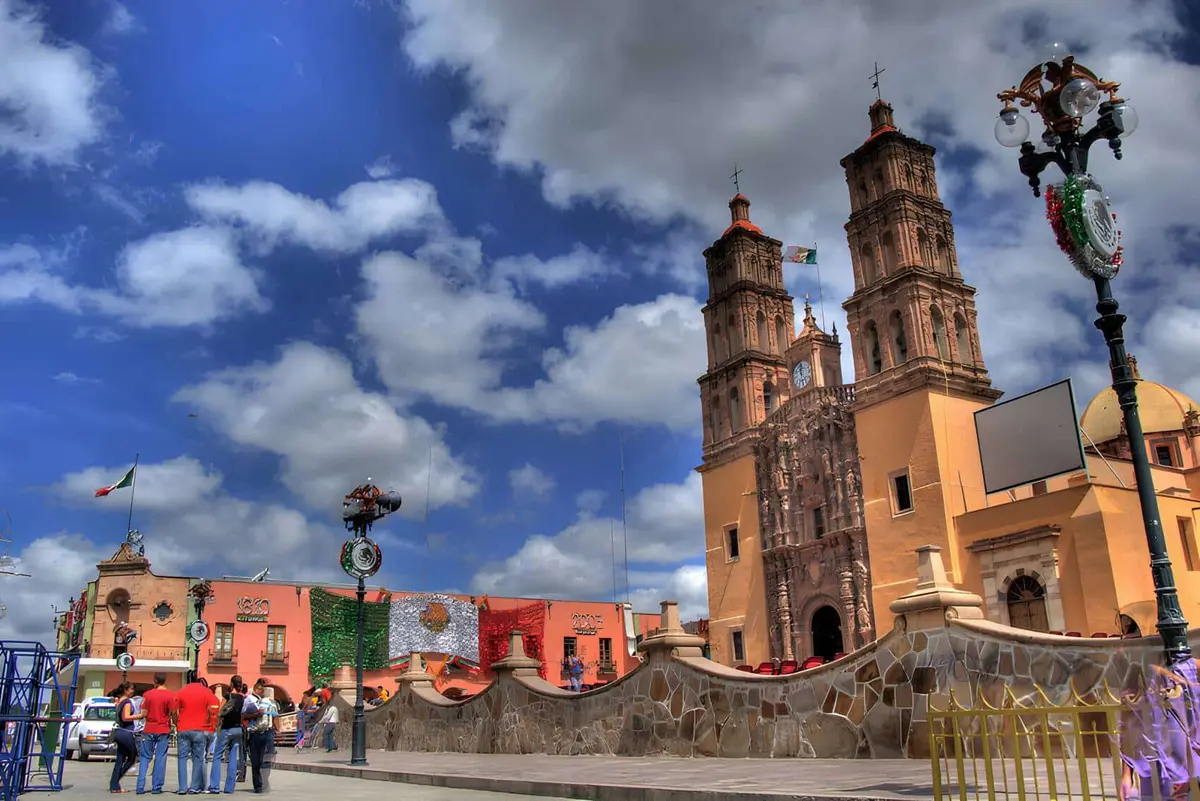
Dolores Hidalgo, Guanajuato: Your Next Travel Destination
Dolores Hidalgo, Guanajuato, is the town where Mexico’s independence story begins. It is smaller and quieter than San Miguel de Allende or Guanajuato City, but it has a clear identity: El Grito history, the parish church, independence museums, Talavera-style ceramics, unusual ice cream flavors, and a growing wine-country route.
This guide is for travelers deciding whether Dolores Hidalgo deserves a day trip, an overnight stop, or a place in a central Mexico road trip. The town works best when you give it enough time for the museums, plaza, ceramics shops, wine, and at least one slow meal instead of treating it as a quick photo stop.
Use the month-by-month links below if your main question is timing. September is the most symbolic time to visit, but the quieter months can be easier for hotels, wineries, and relaxed walking.
Getting to Dolores Hidalgo, Guanajuato
Dolores Hidalgo is located in the north-central zone of the state of Guanajuato, bordered by the municipalities of San Diego de la Union, San Luis de la Paz, San Miguel de Allende, Guanajuato city, and San Felipe.
The closest city to Dolores Hidalgo is Guanajuato City, 28 km from the Magical Town heading northeast.
Also, from San Miguel de Allende, the trip is 45 km northwest, and from Leon, the most populated city in the state, you have to travel 127 km; San Luis Potosí is 152 km away, and Mexico City is 340 km.
Climate
The average temperature here is around 24 C, with levels below 20° C in the coolest months, from December to March, and above 30° C in the summer between June and September.
It rains very little in Dolores Hidalgo, only about 330 mm per year, falling mainly in late May, July, August, and September (sometimes October too).
For a month-by-month trip angle, Dolores Hidalgo in January is the calmest dry-season starting point because it combines cool highland weather, ceramics shopping, museums, and Guanajuato wine country after the holiday rush. Dolores Hidalgo in February gives you another dry-season window with Candelaria traditions, cool nights, and easy winery drives. Dolores Hidalgo in March keeps the dry-weather advantage with warmer afternoons, ceramics browsing, and easy wine-country routing before late-month holiday pressure. Dolores Hidalgo in April is the warmer post-Easter option for dry weather, ceramics, wineries, and easier hotel planning. Dolores Hidalgo in May is the warm low-season bridge into first-rain flexibility, with ceramics, museums, and wine country before summer gets wetter. Dolores Hidalgo in June is the green-season version, with useful mornings, afternoon rain planning, ceramics, museums, and winery flexibility. Dolores Hidalgo in July is the deeper rainy-season version, with green countryside, morning sightseeing windows, ceramics, museums, and flexible winery routing. Dolores Hidalgo in August is the pre-Independence-season sweet spot, with patriotic build-up, green highland scenery, wine country, and fewer crowds than September 15 to 16. Dolores Hidalgo in September is the most meaningful El Grito trip because this is where Miguel Hidalgo’s call for independence began. Dolores Hidalgo in October is calmer after Independence Day, with better weather, ceramics, wineries, and late-month Day of Dead color. Dolores Hidalgo in November is one of the easiest dry-season options because it adds the annual José Alfredo Jiménez music festival. If you want dry highland weather with Christmas lights and local posadas instead, use the Dolores Hidalgo in December guide.
12 Best things to do in Dolores Hidalgo, Guanajuato
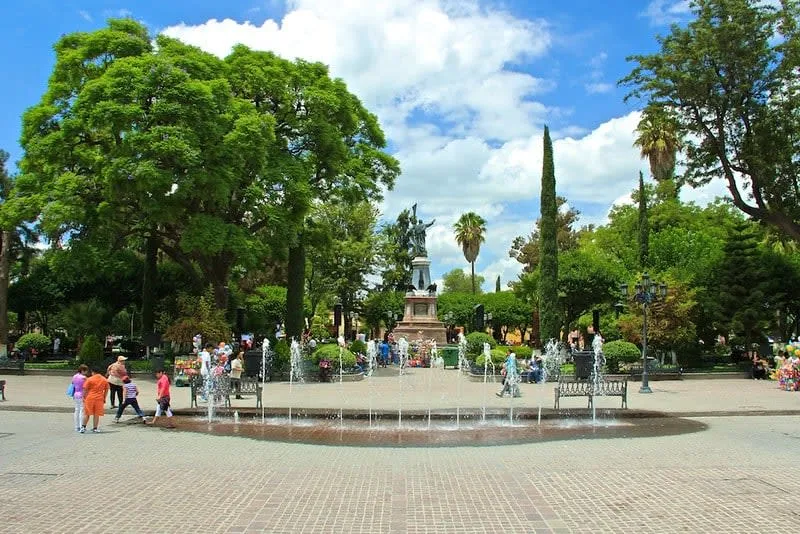
The main attractions here are the sites linked to the Independence, such as the Church of Dolores, the Main Square, and the houses linked to the insurgents.
Dolores Hidalgo is the cradle of Mexican Independence.
There are other outstanding religious buildings and monuments. Also, a visit to the places linked to famous Mexican singer José Alfredo Jiménez occupies a special place in the schedule of visitors.
Other facets to explore in Dolores Hidalgo are its wine culture and ceramics tradition.
The main square in Dolores Hidalgo, also called Jardín del Grande Hidalgo, is a beautiful space with a central dome bordered by a hedge where the statue of Miguel Hidalgo y Costilla is located.
The plaza has wrought iron benches where locals and tourists sit to enjoy one of the iconic ice creams sold in town.
In front of the plaza is the parish church, and there are craft stores, restaurants, and other establishments, including a hotel where Benito Juarez stayed.
1. Visit the Temple of Nuestra Señora de los Dolores
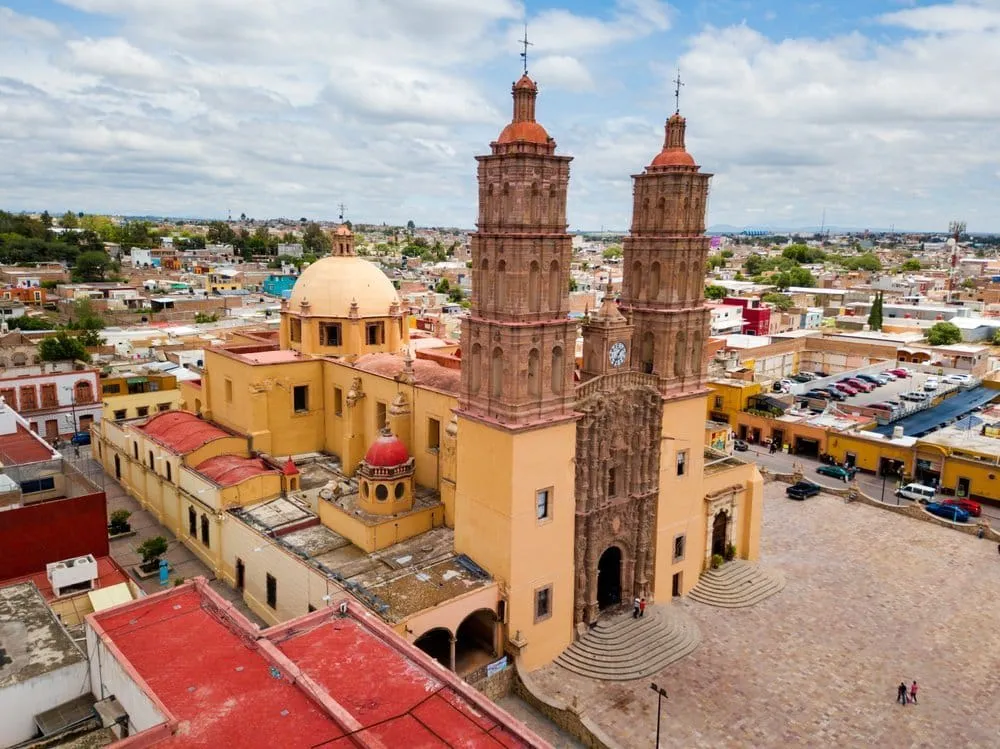
The monument where the “Cry of Independence” was staged is a 1778 building of baroque Novo-Hispanic lines and one of the best architectural works achieved in that Mexican colonial era.
It is the largest Temple in town and showcases the altars of the Virgin of Guadalupe and St. Joseph.
La Casa de las Visitas:
When the parish of Dolores was built, with the leftover materials, they made a large house that initially functioned as the Casa del Diezmo (Tithe House).
As Dolores is regularly visited by prominent people, especially on September 16, the government of Guanajuato decided to acquire the property to accommodate the most distinguished guests who go to the Grito de Dolores, hence its name “The House of Visits.”
In the sober mansion of the XVIII century, its baroque balconies stand out.
2. Temple of the Assumption of Mary
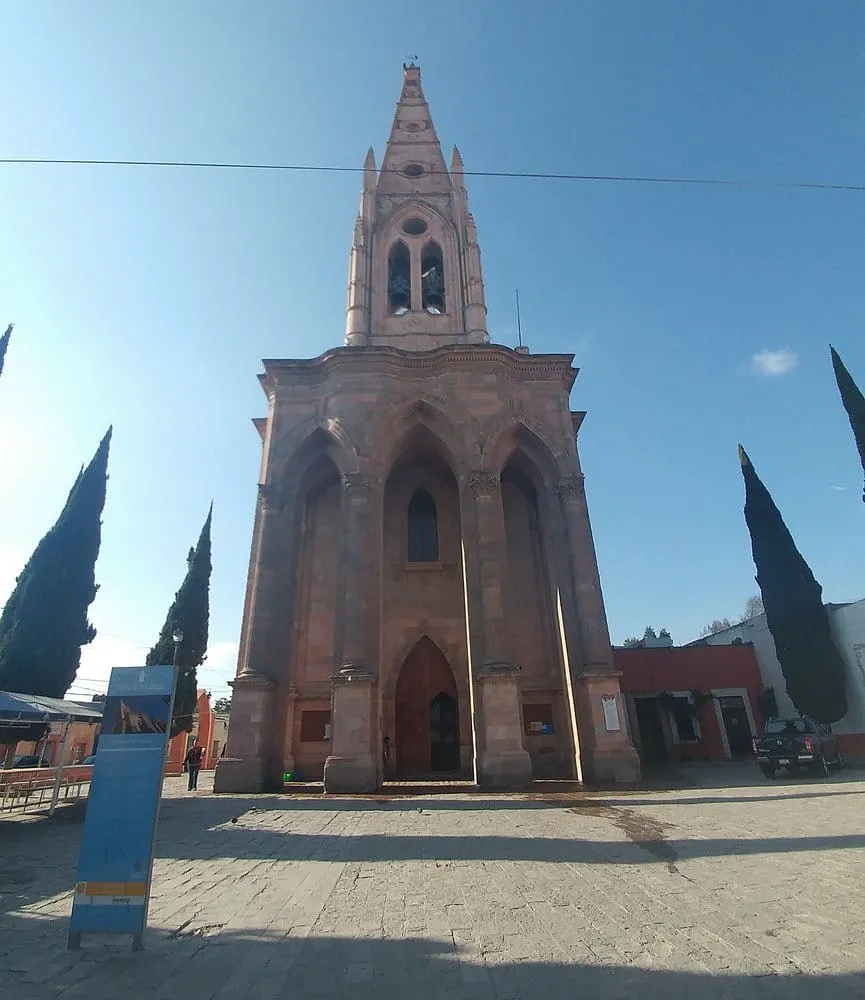
This is a stone building with an elevated entrance in which several architectural styles can be distinguished.
The façade shows Greco-Roman, Doric, and French Gothic traces.
In its interior, a series of murals painted by Pedro Ramírez on the Annunciation, the Incarnation, the Birth of Jesus, the Presentation of Jesus in the Temple, and Jesus among the Doctors stand out.
3. The Third Order Temple
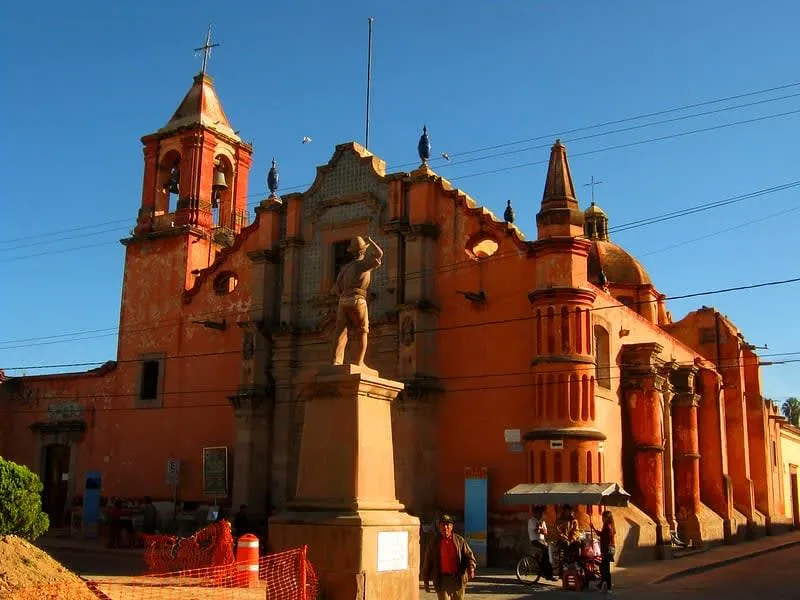
This Temple is a small baroque building and is the oldest after Nuestra Señora de Los Dolores.
The church comprises the central nave and two side naves and is distinguished by its religious images.
It is said that during the independence insurgency, the viceroy of New Spain, Felix Maria Calleja, visited the Temple and deposited his command staff as an offering.
The church is in front of the Jardín Compositores, dedicated to the emulators of José Alfredo Jiménez.
4. Sanctuary of Atotonilco, Guanajuato (near Dolores Hidalgo)
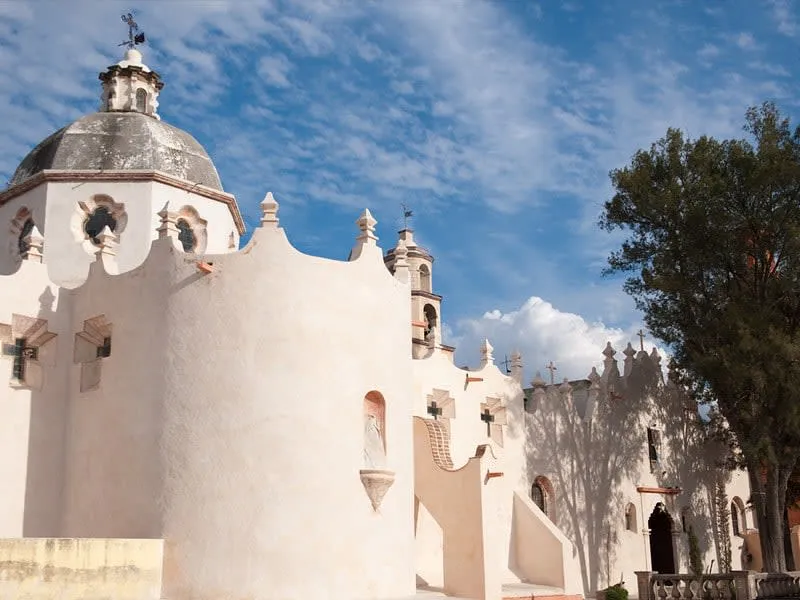
33 km from Dolores Hidalgo Guanajuato is the Sanctuary of Jesus Nazareno de Atotonilco.
This Cultural Patrimony of Humanity is distinguished by the murals on its dome and walls.
This baroque building of the XVIII century is also linked to the history of Mexico since that’s where the priest Miguel Hidalgo took the banner of the Virgin of Guadalupe that became the flag of the insurgents.
5. The Casa Hidalgo Museum
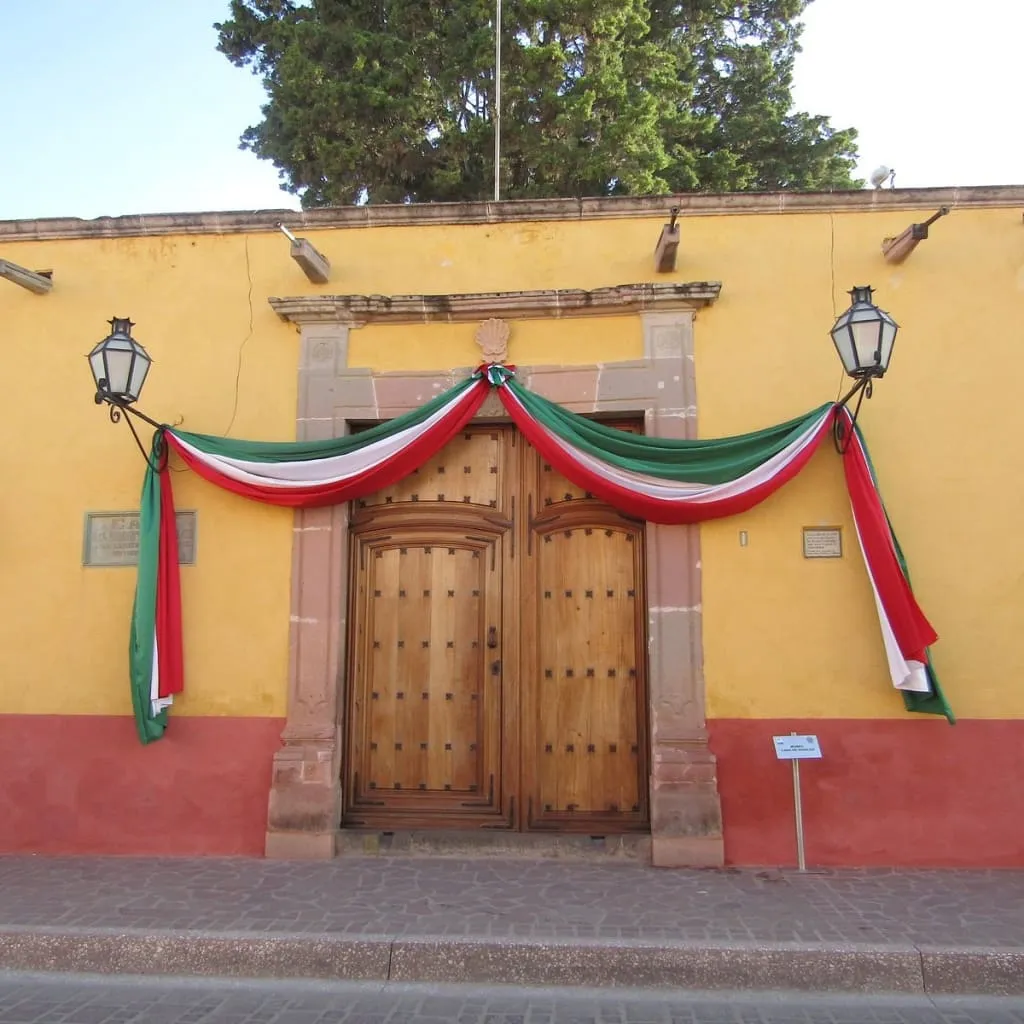
This house should not be confused with the birthplace of the Mexican leader, who was born on May 8, 1753, in Corralejo de Hidalgo, an old hacienda in the town of Penjamo, 140 km from Dolores.
The mansion that houses the Hidalgo Museum is the same building where the Father of Independence lived.
The atmosphere of the time has been recreated, and the furniture and objects that belonged to the famous priest are exhibited in its spaces.
6. Casa Abasolo
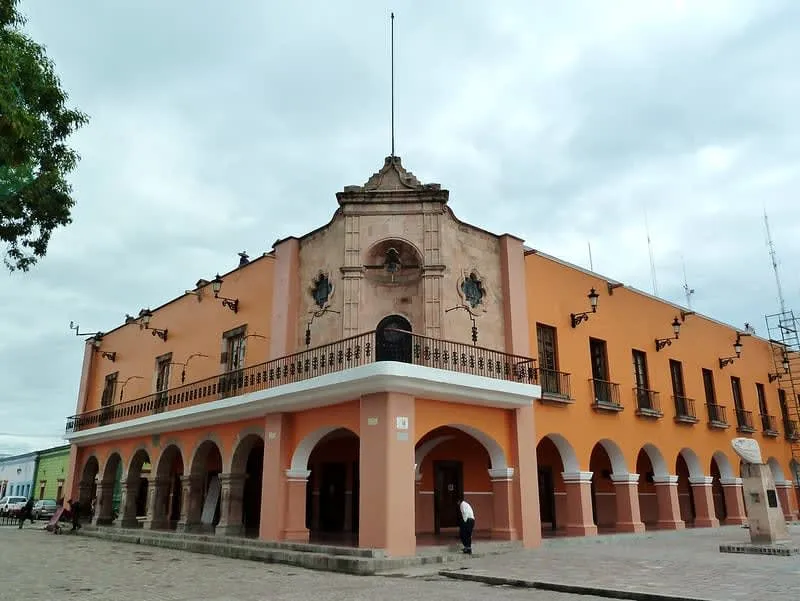
Mariano Abasolo was born in Dolores on January 1, 1789, and participated in the movement initiated by the priest Hidalgo.
The house where the distinguished insurgent was born, located next to the Church of Our Lady of Dolores, in front of the central garden, is the current seat of the Municipal Presidency of Dolores Hidalgo, and inside it exhibits a replica of the bell rung on September 16 and some fresco paintings related to the history of the town.
7. Visit the National Independence Museum
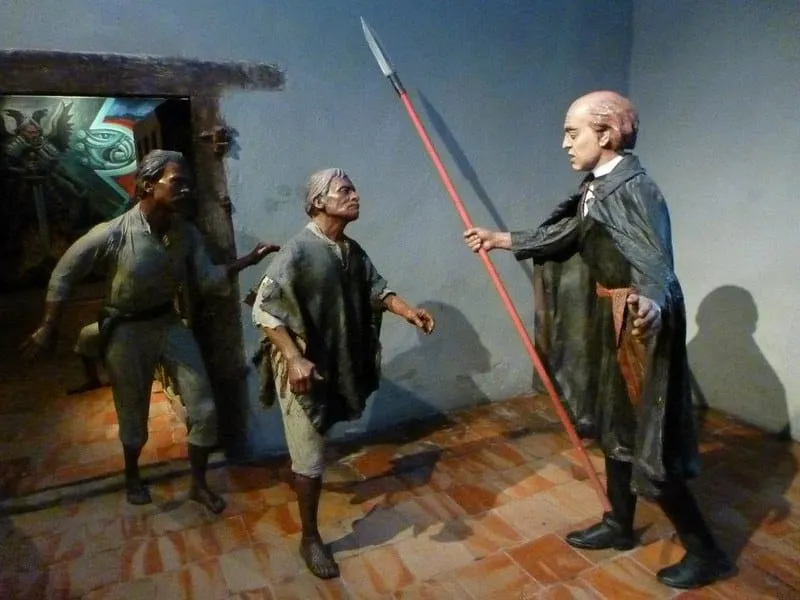
This museum has operated in a large house since the end of the 18th century.
It exhibits seven rooms with diverse testimonies of the independence era, such as documents, objects related to the heroes, and popular art pieces.
A curious fact about the building is that it was the jail of Dolores, and its prisoners were released on September 16, 1810, amid nationalist fervor.
8. Take a picture at the Monument of Independence
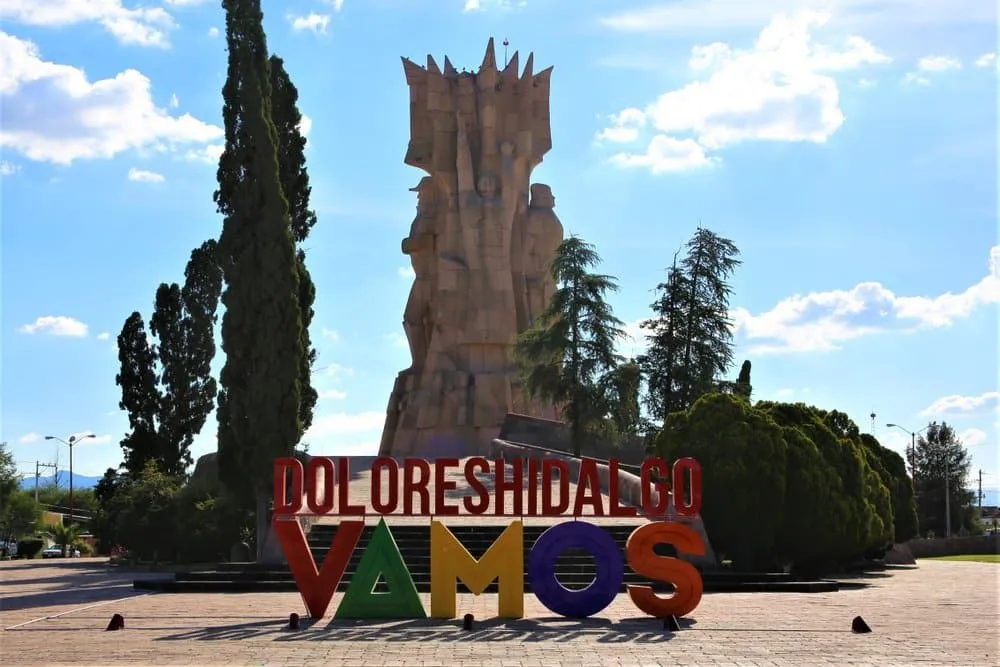
This monument of particular artistic inspiration was erected in 1960 in Dolores Hidalgo to commemorate the 150th anniversary of the Cry of Independence.
It is a joint work of architect Carlos Obregón Santacilia and sculptor Jorge González Camarena.
The 25-meter-high monument was carved in pink quarry stone, and on its four sides, it shows huge figures of Hidalgo, Morelos, Allende, and Aldama.
9. Visit the José Alfredo Jiménez Museum in Dolores Hidalgo
The maximum Mexican icon of composition and singing of Mexican folk music was born in Dolores Hidalgo on January 19, 1926.
The Birth House and museum of the Mexican Idol is an old building from the middle of the XIX century located one block from the main square and houses the artist’s life trajectory.
It begins with José Alfredo’s childhood in Dolores, continues with the family’s move to Mexico City, his artistic beginnings, his success and excesses with alcohol, and ends with his premature death.
As he had requested in his song “Caminos de Guanajuato,” the King is buried in Dolores, and every November, the International José Alfredo Jiménez Festival is held in town.
Apart from concerts with the participation of nationally renowned artists and groups, the event includes cultural events, horseback rides, cantina tours, serenades, and gastronomic samples. You can book Guanajuato tours on Viator.
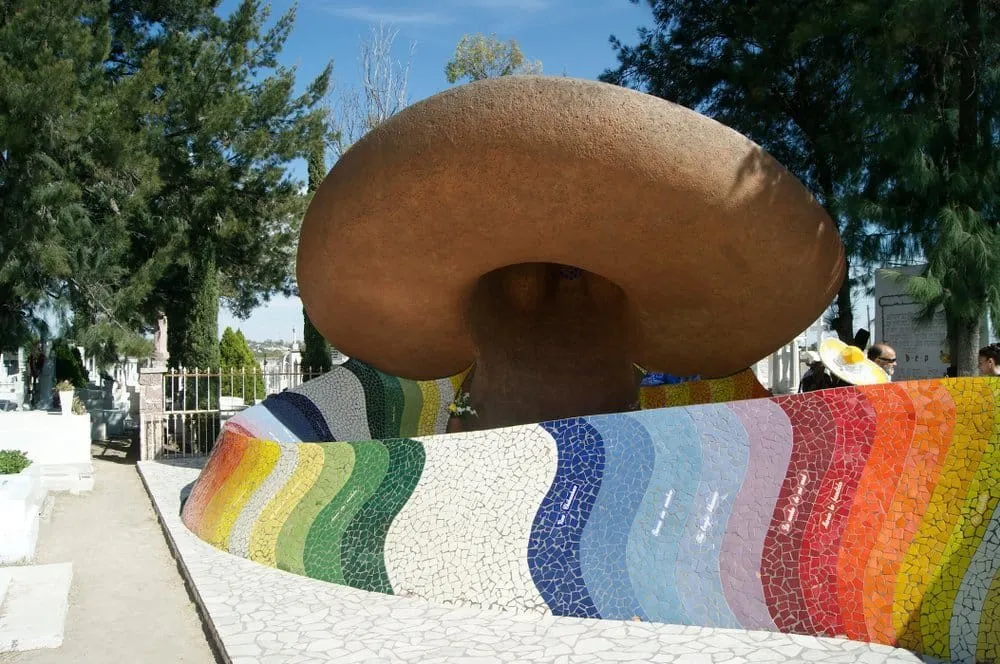
José Alfredo’s mausoleum in the municipal cemetery is a monument presided by a huge charro hat and a colorful mosaic serape with the names of his songs.
It is one of the must-see sites in Dolores Hidalgo.
10. Explore Dolores Hidalgo’s Wine District
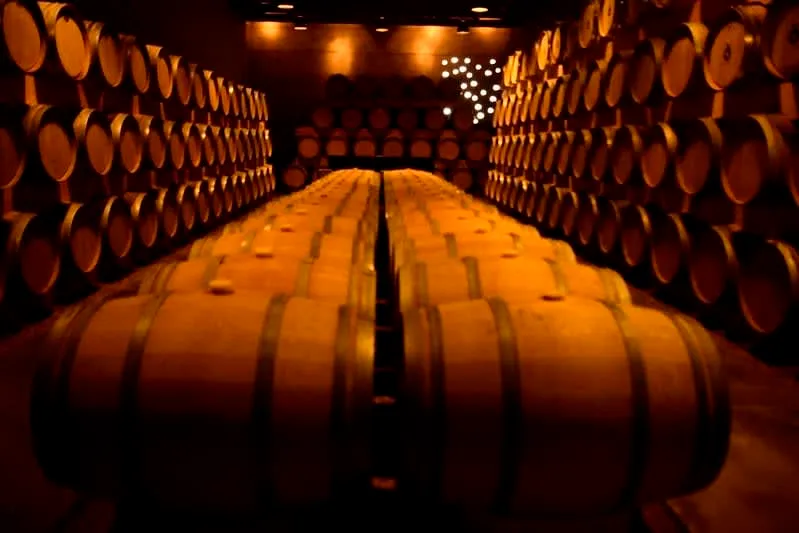
The Independence Valley in Guanajuato is one of Mexico’s wine regions, and its grape harvest is one of the liveliest in the country.
The museum exhibits the art of winemaking from the vineyard to the barrels and bottles, including a sensory room for tasting the best wines from Guanajuato.
Cuna de Tierra is a wine house that offers an exciting tour of the wine culture.
The tours through the vineyard are done in carts to give the visitor the atmosphere of the ancient times of winemaking.
It includes a tour of the production facilities and several types of tastings. It is 16 km from Dolores Hidalgo, on the road to San Luis de la Paz.
11. Try the Exotic ice cream in Dolores Guanajuato
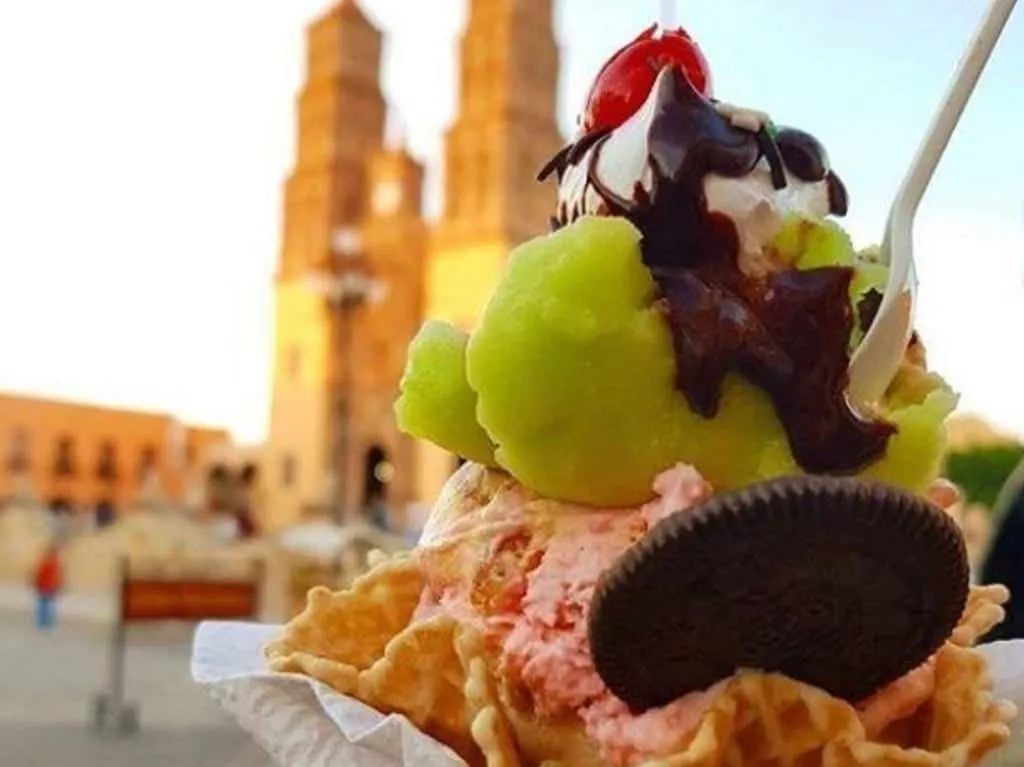
A curious gastronomic tradition also distinguishes Dolores Hidalgo Guanajuato: elaborating ice creams of the most unusual flavors.
In the ice cream shops and stalls around town, it is not strange to see shrimp, beer, cheese, avocado, tequila, roses, chili, prickly pear, and nopales flavors sitting next to the traditional ones of butter, strawberry, and chocolate.
Dare to try an exotic one!
12. Get some local handicrafts
After the cult to the Independence, the great passion of Dolores Hidalgo is the work of the Talavera pottery.
They make vases, dishes, platters, fruit bowls, ewers, flowerpots, candlesticks, and other pieces in a great variety of designs and with striking colors.
The pottery and ceramics are the main economic sustenance of the Magical Town, and three out of every ten pieces are exported, mainly to North America and Europe.
If there’s one thing you won’t miss in Dolores Hidalgo, is a pottery store.
Lodging in Dolores Hidalgo, Guanajuato
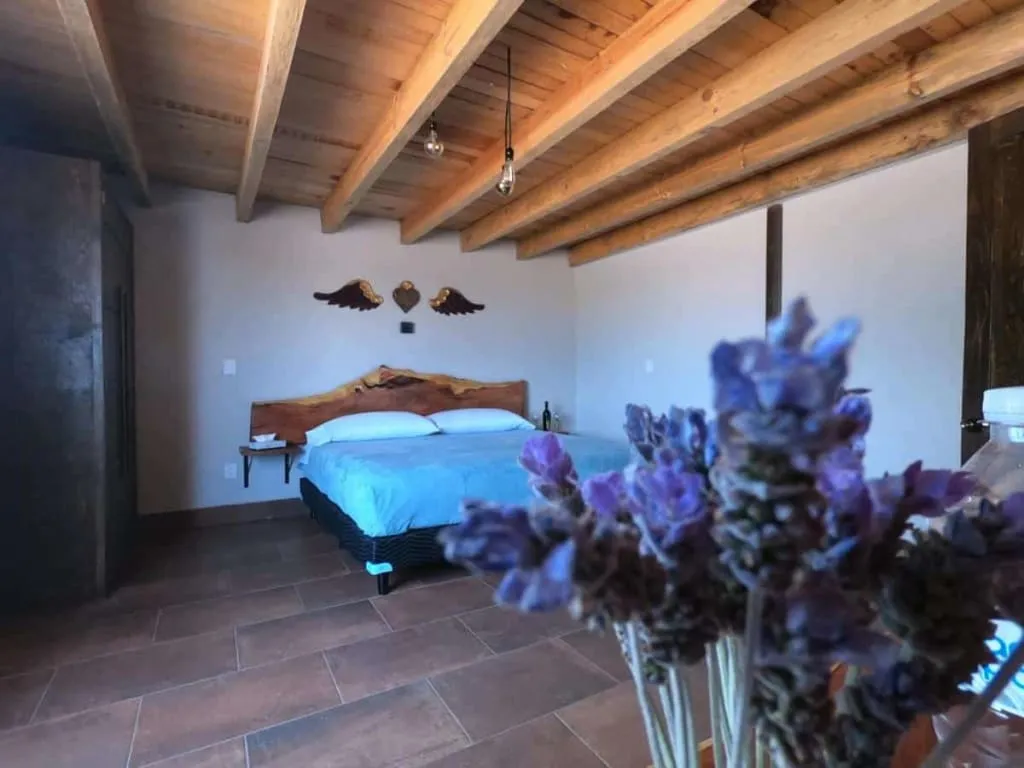
Keep in mind this is a small town, so hotel offer in the area is limited. People who visit for the day come from nearby cities.
Nevertheless, if you plan to stay a night or two, there are a few good hotels with clean facilities.
- Casa Pozo del Rayo is a centrally located hotel with comfortable rooms one block from the main square
- Hotel Colonial, on Calzada Héroes 32, is a clean establishment with the best rates in town
- Relicario De La Patria Hotel, on Calzada Héroes 12, is also reasonably priced and has a swimming pool
- Hotel Anber, located on Avenida Guanajuato 9, is a quaint lodging located half a block from the birthplace of José Alfredo Jiménez