Durango in July: Weather & Travel Tips
Is Durango Good in July?
Yes, Durango in July can be worth it if you want a northern Mexico city break with colonial streets, western movie history, Sierra Madre scenery, regional food, and a route that can connect toward Mazatlán, Zacatecas, or Chihuahua. It is not the easiest month of the year, but it is useful for travelers who can handle summer rain and want a greener, less obvious inland trip.
July changes Durango’s rhythm. Mornings are the best time for the historic center, viewpoints, drives, and outdoor photos. Afternoons need flexibility because storms are more likely than in May or early June. That does not make the trip bad. It means the best itinerary has early starts, indoor backups, long lunches, and no rushed late-day mountain drives.
Start with Mexico in July if you are still comparing Durango with Zacatecas, Mazatlán, Copper Canyon, Saltillo, Torreón, or San Luis Potosi. Use this guide once Durango is already on the route and you need the practical answer on weather, hotels, things to do, and how many days to spend. For the broader timing call, pair it with Best Time to Visit Mexico before locking a July road trip.
Durango in July in 30 Seconds
| Question | Short answer |
|---|---|
| Is July worth it? | Yes, if you want a green-season northern city and road-trip stop. |
| Biggest upside | Greener Sierra Madre scenery, western film sets, colonial streets, food, and lower foreign-tourism pressure. |
| Biggest downside | Rainy-season storms and hotter midday conditions. |
| Best 2026 window | July 7-23, avoiding the first-week travel bump and leaving room before late-month plans tighten. |
| Best trip length | 2 nights for the city; 3-4 nights with Mexiquillo, Mapimí, or Mazatlán. |
| Best base | Central hotel or easy-drive hotel with A/C, parking, and simple taxi access. |
| Poor fit | Beach-only travelers, resort seekers, or anyone uncomfortable with rural driving in rainy season. |
Durango is best when you treat it as a route destination, not a checklist stop. The city gives you plazas, museums, churches, a cable car, food, and western film history. The state gives you desert towns, pine forests, mountain roads, and a dramatic inland-to-Pacific connection.
Weather in Durango in July
Durango in July is warm during the day, but its elevation keeps mornings and evenings more manageable than lower desert cities or humid coastal destinations. The bigger planning factor is rain. July sits firmly inside Mexico rainy season, so afternoon and evening showers are more likely than they were in May or early June.
That rain often comes in bursts rather than ruining entire days. You can still plan the historic center, museums, food, western film sets, and short drives, but you should front-load outdoor plans. If you are adding Mexiquillo, mountain roads, or a long transfer toward Mazatlán, leave early and check local conditions before committing. The inland route is not a beach-hurricane decision in the same way as the coast, but the wider Mexico hurricane season pattern can still affect Pacific transfers and late-day storms.
| July factor | What it means in Durango | Best move |
|---|---|---|
| Morning | Most reliable window for walking, driving, viewpoints, and photos | Start early and keep outdoor plans here |
| Midday | Hotter sun, exposed streets, and slower sightseeing | Museums, lunch, cafés, hotel rest, or short rides |
| Afternoon rain | More realistic than in May or June | Keep a flexible indoor stop and avoid tight rural transfers |
| Evening | Good for plazas and dinner if storms clear | Bring a light layer if rain cools the air |
| Packing | Heat, elevation changes, and rain risk | Hat, sunscreen, walking shoes, breathable clothes, compact rain layer |
If you want a cooler colonial-city comparison, read Zacatecas in July. If you want a Pacific beach pairing after Durango, Mazatlán in July is the natural extension.
Best Things to Do in Durango in July
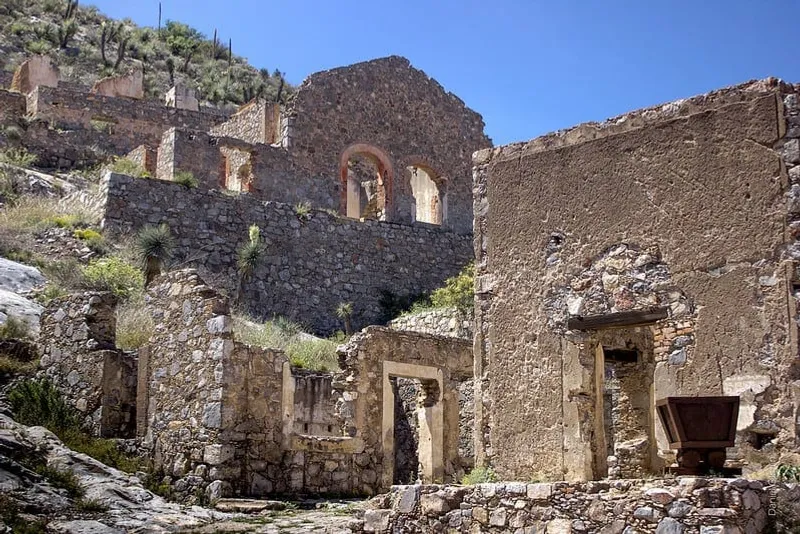
July sightseeing in Durango works best when the day is built around strong anchors and weather flexibility. Do the open-air pieces first, then use indoor stops when the heat or rain builds.
Walk the historic center early
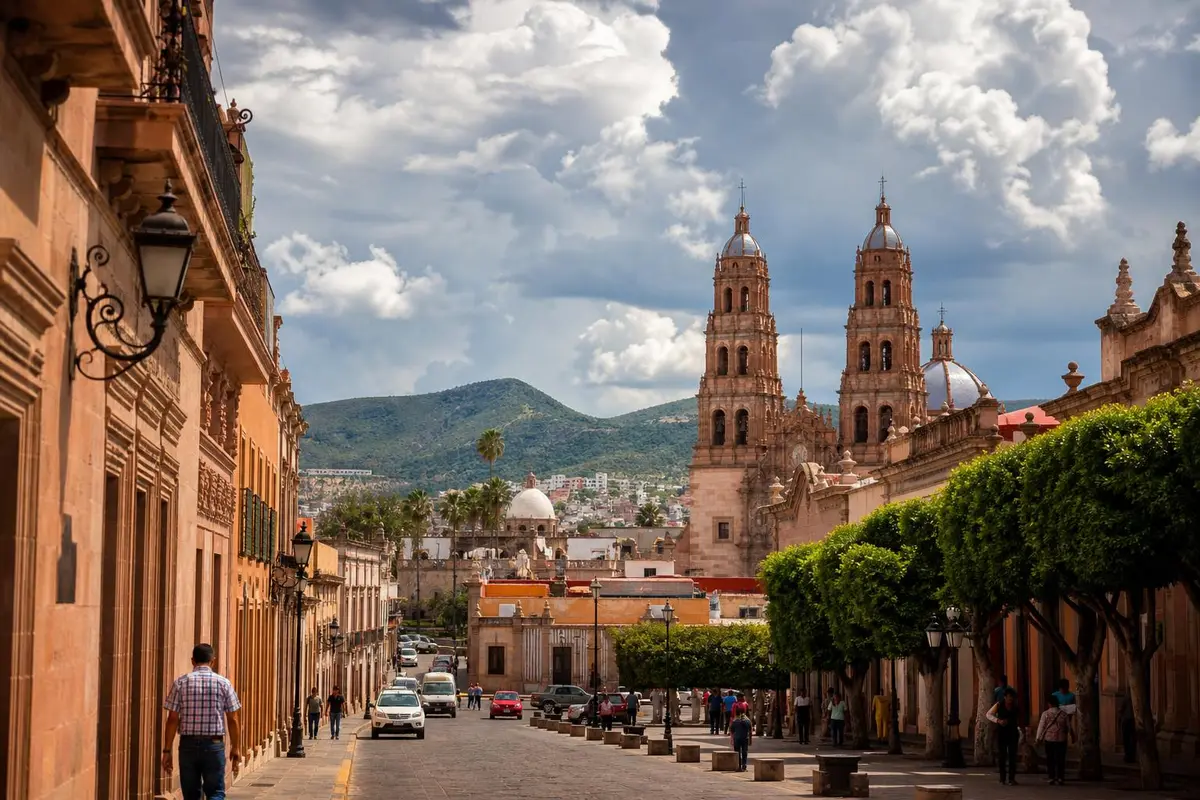
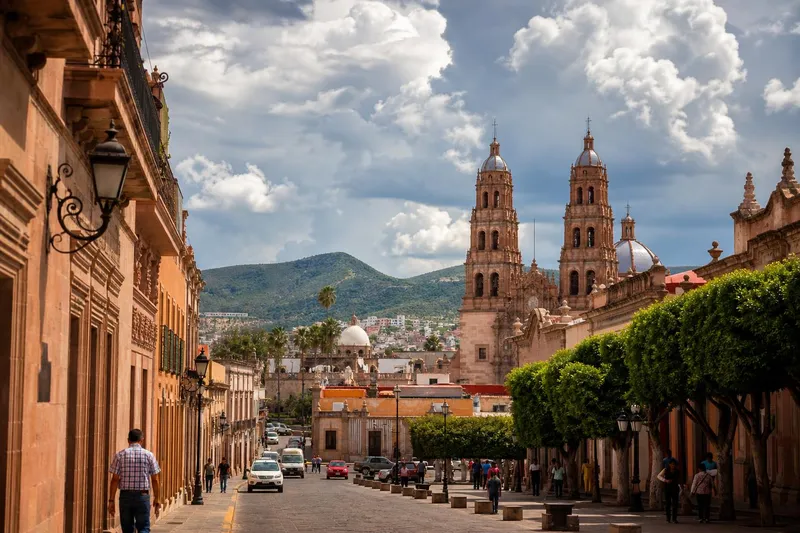
Start around the cathedral, Plaza de Armas, Paseo Constitución, and the central streets before the day gets heavy. Durango’s center feels more local than Mexico’s most polished colonial cities, which is part of the appeal. You get churches, plazas, museums, and northern-city daily life without the same international-tourism pressure.
Visit the western film sets
Durango’s western movie identity is one of the clearest reasons to visit. The Paseo del Viejo Oeste area is staged, but it makes sense once you understand how often Durango’s landscapes were used for western productions. Go earlier in the day, especially with kids, because open areas can feel hot before storms arrive.
Use museums and long lunches strategically
Museums, cafés, and long meals are not backup plans in July. They are part of the operating system. Build in the Francisco Villa Museum, church interiors, galleries, or a long northern-food lunch when the weather is hottest or clouds start to stack over the city.
Add Mexiquillo only with conditions on your side
Mexiquillo is the mountain contrast to Durango city, with pine forest, rock formations, waterfalls when conditions cooperate, and cooler Sierra Madre air. July can make the scenery greener, but it also makes road and storm timing more important. Go with a car, an early start, and current local advice.
Consider Mapimí for a desert-history side trip
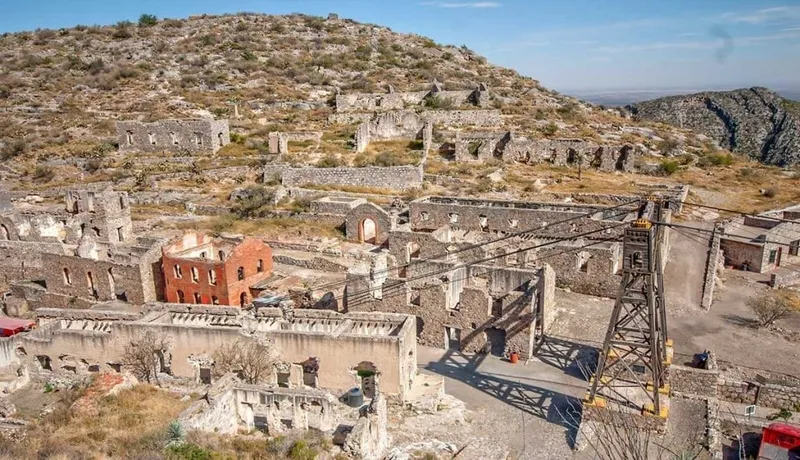
Mapimí is a more specific add-on, but it gives the state a different texture: desert, mining history, Pueblo Mágico atmosphere, and the Zone of Silence story nearby. Read our Mapimí Durango guide before adding it to a short itinerary, because it is a long day and deserves realistic timing.
Where to Stay and How Long to Spend
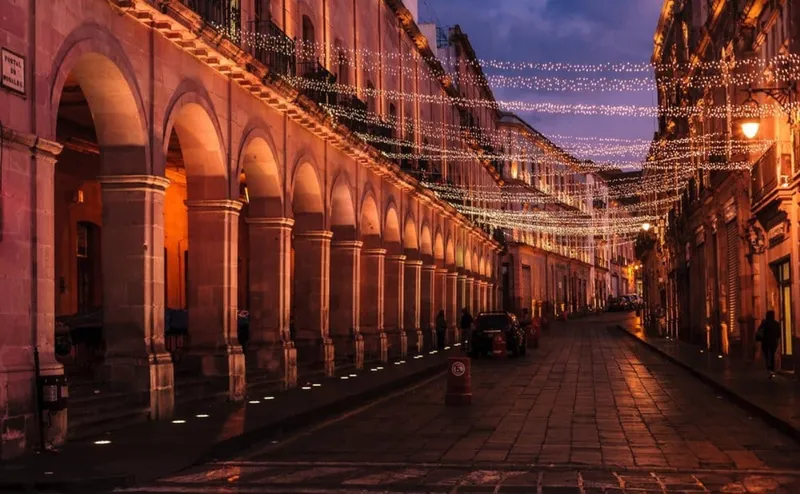
For a first Durango visit, stay central if you want easy dinners, plazas, museums, and evening walks. If you are driving, a hotel just outside the tightest historic core can also work, as long as it has reliable parking, strong A/C, and quick taxi or rideshare access.
Two nights is the cleanest first-trip plan. That gives you the center, museums, western film sets, and a relaxed food plan without forcing too much into rainy-season afternoons. Add a third night for Mexiquillo, Nombre de Dios, or a slower Sierra Madre route. Add a fourth if you are pairing Durango with Mapimí, Zacatecas, Chihuahua, or Mazatlán.
| Trip length | Best use in July |
|---|---|
| 1 night | Quick center walk, dinner, and one morning museum or film-set stop |
| 2 nights | Best city intro: center, museums, western sets, food, flexible rain breaks |
| 3 nights | Add Mexiquillo, Nombre de Dios, or a Sierra Madre day if weather allows |
| 4+ nights | Pair Durango with Mapimí, Mazatlán, Zacatecas, or Chihuahua |
If you are choosing between northern cities, Durango is better for mountain add-ons and a quieter city feel. Torreón is better for La Laguna logistics. Saltillo is better for a cooler Coahuila capital stop. Zacatecas is better for dramatic architecture and a more compact sightseeing core.
Durango Road-Trip and Safety Notes
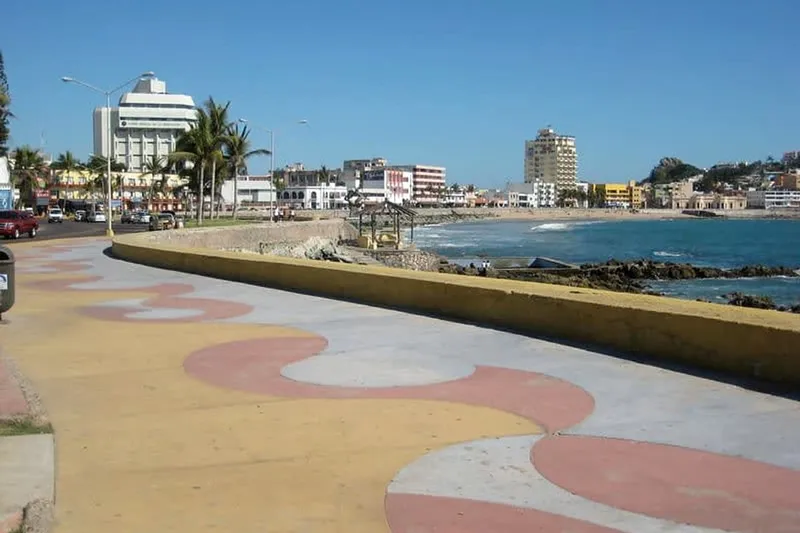
Durango looks tempting on a map because it opens several routes: Mazatlán to the west, Zacatecas to the southeast, Chihuahua to the north, and mountain towns in between. That freedom is a real advantage, but July road trips need conservative timing. If the route continues north, compare this page with Chihuahua in July and the practical Chihuahua City travel guide before deciding how far to push in one trip.
Drive in daylight, use toll roads when available, keep fuel margins comfortable, and avoid turning rural transfers into late-night drives. Afternoon storms can make mountain or desert driving more stressful than expected, so leave earlier than the map suggests and keep the final hour of the day simple.
Good July pairings include:
- Durango + Mazatlán: colonial city, Sierra Madre highway, Pacific seafood, and beach time.
- Durango + Zacatecas: two northern colonial capitals with very different moods.
- Durango + Copper Canyon: inland highlands, train planning, and dramatic green-season scenery; use the El Chepe train guide before building the rail portion.
- Durango + Mapimí: desert history, mining towns, and a slower state-focused trip.
For wider safety context, check our Mexico travel advisory guide before planning rural drives.
Durango vs Other July Destinations
| If you are comparing… | Choose Durango if… | Choose the other place if… |
|---|---|---|
| Durango vs Zacatecas | You want a quieter northern capital, film history, and mountain-road options | You want stronger architecture, mines, cable-car views, and a compact center |
| Durango vs Mazatlán | You want colonial streets, mountains, and inland culture before a beach add-on | You want seafood, Pacific swims, Malecón evenings, and a simpler vacation setup |
| Durango vs Copper Canyon | You want an easier city base with shorter sightseeing days | You want train scenery, canyon views, and a more adventure-focused route |
| Durango vs Saltillo | You want film history, wider road trips, and a route toward Mazatlán | You want cooler Coahuila evenings, museums, and easier Monterrey routing |
| Durango vs San Luis Potosi | You want northern film culture and Sierra Madre planning | You want Huasteca access, Real de Catorce routing, and stronger central-Mexico links |
Durango is best for travelers who like routes as much as individual sights. It asks for more planning than Mexico’s easiest city breaks, but it rewards you with a grounded version of northern Mexico that still feels underused by international travelers.
Final Verdict: Should You Visit Durango in July?
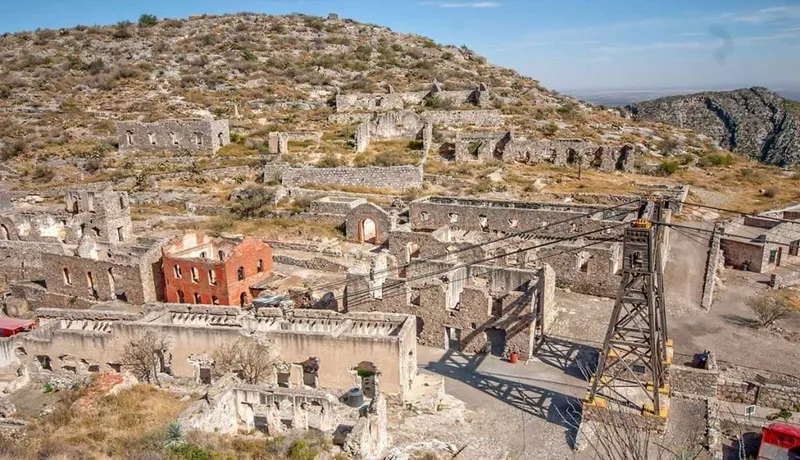
Visit Durango in July if you want a warm northern Mexico city with colonial streets, western film history, Sierra Madre day trips, regional food, sotol, and routes that connect naturally toward Zacatecas, Copper Canyon, Saltillo, or Mazatlán.
Skip it if you need resort infrastructure, beach-first weather, or a city where every major sight sits five minutes apart. Durango works best when you give it two or three nights, protect the morning window, and leave enough flexibility for July rain.
The simplest plan is two nights: arrive, walk the historic center, eat well, visit the western film sets or museums, then use one early day for Mexiquillo, Mapimí, Nombre de Dios, or the road toward Mazatlán. If that sounds like the kind of Mexico trip you want, July is workable and more interesting than many travelers expect.