Festival Cervantino 2026: Complete Travel Guide
Festival Cervantino 2026 at a Glance
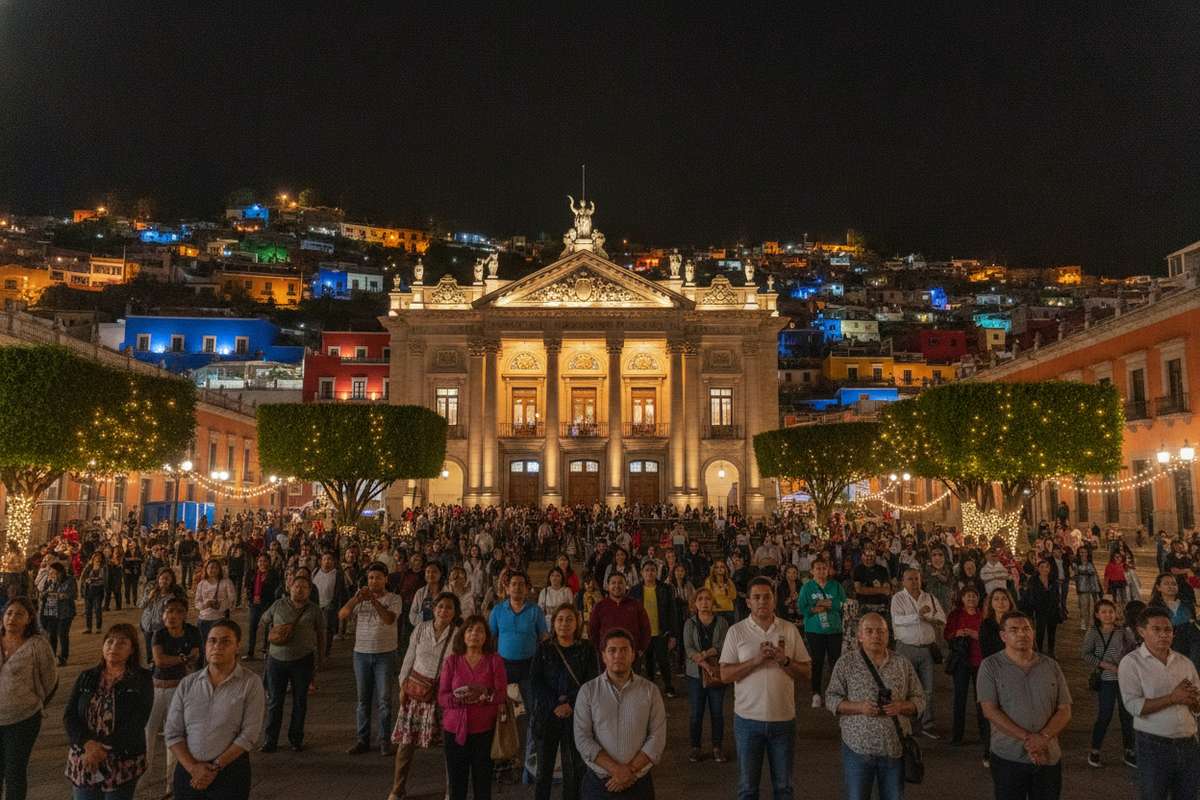
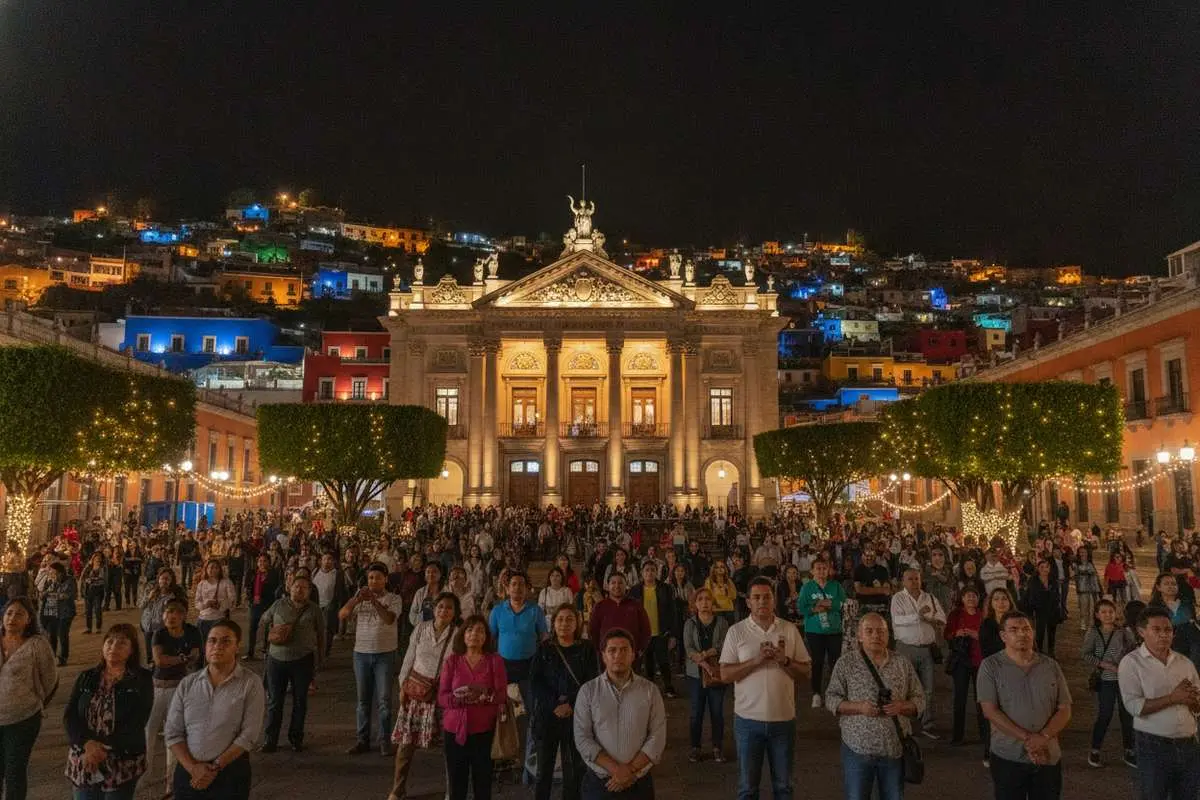
The Festival Cervantino 2026 takes place in Guanajuato City from October 3 to October 18. For 16 days, theaters, plazas, university buildings, churches, museums, and temporary stages host music, dance, theater, opera, film, visual art, and late-night performances. France is the invited country for the 54th edition, and the official program brings artists from 29 countries and 20 Mexican states.
This is not a festival held behind one gate. It spreads across a steep colonial city where the walk between performances becomes part of the experience. A string quartet at Teatro Juárez may be followed by dinner near Jardín de la Unión, a free event in a plaza, and a final concert at the Alhóndiga. That freedom is exciting, but it also makes planning more important than it is for a single-venue event.
The official Festival Internacional Cervantino website should be your final source for program changes. The practical details below were checked on August 3, 2026. Prices in dollars use MXN 17.50 per $1 USD and are rounded for trip planning; your bank’s live rate will differ.
| Essential detail | Festival Cervantino 2026 |
|---|---|
| Dates | October 3–18, 2026 |
| Location | Guanajuato City, Guanajuato |
| Edition | 54th |
| Invited country | France |
| Best first trip | 3–4 nights |
| Typical ticket | MXN 170–900 ($10–$51 USD) |
| Highest listed ticket | MXN 1,350 ($77 USD) |
| Free events | Street, plaza, film, talks, and selected performances |
| Closest airport | BJX, about 30 km from central Guanajuato |
| Best area without a car | Centro Histórico |
The strongest dates depend on your priorities. Opening weekend has the ceremony, major productions, and maximum energy. The middle weekdays have a calmer rhythm and broader hotel choice. Closing weekend has headline performances and another surge of visitors. If this is your first Guanajuato trip, a Thursday-to-Monday stay usually gives you both weekday breathing room and weekend atmosphere.
Which festival window should you choose?
Choose October 2–5 if the opening ceremony matters more than quiet streets. Arrive Friday, October 2, because Saturday transport may be busy and the opening-night ticket cannot absorb a delayed flight. Expect the strongest room pressure and book dinner earlier than usual.
Choose October 6–9 or October 12–15 for a more manageable weekday trip. The streets still feel like Cervantino, but museum queues and hotel rates can be easier. Weekday ticket discounts also help eligible travelers who buy through the required physical channel. This is the best window for visitors who want serious performances without turning every walk into crowd navigation.
Choose October 15–19 for the largest concentration of announced final-weekend events. The 17th currently combines opera, dance, and a large Alhóndiga concert; the 18th brings closing programs. Stay through Monday morning rather than attempting a late Sunday departure.
If you are sensitive to noise or crowds, avoid treating Saturday night as your only experience. A Sunday-through-Wednesday visit still delivers international programming and gives the city more room to breathe. The festival is not less authentic on a weekday; it simply operates at a pace that makes individual venues easier to appreciate.
Do not confuse the event with a casual city festival where you can arrive at the last minute and decide everything on the spot. Free programs allow spontaneity, but central rooms and major paid performances can disappear weeks ahead. Start with a refundable hotel, choose two essential shows, then leave open blocks for free events and the city itself.
Dates, Program, and 2026 Highlights
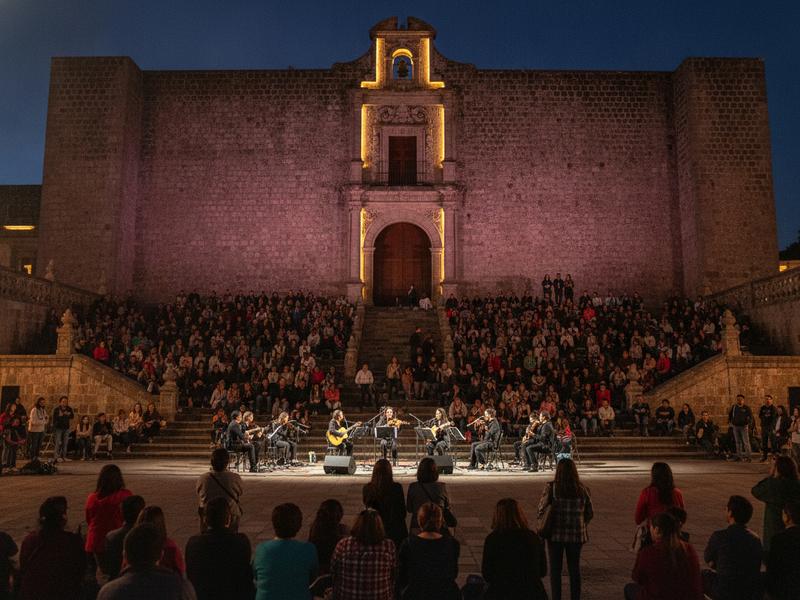
The official 2026 calendar begins on Saturday, October 3, and ends on Sunday, October 18. The published program can change, so treat any saved screenshot as a draft and check the event page again before travel. The festival’s own notice says programming is subject to change.
France’s program covers classical and contemporary music, theater, dance, cabaret, film, street work, opera, and multidisciplinary performance. Announced artists and productions include Pygmalion, Camerata Salzburg, (LA)HORDE, Dabeull Live Band, Busy P, Breakbot & Irfane, Les Métaboles, Cuarteto Arod, and a cine-opera presentation of La Belle et la Bête with music by Philip Glass. The official France program announcement also describes Maison de France food programming and film cycles.
Several current headline dates help anchor a trip:
- October 3: Ensemble Modern at Teatro Juárez, Bangarra Dance Theatre at Auditorio del Estado, and opening night with Mike Patton at the Alhóndiga.
- October 9: La Belle et la Bête at the Alhóndiga.
- October 10: Camerata Salzburg at Teatro Juárez and Compañía Antonio Gades at the Alhóndiga.
- October 11: Pygmalion at Teatro Juárez.
- October 13: Ballet Folklórico de México de Amalia Hernández at the Alhóndiga.
- October 15: Arturo Chacón with Mariachi Gama 1000 at the Alhóndiga.
- October 16: Lemon Bucket Orkestra at the Alhóndiga.
- October 17: Compañía Nacional de Ópera at Teatro Juárez, (LA)HORDE at Auditorio del Estado, and Grupo Niche at the Alhóndiga.
- October 18: (LA)HORDE at Auditorio del Estado and closing night with Dabeull Live Band at the Alhóndiga.
Those dates are starting points, not a complete shortlist. Browse by discipline rather than only by celebrity. A small production in Teatro Cervantes or a church concert can become the best event of the trip because the venue and performance fit each other. Free street pieces also change how the city feels during the day.
Build your program in three layers. First, choose one performance you would regret missing. Second, add one event in a contrasting form: dance after chamber music, street theater after opera, or film after a large concert. Third, keep one evening flexible. Guanajuato rewards room for a long meal, an unexpected plaza performance, or a delayed walk through the center.
International travelers should read the language and audience details on every listing. Music and dance are easiest without Spanish. Theater, spoken cabaret, talks, and some multidisciplinary works can require more language knowledge. Family programming is clearly marked; children under eight are excluded from most venues unless the event is designated for families or held at the Alhóndiga.
The existing Guanajuato in October guide explains weather and the wider month. Use this festival guide for the event itself, and the monthly guide if you are deciding between pre-festival, festival, or late-October dates.
Tickets, Free Events, and a Realistic Budget
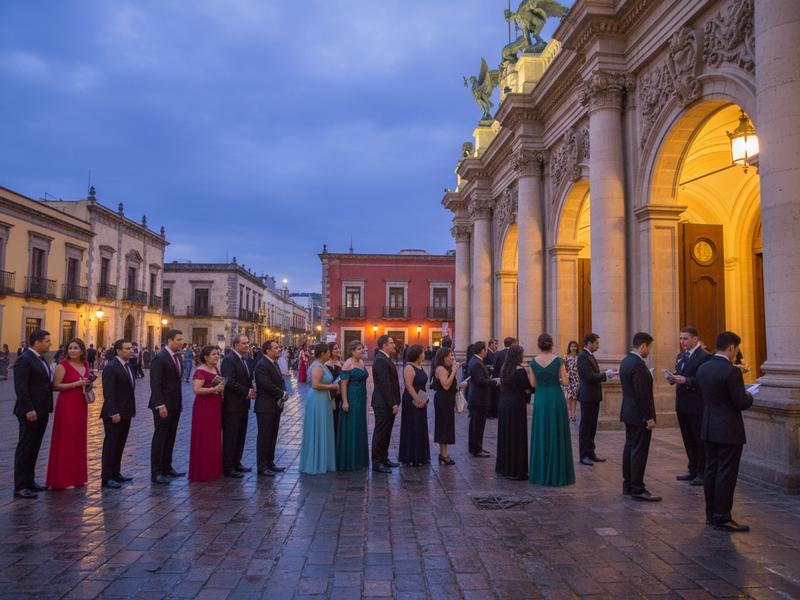
Official Cervantino tickets are sold online through Ticketmaster México and at announced physical box offices. In 2026, those include Casa Emma Godoy and Plaza Alaïa in Guanajuato, plus the Auditorio Nacional point in Mexico City. Ticket limits depend on the event: the festival may limit highlighted, opening, closing, and discounted sales to two tickets per person, while the standard online limit is generally four per event.
The range is wider than a single average suggests:
| Venue or ticket | MXN | Approx. USD |
|---|---|---|
| Teatro Cervantes child, family show | 90 | $5 |
| Teatro Juárez gallery, regular | 140 | $8 |
| Alhóndiga, regular | 170 | $10 |
| Catacumbas, general | 170 | $10 |
| Alhóndiga, highlighted event | 280 | $16 |
| Teatro Cervantes, standard | 285–380 | $16–$22 |
| Plaza San Roque or Templo de la Compañía | 330 | $19 |
| Teatro Principal | 380–450 | $22–$26 |
| Templo de Marfil de Abajo | 580 | $33 |
| Auditorio del Estado, regular | 270–640 | $15–$37 |
| Teatro Juárez, regular | 140–900 | $8–$51 |
| Auditorio del Estado, highlighted | 640–1,120 | $37–$64 |
| Teatro Juárez, highlighted | 360–1,350 | $21–$77 |
The festival publishes detailed conditions in its official box-office rules. Read them before paying. Printed or valid digital tickets are accepted, but photographs, simple paper printouts, PDFs, and image files are not. Arrive at least 20 minutes early; late entry is normally refused after a performance begins. There are generally no changes or refunds for traveler error.
Eligible students, teachers, older adults, people with disabilities, and Guanajuato municipality residents can receive 50 percent discounts for Monday–Thursday events and 30 percent for Friday–Sunday events through September 30, 2026. The discount requires valid identification, has exclusions, and does not apply to online Ticketmaster purchases. It is useful only if you qualify and can buy through the required channel.
Free does not mean empty or unimportant. Street shows, plaza activity, talks, exhibitions, film, and selected performances can fill half a trip. Free programming also reduces the risk of overscheduling. Plan to reach popular outdoor events early, stand where you have a safe exit route, and accept that sightlines vary.
For three nights, a realistic per-person ground budget, sharing a room, is:
| Category | Budget | Midrange | Comfortable |
|---|---|---|---|
| Lodging share | MXN 2,100 ($120) | MXN 4,200 ($240) | MXN 8,400 ($480) |
| Tickets | MXN 680 ($39) | MXN 1,750 ($100) | MXN 4,200 ($240) |
| Food and drinks | MXN 1,575 ($90) | MXN 2,625 ($150) | MXN 4,725 ($270) |
| Local transport | MXN 350 ($20) | MXN 700 ($40) | MXN 1,400 ($80) |
| Museums and extras | MXN 350 ($20) | MXN 700 ($40) | MXN 1,400 ($80) |
| Total, excluding flights | MXN 5,055 ($289) | MXN 9,975 ($570) | MXN 20,125 ($1,150) |
The hotel line can climb much higher on opening and closing weekends. Book a refundable room before waiting for every show choice. A central bed saves taxi money and, more importantly, removes late-night transport uncertainty.
Food and cash planning
Festival days distort normal meal times. Restaurants around Jardín de la Unión become busiest just as audiences leave early evening shows. Eat lunch by 1:30 p.m., reserve dinner when a particular restaurant matters, and keep a substantial snack for days with back-to-back programming. Mercado Hidalgo and streets away from the main garden can offer faster, less expensive meals.
Carry both a payment card and small peso notes. Formal restaurants and official box offices take cards, but food stalls, tips, small purchases, and last-minute cash sales are easier with MXN 20, 50, 100, and 200 notes. Do not depend on a single central ATM late at night. Withdraw during daylight from a machine attached to a bank, decline dynamic currency conversion, and store most cash separately from your daily amount.
Food allergies require extra preparation in crowded temporary settings. Learn the Spanish name of the allergen, ask about sauces and shared cooking oil, and choose a seated restaurant when the answer at a stall is uncertain. Pack a simple snack that complies with venue rules, but finish it before entry because food is not allowed inside performance spaces.
Venues and How to Move Between Them
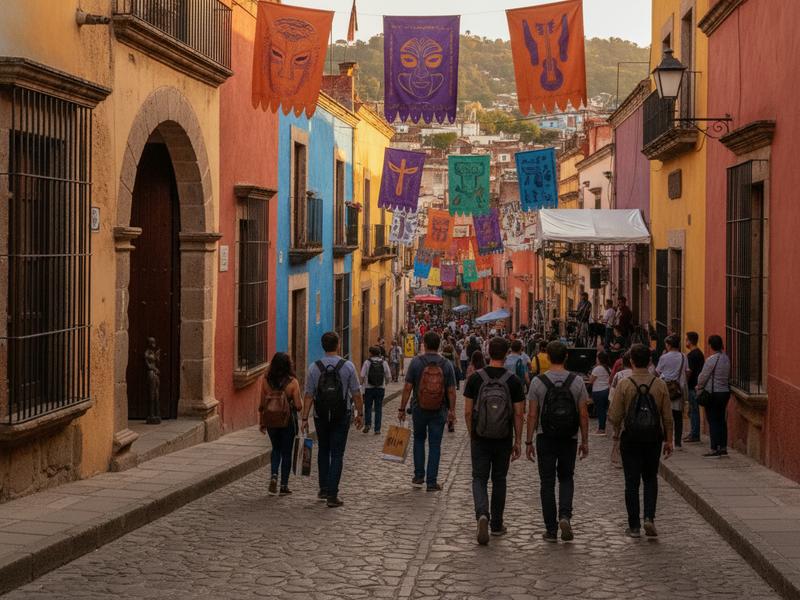
Guanajuato’s shape explains the festival. Centro follows a narrow valley, with alleys and staircases climbing both sides. Roads dive into former river tunnels. A venue that looks one kilometer away may involve a steep climb, a tunnel crossing, or a taxi route that loops around the center.
The main venue groups are:
Jardín de la Unión and central theaters. Teatro Juárez stands beside the garden, while Teatro Principal, Plaza San Roque, Templo de la Compañía, and many university spaces are within the historic core. This is the easiest area for a first-time visitor on foot.
Alhóndiga de Granaditas. The large stone building and its steps form the festival’s best-known open-air stage. It is walkable from central hotels, but arrive early and plan your exit. The crowd after a major concert can fill nearby streets.
Auditorio del Estado. This venue is outside the tight central walking circuit. Allow more time than the map suggests, especially before a sold-out event. Arrange a taxi or ride through an open pickup point rather than expecting door-to-door access in traffic.
Marfil and alternative spaces. Templo de Marfil de Abajo and other spaces can require separate transport. Confirm the exact venue name because Guanajuato contains repeated church and neighborhood references that can confuse an unfamiliar driver.
Casa FIC and late programming. Check the finish time, bag restrictions, and return route before attending a trasnoche event. A late schedule is easiest when your hotel is central or has confirmed transport support.
Do not drive into Centro unless your hotel has guaranteed parking and clear arrival instructions. Streets are narrow, tunnel exits confuse first-time drivers, and event closures can change access. If you arrive by rental car, park once and walk. The city’s steep surfaces also make wheeled luggage difficult; a small suitcase is easier than a large hard-shell case.
The official rules restrict bags larger than 30 x 30 x 15 centimeters inside venues and do not offer cloakrooms. Large backpacks, suitcases, umbrellas, open bottles, and bulky items may be refused. Carry a small crossbody bag with your phone, payment card, identification, ticket, and a light layer. Photography and recording are prohibited inside performances, and professional cameras can be barred.
Accessibility varies because many buildings and streets are old, steep, or stepped. The box office reserves designated spaces for people with disabilities, and priority lines are available for people with disabilities, older adults, and pregnant visitors. Contact the festival and hotel before purchase to coordinate the complete route, not only the seat.
Use things to do in Guanajuato City to understand what lies between venues. During Cervantino, choose two or three city sights rather than attempting the whole list.
Where to Stay, How to Arrive, and What to Pack
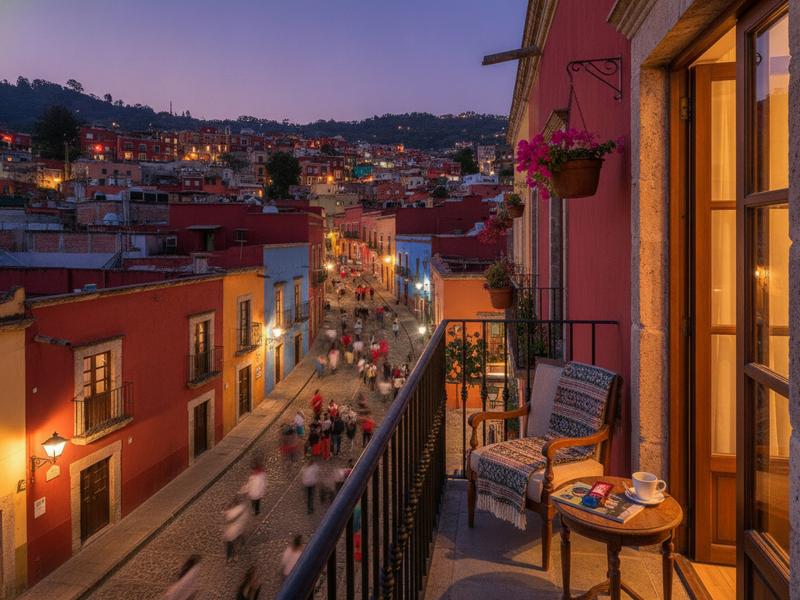
Centro Histórico is the best first choice because it turns most festival days into walking days. Stay near Jardín de la Unión for maximum convenience, near Plaza de la Paz for a central compromise, or toward the Alhóndiga if large evening concerts dominate your schedule. Read reviews for street noise, stairs, window quality, and luggage access; a central address can still require a long staircase.
Pastita and Embajadoras suit travelers who want a more residential base and do not mind hills. Marfil works for drivers, families, and visitors attending an event there, but nightly transport matters. Hotels near the bus station or highway can cost less, yet that saving may disappear in taxis and time. Our best hotels in Guanajuato guide compares the main areas in more detail.
BJX, officially Aeropuerto Internacional de Guanajuato, lies between León and Guanajuato City. A private airport transfer or taxi commonly costs about MXN 650–1,050 ($37–$60 USD) per vehicle depending on pickup conditions, while shared services can cost less. Allow 45–75 minutes because event traffic can slow the final approach.
From Mexico City, a first-class bus is usually the easiest low-stress route. The trip often takes 4.5–5.5 hours and may cost about MXN 650–1,050 ($37–$60 USD) each way depending on operator and booking date. Buses arrive outside Centro, so add MXN 120–250 ($7–$14 USD) for the final taxi. Our Mexico City to Guanajuato guide covers the route choices.
From Guadalajara, allow roughly 4–5 hours by bus and MXN 600–1,000 ($34–$57 USD) each way. From San Miguel de Allende, a shuttle or bus usually takes 1.5–2.5 hours depending on connections. Do not schedule a theater performance close to your planned arrival; one road delay can cost the entire ticket because late entry is not allowed.
October days are usually mild, while evenings can feel cool at Guanajuato’s elevation. Pack breathable daytime clothes, a sweater or light jacket, comfortable shoes with grip, sunscreen, a refillable bottle for use between venues, and a small rain shell. Earlier October can still bring a shower. Avoid heels on steep stone and save formal footwear for a venue where you know the approach.
A practical festival outfit is cleaner and simpler than many visitors expect. Smart casual works for most ticketed shows. You do not need black tie for Teatro Juárez. Bring one polished layer, but prioritize shoes that handle stairs and cobblestones.
Keep digital and physical backups of hotel details, but follow ticket rules exactly: an unsupported screenshot is not a valid entry method. Save the venue address and Spanish event title offline. Mobile networks can slow in dense crowds, and a driver may recognize the venue more quickly by its local name.
A Smart Three-Day Festival Strategy
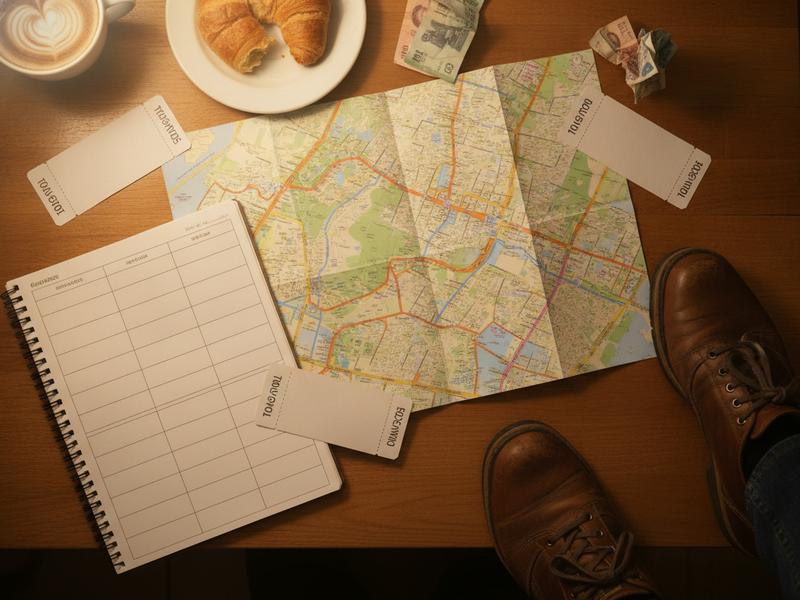
For a first visit, three full days and four nights create the best balance. Arrive before the festival day begins and leave the following morning. That protects paid tickets from airline or bus delays.
Day one should orient you. Walk Jardín de la Unión, Plaza de la Paz, the university steps, Plaza San Roque, and the Alhóndiga approach in daylight. Visit one museum, eat an early dinner, and choose one evening performance. Avoid two paid shows on the first night; you are still learning the hills, entrance procedures, and travel time.
Day two should carry the strongest ticket. Begin slowly with breakfast and a market or viewpoint. Rest in the afternoon. Attend the performance that justified the trip, then add a free plaza or street event only if your energy and exit route are good. A memorable night does not need three venues.
Day three should contrast. If day two was opera or classical music, choose dance, film, cabaret, or a large Alhóndiga show. Spend the daytime in the Diego Rivera House Museum, Museo Iconográfico del Quijote, or the Alhóndiga museum, depending on current hours and your interests. Leave a gap of at least 90 minutes between events in different parts of the city.
A useful daily rhythm is breakfast at 9 a.m., a city activity from 10 a.m. to 1 p.m., lunch, hotel rest from 3 to 5 p.m., an early meal or snack, and evening programming. Many visitors exhaust themselves by walking hills all day and then expecting to focus through a late performance. The afternoon break is part of the plan.
Book meals only when the restaurant is important enough to shape the night. Otherwise eat before peak dinner or choose a place near the next venue. A quick local meal may cost MXN 140–280 ($8–$16 USD); a comfortable dinner with drinks can cost MXN 450–900 ($26–$51 USD) per person. Add time for queues on Friday and Saturday.
Do not take a full-day excursion in the middle of a three-day festival trip. Dolores Hidalgo, San Miguel de Allende, and local mines are worthwhile, but they compete with the event you traveled to see. Add a separate night before or after the festival if you want a regional day trip.
Weather, illness, or a program change may disrupt the ideal sequence. Protect the trip by making the hotel refundable, leaving one free evening, and avoiding three nonrefundable tickets on the same day. If a performance is canceled, follow the seller’s refund instructions and choose a free event nearby rather than crossing the city in search of an exact substitute.
Rain rarely requires abandoning the entire day. Move a viewpoint or long alley walk to the clearest morning and use museums, film, talks, churches, or a long lunch during showers. Stone streets become slick, so slow down and use a taxi when a steep return route feels unsafe.
Our dedicated Festival Cervantino itinerary turns this framework into morning, afternoon, and evening choices. Apply normal city precautions with extra attention after late events.
Safety, Etiquette, and Final Booking Checklist
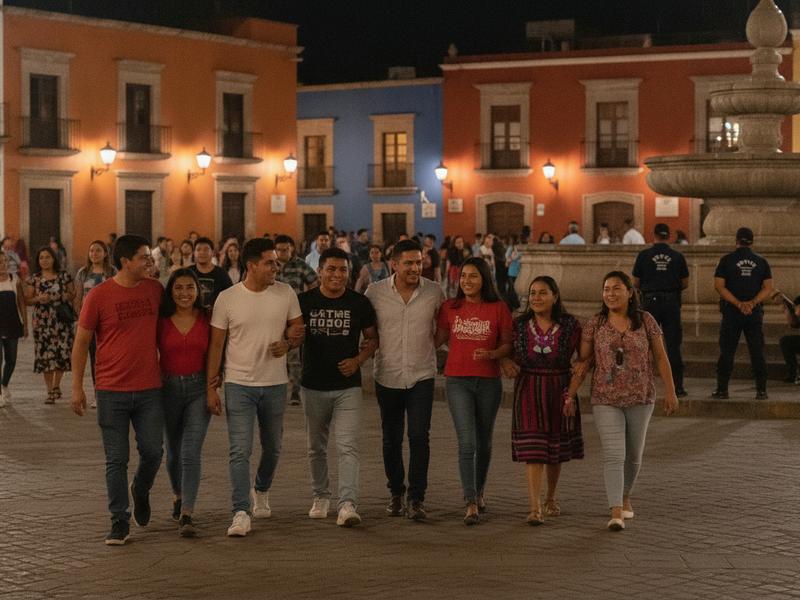
Festival crowds make central Guanajuato feel social late into the evening, but they do not remove normal travel risks. Keep your phone and wallet secure in dense plazas, avoid displaying large amounts of cash, and use official taxis or a trusted ride service for outlying hotels. Walk on bright central routes rather than following a shortcut into an empty alley.
Alcohol is part of the nightlife around the festival, but public disorder can attract police attention and make steep streets dangerous. Pace drinks, eat properly, and save your hotel’s exact pin. Groups should agree on a meeting point before entering a packed outdoor event because cell service and noise can make regrouping difficult.
Inside venues, arrive at least 20 minutes early and expect bag checks. Silence devices, do not photograph or record, and follow staff instructions. There is no cloakroom, so return shopping bags and daypacks to the hotel before a show. Food and drinks are not allowed inside.
Street performances deserve the same respect as paid theater. Do not block a performer’s working space, step into equipment areas, or hold a phone above other spectators for an entire piece. If the performance accepts contributions, carry small peso notes. Ask before photographing individual artists at close range.
Families should verify the audience classification before purchase. Most venues do not admit children under eight unless the show is marked for families or presented at the Alhóndiga; children under three are not admitted. A family ticket at Teatro Cervantes can cost MXN 150 ($9 USD) for adults and MXN 90 ($5 USD) for children under 12, but not every production is a family show.
Before paying for the trip, complete this sequence:
- Reserve a refundable hotel in a location you can reach after the final show.
- Confirm the official October 3–18 dates and current program.
- Buy the two performances that matter most.
- Check each venue on a map and record realistic travel time.
- Leave at least one half-day and one evening flexible.
- Book transport to arrive the day before your first essential ticket.
- Review ticket delivery, identification, discount, bag, and age rules.
- Pack layers, grippy shoes, a small venue-safe bag, and a power bank.
- Recheck performance times and venue names 48 hours before arrival.
- Carry enough pesos for small food stalls, tips, and cash-only sales.
Festival Cervantino works best when you treat Guanajuato as a partner in the program, not an obstacle between shows. Choose a few strong performances, walk the city slowly, eat before you are rushed, and let the plazas supply the unscheduled moments. With a central room and a restrained calendar, the 2026 edition can be one of the most rewarding cultural trips in Mexico.
One final rule: keep the official program open throughout the trip. Printed schedules are useful for orientation, but the live listing should settle any disagreement about time, venue, audience rules, or cancellation. Confirm each next-day event before bed and again before leaving the hotel every morning. That two-minute habit protects tickets and makes the rest of the festival feel wonderfully flexible.