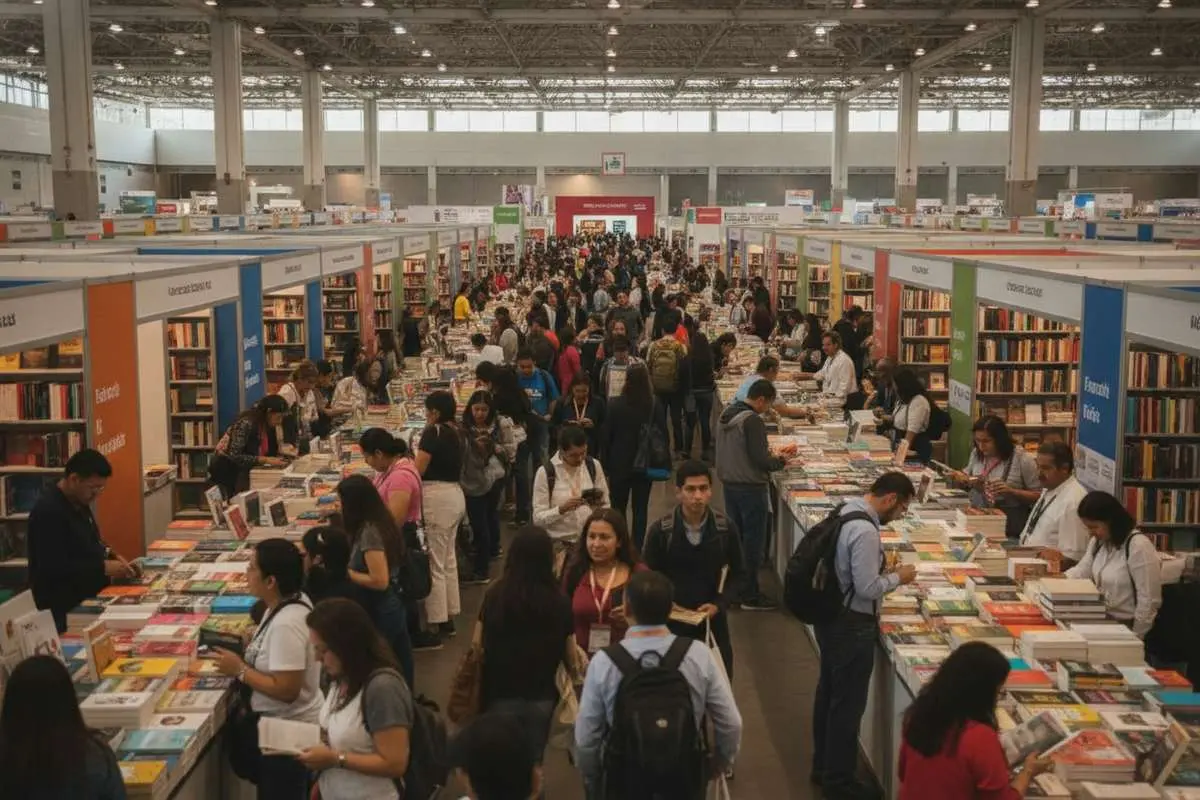
FIL Guadalajara 2026: Complete Visitor Guide
FIL Guadalajara 2026 at a Glance
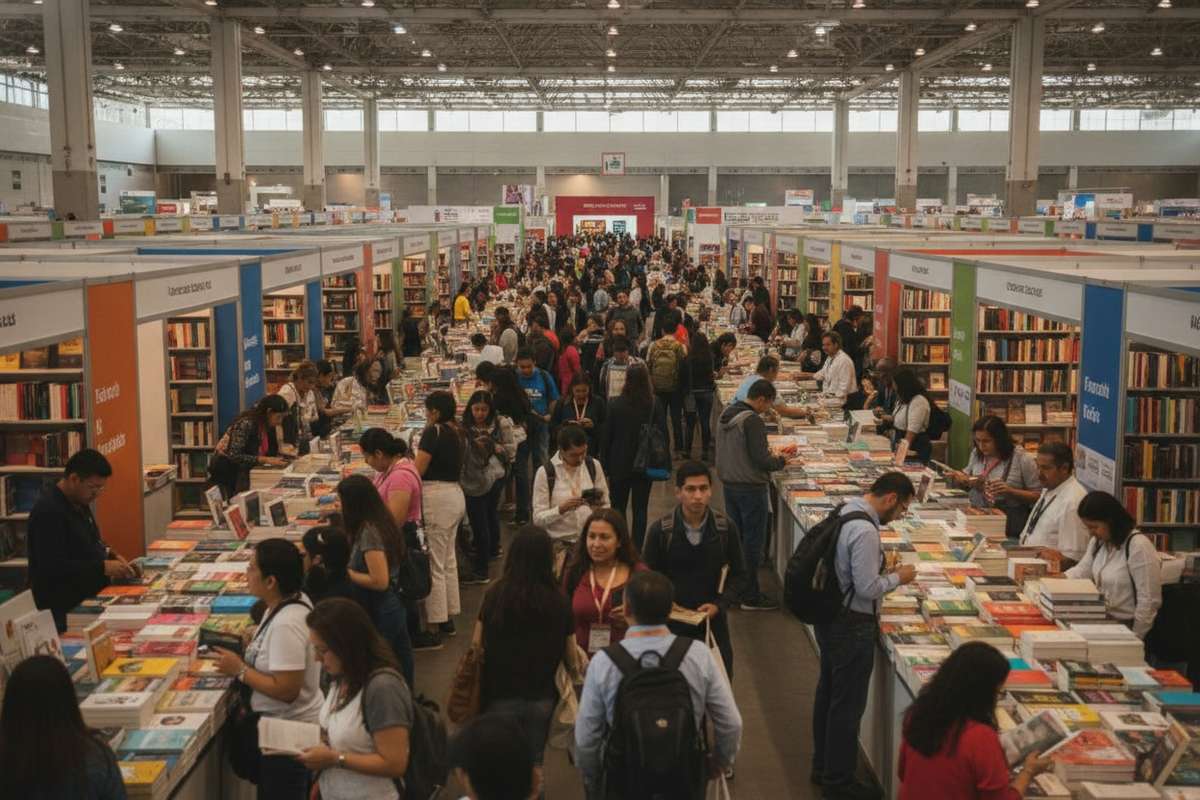
FIL Guadalajara 2026 runs from Saturday, November 28 through Sunday, December 6 at Expo Guadalajara. The 40th edition of the Feria Internacional del Libro de Guadalajara brings readers, writers, publishers, librarians, students, and curious travelers together for nine days. Italy is the 2026 Guest of Honor, adding Italian literature, design, music, cinema, and food to a program already centered on the Spanish-speaking world.
This is a public cultural festival as much as a publishing trade fair. A general ticket gives you access to exhibition stands, most book presentations, literary and cultural forums, FIL Joven, and many public activities, subject to room capacity. Nightly concerts at Foro FIL are free, while some professional meetings, closed-space performances, and the invitation-only opening ceremony follow separate rules.
The official FIL Guadalajara FAQ confirms the dates, daily hours, ticket prices, venue, and public-access rules. Guadalajara’s municipal FIL 2026 event page confirms Italy’s role and the nine-day format. Details in this guide were checked on September 14, 2026; use the live program for author times and room changes.
| Essential detail | FIL Guadalajara 2026 |
|---|---|
| Dates | November 28–December 6, 2026 |
| Venue | Expo Guadalajara, Av. Mariano Otero 1499 |
| Guest of Honor | Italy |
| Adult ticket | MXN 40 ($2.25 USD) |
| Reduced ticket | MXN 30 ($1.70 USD) |
| Public opening | 9:00 a.m. on weekends, Thursday, and Friday |
| Weekday public opening | 4:00 p.m., November 30–December 2 |
| Night sale | Friday, December 4, until 11:00 p.m. |
| Foro FIL concerts | 9:00 p.m.; outdoor program is free |
| Suggested trip | Three or four nights |
Dollar conversions use MXN 18 to $1 USD and are rounded. Pay in pesos when a terminal offers the choice; dynamic currency conversion usually adds an unfavorable exchange rate.
Why the fair belongs on a Mexico trip
FIL is a rare event where a low admission price opens the door to hundreds of choices. You can hear a novelist discuss a new book, browse independent presses from Latin America, find illustrated editions that rarely reach foreign bookstores, sit in on a science conversation, take children to a workshop, eat lunch, and finish with a concert. The problem is not finding something to do. It is choosing without exhausting yourself.
The fair also offers a different way to understand Guadalajara. The city’s identity is often reduced to mariachi, tequila, and birria. Those are real parts of Jalisco, but FIL shows the academic, literary, design, and publishing life built around the University of Guadalajara. It is especially rewarding for Spanish learners, librarians, teachers, families, and travelers who plan trips around culture rather than only landmarks.
FIL can anchor a longer Jalisco route. Spend two days at the fair, use one morning for the cathedral and Hospicio Cabañas, and add San Pedro Tlaquepaque or Tequila after the weekend. Our Guadalajara travel guide covers the broader city and helps shape a compact historic-center walk.
How many days should you attend?
One day works if you have a short list of authors, arrive before opening, and accept that you will see only a fraction of the halls. Choose Saturday, Sunday, Thursday, or the final weekend for a full public day beginning at 9:00 a.m. The first Saturday can feel ceremonial and crowded. The last Sunday has good energy but carries the risk that specific titles sell out.
Two fair days are the best balance for most visitors. Use the first to understand the floor, attend one must-see event, and browse by region or publisher. Use the second for the talks and books you missed. Three days make sense for serious readers, industry visitors, or families dividing time between the main halls and FIL Niños.
Do not schedule a general-public visit for Monday, November 30, Tuesday, December 1, or Wednesday, December 2 before late afternoon. The halls are reserved for registered professionals from 9:00 a.m. to 5:00 p.m., with the public entering at 4:00 p.m. according to the Spanish FAQ and 3:00 p.m. on the English page. Because the official pages conflict by one hour, treat 4:00 p.m. as the conservative arrival time until your dated ticket or the live program confirms otherwise.
Dates, Public Hours, and the Best Day to Go

The fair lasts nine days, but access is not identical each day. Public hours published by FIL are:
- Saturday, November 28: 9:00 a.m.–9:00 p.m.
- Sunday, November 29: 9:00 a.m.–9:00 p.m.
- Monday, November 30: late afternoon–9:00 p.m.
- Tuesday, December 1: late afternoon–9:00 p.m.
- Wednesday, December 2: late afternoon–9:00 p.m.
- Thursday, December 3: 9:00 a.m.–9:00 p.m.
- Friday, December 4: 9:00 a.m.–11:00 p.m. for the night sale
- Saturday, December 5: 9:00 a.m.–9:00 p.m.
- Sunday, December 6: 9:00 a.m.–9:00 p.m.
Registered professionals have exclusive access from 9:00 a.m. to 5:00 p.m. Monday through Wednesday. The overlap around public opening is one detail to verify on the official program: FIL’s current Spanish FAQ says 4:00 p.m., while its English FAQ says 3:00 p.m. Build lunch or a city morning before those sessions rather than waiting outside Expo Guadalajara.
Best day for first-time visitors
Thursday, December 3 is the strongest all-around choice. It has a full public day after the professional-only mornings, the fair is fully operational, and weekend crowds have not returned. Arrive by 8:30 a.m., attend a morning talk, browse before lunch, take a rest, and return for the 9:00 p.m. Foro FIL concert if the day’s program appeals.
Friday, December 4 suits shoppers and night owls. The night sale runs until 11:00 p.m., and exhibitors may promote titles late in the evening. It can become a very long day. Visitors who want the night atmosphere should arrive after lunch instead of trying to stay for fourteen hours.
Saturday, December 5 offers maximum choice and weekend energy. It also brings families, school groups, local readers, and travelers who cannot attend on weekdays. Reserve your highest-priority room event in your personal plan, then give it a 30-minute arrival buffer.
Opening weekend or closing weekend?
Opening weekend is best for complete inventory and the feeling of arrival. The opening ceremony on November 28 begins at 11:00 a.m. in Auditorio Juan Rulfo, but it is invitation-only. Do not build a public itinerary around entering it. Use that time for quieter stands while invited guests and media concentrate near the auditorium.
Closing weekend is better for visitors who want the fair at full speed and hope for publisher promotions. The tradeoff is availability: popular titles or signed editions may be gone. If one book matters, buy it when you see it. Carrying books all day is tiring, so a foldable tote and a hotel near Expo can be more useful than an elaborate sightseeing plan.
November weather in Guadalajara is generally mild and much drier than summer, with warm afternoons and cool evenings. Expo is indoors, but airport transfers, queues, and concerts expose you to changing temperatures. Pack for a warm afternoon, a cool late return, and a long day on hard exhibition floors.
Tickets, Program, and What Admission Includes
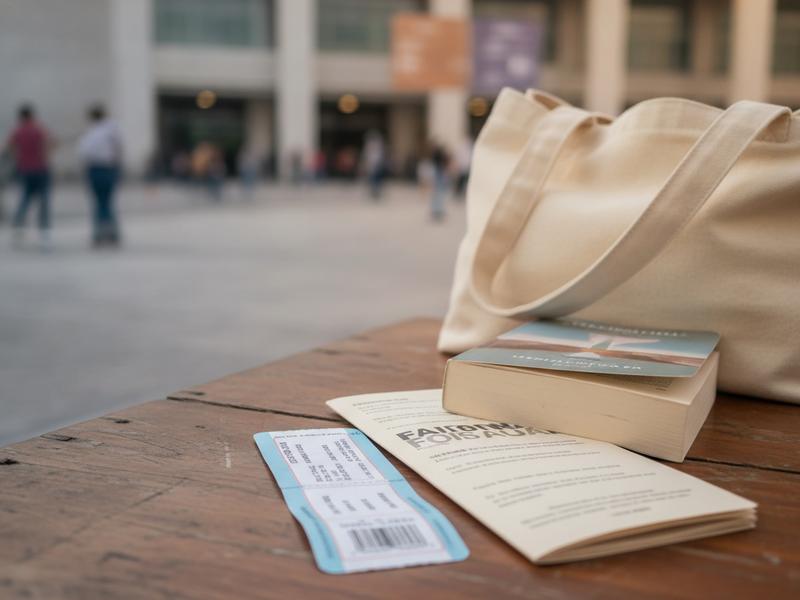
Adult admission costs MXN 40 ($2.25 USD). Children ages 3–12, seniors with INAPAM identification, people with disabilities, students, teachers, and members of the Fundación Universidad de Guadalajara pay MXN 30 ($1.70 USD) with qualifying identification. Current UdeG students pay MXN 25 ($1.40 USD). Children begin paying at age three.
The ticket is unusually good value. It includes admission to the exhibition floor, public book presentations, literary and cultural forums, and public programming, subject to capacity. An invitation to a book launch does not replace the entrance ticket. Events designed for publishing professionals may require registration and a separate fee; the program marks restricted sessions.
The official FIL program search is the authority for dates, rooms, authors, and changes. It lets visitors filter by day, category, participant, keyword, or hall once the full 2026 database is active. Save a short list rather than trying to capture everything.
Our FIL Guadalajara tickets and program guide explains the buying process, public versus professional access, room strategy, FIL Niños, concerts, and the night sale in detail.
How to build a useful program
Choose one anchor event per half-day. Put the author, room, start time, and backup event in a note on your phone. Then select two browsing zones near that room. Expo Guadalajara is large, and crossing the exhibition floor through dense crowds can take longer than a map suggests.
For a 5:00 p.m. talk, arrive at the area by 4:20. Check whether staff have formed a line, then browse nearby if the corridor is still empty. Popular authors, awards, and weekend sessions can fill before the stated start time. General admission grants access to the fair, not a guaranteed seat at every event.
Leave gaps. A compelling conversation may run long, a signing line may move slowly, or a small press may deserve half an hour. A schedule with seven consecutive talks looks efficient on paper and feels like airport connections in practice.
Italy as Guest of Honor
Italy’s presence is the defining editorial and cultural theme of 2026. The Guest of Honor traditionally brings a delegation of writers, publishers, researchers, artists, music, exhibitions, and food. The Guadalajara tourism page frames the Italian program around books as a bridge among languages, territories, and generations.
Travelers should look beyond the best-known Italian authors. Search the program by “Italy,” then compare literature, architecture, cinema, design, and gastronomy sessions. Some activities may take place outside the exhibition hall, so always check the venue field before assuming Expo Guadalajara.
The 2026 fair also marks its 40th edition. That anniversary may increase demand for headline sessions and hotel rooms. Book a refundable room early, but wait for the live program before buying a nonrefundable flight solely for one author.
FIL Niños, FIL Joven, and concerts
FIL Niños runs throughout the fair inside Expo Guadalajara. Public workshops and shows follow family schedules, with workshops generally lasting 50 minutes. Adult supervision is required, and workshop availability is not guaranteed. The main FIL ticket permits entry during public hours; separate FIL Niños ticket rates are also published.
FIL Joven activities are open with general admission and do not impose a stated upper age limit. They can be a good choice for Spanish learners because conversations often connect books to music, current culture, education, and everyday life.
Outdoor Foro FIL concerts begin at 9:00 p.m. and are free. Concerts in enclosed venues may have separate prices. A 9:00 p.m. finish changes the transport calculation: buses may still run, but rideshare demand rises when a large audience exits together.
What the Fair Feels Like and How to Navigate It
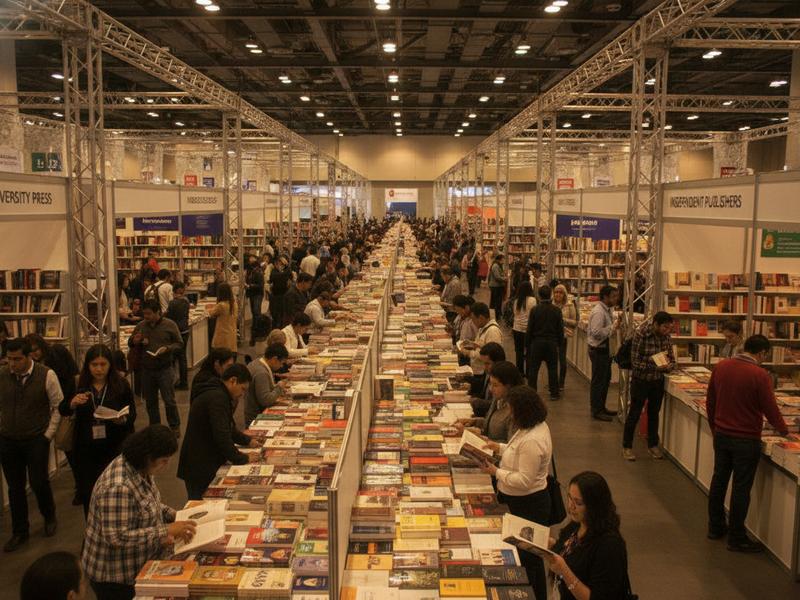
Expo Guadalajara is a convention center, not a traditional street fair. Expect security checks, fluorescent exhibition halls, long aisles of publisher stands, full meeting rooms, food areas, queues, rolling carts, and people sitting wherever they can rest. The books create the attraction; the practical environment still feels like a major expo.
Start with the floor map. Mark the Guest of Honor area, publishers you care about, your first talk, bathrooms, and one meeting point. If you attend with another person, agree on a specific stand number or entrance—not “near the coffee”—for reunions.
Browse by purpose. A useful first circuit might be Mexican independent publishers, Latin American country stands, children’s books, university presses, and Italy. Another might focus on graphic novels, science, food writing, and regional history. Random wandering is enjoyable for an hour, but deliberate circuits uncover more without repeated backtracking.
Buying and carrying books
Most travelers underestimate weight. Five hardcovers can add 4–6 kilograms to a bag. Check airline baggage before buying a stack, especially if you fly on a basic fare. Photograph books you may order later, and ask publishers whether a title has international distribution.
Bring a strong tote with wide handles or a compact backpack that closes securely. A wheeled suitcase may help professionals buying in volume but becomes awkward in dense aisles. Keep receipts together in case airport security or customs asks about the contents.
Payment options vary by stand. Cards are common, but network congestion and small exhibitors make cash useful. A practical reserve is MXN 500–1,000 ($28–$56 USD) in smaller notes. Do not carry the entire trip budget in one wallet.
Food, water, and rest
Expo has food zones and nearby restaurants, but peak lunch lines cost time. Eat before noon or after 3:00 p.m., carry a refillable bottle if current security rules allow it, and keep a simple snack. Ask staff before sitting against emergency routes or blocking a stand.
The fair rewards planned breaks. After two hours of standing, leave the busiest hall, drink water, review your purchases, and decide what still matters. A nearby hotel makes a midday reset easy. Visitors staying in Centro or Americana should consider one continuous fair block rather than commuting twice.
Wear closed shoes with cushioning. Expo floors are hard, and a visitor can easily walk 10–15 kilometers in a full day. Layers work better than a heavy coat because Guadalajara evenings cool down while halls stay warm.
Accessibility and family planning
Expo Guadalajara lists wheelchair access, charging points, and a food zone. Its public-transport stops include one Pulso de Vida area with free Wi-Fi, an emergency button, charging ports, cameras, and accessible space. Specific event accommodations should be confirmed with FIL before arrival.
Families should build shorter sessions. Choose one workshop, one browsing area, food, and a show rather than copying an adult collector’s schedule. Children must remain supervised at FIL Niños; workshops are not childcare. Write a phone number on a card in a child’s pocket and choose a meeting point before entering the hall.
Where to Stay for FIL Guadalajara
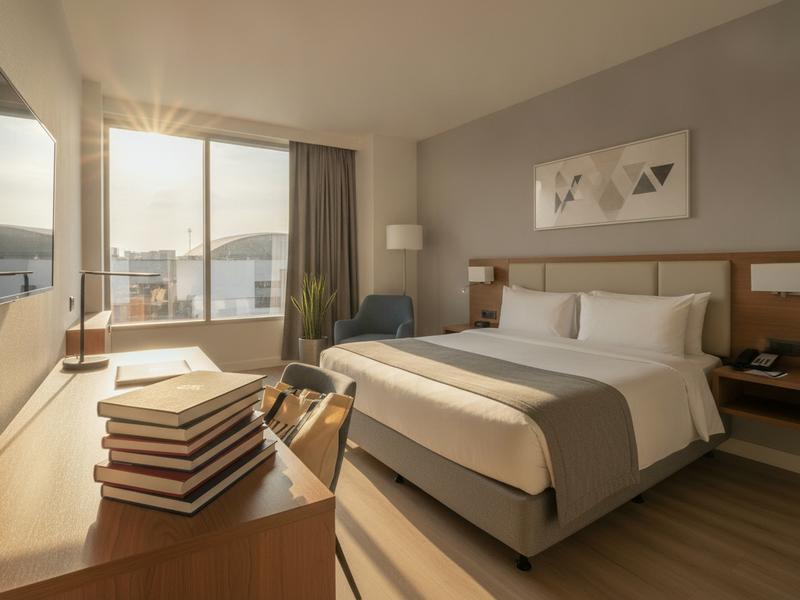
The best location depends on whether FIL is the whole trip or one part of Guadalajara. Expo, Verde Valle, and Plaza del Sol minimize daily transport. Several official fair hotels sit within roughly 150 meters to 1 kilometer of the venue. The area is practical rather than especially atmospheric, but a ten-minute walk can be valuable after a late concert.
Colonia Americana and Lafayette are better for restaurants, coffee, bars, and a more enjoyable evening base. The tradeoff is a daily rideshare or bus trip to Expo. Centro Histórico works for museums, plazas, markets, and first-time sightseeing, but it is less convenient for returning to the fair after a midday break.
FIL publishes preferred 2026 hotel rates in Mexican pesos. The current list includes rooms from around MXN 1,550 ($86 USD) at Del Marqués Hotel Suites, MXN 2,118 ($118 USD) at City Express Plus Guadalajara Expo, MXN 2,360 ($131 USD) at Fiesta Inn Guadalajara Expo, and more than MXN 5,500 ($306 USD) at the Westin. Some rates include breakfast or hotel-to-Expo transport; several require three nights or become nonrefundable.
Use the official FIL hotel page to compare its negotiated inventory. The page says reservations canceled on or after October 2 may incur the full reserved-stay charge, and individual hotels set additional deadlines. Compare the total against a flexible direct rate before committing.
Our where to stay for FIL Guadalajara guide ranks the areas by walking distance, nightlife, sightseeing, budget, and late-evening transport.
A realistic lodging decision
Choose Expo if you expect two or more full fair days, carry many books, attend 9:00 p.m. concerts, or travel with children. Choose Americana if you want one or two fair sessions plus Guadalajara restaurants and nightlife. Choose Centro if the trip is primarily about the city and FIL is a single-day addition.
Before reserving, check the route at both 8:00 a.m. and 9:30 p.m. A hotel advertised as “Guadalajara Expo” may still require crossing wide roads or taking a car. Read recent reviews for noise, breakfast timing, air conditioning, and nighttime access.
There is no active Booking.com affiliate ID in the repository, so this guide does not disguise an ordinary link as an affiliate recommendation. Compare refundable rates across the official fair inventory and the hotel’s own site, then choose the policy you can actually live with.
Getting to Expo Guadalajara and Around the City
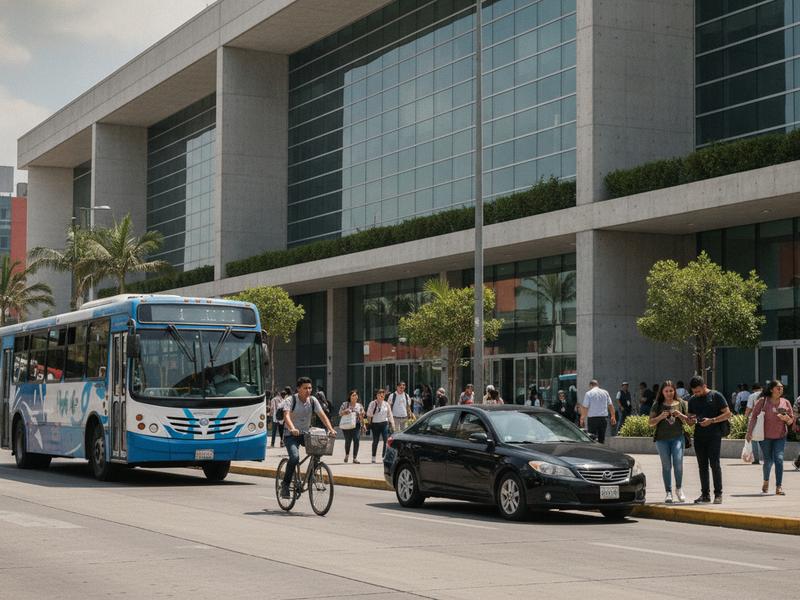
Expo Guadalajara is at Avenida Mariano Otero 1499, Colonia Verde Valle. It is about 6 kilometers southwest of the cathedral by road, depending on the route, and roughly 20 kilometers from Guadalajara International Airport. Traffic can change a short ride into a slow one during weekday peaks or major events.
The convention center’s official transport page lists bus routes T04-B, T04-B-1, T04-B-2, T04-B-3, T10, T10-C01, T10-C02, T11-B, C49-Arboledas, C128-AV2, C130, and LM-VI. Routes change, so verify the current stop and direction in the official transit planner on the day you travel.
Line 5 Macro Aeropuerto began service in June 2026 and connects the airport corridor, Expo Guadalajara, Parque Agua Azul, and Estadio Akron through three trunk routes. SITEUR lists a fare of MXN 11 ($0.60 USD) and service roughly from 3:30 a.m. to 10:30 p.m. The official Line 5 page is the place to confirm the airport branch, transfer, and final stop.
Our how to get to Expo Guadalajara guide compares Line 5, local buses, rideshares, taxis, walking, and MiBici. It also covers the airport arrival decision and late-night return planning.
Rideshare, taxi, bicycle, or rental car?
Rideshare is simple from Americana, Centro, or Tlaquepaque, but pickup zones can become congested after concerts. Walk several blocks to a safe, well-lit point only if local conditions and event controls allow it. Official airport taxis are useful with luggage; confirm the fixed-zone fare before boarding.
Expo has MiBici station GDL-157 with 15 docks. Temporary visitor subscriptions are available for one, three, or seven days. Cycling works for confident urban riders staying within the service area, but carrying books after dark changes the risk and comfort calculation.
A rental car is rarely necessary for the fair itself. Parking, traffic, and end-of-day fatigue outweigh the benefit for most city visits. A car makes more sense if FIL is followed by Tequila, Lake Chapala, or a wider Jalisco road trip. Visitors who want a guided city or Tequila day can browse Guadalajara tours on Viator instead of driving.
Three-Day FIL Guadalajara Itinerary and Budget
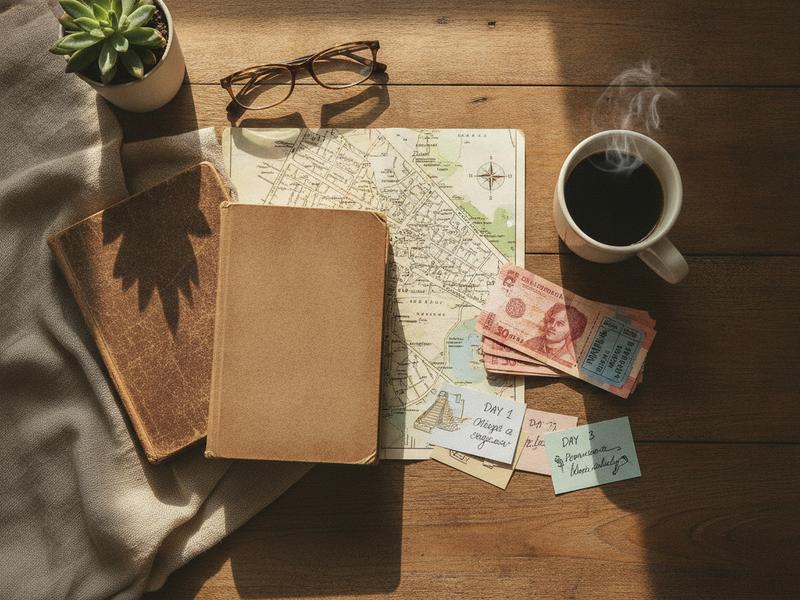
The best first visit uses FIL as the anchor without spending every waking hour under convention-center lights. This outline works especially well from Thursday through Saturday, when the public has full-day access.
Day 1: Expo orientation and one headline event
Arrive by 8:30 a.m. with your ticket, map, tote, water, and shortlist. Enter at opening, locate your afternoon anchor event, then spend the first two hours in the Guest of Honor and Mexican publisher areas. Eat before the noon rush.
Use the afternoon for one author talk and a second focused browsing circuit. If your hotel is near Expo, leave purchases there before dinner. Return for the 9:00 p.m. Foro FIL concert only if the lineup matters; otherwise stop while your feet still feel reasonable.
Day 2: Centro in the morning, FIL in the afternoon
Start around Plaza de Armas, Guadalajara Cathedral, Plaza Tapatía, and the Hospicio Cabañas area. Follow a compact eastbound route rather than zigzagging across the center. Eat a local lunch, then travel to Expo for the afternoon program and the night sale if it is Friday.
Keep the city portion compact. FIL rewards mental energy, and a museum-heavy morning followed by eight hours of talks is too much. If the weather is warm, return to the hotel to change before the evening.
Day 3: Priority events and Tlaquepaque
Use the morning for the authors, stands, and purchases missed on day one. Set a firm exit time around 2:00 or 3:00 p.m., leave books at the hotel, and go to San Pedro Tlaquepaque for galleries, pottery, mariachi, and dinner. A short route around El Parián and Calle Independencia is enough for a first afternoon.
Serious collectors can skip Tlaquepaque and use the entire third day at Expo. Families may reverse the plan: FIL Niños early, a long midday break, then Tlaquepaque before dark.
The dedicated FIL Guadalajara three-day itinerary includes timing, food windows, backups, and versions for readers, families, and professionals.
Sample three-night costs
A budget-conscious traveler sharing a room might spend:
- Three adult fair admissions: MXN 120 ($7 USD)
- Three shared hotel nights: MXN 2,700–4,500 ($150–$250 USD) per person
- Food and coffee: MXN 1,350–2,400 ($75–$133 USD)
- Local transport: MXN 300–900 ($17–$50 USD)
- Museum and small activities: MXN 200–500 ($11–$28 USD)
- Books: MXN 800–2,500 ($44–$139 USD)
That produces an on-the-ground total of roughly MXN 5,470–10,920 ($304–$607 USD) per person before travel to Guadalajara. A solo room near Expo, rideshares, restaurant dinners, and a large book budget can push the same trip above MXN 18,000 ($1,000 USD).
Book weight and baggage fees belong in the budget. An extra checked bag can cost more than admission for the entire week. Ask whether a publisher ships domestically, compare international ordering, and leave space in your suitcase.
Final planning checklist
Reserve flexible lodging, then watch the official program. Choose two fair days and one city block. Save the ticket and hotel confirmation offline. Confirm the public opening time for weekday professional days. Pack cushioned shoes, layers, a strong tote, a portable battery, and smaller peso notes.
International travelers should keep copies of passports and reservations separate from originals. If the trip includes nonrefundable flights, valuable books, or extra regional travel, compare coverage carefully; SafetyWing travel insurance is one option for medical and trip-interruption needs.
FIL Guadalajara works best when you stop trying to “do it all.” Choose a few voices you care about, leave room for discovery, and let the fair introduce you to a Guadalajara that extends far beyond its postcard symbols.
One final advantage of planning a focused visit is that conversations become part of the trip. Ask a small publisher which new writer they are most excited about. Compare translations at the Italian pavilion. Sit down after a talk and write the title that changed your mind. Those moments rarely appear in a program, yet they separate a literary fair from a shopping hall. Keep one hour each day completely unassigned and one corner of the tote empty. If nothing unexpected happens, you can use both for a final browse. If something does, you will have the time and carrying space to follow it without abandoning the events that brought you to Guadalajara.