Huasteca Potosina Waterfalls: Mexico's Best-Kept Secret
The Ultimate Guide to Huasteca Potosina Waterfalls: Mexico’s Hidden Paradise
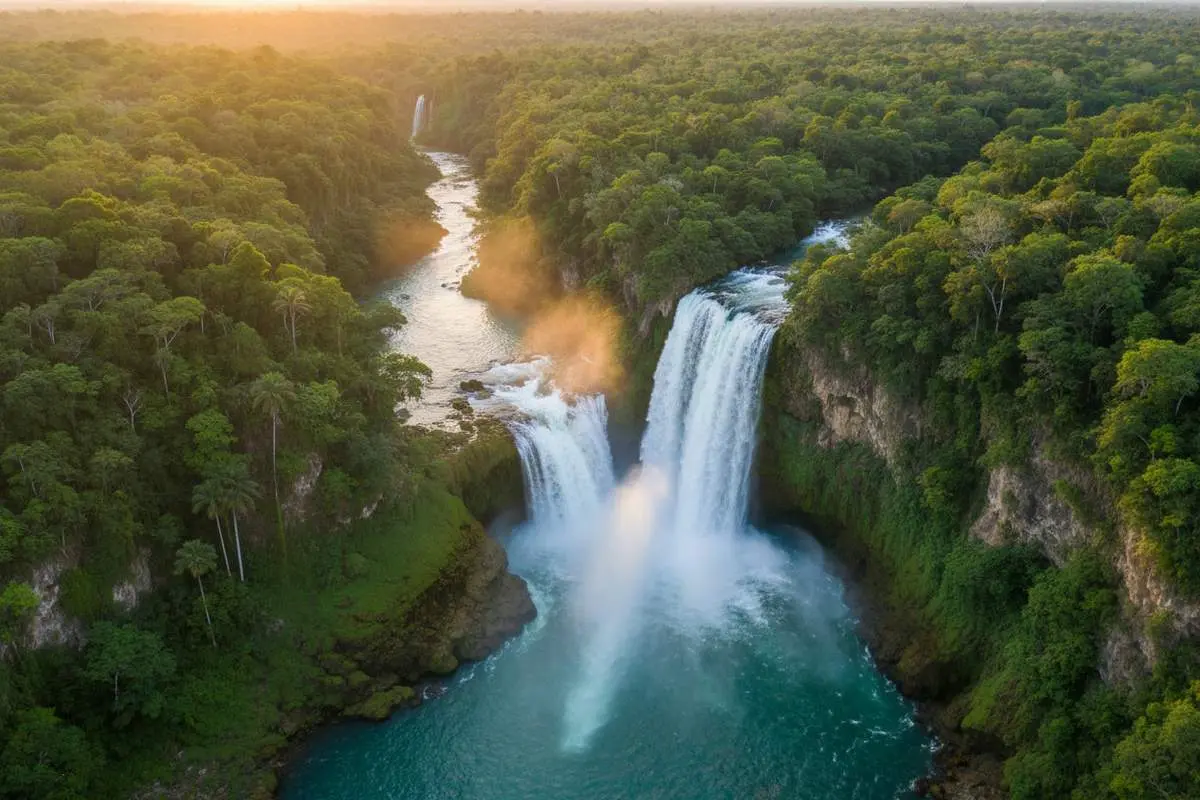
Forget the crowded cenotes of the Yucatan. In the remote highlands of San Luis Potosi, a network of turquoise waterfalls cascades through jungle canyons that most travelers have never heard of. Welcome to Huasteca Potosina, Mexico’s best-kept secret for waterfall chasers and adventure seekers.
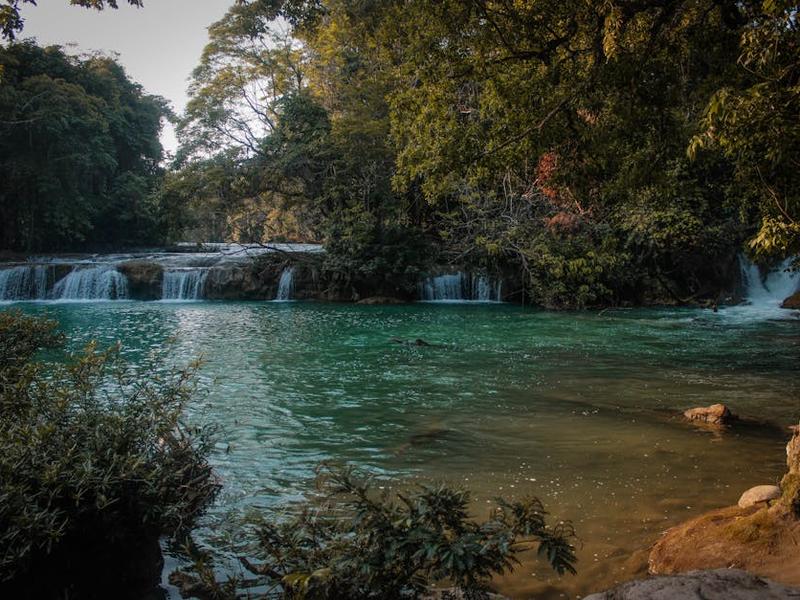
The Huasteca Potosina contains over 20 major waterfalls, each flowing with waters so impossibly blue they look digitally enhanced. They’re not. That color comes from calcium-rich limestone that gives these cascades their signature turquoise glow.
This region in northeastern Mexico remained off the international tourist radar for decades, known only to Mexican families and adventurous backpackers willing to navigate unpaved roads and basic infrastructure. That’s changing fast. Word has spread about Cascada de Tamul, the 105-meter giant that plunges into a river canyon. About Cascadas de Micos, where you can jump from seven different waterfalls into crystalline pools. About Puente de Dios, an underground swimming hole that feels like something from a fantasy film.
But here’s what makes the Huasteca different from Mexico’s more famous water destinations: these waterfalls aren’t just for looking. They’re for jumping, swimming, kayaking, and exploring. This is active adventure tourism at its finest, set against a backdrop of ancient Huastec culture and some of the most dramatic landscapes in central Mexico.
What is Huasteca Potosina and Why Visit?
The Huasteca Potosina spans 20 municipalities across the eastern portion of San Luis Potosi state, where the Sierra Madre Oriental mountains meet tropical lowlands. This collision of geography creates something special: rivers swollen with mountain runoff cutting through soft limestone, forming waterfalls, caves, and swimming holes at seemingly every turn.
The region takes its name from the ancient Huastec civilization, a Maya-related culture that thrived here for thousands of years before Spanish contact. Their descendants still live throughout these mountains, preserving traditions like the son huasteco music and the massive zacahuil tamales that can feed an entire village. You’ll encounter this living culture alongside the natural wonders.
Unlike beach destinations or archaeological sites, the Huasteca demands physical engagement. You’ll climb hundreds of stairs to reach Puente de Dios. You’ll paddle kayaks up river canyons to see Tamul. You’ll leap from rock ledges into deep pools at Micos. This isn’t passive sightseeing. It’s the kind of travel that leaves you exhausted, exhilarated, and desperate to return.
Why the Waterfalls Are So Blue
First-time visitors often assume the photos are edited. The electric blue color of Huasteca’s waters looks almost artificial. But it’s pure geology. The entire region sits on thick deposits of travertine limestone, the same rock that forms stalactites in caves. As water flows through this calcium-rich stone, it picks up dissolved minerals that scatter light in ways that amplify blue wavelengths.
The effect intensifies during dry season when sediment settles and water clarity peaks. Visit after heavy rains and you’ll find the same rivers running brown with churned-up silt. Timing matters enormously here, which brings us to the crucial question of when to visit.
Best Time to Visit Huasteca Potosina Waterfalls
The Huasteca follows a tropical wet-dry climate pattern. Understanding this seasonal rhythm is essential for planning your trip, because visiting at the wrong time means murky water, dangerous currents, and potentially closed attractions.
Dry Season (November - March): The Sweet Spot
This is prime time. Rivers run clear, waterfalls glow their famous turquoise, and swimming conditions are safest. Within this window:
- November-January: Ideal conditions. Water levels remain high from recent rains but clarity has returned. Waterfall flow is at its most impressive while pools stay swimmable.
- February-March: Water clarity peaks but some smaller falls begin drying up. Tamul Waterfall famously reduces to a trickle by late March in dry years.
Rainy Season (May - October): Proceed with Caution
Afternoon thunderstorms are almost daily during these months. Rivers swell dramatically, turning dangerous for swimming. The trade-off? Waterfalls reach their maximum flow, creating spectacular cascades. If you visit during rainy season, focus on viewing rather than swimming, and always check current conditions with local operators.
The Semana Santa Warning
Whatever you do, avoid the week before Easter (Semana Santa). This is Mexico’s biggest holiday travel period. Crowds at Huasteca waterfalls can swell to 5-10 times normal levels. Hotels book out months ahead. What should be a serene nature experience becomes a chaotic mob scene. The dates shift annually, so check the calendar before booking.
The Top Huasteca Potosina Waterfalls
With dozens of waterfalls scattered across the region, prioritizing can feel overwhelming. Here’s my ranking of the essential cascades, based on scenic impact, accessibility, and swimming quality.
1. Cascada de Tamul - The Crown Jewel
At 105 meters tall, Tamul is the tallest waterfall in Huasteca Potosina and the region’s signature attraction. It forms where the Gallinas River plunges into the Santa Maria River, creating a misty spectacle visible from boat or hiking trail. During peak flow, the waterfall can spread 300 meters wide across the canyon face.
You can reach Tamul two ways: by paddling upstream in a wooden panga boat from La Morena (about 2 hours round trip), or by hiking down from El Naranjito village (30 minutes each way but steep). The boat trip offers the classic postcard view; the hike provides access to swimming pools at the top of the falls.
Read our complete guide: How to Visit Cascada de Tamul
2. Cascadas de Micos - The Adventure Playground
This series of seven waterfalls along the Micos River offers the Huasteca’s most adrenaline-pumping experience. Rather than just viewing, you actively participate: climbing between falls, jumping from heights ranging from 2 to 8 meters, swimming through rapids, and ziplining across the river.
Micos works as a full-day adventure or a quick morning activity. Most visitors join guided jumping tours that provide helmets and life vests while leading you safely up the cascade chain. The milky blue pools between falls offer some of the best swimming in the region.
Read our complete guide: Cascadas de Micos Adventure Guide
3. Puente de Dios - The Underground Wonder
Translating to “Bridge of God,” this natural formation near Tamasopo creates an almost supernatural swimming experience. The Gallinas River has carved through limestone to create an arched cave system with a brilliant blue pool at its heart. Sunlight filters through openings above, spotlighting the turquoise water like a natural cathedral.
Reaching Puente de Dios requires descending over 300 stairs into the canyon, then swimming across pools to enter the cave system. Life jackets are mandatory and available for rent. The experience is unlike anything else in Mexico.
Read our complete guide: Puente de Dios Tamasopo Guide
4. Cascadas de Tamasopo - The Triple Falls
The town of Tamasopo sits at the confluence of three excellent waterfalls: Cascadas de Tamasopo proper (a wide curtain fall perfect for swimming behind), El Trampolin (a natural diving board formation), and the nearby Puente de Dios described above. You could easily spend two full days exploring just this area.
The main Tamasopo falls have the best infrastructure of any Huasteca waterfall, with changing rooms, restaurants, and easy access paths. It’s an ideal choice for families or those wanting a more relaxed experience.
Read our complete guide: Cascadas de Tamasopo Guide
5. Minas Viejas - The Turquoise Pools
This 55-meter waterfall plunges into a series of stacked pools that glow an almost electric turquoise. The name means “Old Mines,” referring to abandoned mining operations in the surrounding hills. Today it’s one of the most photogenic spots in the Huasteca, with the option to swim in the lower pools during calm conditions.
Minas Viejas requires a bit more effort to reach than other waterfalls, with a winding drive followed by a forest trail. The reward is smaller crowds and some of the most Instagram-worthy scenery in the region.
Read our complete guide: Minas Viejas Waterfall Guide
6. El Salto Waterfall
Located near Minas Viejas, El Salto offers a powerful cascade that’s particularly impressive during high-water months. The falls drop into a large pool suitable for swimming, surrounded by lush tropical vegetation. Many visitors combine El Salto with Minas Viejas in a single day trip.
7. Cascada de Meco
A smaller but beautiful waterfall accessible from Ciudad Valles, Meco makes an excellent half-day excursion. The falls drop about 30 meters into a swimming pool, with cliff jumping possible from surrounding rocks. It’s less touristy than the major falls, offering a more local experience.
Planning Your Huasteca Potosina Itinerary
The waterfalls of Huasteca Potosina are spread across a large area, so efficient planning saves precious vacation days. Here are three sample itineraries based on available time.
4-Day Essential Waterfall Tour
This whirlwind itinerary hits the major highlights:
- Day 1: Arrive Ciudad Valles, afternoon at Cascadas de Micos for waterfall jumping
- Day 2: Full day at Cascada de Tamul (boat tour and swimming)
- Day 3: Morning at Puente de Dios, afternoon at Cascadas de Tamasopo
- Day 4: Morning at Minas Viejas, depart afternoon
7-Day Complete Huasteca Experience
With a full week, you can explore thoroughly and add Xilitla:
- Day 1: Arrive Ciudad Valles, orientation walk and local food
- Day 2: Cascadas de Micos full day with jumping tour
- Day 3: Cascada de Tamul by boat, afternoon at Sotano de las Golondrinas viewpoint
- Day 4: Drive to Tamasopo, afternoon at Cascadas de Tamasopo
- Day 5: Morning Puente de Dios, afternoon El Trampolin, evening in Xilitla
- Day 6: Las Pozas surrealist gardens and Xilitla town exploration
- Day 7: Minas Viejas and El Salto, return to Ciudad Valles or depart
3-Day Quick Escape
Short on time? Focus on the three most essential experiences:
- Day 1: Cascada de Tamul boat tour (morning start essential)
- Day 2: Cascadas de Micos jumping adventure
- Day 3: Puente de Dios early morning, depart
How to Get to Huasteca Potosina
The Huasteca’s relative isolation is both its charm and its logistical challenge. There’s no major airport within the region, so most visitors arrive by car or bus.
By Air
The two nearest airports are:
- Tampico (TAM): 2.5 hours drive to Ciudad Valles. Limited domestic flights.
- San Luis Potosi (SLP): 4.5 hours drive to Ciudad Valles. Better flight connections including some international routes.
From either airport, you’ll need to rent a car or arrange private transfer. No direct bus service connects airports to the Huasteca.
By Bus
Long-distance buses from Mexico City, Queretaro, and other major cities terminate at Ciudad Valles. The journey from Mexico City takes approximately 8 hours on first-class ETN or Primera Plus services. Buses are comfortable with air conditioning, bathrooms, and seat-back entertainment.
By Car
Driving from Mexico City takes 6-7 hours via Highway 85. The route passes through Queretaro before winding into the Sierra Madre. Roads are generally well-maintained though some waterfall access roads deteriorate during rainy season. A rental car provides maximum flexibility for waterfall hopping.
Getting Around Within Huasteca Potosina
Once in the region, transportation options include:
- Rental car: Highly recommended. Allows independent exploration on your own schedule.
- Organized tours: Available from Ciudad Valles to all major waterfalls. Convenient but less flexible.
- Collectivos: Shared minivans run between towns but don’t serve waterfall entrances directly.
- Taxis: Available in Ciudad Valles and Tamasopo for waterfall day trips.
Read our complete guide: Ciudad Valles Travel Guide
Where to Stay in Huasteca Potosina
Accommodation options have expanded significantly in recent years, though the region still lacks major hotel chains. Here’s how to choose your base.
Ciudad Valles - The Main Hub
This city of 150,000 serves as the primary gateway to Huasteca Potosina. It offers the widest selection of hotels, restaurants, and services. From here, all major waterfalls are reachable as day trips (30 minutes to 1.5 hours driving).
Top picks:
- Casa AMMAH: Boutique hotel with exceptional reviews, communal kitchen, and garden setting. Mid-range pricing.
- Hotel Valles: The established choice with pool, restaurant, and reliable comfort. Budget-friendly.
- Hostels: Several backpacker options cluster near the bus station for budget travelers.
Tamasopo - For Waterfall Immersion
Staying in Tamasopo puts you steps from Puente de Dios and Cascadas de Tamasopo. The town is smaller and quieter than Ciudad Valles, with a more local atmosphere. Excellent choice if you want to explore the Tamasopo waterfalls thoroughly.
Top picks:
- Cabana Aventuras: River-access cabins with rope swings. Adventure vibe.
- Tamasopo Luxury Suites: The upscale option with modern amenities.
Xilitla - For Culture and Gardens
If Las Pozas surrealist gardens are on your list (and they should be), consider a night in Xilitla. This mountain town offers cooler temperatures and stunning views, though it’s farther from the main waterfalls.
Top picks:
- Posada El Castillo: Stay in Edward James’ former home overlooking Las Pozas.
- Hotel El Castillo: Budget option with excellent location.
Essential Tips for Visiting Huasteca Waterfalls

Proper preparation makes the difference between an amazing trip and a frustrating one. Here’s what you need to know.
What to Bring
- Water shoes: Absolutely essential. Rocky river bottoms and slippery surfaces require proper footwear.
- Dry bag: Protect your phone, camera, and valuables during water activities.
- Cash: Most waterfalls and many businesses are cash-only. ATMs exist in Ciudad Valles but may run out on busy weekends.
- Sunscreen: Reef-safe formulations are increasingly requested at swimming spots.
- Insect repellent: Especially important during wet season.
- Light rain jacket: Afternoon showers are common even in dry season.
Entrance Fees (2025 Prices)
Expect to pay between 50-200 pesos per waterfall, plus additional fees for parking, life jacket rental, and guided activities. Carry plenty of small bills. Credit cards are rarely accepted.
Safety Considerations
Life jackets are mandatory at most swimming locations and available for rent. Heed warning signs about current conditions. Never swim during or immediately after heavy rains when flash floods can occur without warning. Hire local guides for activities like cliff jumping rather than attempting solo.
Altitude Awareness
While the waterfalls themselves sit at relatively low elevations, some areas like Xilitla reach over 1,000 meters. If you’re coming from sea level, pace yourself on the first day.
Beyond Waterfalls: Other Huasteca Attractions

The waterfalls are the main draw, but Huasteca Potosina offers much more for those with extra time.
Las Pozas - Edward James Surrealist Gardens
Near Xilitla, British artist Edward James spent decades constructing a fantasy garden of concrete sculptures, staircases to nowhere, and surrealist structures amid the jungle. It’s one of Mexico’s most unique attractions and pairs perfectly with waterfall exploration. Read our full guide to Xilitla and Las Pozas.
Sotano de las Golondrinas
This vertical cave shaft plunges 376 meters straight down, making it one of the deepest in the world. At dawn and dusk, thousands of swifts and parrots spiral in and out of the abyss in a mesmerizing natural spectacle. Technical rappelling expeditions can descend into the pit.
Tamtoc Archaeological Site
This Huastec ceremonial center preserves pyramids and sculptures from the ancient civilization that gave the region its name. It’s far less visited than major Maya sites but offers genuine archaeological discovery.
Huastec Cuisine
Don’t miss the regional specialties: zacahuil (a massive banana-leaf tamale that serves dozens), bocoles (thick corn cakes stuffed with meat), and enchiladas huastecas. The region’s tropical climate also produces excellent coffee and chocolate.
Is Huasteca Potosina Safe?
This question comes up frequently given broader concerns about Mexico travel. The honest answer: Huasteca Potosina is remarkably safe for tourists. The rural, mountainous region sees very little of the cartel activity that affects some Mexican states. Crime against tourists is rare.
Visitors regularly drive rental cars, camp at waterfalls, and explore independently without incident. The main safety risks are natural: fast-moving water, slippery rocks, and sudden weather changes. Respect the environment, hire guides when appropriate, and you’ll find the Huasteca welcoming and secure.
Huasteca Potosina Waterfalls: Final Thoughts
In a country overflowing with incredible destinations, Huasteca Potosina remains genuinely undiscovered by international tourism. That’s changing as word spreads about its turquoise cascades and adventure opportunities. Visit now, while the waterfalls still feel like secrets waiting to be discovered rather than Instagram hotspots.
The region demands effort. You’ll navigate winding mountain roads, climb countless stairs, and work for every stunning view. But that effort creates something the crowded Riviera Maya can’t match: the feeling of genuine discovery. Of swimming in pools so blue they seem painted. Of experiencing Mexico’s wild heart in all its unspoiled glory.
Pack your water shoes, bring plenty of cash, and prepare for the adventure of a lifetime. The waterfalls of Huasteca Potosina are waiting.
Ready to explore? Start planning with our Ciudad Valles Travel Guide for accommodation recommendations and tour booking tips.