Is Cozumel Safe in 2026? The Honest Answer for Tourists
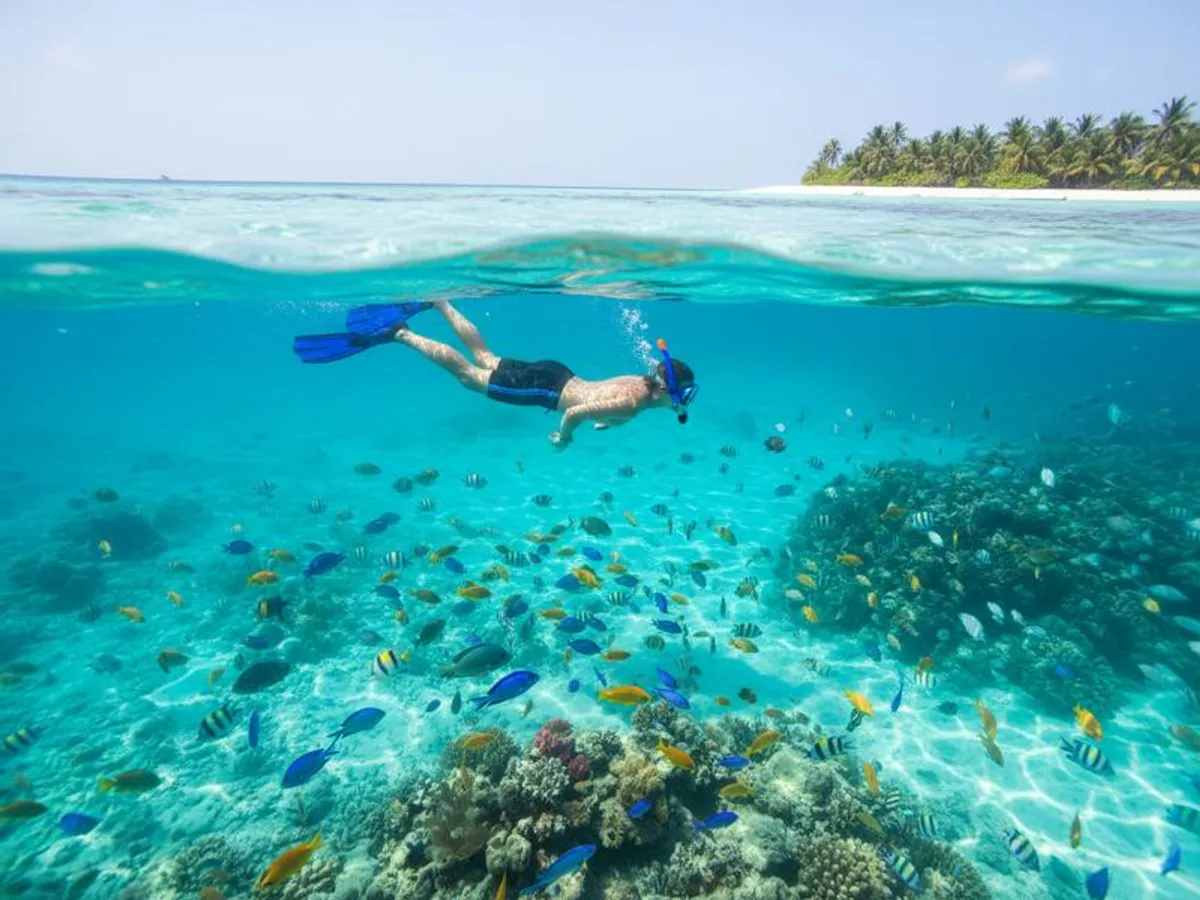
Cozumel is one of Mexico’s safest tourist destinations for most visitors in 2026. The island sits off the coast of Quintana Roo, about 40 minutes by ferry from Playa del Carmen, and its main visitor areas are San Miguel, the west-coast hotel and dive zone, the cruise piers, and protected reef tour routes. In 2026, the US State Department rates Quintana Roo — the state Cozumel belongs to — at Level 2 (Exercise Increased Caution), the same rating as France, Germany, and the United Kingdom.
The island’s geography changes the entire safety equation: criminal networks can’t simply drive in from mainland Quintana Roo. Most travelers arrive through the Cozumel ferry terminal, Cozumel International Airport (CZM), Punta Langosta, International Pier, or Puerta Maya, which creates far more controlled access than Cancún, Playa del Carmen, or Tulum. That structural advantage, combined with an economy built around cruise passengers, divers, snorkelers, and beach clubs, makes Cozumel functionally one of the most secure places in Mexico for travelers.
Is Cozumel Safe: 30-Second Answer
Yes, Cozumel is safe for most tourists in 2026, especially compared with busier mainland Quintana Roo destinations. San Miguel, the west-coast hotel zone, the cruise-pier areas, and organized reef tours are the safest parts of the island for visitors. The real risks are pier scams, overpriced taxis, east-coast currents, scooter or golf-cart accidents, and petty theft on crowded cruise days.
| Safety question | Practical answer |
|---|---|
| Safest base | San Miguel, the hotel zone, and west-coast beach/dive areas |
| Main tourist risk | Overcharging, unofficial tour sellers, and petty theft near piers |
| Biggest physical risk | East-coast currents and rental scooter or golf-cart accidents |
| Safer than Cancun or Tulum? | Usually yes, because Cozumel is an island with fewer mainland spillover issues |
| Best rule at night | Stay in downtown San Miguel, hotel zones, or pre-booked taxis |
The Honest Safety Picture
Quintana Roo’s Level 2 advisory covers the entire state, including Cancún, Tulum, and Playa del Carmen. Cozumel shares that advisory by geography — but the island’s reality is meaningfully safer than the mainland.
What the State Department Level 2 actually means: Increased Caution is a blanket advisory that applies to most of Europe, Mexico, and large portions of Latin America. It does not mean “avoid.” It means exercise the same awareness you’d apply in Rome, Barcelona, or Paris.
Cozumel-specific context:
- No major cartel presence operating on the island
- Crime against tourists is predominantly petty (phone theft near ferry pier, scams)
- Tourist police are stationed throughout the downtown zone and pier area
- The dive industry self-polices heavily — PADI operators and established snorkeling companies cannot afford incidents
- Norwegian Cruise Line, Carnival, Royal Caribbean, and MSC all regularly dock here (they have rigorous port security standards)
Places that matter for tourist safety:
- San Miguel de Cozumel: the main town, ferry arrival area, restaurants, pharmacies, ATMs, and waterfront walking zone.
- Punta Langosta, International Pier, and Puerta Maya: cruise-passenger zones with port security, taxis, shops, and heavy daytime foot traffic.
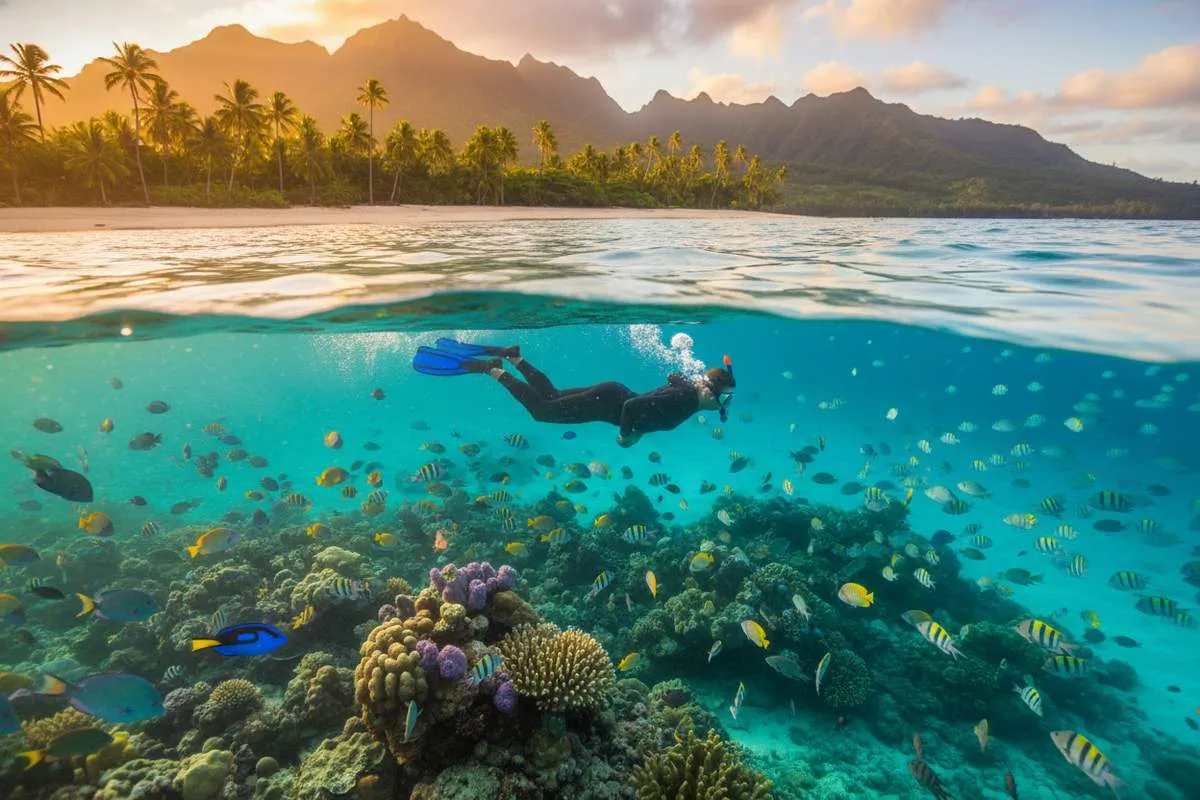
- West coast beaches and reefs: the safer swimming side, including Palancar, Chankanaab, and hotel-zone beach clubs.
- East coast beaches: beautiful for views and beach bars, but exposed to rough surf, rip currents, and limited lifeguard coverage.
- Punta Sur and Punta Molas: remote ends of the island where road conditions and isolation matter more than crime.
Real Risks, Ranked by Likelihood
These are the actual risks for tourists in Cozumel in 2026 — ranked by how likely you are to encounter them:
1. Scams and Overcharging (Most Common)
The ferry pier and International Pier are where most problems happen, and they’re all scam-type rather than violent:
- Unofficial tour sellers approach arriving ferry passengers with “deals.” Always book diving/snorkeling tours through hotels or established operators.
- Overpriced taxis — fares near the pier are significantly higher than the town rate. Walk one block from the pier and negotiate before getting in. Downtown to ferry pier: 50-80 MXN. Pier to hotel zones: 100-200 MXN depending on distance.
- Time-share pressure — “free tour” offers at the pier are always time-share entry points. A polite but firm “no gracias” is enough.
- Fake rum/silver — some shops near the pier sell fake Patron, “925” silver that isn’t, and overpriced vanilla. Shop in San Miguel’s main downtown rather than the pier corridor.
2. Ocean Safety (Underrated Risk)
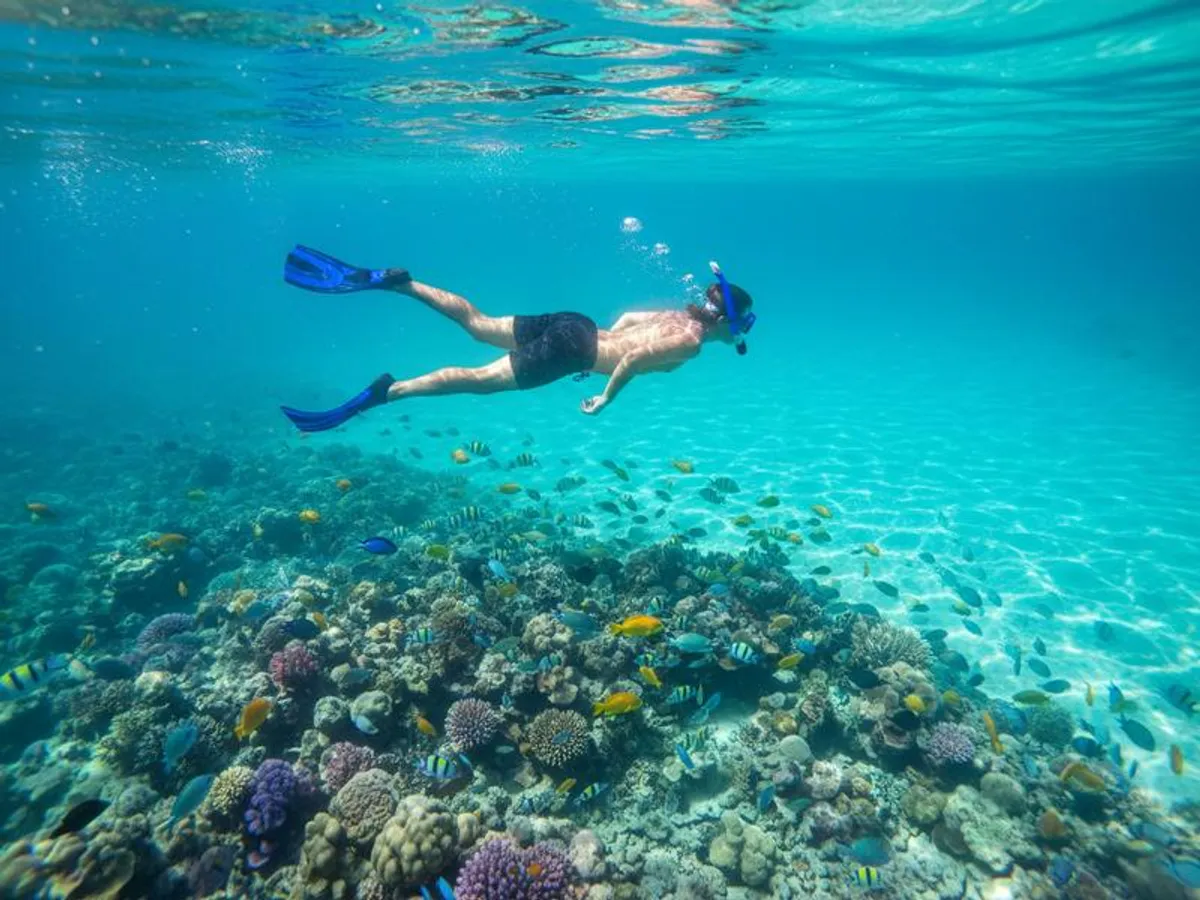
Cozumel’s east coast has genuinely dangerous currents. The Caribbean current that makes the west coast so calm for diving creates rough conditions on the eastern side.
- Do not swim at east coast beaches (Playa Chiqueros, Playa Bonita, Chen Rio) unless at specifically designated calm areas. There are no lifeguards.
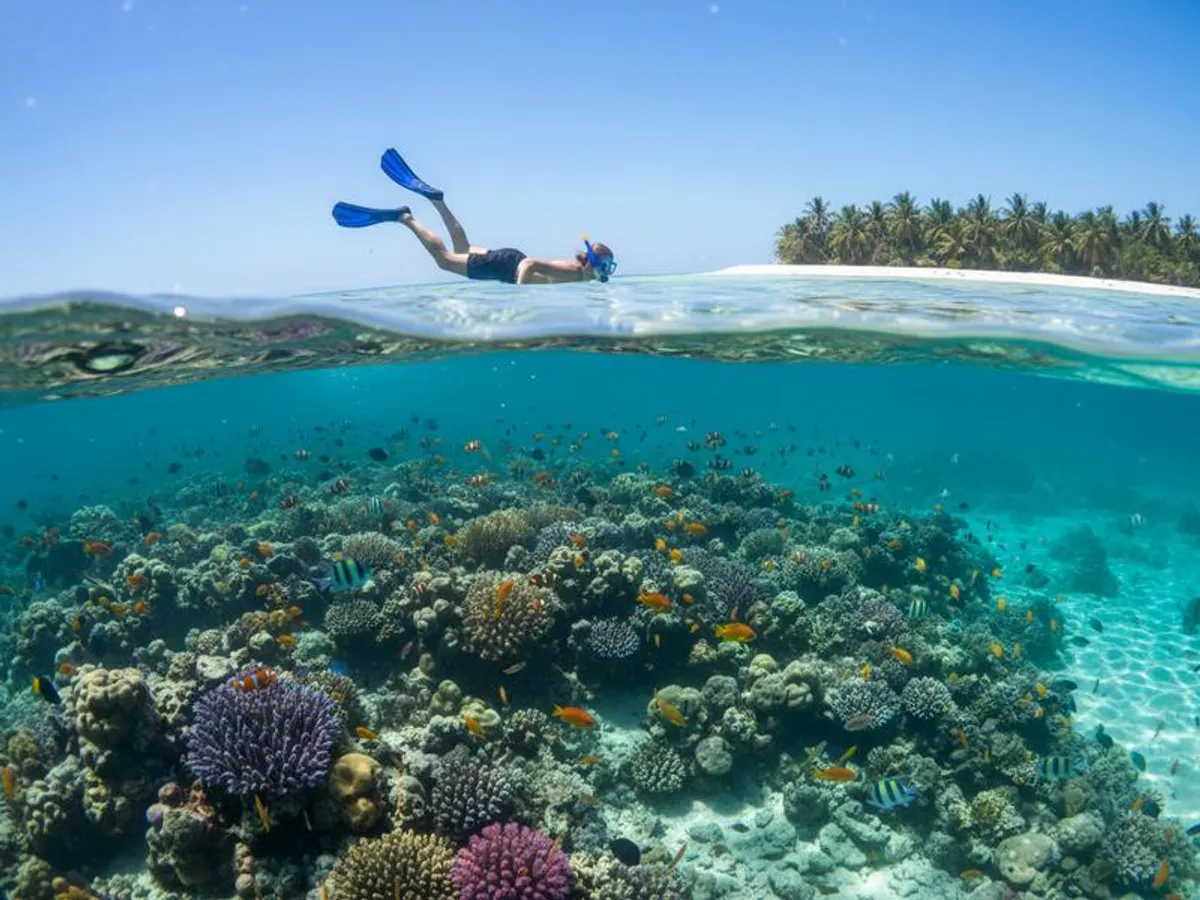
- West coast beaches (near the hotels and dive sites) are safe for swimming and snorkeling.
- Currents while diving/snorkeling — drift dives are Cozumel’s specialty. Always dive/snorkel with a certified operator, never alone off a beach.
- Jellyfish season — June to September, Caribbean box jellyfish and moon jellyfish increase. Wear a rash guard.
3. Road Safety: Golf Carts and Scooters
Cozumel’s roads are shared by rental golf carts, scooters, trucks, and cruise buses. This combination produces the island’s most common tourist injuries.
- Golf cart rentals cost 500-800 MXN/day and are fun, but tourists unfamiliar with right-side driving on narrow roads have accidents.
- Scooter rentals carry higher risk. Mexican traffic laws are enforced inconsistently, and helmets are often not provided.
- Do not rent a scooter if you’ve never ridden one before. A golf cart is the safer choice.
- After dark, roads are poorly lit outside downtown. Return to your hotel or restaurant before 9 PM if exploring by golf cart.
4. Petty Theft
Phone snatching near the ferry pier and pickpocketing in crowded areas (cruise ship embarkation days when 5,000+ passengers land simultaneously) are Cozumel’s most common crimes against tourists.
- Keep phones in pockets (not hands) while walking near the pier on busy cruise days.
- Use a crossbody bag, not a backpack, in crowded areas.
- Valuables in your hotel safe or dive boat’s locked compartment, not your beach bag.
5. Drink Safety
Drink spiking exists as a risk in nightclub settings in Cancún and Playa del Carmen. In Cozumel’s smaller bar scene (mainly concentrated around downtown San Miguel), this is a significantly lower risk — but standard practice applies: watch your drink, accept drinks only from bartenders, go out with people you trust.
Safety by Location
| Location | Safety Level | Notes |
|---|---|---|
| San Miguel downtown | ✅ Very Safe | Main tourist zone, well-patrolled during day |
| Ferry pier area | ✅ Safe | Crowded; watch for scam sellers |
| International/Punta Langosta piers | ✅ Very Safe | Port security heavy during cruise days |
| Hotel zone (north) | ✅ Very Safe | Resort area, tourist police present |
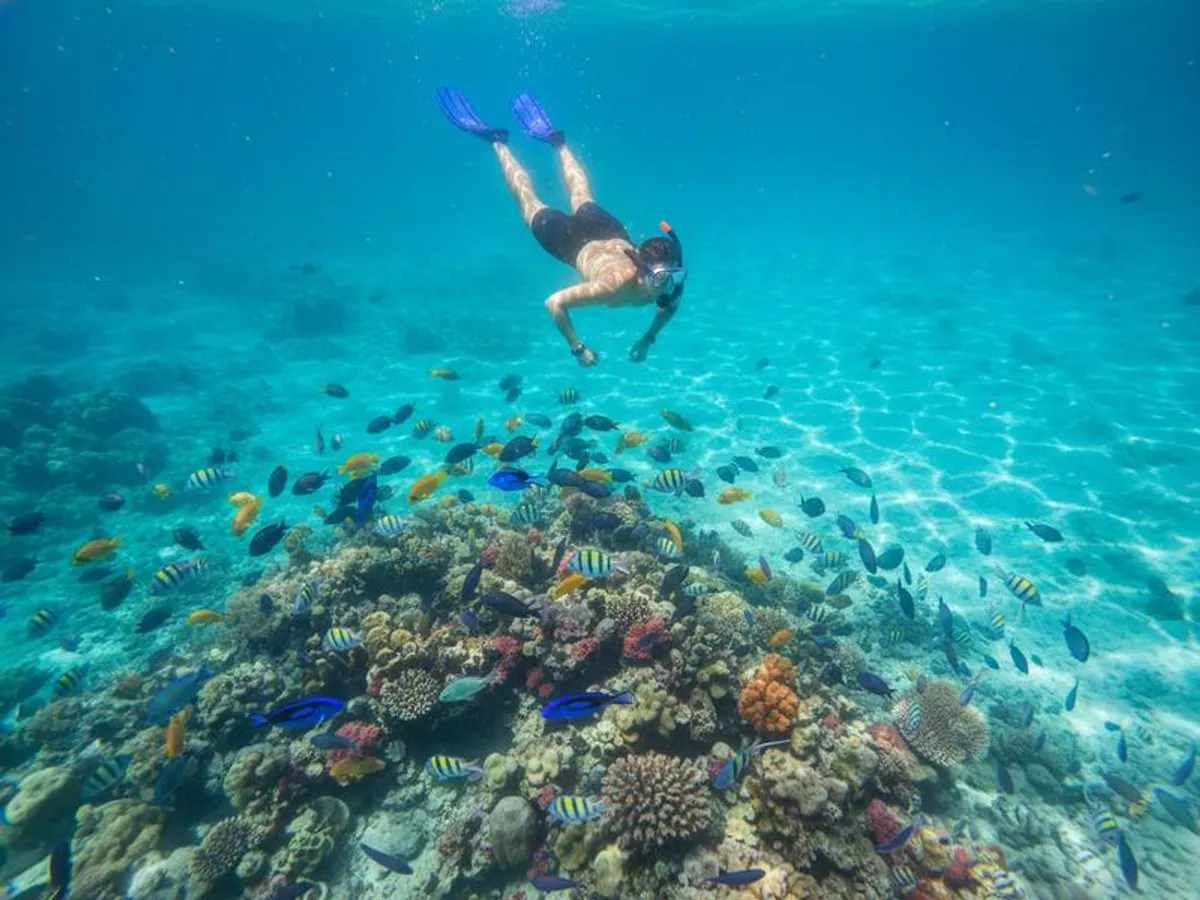
| West coast dive sites | ✅ Very Safe | Structured diving/snorkeling tours |
| East coast beaches | ⚠️ Caution | Dangerous currents; no lifeguards |
| Punta Molas (far north) | ⚠️ Caution | Remote; 4x4 needed, don’t go alone |
| Downtown at night | 🟡 Generally Safe | Stick to lit streets, known bars |
Cozumel vs Other Quintana Roo Destinations
Cozumel’s island status gives it a structural safety advantage over mainland destinations:
| Destination | Advisory | Island? | Practical Safety |
|---|---|---|---|
| Cozumel | Level 2 | ✅ Yes | Very high for tourists |
| Cancún Hotel Zone | Level 2 | Sandbar | High in tourist zone |
| Playa del Carmen | Level 2 | No | Good in tourist areas |
| Tulum | Level 2 | No | Good in tourist areas |
| Bacalar | Level 2 | No | High; small town |
| Isla Mujeres | Level 2 | ✅ Yes | Very high; smaller island |
Safety by Traveler Type
| Who You Are | Is Cozumel Safe? | Key Advice |
|---|---|---|
| Solo female traveler | ✅ Yes | Excellent island base; stay in San Miguel area |
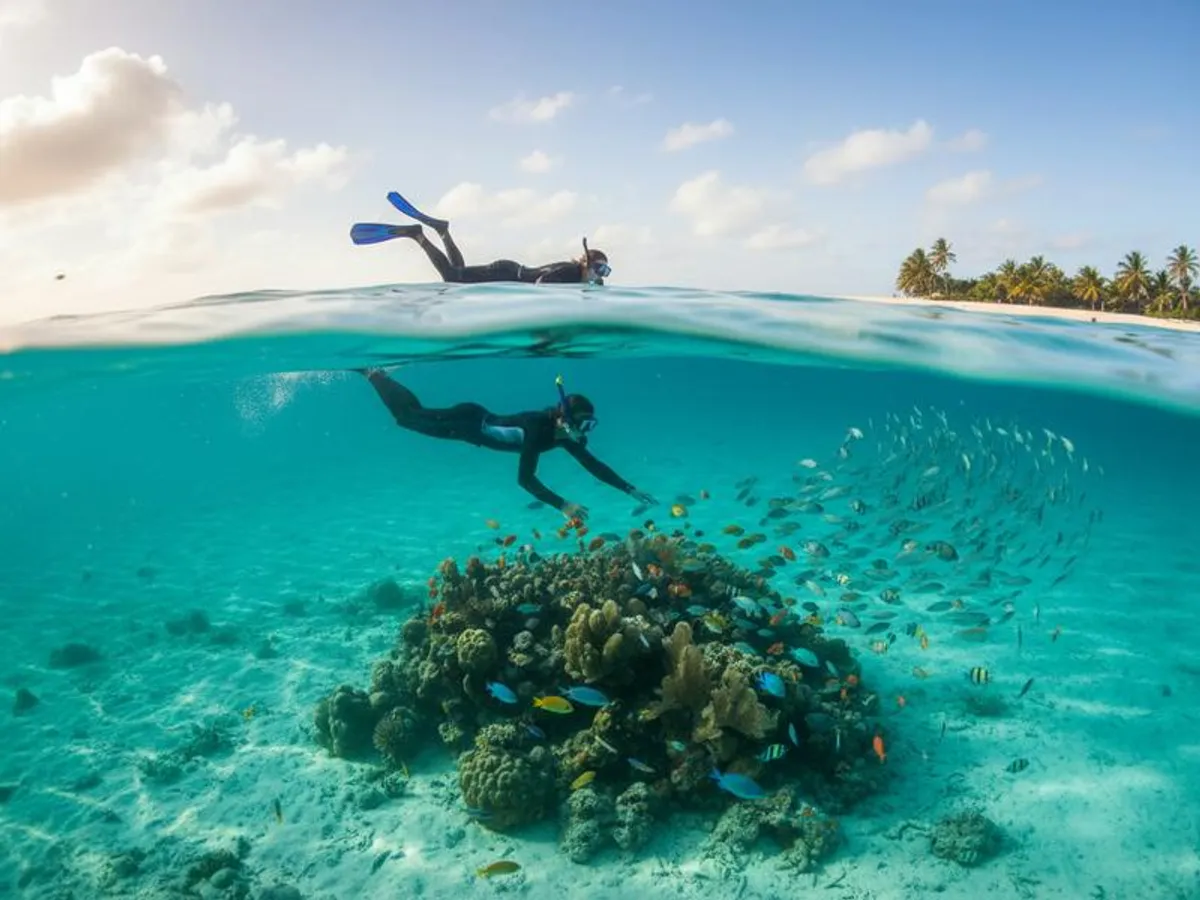
| Couple on a dive trip | ✅ Yes | Go through your hotel or certified PADI shop |
| Family with kids | ✅ Yes | Best for west coast beaches + snorkel tours |
| Cruise passenger (day) | ✅ Yes | Walk one block from pier before booking anything |
| Solo backpacker | ✅ Yes | Cozumel hostels are safe; beach caution needed |
| LGBTQ+ traveler | ✅ Yes | Cozumel has a welcoming dive/tourism culture |
| Senior traveler | ✅ Yes | Easy to navigate; taxis and golf carts work well |
| First-time Mexico visitor | ✅ Yes | One of Mexico’s best entry points for safety comfort |
Getting Around Safely
Taxis: Licensed taxis in Cozumel have a fixed-rate zone system. Rates are posted. Negotiate before getting in if you’re unsure. Downtown San Miguel to Palancar reef area: 150-200 MXN. To San Gervasio ruins: 100-150 MXN round trip.
Golf carts: The most popular tourist transport. 500-800 MXN/day. Stick to the coastal road, which is well-maintained. Avoid unpaved roads on the east side unless in a proper 4x4.
Scooters: Available but not recommended for inexperienced riders. If you do rent one, wear the helmet.
Walking: San Miguel downtown is walkable. The main commercial area (Avenida Rafael Melgar waterfront and the pedestrian zone 5 Avenida Sur) is safe to walk at any point during the day.
What a Safe Trip to Cozumel Looks Like
Do:
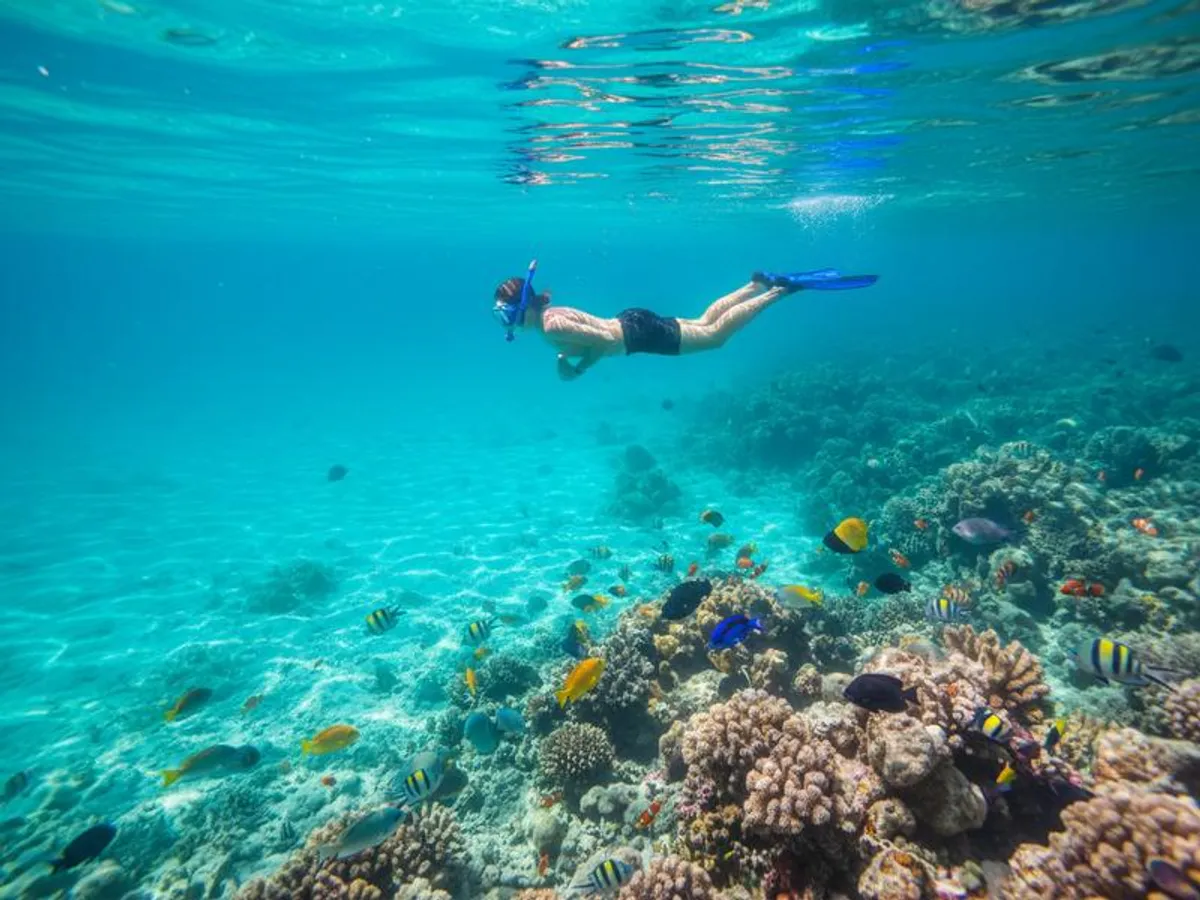
- Book snorkeling and diving through your hotel or a PADI-certified shop (not pier hawkers)
- Use the ferry from Playa del Carmen (UltraMar or Mexico Waterjets, 260-300 MXN round trip)
- Negotiate taxi fares before entering
- Swim only on the west coast (protected from currents)
- Get travel insurance with emergency medical coverage before any diving or snorkeling-heavy trip
- Keep valuables secured on dive/snorkel boats
Don’t:
- Accept unsolicited tour offers at the ferry pier
- Enter a taxi without agreeing on price
- Swim at east coast beaches (even calm-looking days can have dangerous rip currents)
- Rent a scooter without riding experience
- Walk alone on unlit roads after dark
Getting to Cozumel
The ferry from Playa del Carmen runs every 30-60 minutes (25 minutes crossing). Cozumel International Airport (CZM) receives direct flights from US cities including Chicago, Houston, Dallas, and Miami — no need to connect through Cancún.
Explore Cozumel tours and diving trips on Viator
The Bottom Line
Cozumel is safe. The island’s geography, the tourism-dependent economy, and the heavy international cruise industry presence create conditions that make violent crime against tourists nearly nonexistent. The real risks are scams at the pier, east coast currents, and road safety with rentals — all preventable with basic awareness.
If you’re nervous about Mexico safety in general, Cozumel (or Isla Mujeres) is where to start. The island experience removes most of the concerns associated with mainland destinations.
Related safety guides:
- Is Cancún Safe in 2026?
- Is Tulum Safe in 2026?
- Is Playa del Carmen Safe in 2026?
- Is Mexico Safe? Honest Guide by a Mexican
- Mexico Travel Advisory 2026: All 32 States Ranked