Mexican Drinks Guide: Agave Spirits to Aguas Frescas
The Ultimate Guide to Mexican Drinks: From Agave Spirits to Refreshing Aguas Frescas
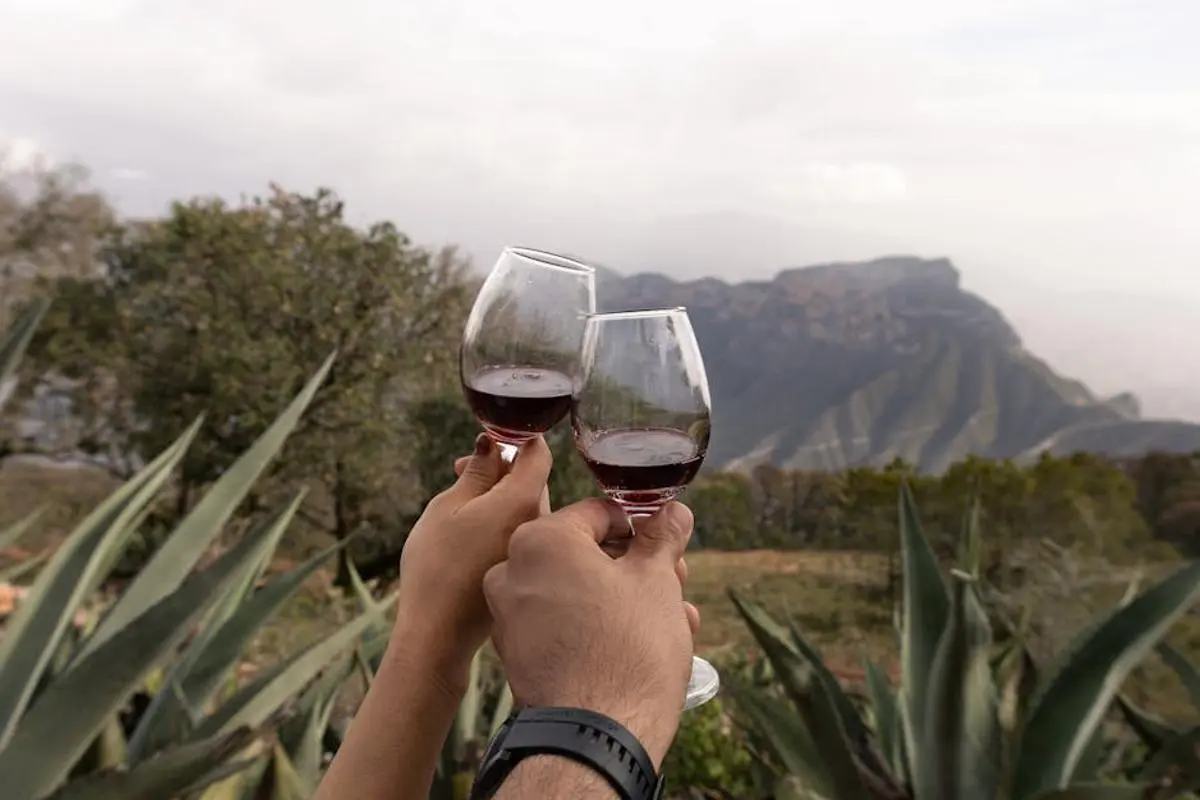
Mexico’s drink culture runs as deep as its culinary traditions, spanning more than 3,000 years from the ancient civilizations of the Aztecs and Mayans to today’s craft cocktail renaissance. Whether you’re sipping a smoky mezcal in an Oaxacan palenque or cooling off with a horchata from a street vendor in Mexico City, every beverage tells a story of regional pride, ancestral knowledge, and pure Mexican creativity.
As someone who has explored Mexico’s rich culinary landscape, I can tell you that understanding the country’s drinks is just as essential as knowing its food. From the world-famous tequila that earned the first denomination of origin in the Americas to humble fermented corn drinks that sustained indigenous communities for millennia, Mexico offers a liquid journey unlike any other.
In Mexico, we don’t just drink beverages - we celebrate them. Each sip connects us to our ancestors, our land, and our endless capacity for celebration.
This guide will take you through every category of Mexican drinks, from agave spirits to warm comforts, with links to our detailed guides on each beverage. Consider this your roadmap to Mexico’s most authentic liquid treasures.
Agave Spirits: Mexico’s Liquid Legacy
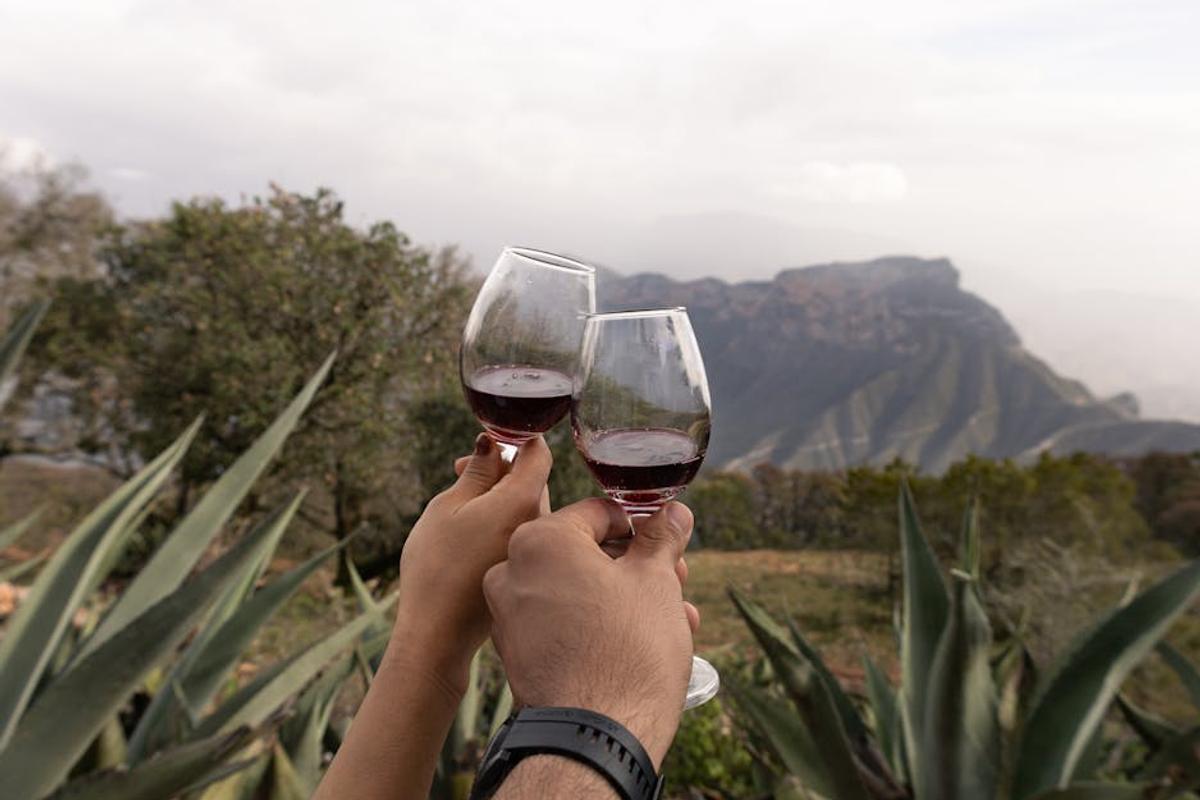
No country on earth has mastered the agave plant quite like Mexico. With over 200 species of agave growing across its territory, Mexico has developed an unparalleled tradition of distilling these succulent plants into spirits that have captured the world’s attention.
Tequila: The Spirit That Conquered the World
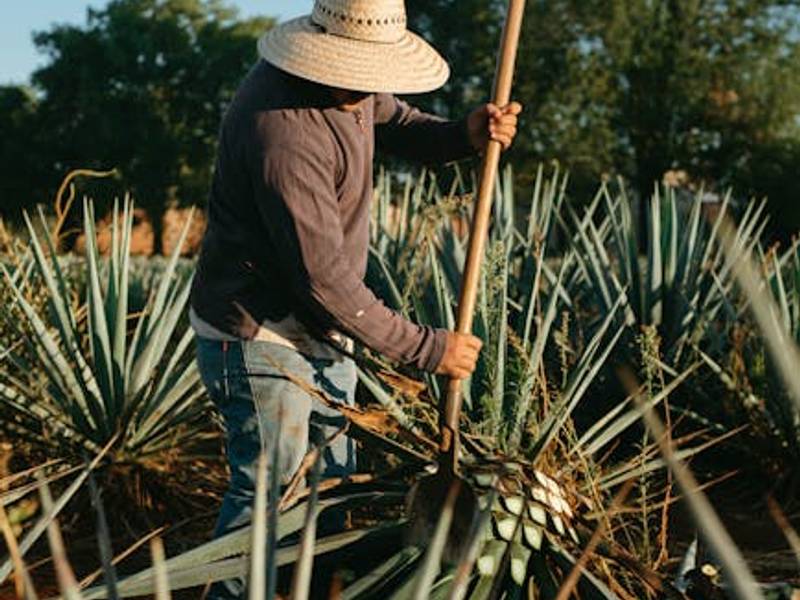
Tequila holds the distinction of being Mexico’s first spirit to receive a denomination of origin, awarded in 1974. Like champagne from France, authentic tequila can only be produced in designated regions, primarily the state of Jalisco and specifically around the town of Tequila.
Made exclusively from blue agave (Agave tequilana Weber), tequila comes in several categories based on aging:
- Blanco (Silver): Unaged or aged less than two months, showcasing pure agave flavor
- Reposado: Rested 2-12 months in oak barrels, gaining golden color and vanilla notes
- Anejo: Aged 1-3 years, developing complex caramel and spice character
- Extra Anejo: Aged over 3 years, rivaling fine whiskeys in sophistication
For the full story on proper tequila appreciation, explore our guide to drinking tequila like a pro.
Mezcal: The Smoky Soul of Oaxaca
While tequila is technically a type of mezcal, the spirit known simply as “mezcal” has developed its own identity. Over 90% of mezcal production comes from Oaxaca, where the traditional method involves roasting agave hearts in underground pits for several days. This process creates mezcal’s characteristic smoky flavor.
Unlike tequila, mezcal can be made from over 50 different agave species, including espadin, tobala, and wild varieties that take up to 25 years to mature. Each species imparts unique flavors, from herbal and earthy to floral and fruity.
Learn more: The Complete Guide to Mezcal vs Tequila
Our comprehensive guide to drinking mezcal like a pro will teach you the proper tasting technique, including why Mexicans sip it alongside orange slices and sal de gusano (worm salt).
Lesser-Known Agave Spirits
Beyond tequila and mezcal, Mexico produces several regional agave spirits worth seeking out:
- Raicilla: Often called “Mexican moonshine,” this Jalisco spirit is made from wild agave and offers fruity, floral notes
- Bacanora: Once banned for 77 years, this Sonoran spirit is now legally protected and prized for its dry, mineral profile
- Sotol: From the deserts of Chihuahua, Durango, and Coahuila, made from the desert spoon plant rather than true agave
- Comiteco: A rare spirit from Chiapas made from a specific agave variety, with sweet, herbal characteristics
Pulque: The Ancient Drink of the Gods
Before distillation arrived with the Spanish, ancient Mexicans fermented agave sap into pulque, a milky, slightly viscous beverage with 4-7% alcohol content. The Aztecs considered pulque sacred, reserving it for priests, warriors, and the elderly.
Today, pulque is experiencing a renaissance in Mexico City’s pulquerias, where young Mexicans rediscover this ancestral drink. Modern versions called “curados” are flavored with fruits like guava, mango, or pine nut. Discover the full history in our guide to pulque.
Classic Mexican Cocktails
Mexico’s cocktail culture extends far beyond what most visitors experience at tourist resorts. While the margarita may be the country’s most famous export, Mexicans themselves often prefer different drinks entirely.
The Margarita
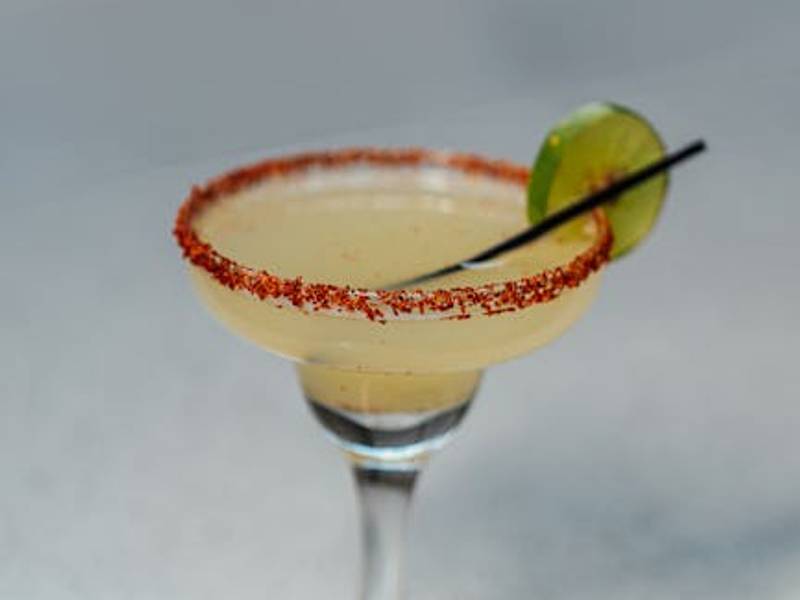
The origin of the margarita remains disputed, with multiple Mexican bartenders claiming credit from the 1930s and 1940s. What’s certain is that the combination of tequila, fresh lime juice, and orange liqueur has become synonymous with Mexican drinking culture worldwide.
The key to an authentic margarita lies in using quality tequila blanco, fresh-squeezed lime juice, and restraint with the sweetener. Salt rims are traditional, though not mandatory.
The Paloma: Mexico’s True Favorite
Ask any Mexican what they drink most often, and you’ll likely hear “paloma” before margarita. This simple highball combines tequila with grapefruit soda (typically Squirt or Jarritos), a squeeze of lime, and a pinch of salt.
The paloma’s genius lies in its simplicity and refreshment factor - perfect for Mexico’s warm climate and ideal alongside tacos or seafood.
The Michelada: Beer Elevated
Mexico transformed the humble beer into something extraordinary with the michelada. This savory cocktail mixes beer with lime juice, hot sauce, Worcestershire sauce, and various seasonings, served in a salt-and-chili-rimmed glass.
Regional variations abound: Mexico City versions use tomato juice and Maggi sauce, while coastal areas prefer clamato. The simpler “chelada” combines just beer, lime, and salt.
The Cantarito
This Jalisco specialty is the cantarito, served in traditional clay cups that enhance the aroma and keep the drink cold. The mixture of tequila, grapefruit juice, orange juice, lime juice, and a splash of grapefruit soda creates a citrus explosion that’s become a Guadalajara institution.
For more creative ways to enjoy Mexico’s national spirit, explore our collection of mezcal cocktail recipes.
Traditional Non-Alcoholic Beverages
Walk into any Mexican restaurant, taqueria, or market, and you’ll find large glass barrels filled with colorful liquids. These are aguas frescas, meaning “fresh waters” - Mexico’s answer to soft drinks, but infinitely more interesting and made with real ingredients.
Aguas Frescas: Fresh Waters of Mexico
The tradition of aguas frescas dates to pre-Hispanic times when Aztecs and Mayans blended native fruits with water and natural sweeteners. Today, these refreshing drinks remain central to Mexican cuisine.
The most common varieties include:
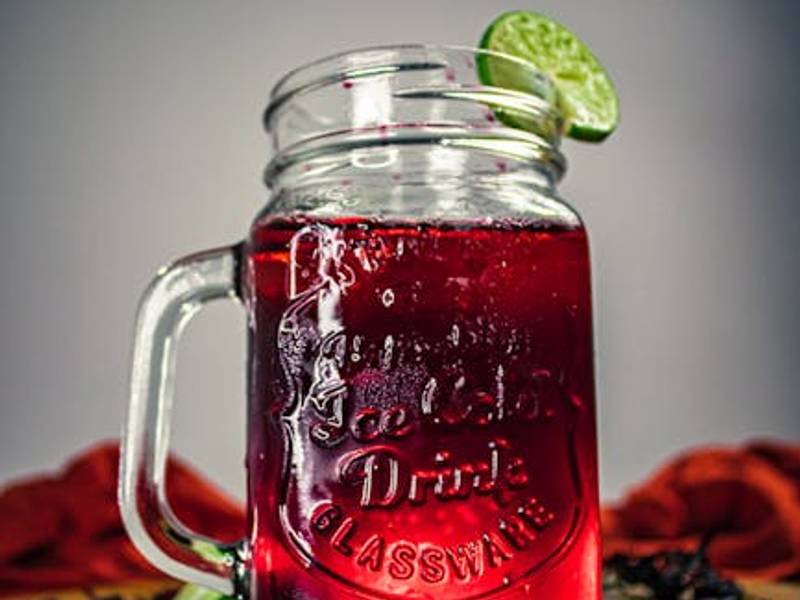
- Agua de Jamaica: Deep red hibiscus flower tea, served cold with a tart, cranberry-like flavor
- Agua de Tamarindo: Sweet-sour tamarind pod water, sometimes spiced
- Agua de Melon: Cantaloupe blended with water and sugar
- Agua de Sandia: Watermelon water, perfect for hot days
- Agua de Limon con Chia: Lime water with chia seeds for added nutrition
Our guide to 12 essential non-alcoholic Mexican drinks covers everything from street vendor favorites to ceremonial beverages.
Horchata: The Creamy Classic
Of all aguas frescas, horchata holds a special place in Mexican hearts. This creamy, cinnamon-spiced rice drink arrived with Spanish colonizers but was transformed into something uniquely Mexican using local ingredients.
Traditional Mexican horchata combines soaked rice, almonds or melon seeds, cinnamon, vanilla, and sugar. The result is a milky-white beverage that pairs exceptionally well with spicy food, as its creaminess helps cool the palate.
Horchata is not just a drink in Mexico - it’s comfort in a glass, a taste of home, and the perfect companion to every taco stand visit.
Fermented Treasures: Pre-Hispanic Heritage
Long before Europeans introduced distillation, indigenous Mexicans developed sophisticated fermentation techniques that produced unique beverages still enjoyed today. These drinks connect modern Mexico to its ancient roots.
Tepache: The Pineapple Elixir
Tepache has been part of Mexican street culture since pre-Hispanic times. Made by fermenting pineapple rinds with piloncillo (unrefined cane sugar) and cinnamon, tepache develops a light effervescence and tangy-sweet flavor.
Street vendors throughout Mexico serve tepache ice-cold from large glass jars. With only 1-2% alcohol content, it’s considered more of a refreshment than an alcoholic drink. Many families still prepare it at home using a simple 3-day fermentation process.
Tejuino: Jalisco’s Corn Drink
In the streets of Guadalajara, vendors sell tejuino - a fermented corn drink served with lime sorbet on top. Made from sprouted corn dough fermented with piloncillo, tejuino has a sweet-sour flavor and slight fizz.
The traditional serving includes a squeeze of lime juice and a pinch of salt, creating a complex flavor profile that’s both refreshing and satisfying.
Other Fermented Drinks
- Colonche: A pre-Hispanic prickly pear cactus drink from Central Mexico
- Pozol: A thick corn and cacao beverage from Tabasco and Chiapas with Mayan origins
- Guarapo: Fresh or fermented sugarcane juice popular in coastal regions
- Tuba: Coconut palm wine from Colima, introduced by Filipino settlers in the colonial era
Warm Comforts: Hot Mexican Beverages
While Mexico is known for its warm climate, the highland regions can get quite cold, and Mexicans have developed numerous warming drinks to combat the chill. Many of these have ancient origins and remain integral to holiday celebrations.
Mexican Hot Chocolate
The Mayans were the first to cultivate cacao, and their drinking chocolate was quite different from modern versions - unsweetened, spiced with chili, and reserved for royalty and ceremonies.
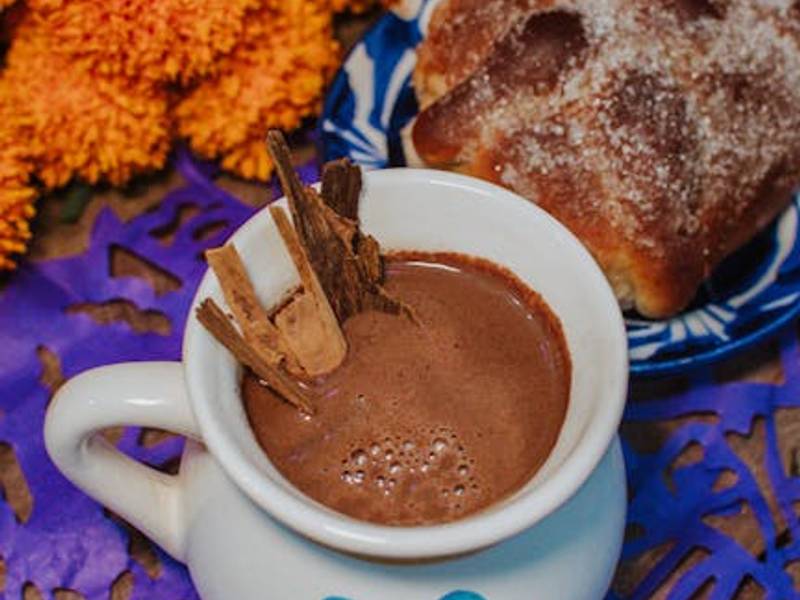
Today’s Mexican hot chocolate uses tablets of semi-sweet chocolate with cinnamon, sugar, and sometimes almonds. The authentic preparation requires a molinillo, a carved wooden whisk spun between the palms to create a thick froth. Oaxaca remains the heartland of Mexican chocolate tradition.
Champurrado: Chocolate Meets Corn
Thicker and more substantial than hot chocolate, champurrado adds corn masa to create a porridge-like consistency. This pre-Columbian drink was consumed by Aztecs and Mayans and remains essential during:
- Dia de los Muertos celebrations
- Christmas season (Las Posadas)
- Cold winter mornings
The addition of corn makes champurrado more filling, often serving as a breakfast drink alongside tamales.
Cafe de Olla: Clay Pot Coffee
Learn to make authentic cafe de olla, Mexico’s traditional coffee brewed in clay pots. The clay imparts a distinctive earthy flavor, while piloncillo and cinnamon provide sweetness and spice.
This rustic coffee style originated in rural Mexico during the Revolution, when soldiers brewed coffee over campfires. Today, it’s a beloved comfort drink throughout the country.
Atole: The Corn Elixir
Atole is a warm, corn-thickened drink served throughout Mexico, especially during cooler months. The base of masa harina (corn flour) and water creates a smooth, porridge-like beverage that can be flavored with:
- Fruits (strawberry, guava, pineapple)
- Nuts (walnut, pecan)
- Vanilla and cinnamon
- Chocolate (becoming champurrado)
Regional Drink Specialties
Mexico’s 32 states each contribute unique beverages to the national repertoire. Understanding regional drinks adds depth to any Mexican journey.
Oaxaca
Beyond mezcal, Oaxaca offers tejate, a frothy pre-Hispanic drink made from corn, cacao, mamey seed, and rosita de cacao flower. Women in traditional markets still prepare tejate by hand using ancient techniques. The city of San Andres Huayapam is considered its birthplace.
Jalisco
Tequila’s homeland also produces raicilla, tejuino, and the lesser-known barrosas - a rustic drink mixing raw milk with cane alcohol, chocolate, or coffee, popular among ranchers.
Michoacan
Charanda is Michoacan’s answer to rum, made from sugarcane in the region around Uruapan. With a denomination of origin since 2003, this sweet spirit has notes of vanilla and bears comparison to Caribbean rums.
Chiapas
The state offers tascalate, a drink of roasted corn, cacao, achiote, and pine nuts, plus pozol for sustenance and comiteco for celebration.
Yucatan Peninsula
Xtabentun (pronounced “shta-ben-TOON”) is the region’s signature liqueur, made from fermented honey of the native melipona bee and anise. Legend connects it to Mayan rituals and the goddess of the same name.
Baja California
Damiana liqueur from Los Cabos uses the damiana herb, traditionally considered an aphrodisiac. The distinctive bottle shaped like a pregnant woman has made it a popular tourist souvenir.
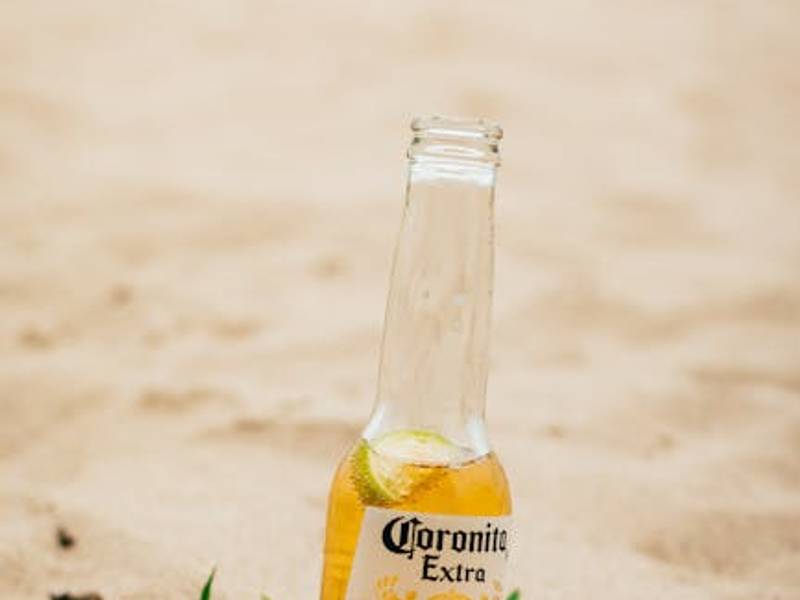
Mexican Beer Culture
Mexico ranks among the world’s top beer-producing nations, with brands like Corona, Modelo, and Pacifico known globally. German and Austrian immigrants in the 19th century established the brewing tradition that continues today.
Major Mexican Beer Brands
Our comprehensive guide to Mexican beer brands covers everything from light lagers to dark Viennas:
- Corona: The world’s most exported Mexican beer, best served with lime
- Modelo Especial: A pilsner-style lager with more body than Corona
- Negra Modelo: A Munich-style dark lager with caramel notes
- Pacifico: A crisp pilsner from the Pacific coast
- Tecate: A light lager often served with lime and salt
- Dos Equis: Available in amber and lager versions
- Victoria: A Vienna-style amber, one of Mexico’s oldest brands
Craft Beer Revolution
Baja California leads Mexico’s craft beer movement, with Tijuana and Mexicali hosting numerous microbreweries. Look for local favorites like Cerveceria Insurgente, Border Psycho, and Fauna.
Mexican Wine: An Emerging Scene
While Mexico may not match Argentina or Chile in wine production, its Valle de Guadalupe in Baja California has emerged as one of the world’s most exciting wine regions. Often called the “Napa of Mexico,” this valley produces award-winning wines just 90 minutes from San Diego.
Explore our guide to the best Mexican wines for recommendations on what to try, including:
- L.A. Cetto: Mexico’s largest producer with excellent Nebbiolo
- Monte Xanic: Premium wines with international acclaim
- Casa de Piedra: Boutique winery with innovative blends
Traditional Mexican Liqueurs
Beyond agave spirits, Mexico produces distinctive liqueurs that showcase regional ingredients and colonial-era traditions.
Rompope: Mexican Eggnog
Rompope originated in the convents of Puebla during colonial times, where nuns created this creamy liqueur from egg yolks, milk, sugar, vanilla, and cinnamon. Santa Clara convent’s recipe remains the most famous, though commercial versions are now widely available.
With an alcohol content around 14%, rompope is traditionally served during Christmas season or used in desserts.
Other Notable Liqueurs
- Sangrita: Not a liqueur but an essential tequila companion - a non-alcoholic citrus and tomato-based chaser
- Kahlua: Though now internationally produced, this coffee liqueur originated in Veracruz
- Controy: A Mexican orange liqueur similar to triple sec
Mexican Drinks Guide: Final Thoughts
From the sacred pulque of the Aztecs to the world-conquering tequila of today, Mexico’s beverages tell the story of a nation that transforms simple ingredients into liquid art. Whether you prefer the smoky complexity of mezcal, the refreshing simplicity of agua de jamaica, or the warming comfort of champurrado, there’s a Mexican drink waiting to become your new favorite.
As you explore Mexico’s diverse regions, make a point to seek out local specialties. Ask vendors what they recommend, visit traditional markets, and don’t be afraid to try something unfamiliar. The best discoveries often come from stepping outside your comfort zone.
For more on Mexican culinary traditions, return to our main guide to Mexican cuisine, where food and drink come together in one of the world’s most celebrated gastronomic cultures.
Salud!