
17 Mexican Foods and Ingredients: From Tacos to Mole
It’s no secret that Mexican foods and their ingredients are essential to the country’s cultural heritage.
Famous for enlivening its dishes with different types of spices and hot peppers, Mexican gastronomy has made its way into restaurants around the world.
The traditional Mexican foods of this “Aztec country” have won the affection of diners and food experts.
A wide variety of typical dishes are considered a delight and whose preparation is not as complex as in other cases.
Although the list of Mexican foods can be extensive, I will discuss some of the most popular and traditional ones. Let’s begin.
17 Best Mexican Foods
1. Tacos: The flagship in Mexican foods
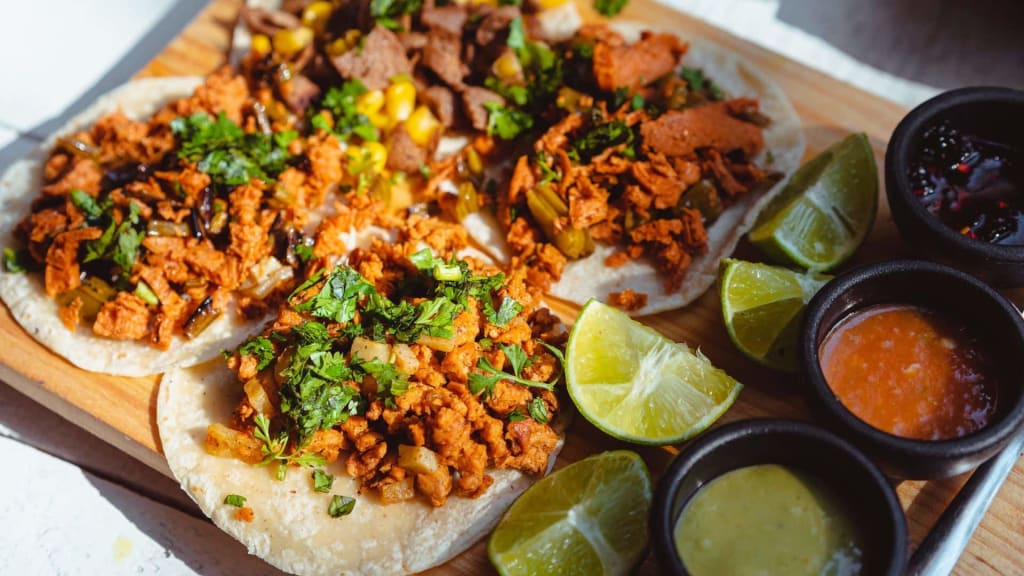
When we think of Mexican food, we immediately think of Tacos, right?
Its standard preparation is based on one (or two) fried corn tortillas, which can be filled with beef, chicken, or fish—seasoned with salsas, grated cheese, and various finely chopped vegetables.
Tacos can be more or less spicy depending on the amount of chili added.
And don’t forget to make some guacamole to accompany them and give them a better flavor.
2. Mexican Fajitas
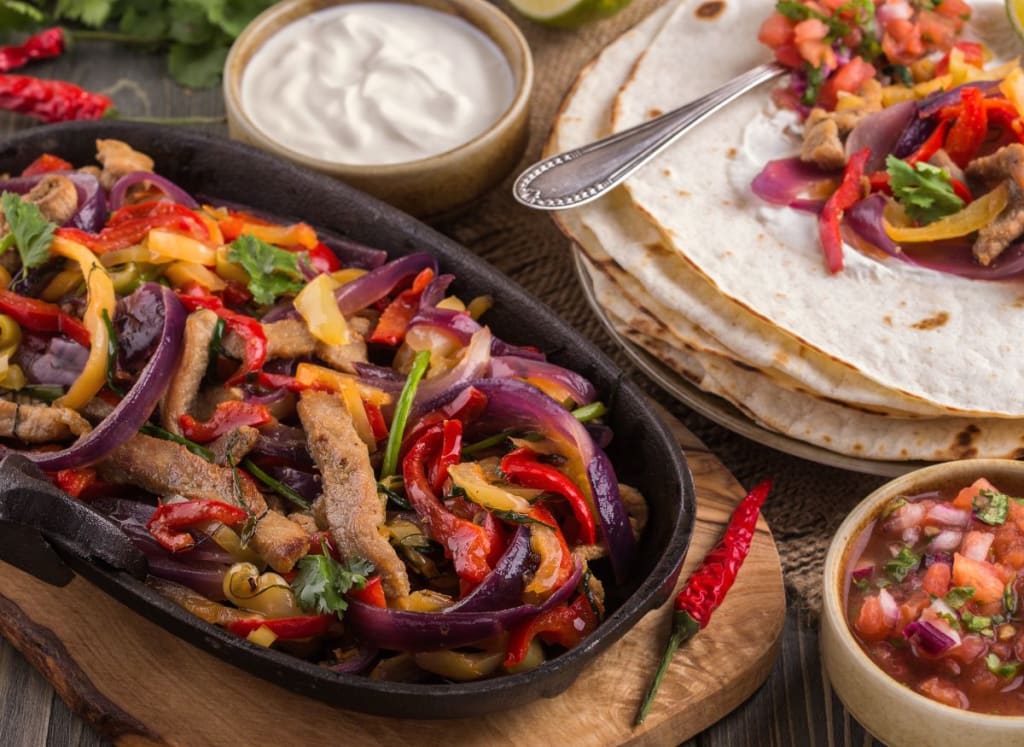
Born in the Mexican side of Texas (Tex-Mex), this is one of the typical dishes that has impacted North American culture.
Traditional fajitas are prepared with sliced beef or chicken (or both) and various sautéed vegetables, usually featuring bell peppers.
They are often confused with burritos, but unlike burritos, fajitas arrive at the table with the tortillas separate so that you can make your own tacos.
3. Enchiladas
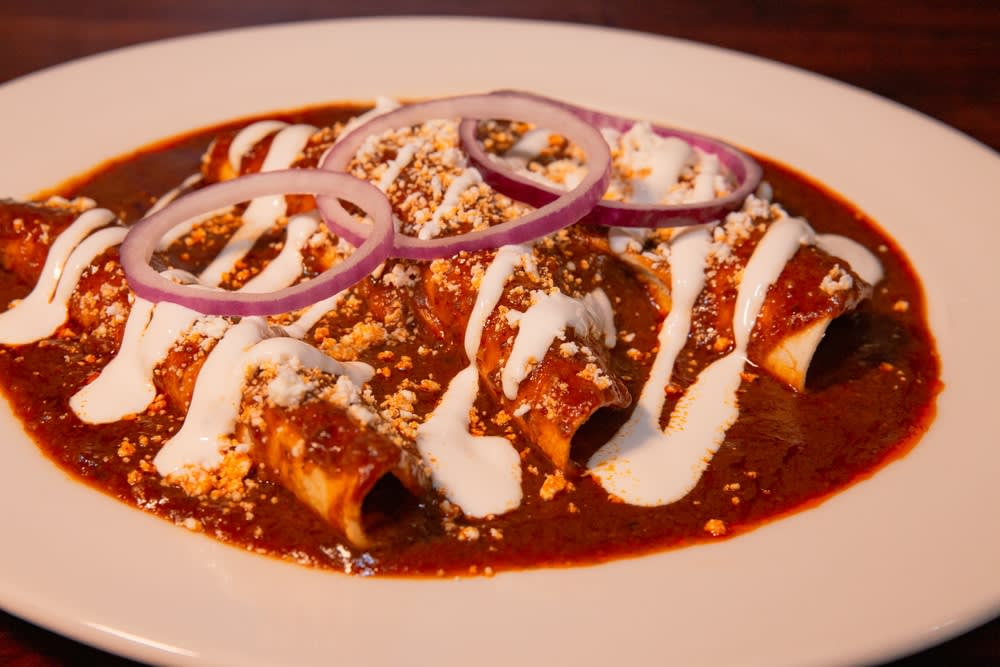
Mexican enchiladas are one of the dishes whose preparation ingredients can vary more frequently.
But regardless of the place where they are served, they must respect the three basic ingredients: corn tortilla, salsa, and cheese.
Some enchiladas are filled with beans, lettuce, jalapeño, and tomato.
While others include beef with potatoes and carrots, accompanied by the famous poblano sauce.
You may want to read: TOP 11 Mexican Spices You Should Have in Your Kitchen
The tortillas are filled with the ingredients and closed in a cylindrical shape, covered with melted cheese and sauces to taste.
Seeing this dish arrive at your table makes your mouth water.
4. Pozole Soup, one of my favorite Mexican foods
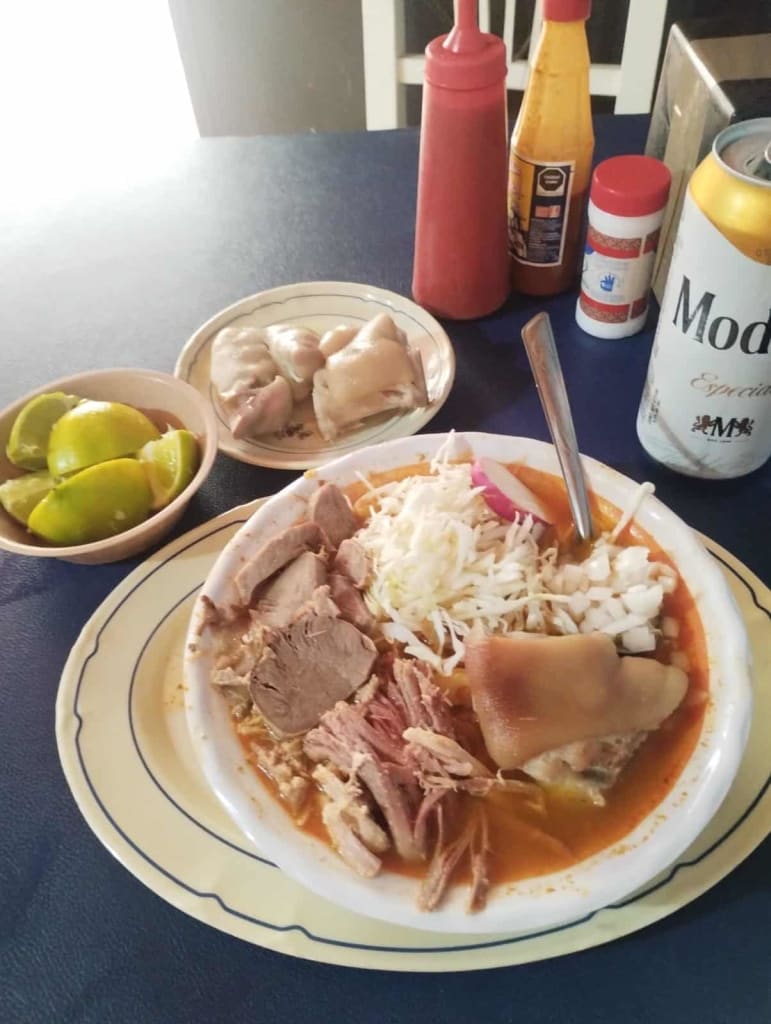
This is one of the most representative broths of Mexican gastronomy.
Its main characteristic is that it can vary in color (red, green, and white) depending on its ingredients.
It can be prepared with meat (beef, pork, or chicken) and vegetables (avocado, onion, and chili).
Regardless of the ingredients, pozole is characterized by its tender corn kernels from cacahuazintle, from which the color of the broth varies.
For cold days or evening family gatherings, a bowl of steamy pozole becomes a perfect choice in Mexican homes.
5. Quesadilla
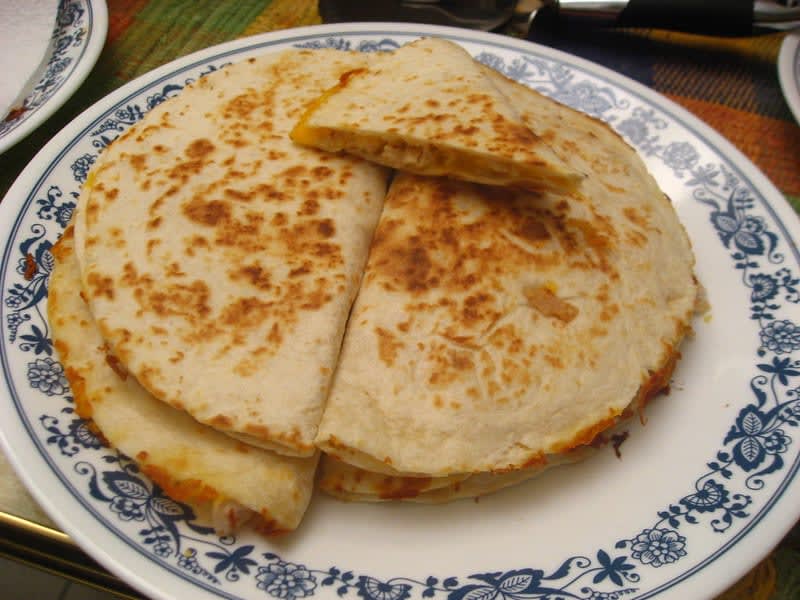
For cheese lovers, the quesadilla is one of the best delicacies in Mexican food.
Its preparation is simple; fill a corn tortilla with cheese and fold it in half. Then cook it on the griddle until the inside melts.
Many people use double tortilla to give it more consistency.
Most Mexicans, like myself, like to add some protein (beef, chicken, shrimp, etc.) inside the filling, but all this is optional. And a good spicy salsa.
6. Shrimp Aguachile
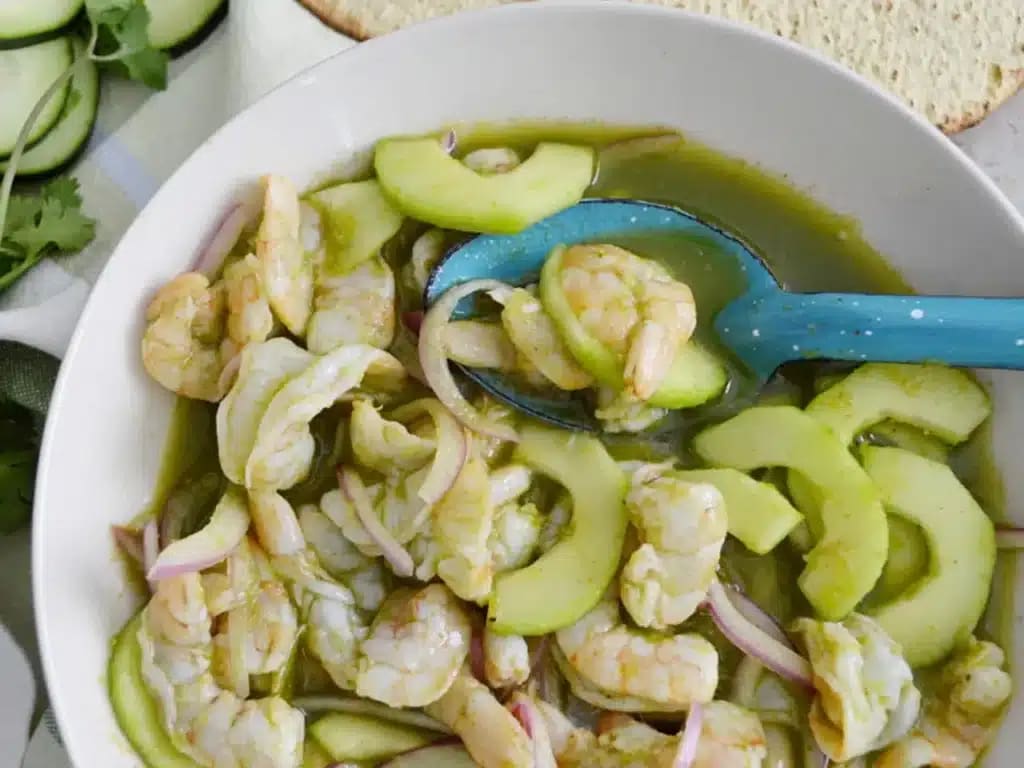
Mexican gastronomy also includes seafood (of course), and aguachile is an example.
It is prepared with fresh raw shrimp, seasoned with lime juice, cracked chiltepin peppers, cucumber, red onion, and avocado.
This dish is typical of the coastal region of Sinaloa and is known to be frequently used among Mexicans to alleviate hangover symptoms.
7. Tamales
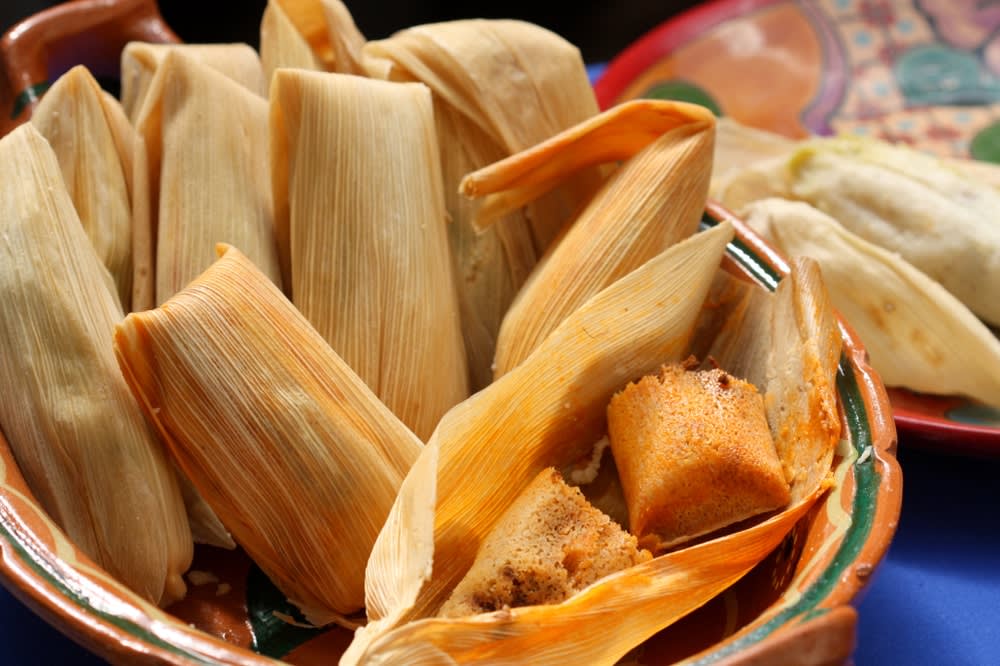
Tamales have always been considered one of Mexican foods’ most “humble” dishes.
However, its origins date back to the Mexica chiefs and priests in pre-Hispanic times, who used them as offerings.
You may want to read: 12 Best Non-Alcoholic Mexican Drinks
Tamales are prepared using corn dough filled with meat, vegetables, and chili wrapped in corncob leaves and steamed.
They are served at the table accompanied by other sides. It is also characteristic of parties and celebrations, which are presented in smaller pieces.
8. Caesar Salad
The fame and universality of the Caesar salad are such that many people ignore that its origins come from Mexican gastronomy.
Italian chef Cesare Cardini created it in 1924 while living in Tijuana.
He participated in a salad contest using whatever he had available on his fridge.
Keep in mind he didn’t have all the diversity of fresh vegetables as in Europe.
Therefore, he mixed romaine lettuce, Parmesan cheese, egg, anchovies, olive oil, mustard, lime, and pieces of bread and thus gave birth to the famous Caesar salad.
Easy to prepare and combinable with any other side.
9. Fish Veracruz style
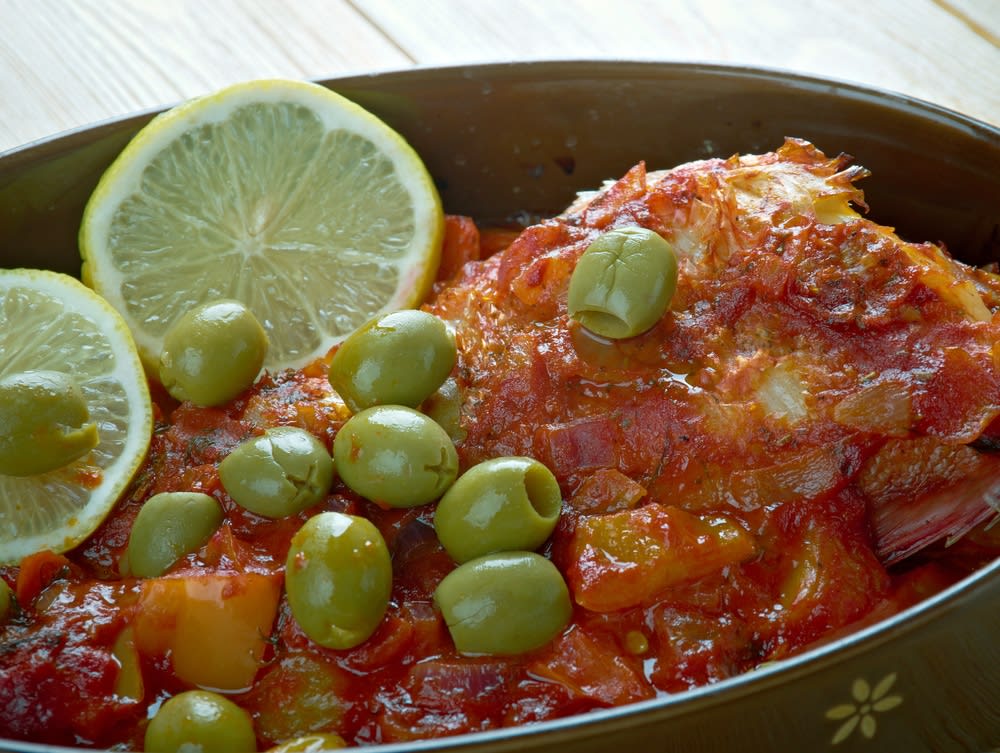
The encounter between the Spaniards and the indigenous groups resulted in “Pescado a la Veracruzana.”
A white fish fillet cooked with ingredients from the old continent, such as oregano, olives, and capers, combined with Mexican chiles and tomato.
It is very easy to prepare. Just sautee the fish and brown it on both sides in a frying pan greased with butter. Then cover it with the sauce, rice, and vegetables.
You should try this recipe if you are looking for a main Mexican dish different from the rest.
10. Zacahuil
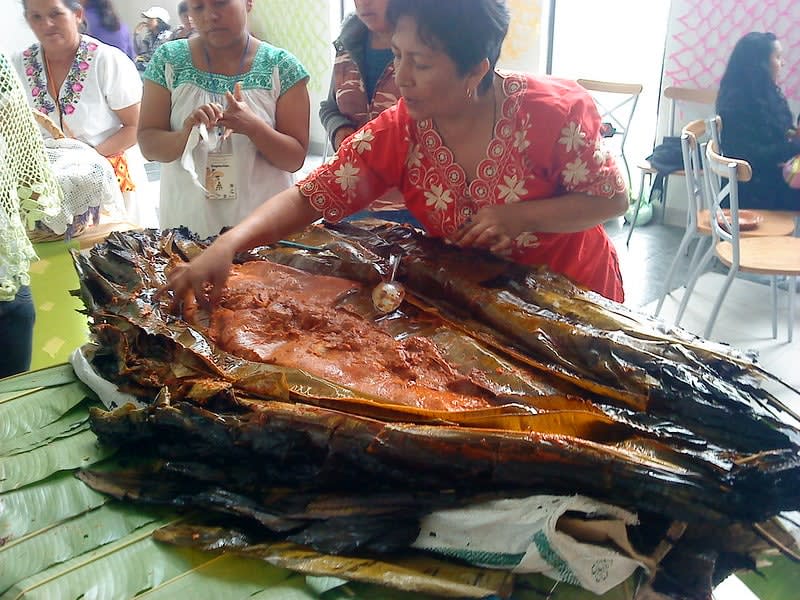
The large zacahuil tamale is one of the least common Mexican foods due to the difficulty of its preparation, but curiously one of the most typical in Mexican cultural heritage.
In a way, it is identical to preparing a regular tamale with ground chili and pork meat. However, the zacahuil is enormous.
It can reach a size of approximately 5 meters long.
The preparation must be placed in a huge wood oven for a couple of hours and then chopped and served in smaller portions.
With a single Zacahuil, dozens of people can eat it simultaneously. So it is usually made for parties or large celebrations.
11. Chiles en Nogada
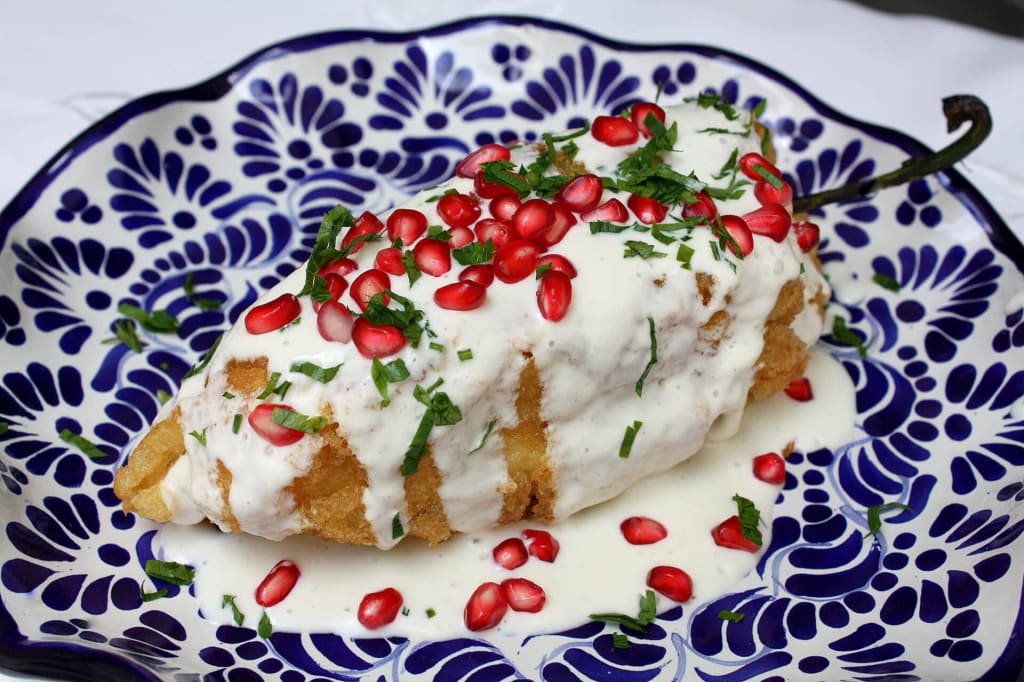
Coming specifically from the region of Puebla, chiles en nogada can be a challenge even for the biggest spice lovers.
Its preparation consists of poblano peppers stuffed with picadillo stew and mixed fruits.
You may want to read: TOP 22 Traditional Mexican Breakfast Dishes You Must Try
It is then covered with walnut cream and sautéed with pomegranate chunks and parsley.
Among the aspects that make this dish one of the most important Mexican heritage is that it is presented by symbolizing the three colors of the Mexican flag.
12. Huarache
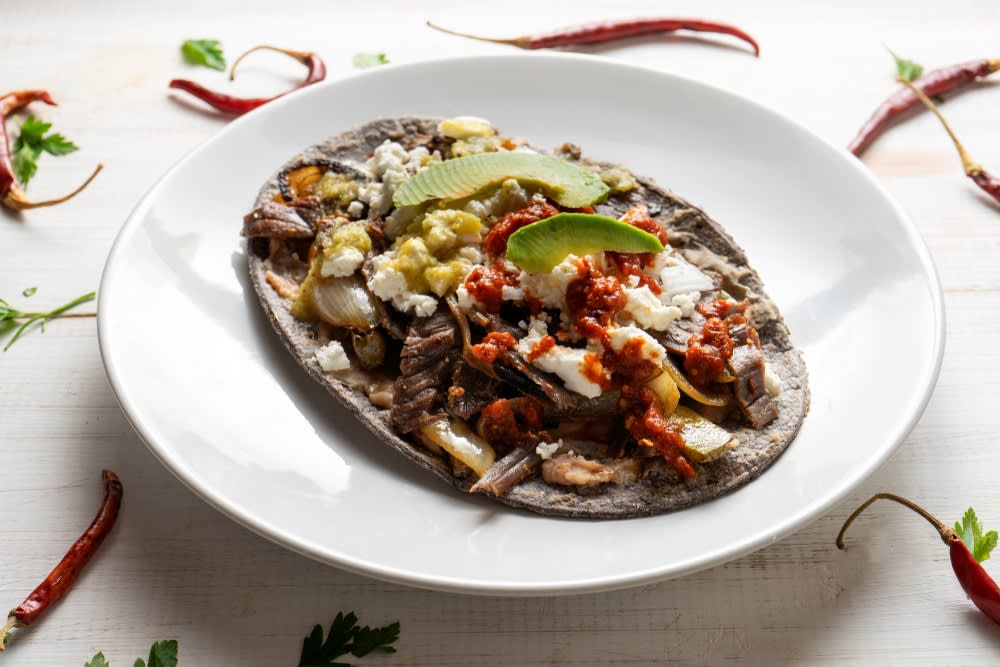
Huaraches imitate the shape of ancient “sandals” of the Mexican indigenous tribes (hence the name).
It consists of a thick corn tortilla, flat and elongated, on which beef or pork, chili, beans, cheese, and vegetables are served.
The creation of this typical dish is attributed to the Mexican Carmen Gómez Medina, who served it for the first time in her respective food stand, located in the Canal de la Viga, Mexico City, in 1935.
A huarache served with a couple of margaritas will be one of Mexico’s most delicious gastronomic experiences.
13. Huevos Rancheros
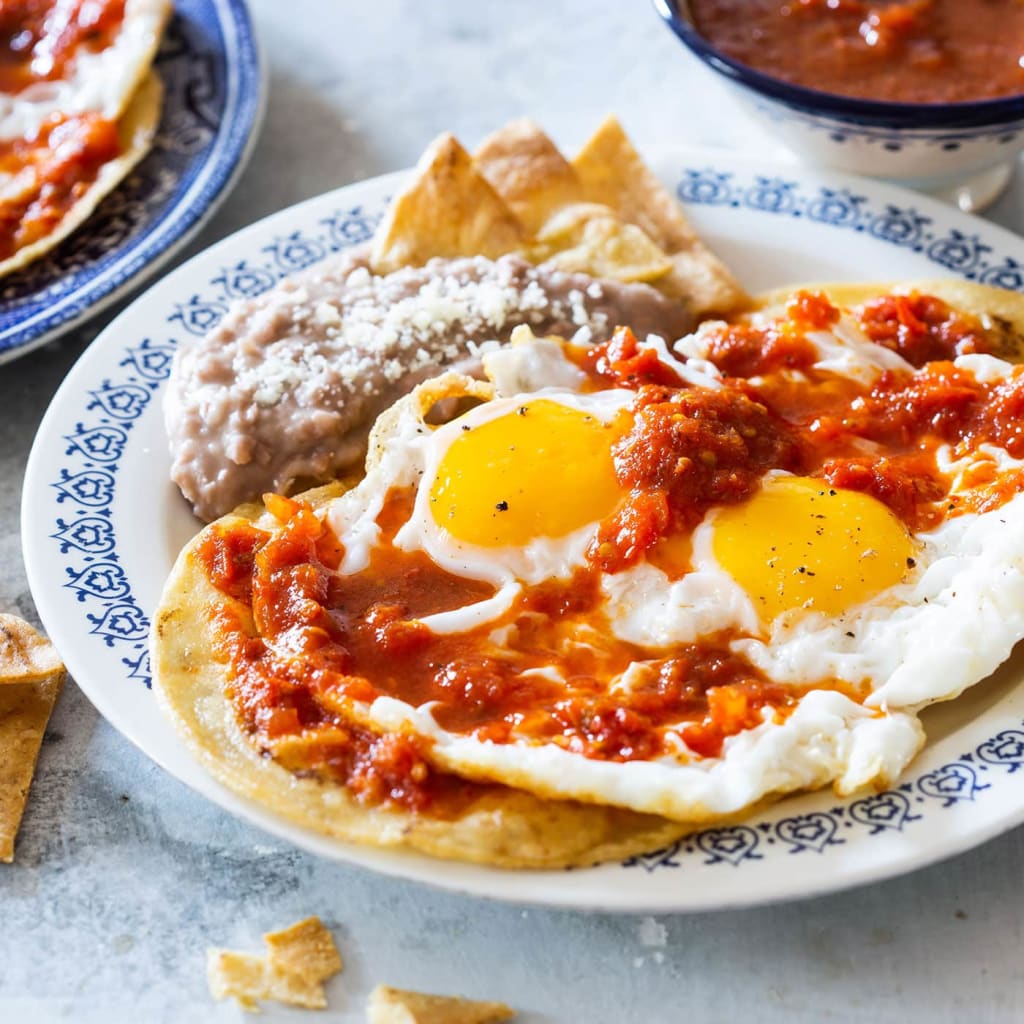
If you want to taste a typical Mexican breakfast, you can not deprive yourself of the experience of trying some good huevos rancheros.
They are fried eggs served over toasted corn tortillas, bathed in refried beans and tomato sauce, and accompanied by chili, onion, or avocado slices.
This breakfast is considered a bomb because of its high caloric content, making it one of the best ways to start the day full of energy.
14. Mole Sauce, the flagship of Mexican Foods
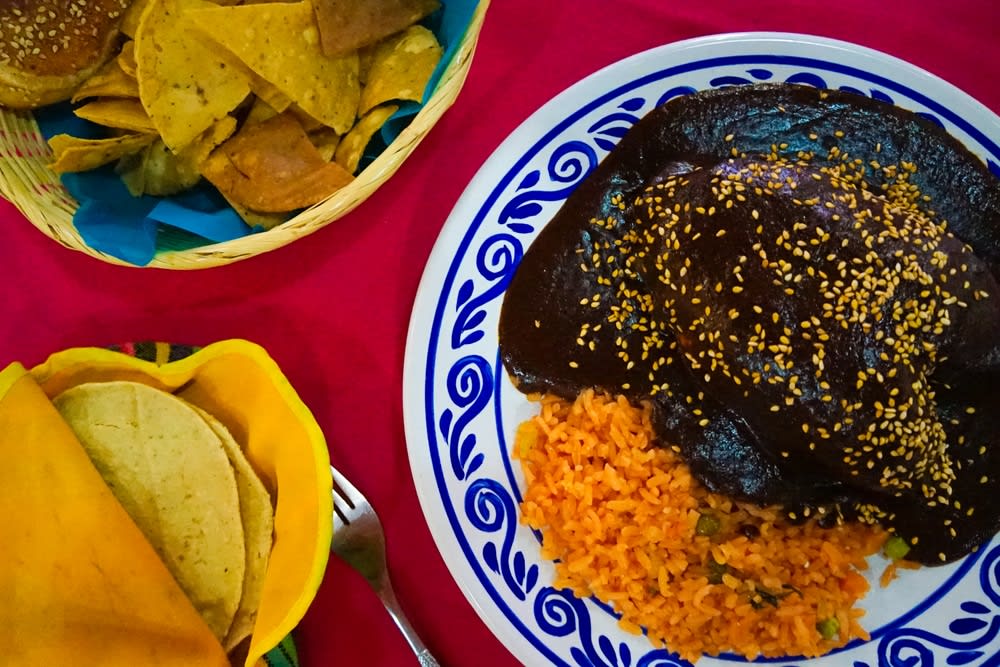
This is not a meal per se but rather an accompaniment that can turn almost any dish into a typical Mexican one.
Mole is a delicious sauce made from chiles, corn dough, bolillo, and over 30 spices, served mainly with cooked meats.
There are different types of mole sauces, depending on the ingredients with which this sauce is elaborated, highlighting the following as the main ones:
- Mole poblano
- Black mole
- Red mole
- Green mole
However, not all people have the palate to withstand its flavor due to the intensity of the spices with which mole is prepared.
So getting used to tolerating the spiciness and appreciating the flavors is necessary. It’s delicious.
15. Good ol’ Guacamole
Guacamole is the most popular and it is considered the primary side accompanying Mexican gastronomy in almost any dish.
Its popularity was born in the cradle of the Mexican people since its fundamental ingredients (avocado, tomato, lime, and chili) are among the cheapest and most abundant in the territory.
In pre-Hispanic culture, guacamole was already considered a divine recipe.
It was offered to the Toltec people by Quetzalcoatl himself so that they could enjoy their food.
Its preparation is quite simple, and it only requires mashing the avocados and mixing them with chopped chili.
Other ingredients such as tomato, onion, salt, and a touch of lime can be added.
16. Mexican Empanadas
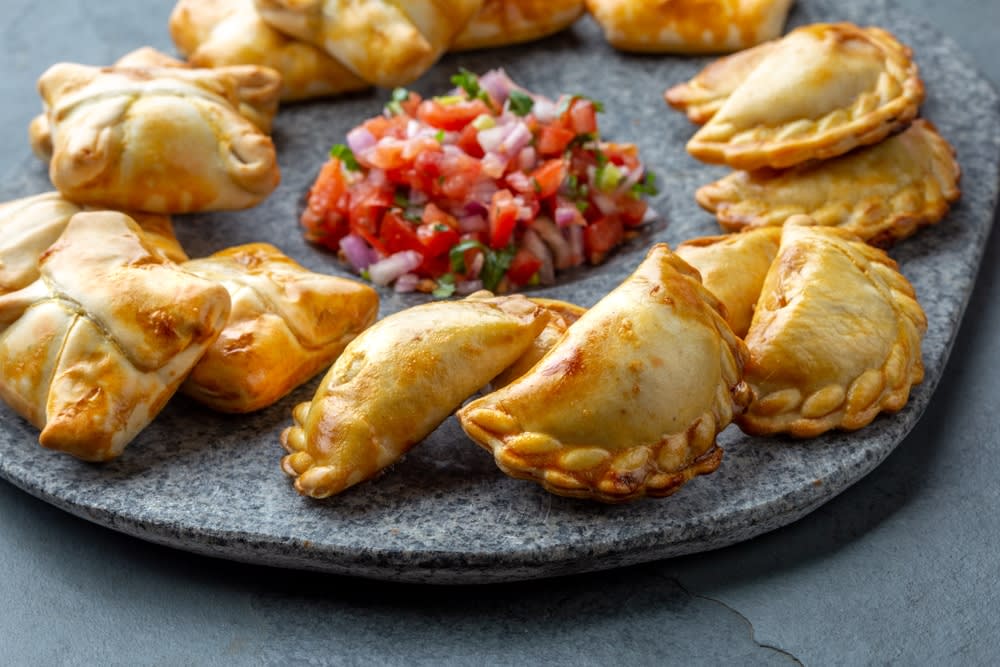
Although this dish is typical in several Latin American countries (such as Argentina and Venezuela), each is prepared and seasoned differently.
And in this sense, you can’t miss the opportunity to try some Mexican-style empanadas.
They used to be known as “antojitos Mexicanos” (Mexican snacks), and they are prepared by making half-moons of corn dough filled with ingredients to taste.
The recipe may vary depending on the region of Mexico where you order them.
The filling usually involves meat in northern areas, while on the coasts, they are traditionally prepared with fish or shrimp.
You will surely love it no matter what kind of empanada you try. Don’t forget to taste it with mole sauce or guacamole.
17. Cochinita Pibil
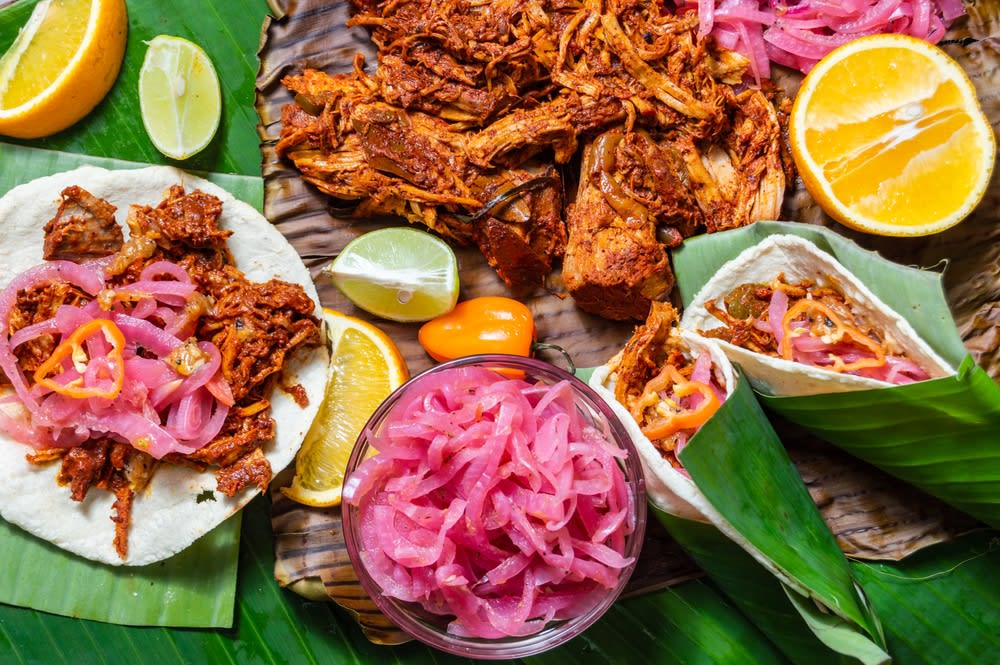
This dish dates back to pre-Hispanic times.
It was made by the first civilizations in Yucatan, who, having tasted pork for the first time, decided to create their recipe.
To make cochinita pibil, marinate a portion of pork with achiote, wrap it in banana leaves, and place it in an earth oven for a couple of hours.
The name pibil is a Mayan term that refers to this type of baking. Before pork was available, they used other proteins such as deer or pheasant.
From this great diversity of Mexican foods, you must train your palate and choose which hors d’oeuvres, main courses, or desserts you want to try first.
Top 10 Mexican ingredients
As you’ve seen, Mexican foods are a very extensive topic since each region of our country has its own dishes and ingredients.
For this reason, I will list the ten most popular ingredients in Mexican cuisine.
Again, selecting only ten was difficult since Mexican food is very varied.
However, I hope these basic but necessary ingredients will inspire your next Mexican dish. Take note.
1. Chili peppers
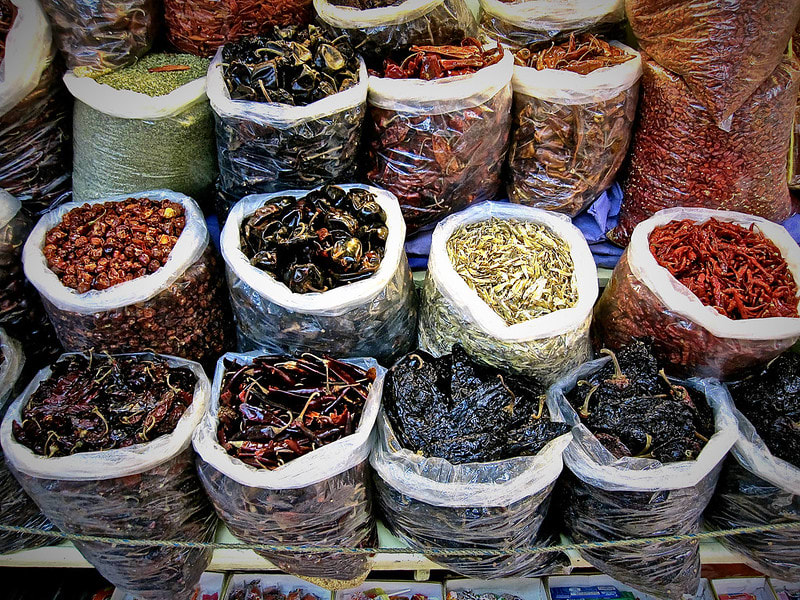
One of the first ingredients that comes to mind is chili peppers.
It is the leading ingredient of any Mexican kitchen. We love the spiciness it produces and its unique touch to the food.
In Mexico, we have many chili peppers that can be used in countless ways.
If we go back in time, we will discover that the Aztecs not only consumed it as part of their diet, but they gave it a diversity of uses ranging from military to medicinal.
2. Squash blossoms
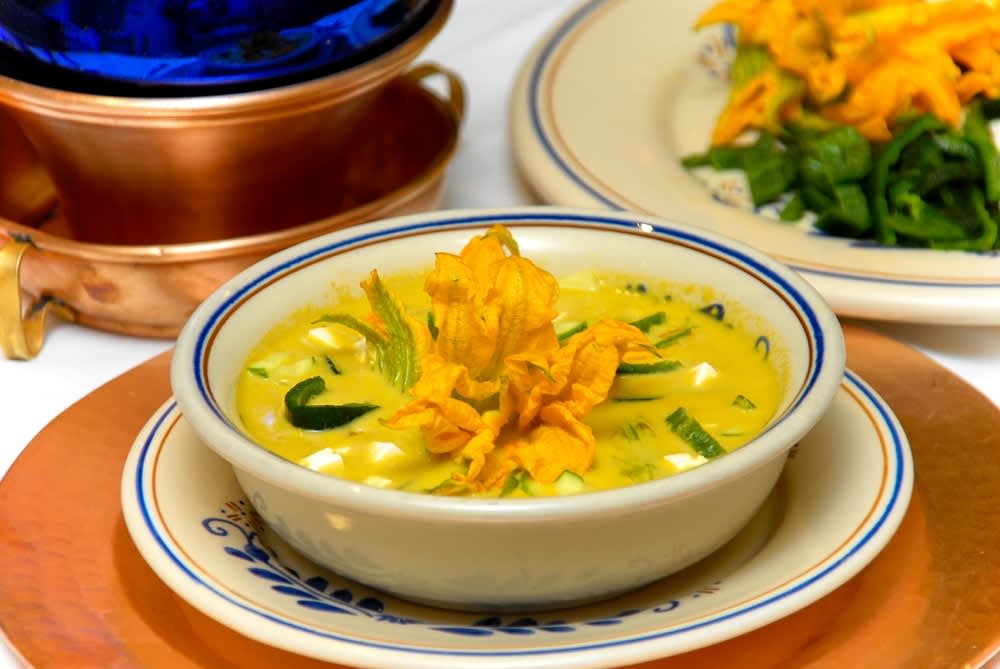
One of the most prized flowers in the garden of Mexican gastronomy is undoubtedly the squash blossom.
Its delicate flavor can be used as a base to prepare broths, soups, or garnishes, while the squash can be used for other recipes.
3. Nopales
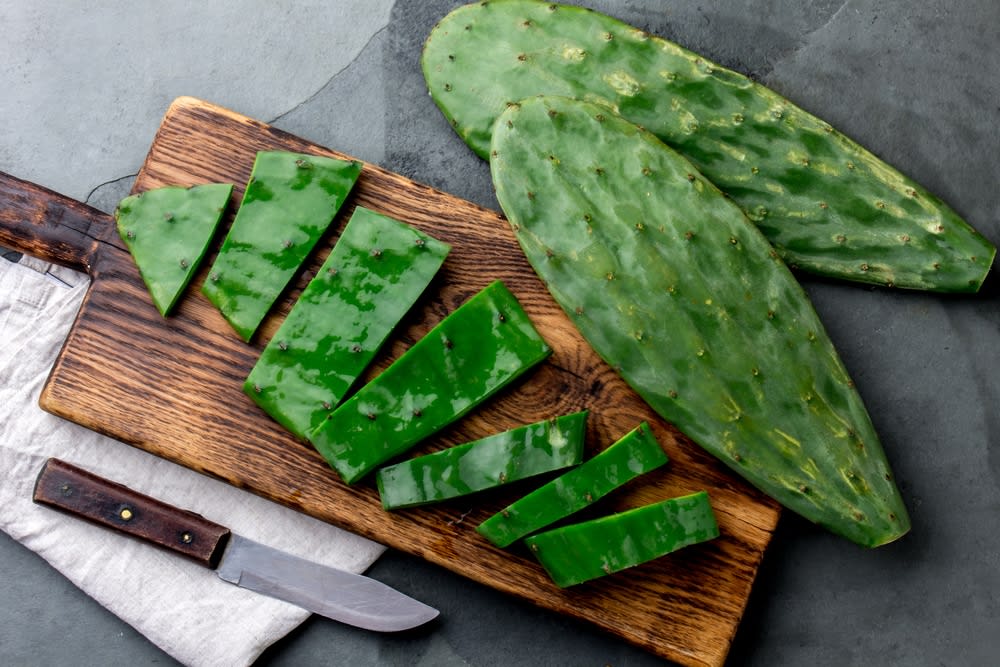
The nopal cactus must be on this list because it is printed on the Mexican flag.
The Nahuatl civilization was in charge of showing us its delicious flavor and excellent nutritional value.
This cactus has approximately 200 species; about 100 live in Mexico, and 68 are endemic.
Its use is extensive since it goes from companion to protagonist of salads, green juices, and stews.
4. Avocado
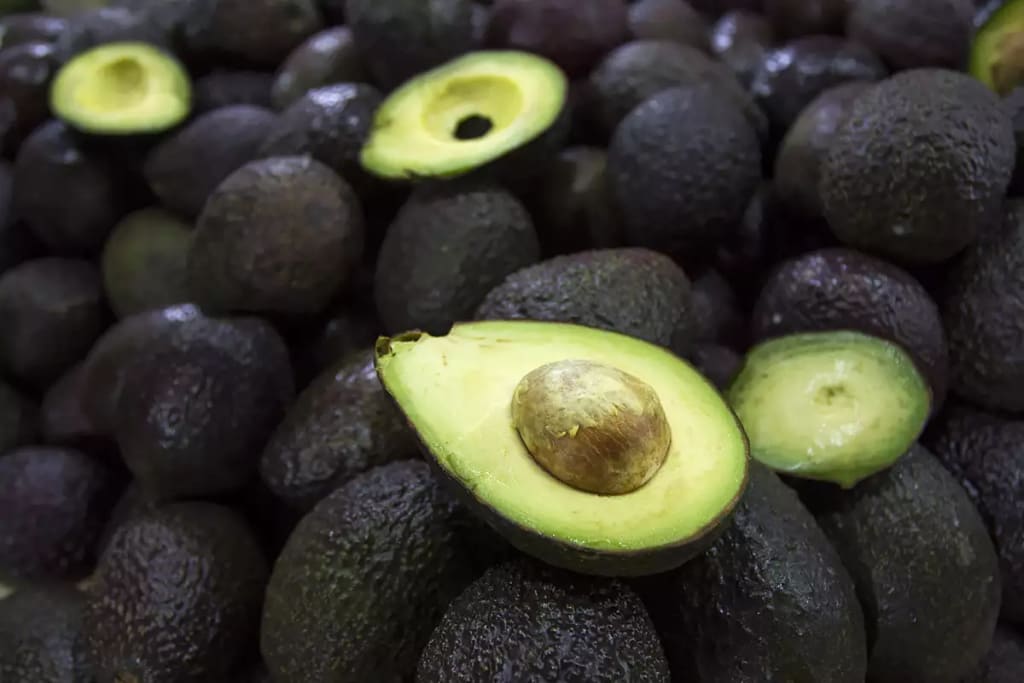
It is a fruit considered a gift from our country to yours.
Due to its delicate flavor, it has become one of the most valued ingredients around the world.
Its creamy and delicate consistency is perfect to accompany almost anything.
5. Mezcal Worms
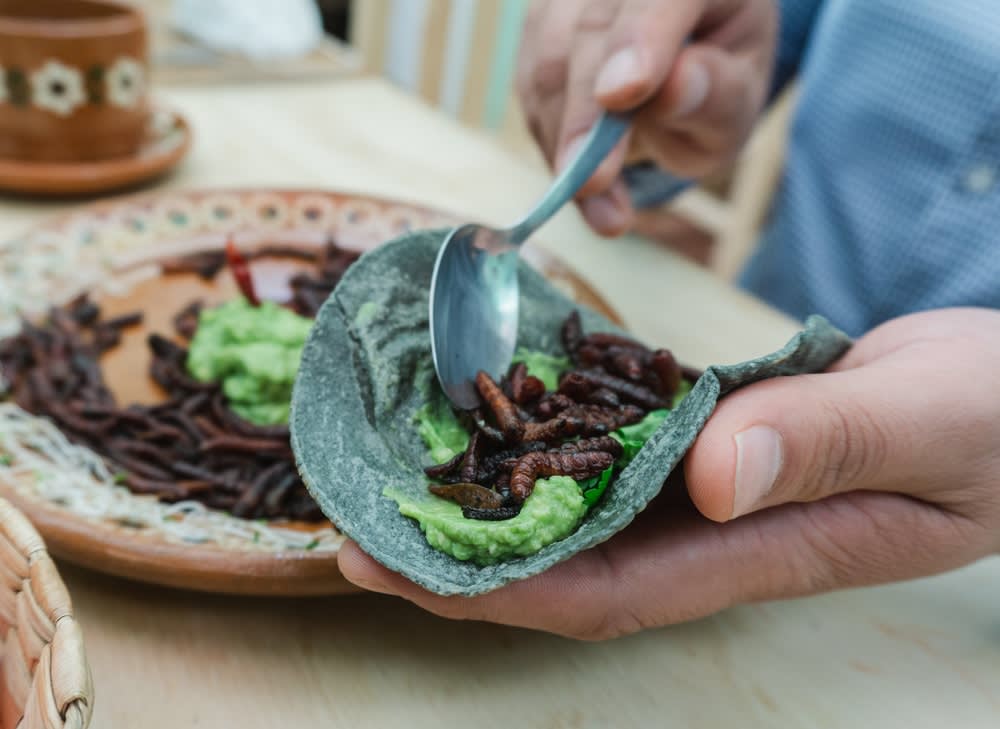
In this list, I decided to add a not very common ingredient and surely not suitable for everyone.
However, without a doubt, this is one of the treasures that our ancestors have left us.
I’m talking about mezcal worms, since insects play an extremely important role in Mexico and pre-Hispanic cuisine.
6. Corn
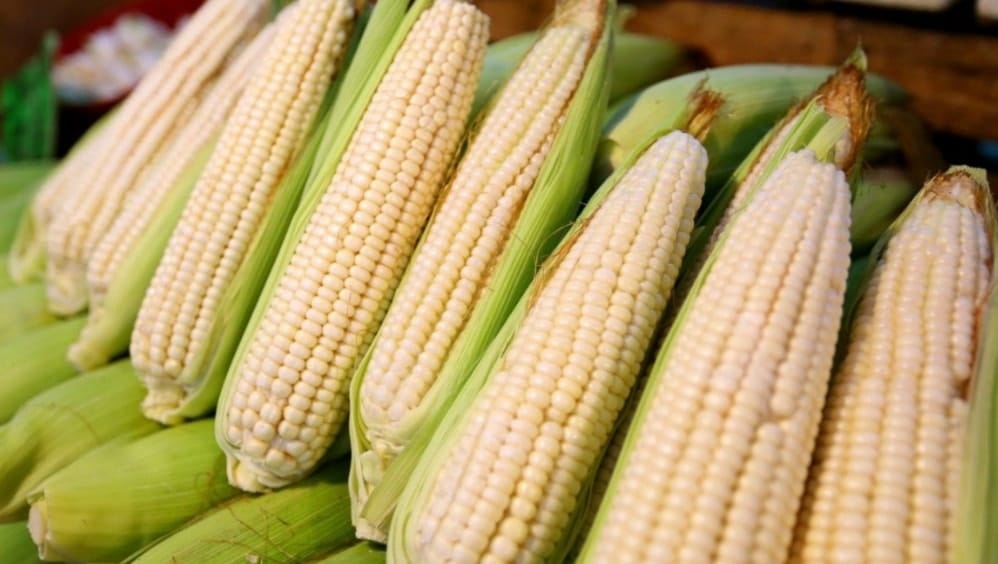
Another must on this list is corn. It is the heart and soul of our gastronomy since it is the base of many dishes.
These can go from handmade tortillas, tamales, sopes, huaraches, or many other uses.
This beautiful gift is a legacy of our ancestors, and today, it continues to be a favorite among all of us.
7. Epazote
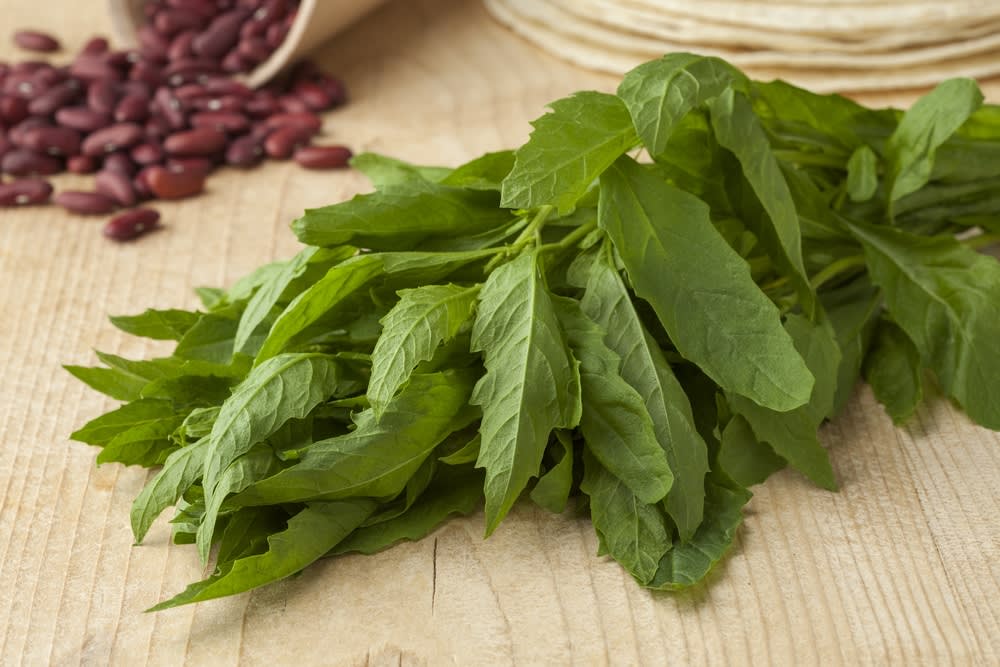
This wild herb can be found in any Mexican market.
Its strong aromatic flavor is ideal for enhancing the flavor of a simple quesadilla, a pot of beans, and more complex stews.
8. Beans
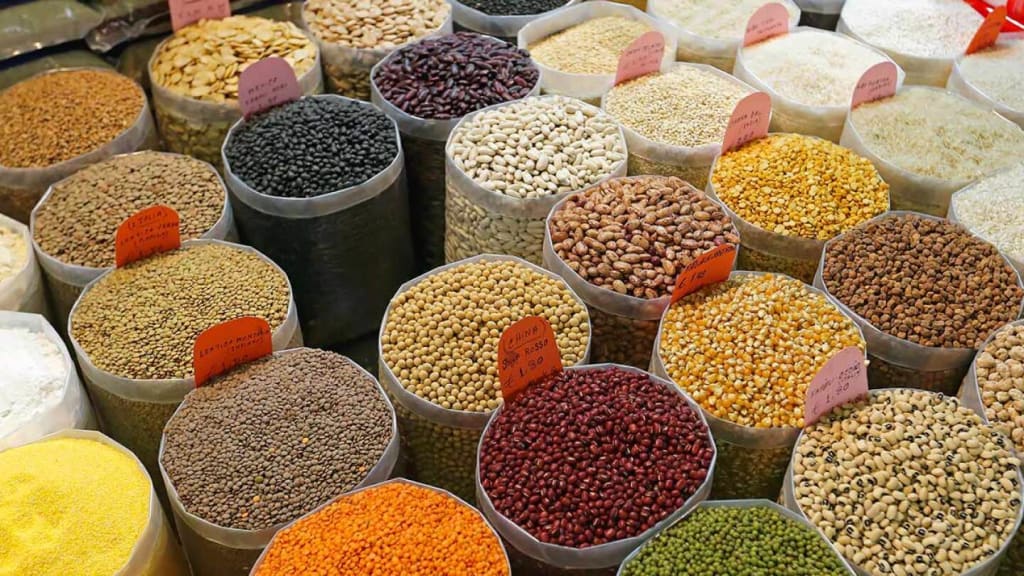
A fundamental companion of corn is beans, as it is said that it is present in 60% of Mexican recipes.
Of the 150 bean species in the world, 50 can be found in Mexico, and perhaps this explains its close relation to the history of our cuisine.
9. Achiote
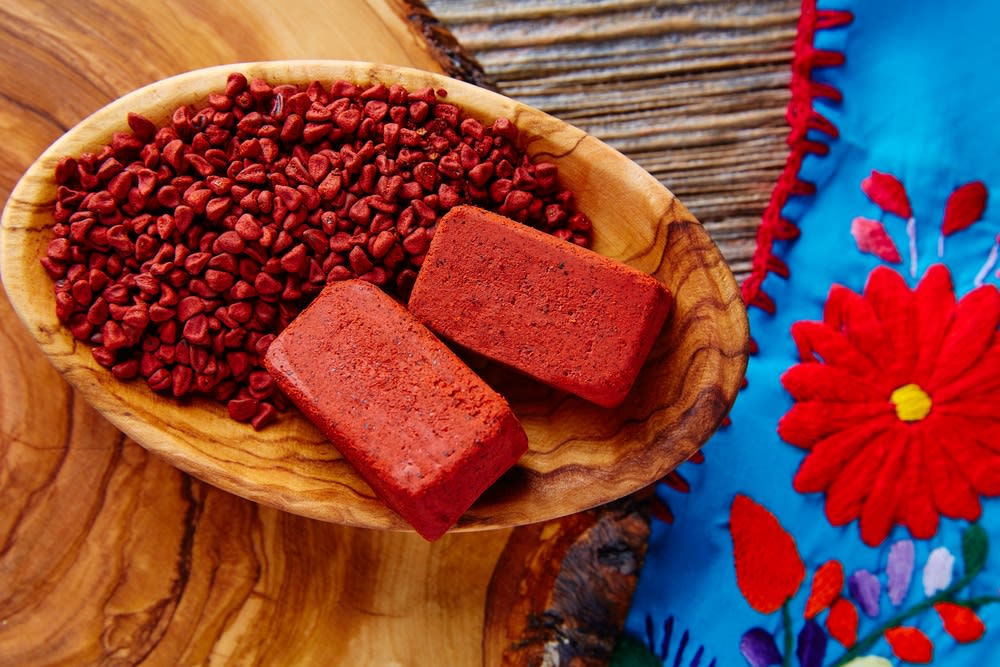
Better known as the Mayan condiment, it provides that unmistakable flavor to pork (cochinita pibil) and a wide variety of fish.
It is a legacy of the Maya for palates around the world.
10. Huitlacoche
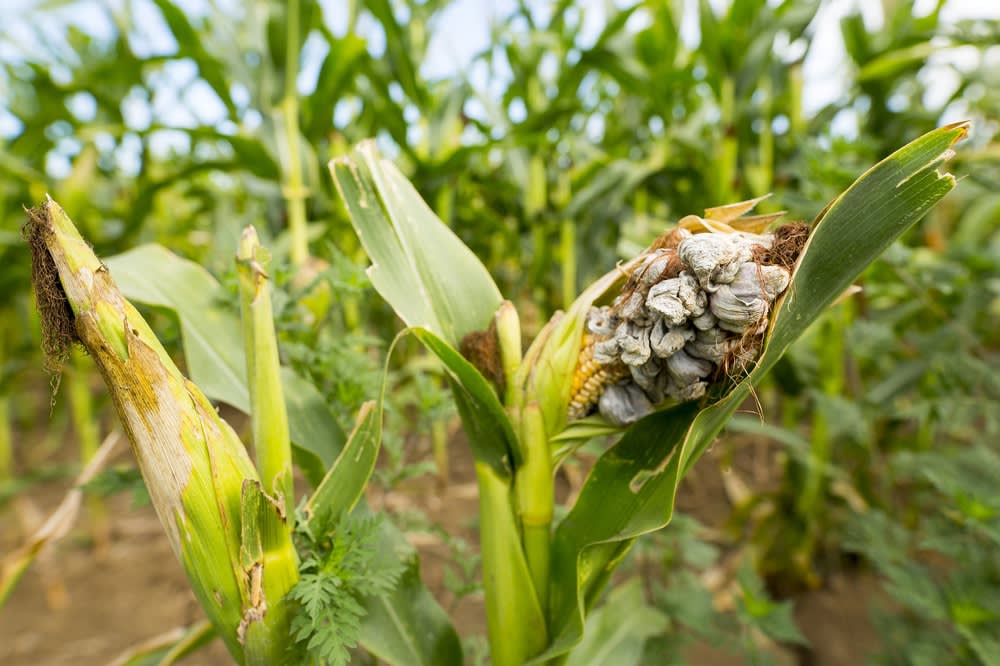
Also known as “cuitlacoche,” is the Nahuatl name of an edible fungus, a parasite of corn.
Thanks to its delicious flavor, Huitlacoche has become a true delicacy in our gastronomic history.
I could spend hours talking about more Mexican ingredients.
But the most important thing is to know how to reinterpret them without forgetting that they give us our identity and are the union between the land and our people.
Mexican Foods and Essential Cooking Ingredients: Conclusion
In conclusion, Mexican cuisine is a vibrant and flavorful cuisine that is beloved around the world.
From the spicy and tangy flavors of traditional dishes like tacos and guacamole to the rich and hearty tastes of mole and chiles rellenos, Mexican cooking has something for everyone.
Whether a seasoned chef or a beginner cook, experimenting with these essential ingredients and top Mexican foods is a great way to spice up your culinary repertoire and discover new flavors and textures.
So grab some tortillas, stock up on spices, and embark on a delicious journey through the diverse and delicious world of Mexican cuisine. Buen provecho!