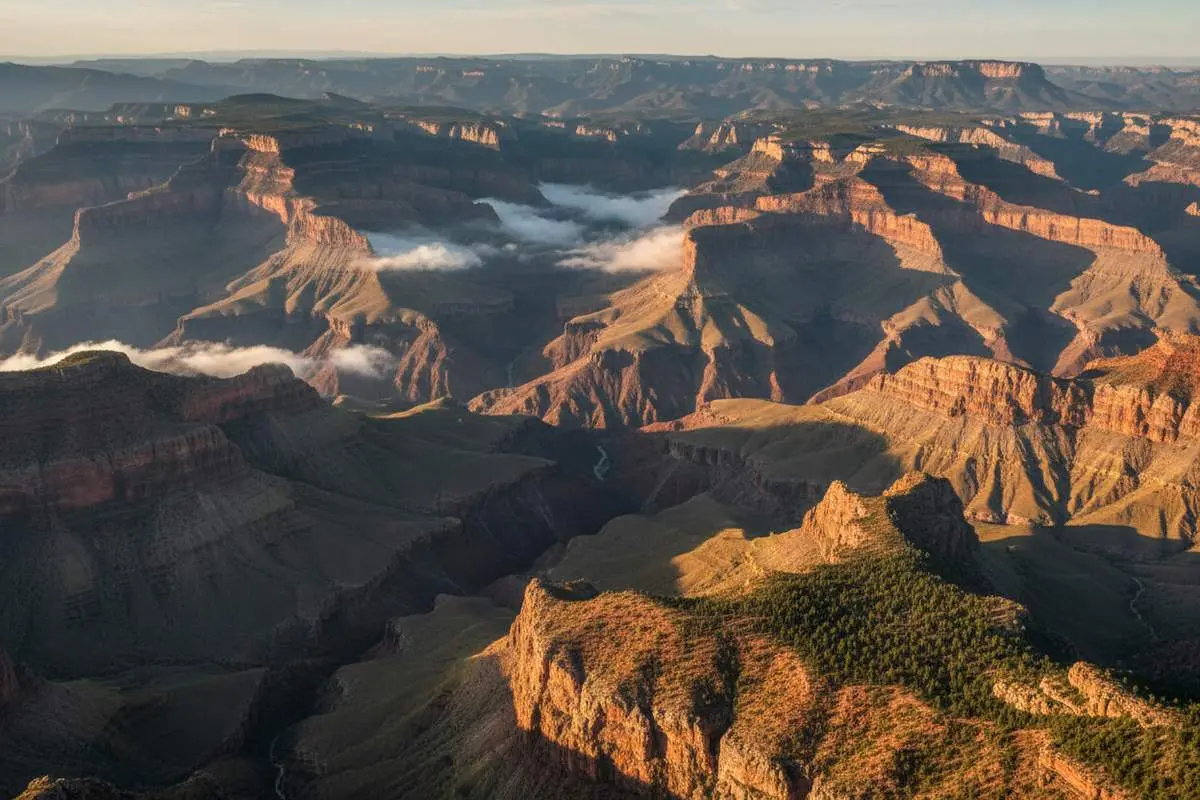
Northern Mexico Travel Guide: Deserts, Canyons & Wine Country
Northern Mexico Travel Guide: Deserts, Canyons & Wine Country
Northern Mexico remains one of the country’s least explored regions by international tourists, yet it contains some of the most dramatic landscapes on the continent. From the Copper Canyon system that dwarfs the Grand Canyon to the world-class wineries of Valle de Guadalupe and the marine wonderland of the Sea of Cortez, this vast territory rewards travelers willing to venture beyond the beaten path.
At nearly 2,000 miles of border and countless wilderness expanses, Northern Mexico offers adventure, gastronomy, and natural wonders that most visitors to Mexico never discover.
I’ve spent years exploring the six northern states that make up “El Norte” - from the wine-soaked valleys of Baja California to the pine-forested canyons of Chihuahua. This comprehensive guide shares everything you need to know to plan your own northern Mexico adventure, whether you’re seeking epic train journeys, desert road trips, wine tasting, or encounters with indigenous cultures.
Understanding Northern Mexico: Geography & Regions
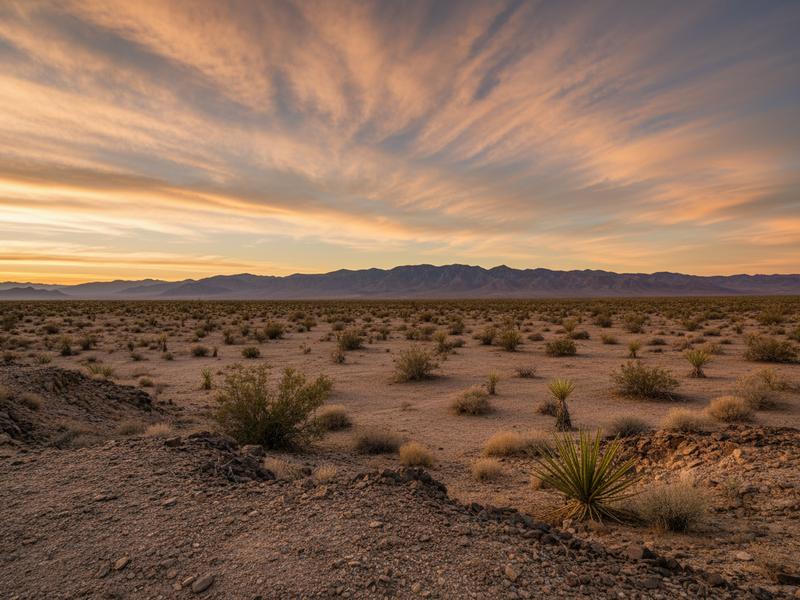
Northern Mexico encompasses six states: Baja California, Baja California Sur, Sonora, Chihuahua, Coahuila, and Nuevo Leon. Together, these states cover nearly half of Mexico’s total land area but contain less than 20% of its population. The region is defined by dramatic extremes - from the deepest canyons to the driest deserts, from the richest marine ecosystems to some of the finest wine regions in the Americas.
The Chihuahuan Desert dominates much of the landscape, stretching across nearly 250,000 square miles to become North America’s largest desert. Unlike the stereotypical flat, sandy desert, this high-altitude ecosystem ranges from 1,000 to over 6,000 feet elevation, supporting remarkable biodiversity including over 400 bird species along the Central Flyway migration route.
Key Geographic Features
- Sierra Madre Occidental: The dramatic mountain range that contains Copper Canyon
- Baja California Peninsula: Over 1,000 km of beaches, desert, and coastline
- Sea of Cortez (Gulf of California): Jacques Cousteau’s “World’s Aquarium”
- Chihuahuan Desert: North America’s largest and most biodiverse desert
- Sierra Madre Oriental: Eastern mountain range bordering Coahuila and Nuevo Leon
Copper Canyon: Mexico’s Greatest Natural Wonder
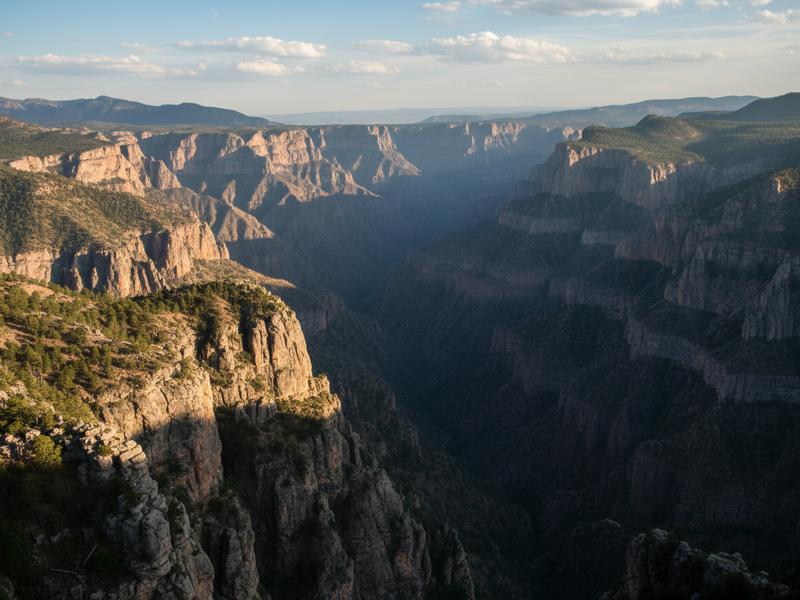
The Barrancas del Cobre, or Copper Canyon, is actually a system of seven major canyons carved into the Sierra Madre Occidental. Combined, they cover over 25,000 square miles - four times larger than Arizona’s Grand Canyon. More impressive still, Urique Canyon drops to 6,167 feet - nearly 1,000 feet deeper than the Grand Canyon’s maximum depth.
Read the complete guide: Copper Canyon vs Grand Canyon: Why Mexico’s Version is 4X Better
The Chepe Train Experience
The Ferrocarril Chihuahua al Pacifico, known as El Chepe, ranks among the world’s most spectacular train journeys. This engineering marvel travels 653 kilometers between Chihuahua and Los Mochis, crossing 37 bridges and passing through 86 tunnels as it climbs from sea level to over 2,400 meters.
Two classes operate the route: Chepe Express (first class) runs daily with restaurant service, while the Chepe Regional (economy class) operates Monday, Thursday, and Saturday from Chihuahua. The journey takes approximately 9 hours one-way, though most travelers break it into multiple days to explore stops along the route.
Plan your journey: Chepe Train: Complete Guide to Exploring Copper Canyon
Best Stops Along the Copper Canyon Route
Creel serves as the gateway to Copper Canyon and makes an ideal base for exploration. This Magical Town sits at 2,340 meters elevation surrounded by pine forests and unusual rock formations. From here, you can arrange excursions to the Valley of the Mushrooms, Lake Arareko, and the Tarahumara village of San Ignacio.
Discover more: Creel Chihuahua: Exploring the Magic of the Sierra Tarahumara
Divisadero offers the most dramatic canyon views, where the train stops for 15 minutes allowing passengers to gape at the abyss. The Copper Canyon Adventure Park here features one of the world’s longest zip lines - a 2.5 kilometer ride across the canyon that reaches speeds of 70 mph.
Batopilas requires a 5-hour descent down a winding mountain road, but rewards visitors with colonial architecture, an authentic mining town atmosphere, and the chance to experience Copper Canyon from the bottom up. The temperature difference between rim and canyon floor can exceed 30 degrees Celsius.
Explore the canyon floor: Batopilas Chihuahua: Insider Tips and Top Attractions
The Tarahumara People
The Raramuri, often called Tarahumara, have inhabited these canyons for centuries. Known worldwide for their extraordinary long-distance running abilities, they maintain traditional practices including cave dwelling in some areas, woven crafts, and unique blend of Catholic and indigenous spiritual traditions.
Visitors can purchase handmade baskets, carved wooden figures, and pottery directly from Raramuri artisans at stops along the Chepe route. The Semana Santa (Holy Week) celebrations in canyon communities blend indigenous and Catholic traditions in fascinating ceremonies open to respectful visitors.
Baja California Wine Country: Valle de Guadalupe
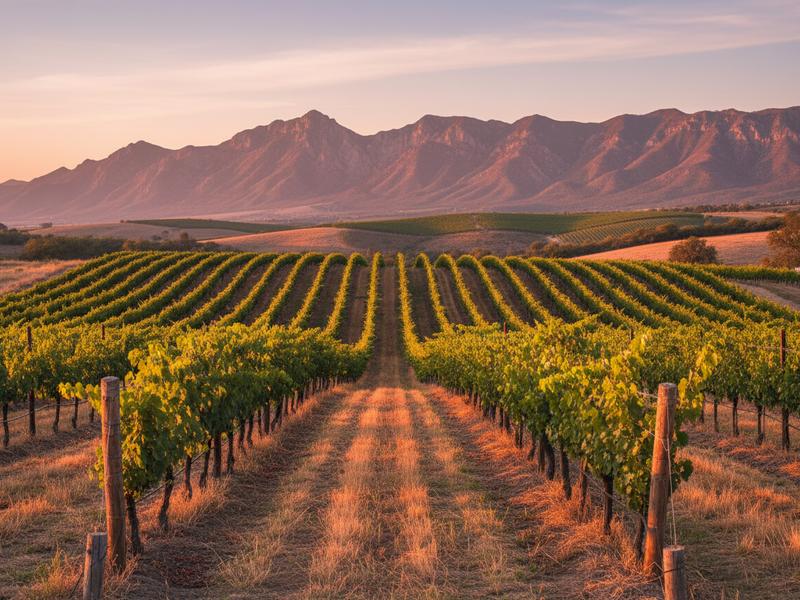
Just 90 miles south of San Diego, Valle de Guadalupe has emerged as one of the world’s most exciting wine regions. Mexico was actually the first country in the Americas to produce wine - back in the 15th century - and this valley now produces over 80% of the nation’s wine from more than 250 wineries.
What makes Valle de Guadalupe special is its freedom from rigid winemaking rules. You’ll find everything from elegant Bordeaux-style blends to experimental natural wines, all crafted by innovative winemakers pushing boundaries. The Mediterranean climate, combined with cooling Pacific breezes, creates ideal conditions for Tempranillo, Nebbiolo, and various Bordeaux varieties.
Explore the wineries: Top 12 Wineries in Valle de Guadalupe, Baja Mexico
Must-Visit Wineries
Monte Xanic pioneered premium Mexican wine when it released its first vintage in 1988, changing perceptions of what Mexican wine could achieve. The winery holds ISO 9001:2015 certification and consistently produces award-winning reds.
L.A. Cetto operates the valley’s oldest and most extensive vineyard, offering tours through historic cellars and tastings ranging from traditional reserves to Don Luis Premium vintages. It exports to 17 countries worldwide.
Adobe Guadalupe combines a boutique hotel with organic winemaking, providing an immersive experience where guests can wake up surrounded by vines and enjoy private tastings with winemakers.
Where to stay: TOP 11 Hotels in Valle de Guadalupe
Baja Med Cuisine
The valley has become equally famous for Baja Med cuisine - a fusion of Mexican flavors, Mediterranean techniques, and Asian influences using hyperlocal ingredients. Restaurants like Fauna at Bruma resort focus on sustainability, growing produce on-site, while Latitud 32 earned Michelin recognition for its six-course tasting menus pairing Baja and Yucatan flavors.
La Cocina de Dona Esthela represents the valley’s humble origins - a breakfast spot that started serving burritos to vineyard workers and now draws long weekend lines for its legendary machaca con huevos and handmade flour tortillas.
Fiestas de la Vendimia
The annual grape harvest festival runs for three weeks each August, drawing wine lovers from across Mexico and beyond. Events include barrel tastings, winemaker dinners, concerts among the vines, and the chance to participate in harvest activities. Book accommodations months in advance if visiting during vendimia season.
The Sea of Cortez: World’s Aquarium
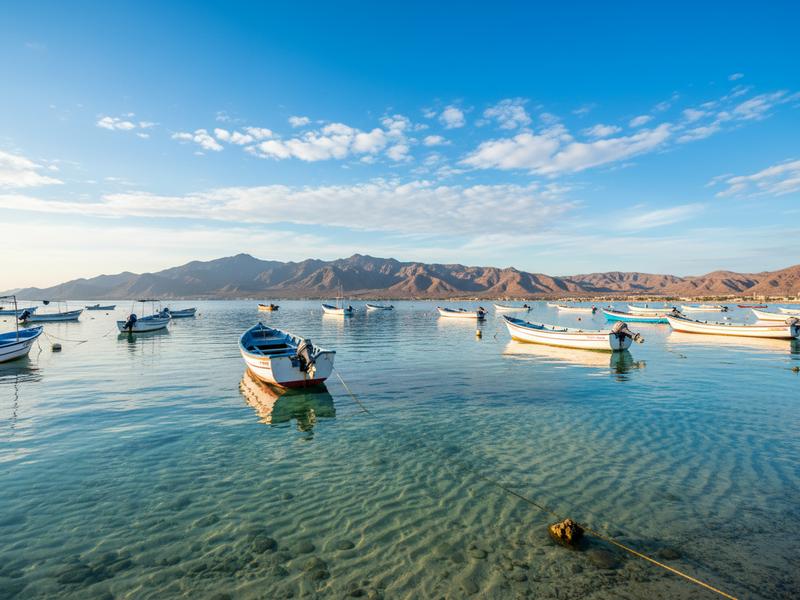
Jacques Cousteau famously called the Sea of Cortez (Gulf of California) “the world’s aquarium” for its extraordinary marine biodiversity. This narrow sea between the Baja Peninsula and mainland Mexico hosts over 900 fish species, one-third of the world’s cetacean species, and five of the seven sea turtle species.
La Paz: Adventure Capital
The capital of Baja California Sur makes the perfect base for Sea of Cortez exploration. From here, you can arrange swimming with whale sharks, kayaking to Espiritu Santo Island, diving with sea lions, or simply strolling the palm-lined malecon at sunset.
Playa Balandra, just outside La Paz, regularly ranks among Mexico’s most beautiful beaches. Its shallow turquoise waters, white sand, and iconic mushroom-shaped rock formations make it perfect for snorkeling and kayaking.
Loreto: Quiet Paradise
Loreto offers a quieter alternative focused on marine park adventures. The Parque Nacional Bahia de Loreto protects five islands and surrounding waters where snorkelers and divers encounter vibrant coral reefs, playful sea lions, and schools of colorful tropical fish. Whale watching season from December through March brings blue and gray whales remarkably close to shore.
Wildlife Encounters
- Whale Sharks (October-March): La Paz offers ethical swim-with experiences
- Gray Whales (January-March): Magdalena Bay and San Ignacio Lagoon
- Sea Lions (Year-round): Espiritu Santo Island colonies
- Mobula Rays (May-June): Massive aggregations near La Ventana
- Blue Whales (February-March): Loreto Bay sightings
Cabo Pulmo: Conservation Success Story
Cabo Pulmo National Park represents one of the world’s greatest marine conservation victories. After local fishermen voluntarily stopped fishing in 1995, the biomass within the park increased by over 460% - more than any other marine reserve on Earth. Today, divers encounter massive schools of jacks, groupers, and reef sharks in waters once nearly lifeless.
Northern Desert Destinations
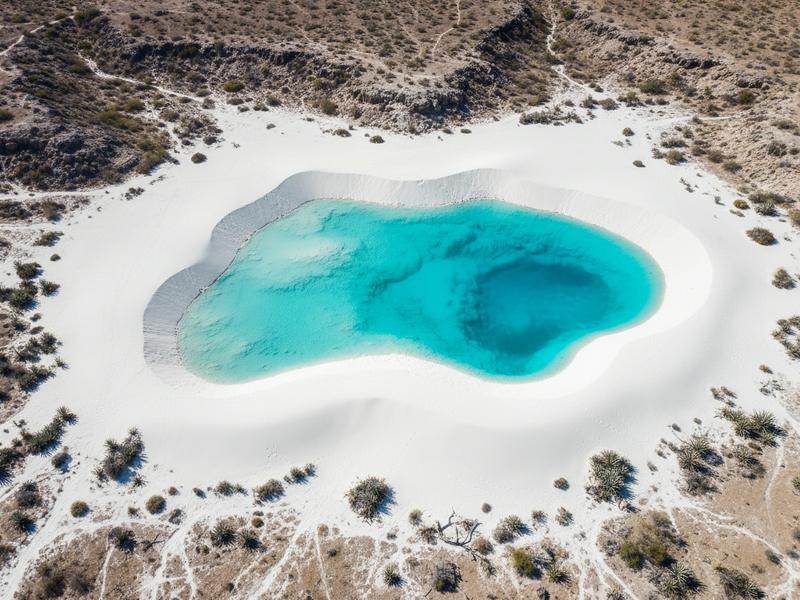
Beyond the famous attractions, Northern Mexico’s desert landscapes hold remarkable surprises for travelers willing to venture off the main routes.
Cuatro Cienegas: Desert Oasis
This Coahuilan Magical Town protects one of the most unique ecosystems on Earth. Crystal-blue pools fed by underground springs harbor stromatolites - living bacterial colonies that represent some of the oldest life forms on the planet. NASA has studied these pools as analogues for conditions on early Mars.
Plan your visit: Journey to Cuatro Cienegas: Mexico’s Enchanted Wilderness
Samalayuca Dunes
The Samalayuca Dune Fields south of Ciudad Juarez cover 150 square kilometers of shifting white sand, creating an otherworldly landscape popular for sandboarding, ATV riding, and photography. The protected area supports unique species adapted to extreme desert conditions.
Explore the dunes: Samalayuca Dune Fields: A Mysterious Desert Paradise
Mapimi Silent Zone
The Zona del Silencio in Durango attracts researchers and astronomy enthusiasts due to unusual concentrations of meteorite impacts and reported electromagnetic anomalies. Regardless of the pseudoscientific claims, the area offers genuinely exceptional dark skies for stargazing and a surreal desert landscape worth exploring.
Discover more: Exploring Mapimi Durango: A Paradise for Nature Enthusiasts
Paquime Archaeological Zone
Near Casas Grandes in Chihuahua, the Paquime ruins represent the most significant archaeological site in Northern Mexico. This UNESCO World Heritage site preserves a pre-Columbian city of adobe structures that served as a trading hub between Mesoamerican and Southwestern cultures. The on-site museum houses an impressive collection of Mata Ortiz pottery.
Border Town Experiences
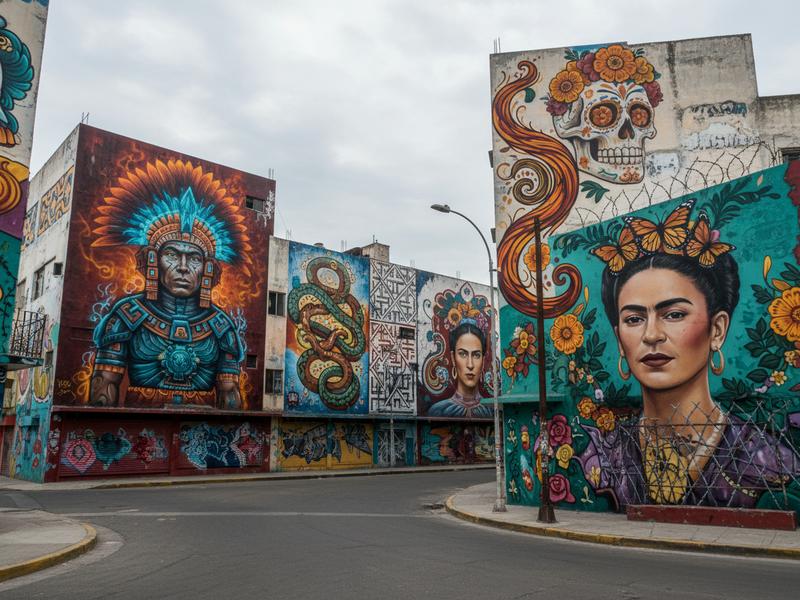
Northern Mexico’s border towns have evolved far beyond their old party-destination reputations. Cities like Tijuana, Mexicali, and Ciudad Juarez now offer legitimate culinary, cultural, and artistic experiences for curious travelers.
Tijuana’s Renaissance
Tijuana has undergone a remarkable transformation. While the touristy Avenida Revolucion still caters to day-trippers, the real action has shifted to neighborhoods like Zona Rio and downtown areas where craft breweries, innovative restaurants, and urban art galleries attract a young, creative crowd.
The city’s craft beer scene rivals any in North America, with breweries like Insurgente, Border Psycho, and Mamut pushing boundaries with experimental styles. Meanwhile, taco stands and cenadarias (informal evening restaurants) serve some of the best street food in Mexico at prices far below tourist areas further south.
Ciudad Juarez
Despite its troubled reputation, Ciudad Juarez contains genuine attractions for adventurous travelers. The city’s Mission de Guadalupe dates to 1659, making it one of the oldest missions in northern New Spain. The Museo de la Revolucion en la Frontera chronicles the pivotal role the border region played in Mexico’s revolutionary history.
Learn more: Juarez Mexico: Experience the Vibrancy of This Border City
Northern Mexico Cuisine
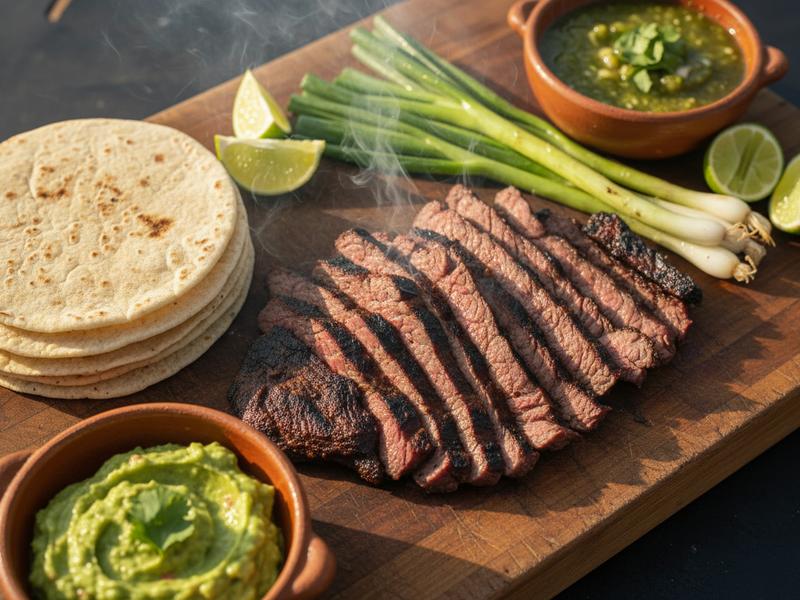
Northern Mexican cuisine reflects the region’s ranching culture - hearty, meat-focused dishes designed for hardworking cowboys and large family gatherings.
Essential Northern Dishes
Carne Asada transcends mere grilled beef in Northern Mexico. “It’s a ritual of reunion, an anchor of community,” explains chef Rick Martinez. Families gather around mesquite grills, preparing thin cuts of beef seasoned simply with salt, pepper, and lime, wrapped in fresh flour tortillas with guacamole, salsa, and grilled onions.
Machaca originated as a preservation method in the desert climate - beef dried, shredded, then rehydrated and cooked with onions, tomatoes, and chiles. Today’s most common preparation scrambles it with eggs for breakfast, though it appears in everything from burritos to dinner plates.
Cabrito (roasted baby goat) reaches its pinnacle in Monterrey, where it’s slow-roasted over mesquite coals until the meat becomes impossibly tender. The dish traces back to Sephardic Jewish settlers who arrived in the colonial period.
Regional Specialties by State
- Sonora: Carne asada, beef cortadillo, Sonoran hot dogs
- Chihuahua: Queso Menonita, machaca burritos, discada
- Nuevo Leon: Cabrito, frijoles charros, cortadillo norteno
- Coahuila: Asado de puerco, cabrito, pan de pulque
- Baja California: Fish tacos, Baja Med cuisine, wine pairings
- Sinaloa: Aguachile, chilorio, seafood cocktails
Taste Sinaloa’s favorite: Chilorio: The Flavorful Shredded Pork of Northern Mexico
Flour Tortillas Rule the North
Unlike central and southern Mexico where corn dominates, Northern Mexico favors flour tortillas. Wheat grows well in the northern climate, and the larger, softer flour tortillas better suit the region’s burrito-style wrapped dishes. Handmade flour tortillas, still served in many restaurants, remain noticeably superior to packaged versions.
Practical Planning Information
Getting There & Around
Major Airports: Tijuana (TIJ), Chihuahua (CUU), Monterrey (MTY), La Paz (LAP), Los Cabos (SJD), and Los Mochis (LMM) offer the main entry points. The Cross Border Xpress pedestrian bridge connects San Diego directly to Tijuana Airport, making access convenient for travelers from Southern California.
By Car: Road trips work well in Northern Mexico, with modern toll highways connecting major cities. Mexican auto insurance is mandatory for foreign-plated vehicles - purchase before crossing the border. The Baja Peninsula’s Highway 1 provides one of the world’s great road trip routes from Tijuana to Los Cabos.
By Train: The Chepe remains Mexico’s only passenger train, connecting Chihuahua to Los Mochis through Copper Canyon.
By Bus: First-class bus services like ETN and Primera Plus connect major northern cities with comfortable, air-conditioned coaches.
When to Visit
October through May offers the most pleasant weather across most of Northern Mexico. Summers can be brutally hot in desert areas, with temperatures exceeding 40C (104F) in places like Mexicali and Ciudad Juarez.
Regional timing considerations:
- Copper Canyon: Spring and fall for hiking; summer for cooler canyon rim temperatures
- Valle de Guadalupe: August-October for harvest festival; spring for smaller crowds
- Sea of Cortez: December-March for whale watching; fall for warmest water
- Desert areas: November-March to avoid extreme heat
Safety Considerations
Northern Mexico’s safety situation varies significantly by location. The tourist areas covered in this guide - Copper Canyon, Valle de Guadalupe, Baja California Sur, and established Magical Towns - maintain excellent safety records comparable to popular destinations elsewhere in Mexico.
General precautions:
- Stick to established tourist routes and destinations
- Travel during daylight hours when possible
- Use reputable transportation and accommodations
- Avoid displaying expensive jewelry or electronics
- Check current State Department advisories for specific regions
The vast majority of visitors to Northern Mexico experience no safety issues whatsoever. Common sense precautions apply here as anywhere else.
Accommodation Options
Northern Mexico offers accommodations ranging from luxury vineyard resorts to budget-friendly hostels:
- Valle de Guadalupe: Boutique vineyard hotels, glamping sites, design-forward resorts
- Copper Canyon: Historic hotels in Creel, canyon-rim lodges at Divisadero, budget posadas
- La Paz/Loreto: Beach resorts, downtown boutique hotels, all-inclusive options
- Desert destinations: Basic hotels in Magical Towns, eco-lodges, camping
Suggested Itineraries
7 Days: Baja Wine & Beaches
Days 1-3: Fly into San Diego or Tijuana, explore Valle de Guadalupe wineries, dine at top restaurants. Stay at a vineyard hotel.
Days 4-5: Drive south to Ensenada for fish tacos and La Bufadora blowhole. Continue to San Quintin for off-the-beaten-path beaches.
Days 6-7: Return north via coastal route, stop at beach towns like Rosarito. Final night in Tijuana exploring craft beer scene.
10 Days: Copper Canyon Complete
Days 1-2: Arrive Chihuahua, explore the capital city, visit Pancho Villa museum and cathedral.
Days 3-4: Take Chepe Express to Creel, settle in, arrange local excursions to Lake Arareko and Tarahumara communities.
Days 5-6: Continue to Divisadero for canyon views and adventure park. Overnight at canyon-rim hotel.
Days 7-8: Descend to Batopilas or Urique for canyon-floor perspective. Experience subtropical climate below.
Days 9-10: Complete train journey to Los Mochis, optional day trip to El Fuerte, fly out.
Visit El Fuerte: Exploring El Fuerte, Sinaloa: El Zorro’s Charming Hometown
14 Days: Grand Northern Circuit
Days 1-4: Valle de Guadalupe wine country and Tijuana food scene
Days 5-7: Drive Baja Highway 1 to La Paz, stops at Catavina desert and Bahia de los Angeles
Days 8-10: Sea of Cortez adventures from La Paz - Espiritu Santo, whale sharks, Balandra beach
Days 11-14: Fly La Paz to Chihuahua, Chepe Express through Copper Canyon to Los Mochis, fly home
Adventure Activities in Northern Mexico
Northern Mexico offers world-class adventure opportunities that rival any destination in the Americas. The varied terrain - from canyons to coastlines, deserts to mountains - creates an ideal playground for outdoor enthusiasts.
Rock Climbing & Mountaineering
El Potrero Chico near Monterrey has become one of North America’s premier big-wall climbing destinations. Limestone cliffs rise 800 meters from the desert floor, offering routes for all skill levels. The reliable winter weather from November through March attracts international climbers seeking alternatives to colder northern destinations.
The Sierra de la Giganta in Baja California Sur provides less-developed but equally dramatic climbing opportunities, while the volcanic peaks near Durango challenge serious mountaineers.
Desert Camping & Stargazing
Northern Mexico’s remote deserts offer some of the darkest night skies in North America. The El Pinacate y Gran Desierto de Altar Biosphere Reserve in Sonora - a UNESCO World Heritage site - features volcanic craters, lava flows, and minimal light pollution, creating perfect conditions for astronomy enthusiasts.
Plan your camping trip: 16 Dreamy Camping Destinations in Mexico
The Zona del Silencio in Durango attracts both scientists and stargazers, with over 300 clear nights per year and remarkably little urban light pollution. Many camping areas along the Sea of Cortez, particularly around Bahia de los Angeles and Bahia San Luis Gonzaga, offer beachside camping under star-filled skies.
Golf in Northern Mexico
While Los Cabos dominates Mexico’s golf scene with courses designed by Jack Nicklaus, Tiger Woods, and Greg Norman, Northern Mexico offers additional championship options. The corridor between San Jose del Cabo and Cabo San Lucas features over a dozen world-class courses, many with dramatic ocean and desert views.
Explore courses: 11 Finest Golf Courses in Mexico
Water Sports & Marine Adventures
The Sea of Cortez provides exceptional conditions for kayaking, paddleboarding, snorkeling, and diving. La Ventana, south of La Paz, has become a world-renowned kiteboarding and windsurfing destination, with reliable winter winds and warm water creating ideal learning conditions.
Sport fishing remains a major draw, with Cabo San Lucas hosting the famous Bisbee’s Black & Blue tournament - the world’s richest fishing competition. The billfish population in these waters includes marlin, sailfish, and swordfish, while inshore waters yield yellowtail, dorado, and roosterfish.
Beyond the Main Attractions
Northern Mexico rewards travelers who venture beyond the headline destinations:
- El Pinacate Biosphere Reserve: Volcanic landscape used by NASA for astronaut training near Sonora-Arizona border
- Alamos, Sonora: Beautifully preserved colonial silver mining town, Magical Town status
- Bahia de Kino: Laid-back Sonoran beach town known for incredible seafood and Seri indigenous culture
- Bustamante, Nuevo Leon: Cave systems and dramatic scenery close to Monterrey
- Mocorito, Sinaloa: “Athens of Sinaloa” with colonial architecture and birthplace of chilorio
Discover Sonora: Alamos Sonora: A Journey Through Time and Beauty
Final Thoughts: Why Northern Mexico Deserves Your Attention
After years of exploring Northern Mexico, I remain convinced it offers some of the country’s most rewarding travel experiences - yet receives a fraction of the attention focused on beach resorts and colonial cities to the south.
Here you’ll find landscapes that rival anywhere on Earth: canyons deeper than the Grand Canyon, wine regions producing world-class vintages, marine ecosystems teeming with whales and whale sharks, and deserts harboring prehistoric life forms. You’ll encounter indigenous cultures maintaining centuries-old traditions, cowboys perfecting the art of carne asada, and innovative chefs creating entirely new cuisines.
Most importantly, you’ll find space. Even in high season, you can stand at canyon overlooks in solitude, explore beaches without crowds, and taste wines directly from winemakers who actually have time to talk. This is Mexico at its most authentic, challenging, and ultimately rewarding.
Whether you choose to ride the Chepe through Copper Canyon, sip Nebbiolo in Valle de Guadalupe, swim with whale sharks in the Sea of Cortez, or simply chase carne asada across the northern states, you’ll return with stories and experiences that most visitors to Mexico never discover.