Puente de Dios Tamasopo: Swimming in Mexico's Underground Paradise
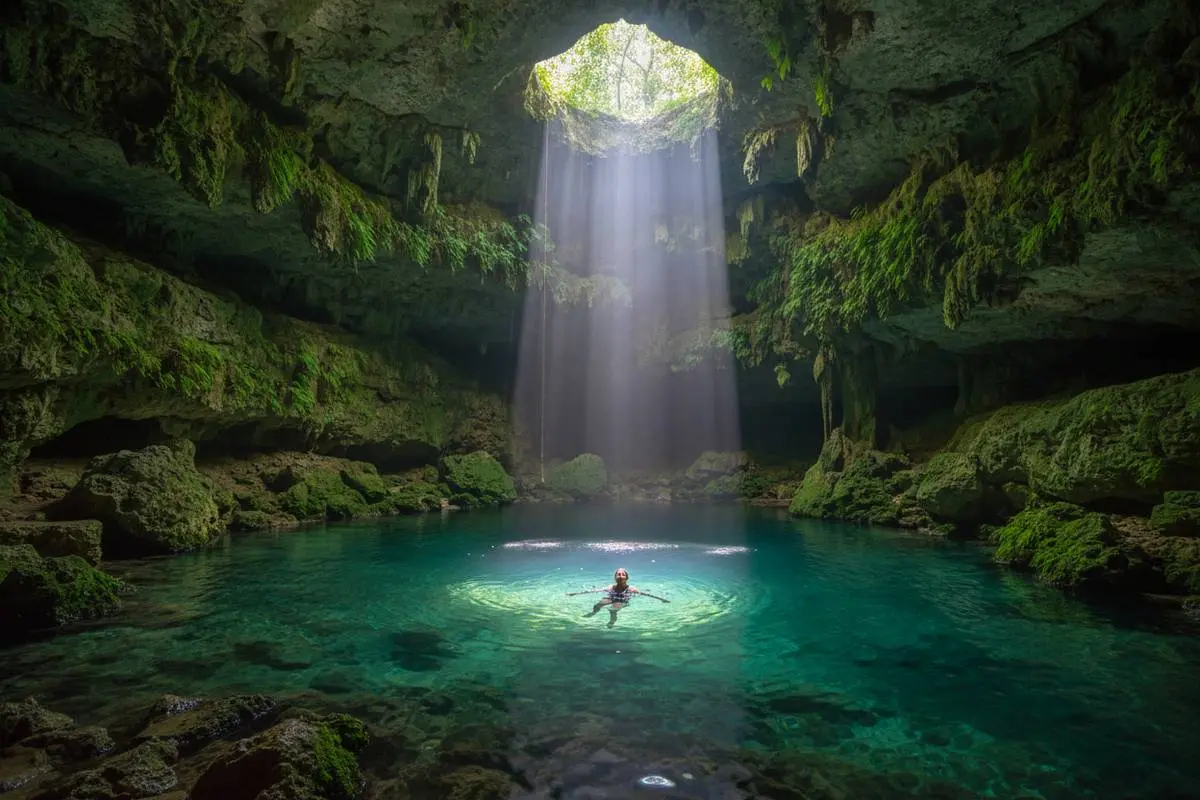
Sunlight streams through cracks in the limestone ceiling, spotlighting pools of water so blue they look electrically charged. You’re floating in an underground chamber where the Gallinas River carved a tunnel through solid rock over thousands of years. This is Puente de Dios, and it feels like swimming inside a cathedral built by geology.
The “Bridge of God” near Tamasopo creates one of Mexico’s most otherworldly swimming experiences. The river didn’t just cut through the limestone. It sculpted a series of chambers connected by narrow passages, each one revealing water of impossible turquoise lit by shafts of natural light.
Photos of Puente de Dios look manipulated. The blue is too vivid. The light rays too perfect. The setting too fantastical. Then you arrive, descend 300 stairs into the canyon, swim into that cave, and realize the photos actually undersell the experience.
This isn’t a cenote. It’s not a typical waterfall. It’s something uniquely Huastecan, a place where adventure and natural beauty combine in ways that reward those willing to work for the experience.
What is Puente de Dios?
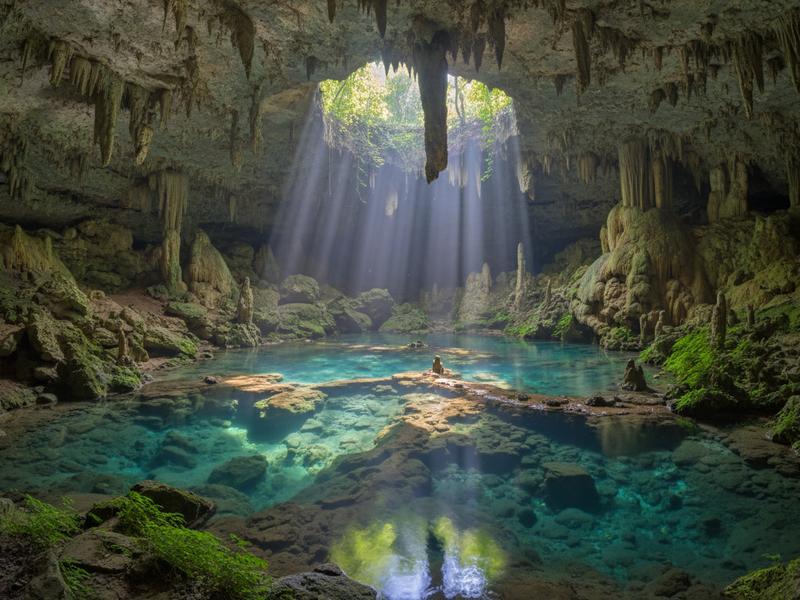
Puente de Dios sits where the Gallinas River has carved through porous limestone bedrock over millennia. The river didn’t simply erode downward. It found weak points in the rock and created a horizontal tunnel, complete with a natural stone arch spanning above.
That arch gives the place its name. From certain angles, the rock bridge looks architectural, as if intentionally constructed. Stand beneath it, looking up at the sky through the opening while floating in turquoise water, and the “divine” interpretation makes perfect sense.
The swimming experience takes you through several connected pools and chambers. Some are open to the sky. Others are fully enclosed caves where the only light comes through cracks and openings above. The progression creates an almost spiritual journey, each transition revealing new wonders.
Visiting Puente de Dios: What to Expect
The Descent
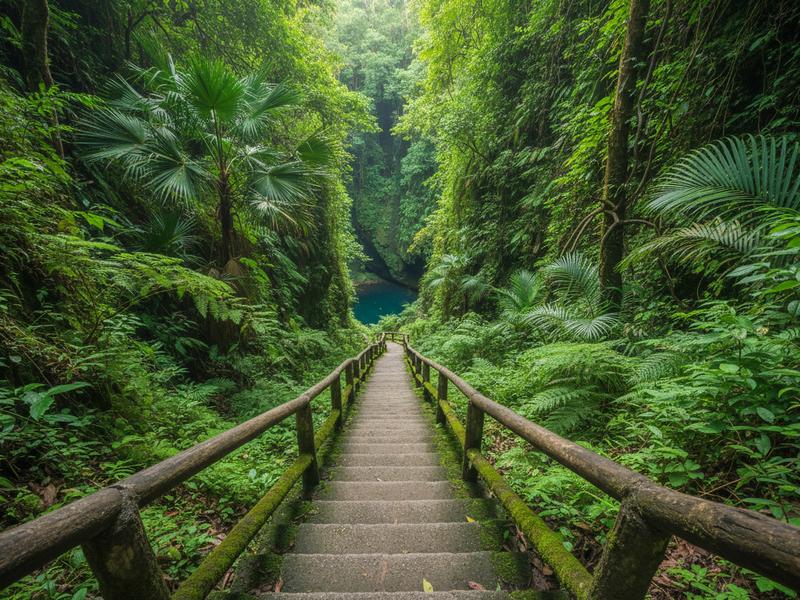
Your visit begins with a descent. From the entrance area at canyon rim, a stairway drops over 300 steps to the river level below. The stairs are concrete and maintained, but they’re steep. Take your time, especially if arriving when the steps are wet from morning dew or recent rain.
The descent passes through lush vegetation, with occasional glimpses of the turquoise water below building anticipation. The 15-20 minute walk down is easy. The return climb is the workout.
Arriving at the Pools
At the bottom, you’ll reach the first open pools where the Gallinas River flows through a rocky gorge. These outer pools are beautiful, but the main attraction lies ahead: the cave system where the river passes through the rock.
Life jacket rental is available (and mandatory) at a small station near the cave entrance. Don your vest, wade into the first pool, and prepare for magic.
Swimming Through the Cave
The cave swimming experience involves progressing through a series of connected chambers. Some passages require swimming through narrow gaps between rocks. Others open into spacious caverns where you can float and admire the light show above.
The water depth varies but generally exceeds standing height. Life jackets keep everyone afloat, making the experience accessible to varying swimming abilities. However, you should be comfortable in water and able to maneuver while floating.
The journey through takes 30-45 minutes depending on how long you linger in each chamber. There’s no rushing required. Stop to admire the light patterns, photograph the turquoise depths, and simply absorb the setting.
Best Time to Visit Puente de Dios
Seasonal Timing
Like all Huasteca waterfalls, Puente de Dios shows best during dry season (November - March). Water runs clear and turquoise, currents stay gentle, and swimming conditions are safest.
Rainy season (May - October) brings risks of flash flooding. The cave can fill quickly during storms, creating dangerous conditions. Local authorities close access when water levels rise. Even when open, brown sediment destroys the famous blue coloring.
Daily Timing
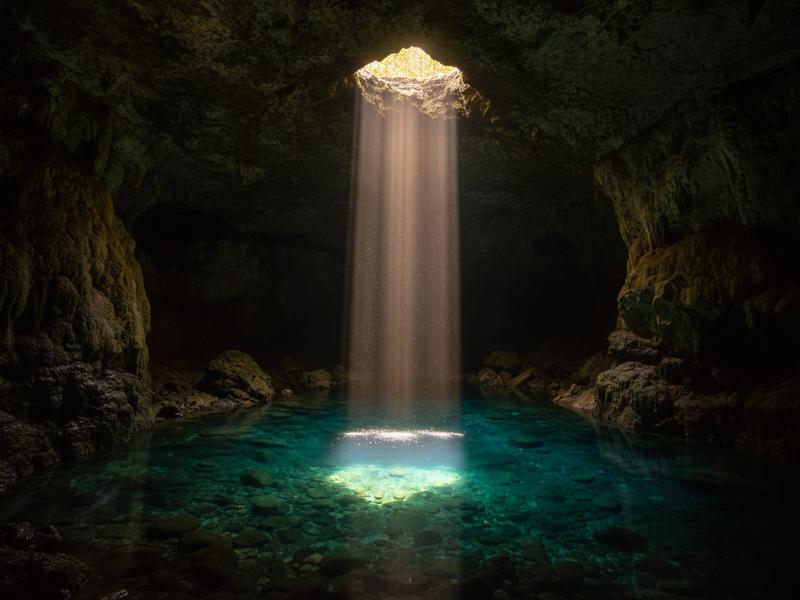
Lighting inside the cave peaks between 10am and 2pm, when the sun angle allows maximum light penetration through the ceiling openings. The famous “light ray” photographs require late morning timing.
However, the cave is also most crowded during these hours. For a quieter experience, arrive early (8-9am) or later afternoon. You’ll sacrifice some lighting drama for more intimate swimming.
Avoiding Crowds
Weekdays see far fewer visitors than weekends. If your schedule allows, visit Tuesday through Thursday for the most peaceful experience. Semana Santa (Easter week) draws overwhelming crowds. Avoid entirely.
Practical Information
Entrance Fees (2025)
- Park entrance: 70 pesos per person
- Life jacket rental: 30-50 pesos (mandatory for cave swimming)
- Parking: 20-30 pesos
Cash only. No ATMs nearby. Bring sufficient pesos for entrance, equipment rental, and any food or drinks.
Facilities
Basic facilities exist at the entrance area including:
- Ticket booth
- Restrooms (basic)
- Small snack vendors
- Life jacket rental
- Parking area
There are no changing rooms at the canyon bottom. Most visitors wear swimsuits under clothes for the descent.
What to Bring
- Water shoes: Rocky surfaces make proper footwear essential
- Waterproof phone case: The cave photos are worth capturing
- Quick-dry clothing: You’ll climb back up soaking wet
- Water and snacks: The climb back is strenuous
- Cash: 200-300 pesos should cover everything
- Towel: For drying off before the climb
Physical Requirements
The visit requires:
- Descending and climbing 300+ stairs
- Swimming/floating for 30-45 minutes
- Navigating narrow swimming passages
- Comfort in water where you cannot touch bottom
The stairs pose the biggest challenge for many visitors. If you have knee problems or significant mobility issues, consider whether this attraction suits your abilities. There are no alternative access routes.
How to Get to Puente de Dios
Location
Puente de Dios lies approximately 3 kilometers northwest of Tamasopo town center. Tamasopo itself sits about 1.5 hours from Ciudad Valles via Highway 70.
From Ciudad Valles
If based in Ciudad Valles, drive west on Highway 70 toward San Luis Potosi. After about 1.5 hours, you’ll reach Tamasopo. Follow signs through town toward Puente de Dios (the route is well-marked).
From Tamasopo Town
From Tamasopo center, the drive to Puente de Dios takes about 10 minutes following the road northwest out of town. Taxis charge approximately 50-80 pesos for the short trip.
By Public Transport
Buses from Ciudad Valles stop in Tamasopo town. From there, you’ll need to walk (about 1 hour) or find local transport to the entrance. Not the most practical option but doable for budget travelers.
By Organized Tour
Tours from Ciudad Valles often combine Puente de Dios with Cascadas de Tamasopo for a full Tamasopo day. This eliminates transportation hassles and typically costs 500-700 pesos including all fees.
Combining with Nearby Attractions
Puente de Dios sits in the heart of waterfall country. Several other attractions lie within easy reach:
Cascadas de Tamasopo
Just minutes away, the main Tamasopo waterfalls offer a completely different experience: wide curtain falls with swimming pools and better infrastructure. Most visitors combine both in a single day.
El Trampolin
This natural diving platform near Tamasopo attracts those seeking cliff jumping thrills. It’s a local favorite less visited by tourists.
Xilitla and Las Pozas
About 1 hour south, the town of Xilitla hosts Edward James’ surrealist gardens. Consider spending a night in Xilitla to explore both the gardens and Tamasopo waterfalls over two days.
Photography Tips
Puente de Dios offers extraordinary photo opportunities, but the cave environment presents challenges.
Lighting
The famous light ray shots require timing your visit when sun angle sends beams through ceiling openings. Late morning (10am-12pm) typically works best, but exact timing varies by season. Arrive early and be patient.
Equipment
A waterproof phone case or GoPro works well for most visitors. Serious photographers should consider waterproof housing for their cameras. The cave swimming makes keeping gear dry nearly impossible without protection.
Compositions
Position yourself in chambers where light enters from above. Float backward to capture the cave ceiling framing turquoise water below. Use burst mode for action shots of swimmers in light beams.
Is Puente de Dios Worth the Effort?
The 300+ stairs make visitors earn this experience. That effort filters crowds and preserves something special about floating in an underground pool that required work to reach.
Puente de Dios delivers genuine wonder. The kind that makes you forget you’re photographing for social media and simply absorb the moment. Light streaming through rock. Water glowing turquoise. A place that feels discovered rather than visited.
Bring good shoes, plenty of water, and realistic expectations about the climb. What waits at the bottom rewards every stair.
Planning your Huasteca adventure? Check our complete Ultimate Guide to Huasteca Potosina Waterfalls for multi-day itineraries and more waterfall recommendations.