Ultimate Guide to Riviera Maya Cenotes: Sacred Swimming Holes of the Yucatan
Ultimate Guide to Riviera Maya Cenotes: Sacred Swimming Holes of the Yucatan
Beneath the jungle floor of Mexico’s Yucatan Peninsula lies one of the planet’s most extraordinary natural wonders: more than 6,000 cenotes waiting to be explored. These crystal-clear swimming holes, sacred to the ancient Maya, offer everything from serene swims in cathedral-like caves to world-class diving through underwater labyrinths.
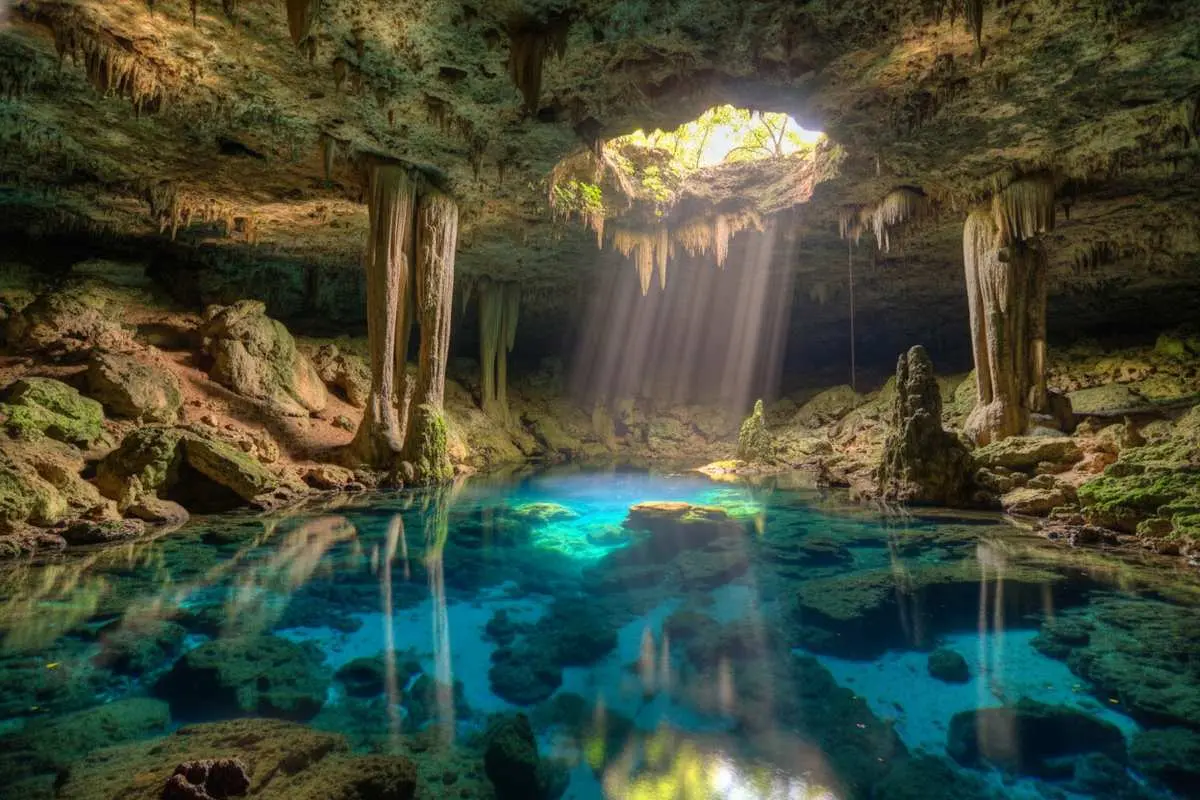
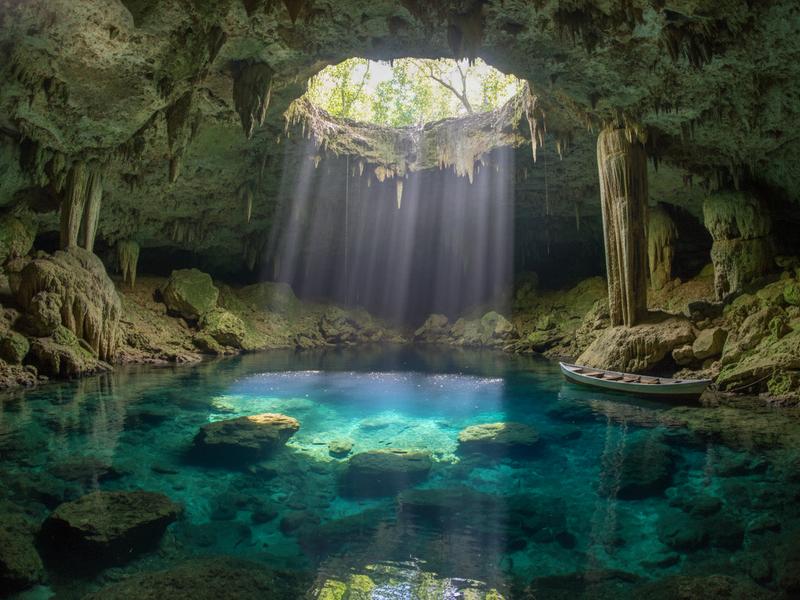
Having spent years exploring cenotes throughout the Riviera Maya, I can tell you that each one has its own personality. Some feel like natural aquariums where turtles glide past your mask. Others are mysterious caverns where shafts of sunlight pierce the darkness like spotlights on a stage. A few are so remote you might be the only visitor that day.
The Maya believed cenotes were sacred portals to the underworld. Today, they remain some of the most magical places to swim anywhere on Earth.
This guide covers everything you need to know about visiting cenotes in the Riviera Maya: the different types you will encounter, their spiritual significance to Maya culture, the best cenotes organized by region, and practical tips for making the most of your visit in 2025.

What Are Cenotes and Why Are They Special?
The word “cenote” comes from the Yucatec Maya term ts’onot, meaning a place with accessible groundwater. But understanding what cenotes truly are requires going back 65 million years to one of the most catastrophic events in Earth’s history.
When the Chicxulub asteroid struck the northern Yucatan Peninsula, it did not just wipe out the dinosaurs. The impact fractured the limestone bedrock across the entire region, creating a network of cracks and fissures that would shape the peninsula’s future. Over millions of years, slightly acidic rainwater seeped through these fractures, dissolving the porous limestone and carving out vast underground river systems.
During ice ages, when sea levels dropped, these caverns became air-filled caves where stalactites and stalagmites grew over thousands of years. When the ice melted and sea levels rose again, the caves flooded with fresh water. Eventually, the cave roofs collapsed in places, creating the open sinkholes we call cenotes.
The Yucatan Peninsula has no surface rivers. Cenotes were the only source of fresh water for ancient Maya cities, making them essential for survival and sacred by necessity.
What makes cenotes so special for swimming and diving is the extraordinary clarity of their water. The limestone acts as a natural filter, removing sediment and impurities as rainwater slowly percolates down over years. Visibility in cenotes can exceed 100 meters, far surpassing most ocean diving.
The 4 Types of Cenotes Explained
Not all cenotes look the same. Scientists classify them into four distinct types based on their stage of geological evolution, each offering a different experience for visitors.
Cave Cenotes (Closed)
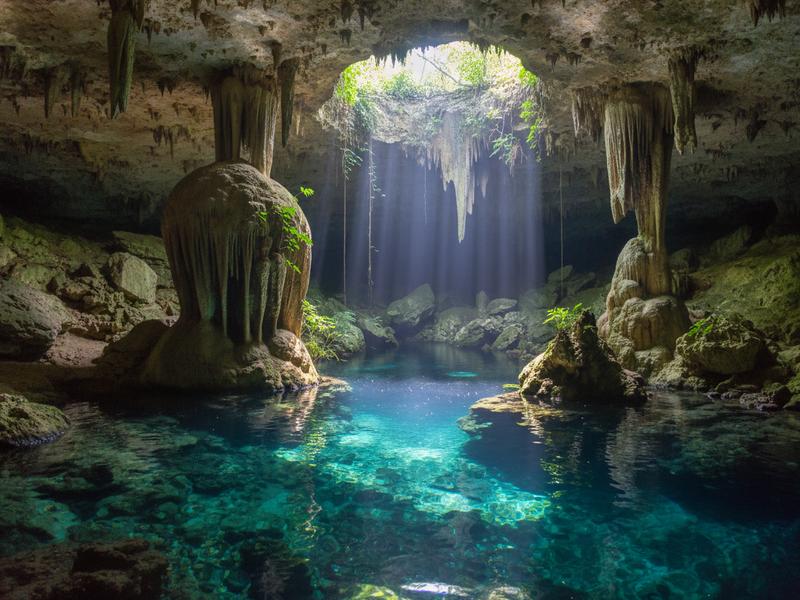
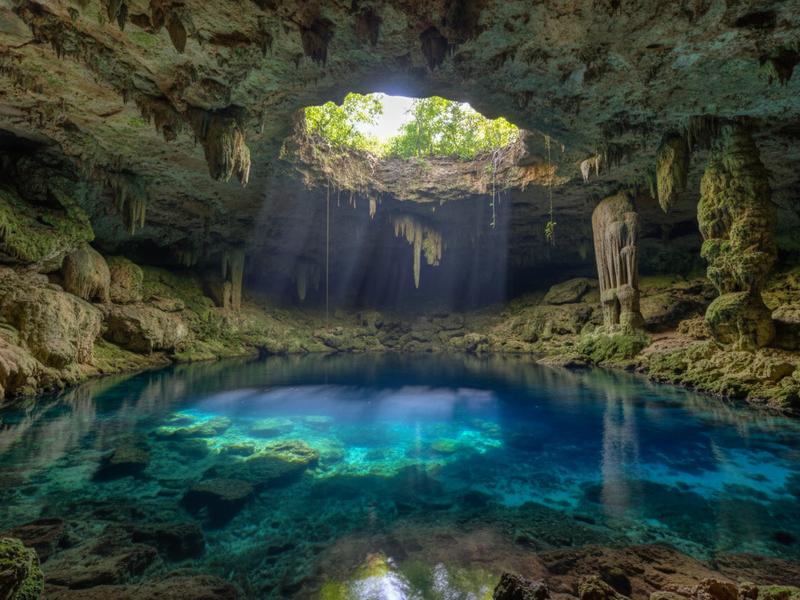
These are the youngest cenotes, still largely enclosed underground. Cave cenotes have small openings that allow access to large underground chambers filled with crystal-clear water. Stalactites hang from the ceiling like chandeliers, and the only natural light enters through small gaps in the rock.
Best examples: Choo-Ha near Coba features three connected cave cenotes with impressive stalactite formations. The atmosphere inside feels ancient and untouched.
Semi-Open Cenotes
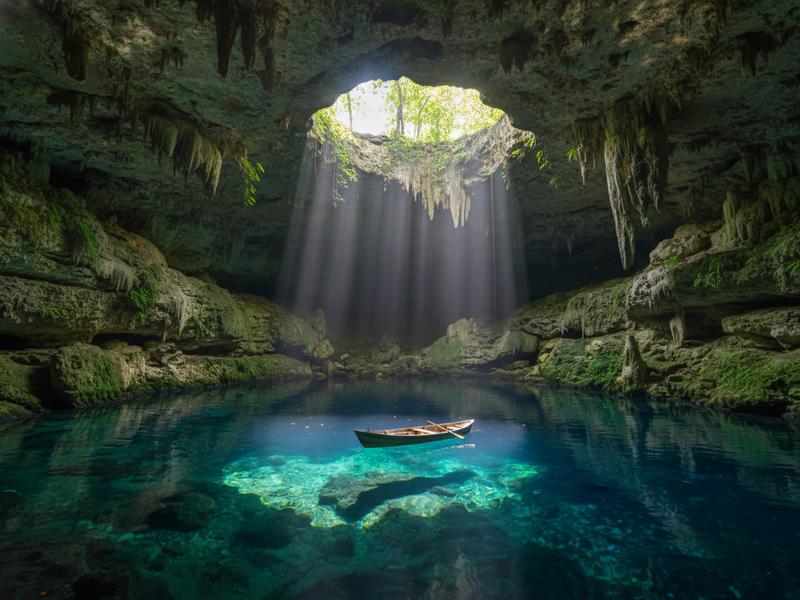
Semi-open cenotes represent the middle stage of evolution. Part of the roof has collapsed, allowing sunlight to stream through the opening while the sides remain partially covered by rock overhangs. This creates dramatic lighting effects, especially when the sun is directly overhead.
Best example: Cenote Suytun near Valladolid is famous for its single beam of light that illuminates a stone platform in the center of the pool. Early morning visits offer the most spectacular light show.
Open Cenotes
Open cenotes have experienced complete roof collapse, leaving a large circular pool exposed to the sky. These are typically the easiest to access and most popular for casual swimming. Vegetation often surrounds the rim, with vines and roots trailing down toward the water.
Best examples: Gran Cenote near Tulum and Cenote Azul near Playa del Carmen are classic open cenotes with easy access for swimmers of all skill levels.
Ancient Cenotes
The oldest cenotes have evolved into something resembling small lakes. Water levels have receded over millennia, exposing steep cliff walls and creating wider, shallower pools. These cenotes often have the most developed infrastructure and can feel more like natural swimming pools.
Best example: Cenote Zaci in central Valladolid is an ancient cenote with a 45-meter diameter and restaurant facilities overlooking the water.
Cenotes and Maya Spirituality: Portals to the Underworld
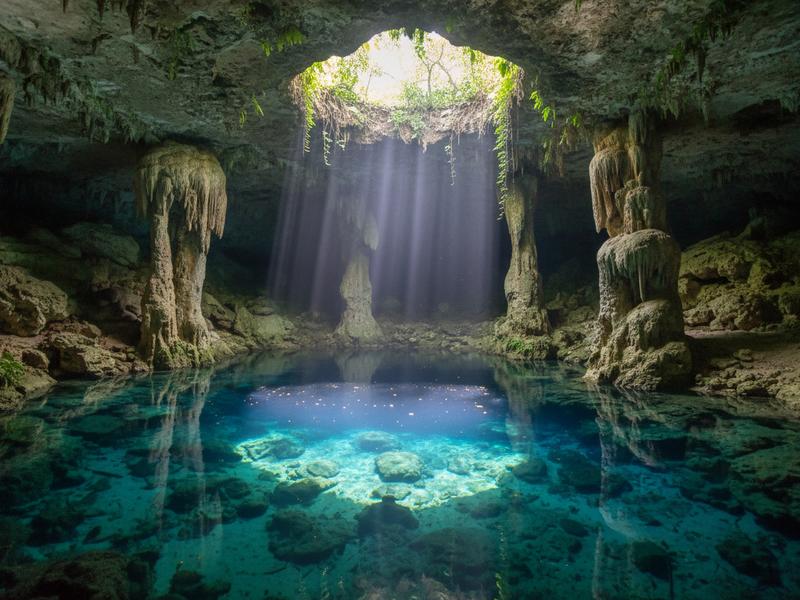
For the ancient Maya who built their great cities across the Yucatan, cenotes were far more than water sources. They were sacred gateways to Xibalba, the underworld realm of the dead, ruled by twelve powerful deities.
Maya cosmology viewed the universe in three layers: the heavens above, the earthly realm, and the dark underworld below. Cenotes, as natural features connecting the surface world to mysterious depths, represented the axis mundi, the central axis where these realms could communicate. The steam rising from cenotes in the cool morning air convinced the Maya that clouds and rain originated from the underworld.
The rain god Chaac was believed to inhabit cenote waters. During droughts, priests performed elaborate ceremonies at cenote edges, accompanied by music, dance, and offerings of precious objects. Archaeological excavations have recovered jade jewelry, gold artifacts, ceramic figurines, and carved wooden idols from cenote depths. Many objects appear deliberately broken before being thrown in, perhaps “killed” to send their essence to the spirit world.
When the cenote beneath the Pyramid of Kukulkan at Chichen Itza was dredged, researchers found over 200 individuals among the offerings, evidence of human sacrifice to appease the gods of the underworld.
This spiritual significance extended to city planning. The great pyramid at Chichen Itza was deliberately built over a massive cenote. Researchers recently discovered that the Maya believed Kukulkan, the feathered serpent deity, grew up in an underworld cave beneath the temple until he became so powerful he burst through the earth and flew to the sun.
Today, some Maya communities still perform ceremonies at cenotes, maintaining a living connection to ancestral traditions. When you swim in these waters, you are floating in a place that has been considered sacred for over two thousand years.
Best Cenotes Near Cancun
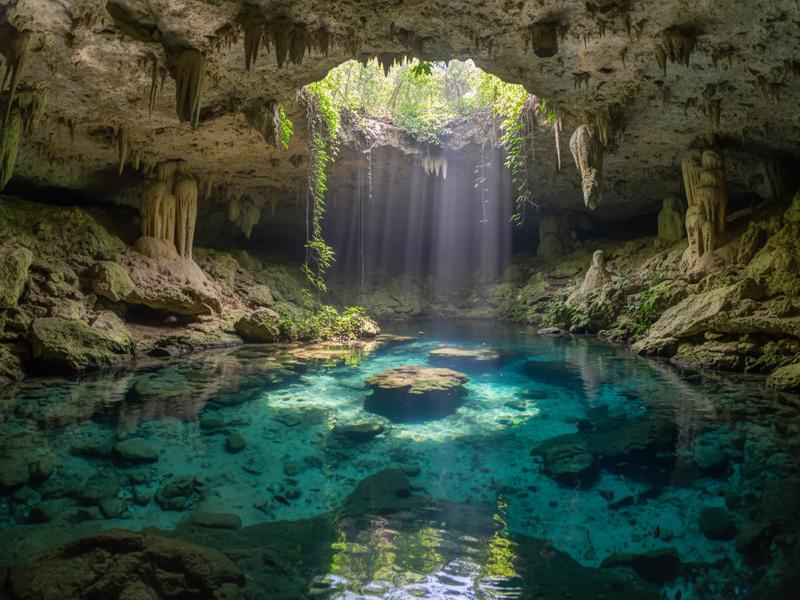
If you are staying in Cancun or the Hotel Zone, you have several excellent cenote options within an hour’s drive. The most popular route is the Ruta de los Cenotes near Puerto Morelos, a 20-kilometer stretch of jungle road with over 60 cenotes.
Cenote Verde Lucero
This lesser-known cenote on the Ruta de los Cenotes offers a more intimate experience than the crowded favorites. The green-tinged water reflects the jungle canopy above, and you can usually find a quiet spot even during high season. Entry runs about 200 pesos (approximately $12 USD).
Cenote Siete Bocas
Named for its seven entrances, this cenote at kilometer 15 of the Cenotes Route attracts fewer crowds due to limited infrastructure. Bring your own snorkeling gear and a sense of adventure. The underwater connections between the seven openings make for interesting exploration.
Xenotes Park
For a more organized experience, the Xenotes tour by Xcaret visits four different cenote types in one day: a cave cenote, semi-open cenote, open cenote, and ancient cenote. Activities include rappelling, zip-lines, kayaking, and cliff jumping. The full-day tour includes transport from Cancun, guides, equipment, and meals.
Cenote Ik Kil
Located just three kilometers from Chichen Itza, this dramatic cenote is the most visited in the Yucatan. Vines cascade down the 26-meter drop to the water surface, creating an almost theatrical setting. The combination with a morning visit to the ruins makes for a perfect day trip from Cancun. Entry costs 200 pesos, and the site includes lockers, showers, and a restaurant.
Best Cenotes Near Tulum
The area around Tulum has the highest concentration of cenotes suitable for both swimming and diving. Several world-famous cenotes lie within 15 minutes of town.
Gran Cenote
Arguably the most popular cenote in the Riviera Maya, Gran Cenote sits just 4 kilometers from Tulum on the road to Coba. The site features two connected swimming areas: a large open-air sinkhole with a wooden deck, and a second area accessible through a natural tunnel. Freshwater turtles frequently swim alongside visitors in the morning hours.
Entry costs 500 pesos (about $29 USD) as of 2025, making it one of the pricier options. Arrive before 9 AM to avoid the crowds and for the best turtle sightings. Life jackets are mandatory but provided free.
Cenote Dos Ojos
The “Two Eyes” cenote gets its name from twin circular sinkholes connected by a wooden boardwalk. Part of the massive Sistema Sac Actun, recently confirmed as the world’s longest underwater cave system, Cenote Dos Ojos is considered one of the premier diving destinations on the planet.
For snorkelers and swimmers, the crystal-clear water reveals stunning rock formations and the famous “Barbie Line” where a layer of hydrogen sulfide creates a surreal cloud effect underwater. Entry to the basic cenotes runs about 400 pesos, with diving packages costing significantly more.
Casa Cenote
Also called Cenote Manatee, this unique cenote connects to the Caribbean Sea through underground channels, creating a mix of fresh and saltwater. Mangrove roots line the edges, and you might spot both freshwater and saltwater fish in the same swim. The shallow depth (5-6 meters) makes it ideal for beginner divers and families. It is located near the beach at Chemuyil, allowing you to combine a cenote swim with beach time.
Cenote Calavera
The “Skull Cenote” is named for its three openings that resemble eye sockets and a mouth when viewed from above. This cenote is popular with locals for cliff jumping, with platforms at various heights. The adventurous can leap through the “eye” openings into the water below. Entry costs around 250 pesos.
Yaxmuul Cenotes
This cenote park north of Tulum offers access to multiple cenotes in a single visit, including activities like rappelling, zip-lines, and ATV tours. The cenotes here tend to be less crowded than the famous names, and the jungle setting feels more remote. Packages range from 500 to 2,000 pesos depending on activities included.
Best Cenotes Near Valladolid
The colonial town of Valladolid sits at the center of Yucatan cenote country, with dozens of options within a 30-minute drive. These cenotes tend to be less touristy and more affordable than their Riviera Maya counterparts.
Cenote Suytun
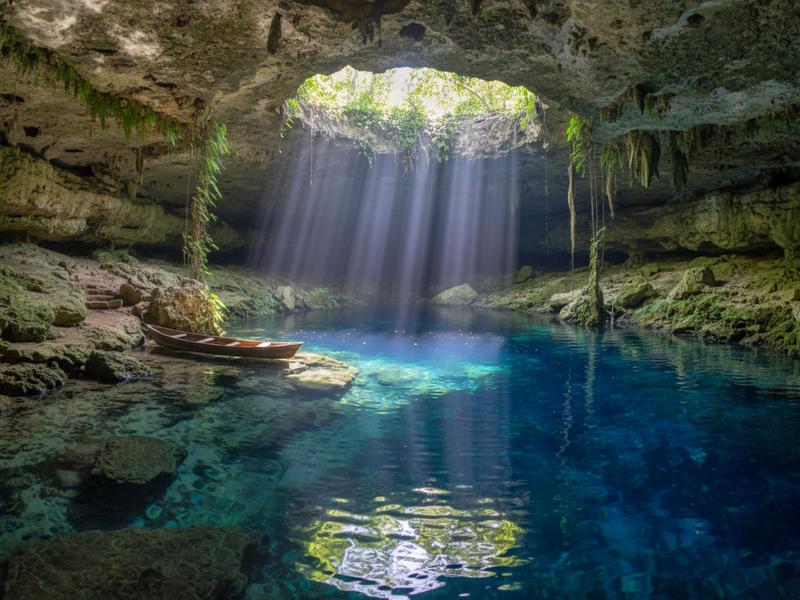
Perhaps the most photographed cenote in Mexico, Cenote Suytun features a stone platform extending into the center of a cave cenote. Around midday, a beam of sunlight pierces through a hole in the ceiling and illuminates the platform, creating an almost mystical scene. Entry costs 150 pesos, but arriving early (before 10 AM) is essential to avoid crowds and capture the perfect photo.
Cenote Oxman at Hacienda San Lorenzo
Located on the grounds of a historic hacienda, Cenote Oxman combines natural beauty with colonial-era architecture. A swing hangs over the water for dramatic jumps, and the hacienda restaurant serves traditional Yucatecan cuisine. Entry runs about 100-150 pesos, plus optional restaurant purchases.
Cenote Saamal
Within the Hacienda Selva Maya complex, Cenote Saamal offers swimming in an atmospheric cave setting with tree roots descending from above. The site also includes a traditional Maya blessing ceremony and access to multiple cenotes. Packages start around 300 pesos.
Cenote Zaci
Unique for its location in the heart of downtown Valladolid, Cenote Zaci is an ancient cenote with a 45-meter diameter surrounded by restaurants and walking paths. Black catfish swim in the green-tinted water, and the casual atmosphere makes it easy to spend an afternoon. Entry is just 50 pesos, making it one of the most affordable cenotes in the region.
Cenotes of Homun and Cuzama
For a more adventurous day, the small Maya towns of Homun and Cuzama southwest of Valladolid offer tours of multiple cave and semi-open cenotes accessed by horse-drawn carts running on old henequen plantation rails. The experience feels like stepping back in time, and the cenotes are far less developed than tourist favorites.
Cenote Diving: A World-Class Experience
The Riviera Maya offers some of the best cavern and cave diving on Earth. The underwater cave systems here, including the 370-kilometer Sistema Sac Actun, attract certified divers from around the world.
Certification Requirements
Open Water certification is the minimum requirement for cenote cavern diving, where you remain within sight of natural light at all times. Advanced Open Water certification is recommended for deeper cenotes like The Pit, which reaches 36 meters.
True cave diving beyond the cavern zone requires specialized cave diving certification and is not available to recreational divers. Mexican regulations require your guide to be cave-certified even for cavern dives.
Best Cenotes for Diving
- Cenote Dos Ojos: The Barbie Line and Batcave formations make this a must-dive
- The Pit (El Pit): A 36-meter deep cenote with stunning light beams and a hydrogen sulfide cloud at 25 meters
- Cenote Angelita: Advanced dive featuring a dramatic “underwater river” created by hydrogen sulfide
- Chac Mool: Excellent for experiencing the halocline effect where salt and fresh water meet
- Cenote Carwash (Aktun Ha): Great visibility and impressive fossil remains
What to Expect
Cenote water maintains a constant temperature of 25-27 degrees Celsius year-round, with visibility often exceeding 100 meters. You will likely experience the halocline effect, a blurry layer where fresh water meets salt water from the ocean, creating a surreal visual distortion.
A 5mm wetsuit is recommended for cenote dives. Most operators provide all equipment, but bring your own mask if you have one that fits well.
Pricing
Expect to pay $170-250 USD for a two-tank cenote dive package from Tulum or Playa del Carmen. This typically includes all equipment, wetsuit, cenote entrance fees, guide, and transport. Some operators offer discounts for bringing your own gear.
Cenote Swimming and Snorkeling Tips
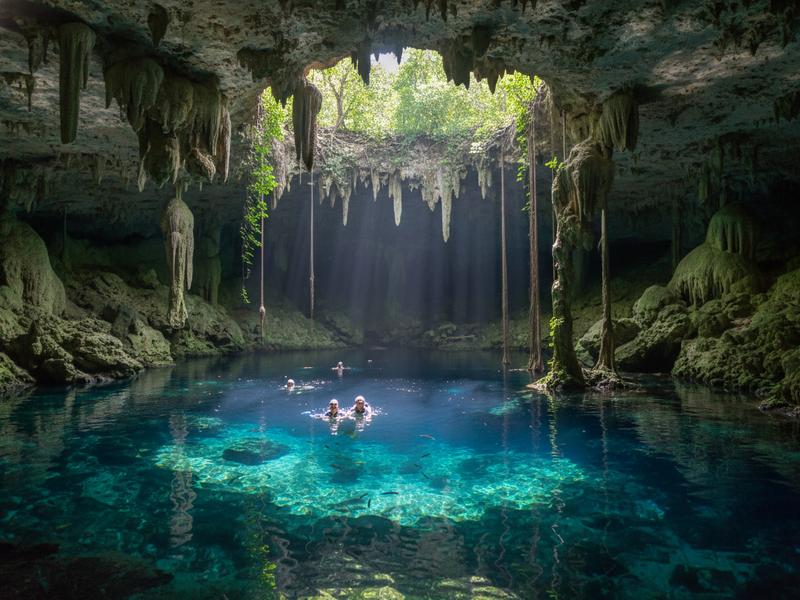
Not a diver? No problem. Many cenotes are perfect for swimming and snorkeling, requiring no special skills or certification.
Best Cenotes for Swimming
- Gran Cenote: Easy access, clear water, turtle sightings
- Cenote Azul (Playa del Carmen): Open cenote perfect for families, entry 180 pesos
- Jardin del Eden: Natural cliff jumping spots, snorkeling among fish
- Cenote Ik Kil: Dramatic setting, easy access via stairs
- Casa Cenote: Shallow areas for children, snorkeling scenery
Family-Friendly Options
Cenote Azul near Playa del Carmen and Casa Cenote near Tulum both offer shallow areas suitable for children. Akumal combines beach time with nearby cenote access for a full family day out.
What to Bring
- Biodegradable sunscreen: Chemical sunscreens are banned to protect the water
- Cash: Many cenotes do not accept cards (bring small bills)
- Water shoes: Rocky surfaces can be slippery
- Snorkeling gear: Rentals available but your own fits better
- Underwater camera: The clarity begs for photos
- Towel: Not all cenotes have rental facilities

Essential Visitor Information for 2025
Entrance Fees
Cenote entrance fees in 2025 typically range from 100 to 500 pesos ($6-30 USD). More developed sites with facilities like Gran Cenote charge premium prices, while local cenotes near Valladolid remain affordable. Photography fees are increasingly common, sometimes adding 50-100 pesos to your entry.
Best Time to Visit
Arrive early. The best cenote experience happens before 10 AM when the water is undisturbed, crowds are thin, and morning light creates magical effects in cave cenotes. For diving, visibility is excellent year-round, but the period from May to November sees fewer tourists.
Sunscreen Rules
Leave your regular sunscreen at home. Most cenotes strictly enforce biodegradable sunscreen requirements to protect the delicate ecosystem. Chemical compounds in conventional sunscreens damage aquatic life and cloud the water. Many cenotes provide showers to rinse off any products before entering.
Getting There
Renting a car provides the most flexibility for cenote hopping. From Cancun, the Maya Train now connects to Valladolid and Tulum, though you will still need local transport to reach individual cenotes. Organized tours from Cancun, Playa del Carmen, and Tulum visit multiple cenotes in a single day.
What to Expect
Cenote water is refreshingly cool, usually around 24-26 degrees Celsius. The sensation of swimming in such clear water takes some adjustment. Many visitors feel slight vertigo initially when they can see so far below them. Relax and enjoy it.
Final Thoughts: Your Riviera Maya Cenote Adventure
Whether you choose to snorkel through turtle-filled waters at Gran Cenote, dive the otherworldly caves of Dos Ojos, or simply float in the sacred silence of a remote cave cenote, these natural wonders offer experiences found nowhere else on Earth.
The Maya understood that cenotes were special places deserving reverence. Two thousand years later, swimming in their crystalline waters, it is easy to understand why. These are not just swimming holes. They are windows into the earth, portals to another world, and living connections to one of history’s great civilizations.
For more ideas on exploring this remarkable region, check out our comprehensive guides to the best cenotes across all of Mexico and the complete Tulum travel guide for planning your Riviera Maya adventure.
Take only memories, leave only ripples. The cenotes have been here for millions of years. Let’s keep them pristine for millions more.