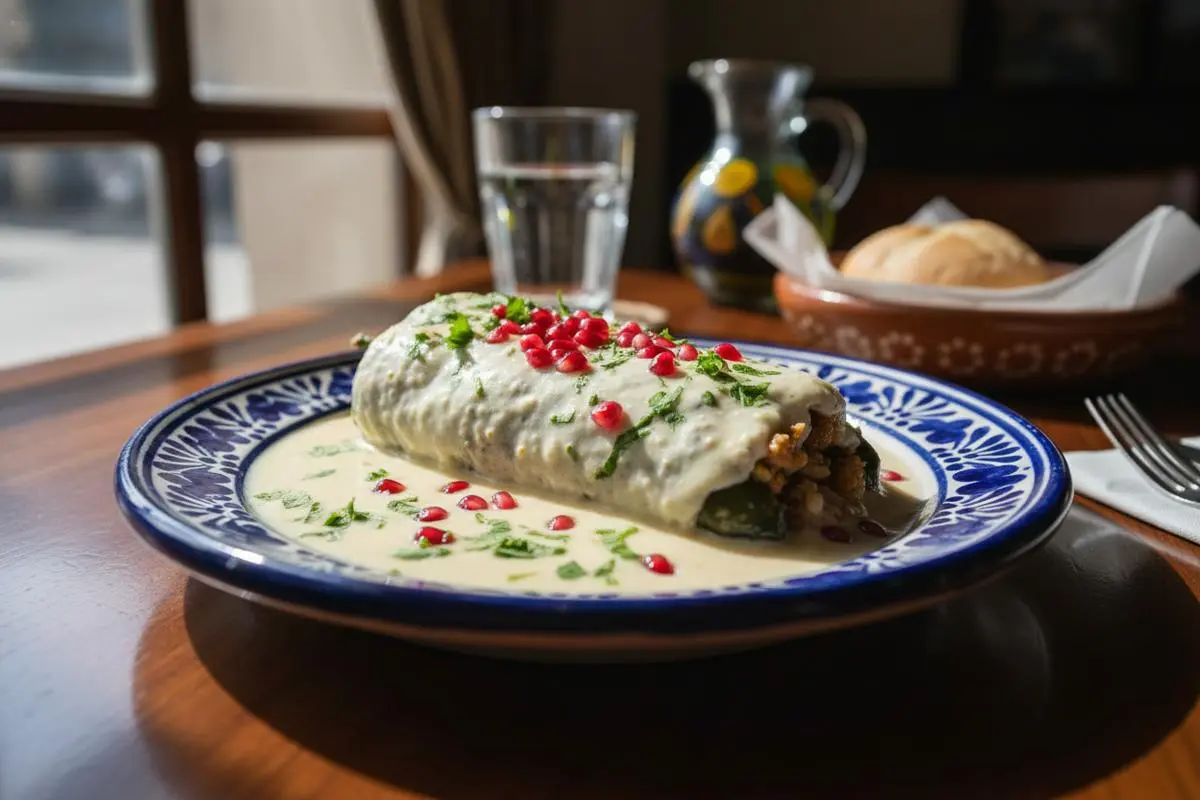
Chiles en Nogada Mexico 2026 Guide
Why Chiles en Nogada Is Worth Planning a Trip Around
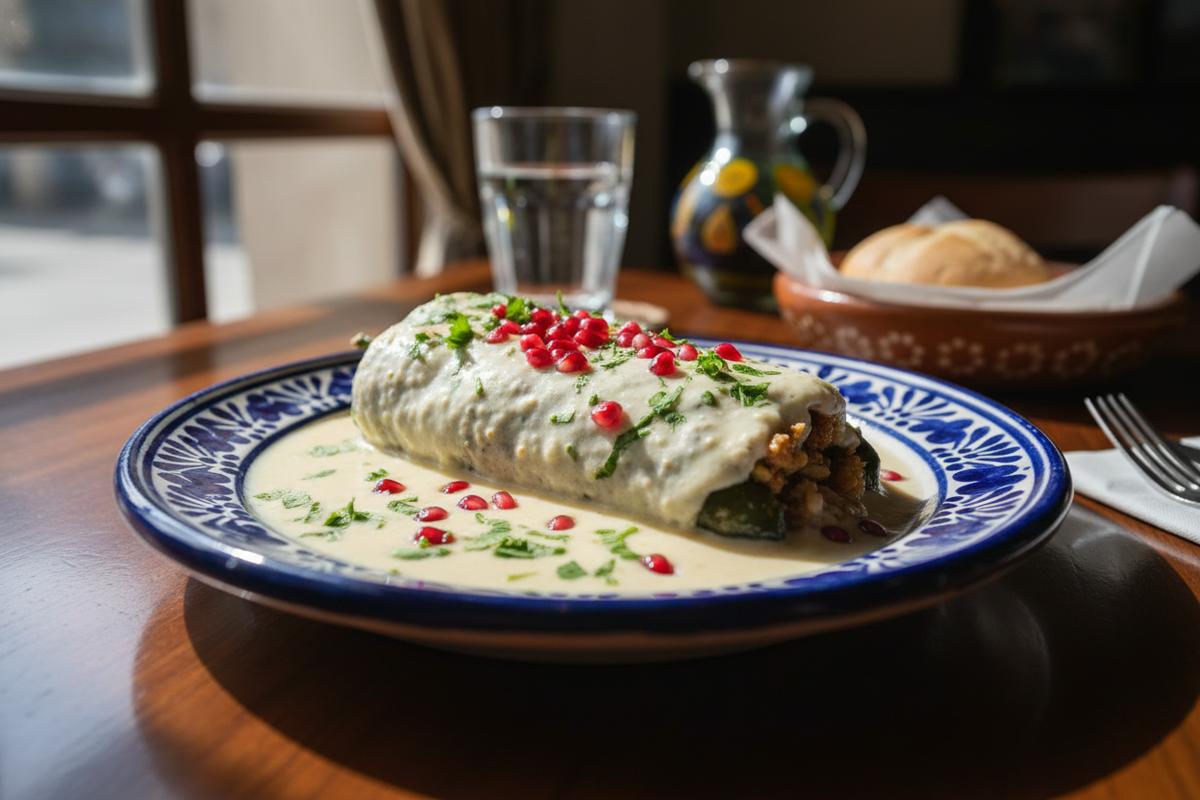
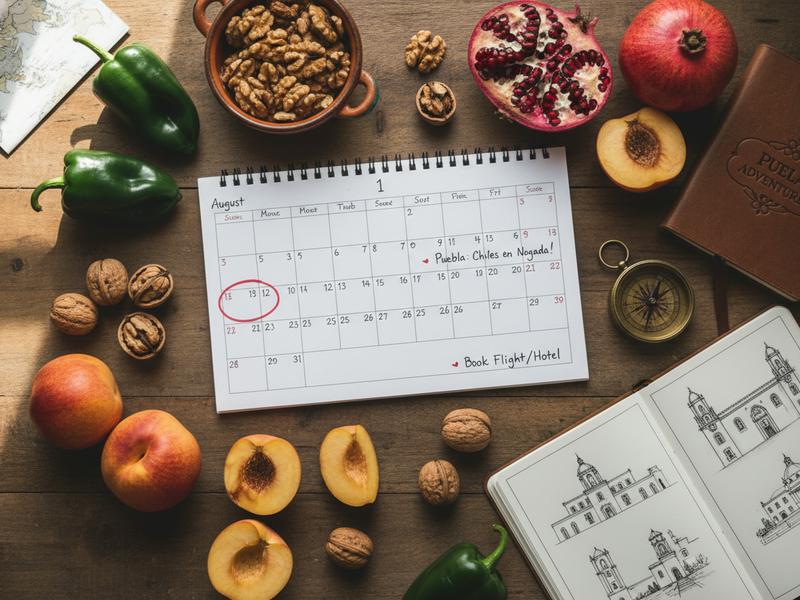
Chiles en nogada is not just another Mexican dish to squeeze into a food crawl. It is a short-season, highly regional, patriotic meal that gives late summer travel to Puebla and Mexico City a clear reason to exist. The dish appears when pomegranates, walnuts, pears, apples, peaches, and poblano peppers are ready, then disappears from serious menus once the season ends.
That timing makes it perfect for travelers planning Mexico in August or early September. You get a food experience that feels tied to the calendar, not a year-round tourist plate. You also get a smart shoulder-season angle: hotel prices are often friendlier than Christmas or Day of the Dead, while restaurants are treating the dish like a main event.
If your trip is still wide open, start with Mexico in August or Mexico in September to compare weather, whale sharks, Independence Day, rain, and hurricane risk. This guide focuses on the food side: where to go, when to book, what to pay, and how to build a Puebla or Mexico City trip around one of Mexico’s most seasonal meals.
The short answer: go to Puebla if you want the strongest sense of place, go to Mexico City if logistics matter more, and avoid treating September 15 as a casual walk-in dinner night. Chiles en nogada season rewards people who plan ahead.
Chiles en Nogada in 30 Seconds
| Planning question | Best answer |
|---|---|
| Best overall destination | Puebla, especially for first-timers who want the dish in its strongest local context. |
| Easiest destination | Mexico City, with more flights, hotels, and high-end restaurant options. |
| Best 2026 window | August 1 to September 15, with late August often giving the best balance of menus, ingredients, and crowds. |
| Typical price in Puebla | 280-650 MXN ($16-$38 USD) per plate; more at hotel restaurants or tasting menus. |
| Typical price in Mexico City | 350-900 MXN ($20-$53 USD) per plate; luxury versions can go higher. |
| Best meal time | Lunch, because the dish is heavy and restaurants take it seriously earlier in the day. |
| Book ahead? | Yes, especially weekends, August festival dates, and September 13-16. |
| Trip length | 2 nights in Puebla or 3-4 nights in Mexico City with one Puebla day trip. |
Chiles en nogada works best when it becomes the anchor, not the afterthought. Plan one proper lunch, leave room in the day, and avoid stacking it after a huge breakfast or before a late tasting menu.
The dish is also seasonal because the ingredients matter. Fresh walnut sauce has a shorter window than the poblano pepper itself. Pomegranate seeds bring the red color. Parsley or other green garnish completes the patriotic look. When a restaurant serves it out of season, it may still taste good, but it loses part of the point.
For a deeper timing breakdown, use the sibling guide to chiles en nogada season. If you already know you want Puebla, go straight to where to eat chiles en nogada in Puebla.
What Chiles en Nogada Actually Is
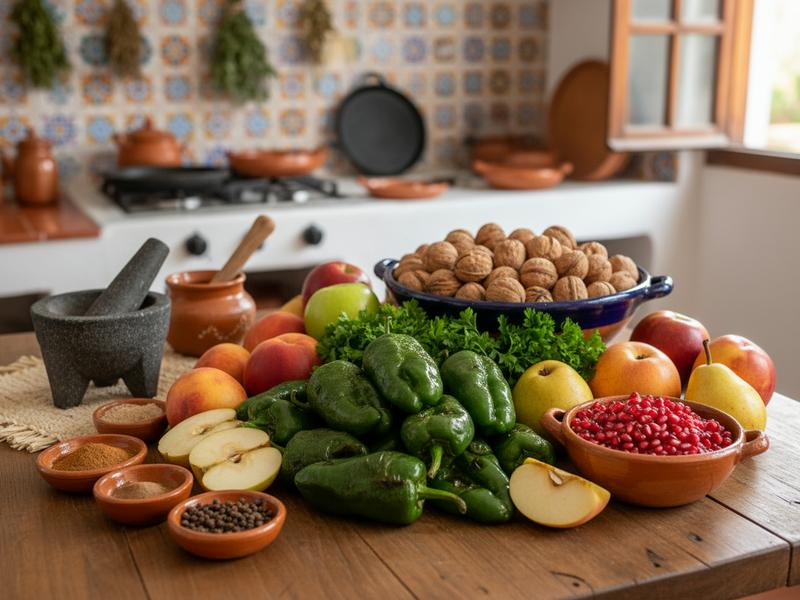
A chile en nogada starts with a roasted poblano pepper. The pepper is peeled, opened, and filled with a sweet-savory picadillo. That filling usually includes meat, orchard fruit, nuts, spices, and aromatics. The filled pepper is then covered with a pale walnut sauce and topped with pomegranate seeds and green garnish.
The visual symbolism is obvious: green, white, and red. That is why the dish is so closely tied to the patriotic season around Mexico’s Independence Day on September 16. But the flavor is more interesting than the colors. A good version is creamy, aromatic, lightly sweet, savory, and fresh at the same time. A bad version is heavy, cold, watery, or too sugary.
You will see two major style debates. The first is capeado or not capeado. Capeado means the stuffed pepper is battered and fried before sauce is added. Some diners love the extra richness and texture. Others prefer the cleaner, unbattered style. Puebla has strong opinions on both sides, so ask what the house does before ordering.
The second debate is temperature. Many restaurants serve the chile warm or at room temperature with a cool walnut sauce. Do not expect the sauce to arrive piping hot. That contrast is part of the experience, and it also keeps the walnut flavor from turning dull.
The Secretaría de Agricultura y Desarrollo Rural regularly highlights the seasonal ingredients behind Mexican food traditions, while Puebla’s tourism ecosystem treats August and September as the core window for this dish. Use official pages for broad context, but rely on current restaurant announcements for exact yearly dates.
Best Places to Eat Chiles en Nogada
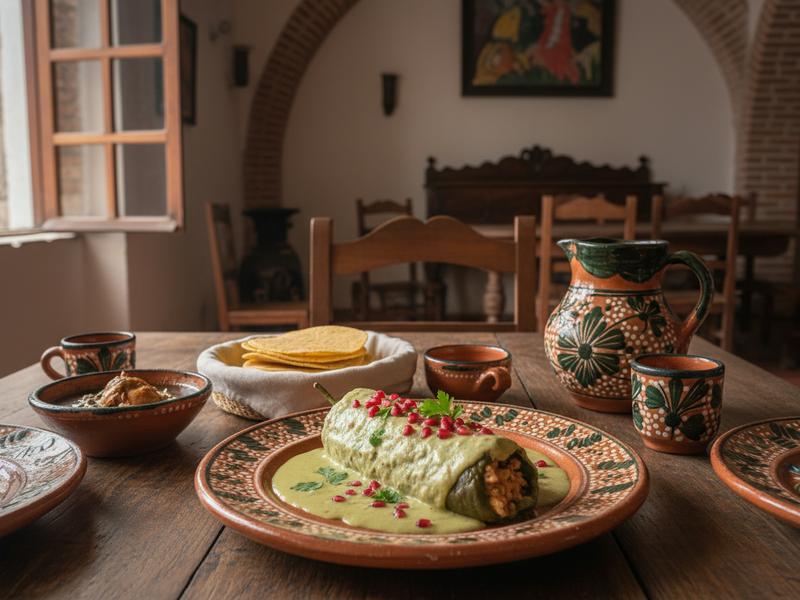
Puebla is the first choice. The city gives you the dish, the architecture, the Talavera, the convent-food context, and an easy weekend structure. You can build the trip around one serious lunch, then use the rest of the day for the cathedral area, the Biblioteca Palafoxiana, Calle de los Dulces, and a slow evening. Use our Puebla travel guide and things to do in Puebla to plan the non-food hours.
Mexico City is the easier choice. It has nonstop flights, more hotel depth, better nightlife, and strong restaurant range from traditional dining rooms to chef-led seasonal menus. The tradeoff is context. A Mexico City chile can be excellent, but the city can make the meal feel like one reservation among many. Use Mexico City food guide and best restaurants in Mexico City if you want a food-first capital trip.
Atlixco and Cholula can work as Puebla add-ons, not replacements. They are better for scenery, gardens, churches, and a slower day around Puebla state. If you want the classic food trip, sleep in Puebla and use these towns as side trips.
Hotel restaurants can be worth considering during the season because they often publish menus early and take reservations clearly. Traditional restaurants can feel more local and may offer better value. The smartest plan is one traditional Puebla lunch and one more polished version if you have two meal slots.
Best Time to Go in 2026
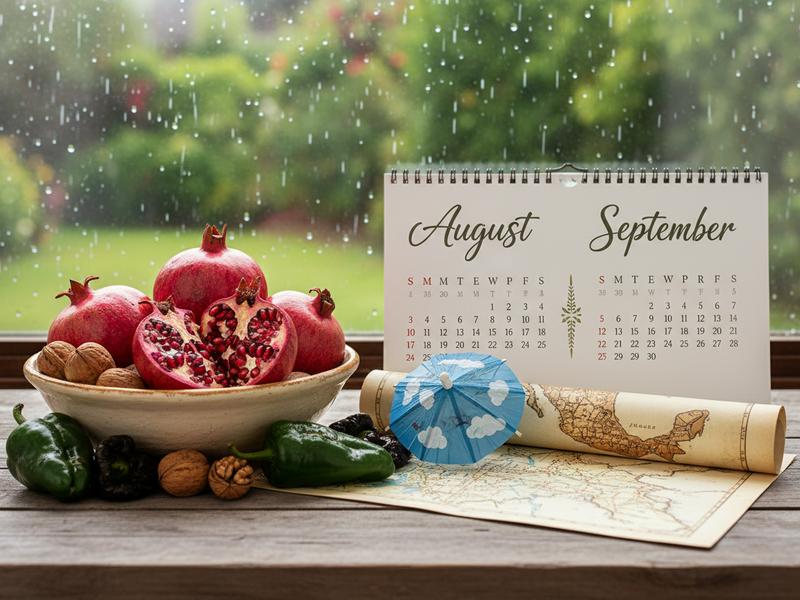
For 2026, plan around late July through mid-September, then treat August 1 to September 15 as the main travel window. Exact restaurant start dates change each year because chefs wait for ingredients, but by August most serious Puebla and Mexico City menus should be active.
Early season is exciting but less predictable. Late July can produce first menus, previews, and press events, but not every restaurant is ready. Early August is safer. Late August is often the best balance because ingredients are fully in season, schools are returning, and the patriotic rush has not peaked. September 1-15 gives maximum Independence Day mood but more reservation pressure.
The week around September 15 and 16 needs care. It can be fun if you want flags, Grito celebrations, and a patriotic dinner, but it is not the best time to improvise. Reserve hotels, lunches, and transport. In Puebla, central hotels can fill on weekends. In Mexico City, popular restaurants may require reservations weeks ahead. Use the Mexican Independence Day food guide to plan the rest of the holiday menu.
Weather is part of the decision. This is rainy season in central Mexico. Rain often arrives in afternoon or evening bursts rather than all-day washouts, so plan long lunches, museums, and flexible evenings. Puebla in August and Puebla in September are useful companions for weather and city pacing.
Puebla vs Mexico City for Chiles en Nogada
| Choice | Pick this if | Watch out for |
|---|---|---|
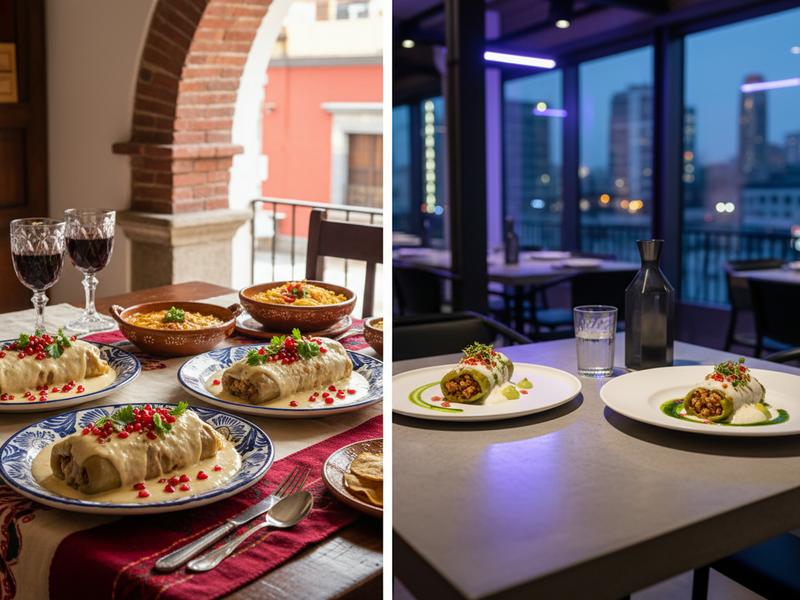
| Puebla | You want origin context, colonial center walks, Talavera, lower hotel costs, and a food weekend. | Fewer flights, weekend reservation pressure, and a quieter nightlife scene. |
| Mexico City | You want easy flights, stronger hotel range, more restaurant variety, museums, and nightlife. | Higher plate prices and less direct connection to the dish’s Puebla roots. |
| Day trip from Mexico City to Puebla | You have limited time and want one serious lunch without changing hotels. | The meal can feel rushed unless you take an early bus or private transfer. |
| Two-city route | You want the best version: 2 nights CDMX, 2 nights Puebla. | You need to plan luggage, transport, and reservations in the right order. |
If this is your first chiles en nogada trip, Puebla is the better answer. The dish makes more sense there. You can eat it for lunch, walk the center, compare sweets, and understand how the food fits the city.
If this is your first Mexico trip overall, Mexico City may be easier. You can add one Puebla day trip using the Mexico City to Puebla route guide, then return to a capital hotel. That is not as atmospheric as sleeping in Puebla, but it reduces friction.
Do not overcomplicate the decision. If food is the point, Puebla. If the whole trip needs flights, museums, nightlife, and one seasonal meal, Mexico City.
Costs, Reservations, and Booking Strategy
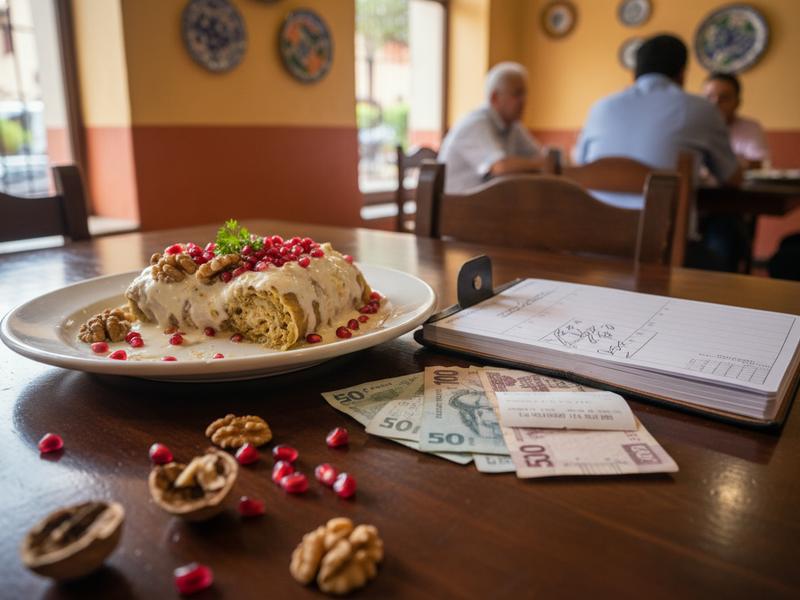
Budget 280-650 MXN ($16-$38 USD) for a strong Puebla restaurant version. In Mexico City, budget 350-900 MXN ($20-$53 USD). A luxury hotel, chef tasting menu, or wine pairing can push the meal higher. Use 17 MXN to $1 USD as a rough planning rate, then check current exchange rates before booking.
Build a Puebla weekend like this: one proper chile en nogada lunch, one mole poblano meal, one casual cemita or market stop, and enough walking to keep the trip balanced. If every meal is heavy, the weekend starts to feel like work. Our what to eat in Puebla guide helps round out the food plan.
Reserve by phone, WhatsApp, website, or social media depending on the restaurant. In Mexico, restaurants often announce seasonal dishes on Instagram before updating websites. That does not mean you need to chase hype; it means you should confirm hours, price, and serving dates close to your trip.
For hotels, reserve central Puebla stays early for weekends from mid-August through September 16. If you are driving, confirm parking. If you are using buses, stay near the historic center or plan a taxi from CAPU. If you are coming from Mexico City, compare bus timing with the route guide before choosing lunch hour.
Two Chiles en Nogada Itineraries
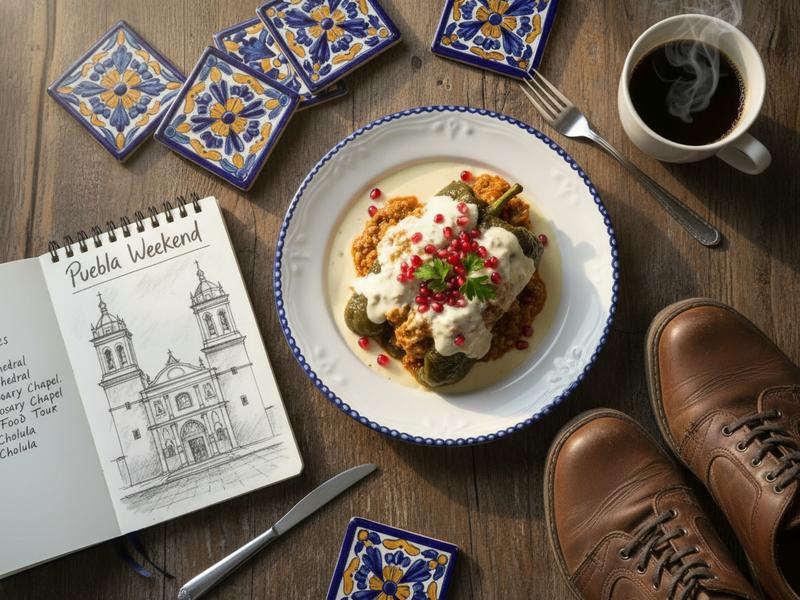
Puebla weekend, 2 nights: arrive Friday evening, check into a central hotel, and keep dinner light. On Saturday, visit the cathedral area, Biblioteca Palafoxiana, and a Talavera stop before a reserved chiles en nogada lunch. Rest afterward. Use the evening for a short walk and dessert rather than another heavy meal. On Sunday, add Cholula, Atlixco, or a slower market morning before returning.
Mexico City plus Puebla, 4 nights: spend two nights in Mexico City for museums and one seasonal restaurant meal. Use Mexico City in August or Mexico City in September to decide timing. Then take an early bus or transfer to Puebla, sleep two nights, and make the Puebla lunch the emotional center of the trip.
If you want the lowest-friction version, stay in Mexico City and take a Puebla day trip. Leave early, arrive before lunch, walk the center, eat at 2:00 PM, then return in the evening. It works, but it gives you less time to digest the city and the meal.
The one mistake I would avoid: booking chiles en nogada for dinner after a full sightseeing day. The dish deserves appetite and attention. Lunch is kinder to your body and better for the rest of the trip.
Common Mistakes to Avoid
Do not wait until late September unless you have confirmed the restaurant is still serving the dish. Some kitchens keep it longer, but the best seasonal energy fades after Independence Day. Do not assume every Puebla restaurant has the same version either. Ask whether it is capeado, whether the sauce is sweet or restrained, and whether reservations are needed.
Do not make the whole day too heavy. Mole, cemitas, chalupas, sweets, and chiles en nogada are all worthwhile, but not all at once. Give the chile its own lunch and save other Puebla classics for a second day or a different trip.
Do not ignore rain. Central Mexico rainy season is manageable, but shoes, umbrellas, taxi timing, and flexible evenings matter. The dish is a strong rainy-day anchor because lunch can stretch while the weather passes.
Finally, do not judge the dish only by appearance. Many plates look beautiful. The real test is balance: pepper, filling, walnut sauce, fruit, and pomegranate should taste connected. If the sauce tastes like dessert cream or the filling feels dry, the plate missed the mark.
How to judge a good plate
A strong chile en nogada should taste balanced before it looks photogenic. The poblano should still have character; it should not collapse into mush under the sauce. The filling should be moist, gently spiced, and layered with fruit rather than sugary. The walnut sauce should taste like walnuts first, cream second, and sugar last. Pomegranate should brighten the bite instead of acting as decoration only.
When you compare restaurants, pay attention to the details that are easy to miss. Does the sauce have texture or does it taste industrially smooth? Does the filling include enough fruit to make the season obvious? Is the chile served with care, or does it arrive like a banquet plate that has waited too long? These cues matter more than the number of social-media posts a restaurant has.
Who should plan a trip around it
This is a great food trip for travelers who like regional dishes, seasonal menus, and slow lunches. It is less ideal for travelers who want light beach food, quick service, or a menu where every dish is available at any hour. Chiles en nogada is deliberately heavy, ceremonial, and tied to place.
The dish also works well for repeat Mexico travelers. If you already know Mexico City, Oaxaca, or the Yucatán, a Puebla food weekend in August gives you a fresh reason to return. It feels different from Day of the Dead, Semana Santa, or Christmas because the center of gravity is one plate and one short season.
How to avoid tourist-trap versions
The easiest protection is to follow the calendar. A restaurant pushing chiles en nogada in March is not serving the experience this guide is about. During the real season, look for restaurants that explain their version clearly and treat the dish as part of a seasonal menu, not as an oversized photo prop.
Ask local hotel staff where they would take family for the dish, not only where tourists go. Check recent posts from the restaurant itself. Confirm price before sitting down if budget matters. A good restaurant will not be vague about whether the chile is available, how much it costs, or whether reservations are required.
How this cluster connects to the rest of your trip
The dish fits naturally into a broader central Mexico route. You can pair Puebla with Mexico City, Cholula, Atlixco, Oaxaca, or a slow food route through the highlands. It also works as a rainy-season anchor because the main event happens indoors at lunch.
If you are choosing between beach time and central Mexico, be honest about the season. August and early September are not the cleanest Caribbean beach months because sargassum and storm risk can be frustrating. That makes a food-led Puebla or Mexico City trip more attractive than forcing a beach vacation in the wrong weather window.
Practical booking sequence
Book the trip in this order. First, choose the city: Puebla for context, Mexico City for logistics. Second, choose the week: late August for ease, early September for patriotic atmosphere. Third, reserve the main lunch before filling the rest of the itinerary. Fourth, book the hotel close enough that rain, traffic, or a long meal will not create stress.
This order prevents the common problem of locking flights and hotels, then discovering that the restaurant you wanted is closed on your date or already full. It also helps you keep the trip realistic. A chiles en nogada weekend should feel like a seasonal reward, not a scavenger hunt.
What to tell your travel companions
Not everyone understands why a single dish deserves planning. Explain it simply: this is a short-season Mexican food tradition tied to late-summer ingredients and Independence Day colors. You are not just booking lunch; you are timing the trip around a dish that only feels right for a few weeks each year.
That framing helps with pacing. It justifies a lighter breakfast, a slower afternoon, and fewer competing reservations. It also helps people who usually prefer beaches or nightlife understand why Puebla or Mexico City makes sense during a rainy-season month.
Accessibility and comfort notes
If anyone in your group has mobility needs, choose restaurants with easy taxi access and call ahead about stairs, bathrooms, and table spacing. Puebla’s historic center is beautiful but uneven in places, and rain can make sidewalks slick. Mexico City has more accessible hotel and restaurant options, but distances are larger.
Dietary needs require direct questions. Traditional chiles en nogada usually includes meat and dairy. Vegetarian, vegan, gluten-free, or nut-allergy versions should never be assumed. If someone has a walnut allergy, this is not the dish to gamble with.
My recommendation for most travelers
If I were planning this as a first seasonal food trip, I would choose Puebla for two nights in the second half of August. That gives you the best balance of ingredient timing, restaurant availability, hotel value, and manageable crowds. I would reserve one traditional lunch, keep the evening light, and use Sunday for either Cholula or a slow Puebla morning.
If the trip needs international flights, museums, and nightlife, I would base in Mexico City and add one serious chiles en nogada lunch there. If the group is split, do both: two nights in Mexico City, two nights in Puebla, and compare the versions without rushing.
Quick decision guide
Choose Puebla if you want the dish to define the trip. Choose Mexico City if you want the dish to enhance a larger trip. Choose late August if you want easier planning. Choose early September if you want more patriotic energy. Choose lunch over dinner unless your schedule leaves no other option.
That simple framework is more useful than chasing one supposedly perfect restaurant. Chiles en nogada is about timing, setting, and balance. Get those right and the exact address matters less.
Final planning checklist
Before you book, confirm four things: your restaurant is serving the dish on your exact date, the price fits your budget, the style matches your appetite, and your hotel location makes lunch easy. Then check rainy-season pacing, leave room after the meal, and avoid scheduling another major food event that same day.
For Puebla, protect the weekend and keep the center close. For Mexico City, protect the neighborhood plan and avoid cross-town transfers. For either city, treat chiles en nogada as the main lunch of the day. That one decision fixes most itinerary problems before they happen.
If your schedule is flexible, choose the trip that gives the meal breathing room. A calm lunch with one good walk before and one easy evening after will do more for the memory than a crowded itinerary built around too many famous names.
Useful official resources
For broader trip planning, check the official Visit Mexico portal and Mexico’s Secretaría de Turismo. For seasonal ingredient context, the Secretaría de Agricultura y Desarrollo Rural is the most relevant federal source.
Final Take
Chiles en nogada is one of the easiest Mexico food trips to justify because the calendar does the filtering for you. You cannot get the full experience any month you want. You go when the ingredients, restaurants, and patriotic mood line up.
For most travelers, the winning plan is simple: book Puebla for two nights in August or early September, reserve one serious lunch, and build the rest of the weekend around the city rather than around more reservations. If Puebla is too much friction, use Mexico City as the base and make the dish one seasonal anchor inside a broader capital trip.
This cluster gives you the next steps: where to eat chiles en nogada in Puebla, where to eat chiles en nogada in Mexico City, chiles en nogada season timing, and a Puebla chiles en nogada weekend itinerary. Start with the destination that fits your route, then protect the lunch. That is where the trip pays off.