Mexico in September 2026: Weather, El Grito & Where to Go
Mexico in September: Who Should Go
Mexico in September is best for travelers who want lower prices, national celebrations, seasonal food, and Pacific coast wildlife more than guaranteed beach weather. Foreign tourism drops to one of its lowest points of the year, hotel rates can fall 30–50% below December levels, and the country turns its full attention to Independence season.
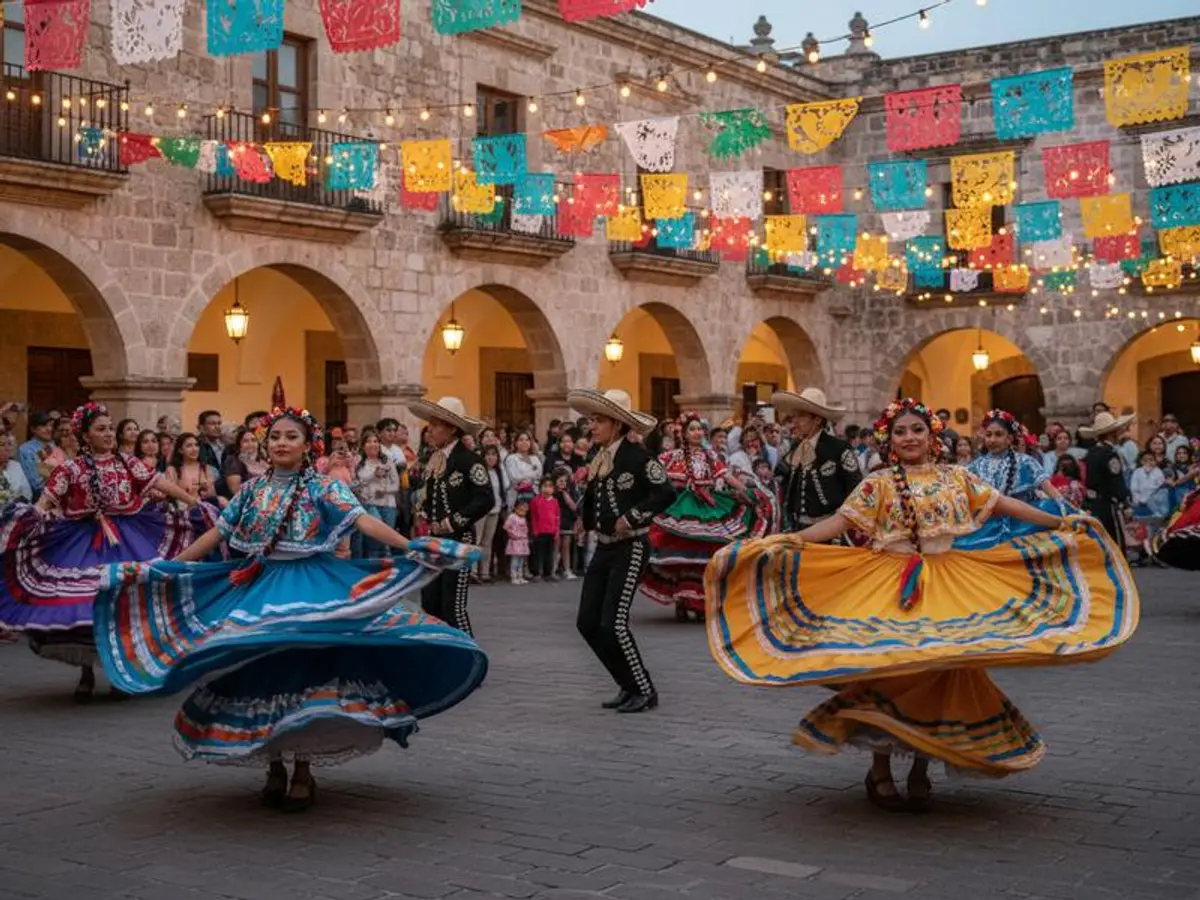
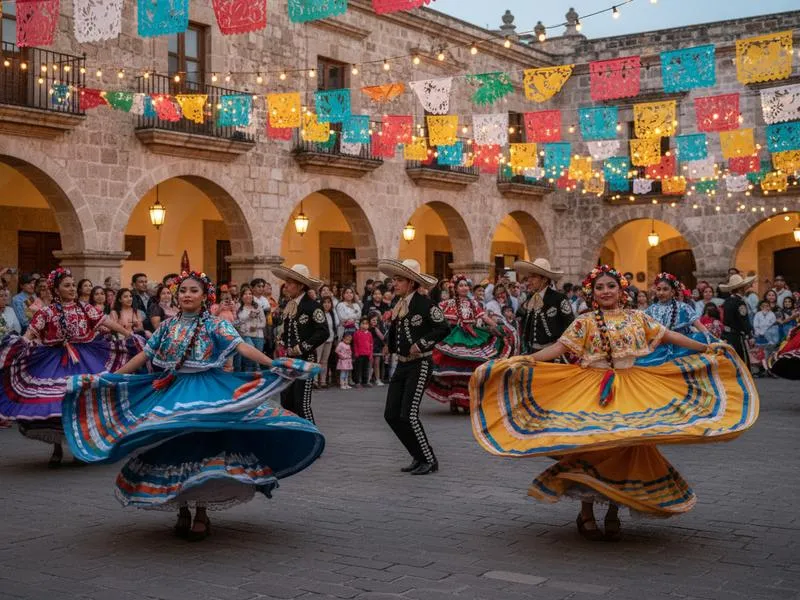
On the night of September 15, El Grito de Independencia rings out from plazas across Mexico. It is the most important civic celebration of the year, and visitors who usually only see Mexico through beaches, resorts, or spring-break timing get a completely different version of the country. Exact ceremony times vary, so confirm the local program rather than assuming every city follows the national broadcast minute by minute.
The tradeoff is real: September is deep rainy season, hurricane season peaks in the Atlantic, and Caribbean beach resorts need flexible plans. The strongest trips lean toward Mexico City, Puebla, Oaxaca, Guanajuato, Pacific turtle beaches, Baja, and highland routes where afternoon rain does not ruin the whole itinerary.
September 2026 At a Glance
| Early September (1–14) | Late September (15–30) | |
|---|---|---|
| Crowds | Very low (US school fully in session) | Spike Sep 15–16, then low again |
| Prices | 30–50% below peak | Same except Sep 15–16 premium |
| Weather | Rainy season continues | Rainy season, beginning to ease |
| Hurricane risk | Active (Caribbean) | Still active through Oct |
| Sargassum | High on Caribbean coast | Beginning to decrease |
| Whale sharks | Final weeks at Holbox/IM | Season ends late September |
| Sea turtles | Nesting peak (Pacific) | Nesting peak continues |
| Day of Dead | Book NOW (6 weeks out) | Book NOW (5–6 weeks out) |
Recently Updated September Guides
Use this guide as the national overview, then move into the city or region page that matches your trip style:
- Historic El Grito route: Dolores Hidalgo in September, Guanajuato in September, Real del Monte in September, and Valladolid in September cover the smaller plazas, weather tradeoffs, hotel timing, and Independence Day logistics that matter once you choose a town.
- Yucatan and Caribbean planning: Campeche in September, Izamal in September, Valladolid in September, Tulum in September, Playa del Carmen in September, Cozumel in September, and Bacalar in September separate inland heat, cenote mornings, storm-season flexibility, and reef or lagoon backup plans.
- Culture and mountain weather: Oaxaca in September, Puebla in September, Mexico City in September, Xilitla in September, and Zacatecas in September are stronger choices when food, museums, plazas, waterfalls, and cooler nights matter more than guaranteed beach sun.
El Grito de Independencia — September 15, 2026
El Grito is not a tourist event. It’s Mexico talking to itself — remembering Father Miguel Hidalgo’s call to revolt in Dolores in the early hours of September 16, 1810, and the eleven-year struggle that followed. Mexico now commemorates that moment with ceremonies on the night of September 15. The national ceremony is held at Palacio Nacional, while states and municipalities publish their own schedules. Our Mexican Independence Day guide explains the history, dates, costs, safety, and nationwide celebration in more detail.
2026 program status (checked August 9): Mexico’s official civic calendar confirms the September 15 commemoration, but the detailed 2026 Zócalo concert, public-access, security, and road-closure plan has not yet been published. Treat artist names, gate times, and exact arrival advice as pending until federal and Mexico City authorities release the final program.
The ceremony: The municipal president (or the national president in Mexico City) steps onto the balcony of the government building facing the main plaza. He recites the names of the independence heroes — Hidalgo, Morelos, Allende, Josefa Ortiz de Domínguez, La Corregidora. The crowd shouts “Viva!” after each name. Then three times: “Viva México!” The bell rings. Fireworks explode. The plaza erupts.
September 16 is the official Independence Day — military parades, school marching bands, charreadas (Mexican rodeos), and street fairs throughout the day.
Best Places for El Grito in 2026
Start with our best places to celebrate Mexican Independence Day comparison if you are choosing between crowd size, historic importance, food, weather, and hotel availability. For detailed logistics, use the dedicated Mexico City Independence Day guide or Dolores Hidalgo Independence Day guide.
| Location | Experience | Crowd Level | Why Go |
|---|---|---|---|
| Mexico City Zócalo | National ceremony, major crowds, and a program announced closer to the date | ★★★★★ | The main event — historic scale |
| Dolores Hidalgo | Most historically significant — Hidalgo’s original church still standing | ★★★ | Authentic pilgrimage to the birthplace |
| Guanajuato City | Spectacular hillside setting, candlelit processions, university energy | ★★★★ | Most photogenic colonial celebration |
| San Miguel de Allende | International crowd + Mexican families, La Parroquia backdrop, festive plaza | ★★★★ | Festive atmosphere, well-organized |
| Guadalajara | Jalisco capital energy, mariachi, food, fireworks, big-city plazas | ★★★★ | Western Mexico culture without CDMX scale |
| Tequila | Smaller Jalisco plaza, green agave fields, distillery tours, Guadalajara add-on ease | ★★ | Pueblo Magico El Grito without big-city scale |
| Oaxaca City | Traditional dances, mezcal, regional music, craft markets | ★★★ | Cultural depth, Oaxacan flavor |
| Pátzcuaro / Morelia / Mérida / Valladolid | Smaller-city plaza ceremony, intimate, easier than CDMX | ★★ | Local Independence Day atmosphere without mega-city crowds |
Practical tips:
- Central hotels in Mexico City and Guanajuato face their strongest September demand around Sep 15–16 — book early if location matters
- September 16 is a national holiday — banks, government offices, and some restaurants close
- Mexico City Zócalo on Sep 15: use the final official access and security notice before choosing an arrival time; central streets and Metro access can change
- In smaller cities: check the municipality’s official program and confirm access with your hotel rather than assuming the national ceremony time
- Compare refundable hotel rates for Sep 14–16; holiday demand is highly location-specific
Wildlife in September: The Pacific Coast Peaks
Sea Turtles: Peak Nesting Season
September is peak olive ridley sea turtle season on Mexico’s Pacific coast. Playa Escobilla near Puerto Escondido is one of the most extraordinary wildlife spectacles on the planet — mass synchronized arrivals called arribadas bring up to 100,000 turtles in a single night. These events happen 8–12 times per year, but September and October are peak months for frequency and size.
- Where: Playa Escobilla, 50 km east of Puerto Escondido (Oaxaca state)
- When: June–November, peak September–October
- Access: Guided visits only (required by regulation) — 200 MXN/person, guides available through Puerto Escondido tour operators
- Timing: Arrivals begin at sunset, peak 9 PM–midnight
- Note: Individual nesting (not mass arrivals) happens every night through November
Other September turtle sites:
- Sayulita, San Pancho, and Puerto Vallarta: hatchling releases July–November (still active)
- Akumal (Caribbean): green sea turtles year-round in the bay (morning snorkel, 6–9 AM)
Whale Sharks: Final Weeks
The Holbox and Isla Mujeres whale shark aggregation runs June through September. By late September, numbers thin as the sharks disperse for deeper Atlantic waters. Early September still offers good whale shark encounters.
- Holbox: Season typically ends mid-to-late September. Check with operators the week before — they know when the sharks leave
- Isla Mujeres: Similar timing. If arriving in late September, call operators to confirm current activity
- La Paz whale sharks: Season is October–May — La Paz (Baja California Sur) is closed for whale sharks in September but opens next month
If September whale sharks are uncertain, pivot: La Paz is still good for beaches, Balandra, Espiritu Santo, and dry Baja weather, but whale shark timing is stronger from October onward.
Bioluminescence: Still Active
Bioluminescence remains active through October. September is the tail end of peak season.
- Holbox: Kayak or paddleboard tours in the lagoon (June–October active, Aug–Sep peak)
- Laguna Manialtepec (Puerto Escondido): Night kayak and boat tours, 200–350 MXN, still excellent in September
- Zicatela (Puerto Escondido): Free — shoreline bioluminescence most nights in September
The Chiles en Nogada Season (Late July–September)
September is the final core month of chiles en nogada season — Mexico’s most patriotic dish and one of the country’s defining seasonal food experiences. Puebla’s traditional ingredient window runs from late July through September; August and early September are the safest dates, while availability can narrow later in the month. Check the current chiles en nogada season guide before booking a trip around one meal.
The dish: A large roasted poblano chile, stuffed with picadillo (spiced meat with peach, pear, plantain, almonds, and raisins), covered in a cold white walnut cream sauce, and garnished with red pomegranate seeds and fresh parsley — the colors of the Mexican flag. Created in Puebla in 1821. Still served cold, not reheated.
Where to eat it:
- Puebla — the origin city, best versions everywhere from market stalls (150 MXN) to fine dining (350–600 MXN)
- Mexico City — every traditional restaurant in September; Mercado de Medellín and Mercado Medellín Roma are reliable
- San Cristóbal de las Casas — local interpretation with regional ingredients
- Oaxaca — seasonal menus across the city
September is the month to eat chiles en nogada. It’s the single most culturally important food you can eat in Mexico, and September is when the ingredients are best. Use our Mexican Independence Day food guide to compare chiles en nogada with pozole, tostadas, pambazos, and regional celebration dishes.
Day of the Dead: Book Now for November
November 1–2 is exactly 6–8 weeks away in September. This is your last window to book without paying premium rates or missing out entirely.
Oaxaca and Pátzcuaro — the two most celebrated Day of the Dead destinations — sell out weeks before the holiday. Every year, thousands of travelers try to book in October and find nothing available under $200/night.
Day of the Dead Booking Guide
| Destination | Book By | Why It’s Special | Sept Price vs Nov 1 |
|---|---|---|---|
| Oaxaca City | Book now | Giant calavera parade, sand tapetes, mezcal toasts at cemeteries | $60–120/night vs $200–400/night |
| Pátzcuaro | Book now | Michoacán lake island traditions, canoe processions at Janitzio | $50–90/night vs $150–250/night |
| Tzintzuntzan | Book Oct | Purépecha village, candlelit cemetery, craft market | Low demand — October OK |
| CDMX | September | Giant skull parade on Reforma, UNESCO-listed since 2008 | $80–150 vs $200+ |
| San Andrés Mixquic | September | Chalma area, floating candles on canals, less touristic | Limited rooms, book early |
Recommended hotels fill by: October 1 in Oaxaca, October 10 in Pátzcuaro. Mid-range options often go by September 15.
The monarchs begin arriving in Michoacán in late October — if you combine Day of the Dead (Nov 1–2) in Pátzcuaro with monarch butterflies (early November), you need flights and hotels booked in September.
Where to Go in September
Best September Destinations
Oaxaca City + Pacific Coast September in Oaxaca means: empty museums, fresh chiles en nogada menus, sea turtle nesting 90 minutes away at Playa Escobilla, and prices 40% below December. El Grito in Oaxaca’s main plaza (September 15) combines traditional Zapotec dances with independence ceremonies — one of the most distinct regional celebrations in the country.
Mexico City Mexico City is the national stage for El Grito, peak chiles en nogada season, and one of the most weather-proof September city breaks because museums, restaurants, neighborhoods, and hotels still work when afternoon rain arrives. Book early if you want to be near the Zocalo on September 15. Add Valle de Bravo in September if you want a cooler lake-and-mountain weekend from CDMX with smaller local Independence Day energy.
Puebla Puebla is the most meaningful September food trip for chiles en nogada because the dish is tied directly to the city, Independence Day colors, and late-summer ingredients. Add mild highland weather, Talavera, Cholula, Val’Quirico, mole, and a compact historic center, and Puebla becomes one of the easiest rainy-season culture breaks.
Tlaxcala Tlaxcala is the quieter Puebla-adjacent September add-on for local El Grito plazas, Cacaxtla mornings, pulque stops, hacienda meals, green highlands, and easy access to chiles en nogada season without basing every night in a bigger city.
Huamantla Huamantla is the calmer post-fair September pick for a Pueblo Magico stay, puppet museum, basilica, hacienda routes, green Tlaxcala highlands, and a smaller local El Grito. Choose it when you want the town after August’s flower-carpet intensity rather than during the main fair.
Cuetzalan Cuetzalan is the Sierra Norte September add-on for coffee, misty mountain streets, waterfalls, caves, and a smaller local El Grito after Puebla. Choose it when rainy-season atmosphere and Pueblo Mágico culture matter more than easy roads or guaranteed dry outdoor time.
Zacatlán Zacatlán is the easier Puebla mountain add-on for cider shops, bakeries, cabins, cool Sierra Norte weather, and a smaller local El Grito. Choose it when you want apple-town atmosphere after the August fair without committing to Cuetzalan’s wetter, slower route.
Guadalajara Guadalajara is the September pick for Jalisco food, mariachi, tequila country, Tlaquepaque, rainy-season museums, and a major-city El Grito that feels deeply Mexican without requiring Mexico City’s Zocalo-scale crowds. It is especially useful if you want culture before or instead of Puerto Vallarta beach time.
Tequila Tequila is the focused Jalisco September add-on for green agave fields, distillery tours, Pueblo Magico streets, and a smaller local El Grito near Guadalajara. Choose it when the landscape and tequila-country atmosphere matter more than museums or big-city nightlife.
Ajijic Ajijic is the Lake Chapala September pick for mild rainy-season weather, green hills, galleries, local El Grito atmosphere, and an easy Guadalajara add-on. Choose it when you want a softer Jalisco escape with lake walks and hotel comfort instead of a full city itinerary.
Veracruz Veracruz is the Gulf Coast culture pick for seafood, danzon, son jarocho, local El Grito energy, Boca del Río hotel comfort, and a less polished port-city rhythm. Choose it only with heat, humidity, rain, and storm-season flexibility in mind; it is a city-and-food trip before it is a beach trip.
Villahermosa Villahermosa is the Tabasco September pick for La Venta Museum Park, cacao routes, Comalcalco, local El Grito energy, and southeast Mexico routing toward Chiapas, Campeche, or Veracruz. Choose it when Olmec sculpture, regional food, and cacao culture matter more than comfortable weather.
Tuxtla Gutierrez Tuxtla Gutierrez is the practical Chiapas September base for Sumidero Canyon mornings, Chiapa de Corzo, local El Grito timing, airport logistics, and routes toward San Cristobal or Palenque. Choose it when canyon access and movement matter more than cool highland atmosphere.
Palenque Palenque is the Chiapas jungle-and-ruins pick for September, with green Maya temples, local El Grito timing, waterfall caveats, and onward routes toward Villahermosa, Campeche, or Merida. Choose it when archaeology and route value matter more than dry trails or cool weather.
Minatitlan Minatitlan is the southern Veracruz logistics pick for the Minatitlan-Coatzacoalcos airport, Coatzacoalcos access, local El Grito timing, and routes toward Tabasco or Chiapas. Choose it when airport convenience and regional movement matter more than polished sightseeing.
Coatzacoalcos Coatzacoalcos is the southern Veracruz Gulf Coast pick for seafood, malecon evenings, Las Barrillas, local El Grito timing, and routes toward Los Tuxtlas, Tabasco, or Chiapas. Choose it when a practical waterfront base matters more than polished resort weather.
Tampico Tampico is the northern Gulf Coast September pick for Miramar Beach windows, seafood, tortas de la barda, Laguna del Carpintero, local El Grito, and practical route value. Choose it when regional food and a flexible city-beach stop matter more than polished resort weather.
Reynosa Reynosa is the September border-logistics pick for McAllen links, family visits, work, paperwork, medical appointments, local Independence Day timing, and storm-aware Tamaulipas routing. Choose it only when the border or a specific local reason matters more than leisure appeal.
Papantla Papantla is the northern Veracruz culture-route pick for El Tajín mornings, Voladores traditions, vanilla, local El Grito, and a smaller Pueblo Mágico rhythm. Choose it when archaeology and Totonac culture matter more than hotel depth or broad rainy-day backup.
Xalapa Xalapa is the cooler Veracruz highland pick for coffee, museums, Coatepec and Xico day trips, misty green hills, and a smaller local El Grito. Choose it when Gulf Coast culture appeals but you want mountain weather and stronger rainy-afternoon backup than Veracruz city.
Coatepec Coatepec is the focused Veracruz coffee-town add-on for cafés, green highland streets, Xico routes, and a quieter local El Grito near Xalapa. Choose it when coffee atmosphere and small-town evenings matter more than museums or transport convenience.
Xico Xico is the Veracruz highland September add-on for waterfalls, mole, green mountain scenery, and a walkable small-town El Grito near Coatepec and Xalapa. Choose it when food, waterfalls, and rainy-season atmosphere matter more than hotel depth or big-city backup plans.
Orizaba Orizaba is the compact Veracruz highland route stop for Pico de Orizaba atmosphere, the cable car, Palacio de Hierro, river walks, cool rainy-season weather, and a local El Grito between Puebla and Veracruz. Choose it when mountain views and highway logistics matter more than Xalapa’s deeper coffee-and-museum base.
Campeche Campeche is the quieter Gulf/Yucatán walled-city pick for seafood, Edzná mornings, local El Grito, low-season hotel value, and a slower UNESCO-center rhythm than Mérida or Veracruz. Choose it only with serious heat, humidity, rain, and storm-season flexibility in mind.
Valladolid Valladolid is the inland Yucatán ruins-and-cenotes pick for Chichén Itzá mornings, Ek Balam, local El Grito, September equinox energy, and a compact route stop between the Riviera Maya, Mérida, Bacalar, or Campeche. Go only with early starts, strong A/C, mosquito repellent, and storm-season flexibility.
Izamal Izamal is the smaller Yucatán yellow-city September stop for San Antonio de Padua, Kinich Kakmó, local El Grito, Yucatecan lunch, and cenote or Merida pool backups. Choose it as an early half day, not a long exposed walking day.
Morelia Morelia is a practical Michoacan city base for El Grito, cathedral nights, rainy-season museums, regional food, and day trips toward Pátzcuaro or Santa Clara del Cobre. Choose it over Pátzcuaro if you want deeper hotel choice, restaurants, and easier logistics while still staying close to lake-village culture.
San Cristóbal de las Casas San Cristóbal is the cool-weather Chiapas highland pick for September, with Indigenous markets, local El Grito energy, food, village day trips, and flexible rainy-season pacing. Choose it when you want culture and lower temperatures instead of beaches or big-city celebrations.
Taxco Taxco is the smaller colonial-city September pick for silver shopping, Santa Prisca, green mountain views, and a local El Grito around Plaza Borda. It works best as a two-night Mexico City side trip when you want Independence Day atmosphere without a giant-city crowd.
Cuernavaca Cuernavaca is the warm Morelos September pick for pool hotels, gardens, local Independence Day atmosphere, and an easy Mexico City escape. Choose it when rainy-season comfort, short travel time, and flexible hotel downtime matter more than big-city sightseeing.
Tepoztlán Tepoztlán is the Pueblo Mágico September pick near Mexico City for green cliffs, El Tepozteco mornings, market food, spa hotels, and a smaller local El Grito. Choose it when you want a short mountain-town escape with rainy-season flexibility instead of a full colonial-city itinerary.
Puerto Morelos Puerto Morelos is the quiet Riviera Maya September pick for lower rates, warm water, reef attempts, cenote backups, and easy Cancún Airport logistics. Choose it only if flexible plans, refundable lodging, and weather buffers matter more than guaranteed beach conditions.
Akumal Akumal is the turtle-and-cenote September pick for travelers who want a quieter Riviera Maya base and can accept peak storm-season risk. Choose it only with refundable lodging, early snorkel windows, pool backup, and flexible plans for sargassum or tropical weather.
Zacatecas Zacatecas is the central-northern culture pick for September if you want El Grito, Feria Nacional de Zacatecas energy, mines, museums, cable-car views, and a less obvious colonial-city route. Choose it over San Miguel or Guanajuato when value, viewpoints, and mining history matter more than polished international-traveler infrastructure.
Durango Durango is the northern September route pick for local El Grito energy, western film sets, green Sierra Madre side trips, museums, sotol, and practical links toward Mazatlán, Zacatecas, Chihuahua, or Torreón. Choose it when road-trip texture and regional food matter more than polished tourist infrastructure.
Monterrey Monterrey is the big northern-city September pick when restaurants, business hotels, museums, Fundidora, mountain views, and easier flight logistics matter more than a famous Independence Day plaza. Choose it with heat, humidity, and storm-flexible evenings in mind.
Saltillo Saltillo is the calmer Coahuila September stop for a local El Grito, the Desert Museum, sarape culture, northern food, Parras route ideas, and easier driving than Monterrey. Choose it when practical route value matters more than big-city nightlife.
Torreón Torreón is the practical La Laguna September stop for Cristo de las Noas, Museo Arocena, northern food, local El Grito energy, and Coahuila-Durango route logistics. Choose it when family, work, or road-trip planning matters more than polished sightseeing weather.
Gómez Palacio Gómez Palacio is the Durango-side La Laguna September stop for local El Grito timing, A/C hotels, family visits, errands, and routes toward Torreón, Lerdo, Mapimí, or Durango. Choose it when the logistics sit west of Torreón and usefulness matters more than vacation atmosphere.
San Luis Potosi San Luis Potosi is the flexible central-northern September base for El Grito, museums, enchiladas potosinas, Huasteca gateway logistics, Real de Catorce routes, and a less visitor-shaped city rhythm than the better-known colonial circuit. Choose it when route variety matters more than postcard polish.
Real de Catorce Real de Catorce is the remote high-desert September pick for cool nights, rainy-season stone streets, Ogarrio Tunnel logistics, and a smaller local El Grito atmosphere. Choose it when Pueblo Magico mood matters more than easy hotels or big-city celebration infrastructure.
Matehuala Matehuala is the practical high-desert September stop for Real de Catorce access, local El Grito timing, secure parking, A/C hotels, and routes between San Luis Potosi, Saltillo, Monterrey, and Zacatecas. Choose it when logistics matter more than a polished sightseeing base.
Leon Leon is the practical Guanajuato-state September base when leather shopping, business hotels, airport access, restaurants, and easier road logistics matter more than postcard atmosphere. Use it as the comfort-and-shopping hinge between Guanajuato City, Dolores Hidalgo, San Miguel de Allende, Querétaro, or Guadalajara.
Irapuato Irapuato is the practical Guanajuato-state September base when strawberries, lower-pressure hotels, local El Grito atmosphere, and easy routes to Guanajuato, Leon, Dolores Hidalgo, Salamanca, and San Miguel de Allende matter more than headline colonial-city drama.
Salamanca Salamanca is the functional Guanajuato-state September stop for baroque churches, local El Grito timing, business-style hotels, and road links between Irapuato, Guanajuato, Leon, Queretaro, and Michoacan. Choose it when route logic and San Agustin matter more than polished colonial-city atmosphere.
Aguascalientes Aguascalientes is the easier central Mexico September stop for a local El Grito, museums, wine-country weekends, San Marcos evenings, Calvillo side trips, and practical hotels between Leon, Zacatecas, San Luis Potosi, and Guadalajara. Choose it when comfort and route logic matter more than famous colonial drama.
Lagos de Moreno Lagos de Moreno is the quieter Jalisco-Bajio September stop for a smaller local El Grito, green highland roads, colonial streets, and practical overnights between Guadalajara, Leon, Aguascalientes, Guanajuato, and San Luis Potosi. Choose it when route logic and Pueblo Magico atmosphere matter more than big-city museums or nightlife.
Tequisquiapan Tequisquiapan is the softer September wine-country pick when you want a smaller El Grito, cheese routes, vineyards, balloons, spa hotels, Peña de Bernal side trips, and easier Pueblo Mágico pacing than the bigger colonial cities. Choose it when Querétaro logistics and countryside weekends matter more than a major Independence Day crowd.
Bernal Bernal is the sharper September pick when Peña de Bernal, green highland views, gorditas, a smaller local El Grito, and a compact Pueblo Mágico overnight matter more than hotel depth. Pair it with Tequisquiapan or Querétaro City if you want wine-country stops and stronger rainy-day backup.
Jalpan de Serra Jalpan de Serra is the Sierra Gorda September pick for Franciscan missions, green mountain roads, caves, dam views, and a smaller local El Grito. Choose it when the route and landscape matter more than easy rainy-afternoon backup or polished hotel depth.
Copper Canyon / Creel, Chihuahua
September is technically still rainy season in the Sierra Tarahumara, which means waterfalls are at maximum flow. Piedra Volada (453 m — twice the height of Niagara) and Basaseachi (246 m) are only flowing July–September. After late October, both diminish. September is the last month for canyon waterfalls at full power.
Chihuahua City Chihuahua is the practical September gateway for El Chepe, Pancho Villa history, northern food, and a local El Grito before heading into Copper Canyon. Choose it when city logistics, A/C hotels, and train access matter as much as green Sierra Tarahumara scenery.
Hermosillo Hermosillo is the practical Sonora September stop for local El Grito timing, Sonoran food, A/C hotels, Bahia de Kino access, and Highway 15 logistics. Choose it when airport, family, business, or route needs matter more than gentle walking weather.
Ciudad Obregón Ciudad Obregón is the southern Sonora September stop for Yaqui culture, Náinari Lagoon evenings, Sonoran food, local El Grito timing, and Highway 15 routing toward Guaymas, Álamos, Los Mochis, or Hermosillo. Choose it when food, family, work, or route logic matter more than mild weather.
Colonial Cities (Guanajuato, San Miguel de Allende, Querétaro) September has two distinct phases: quiet, cheap, and uncrowded from Sep 1–14 (best value month of the year for colonial cities), then El Grito energy September 15–16. After that, back to quiet through September 30. If you want colonial Mexico without the San Miguel crowds, early September is ideal.
Huasteca Potosina / Xilitla Tamul waterfall (105 m) and the turquoise rivers of the Huasteca are at their fullest in September. The waterfall cascade is four times wider than in dry season. September is the peak month for Huasteca landscapes, while Xilitla adds a Las Pozas-focused mountain stop for travelers who can handle humidity, slick paths, and rain-aware logistics.
Puerto Escondido, Huatulco, Mazunte, Zipolite, Zihuatanejo, Ixtapa, Puerto Vallarta, Punta Mita, Sayulita, San Pancho, Mazatlán, Manzanillo, Ensenada, Los Cabos, Cabo San Lucas, San Jose del Cabo, Todos Santos, Loreto, La Paz Sargassum-free, warm water, afternoon showers that clear by evening, sea turtle season in full force, prices 40–50% below high season. Huatulco is the protected-bay comfort pick for easier swimming and resort backup, Zihuatanejo is the bay-town value pick for La Ropa, Las Gatas, seafood, and no-sargassum planning, while Puerto Escondido is better for turtles, surf, and bioluminescence. Zipolite is the quieter clothing-optional Oaxaca Coast choice when no sargassum, warm water, low-season room pressure, and a flexible beach-town pace matter more than calm swimming. Punta Mita is the polished Riviera Nayarit resort choice for warm Pacific water, no sargassum, golf, pools, Marietas flexibility, and storm-aware luxury value. Sayulita is the small surf-town choice when warm water, turtle-release timing, and nightlife matter more than polished rainy-day infrastructure, while San Pancho is the quieter village base for slower evenings, boutique stays, and easy Sayulita/Punta Mita side trips. Manzanillo is the lower-key Colima coast choice for seafood, port-city texture, warm water, no sargassum, and hotel-centered value if you are comfortable with route and storm-season caveats. Ensenada is the dry northern Baja exception for seafood, La Bufadora, Valle de Guadalupe wine country, cooler Pacific water, and easier San Diego/Tijuana road access when tropical humidity is not the goal. Los Cabos is a stronger resort-value play than a wildlife pick in September, Cabo San Lucas is the marina-and-Medano version for travelers who want boat mornings, nightlife, pools, and flexible low-season rates, and San Jose del Cabo is the calmer art-and-dining base for quieter evenings, resort comfort, and airport ease. Todos Santos is the slower Pacific art-town add-on for galleries, food, sunsets, and boutique hotels when swimming is not the whole point, while Loreto is the quieter Sea of Cortez choice for islands, kayaking, warm water, and small-town evenings. All Baja choices need storm awareness and flexible booking. The surf swell at Zicatela (Puerto Escondido) builds through September — October is pipeline season, but September already sees serious surf.
Cozumel Cozumel is the Caribbean exception to consider only if the trip is reef-first. The west coast is better positioned than many mainland beaches for sargassum-aware diving and snorkeling, but September still means peak hurricane-season risk, humidity, rain, and the need for flexible ferry and hotel plans.
Isla Mujeres Isla Mujeres is the easiest Cancun-area island add-on in September if you want Playa Norte windows, seafood, low-season prices, and a possible final whale shark chance. Keep it flexible: September still brings sargassum uncertainty, ferry/weather disruption, humidity, and peak hurricane-season risk.
Bacalar Bacalar is the softer Caribbean-side exception if you want warm lagoon water, no sargassum, lower low-season prices, and a slower southern Quintana Roo trip. It still needs serious storm-season flexibility, but it works better than exposed beaches for travelers who can book a comfortable A/C hotel and use good lagoon-weather windows early.
What to Skip in September
| Destination | Reason to Skip in September |
|---|---|
| Cancún / Tulum / Playa del Carmen | Hurricane season peak (highest statistical risk in Aug–Oct), sargassum still possible, humidity extreme |
| Isla Mujeres | Not an automatic skip, but treat it as a flexible Cancun island add-on rather than a guaranteed beach vacation |
| Riviera Maya generally | Same hurricane risk as Cancún — only consider it if you want low prices, pools, cenotes, and flexible backup plans |
| Bacalar | Not a skip if you want the lagoon, but September requires flexible cancellation, A/C hotels, and storm-aware expectations |
| Mérida | September is one of the hottest, most humid periods in the Yucatán interior; go only for food, cenotes, El Grito, and a pool-first hotel plan |
| Valladolid | Not a skip if you want Chichén Itzá, Ek Balam, and cenotes, but inland Yucatán heat, mosquitoes, rain, and storm-season flexibility are non-negotiable |
| Hierve el Agua | CLOSED June–October due to community access dispute — don’t plan a trip around it |
| Los Cabos | Pacific hurricane season overlap — rare but possible; if you go, get travel insurance |
September Weather by Region
| Region | Average High | Rain Days | Conditions |
|---|---|---|---|
| Mexico City | 21°C / 70°F | 18 days | Warm mornings, heavy afternoon rain, clear evenings |
| Valle de Bravo | 22°C / 72°F | 18 days | Cool lake-and-mountain escape, green scenery, rainy afternoons |
| Oaxaca City | 26°C / 79°F | 14 days | Dry mornings, afternoon rain, lush and green |
| Pacific Coast (Puerto Escondido, Zipolite, PV) | 31°C / 88°F | 20 days | Hot, humid, afternoon storms, warm ocean |
| Yucatán Peninsula (Mérida, Valladolid) | 34°C / 93°F | 20 days | Very hot, humid, hurricane risk on coast; use cenotes and early ruins starts |
| Copper Canyon | 22°C / 72°F | 18 days | Cool nights (Creel 1,900m), waterfalls at peak |
| Northern highlands (Durango, Zacatecas) | 24°C / 75°F | 14 days | Warm days, cooler nights, Independence Day plazas, storm-aware road trips |
| Colonial Highlands (GTO, SMA) | 23°C / 73°F | 14 days | Pleasant days, afternoon showers, green countryside |
| Western Highlands (Guadalajara) | 27°C / 81°F | 14 days | Warm, green, rainy afternoons, strong city backups |
| Veracruz Highlands (Xalapa, Orizaba) | 24°C / 75°F | 20 days | Cool, misty, mountain-and-coffee focused, with rain-flexible museums and day trips |
| Gulf/Chiapas Lowlands (Veracruz, Villahermosa, Palenque, Tampico, Papantla, Campeche) | 31°C / 88°F | 18 days | Hot, humid, storm-aware, best as a food, ruins, and route-planning trip |
| Baja California (La Paz) | 32°C / 90°F | 2 days | Hot and dry — September is still dry season in Baja |
Rain pattern: Mexico’s rainy season means predictable afternoon-only showers in most highland and Pacific regions. You typically get clear mornings for outdoor activities, rain from 3–6 PM, then clear evenings. Plan ruins and outdoor activities for 8–11 AM; use rainy afternoons for food, markets, and museums.
September Wildlife Calendar
| Species | Where | Status in September | Tip |
|---|---|---|---|
| Olive ridley sea turtles | Playa Escobilla, Pacific coast | ★★★★★ Peak nesting | Guided night tours only |
| Green sea turtles | Akumal, Caribbean | ★★★ Year-round | Morning snorkel 6–9 AM |
| Whale sharks | Holbox / Isla Mujeres | ★★ Final weeks | Confirm with operators first |
| Bioluminescence | Holbox, Manialtepec | ★★★★ Active | Night kayak tours |
| Humpback whales | San Cristóbal Island (Pacific) | Season ending | Better Oct onward |
| Monarch butterflies | Michoacán | ★ Beginning migration in Canada | Arrive late October |
| Flamingos | Celestún/Río Lagartos | ★★★★ Year-round resident colony | Full boats available |
| Crocodiles | Sian Ka’an/Manialtepec | ★★★★ Active in warm water | Boat tours |
September Festivals & Events
| Date | Event | Where | Notes |
|---|---|---|---|
| Sep 1 | Presidente’s State of the Nation (Informe) | Mexico City | Not tourist-relevant but national holiday |
| Sep 5–15 | Cultural festivals build toward independence | All cities | Decorations, flag sales, patriotic music |
| Sep 8 | Feast of the Virgin of Remedies | Cholula | Pilgrimage to pyramid-top church |
| Sep 8 | Fiesta de Nuestra Señora de los Remedios | Various | Regional celebrations |
| Sep 15 (11 PM) | El Grito de Independencia | Everywhere | THE September event — every plaza in Mexico; Mexico City is the national stage |
| Sep 16 | Día de la Independencia | Everywhere | Military parades, charreadas, street fairs |
| Sep 16–30 | Cervantino pre-season events | Guanajuato | Festival Internacional Cervantino opens in October |
| Late Sep | Monarch butterfly migration begins | Canada/US → Mexico | Won’t arrive in Michoacán until late October |
September vs Other Months
| Factor | September | December | July | Semana Santa |
|---|---|---|---|---|
| Prices | ★★★★★ Cheapest | ★★ Premium | ★★★ Mid | ★ Most expensive |
| Crowds | ★★★★★ Empty | ★★ Packed | ★★★ Moderate | ★ Overcrowded |
| El Grito | ★★★★★ | ❌ | ❌ | ❌ |
| Weather (Pacific) | ★★★ Rainy | ★★★★★ Perfect | ★★★ Rainy | ★★★★ Good |
| Weather (Caribbean) | ★ Hurricane risk | ★★★★★ Perfect | ★★★ Rainy | ★★★★ Good |
| Wildlife (sea turtles) | ★★★★★ | ★★ | ★★★★ | ★★★ |
| Day of Dead prep | Book now ✓ | Too late | Too early | Too early |
Getting Around in September
Domestic flights: September has the cheapest domestic airfares of the year. Oaxaca (OAX), Guadalajara (GDL), Puerto Vallarta (PVR), Guanajuato (BJX), and Mazatlán (MZT) all see significant discounts from CDMX. Book 4–8 weeks ahead for September travel.
ADO buses: No seasonal premium in September — same prices as March. Bus travel between colonial cities is comfortable and affordable year-round.
Car rentals: September car rental prices are significantly lower than July or December. Baja California is particularly well-suited to a September road trip (dry, uncrowded, few tourists).
El Chepe (Copper Canyon train): Runs year-round regardless of season. September rain means waterfalls are visible from the train — one of the best months for the scenic journey.
September Budget Guide
| Travel Style | Daily Budget | Notes |
|---|---|---|
| Budget | $35–50/day | Hostel dorm, street food, local transport |
| Mid-Range | $70–120/day | Private room/hotel, mix of restaurants and street food, tours |
| Comfort | $150–250/day | Boutique hotel, restaurant meals, private tours |
| Sep 15–16 only | +$30–50/day | Hotel premium for El Grito in any major city |
Best September value: Book a boutique hotel in Oaxaca for September 1–14 at mid-range prices, then spend September 15–16 in Guanajuato for El Grito (book those nights 3+ weeks ahead).
What to Pack for September
- Rain gear is mandatory: lightweight packable rain jacket — not an umbrella (useless in wind)
- Layers for highlands: Copper Canyon nights drop to 10°C / 50°F; Creel can be cold; Mexico City evenings are cool
- Sun protection for water days — bring a hat and rash guard, then follow each cenote or marine-park operator’s posted sunscreen and shower rules
- Insect repellent — rainy season = more mosquitoes, especially near mangroves and rivers
- Mexican flag colors for September 15: green, white, red clothing is worn widely around El Grito
Plan Your September Trip
Wildlife-focused: Fly to Puerto Escondido (OAX) for sea turtles at Playa Escobilla + bioluminescence at Laguna Manialtepec. September is the best month for this combination.
History and culture: Colonial circuit — Dolores Hidalgo for the most historic El Grito → Guanajuato for hills and nightlife → San Miguel de Allende for hotels and Atotonilco → Querétaro for wine-country logistics. Add Leon if leather shopping, airport access, and easier hotels matter, Irapuato if strawberries, value hotels, and Guanajuato-state road logistics matter, Aguascalientes if you want a practical museum-and-wine stop between Leon, Zacatecas, San Luis Potosi, and Guadalajara, Taxco if you want a smaller silver-city side trip from Mexico City, Zacatecas if you want mines, cable-car views, FENAZA energy, San Luis Potosi if you want a practical gateway toward Huasteca or Real de Catorce, Matehuala if you need the easier Real de Catorce staging stop with parking and highway access, Tequisquiapan if you want a quieter wine-country El Grito with Peña de Bernal, or Bernal if you want Peña views and a compact Pueblo Mágico overnight. Four cities, one trip, El Grito included.
Adventure: Copper Canyon in September for maximum waterfall flow. Piedra Volada and Basaseachi are only fully active July–September. Choose Huasteca Potosina in September if you want tropical waterfalls, rafting, Ciudad Valles logistics, and a flexible rainy-season nature trip. Add Xilitla in September when Las Pozas, green Sierra Gorda scenery, and a slower mountain overnight are the point.
Best value overall: Oaxaca, September 1–20. Cheap hotels, empty ruins, local chiles en nogada, El Grito on Sep 15, then day trips to Playa Escobilla for turtles.
Easy CDMX escape: Valle de Bravo in September for lake views, green mountains, boutique hotels, cooler evenings, and a softer local El Grito plan within weekend range of Mexico City. Choose Pachuca in September when you want a cooler Hidalgo city break with pastes, Real del Monte, Huasca, and a low-pressure local El Grito, or Real del Monte in September when you want the smaller mountain-town version.
Food-first city break: Puebla for peak chiles en nogada, mole, Talavera, Cholula, and a manageable historic-center El Grito plan. Add Tlaxcala if you want a quieter highland base with Cacaxtla, pulque, hacienda meals, and a smaller Independence Day plaza. Choose Guadalajara instead for birria, tortas ahogadas, mariachi, tequila country, and a Jalisco-style Independence Day trip. Add Ajijic if you want Lake Chapala walks, galleries, and a softer Jalisco recovery night after Guadalajara. Choose Veracruz for seafood, son jarocho, danzon, Boca del Río comfort, and a humid Gulf Coast El Grito. Choose Tampico for a northern Gulf Coast version with Miramar Beach windows, tortas de la barda, Laguna del Carpintero, and local Independence Day energy. Add Linares when glorias, northern Nuevo Leon food, a local El Grito plaza, and a Monterrey-to-Tampico route stop matter more than a full city break. Use Gómez Palacio when La Laguna family, work, errands, Durango-side routing, and a practical local El Grito stop matter more than polished sightseeing. Use Reynosa only when McAllen links, family, work, appointments, paperwork, or border logistics are the real reason for the trip. Choose Papantla when El Tajín, Voladores culture, vanilla, and a smaller northern Veracruz El Grito stop matter more than restaurants. Choose Xalapa for coffee, museums, Coatepec, cool highland weather, and a smaller Veracruz El Grito. Add Coatepec when the coffee-town atmosphere, cafés, Xico, and a slower local plaza matter more than Xalapa’s practical city base. Choose Xico when waterfalls, mole, and a smaller Pueblo Mágico El Grito are the main draw. Choose Orizaba when Pico de Orizaba atmosphere, the cable car, Palacio de Hierro, and Puebla-Veracruz route logistics matter more than coffee-town depth. Choose Campeche for a quieter walled-city version with seafood, Edzná, Gulf sunsets, and local Independence Day energy. Choose Valladolid if cenotes, Chichén Itzá, Ek Balam, and a compact Yucatán El Grito matter more than restaurants. Choose San Cristóbal de las Casas if cool highland weather, Chiapas food, markets, and village day trips matter more than famous September food events. Choose Mérida only if Yucatán food, cenotes, Uxmal, and a local El Grito matter more than comfortable weather.
Traveling to Mexico? Consider travel insurance for trip interruption coverage during hurricane season.
Renting a car in Mexico? RentCars compares all major agencies. Useful for Baja, Oaxaca’s Pacific coast, and Copper Canyon road access.
Book tours with Viator — sea turtle night tours, El Chepe train packages, and El Grito tours available.
Plan More Mexico Travel
- Best Time to Visit Mexico: Month-by-Month Guide
- Cancun in September — hurricane-season risk, lower prices, seaweed tradeoffs, and who should still go
- Mexico in August: Whale Sharks, Bioluminescence & Turtles
- Mexico in October: Day of the Dead, Monarch Butterflies & Peak Diving Season
- Day of the Dead in Mexico: Complete Guide
- Oaxaca Travel Guide 2026
- Puerto Escondido Travel Guide 2026
- Copper Canyon Mexico: Complete Guide
- Guanajuato City Travel Guide 2026
- Querétaro in September — El Grito, wine country, Peña de Bernal, rainy-season pacing, and colonial-city value
- Puebla in September — peak chiles en nogada, El Grito, Talavera, Cholula, and rainy-season city pacing
- Tlaxcala in September — local El Grito plazas, Cacaxtla mornings, pulque stops, green highlands, and Puebla food access
- Cholula in September — Great Pyramid mornings, local El Grito, Puebla food access, green valley scenery, and rainy-season flexibility
- Val’Quirico in September — Independence-season flags, restaurant terraces, Puebla routing, and rain-flexible half-day timing
- Atlixco in September — flower nurseries, green Puebla Valley scenery, local El Grito, chiles en nogada access, and rainy-season day-trip timing
- Zacatlán in September — cider shops, cabins, cool Sierra Norte weather, local El Grito, Chignahuapan pairing, and rainy-season Puebla mountain planning
- Mazatlán in September — sargassum-free Pacific beaches, seafood, value hotels, humid weather, and storm-season flexibility
- Guaymas in September — hot Sea of Cortez water, San Carlos beach time, seafood, and storm-aware Sonora coast planning
- Ciudad Obregón in September — Yaqui culture, Sonoran food, Náinari Lagoon evenings, El Grito timing, and Highway 15 logistics
- Cozumel in September — reef-first Caribbean planning, west-coast sargassum strategy, storm-season flexibility, and ferry caveats
- Bacalar in September — no-sargassum lagoon planning, low-season prices, A/C hotel strategy, and peak storm-season flexibility
- Isla Mujeres in September — Playa Norte windows, final whale shark chances, ferry logistics, sargassum risk, and hurricane-season flexibility
- Akumal in September — turtle snorkeling, cenote backups, low-season prices, sargassum risk, and peak storm-season planning
- Holbox in September — final whale shark chances, bioluminescence, muddy-road logistics, and peak storm-season flexibility
- Huatulco in September — protected Pacific bays, no sargassum, low-season resort value, rainy afternoons, and Oaxaca coast flexibility
- Zipolite in September — clothing-optional Oaxaca Coast beach culture, no sargassum, rough surf, El Grito timing, and rainy-season flexibility
- Zihuatanejo in September — La Ropa, Las Gatas, seafood, no sargassum, low-season value, and rainy-season bay planning
- Ixtapa in September — resort pools, Playa El Palmar, warm Pacific water, no sargassum, and storm-aware low-season planning
- San Jose del Cabo in September — low-season Los Cabos value, Art District evenings, pools, no sargassum, and storm-aware Baja planning
- Cabo San Lucas in September — low-season marina energy, Medano Beach mornings, pools, warm water, no sargassum, and storm-aware booking
- Ensenada in September — dry northern Baja coast, seafood, La Bufadora, Valle de Guadalupe wine country, and border-weekend planning
- Valle de Guadalupe in September — dry Baja wine-country weather, late harvest energy, winery lunches, drivers, and Ensenada logistics
- Todos Santos in September — Pacific art-town evenings, low-season boutique hotel value, no sargassum, hot weather, and storm-aware Baja road-trip planning
- Loreto in September — quiet Sea of Cortez islands, kayaking, warm water, no sargassum, hot weather, and flexible Baja road-trip planning
- Punta Mita in September — low-season resort comfort, warm Pacific water, no sargassum, Marietas flexibility, and storm-aware luxury planning
- Sayulita in September — warm Pacific surf, turtle-release season, green hills, low-season prices, and flexible Riviera Nayarit planning
- San Pancho in September — quiet Riviera Nayarit nights, warm Pacific water, turtle-season energy, no sargassum, and rainy-season flexibility
- Manzanillo in September — hot Pacific beaches, no sargassum, seafood, low-season value, and storm-aware Colima coast planning
- Colima in September — green volcano views, Comala, coffee, local El Grito energy, humid rain, and careful route planning
- Tampico in September — Miramar Beach windows, seafood, tortas de la barda, local El Grito, and storm-aware northern Gulf Coast planning
- Reynosa in September — McAllen links, border logistics, local Independence Day timing, practical hotels, and storm-aware Tamaulipas planning
- Chihuahua in September — El Grito, El Chepe gateway logistics, green Copper Canyon access, northern food, and rainy-season buffers
- Copper Canyon in September — El Chepe, green canyon walls, peak waterfall flow, and rain-flexible Sierra Tarahumara planning
- Culiacan in September — Sinaloa food, El Grito timing, humid rain, safety-aware city planning, and practical route logistics
- Guadalajara in September — El Grito, Jalisco food, mariachi, Tequila day trips, Tlaquepaque, and rainy-season city planning
- Tlaquepaque in September — artisan galleries, El Parián, El Grito atmosphere, rainy-season mornings, and Guadalajara logistics
- Tequila in September — green agave fields, distillery tours, Jalisco El Grito, Guadalajara day-trip logistics, and rainy-season timing
- Valle de Bravo in September — lake views, green mountains, boutique hotels, local El Grito, and CDMX weekend logistics
- Ajijic in September — Lake Chapala walks, mild rainy-season weather, galleries, local El Grito, and Guadalajara add-on planning
- Veracruz in September — Gulf Coast seafood, son jarocho, El Grito, Boca del Río hotels, humid weather, and storm-season flexibility
- Villahermosa in September — La Venta Museum Park, cacao routes, Tabasco food, El Grito, humid rain, and Chiapas/Gulf routing
- Tuxtla Gutierrez in September — Sumidero Canyon mornings, Chiapa de Corzo, local El Grito, airport logistics, and Chiapas routing
- Minatitlan in September — southern Veracruz airport logistics, Coatzacoalcos access, El Grito timing, humid rain, and Tabasco/Chiapas routing
- Coatzacoalcos in September — Gulf seafood, malecon evenings, Las Barrillas, El Grito timing, humid rain, and southern Veracruz routing
- Paraíso in September — Tabasco coast seafood, Mecoacán Lagoon, Comalcalco access, El Grito timing, and storm-season route planning
- Papantla in September — El Tajín mornings, Voladores culture, vanilla, local El Grito, humid rain, and northern Veracruz route planning
- Xalapa in September — Veracruz highland coffee, museums, Coatepec day trips, cool misty weather, and local El Grito planning
- Coatepec in September — Veracruz coffee-town cafés, green highland streets, Xico routes, small-town El Grito, and rainy-season pacing
- Xico in September — Veracruz highland waterfalls, mole, green mountain scenery, local El Grito, and Coatepec/Xalapa route planning
- Orizaba in September — Pico de Orizaba atmosphere, cable-car mornings, Palacio de Hierro, local El Grito, and Puebla-Veracruz route planning
- Campeche in September — walled-city seafood, Edzná mornings, El Grito, low-season value, humid weather, and storm-season flexibility
- Valladolid in September — Chichén Itzá mornings, cenotes, Ek Balam, local El Grito, equinox timing, and inland Yucatán heat planning
- Izamal in September — yellow streets, San Antonio de Padua, Kinich Kakmó, local El Grito, cenote backups, and early-start heat planning
- Pátzcuaro in September — Lake Pátzcuaro, small-town El Grito, crafts, Day of the Dead booking prep, and rainy-season pacing
- Toluca in September — cool highland weather, Cosmovitral, Metepec, local Independence season energy, and Nevado de Toluca planning
- Morelia in September — El Grito, cathedral nights, Michoacan food, rainy-season museums, Pátzcuaro day trips, and city-hotel logistics
- Dolores Hidalgo in September — Mexico’s most historic El Grito, Independence origin sites, wine country, ceramics, and rainy-season logistics
- San Cristóbal de las Casas in September — cool Chiapas highland weather, local El Grito, food, markets, villages, and rainy-season pacing
- Palenque in September — green Maya ruins, humid jungle weather, local El Grito timing, waterfall caveats, and Chiapas-to-Yucatan routing
- Taxco in September — small-town El Grito, silver shopping, Santa Prisca, green mountain views, and steep-street rainy-season planning
- Cuernavaca in September — pool hotels, gardens, local Independence Day atmosphere, warm weather, and easy Mexico City escape planning
- Tepoztlán in September — green cliffs, El Tepozteco mornings, market food, spa hotels, and CDMX weekend planning
- Zacatecas in September — El Grito, Feria Nacional de Zacatecas, mines, museums, cable-car views, and rainy-season highland planning
- Monterrey in September — northern restaurants, Fundidora, museums, mountain views, local El Grito, and storm-aware city planning
- Linares in September — glorias, northern Nuevo Leon food, local El Grito, hot weather, and Monterrey-to-Tampico route planning
- Hermosillo in September — Sonora airport logistics, hot-weather city pacing, food, and Bahia de Kino side-trip planning
- Saltillo in September — local El Grito, Desert Museum, sarapes, northern food, Parras routes, and storm-aware Coahuila planning
- Monclova in September — Coahuila road-trip logistics, Acereros baseball, local El Grito, Cuatro Cienegas access, and storm-aware driving
- Torreón in September — Cristo de las Noas, Museo Arocena, northern food, local El Grito, and La Laguna route planning
- Gómez Palacio in September — Durango-side La Laguna logistics, local El Grito timing, A/C hotels, and route planning
- Tequisquiapan in September — wine country, cheese routes, balloons, a smaller El Grito, Peña de Bernal, and rainy-season Pueblo Mágico pacing
- Bernal in September — Peña de Bernal mornings, gorditas, green Querétaro hills, local El Grito, and wine-country side trips
- Jalpan de Serra in September — Sierra Gorda missions, local El Grito, caves, dam views, and rainy-season road planning
- Huasteca Potosina in September — peak-flow waterfalls, Ciudad Valles bases, El Grito timing, and flexible rainy-season tour planning
- 💦 Ciudad Valles in September — practical Huasteca waterfall base with A/C hotels, tour pickups, El Grito timing, and rainy-season flexibility
- Xilitla in September — Las Pozas, green Sierra Gorda scenery, humid rain, slippery paths, and Huasteca route planning
- San Luis Potosi in September — El Grito, museums, enchiladas potosinas, Huasteca gateway logistics, Real de Catorce routes, and rainy-season city pacing
- Real de Catorce in September — cool high-desert nights, rainy stone streets, Ogarrio Tunnel timing, local El Grito, and San Luis Potosi route planning
- Matehuala in September — Real de Catorce access, local El Grito timing, A/C hotels, parking, and high-desert route planning
- Leon in September — El Grito, leather shopping, Zona Piel, practical hotels, airport access, and Guanajuato-state route planning
- Irapuato in September — strawberries, local El Grito atmosphere, value hotels, rainy-season weather, and Guanajuato-state road logistics
- Aguascalientes in September — El Grito, museums, wine country, San Marcos evenings, Calvillo side trips, and central Mexico route planning
- Things to Do in San Miguel de Allende 2026
- Mexico Travel Tips: 25 Things Every First-Timer Needs to Know