Mexico City Independence Day: 2026 Guide
Mexico City Independence Day: The Big-City Version
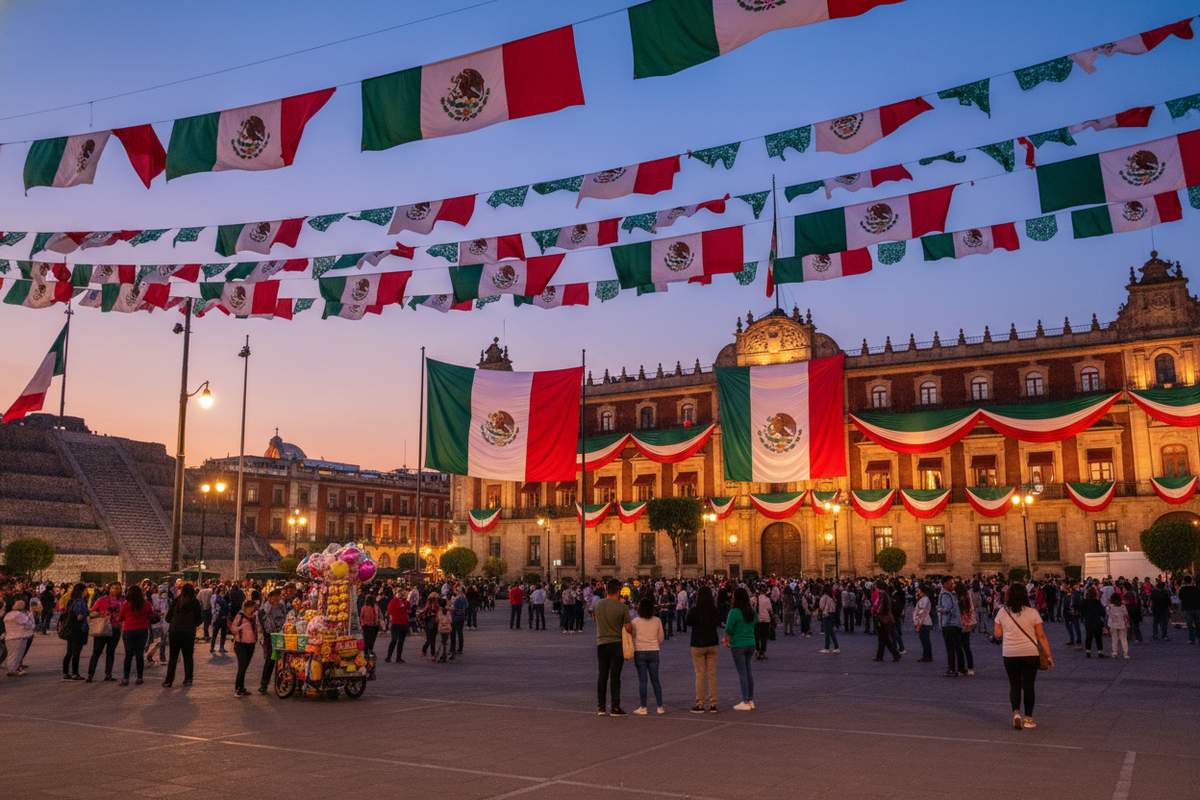
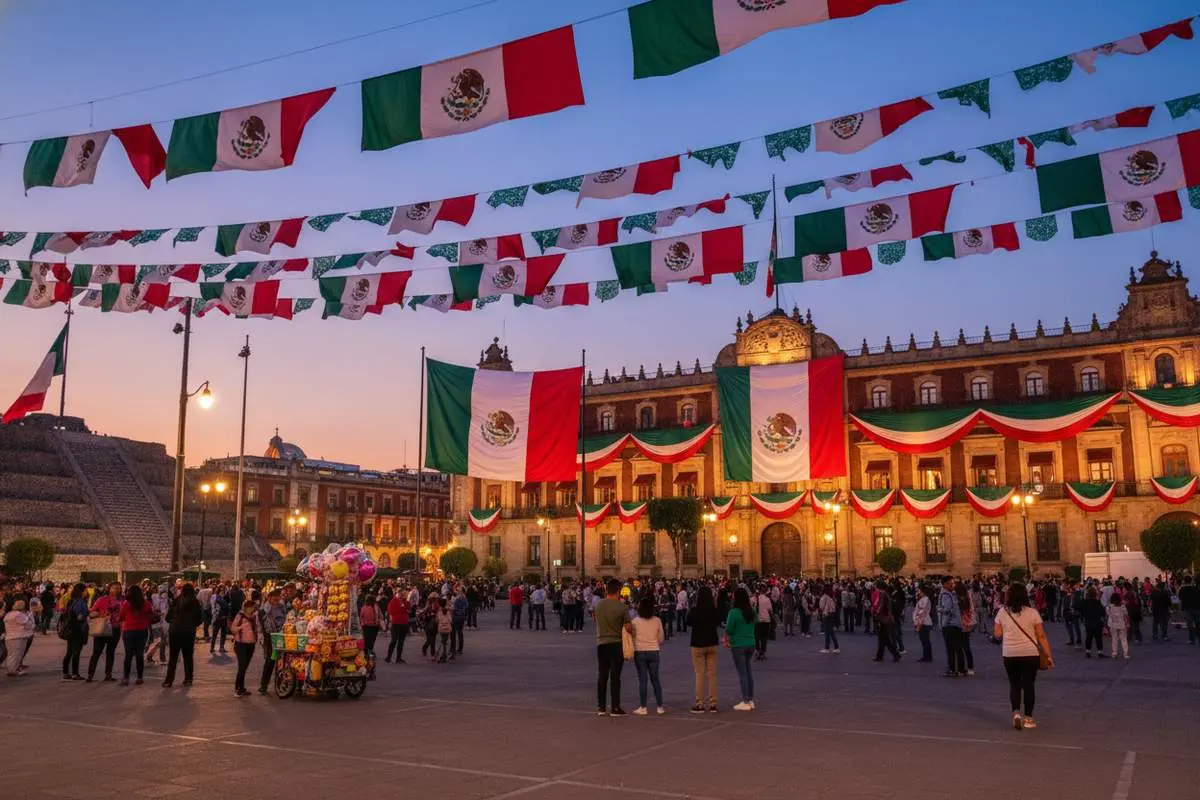
Mexico City Independence Day is the most dramatic way to experience Fiestas Patrias. The center of gravity is the Zócalo on September 15 at night, when crowds gather for music, civic ceremony, fireworks, and El Grito from the National Palace. It is free, symbolic, and logistically serious.
This guide is for travelers deciding if the Zócalo is worth it, where to stay, how to manage transport, and what to do if you want the atmosphere without standing in the densest part of the crowd. For the countrywide context, start with Mexican Independence Day in Mexico, then use Mexico City in September for weather and neighborhood planning.
Zócalo Timing and What Happens
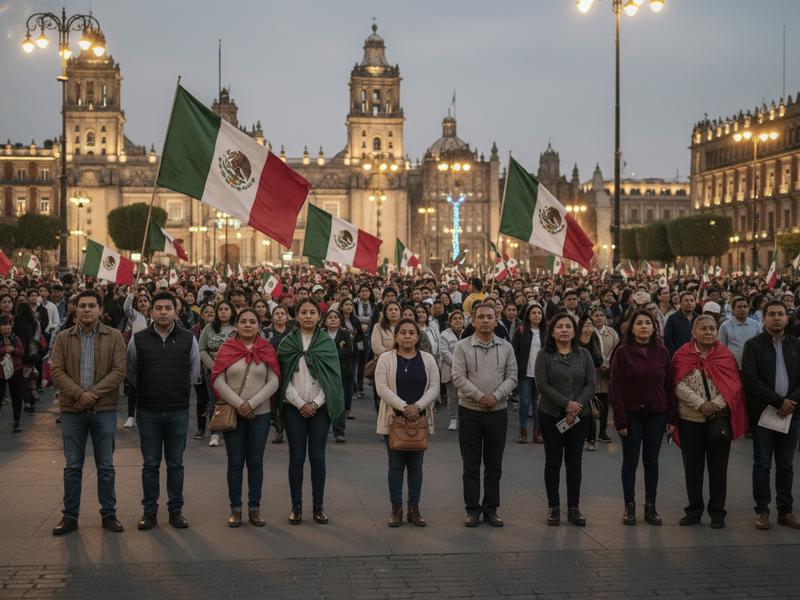
The public build-up usually starts in the evening. Streets around the historic center close, security filters form, and people arrive hours before the formal ceremony. El Grito happens around 11:00 PM, followed by fireworks and a slow crowd exit.
The Mexico City tourism site is the right official starting point for current events, while the Mexico City Metro site is useful for route changes. Check both close to the date because station access near the center can shift.
If you want the full Zócalo experience, eat early, use the restroom before entering the secured area, carry little, and bring a rain layer. If you prefer a softer night, plan dinner in Centro Histórico, Reforma, Roma, Condesa, Juárez, or Polanco and watch official coverage or a smaller local celebration.
Where to Stay
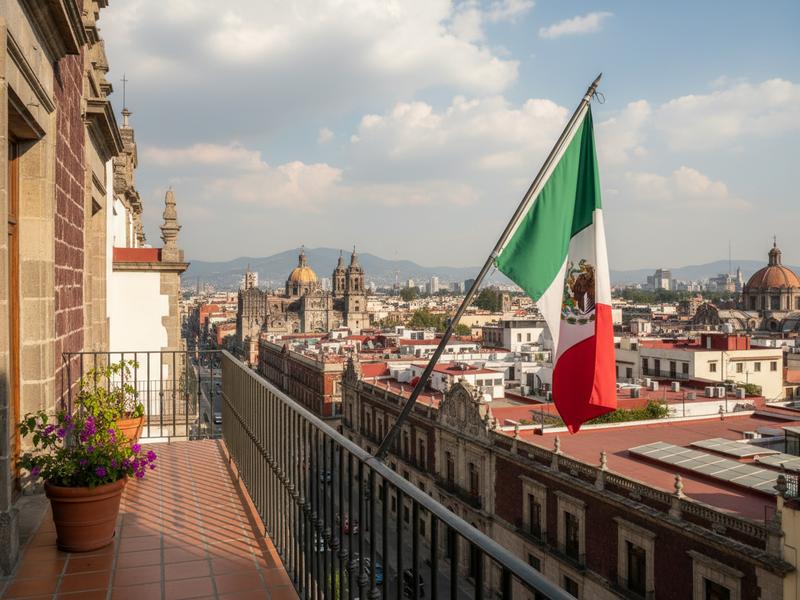
Centro Histórico is the most convenient if you want to walk. The advantage is obvious: no taxi scramble after midnight. The disadvantage is noise, crowds, and security closures that can make arrivals and departures slower. Confirm with the hotel how guests access the property on September 15.
Reforma and Juárez are balanced choices. You can reach the center earlier in the day, return by walking or transit if conditions allow, and still have a wider restaurant and hotel range. Roma and Condesa are better if food, bars, and a calmer base matter more than being right beside the ceremony.
Polanco is comfortable but farther from the Zócalo. It works if you want a high-comfort hotel and plan to skip the densest crowd. Coyoacán can be charming for a local celebration, but it is not the best base if your main goal is the National Palace ceremony.
Expect midrange hotels to run about 2,000-5,500 MXN ($111-$306 USD) per night, with luxury stays much higher. Book refundable if possible, then watch official event details as September gets closer.
Transport and Road Closures
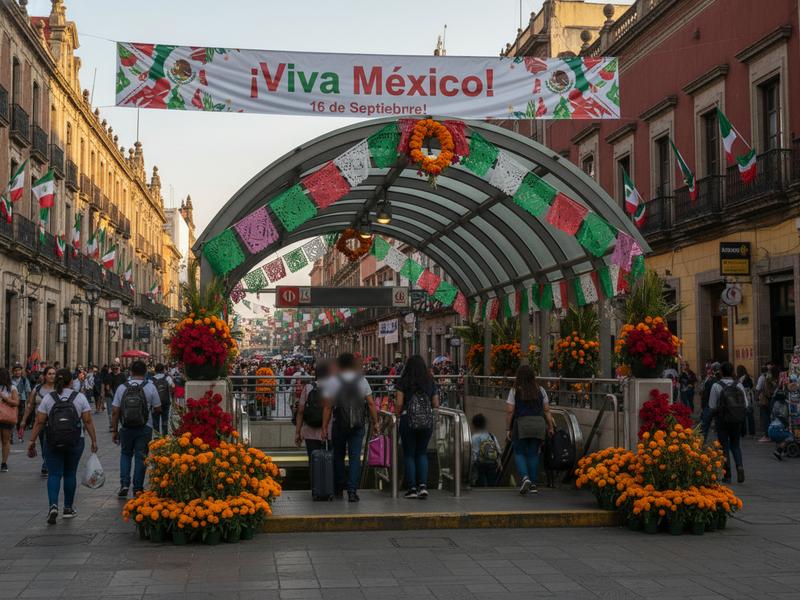
Do not plan to drive into Centro Histórico on September 15 evening. Road closures, police filters, and parking pressure make it a poor choice. Rideshare can work before crowds peak, but prices and wait times rise late.
Metro is useful if stations are open and you travel early. Metrobús and taxis can help in surrounding neighborhoods, but do not assume normal routes near the Zócalo. Keep an offline map, a charged phone, and a backup walking route to your hotel.
If you are staying outside the center, leave the Zócalo before the final crowd push or accept a long wait afterward. Travelers with children, older relatives, or mobility needs should choose a hotel or restaurant plan that avoids the tightest exits.
Food Before El Grito
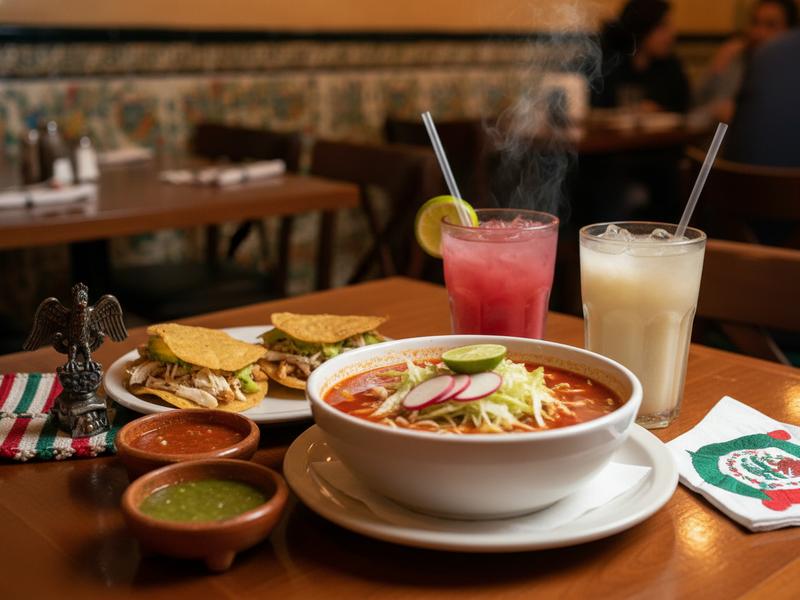
Book dinner early, ideally between 5:30 and 7:30 PM if you want to move afterward. Pozole, tostadas, tacos, pambazos, and chiles en nogada are all good choices. If food is a major reason for the trip, read Mexican Independence Day food and Chiles en Nogada Mexico City.
Plan 350-700 MXN ($19-$39 USD) for a casual sit-down meal, 700-1,500 MXN ($39-$83 USD) for a better restaurant, and more for rooftop or hotel dinners. Rooftops near Centro Histórico can be tempting, but confirm exactly what is included and how guests leave afterward.
Street food can be excellent, but lines and crowds are unpredictable near the plaza. If you want low stress, eat away from the Zócalo first, then walk in with water and only the essentials.
Safety, Comfort, and Crowd Strategy
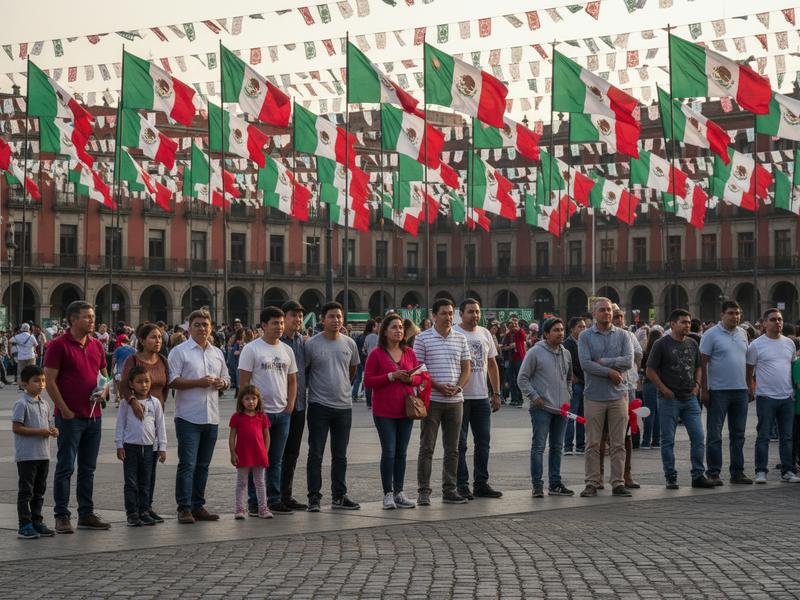
Carry one card, some cash, your phone, and a copy of your ID. Leave passports, extra cards, jewelry, and bulky bags at the hotel. Wear closed shoes or supportive sandals, not flimsy footwear.
Pick a meeting point outside the densest area in case your group separates. Messaging can lag when crowds are thick. Agree on whether you are staying through fireworks or leaving just after El Grito.
Rain is normal in September. A compact jacket is better than an umbrella in tight crowds. If storms feel heavy, switch to a restaurant or neighborhood plan rather than forcing the plaza.
A Practical 3-Day Plan
Arrive September 14 and stay in Reforma, Centro Histórico, Roma, Condesa, Juárez, or Polanco. Use the first evening for a normal dinner and a short walk. On September 15, do one morning activity such as Chapultepec, a market, or a museum, then rest.
Eat early, check official updates, and decide how close you want to get to the Zócalo. On September 16, sleep later, plan brunch, and choose a low-friction activity. If you want to extend the trip, add day trips from Mexico City or a food-focused neighborhood day.
Mexico City is the right Independence Day choice if you want scale and symbolism. It is not the easiest choice, but it rewards travelers who plan around walking distance, early meals, and crowd comfort. If scale sounds less important than history, food, or an easier plaza experience, compare the best places to celebrate Mexican Independence Day before booking.
Best neighborhoods for different travelers
Centro Histórico is best for travelers who want the Zócalo and accept noise. Reforma and Juárez are best for a balance of access, hotels, and restaurants. Roma and Condesa are best for travelers who want food and a calmer base after the ceremony. Polanco is best for comfort and hotel quality, but it is not the most convenient choice if your heart is set on the Zócalo.
Families should consider Reforma, Juárez, Roma, or Condesa before Centro Histórico. You can still visit the center earlier, then return to a neighborhood with easier restaurants and less crowd pressure. Solo travelers who are comfortable in big cities may prefer Centro or Reforma because walking and transit options are straightforward.
If you book an apartment rental, check building access carefully. Some streets can close in ways that make luggage drop-off difficult. Hotels are often easier because staff know the holiday routine and can explain current closures.
Zócalo or neighborhood celebration?
The Zócalo is the iconic choice, but it is not the only valid one. Boroughs and neighborhoods can have their own ceremonies, concerts, and family events. These can be easier with children or travelers who want a local feel without the largest crowd in the country.
Choose the Zócalo if this is a once-in-a-lifetime civic moment for you. Choose a neighborhood celebration if you value comfort, easier exits, and dinner plans. Choose a restaurant or hotel viewing plan if you want atmosphere without standing for hours.
There is no shame in skipping the densest plaza. Mexico City has enough September energy that you can still feel the holiday through food, flags, music, and people gathering in smaller public spaces.
Rain plan
September rain can change the night quickly. Bring a compact jacket, not a large umbrella that blocks people behind you. If heavy rain starts before you enter the Zócalo, reassess. A wet crowd with security filters and closed streets can be tiring.
Keep one indoor backup: a restaurant, hotel bar, cafe, or neighborhood near your lodging. If weather turns, you can still eat pozole or chiles en nogada and watch the ceremony coverage instead of forcing a soaked plaza night.
The day after rain, sidewalks can be slippery, especially in older parts of the center. Wear shoes with grip and leave extra time if you are walking between Centro, Alameda, Reforma, and your hotel.