Mexican Independence Day 2026: Sept. 15–16 Guide
Mexican Independence Day 2026: September 15–16
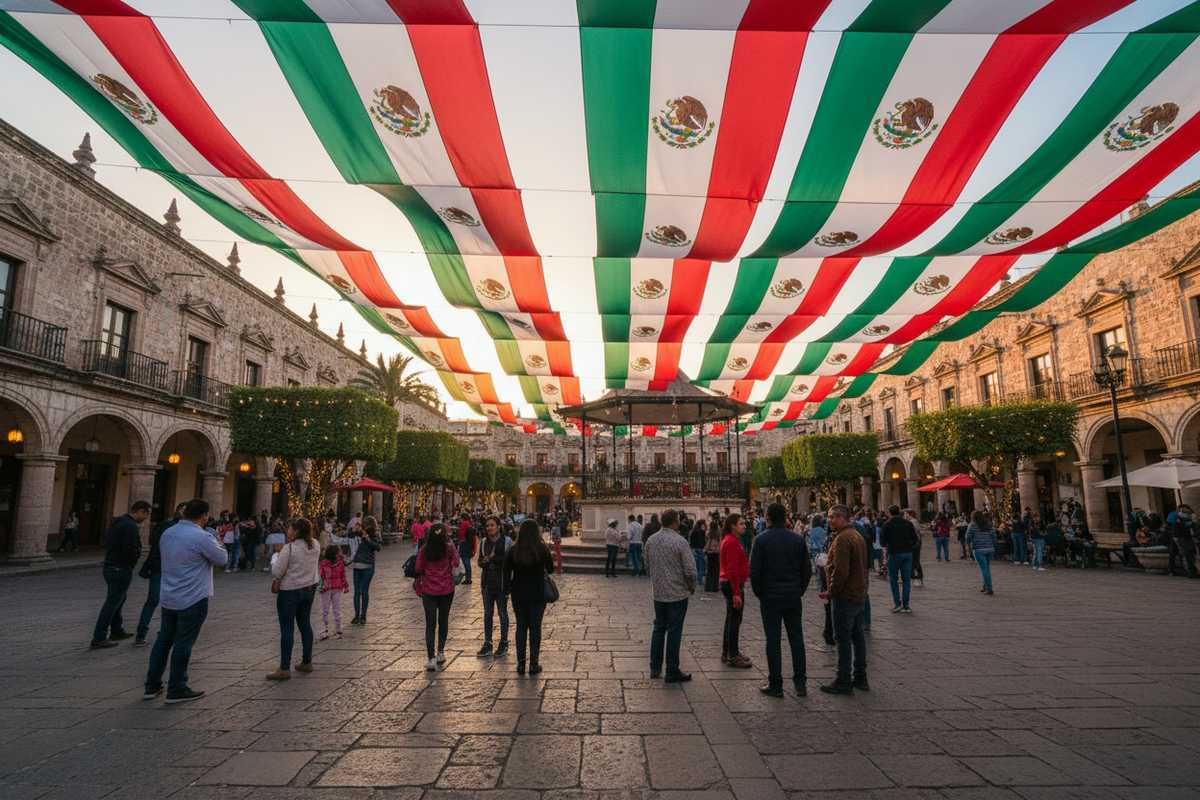
Mexican Independence Day is Wednesday, September 16, 2026, but the main celebration starts Tuesday night, September 15, with El Grito. Crowds gather for the ceremonial call that remembers the start of the independence movement, then September 16 brings parades, family meals, civic ceremonies, and slower travel schedules.
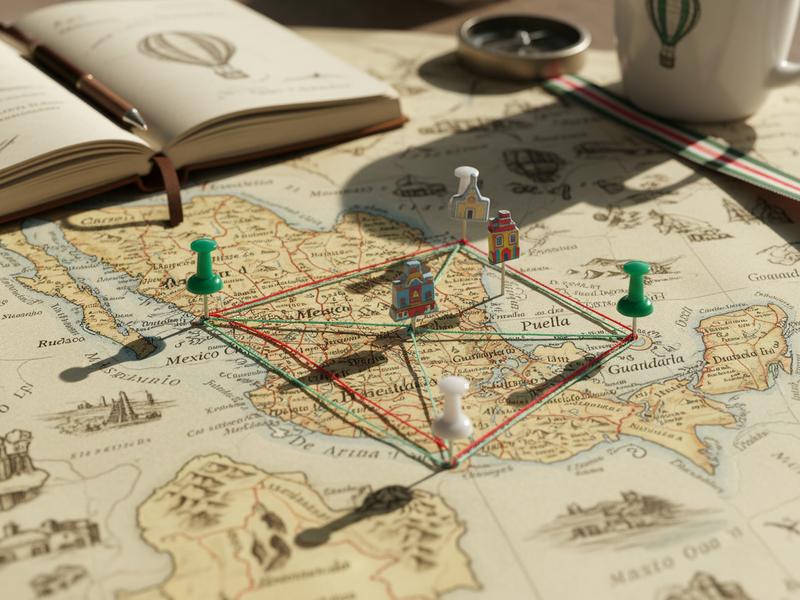
For travelers, the key decision is where to be at 11:00 PM on September 15. Mexico City gives you the largest public celebration. Dolores Hidalgo gives you the deepest historical setting. Puebla ties the trip to chiles en nogada. Guanajuato, San Miguel de Allende, Querétaro, and Guadalajara offer a more manageable city-break version with strong atmosphere and easier logistics.
This guide covers the dates, places, costs, hotel strategy, food, safety, and route planning. For deeper planning, use the cluster guides to Mexico City Independence Day, Dolores Hidalgo Independence Day, the best places to celebrate Mexican Independence Day, and Mexican Independence Day food.
The Dates: September 15 Night and September 16
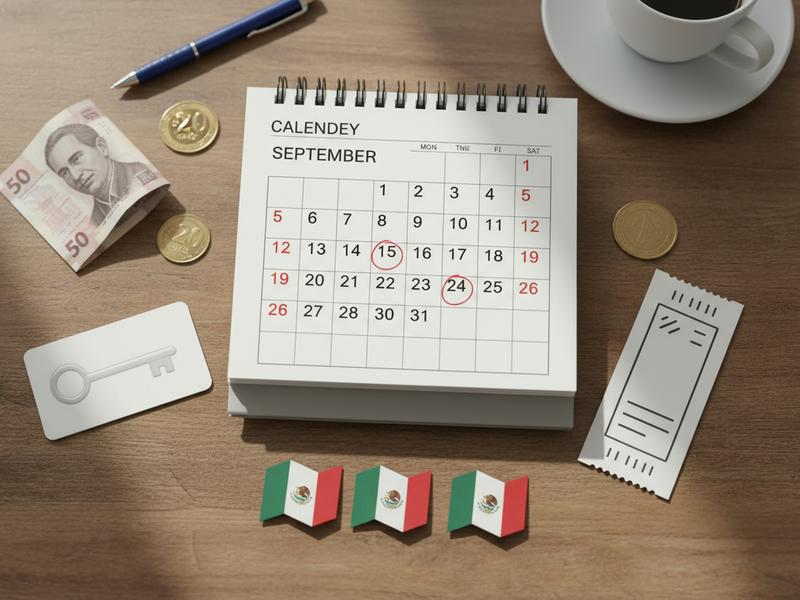
The official national holiday is September 16. That date marks the start of the independence movement in 1810, when Miguel Hidalgo called people to rise in Dolores, Guanajuato. The INEHRM historical page for September 16 is a useful official reference for the date and civic framing.
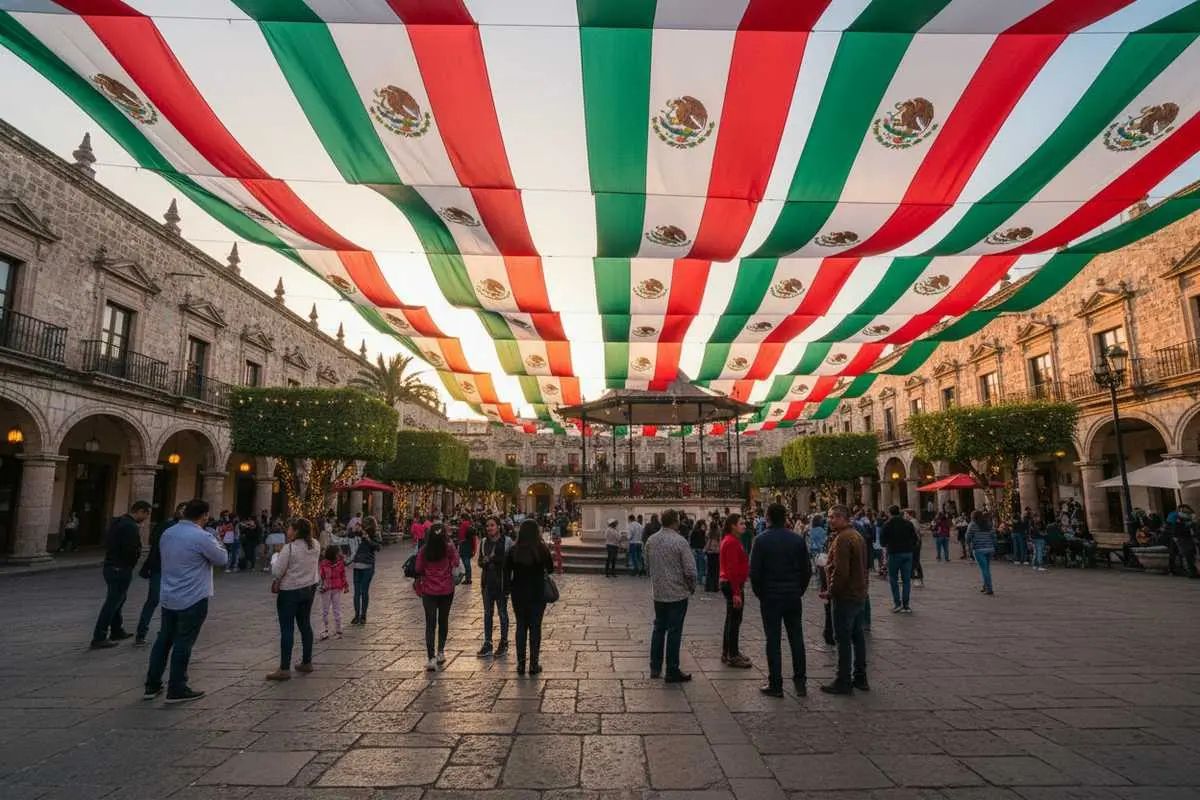
Travelers feel the celebration most strongly on September 15. In the evening, people gather in central plazas, restaurants fill up, streets close, and local governments stage music or civic programs before El Grito. Around 11:00 PM, the president, governor, mayor, or local official rings a bell and leads the crowd through the patriotic call.
September 16 is slower in the morning. Banks, schools, government offices, and some businesses close. Museums, restaurants, tours, and buses may run, but schedules can change. If you are moving cities on the 16th, book buses or flights early and give yourself a wider buffer than usual.
For 2026, September 15 falls on a Tuesday and September 16 on a Wednesday. That reduces weekend pressure compared with a Friday or Saturday celebration, but hotels in Mexico City, Dolores Hidalgo, Puebla, San Miguel de Allende, and Guanajuato can still tighten around the holiday.
Best Places to Celebrate Mexican Independence Day
Mexico City is the classic first choice. The Zócalo celebration is huge, highly symbolic, and logistically intense. It works best if you stay in Centro Histórico, Reforma, Roma, Condesa, or Polanco and avoid needing a car after dinner. Use Mexico City in September for weather and neighborhood planning, then read the full Mexico City Independence Day guide before booking.
Dolores Hidalgo is the emotional choice. The town is closely tied to the 1810 call, so Independence Day there feels less like a city festival and more like a place-specific civic event. The Guanajuato tourism page for Dolores Hidalgo is a helpful starting point for understanding the destination. The tradeoff is hotel supply: book early or base in Guanajuato, San Miguel de Allende, or Querétaro and arrange transport carefully.
Puebla is the food-forward choice. Chiles en nogada season overlaps perfectly with Fiestas Patrias, so you can build a long lunch around the dish and spend the evening in the historic center. If food is the anchor, pair this with Chiles en Nogada Mexico and where to eat chiles en nogada in Puebla.
Guanajuato and San Miguel de Allende are strong colonial-city options with easier sightseeing before and after the holiday. Guadalajara is better for travelers who want a bigger city with mariachi, tequila-country side trips, and strong restaurant options. Querétaro works well as a calmer central Mexico base with good roads and a walkable center.
Costs and Booking Strategy
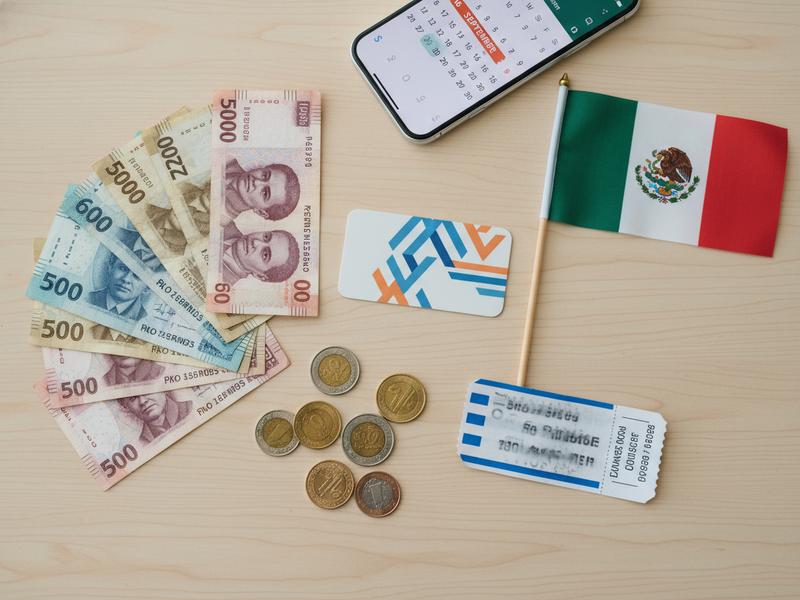
The public ceremony in most plazas is free. Your budget goes to hotels, dinner, local transport, and the convenience of staying close enough to walk. In Mexico City, a comfortable central hotel can run 2,000-5,500 MXN ($111-$306 USD) per night around the holiday. Midrange colonial-city hotels often land around 1,400-3,500 MXN ($78-$194 USD), with Dolores Hidalgo and San Miguel de Allende rising when rooms are scarce.
For food, plan 250-500 MXN ($14-$28 USD) for a casual dinner, 600-1,200 MXN ($33-$67 USD) for a better restaurant meal, and 700-1,500 MXN ($39-$83 USD) if chiles en nogada is the centerpiece. Street snacks and late-night antojitos can be cheaper, but sit-down reservations reduce stress on September 15.
Transport depends on your base. ADO, ETN, Primera Plus, and other intercity buses can be excellent for central Mexico routes, but buy tickets early if you are moving September 15-16. Inside cities, expect rideshare prices and taxi demand to rise near plaza closing times. The smarter move is to stay within walking distance of your evening plan and use taxis only before crowds peak.
If you are watching your budget, choose Puebla, Querétaro, or Guadalajara over Mexico City Centro Histórico and Dolores Hidalgo. If you care most about symbolic value, pay the premium for Dolores Hidalgo or Mexico City and simplify everything else.
Food, Drinks, and What to Order
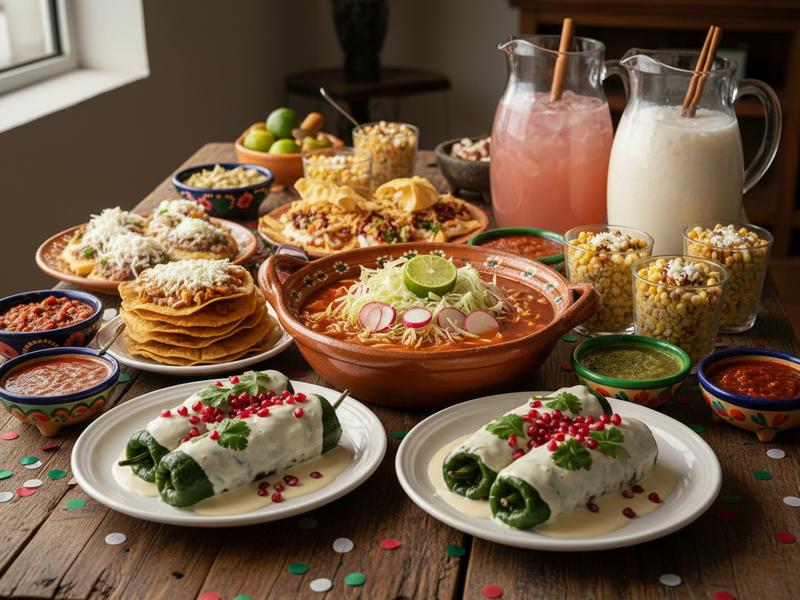
Independence Day food is generous, colorful, and regional. Pozole is the reliable crowd-pleaser: a hominy stew served with pork or chicken, shredded lettuce or cabbage, radish, oregano, lime, and chile. Tostadas, pambazos, tacos, tamales, and esquites show up at family parties and public events. If you want one dish that feels directly tied to the season, choose chiles en nogada.
Chiles en nogada matters because its colors match the Mexican flag: green poblano chile, white walnut sauce, and red pomegranate. It is usually served from July through September, with the strongest travel window from August into Independence Day. Read the full Mexican Independence Day food guide if food is driving the trip.
For drinks, expect aguas frescas, beer, tequila, mezcal, and local cocktails. Pace yourself. Public plazas can get crowded, bathrooms may be limited, and leaving late after too much alcohol is where a fun night becomes annoying. If you want a more comfortable meal, book an early dinner and treat the plaza as the second part of the evening.
Safety and Crowd Tips
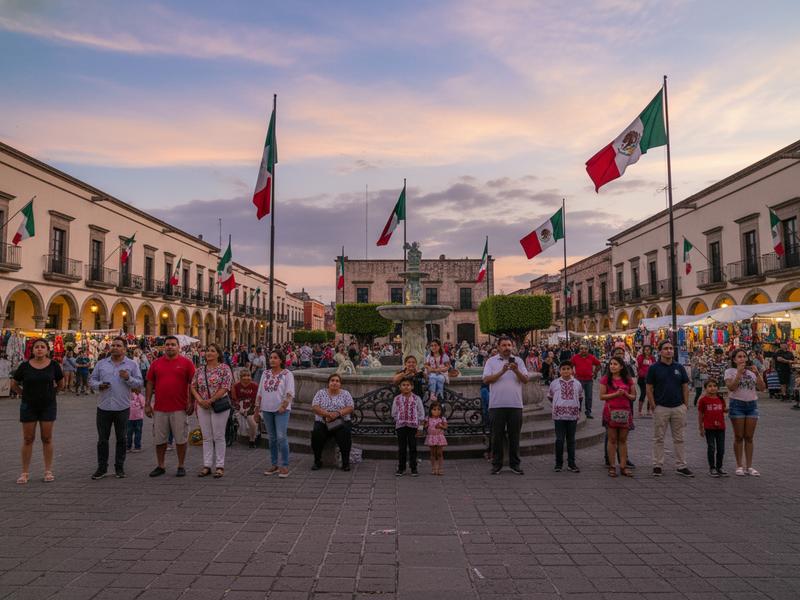
Most travelers can enjoy Mexican Independence Day safely in the main tourist and civic zones. The practical risk is not the ceremony itself; it is crowd pressure, pickpocketing, road closures, late transport, and confusion after fireworks. Carry only what you need. Keep your phone and wallet secure. Leave passports in the hotel safe. Wear shoes that can handle standing and walking on wet streets.
Stay close to your hotel if you plan to be out late. A 12-minute walk after El Grito is much better than trying to find a taxi near a closed plaza. If you are traveling with children or older relatives, watch from the edges rather than the center of the crowd. Leave before the final rush if anyone in your group dislikes tight spaces.
Do not drive into the historic center on September 15 evening. Many streets close, parking is difficult, and alcohol checkpoints can operate around holiday periods. Use public transport earlier in the day, walk at night where safe, or arrange a hotel-approved taxi before dinner.
Weather also matters. September is still rainy season across much of Mexico. Bring a light rain jacket, use shoes with grip, and assume outdoor concerts can run late or change with storms. For broader weather context, read Mexico in September and Mexico rainy season before picking a region.
Sample 3-Day Itineraries
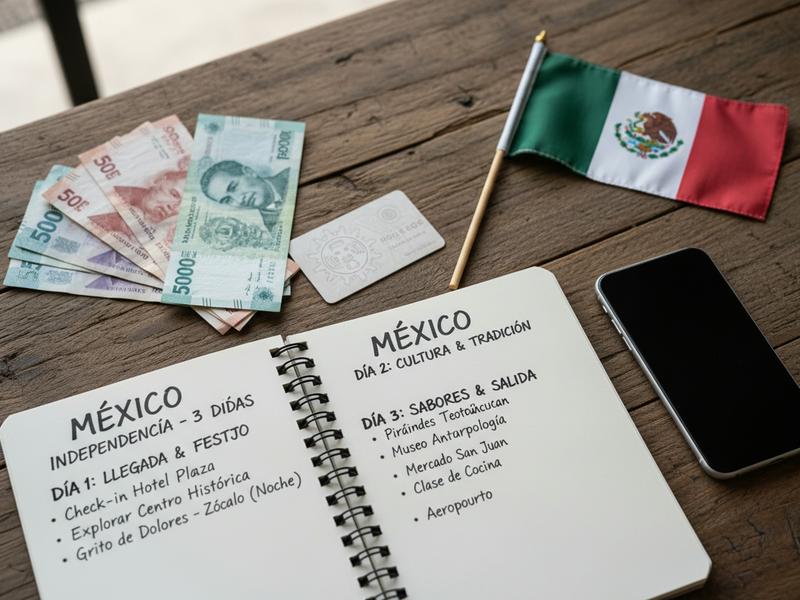
Mexico City, 3 nights: arrive September 14, settle into Roma, Condesa, Reforma, Centro Histórico, or Polanco, and keep dinner easy. On September 15, visit a museum or market early, rest in the afternoon, eat a reserved dinner, then walk or transit toward the Zócalo if conditions feel comfortable. On September 16, plan a late breakfast and a low-pressure museum, park, or neighborhood day.
Dolores Hidalgo and Guanajuato, 3 nights: sleep in Dolores if you can book early. If not, stay in Guanajuato or San Miguel de Allende and arrange daytime transport. Spend September 15 in Dolores for the ceremony, then use September 16 for the Museo Casa de Hidalgo, local ice cream, ceramics, and a slower return. This is the best history-focused trip, but it needs the most lodging discipline.
Puebla food weekend, 3 nights: arrive September 14 or 15, stay near the historic center, and reserve chiles en nogada for lunch on the 15th or 16th. Use the evening for the plaza celebration, then add Cholula, Talavera shopping, or a food walk. This trip pairs especially well with Puebla in September.
Guanajuato and San Miguel, 4 nights: split the trip if you want atmosphere without the pressure of Dolores. Spend two nights in Guanajuato and two in San Miguel de Allende, choosing one main plaza for September 15. This gives you colonial streets, restaurants, museums, and easier daytime sightseeing before and after the holiday.
Final Planning Advice
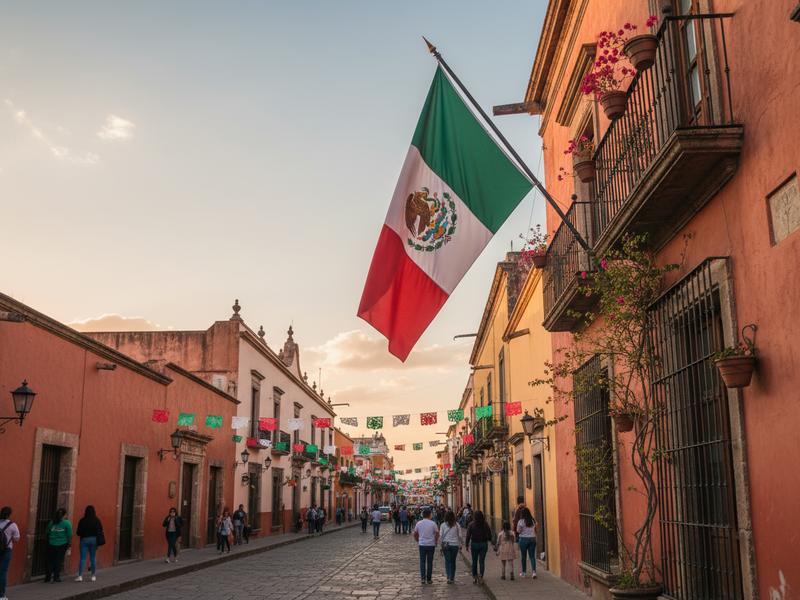
For a first Independence Day trip, choose Mexico City if you want scale, Dolores Hidalgo if you want history, and Puebla if you want food. Choose Querétaro, Guanajuato, San Miguel de Allende, or Guadalajara if you want a strong celebration with less friction than the biggest plazas.
Book hotels before restaurants. The room location shapes the whole night: how far you walk, how late you stay, and how easily you can leave if rain or crowds change the mood. After that, reserve dinner, check local event schedules a week out, and keep September 16 flexible.
Mexican Independence Day is at its best when you treat it as a civic celebration, not only a party. Learn the date, understand the place, eat something seasonal, and choose a plaza where you can enjoy the night without forcing the logistics. That balance is what turns Fiestas Patrias into a trip worth planning around.
How to choose between the plaza and a restaurant plan
The plaza is the right plan if you want the shared civic feeling: flags, music, families, speeches, fireworks, and the moment when everyone answers the call together. It is also the plan with the least personal control. You may stand for hours, bathrooms can be hard to reach, and leaving takes patience.
A restaurant plan is better if comfort matters more than being in the center of the crowd. In Mexico City, Puebla, San Miguel de Allende, Guanajuato, Querétaro, and Guadalajara, many restaurants create seasonal menus around September 15. You can eat pozole or chiles en nogada, hear the city outside, and decide later if you want to walk toward the plaza.
For couples, older travelers, and families, I would usually choose an early restaurant reservation near the hotel, then a short walk to a nearby plaza if the night feels good. For solo travelers or groups of friends who want the public celebration, the plaza can be memorable, but it still needs an exit plan.
What to wear and pack
Wear shoes you can stand in for several hours. September streets can be wet, and colonial centers often have stone sidewalks. White sneakers look good for photos, but grip matters more after rain. Bring a light jacket or compact rain shell, especially in central and southern Mexico.
Pack less than you think. A phone, one payment card, small cash, hotel key, and a copy of your ID are enough for most nights. If you bring a bag, keep it small because some security filters may restrict large backpacks. Leave passports, extra cards, and expensive jewelry at the hotel.
A small power bank is useful if you will use maps, translation, rideshare apps, or photos all night. Do not rely on your phone for every detail, though. Save your hotel address offline and know the walking route before you enter the crowd.
Hotel checklist before booking
Before you book, check three things: walking distance to your evening plan, access during road closures, and cancellation terms. A hotel can look perfect on a map and still be difficult if police barriers block the normal taxi route. Message the hotel and ask how guests usually arrive on September 15.
In Mexico City Centro Histórico, a hotel three blocks from the Zócalo can be useful if you plan to stay out late, but it may be noisy and harder to reach by car. In Puebla, Guanajuato, San Miguel, and Querétaro, a central hotel is usually worth the premium because you avoid the late taxi rush.
If rates feel high, widen the search before sacrificing location completely. Being 20-30 minutes away by car may look cheaper, but it can cost you time, stress, and expensive rides on the actual night.
Common planning mistakes
The first mistake is thinking September 16 is the main travel night. The formal holiday is on the 16th, but the biggest public moment is September 15 at night. If you arrive late on the 15th, you may miss the atmosphere and still pay holiday prices.
The second mistake is overloading the day. A museum morning, long lunch, hotel rest, early dinner, and plaza plan is enough. Adding multiple tours before a late-night crowd can make the evening feel like work.
The third mistake is choosing the most famous place without matching it to your travel style. Mexico City is powerful, but not everyone enjoys huge crowds. Dolores Hidalgo is meaningful, but not everyone wants limited lodging. Puebla may be the best choice if food and comfort matter more than the biggest ceremony.
Family and accessibility notes
Families should stay near the planned viewing area and choose the edge of the crowd. Bring water, snacks for children, and ear protection if anyone is sensitive to fireworks. Decide before the night whether you will stay through fireworks or leave immediately after El Grito.
Travelers with mobility needs should ask hotels and restaurants about step-free access, nearby closures, and taxi pickup points. Colonial centers are beautiful but can be uneven. Mexico City has more infrastructure, but the crowd size can make movement difficult near the Zócalo.
For a lower-stress family trip, Puebla, Querétaro, San Miguel de Allende, or a neighborhood celebration in Mexico City may be better than the central Zócalo. The goal is not to prove you can handle the biggest crowd; it is to enjoy the holiday in a way that works for your group.
How Independence Day fits with September travel
September is shoulder season for much of Mexico. Hotel value can be good outside the most symbolic centers, but rain and storm risk matter. Beach destinations may be cheaper because it is hurricane season in parts of the country. Central Mexico often works better for Fiestas Patrias because the holiday is city-focused and food-focused.
If you want to combine Independence Day with a longer route, build around central Mexico: Mexico City, Puebla, Querétaro, San Miguel de Allende, Guanajuato, and Dolores Hidalgo. Distances are manageable, food is strong, and the weather is usually easier to handle than late-summer beach humidity.
If you do choose the coast, pick a destination with a local plaza celebration rather than expecting the same energy you would get in the capital or Dolores. Puerto Vallarta, Cancun, Los Cabos, and Riviera Maya resorts may mark the holiday, but the civic center of gravity is stronger inland.
Booking timeline
Three months out, choose the city and book a refundable hotel. This is especially important for Dolores Hidalgo, San Miguel de Allende, Guanajuato, Puebla, and Mexico City Centro Histórico. At this stage, you do not need the final event program; you need a room that makes the evening easy.
Six to eight weeks out, reserve the main meal if food matters. Puebla chiles en nogada lunches, Mexico City rooftop dinners, and central restaurants in colonial cities can fill before the official public schedule is clear. If you are traveling by bus, compare schedules now rather than waiting until holiday week.
Two weeks out, check city announcements, weather patterns, and transport notices. One week out, reconfirm the restaurant and hotel access plan. On the day itself, keep the afternoon light, charge your phone, withdraw small cash early, and avoid any route that depends on a last-minute taxi from the main plaza.
How to avoid cannibalizing the rest of your trip
Independence Day should anchor the itinerary, not swallow it. If you are coming from far away, give the holiday one focused night and use the surrounding days for the destination’s normal strengths: museums in Mexico City, food in Puebla, colonial walks in Guanajuato, galleries in San Miguel, or wine and history routes around central Mexico.
Avoid changing cities on the evening of September 15. You will spend the best hours in transit and arrive when streets are already difficult. If you must move, arrive by early afternoon and keep dinner close to the hotel.
September 16 is better for slow recovery than ambitious sightseeing. Plan one or two flexible activities, not a packed route. The most enjoyable trips leave space for a late breakfast, a plaza walk, and a simple onward transfer.
What the holiday feels like in different regions
Central Mexico gives you the most traditional travel version because plazas, churches, government palaces, and old streets are part of the setting. Mexico City, Puebla, Guanajuato, Querétaro, San Miguel de Allende, and Dolores Hidalgo all make the ceremony easy to understand visually. You see the balcony, the crowd, the flag, and the public square working together.
Western Mexico feels more regional. Guadalajara and nearby tequila country add mariachi, Jalisco food, and bigger-city nightlife. It is a strong choice if you have already visited Mexico City or want a trip with food and culture beyond one ceremony.
Beach resorts can be fun, but they often feel more hotel-led. A resort dinner with flags and music can be enjoyable, especially for families, but it is different from standing in a civic plaza. If the holiday is the reason for your trip, choose an inland city first and add the beach later.
What to read before you go
Read one short history source before the trip so the ceremony has meaning. You do not need to memorize dates; just understand that September 16 marks the beginning of the independence movement, not the end of it. That context changes the night from a party into a civic ritual.
Then read the destination-specific pages. Weather and hotel strategy matter more than generic inspiration. Mexico City requires crowd and transport planning. Dolores Hidalgo requires hotel planning. Puebla requires restaurant planning. Guanajuato and San Miguel require walkability planning.
Finally, check official city announcements close to the date. Event schedules, concerts, security filters, and public transport adjustments are local and can change each year. The evergreen strategy is to stay central, eat early, carry little, and leave yourself options.