Best Christmas Markets in Mexico for 2026
How Christmas Markets Work in Mexico
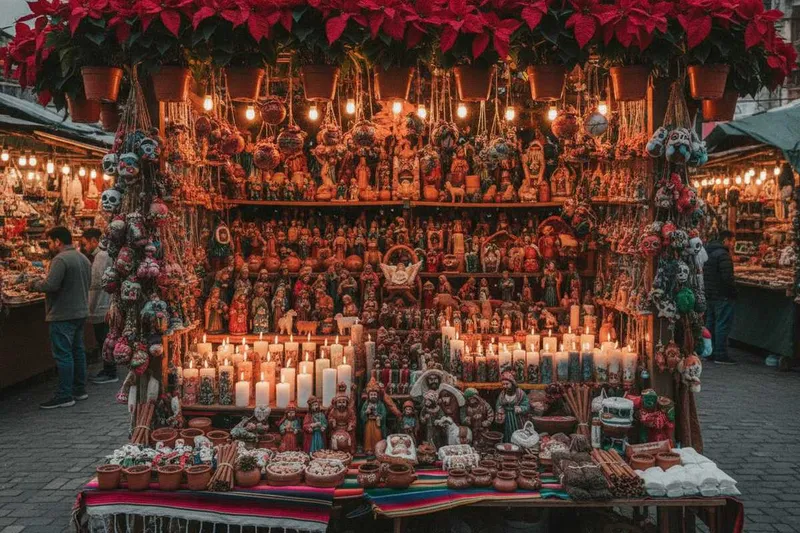
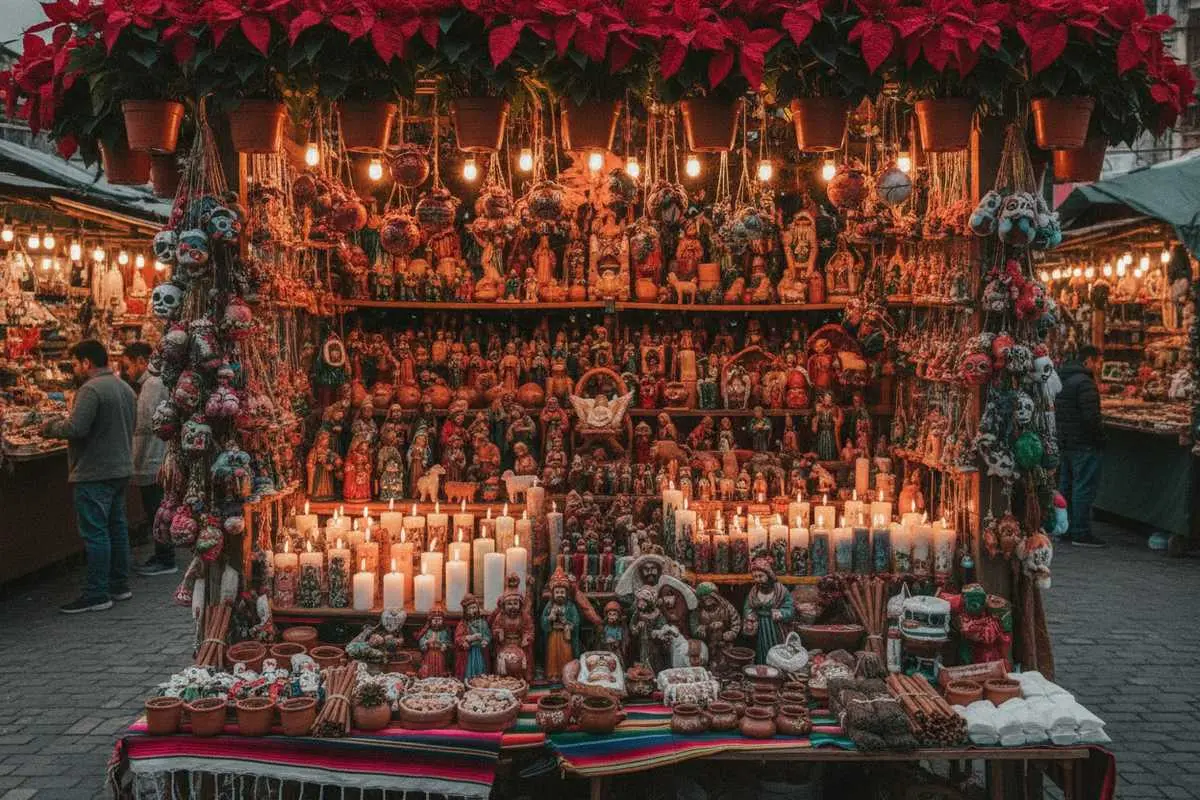
Christmas markets in Mexico are not usually neat replicas of German Christmas villages. They are more practical, more local, and often more useful. You go for poinsettias, nativity figures, candles, piñatas, ornaments, toys, sweets, tamale ingredients, craft gifts, and hot snacks. Some are dedicated seasonal markets. Others are normal markets that shift into Christmas mode from late November through December.
That difference is important. If you search for a single formal market with mugs of mulled wine and identical wooden booths, you may leave disappointed. If you want to see how Mexican families prepare for Christmas, the markets are excellent.
Use this guide as a companion to the full Christmas in Mexico guide, then check the Mexico in December guide for weather, prices, and holiday-week timing. Markets are the daytime half of the season; Las Posadas and Nochebuena are the evening half.
Mexico City: Best Overall Market Base
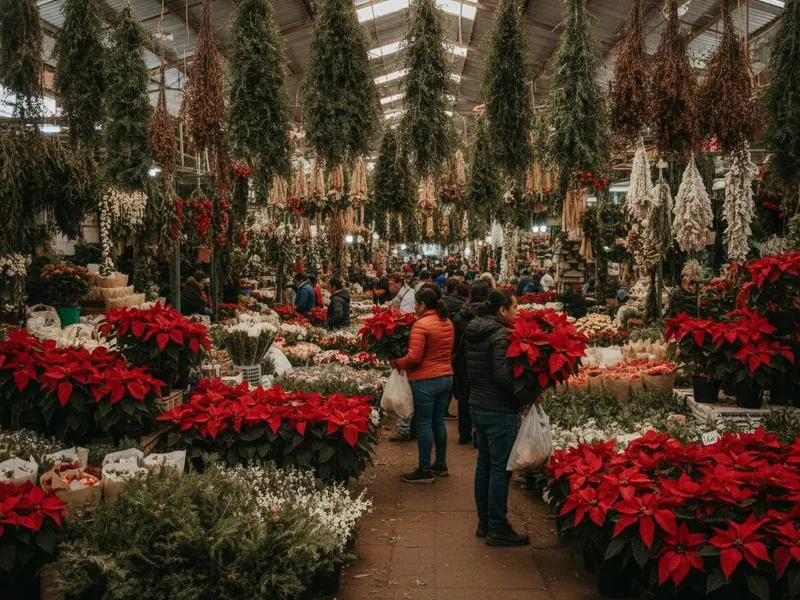
Mexico City is the easiest place to shop because it has specialized markets and easy neighborhood variety. Start at Mercado de Jamaica for flowers, poinsettias, greenery, and seasonal decorations. It is one of the best places in the country to understand how central flowers are to Mexican celebrations.
For gifts, go to La Ciudadela. It is not Christmas-only, but it is practical for textiles, ceramics, paper crafts, ornaments, and small gifts. For public Christmas atmosphere, add the Zocalo and historic center lights, then compare routes with our Mexico City in December guide.
Budget $20-80 USD (360-1,440 MXN) for casual shopping. Spend more if you buy quality ceramics, textiles, or large decorations. Use cash for smaller stalls, but keep bills small.
Oaxaca: Best for Craft and Food
Oaxaca’s Christmas market experience is less about one market and more about the whole city. Centro markets, artisan shops, candle sellers, textile stalls, food stands, and December festival activity overlap. If you are there for Noche de Rabanos, build extra daytime market time into December 22 and 23.
Good purchases include candles, alebrijes, textiles, clay pieces, chocolate, mezcal, woven goods, and simple Christmas decorations. For food, look for buñuelos, tamales, ponche, mole ingredients, and pan de yema.
Oaxaca gets expensive around December 23-25, but market shopping can still stay reasonable. A good food-and-small-gifts budget is $30-100 USD (540-1,800 MXN) per person. Use the Oaxaca in December guide to coordinate market days with Noche de Rabanos, hotel demand, and holiday closures.
Tlalpujahua and Morelia: Best for Ornaments
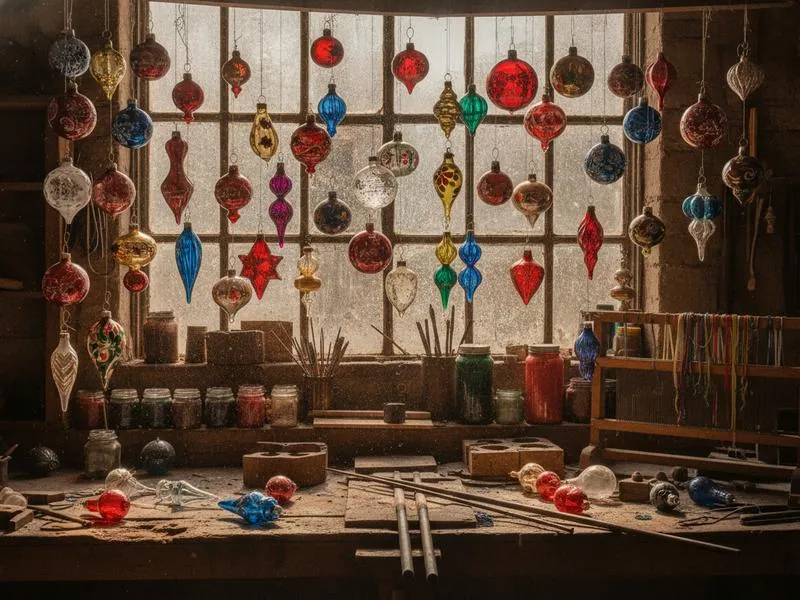
Tlalpujahua, Michoacan, is famous for blown-glass Christmas ornaments. It is one of the strongest dedicated Christmas-shopping destinations in Mexico and pairs well with Morelia if you want a colonial city base. The town produces ornaments for domestic and export markets, so you can buy directly from workshops and stalls.
Morelia gives you better hotels, restaurants, and transport. Tlalpujahua gives you the specific craft. If you are traveling without a car, research bus timing carefully or hire a driver for the day. Roads and schedules matter more in December because daylight is shorter.
Pair this with Morelia in December if you want a holiday trip that avoids the bigger Oaxaca and San Miguel crowds.
Puebla, San Miguel, and Guadalajara
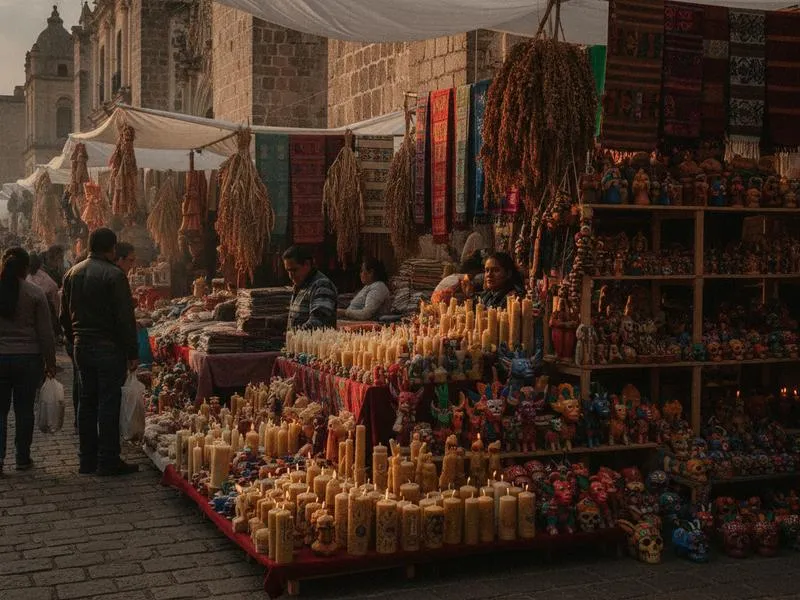
Puebla is excellent for sweets, talavera ceramics, churches, and easy access from Mexico City. It works well for travelers who want Christmas shopping without changing flights. The Puebla in December guide covers weather, Christmas timing, and a practical Cholula add-on.
San Miguel de Allende is beautiful but pricier. The shopping is polished: galleries, boutiques, folk art, textiles, and curated crafts. It is better for higher-budget gifts than bargain hunting. The San Miguel in December guide helps with timing.
Guadalajara and Tlaquepaque work well for ceramics, tequila-adjacent gifts, leather, and regional crafts. Tlaquepaque is especially pleasant for a day of shopping, restaurants, and galleries. Use the Guadalajara in December guide for weather and neighborhood planning.
What to Buy
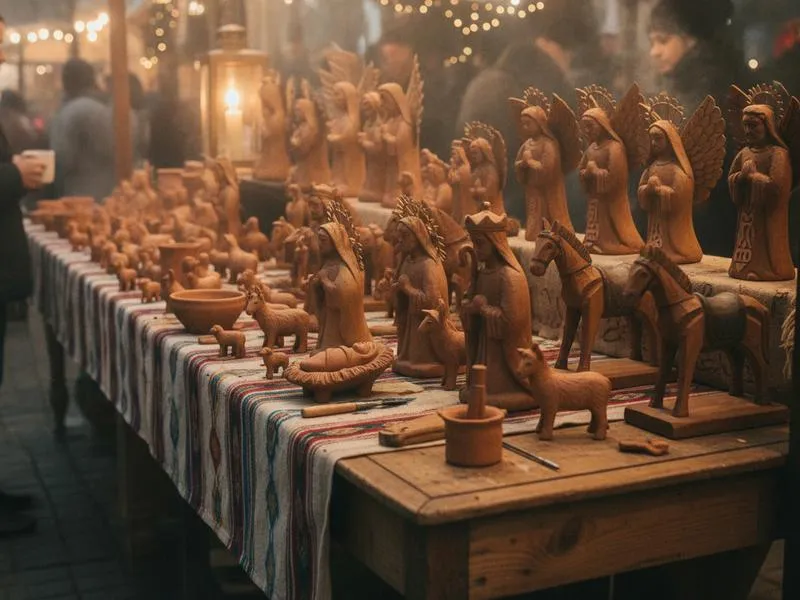
Nacimientos are the most culturally important Christmas market purchase. You can buy tiny clay figures, full nativity sets, animals, market vendors, houses, moss, lights, and background pieces. Some families build elaborate scenes that go far beyond the manger. If you buy figures, pack them carefully; clay breaks easily.
Poinsettias, called Nochebuenas in Spanish, are everywhere. They are not practical for most international travelers to take home, but they are worth noticing because they are native to Mexico and define the visual season. The plant’s Mexican origin is part of why Christmas plazas look the way they do.
Pinatas are best bought locally if you are staying through a posada. The classic star pinata is large and awkward to transport, so do not buy one unless you have a real use for it. Small decorative versions are easier.
Food gifts can be excellent: chocolate from Oaxaca, sweets from Puebla, coffee from Veracruz or Chiapas, vanilla from Papantla, mezcal, rompope, and regional candies. Check customs rules before flying with alcohol or plant products.
Craft gifts depend on region. In Oaxaca, look at textiles, candles, alebrijes, and barro negro. In Puebla, talavera and sweets make sense. In Michoacan, consider copper, wood, textiles, or blown-glass ornaments from Tlalpujahua. In Guadalajara and Tlaquepaque, ceramics and leather are strong.
Two Easy Market Routes
Mexico City weekend: Spend Friday evening in Centro for lights, Saturday morning at Mercado de Jamaica, Saturday afternoon at La Ciudadela, and Sunday in Coyoacan or San Angel if dates match local markets. This route works without a car.
Oaxaca Christmas route: Use one morning for central markets, one afternoon for artisan shops and neighborhoods, and December 23 for Noche de Rabanos. Add a village day if you want textiles, alebrijes, or mezcal at the source. Use the Oaxaca festivals guide to avoid treating the city as a one-night stop.
External Context
For Mexico City’s flower market background, see Mercado de Jamaica. For the ornament town, Tlalpujahua gives useful geographic context before planning a Michoacan side trip.
Best Markets by Goal
For flowers and poinsettias, choose Mexico City’s Mercado de Jamaica. For handmade gifts in one easy visitor setting, choose La Ciudadela. For food plus craft energy, choose Oaxaca. For blown-glass ornaments, choose Tlalpujahua. For sweets and ceramics, choose Puebla. For polished boutique gifts, choose San Miguel de Allende. For ceramics and regional design, choose Tlaquepaque near Guadalajara.
If your goal is photography, go early and ask permission. If your goal is shopping, go with measurements, luggage space, and cash. If your goal is food, avoid arriving full. Markets reward attention, but they also punish vague plans when crowds build in December.
Price Reality
A small ornament, candle, or simple figure might cost 30-150 MXN ($2-8 USD). Better handmade ornaments, small textiles, or quality food gifts may cost 200-700 MXN ($11-39 USD). Larger ceramics, nativity sets, or textiles can run 1,000-5,000+ MXN ($56-278+ USD) depending on materials and maker.
Do not compare handmade work to mass-produced souvenir pricing. Ask where something is made. If the vendor can explain the town, material, and process, you are probably looking at a better piece. If every stall has the same item, it may still be useful, but it is not the same kind of purchase.
Shipping and Customs
Most travelers should carry fragile purchases home rather than ship them. Shipping from Mexico can work, but it takes time, packing skill, and trust. If you buy glass ornaments in Tlalpujahua or ceramics in Puebla or Oaxaca, ask for extra wrapping and keep them in carry-on luggage when possible.
Food gifts are trickier. Packaged chocolate, coffee, and sweets are usually easier than fresh produce, plants, seeds, or homemade liquids. Alcohol has airline and customs limits. Before buying mezcal or rompope as gifts, check your baggage allowance.
Best Timing During the Day
Go in the morning if you want space, better vendor attention, and easier photos. Go in the late afternoon if you want more atmosphere, lights, and food energy. Avoid arriving hungry at the most crowded hour unless your only goal is snacks; December market lines can move slowly.
For Mercado de Jamaica and other large city markets, weekday mornings are easiest. For artisan towns, weekends may have more open workshops but also more visitors. If you are visiting Tlalpujahua or a craft village as a day trip, leave early and do not count on a late return after dark unless you have a driver.
How Markets Fit the Cluster
Markets connect the whole Christmas trip. They are where you buy candles for a nacimiento, flowers for a doorway, fruit for ponche, sweets for a host, and small gifts before a posada. That is why they deserve their own plan instead of being treated as filler between museums.
Pair a market morning with an evening tradition. In Mexico City, that can mean Mercado de Jamaica by day and a public posada or Zocalo walk at night. In Oaxaca, it can mean markets before Noche de Rabanos. In Puebla, it can mean sweets and talavera before church visits. This rhythm makes the season feel coherent rather than like scattered sightseeing.
Market Etiquette and Buying Tips
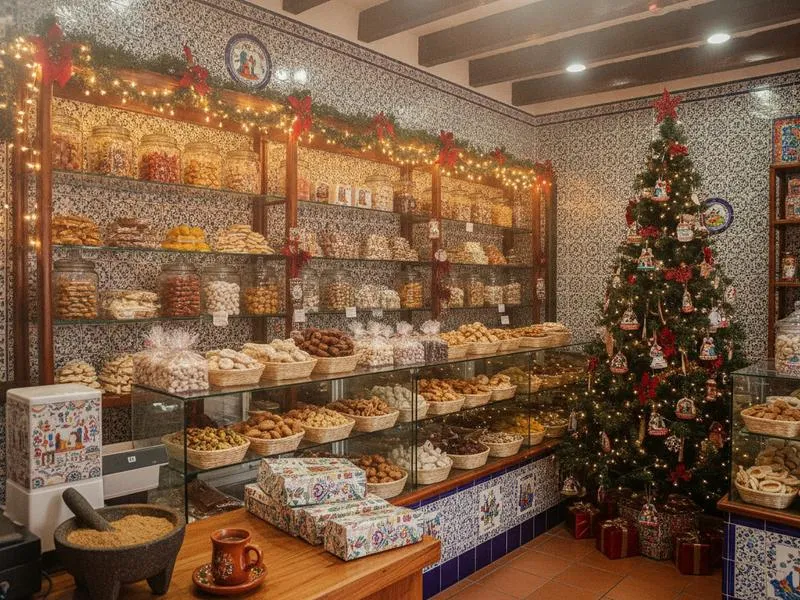
Carry cash in small bills. Ask before photographing vendors or close-up craft displays. Bargaining depends on context: gentle negotiation may be normal in some markets, but aggressive haggling over handmade work is poor form. If the price feels high, ask about materials and process. You may learn why.
Check luggage limits before buying ceramics, glass, or large nativity figures. For fragile pieces, ask vendors to pack them well and keep them in carry-on luggage if possible. Do not assume you can easily ship from smaller towns.
The best Christmas markets in Mexico are not just shopping stops. They are a way to see what families are cooking, decorating, gifting, and preparing before Nochebuena. Give them time, go earlier in the day, and leave space in your bag.