Las Posadas in Mexico 2026: Dates & Etiquette
Las Posadas in Mexico: What Travelers Should Know
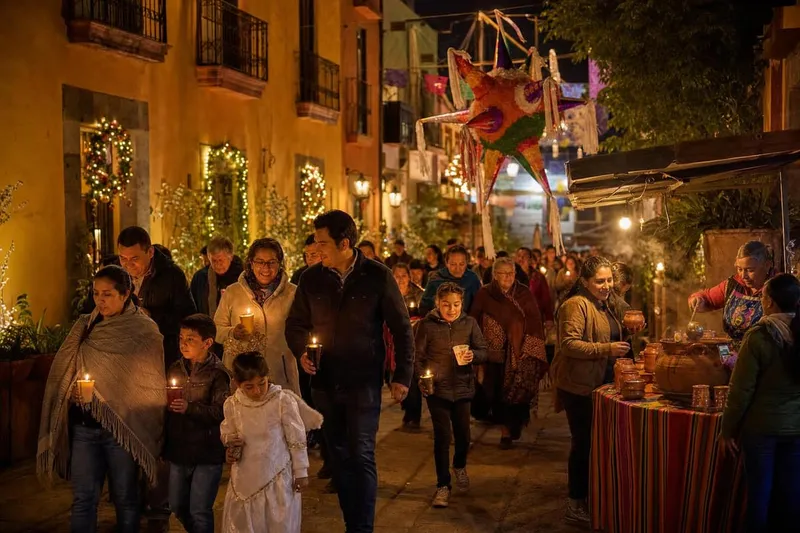
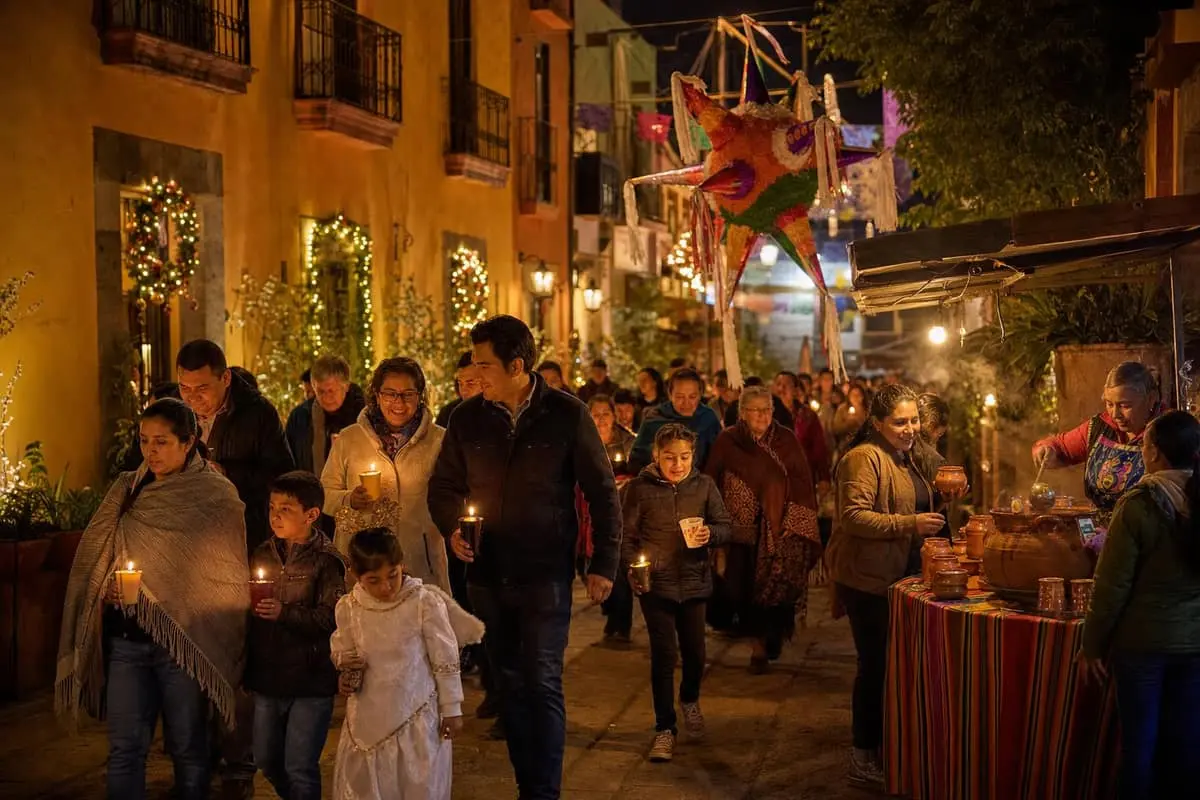
Las Posadas in Mexico run every year from December 16 to 24. They are nine nights of Christmas-season gatherings that remember Mary and Joseph asking for lodging before the birth of Jesus. For travelers, they can be one of the warmest ways to experience Mexico in December: candles in the street, call-and-response songs, hot ponche, tamales, children waiting for the pinata, and families moving between homes, churches, plazas, or community spaces.
The important thing is context. A posada is not a generic Christmas party. It has a religious origin, a neighborhood rhythm, and a host-guest structure. Some posadas are private family events. Others are public, church-led, hotel-hosted, or built into city Christmas programming. Tourists can absolutely experience them, but the respectful version is to choose public events, go with a local host, or attend through a cultural tour rather than walking into a private gathering uninvited.
Use this guide with our broader Mexico in December guide if you are still comparing weather, prices, and holiday timing across the country. If your trip is more cultural than beach-focused, also keep Best Time to Visit Mexico open so you can compare December with Day of the Dead, Independence Day, and Easter travel windows.
Las Posadas in 30 Seconds
| Question | Short answer |
|---|---|
| Dates in 2026 | December 16-24, 2026 |
| What they mean | Nine nights remembering Mary and Joseph seeking lodging |
| Best for travelers | Public, church, plaza, hotel, or tour-led posadas |
| Do you need Spanish? | Helpful, but not required for public events |
| Typical food | Tamales, ponche, atole, buñuelos, pozole, sweets |
| Main etiquette rule | Do not enter a private posada unless invited |
| Best planning base | Mexico City, Oaxaca, Puebla, San Miguel, Morelia, Guadalajara, or a colonial town with active parish life |
The dates are fixed every year, but the experience changes by place. In a small town, a posada may feel intimate and parish-centered. In a major city, it may be part of a larger event calendar alongside Christmas markets, hotel programs, cultural center events, and neighborhood celebrations.
For a first Mexico Christmas trip, do not chase the most famous event only. The better question is: where will you already be between December 16 and 24, and what kind of posada can you attend without turning the evening into a logistics problem?
What Happens at a Posada?
A traditional posada usually begins with people dividing into two groups. One group represents the pilgrims outside, and another represents the innkeepers inside. They sing a call-and-response song asking for shelter, first being refused, then finally welcomed in. After that come prayers or blessings, food, drinks, music, conversation, and often a pinata for children.
The exact format depends on the host. A church posada may be more devotional. A family posada may feel like a house party with a religious opening. A hotel or public event may simplify the structure for visitors. None of those versions are fake by default; they just serve different audiences.
Common elements include:
- Candles or sparklers: used during the procession or entrance.
- The posada song: a back-and-forth asking for lodging.
- Ponche navideño: hot fruit punch, often made with tejocote, guava, cinnamon, sugar cane, and hibiscus.
- Tamales or pozole: filling foods that work for groups.
- Buñuelos: crisp fried sweets, often served with syrup or sugar.
- Pinata: traditionally a seven-point star, symbolically linked to the seven deadly sins.
- Aguinaldo bags: small bags of fruit, nuts, sweets, or candies, often for children.
If you are invited to a private posada, arrive on time, bring a small host gift if appropriate, follow the host’s lead, and avoid treating the night like a performance. If you are attending a public event, arrive early enough to understand where people are gathering and whether there is a route, seating area, or ticketed section.
Las Posadas 2026 Dates and Travel Timing
Las Posadas in 2026 run from Wednesday, December 16 through Thursday, December 24. Christmas Eve, or Nochebuena, is the final night. Because the 2026 dates run Wednesday to Thursday, the weekend of December 18-20 should be especially useful for travelers who want public events without arriving right on Christmas Eve.
| Date | Travel note |
|---|---|
| Dec 16, 2026 | Opening night; good for church and neighborhood starts |
| Dec 17-18 | Easier weekday evenings before peak holiday movement |
| Dec 19-20 | Best weekend window for public programming and visitor-friendly events |
| Dec 21-23 | Strong local atmosphere, but travel logistics get busier |
| Dec 24 | Final posada and Nochebuena; family plans dominate |
If this is your first December trip to Mexico, avoid arriving on December 24 and expecting everything to be easy. Many families are already committed to private dinners, restaurants may require reservations, and transportation can feel less flexible than earlier in the week.
The sweet spot is usually December 17-22. You get real posada atmosphere before the hardest Christmas Eve logistics. You can still use December 24 for a reserved dinner, hotel event, church service, or quiet plaza walk.
Best Places to Experience Las Posadas
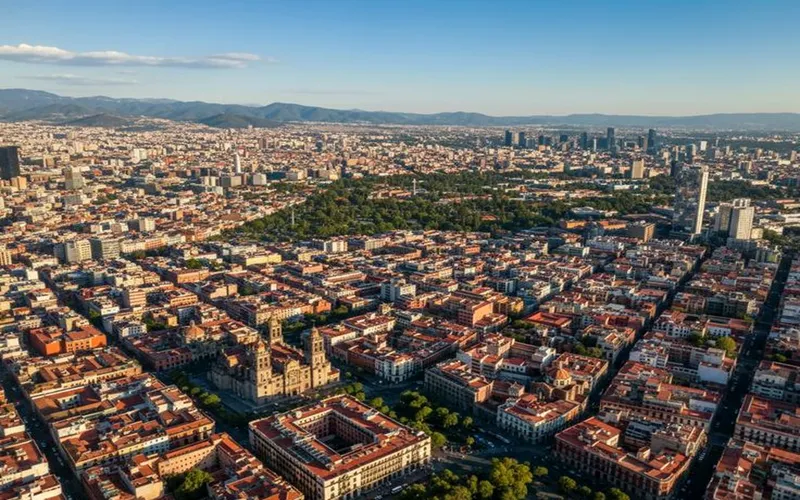
Mexico City is the easiest choice for variety. Look for events in Centro Historico, Coyoacan, San Angel, cultural centers, hotels, churches, and museums. It is also the best base if you want Christmas lights, museums, restaurants, and flexible rainy- or cold-evening backups.
Oaxaca pairs Las Posadas with one of Mexico’s strongest December cultural calendars. If you are staying through December 23, you can also plan around Noche de Rabanos.
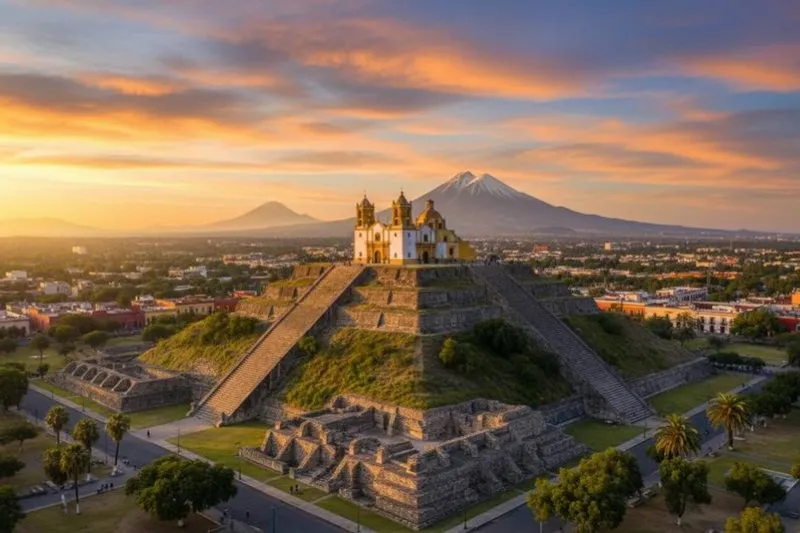
Puebla works beautifully for a faith-and-food Christmas trip. It has churches, historic streets, seasonal sweets, and easy links to Cholula if you want a day trip before an evening posada.
San Miguel de Allende is strong for atmosphere, especially if you want a walkable colonial base. Expect higher hotel prices and more foreign visitors than in smaller towns, but the setting is hard to beat when the evening lights come on.
Morelia, Guadalajara, Queretaro, Guanajuato, and smaller colonial towns can be better than the obvious choices if you already know where you will be staying. Posadas are local by nature. A modest parish procession can feel more meaningful than a packed event you chose only because it appeared on a list.
Food and Drinks at Las Posadas
Food is one of the reasons Las Posadas feel so welcoming. The usual rhythm is warm, filling, and practical: something to drink, something easy to serve, and something sweet.
| Food or drink | What to expect |
|---|---|
| Ponche navideño | Hot fruit punch with cinnamon, guava, tejocote, hibiscus, sugar cane, or seasonal fruit |
| Tamales | Common because they are easy to serve to a group |
| Atole or champurrado | Warm corn-based drinks, often served with tamales |
| Pozole | More common at larger gatherings or family-style events |
| Buñuelos | Crisp fried sweets with syrup or sugar |
| Aguinaldos | Small bags of fruit, nuts, sweets, or candies |
For traveler budgeting, a public posada may be free or low-cost, while a hotel or tour-led experience may be priced like a cultural dinner. Casual food around the season can still be affordable: tamales may cost 25-60 MXN ($1.50-$3.50 USD), ponche 30-80 MXN ($2-$4 USD), and a simple restaurant dinner 180-450 MXN ($10-$25 USD). Hotel dinners and special Christmas programs can cost much more.
If you are invited to a private posada, do not assume you need to pay. Ask the host what you can bring. A bottle, dessert, fruit, or something for children may be more appropriate than cash.
Etiquette for Travelers
The simplest rule is this: public posadas are for visitors; private posadas require an invitation. If a family, friend, hotel, guide, church, or community host invites you, go warmly. If you simply see a group entering a home, do not follow them in.
Dress modestly enough for a church or family gathering. You do not need formal clothes, but beachwear, loud drinking behavior, or treating the evening like a photo shoot will feel out of place. Ask before photographing children, singers, hosts, or religious images up close.
Learn a few basics:
| Spanish phrase | Meaning |
|---|---|
| ¿Es una posada pública? | Is this a public posada? |
| Gracias por invitarnos | Thank you for inviting us |
| ¿Podemos tomar una foto? | May we take a photo? |
| ¿Qué podemos llevar? | What can we bring? |
If the posada includes prayer or a religious moment, follow quietly even if you are not Catholic. Stand where people stand, listen, and keep the phone down. The most respectful travelers are often the least conspicuous ones.
How to Plan a Posada Night
Choose the evening first, then choose the city. If you are in Mexico from December 16-24, check hotel calendars, church announcements, municipal culture pages, and local event listings one or two weeks before arrival. December programming can be announced late, especially in smaller places.
For a smooth night:
- Stay within easy taxi or walking distance. Late December nights are not ideal for complicated transfers.
- Reserve dinner if you need a guaranteed meal. Posada snacks are not always a full dinner.
- Carry small bills. Useful for snacks, candles, tips, taxis, or donations.
- Bring a layer. Highland cities like Mexico City, Puebla, San Miguel, and Morelia can feel cool after dark.
- Keep Christmas Eve simple. December 24 is more family-centered and less forgiving for improvisation.
If you are traveling with children, choose a public family event or hotel program. If you are traveling as a couple, a church procession plus dinner reservation can be better than trying to find the biggest party.
Common Mistakes
The first mistake is assuming every Christmas event is a posada. Mexico has tree lightings, markets, concerts, hotel dinners, church services, nativity scenes, and street fairs. A posada has the lodging-seeking ritual at its center, even when the event later becomes food and celebration.
The second mistake is overplanning December 24. Nochebuena matters. Many locals are with family, and restaurants or transfers can require planning. If Christmas Eve is your main travel night, book the meal, transport, and hotel early.
The third mistake is treating a posada as content. Photos are fine when appropriate, but the night is about participation and hospitality. Sing if invited. Try the ponche. Thank the host. Ask questions softly. You will remember that more than the perfect image.
Final Thoughts
Las Posadas are one of Mexico’s most human December traditions. They are religious, social, musical, and practical all at once: a story retold through walking, singing, welcoming, eating, and sharing a warm drink after dark.
For travelers, the best version is not necessarily the most famous one. It is the one you can attend respectfully in the place where your trip already makes sense. Build your route around good December logistics, choose public or invited gatherings, and let the evening feel local instead of forcing it into a checklist.
If you are still shaping the bigger holiday trip, start with our Christmas in Mexico travel guide, then compare city bases such as Mexico City, Puebla, Oaxaca, and Guadalajara before locking your Christmas week hotels.