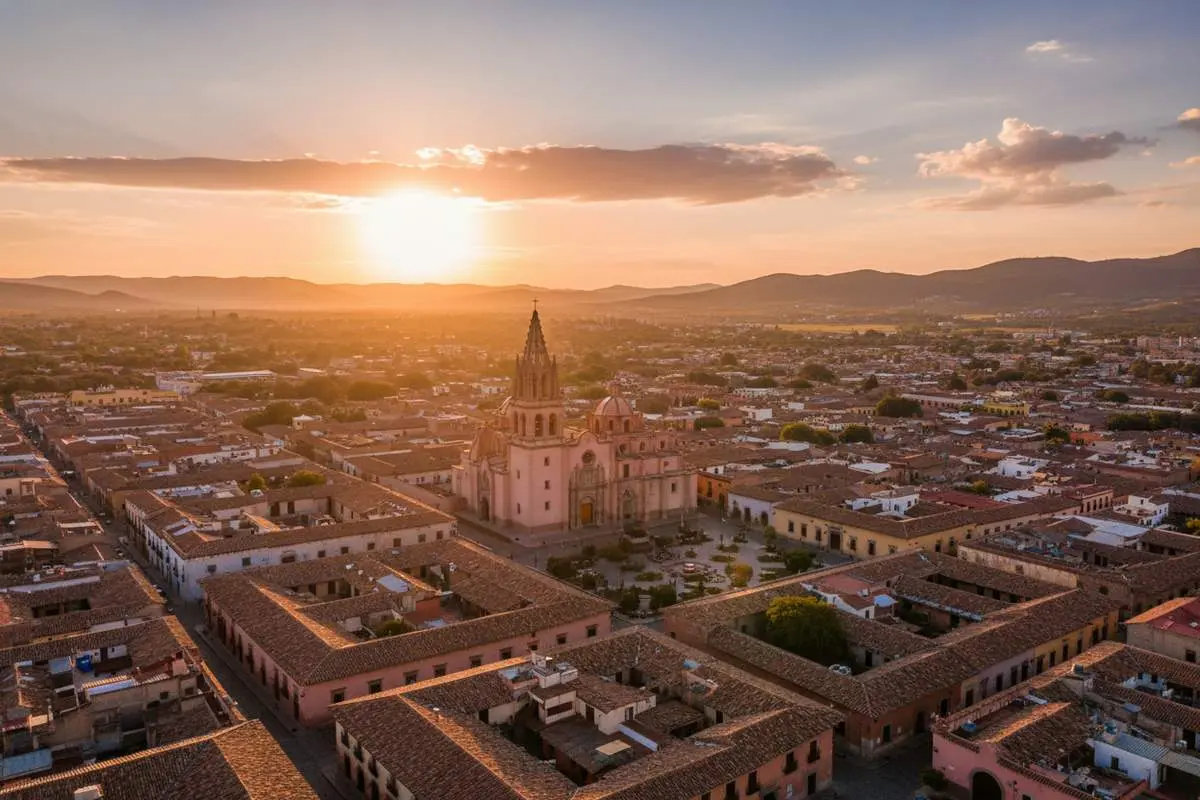
The Magic of Colonial Mexico: A Guide to History & Heritage
The Soul of Mexico Lives in Its Colonial Heart
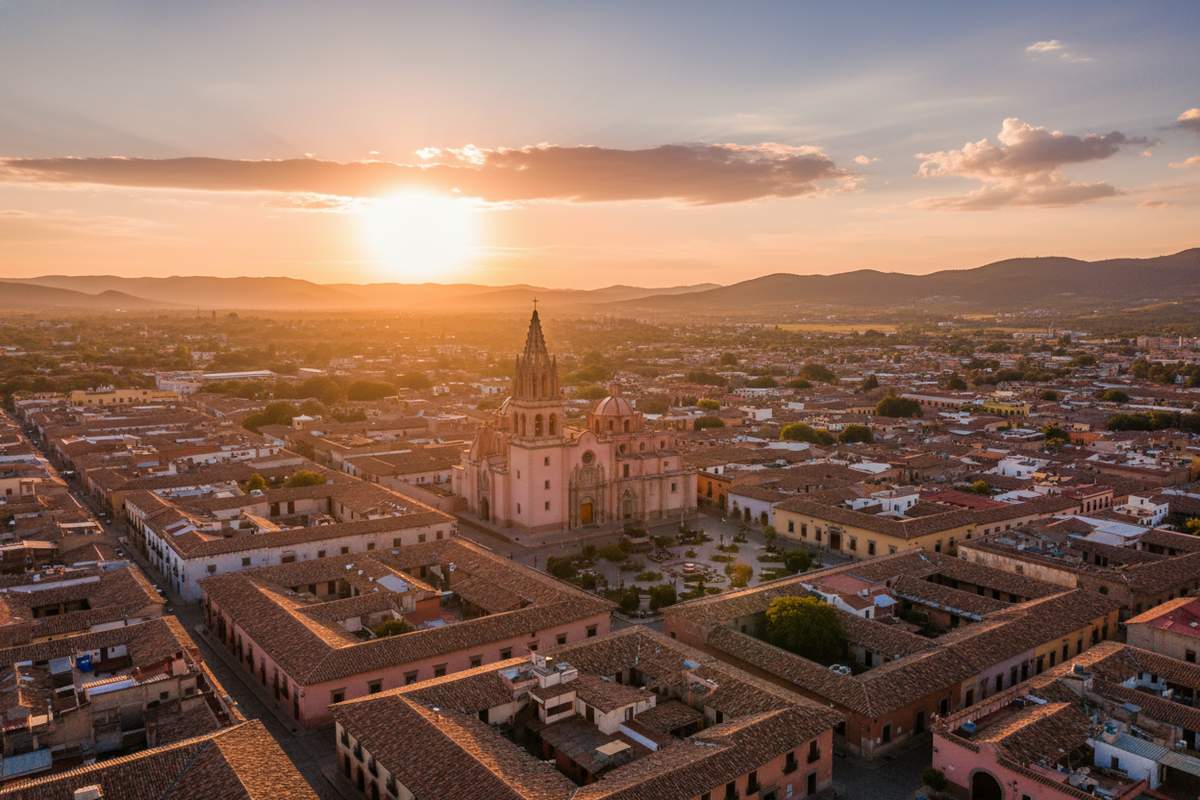
Three hundred years of Spanish rule left Mexico with an extraordinary legacy of architecture, art, and culture that continues to captivate travelers today. From the pink-stone grandeur of Morelia to the colorful alleyways of Guanajuato, Colonial Mexico offers a journey through centuries of history preserved in stone, faith, and tradition.
Mexico holds the distinction of having more UNESCO World Heritage Sites than any other country in the Americas, with 36 inscribed locations. Many of these are colonial cities whose historic centers remain remarkably intact, transporting visitors to an era when silver mines fueled an empire and Baroque churches rose above cobblestone plazas.
This guide explores the colonial heartland of Central Mexico, where you will find some of the most beautiful cities in the Western Hemisphere. Whether you are planning a road trip through the silver cities, seeking the charm of a Pueblo Magico, or simply want to understand the forces that shaped modern Mexico, this comprehensive guide covers everything you need to know.
Understanding Colonial Mexico: A Brief History
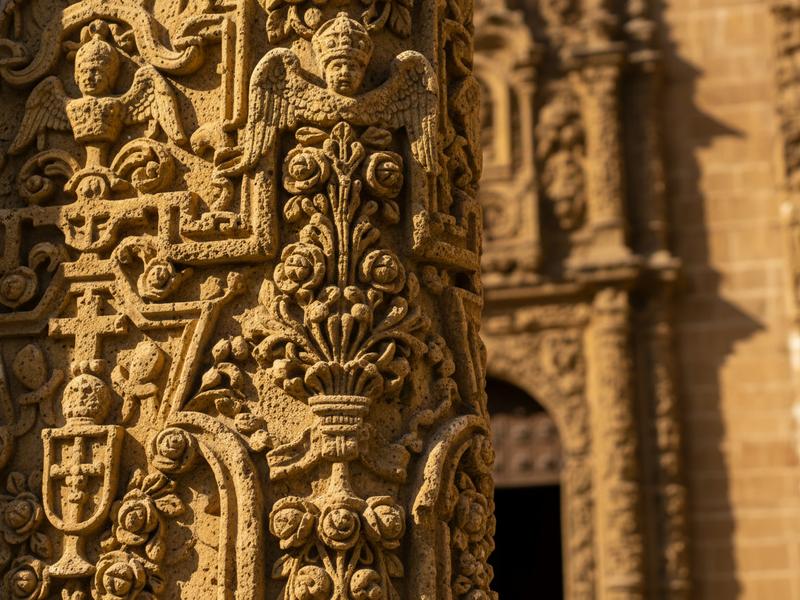
The Spanish conquest of Mexico began in 1519 when Hernan Cortes landed on the Gulf Coast with roughly 600 men. Within two years, aided by indigenous allies and European diseases, the conquistadors had toppled the Aztec Empire and claimed its territories for the Spanish Crown.
Key Historical Timeline:
- 1521: Fall of Tenochtitlan, the Aztec capital built where Mexico City stands today
- 1531: Apparition of the Virgin of Guadalupe, unifying indigenous and Spanish Catholic traditions
- 1535: Official establishment of New Spain as a Spanish colony
- 1548: Discovery of silver in Zacatecas, triggering the silver boom that built colonial cities
- 1573-1813: Construction of Mexico City’s Metropolitan Cathedral spanning multiple architectural periods
- 1810: Father Miguel Hidalgo’s Grito de Dolores launches the independence movement
- 1821: Mexico achieves independence from Spain
The colonial period transformed the landscape of Central Mexico. Spanish missionaries built thousands of churches and monasteries. Mining towns became wealthy cities adorned with Baroque and Churrigueresque architecture. Indigenous artisans blended their traditions with European techniques, creating uniquely Mexican styles that endure today.
The wealth generated by silver mining funded extraordinary construction projects. The UNESCO World Heritage Centre recognizes many of these colonial treasures, from individual buildings to entire city centers that showcase the architectural and cultural fusion of New Spain.
The Great Colonial Cities of Central Mexico
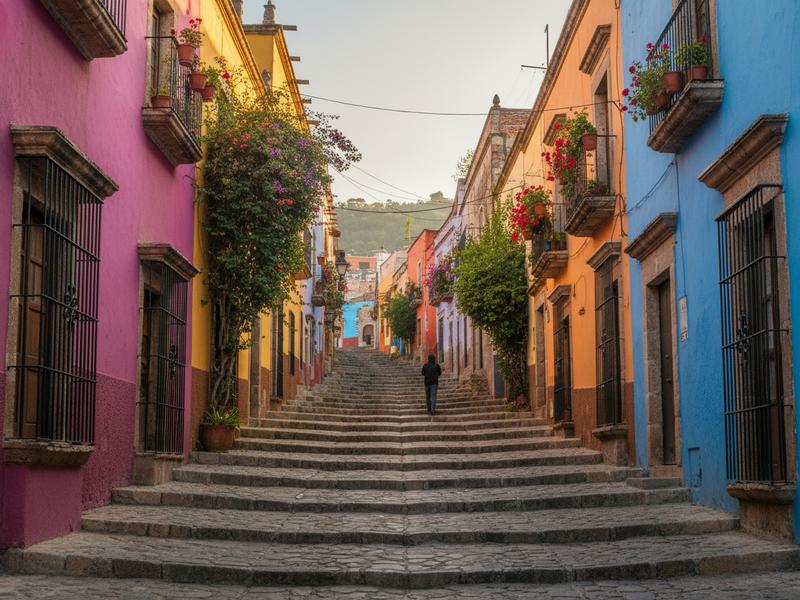
Central Mexico contains the highest concentration of colonial heritage sites in the country. Connected by the historic Ruta de la Plata (Silver Road), these cities once formed the backbone of the Spanish colonial economy.
San Miguel de Allende
San Miguel de Allende consistently ranks among the most beautiful small cities in the world, and spending time here makes it easy to understand why. The entire historic center is a UNESCO World Heritage Site, featuring remarkably preserved 18th-century architecture beneath the neo-Gothic spires of the Parroquia de San Miguel Arcangel.
The city has reinvented itself as an arts colony and expatriate haven without losing its authentic Mexican character. Galleries, restaurants, and boutique hotels occupy restored colonial mansions. Hot springs and vineyards dot the surrounding countryside.
What makes San Miguel special:
- Perfect highland climate with year-round temperate weather
- Outstanding gastronomy scene blending Mexican and international cuisines
- Thriving arts community with festivals throughout the year
- Walkable historic center with minimal vehicle traffic
- Day trip proximity to other colonial cities
For a complete guide to this destination, see our article on things to do in San Miguel de Allende.
Guanajuato City
If San Miguel is refined elegance, Guanajuato is exuberant creativity. Built into a narrow valley, this former silver mining capital features colorful buildings climbing steep hillsides connected by hundreds of winding alleyways called callejones. A unique underground tunnel system, originally riverbeds, now carries traffic beneath the city center.
Guanajuato hosts the internationally renowned Festival Internacional Cervantino each October, transforming plazas and theaters into stages for performing arts from around the world. The city’s university lends it a youthful energy that complements its colonial grandeur.
Essential Guanajuato experiences:
- Riding the funicular to the Pipila monument for panoramic views
- Exploring the underground streets and plaza system
- Attending a callejoneada musical walking tour
- Visiting the Alhondiga de Granaditas, site of a pivotal independence battle
- Day trip to the nearby Valenciana silver mine and church
Our detailed guide to things to do in Guanajuato City covers all the highlights.
Queretaro
Often overlooked by tourists focused on San Miguel and Guanajuato, Queretaro rewards visitors with one of Mexico’s most impressive historic centers. The city played crucial roles in both the independence movement and the later Reform War, giving it historical significance beyond its architectural beauty.
The 18th-century aqueduct, stretching over a kilometer with 74 arches, remains one of the most admirable colonial structures in the Americas. The geometric Spanish street grid contrasts with the winding alleys of indigenous neighborhoods, reflecting the multicultural nature of colonial society.
Queretaro highlights:
- The iconic aqueduct, best viewed at sunset
- Baroque churches including Santa Rosa de Viterbo
- Excellent museums in restored colonial buildings
- Growing wine country in nearby valleys
- Lower tourist density than neighboring cities
Nearby, the magical town of Bernal offers dramatic scenery and one of the world’s largest monoliths.
Morelia
The capital of Michoacan state stands as perhaps the best-preserved example of colonial urban planning in Mexico. Over 200 landmarks constructed from the region’s distinctive pink cantera stone give the city a warm, cohesive appearance. The historic center earned UNESCO World Heritage status in 1991.
Morelia’s cathedral, completed in 1744, exemplifies the balanced proportions and restrained ornamentation of what became known as Morelian Baroque. Inside, the San Gregorio Magno tubular organ, with over 4,600 pipes, is the largest in Latin America.
Why Morelia stands out:
- Exceptional architectural unity across the historic center
- Gateway to Michoacan’s indigenous Purepecha communities
- Famous for traditional candies and sweets
- Proximity to monarch butterfly sanctuaries (November-March)
- Less touristy atmosphere than Guanajuato region cities
For more on this beautiful city, read our comprehensive Morelia travel guide.
Puebla
Founded in 1531 as the first city planned and built by the Spanish in the Americas, Puebla combines colonial splendor with culinary excellence and a distinctive visual identity. The city is famous for its Talavera pottery tradition, which decorates building facades throughout the historic center in brilliant blues and yellows.
The Capilla del Rosario inside the Church of Santo Domingo has been called the “Eighth Wonder of the World” for its extraordinarily ornate Baroque interior covered in gold leaf and intricate stucco work. The city’s cathedral, one of the largest in Mexico, anchors the main plaza.
Puebla essentials:
- Sampling mole poblano and chiles en nogada, dishes invented here
- Touring Talavera workshops to see artisans at work
- Visiting the Amparo Museum’s pre-Columbian and colonial collections
- Day trips to nearby Cholula and its massive pyramid
- Exploring the candy district for traditional sweets
The nearby Great Pyramid of Cholula predates the Spanish arrival and offers fascinating insights into pre-Columbian civilization.
Oaxaca City
Where colonial architecture meets indigenous tradition, Oaxaca creates something unique in Mexico. The city’s Zapotec and Mixtec heritage blends with Spanish colonial influence in architecture, crafts, and cuisine that feel distinctly different from the central highlands.
The Templo de Santo Domingo de Guzman showcases Baroque architecture at its most exuberant, while the adjacent ethnobotanical garden occupies a former Dominican monastery. Oaxaca’s reputation as Mexico’s culinary capital attracts food lovers from around the world.
Oaxaca highlights:
- Seven varieties of mole and unique regional cuisine
- Mezcal tastings and distillery tours
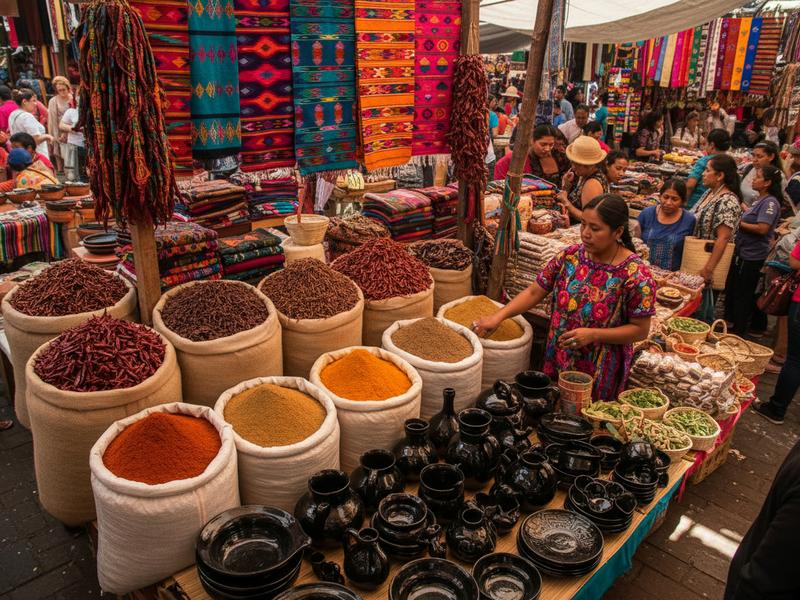
- Indigenous markets, particularly the Sunday market at Tlacolula
- Day trips to Monte Alban and Mitla archaeological sites
- Traditional textile and black pottery workshops
Our guide to Oaxaca City provides detailed visitor information.
Zacatecas
The northernmost of the great silver cities, Zacatecas spreads across a narrow valley surrounded by arid mountains. Its cathedral represents the pinnacle of Mexican Churrigueresque architecture, with a facade so intricately carved it resembles lacework more than stone.
The city feels more remote and less visited than the colonial cities closer to Mexico City, giving it an authenticity that rewards travelers willing to venture further. An aerial tramway connects the city center to the Cerro de la Bufa, offering spectacular views.
Zacatecas experiences:
- The cathedral facade, especially illuminated at night
- Mina El Eden tour through a colonial silver mine
- Teleférico cable car ride for panoramic views
- Rafael Coronel Museum’s collection of over 10,000 masks
- Nearby ghost town of Sombrerete
Learn more in our complete Zacatecas travel guide.
Mexico’s Pueblos Magicos: Magical Towns Worth Visiting

Mexico’s Pueblos Magicos program, launched in 2001, recognizes smaller towns with exceptional cultural, historical, or natural qualities. With 177 designated magical towns across the country, many of the most compelling examples lie within the colonial heartland.
What Makes a Town “Magical”?
The Tourism Ministry evaluates towns based on unique attributes, symbolic value, festivals, cuisine, handicrafts, and tourism infrastructure. Receiving the designation brings government investment and tourist attention, helping preserve traditional character while supporting local economies.
Top Pueblos Magicos in Central Mexico
Taxco, Guerrero
Known as the silver city, Taxco climbs steep hillsides in a maze of narrow streets lined with silver shops. The Baroque church of Santa Prisca, funded by silver baron Jose de la Borda in the 18th century, dominates the main plaza. The town was one of the first to receive Pueblo Magico status.
Our detailed Taxco travel guide covers all the essentials.
Patzcuaro, Michoacan
This lakeside town serves as the cultural heart of the Purepecha indigenous region. Famous for Day of the Dead celebrations on the nearby island of Janitzio, Patzcuaro also offers excellent handicraft shopping year-round. Traditional crafts from surrounding villages include lacquerware, copper vessels, and wooden masks.
Tepoztlan, Morelos
Just 90 minutes from Mexico City, Tepoztlan draws weekend visitors to its craft market, pre-Hispanic pyramid, and mystical atmosphere. Locals claim special spiritual energy surrounds this valley town, making it a center for alternative wellness practitioners.
Valle de Bravo, State of Mexico
This lakeside resort town offers water sports, paragliding, and mountain scenery within easy reach of Mexico City. Colonial architecture mixes with upscale restaurants and galleries, attracting weekenders seeking nature without sacrificing comfort.
Real de Catorce, San Luis Potosi
A former silver mining town accessed through a 2.3-kilometer tunnel, Real de Catorce exists in a state of atmospheric ruin. The surrounding desert holds significance for the Huichol indigenous people, who make pilgrimages to collect peyote for religious ceremonies.
Dolores Hidalgo, Guanajuato
The “Cradle of Mexican Independence” is where Father Miguel Hidalgo issued his famous Grito that launched the independence movement in 1810. Beyond its historical significance, the town is known for unusual ice cream flavors and Talavera-style ceramics.
Explore more in our guide to Dolores Hidalgo.
Colonial Architecture: Understanding the Styles
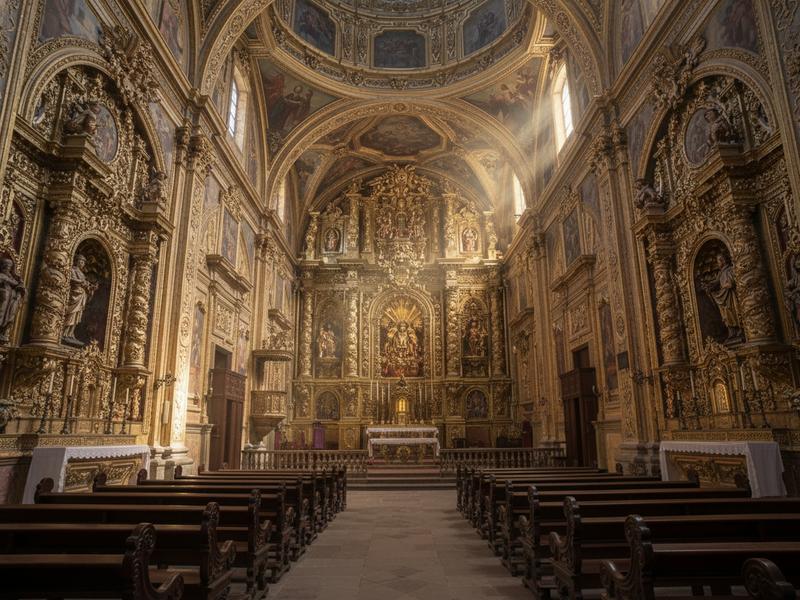
Recognizing architectural styles enriches any visit to colonial Mexico. Spanish colonizers adapted European traditions to local materials and indigenous labor, creating distinctly Mexican variations.
Renaissance (1520s-1600)
The earliest colonial buildings reflected the Renaissance style dominant in Spain. Characteristics include symmetry, classical proportions, and restrained ornamentation. The 16th-century monasteries built by Franciscan, Dominican, and Augustinian friars exemplify this period. Many feature fortress-like designs reflecting the uncertain early colonial period.
Baroque (1600-1750)
As colonial wealth grew, architecture became more elaborate. Mexican Baroque incorporated twisted columns, broken pediments, and rich sculptural decoration. Churches like Puebla’s Cathedral and the cathedrals of Mexico City show the grandeur achievable when silver money flowed freely.
Churrigueresque (1720-1780)
Named after Spanish architect Jose Benito de Churriguera, this ultra-Baroque style reached its most extreme expression in Mexico. The style features almost overwhelming surface decoration, with every available space covered in carved stone or gilded wood. The Sagrario Metropolitano in Mexico City and Zacatecas Cathedral exemplify this exuberant approach.
Neoclassical (1780-1850)
As a reaction against Baroque excess, Neoclassical architecture returned to classical Greek and Roman precedents. This style dominated the late colonial and early independence period. The Palacio de Mineria in Mexico City showcases the restrained elegance of this period.
Identifying Features
When exploring colonial buildings, look for these distinctive elements:
- Cantera stone: Pink, gray, or cream volcanic stone used throughout central Mexico
- Talavera tiles: Blue and white ceramic decoration, especially in Puebla
- Open atrium chapels: Spaces for outdoor mass accommodating indigenous congregations
- Estipite columns: Inverted pyramidal pilasters characteristic of Churrigueresque
- Mudéjar influences: Geometric patterns and ceiling treatments reflecting Spain’s Moorish heritage
Planning Your Colonial Mexico Road Trip
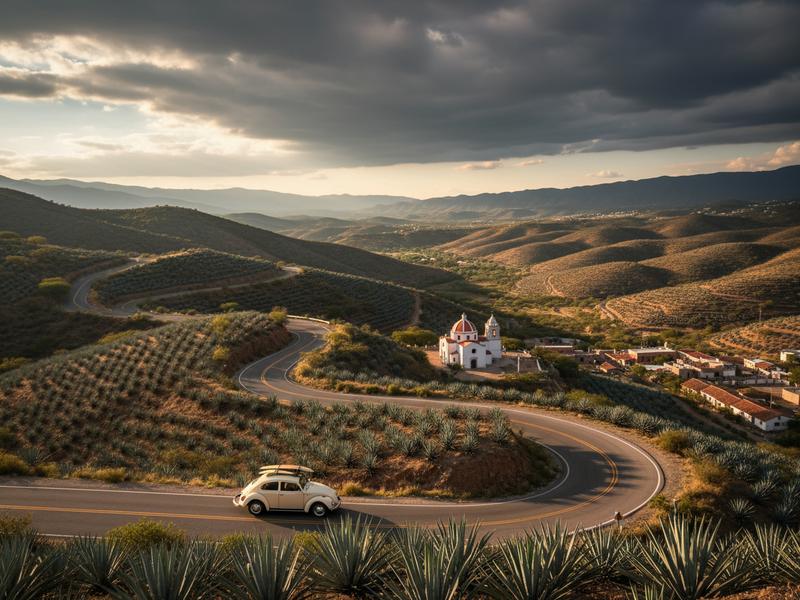
A road trip through colonial Mexico offers flexibility and the ability to explore at your own pace. The region has good roads and manageable distances between major destinations.
Suggested Routes
The Classic Colonial Circle (10-14 days)
Starting and ending in Mexico City, this route covers the major colonial cities:
- Mexico City (2-3 days)
- Teotihuacan and Tepoztlan (1 day)
- Puebla and Cholula (2 days)
- Oaxaca City (2-3 days)
- Morelia (1-2 days)
- Patzcuaro (1 day)
- Guanajuato (2 days)
- San Miguel de Allende (2 days)
- Queretaro (1 day)
- Return to Mexico City
The Ruta de la Plata (7-10 days)
Following the historic silver route north:
- Mexico City (2 days)
- Queretaro (1 day)
- San Miguel de Allende (2 days)
- Guanajuato (2 days)
- Zacatecas (2 days)
- San Luis Potosi (1 day)
- Return via Queretaro
Mexico City Extended Day Trips (5-7 days)
Based in Mexico City with day trips:
- Teotihuacan pyramids
- Puebla and Cholula
- Cuernavaca and Taxco
- Tepoztlan
- Valle de Bravo
- Toluca and Metepec
Driving Tips
Road conditions: Toll highways (autopistas or cuotas) connect major cities with excellent pavement and services. Free roads (libres) are slower but more scenic. The toll from Mexico City to Guanajuato costs approximately 600 pesos but saves hours compared to the free route.
Safety considerations: Avoid driving after dark. Use well-lit parking in cities. Keep valuables out of sight. The colonial heartland has lower crime rates than border regions, but standard precautions apply.
Navigation: Google Maps and Waze work well throughout the region. Download offline maps as a backup for areas with spotty cell coverage.
Gas stations: Pemex stations are common along major routes. Most accept credit cards, though carrying some cash helps in smaller towns.
When to Visit
October-April: Dry season with clear skies and comfortable temperatures. Peak tourist season around Christmas and Easter brings crowds and higher prices.
May-September: Rainy season brings afternoon thunderstorms, usually clearing by evening. Fewer tourists and lower prices compensate for occasional wet afternoons.
Festival highlights:
- October: Festival Internacional Cervantino in Guanajuato
- November 1-2: Day of the Dead celebrations, especially Patzcuaro
- December: Christmas posadas throughout the region
- February: Monarch butterflies in Michoacan (mid-November through March)
- September 15-16: Independence Day celebrations, especially Dolores Hidalgo
Beyond the Colonial Cities: Day Trips and Excursions
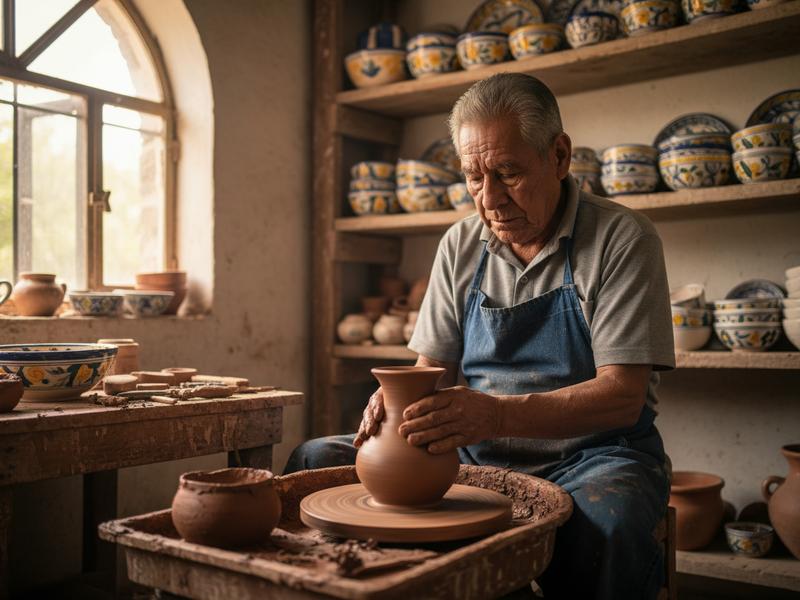
The colonial heartland offers much beyond its famous cities. Archaeological sites, natural wonders, and artisan villages provide compelling reasons to venture off the main tourist circuit.
Archaeological Sites
Teotihuacan: The massive pyramids of the Sun and Moon predate the Aztec Empire and rank among Mexico’s most impressive pre-Columbian sites. Located just an hour from Mexico City.
Monte Alban: This Zapotec hilltop city outside Oaxaca offers impressive ruins and panoramic views. Our guide to Monte Alban provides detailed visitor information.
Cholula: The world’s largest pyramid by volume lies beneath a Spanish church outside Puebla. Tunnels allow exploration of the interior.
Natural Attractions
Monarch Butterfly Reserves: Each winter, millions of monarch butterflies migrate from Canada and the United States to forests in Michoacan. The spectacle peaks from mid-February through early March. The town of Angangueo provides a base for visiting the sanctuaries.
Hot Springs: Geothermal activity creates natural hot springs throughout the region. Las Grutas de Tolantongo in Hidalgo offers dramatic cliff-side pools. San Miguel de Allende and Queretaro have numerous hot spring spas nearby.
Pena de Bernal: One of the world’s tallest monoliths rises above the pueblo magico of Bernal. Climbers scale its face while others enjoy the view from town.
Artisan Villages
The region’s craft traditions remain vital, with many villages specializing in particular techniques:
- Tonala, Jalisco: Ceramics and blown glass
- Santa Clara del Cobre, Michoacan: Hammered copper vessels
- Paracho, Michoacan: Handmade guitars
- San Bartolo Coyotepec, Oaxaca: Black pottery
- Teotitlan del Valle, Oaxaca: Handwoven wool rugs
Practical Information for Travelers
Getting There
By air: Mexico City’s Benito Juarez International Airport (MEX) serves as the primary gateway, with extensive domestic and international connections. Queretaro (QRO), Guanajuato/Leon (BJX), and Oaxaca (OAX) airports offer alternatives.
By bus: Mexico’s extensive bus network connects all colonial cities. First-class services (Primera Plus, ETN, ADO) offer comfortable seats, movies, and restroom facilities. Booking in advance guarantees seats during holidays.
Accommodation
Colonial cities offer accommodations ranging from converted haciendas to budget hostels. Boutique hotels in restored colonial buildings provide atmospheric stays in historic centers. Prices increase significantly during major festivals and Mexican holiday periods.
Our guide to haciendas in Mexico highlights some of the most beautiful historic properties.
Budget Considerations
- Budget travel: $50-80 USD per day (hostels, street food, public transport)
- Mid-range: $100-200 USD per day (boutique hotels, restaurant meals, some tours)
- Luxury: $300+ USD per day (top hotels, private guides, fine dining)
The colonial heartland offers excellent value compared to beach resorts. Food quality is exceptional even at modest price points, and many of the best experiences, like wandering colonial streets, cost nothing.
Health and Safety
Water: Stick to bottled water and avoid ice from unknown sources. Most tourist restaurants use purified ice.
Altitude: Cities like Guanajuato (2,000 meters) and Mexico City (2,240 meters) sit at elevation. Take it easy the first day if arriving from sea level.
Sun protection: The highland sun is intense. Bring sunscreen, a hat, and sunglasses regardless of season.
COVID-19: Requirements change frequently. Check current regulations before traveling.
Colonial Mexico: Final Reflections
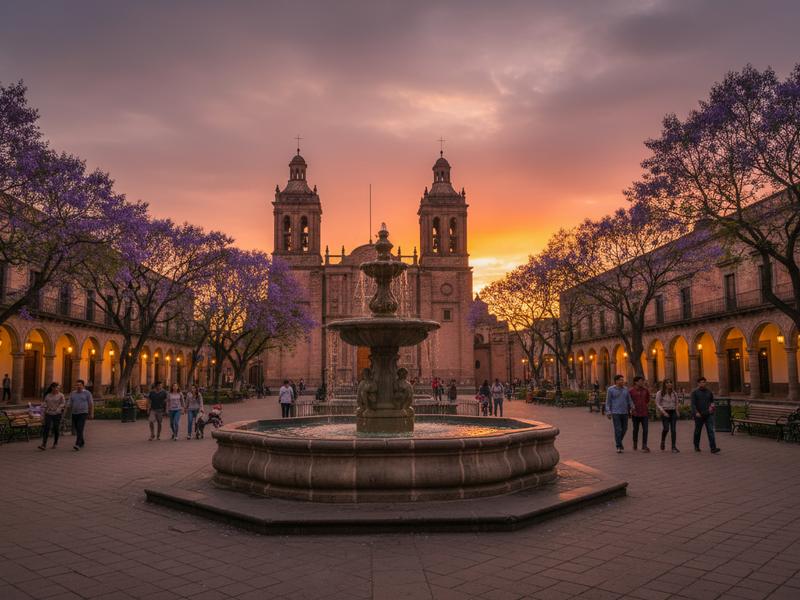
Colonial Mexico offers travelers something increasingly rare in our homogenized world: cities whose historic cores remain substantially intact, where walking centuries-old streets provides genuine connection to the past. The wealth that flowed from silver mines built churches, palaces, and plazas that remain in daily use, not as museums but as living urban fabric.
Beyond architecture, the colonial period shaped Mexican identity in ways that resonate today. The blending of Spanish and indigenous traditions created the mestizo culture that defines modern Mexico. Baroque devotion and pre-Columbian symbolism merge in religious celebrations. European techniques and indigenous aesthetics combine in handicrafts. Colonial recipes evolved into the sophisticated cuisine Mexico is now famous for.
Visiting these cities means engaging with complexity. The colonial period brought devastation to indigenous populations through disease, exploitation, and cultural suppression. Yet it also created the syncretic society whose creativity and resilience continue to inspire. Understanding this history enriches any journey through Colonial Mexico.
Whether you spend a weekend in San Miguel de Allende or a month exploring the silver road, the colonial heartland rewards curious travelers. Pack comfortable walking shoes, bring an appetite for history and local cuisine, and prepare to fall in love with some of the most beautiful cities in the Americas.
For more destination inspiration, explore our guides to the best cities to visit in Mexico and top Mexican destinations.