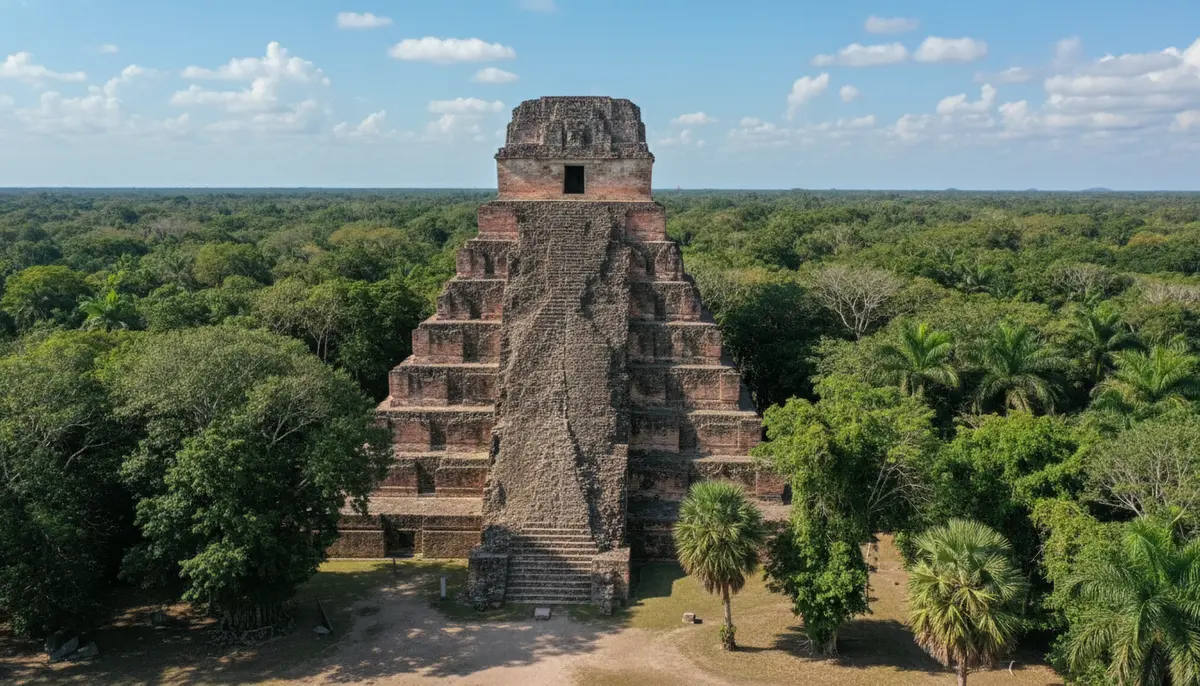
Comalcalco Ruins Guide: The Brick Pyramids of Tabasco
Introduction
If you have visited Mayan sites like Chichen Itza or Tulum, you are used to the cool, grey tones of limestone. Comalcalco offers a jarring, fascinating contrast. The ruins here are earthy, red, and warm. They seem to absorb the intense Tabasco heat rather than reflect it.
This stands as the Westernmost city of the Mayan area and represents a massive architectural anomaly. Comalcalco is the only major capital in the Mayan world built almost entirely from fired brick and oyster shells. While other cities quarried stone, the architects here engineered a metropolis out of mud.
These ruins are the historical anchor for your trip through the state. As the starting point for the Ruta del Cacao Tabasco, Comalcalco provides the necessary cultural context before you explore the neighboring chocolate haciendas.
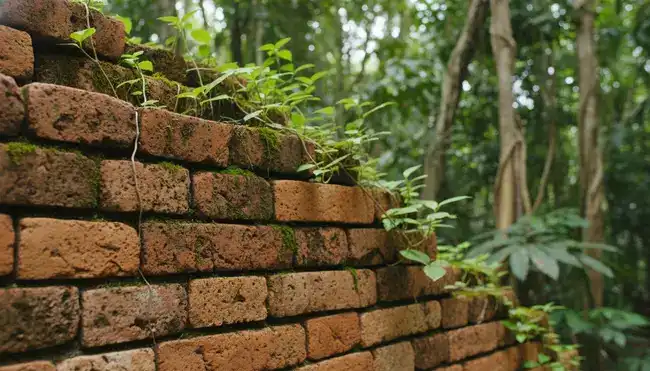 The unique red brick architecture of Comalcalco provides a striking contrast to typical Mayan stone structures
A Brief History of Comalcalco (Why Bricks?)
The choice to build with brick wasn’t an aesthetic decision; it was a geological necessity. Comalcalco sits on the alluvial plain of the Grijalva River Delta. In this swampy, fertile landscape, there are no rock quarries.
According to INAH historical records, the Chontal Maya adapted by mining the clay from the riverbeds. They mixed it with sand and fired bricks in open-air kilns at temperatures exceeding 800°C. To bind these bricks, they created a mortar using crushed oyster shells (ostión) harvested from the nearby Mecoacán Lagoon mixed with burnt lime. This mixture creates the stark white grout lines you see running between the red bricks today.
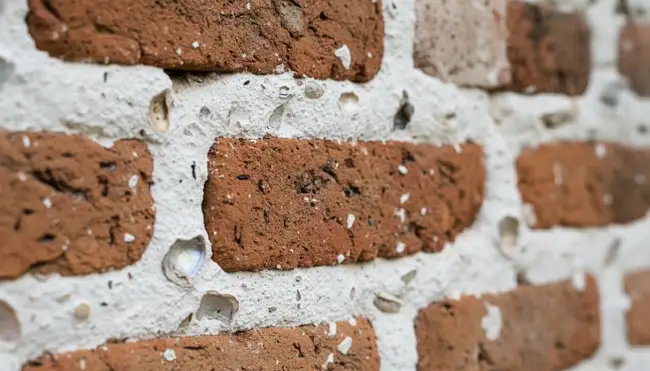 Ancient oyster shell mortar creates distinct white lines between the fired clay bricks
There is a hidden spiritual layer to this engineering. Research published on Mesoweb highlights a fascinating gap in standard tour guides: many of these bricks feature intricate glyphs or drawings. However, the builders placed these inscriptions facing inwards, rendering them invisible to the living. These were messages intended solely for the gods and ancestors, not public decoration.
The city’s modern name reflects its appearance. It comes from the Nahuatl words Comalli (griddle) and Calli (house)—literally “House of the Comals”—because the flat bricks resembled the clay griddles used for cooking tortillas. The original Mayan name was likely Joy Chan, meaning “Wrapped Sky.”
Highlights of the Zona Arqueológica Comalcalco
The site is compact but dense. Unlike the sprawling flatlands of the Yucatan, the focus here is on verticality and hydraulic engineering.
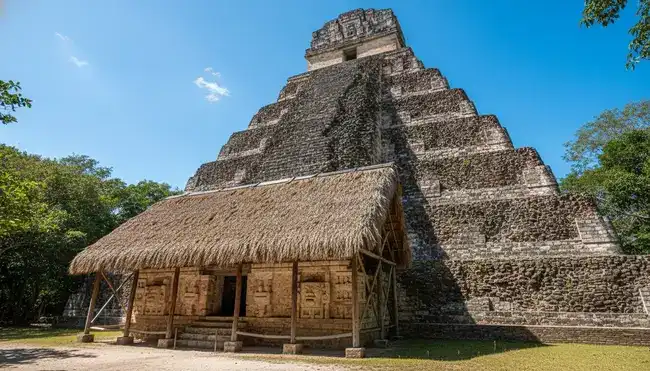 The towering Temple I stands as the ceremonial center of the North Plaza
The North Plaza & Temple I
The North Plaza is definitively the ceremonial heart of the city. Temple I, the Great Pyramid, dominates this space and offers the best panoramic views of the complex. As you approach the base, look up at the facade. You will see massive stucco masks representing the Sun God, Kinich Ahau. Conservationists have placed thatched roofs over these sections to protect the fragile stucco from the relentless sun and rain described in INAH’s site documentation.
The Great Acropolis
This massive platform functioned as the residential zone for the elite. Archaeological surveys note the presence of a popol na (council house), distinguished by wider brick layouts. You can book Mexico tours on Viator.
The real marvel here is the drainage system. Tabasco is one of the wettest regions in Mexico. The Maya installed a complex network of fired clay tubes beneath the floors to channel water away from the structures. This hydraulic engineering prevented the city from washing away during the tropical storm season.
The Stucco Tomb
Located within the Acropolis is a tomb featuring nine figures modeled in stucco, known as the “Nine Lords of the Night.” Due to the fragility of the material, access to the tomb’s interior is often restricted to preserve the humidity levels. However, you can frequently see replicas effectively displayed near the entrance or in the site museum.
Local Tip: When walking between structures, look at the ground. The unexcavated dirt paths are often littered with red pottery shards and brick fragments. Observe them to appreciate the scale of production here, but leave them exactly where you found them.
Planning Your Visit: Hours, Costs & The Museum
Tabasco is not a high-traffic tourist zone like Quintana Roo, so the infrastructure is more rustic. You need to be prepared.
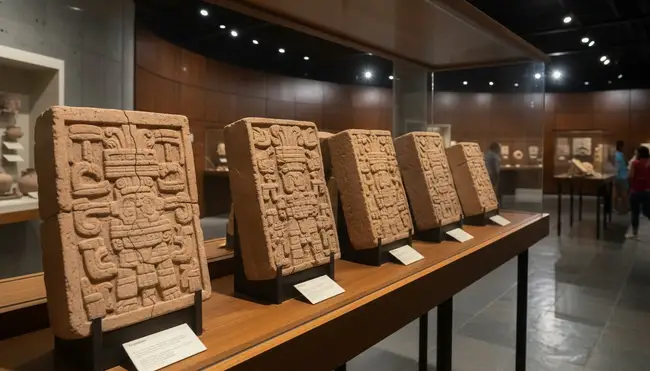 Intricately carved bricks displayed in the site museum reveal artistic details often hidden on the pyramids
- Entrance Fee: The current general admission is approximately 75 MXN (Check official INAH tariffs for updates). Payment is Cash Only. The card terminal rarely connects due to spotty signal.
- Hours: Monday to Sunday, 08:00 to 16:00.
- The Museum is Mandatory: Do not skip the Site Museum at the entrance. Because the engraved bricks on the pyramids are either eroded or cemented inside walls, the museum is the only place you can clearly see the “hidden” artistry of the joyful figures and glyphs.
- Weather Warning: This is the hottest part of your trip. Arrive at 8:00 AM sharp. By 11:00 AM, temperatures regularly hit 36°C (97°F) with 90% humidity. There is very little shade in the North Plaza.
Comalcalco Private Tour with Chocolate Hacienda $95.00 USD - 6 Hour Guided Tour - Includes Pick up
How to Get to Comalcalco Ruins
A common misconception is that the bus to “Comalcalco” drops you at the ruins. It does not. It drops you in the city center, which is a confusing 3 kilometers away from the archaeological site. You can explore Mexico tours on Viator.
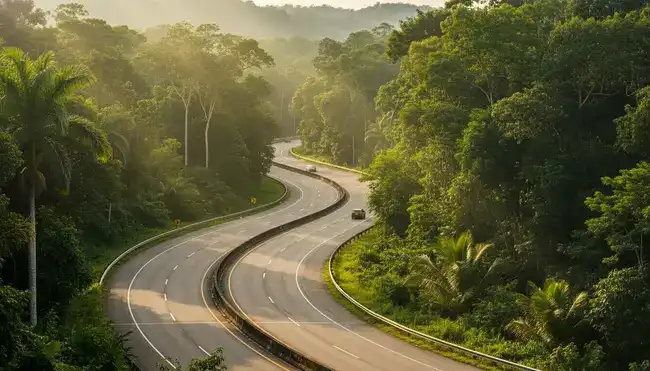 Traveling the roads of Tabasco to the ruins requires reliable local transport or a rental car
- From Villahermosa: Take an ADO or TRT bus from the Central de Autobuses. The ADO schedule shows frequent departures, and the ride takes about 50 to 60 minutes.
- The Last Mile: Once you arrive at the Comalcalco bus terminal, do not attempt to walk to the ruins in the heat. Take a local taxi (should cost 40-50 MXN) or flag down a collective “Combi” van marked “Ruinas” or “Tec.”
- Driving: If you have a rental car, take Federal Highway 187. The road is good, but watch for aggressive topes (speed bumps) as you enter the town limits.
If you are basing yourself in the state capital, consider reading our Quinta Real Villahermosa review to see if it fits your accommodation needs before driving out to the site.
Extending Your Trip: The Cacao Connection
You cannot visit Comalcalco without acknowledging what paid for it: Cacao. The ruins are surrounded by some of the most important chocolate haciendas in Mexico. Before you go, consider getting travel insurance.
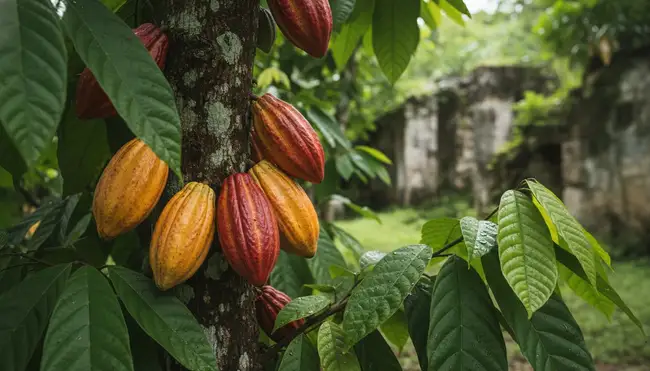 Fresh cacao pods growing at the historic haciendas near the archaeological site
Hacienda La Luz (The Wolter Museum)
This hacienda is unique because the city of Comalcalco effectively grew around it; it is located just blocks from the city center. It features the “German House,” showcasing the history of the Wolter family and German immigration to Tabasco. Their on-site Chocolate Museum is excellent, and you can learn more about visiting in our Hacienda La Luz guide.
Hacienda Jesús María (CACEP)
Located about 10km outside of town, this location offers a more industrial perspective. It is a working factory and organic farm that focuses on regeneration. Their “Bean to Bar” tour—a highlight of Hacienda Jesús María—lets you see the full processing machinery in action.
Where to Eat After the Pyramids
Do not eat in Comalcalco city center; the food is standard commercial fare. Instead, drive 15 minutes north to the coast.
 Roasted Pejelagarto is a traditional delicacy found in the coastal restaurants near Comalcalco
Head to El Bellote or Puerto Ceiba, the main gastronomic hubs of Paraíso Tabasco lining the Mecoacán Lagoon.
You are here to try Pejelagarto Asado. This prehistoric-looking freshwater garfish is roasted whole over wood. It looks intimidating on the plate, but the meat is delicious—often described as a texture between white fish and chicken.
For the best lagoon views and reliable preparation, try Restaurante El Chelin or La Posta.
Conclusion
Comalcalco is a testament to Mayan adaptation. Confronted with a landscape devoid of stone, they engineered a metropolis using the mud beneath their feet and the shells from the nearby lagoon.
A final safety note: the bricks here gather moss and humidity much faster than limestone. If you climb the structures, wear high-traction shoes.
Don’t let your day end at the exit gate. The chocolate haciendas are just down the road, offering a sweet conclusion to your Ruta del Cacao Tabasco itinerary.