Hacienda La Luz, Tabasco: Tickets, Hours, Chocolate Museum, and What to Expect
Introduction
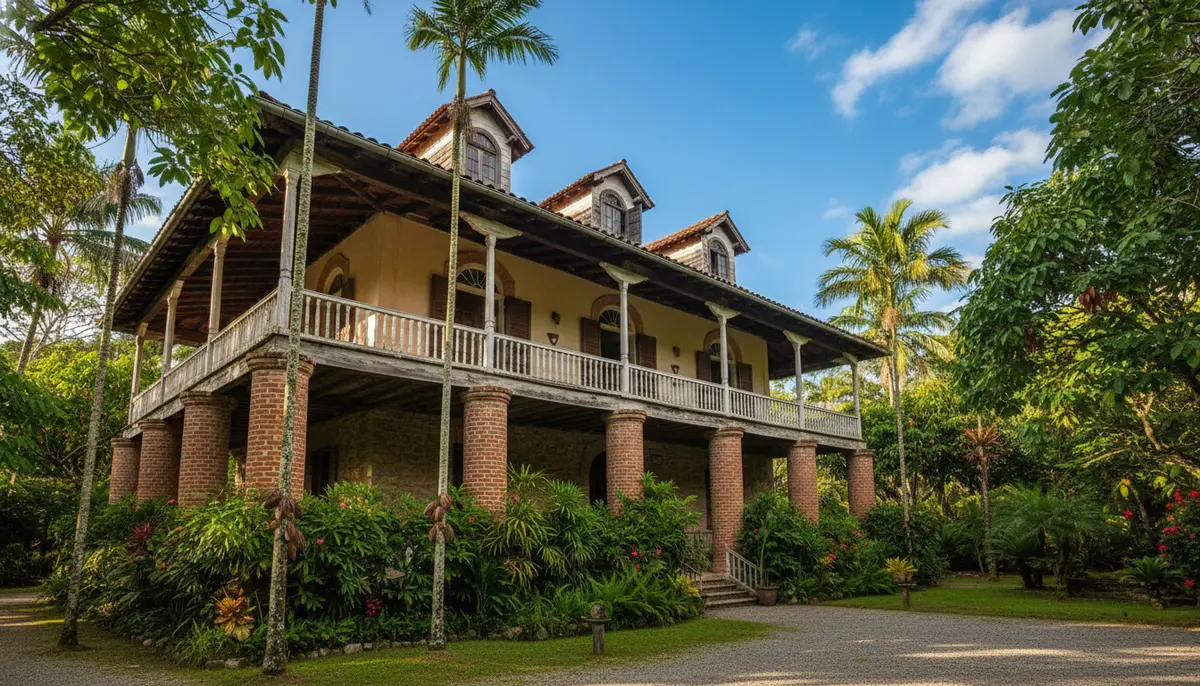
Hacienda La Luz is one of the best and easiest cacao-route stops in Tabasco, especially if you want a chocolate museum experience without driving deep into the countryside. Most travelers should visit for the preserved Wolter house, shaded cacao gardens, and factory tour, then pair it with Comalcalco Ruins or the broader Ruta del Cacao Tabasco.
Most travelers imagine cacao farms as remote plantations hidden deep in the jungle, requiring long drives down dirt roads. Hacienda La Luz breaks that mold. Known locally as the “Wolter Hacienda,” this estate is an urban oasis located directly inside the city limits of Comalcalco.
It serves as the most accessible “living museum” in the region. One minute you are navigating the traffic of a modern Mexican city, and the next, you pass through the gates into a 26-hectare plantation joined by the sounds of parrots and saraguato monkeys.
While many stops on the chocolate route focus solely on agriculture, Hacienda La Luz offers a polished look at the Gilded Age of the “Green Gold” (cacao). From the elegant “Big House” to the award-winning factory, this historical estate is a cornerstone stop on the wider Ruta del Cacao Tabasco.
Hacienda La Luz in 30 Seconds
| If you want… | Why Hacienda La Luz works |
|---|---|
| The easiest chocolate stop from town | It sits inside Comalcalco, about 10 to 12 minutes on foot from the ADO station |
| A polished cacao-route experience | You get the historic house, living plantation, tasting, and factory in one visit |
| A half-day Tabasco plan | It pairs well with Comalcalco Ruins on the same day |
| A more atmospheric visit | Go mid-morning, bring cash, and avoid arriving right before the last tour |
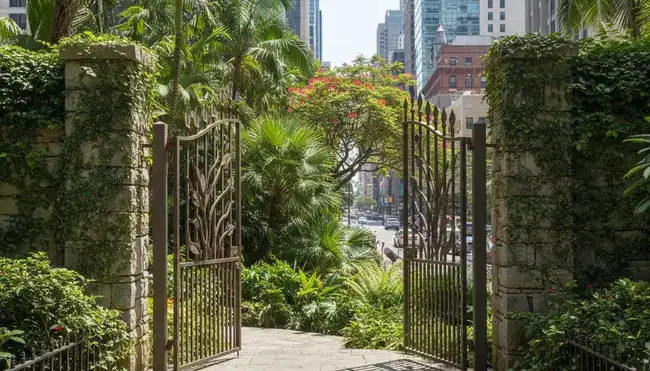 The entrance to the urban oasis of Hacienda La Luz in Comalcalco.
A Brief History of the Wolter Hacienda
To understand this estate, you have to look back to the 1930s when Dr. Otto Wolter, a German immigrant, acquired the land. Dr. Wolter didn’t just bring European agricultural discipline; he brought engineering innovation that changed the city.
The estate is named “Hacienda La Luz” (The Light) for a very practical reason. Before the national power grid reached this part of Tabasco, Dr. Wolter installed the first electrical plant right here on the property. For years, this hacienda supplied power to the surrounding city of Comalcalco.
Today, the architecture reflects a unique fusion of German industrial design and rigorous Tabasqueño tradition. As you walk the main hallway of the house, take a moment to look at the historical timeline on the walls. The history of Chocolates Wolter is documented in photos that show the “Chontalpa” region in the 1940s—a stark, wild contrast to the concrete streets that surround the farm today.
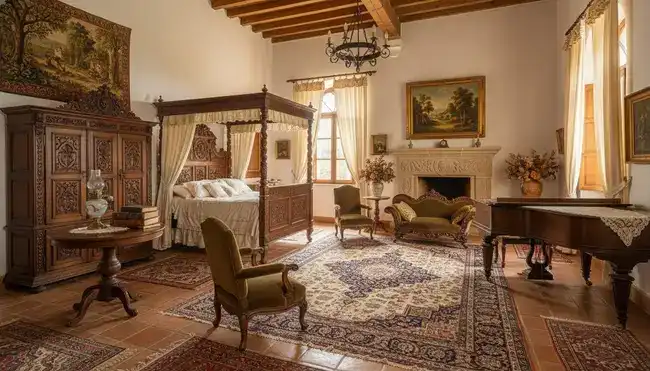 Interior of the hacienda reflecting the vintage 1930s German style design and history.
Exploring the “Chocolate Museum Comalcalco”
The guided visit here is structured to take you through three distinct eras: the domestic life of the 1930s, the timeless nature of the plantation, and the modern industrial factory.
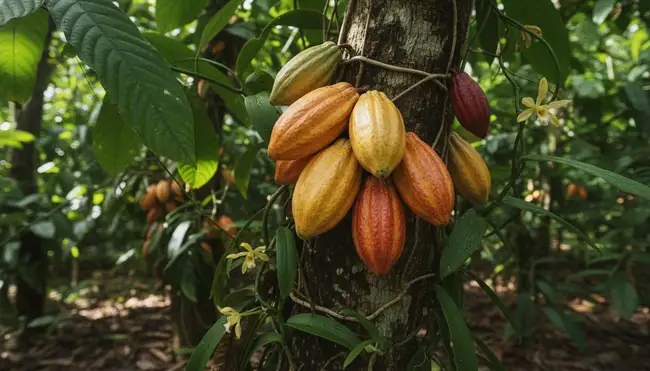 Fresh cacao pods growing in the living museum garden at Hacienda La Luz.
The “Big House” (Casa Grande)
The tour begins at the main residence, which serves as a time capsule. You will notice immediately that the house is built high off the ground on brick pillars. This was a necessary architectural defense against seasonal flooding and local wildlife. Broad, wrap-around verandas keep the interior cool without air conditioning. Inside, the rooms are preserved with original period furniture, Belgian porcelain, and the specific German tools used by the first generation of the Wolter family.
The Gardens (Jardín de las Cacaoteras)
Stepping into the plantation reveals why this is considered a “living museum.” This is not a monoculture farm. It is a complex agroforestry system designed to mimic the natural jungle floor. Cacao trees cannot thrive in direct sunlight, so they are shaded by massive Ceiba trees, towering bamboo, and vanilla vines.
The garden is also where you can see the “injerto” (grafting) area. Here, botanists clone the most productive trees to ensure disease resistance and higher yields. The shift in atmosphere is jarring; the city noise vanishes entirely, replaced by the humid silence of the forest.
The Factory (La Fábrica)
The tour concludes in the working factory. Unlike other tourist stops that demonstrate “artisanal” stone-grinding methods, Hacienda La Luz shows you the reality of modern chocolate production. You will see the heavy machinery used for conching, tempering, and molding. This is the home of the “Quetzalli” brand, which has won medals at the International Chocolate Awards.
Visitor Logistics: Tickets and Timing
If you are planning a visit, these logistical details are the main things to get right. This is the section most travelers need before deciding whether Hacienda La Luz is worth fitting into their Tabasco itinerary.
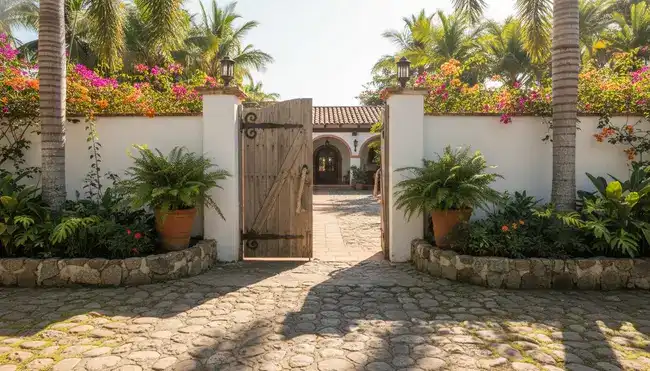 The sunny entrance gate welcoming visitors to Hacienda La Luz.
- Operating Hours: The hacienda is open daily from 9:00 AM to 5:00 PM. Note that the last tour usually enters the grounds at 4:00 PM.
- Entrance Fee: Tickets generally cost $120 - $150 MXN ($6-8 USD).
- Payment Warning: Bring CASH. While they have card terminals, signals in this area are notoriously unreliable, and you do not want to be turned away at the gate.
- Tour Duration: The standard guided tour takes between 60 and 90 minutes.
- Workshops: The standard ticket covers the tour and a tasting. If you want the “Make your own chocolate” workshop, it costs extra and usually requires a prior booking.
Tip: Arrive at 10:00 AM or 11:00 AM. Tours are rolling, meaning you might wait 15 minutes for a group to form. Arriving mid-morning helps you miss the bus tours while avoiding the peak midday heat in the gardens.
Is Hacienda La Luz Worth It?
Yes, especially if you want the easiest high-quality chocolate experience in Tabasco. It is more polished and more convenient than the more remote cacao estates, and it gives first-time visitors a strong mix of history, agriculture, and tasting without requiring a full-day commitment.
It is the best fit for travelers who:
- want one reliable stop on the cacao route rather than a long farm-hopping day
- are staying in Comalcalco or Villahermosa and need simple logistics
- care about history and architecture as much as chocolate tasting
It is a weaker fit if you want a more rural, larger-scale farm setting. In that case, compare it with Hacienda Jesús María before choosing.
How to Get to Hacienda La Luz
One of the massive advantages of this hacienda is its location. It saves you the expensive taxi fares required to reach the more remote farms.
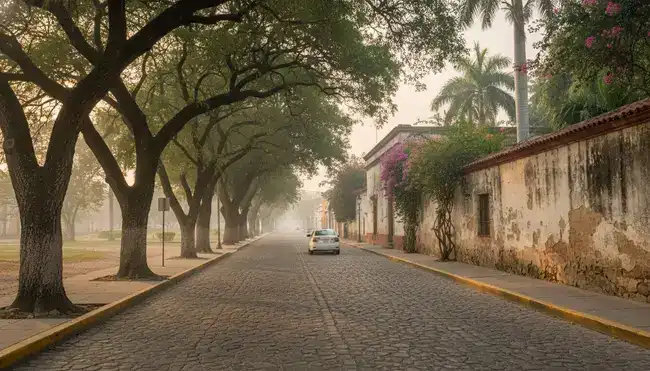 Street view upon arrival in Comalcalco near the hacienda.
- From ADO Comalcalco: If you arrive by bus, you are practically there. The hacienda is located at Blvd. Leandro Rovirosa Wade S/N, which is only 800 meters from the station. It is a 10-12 minute walk.
- From Villahermosa: You can take an ADO bus or a “Comalli” executive van from the state capital. The trip takes approximately 50 minutes. You can check schedules directly on the official ADO website.
- Local Taxi Tip: If you have heavy luggage and prefer not to walk, a taxi within Comalcalco is cheap. The ride is within the “short zone,” so the fare should not exceed $35-$40 MXN.
Planning Your Cacao Route Itinerary
Combining Hacienda La Luz with other sites requires a strategy to manage the Tabasco heat.
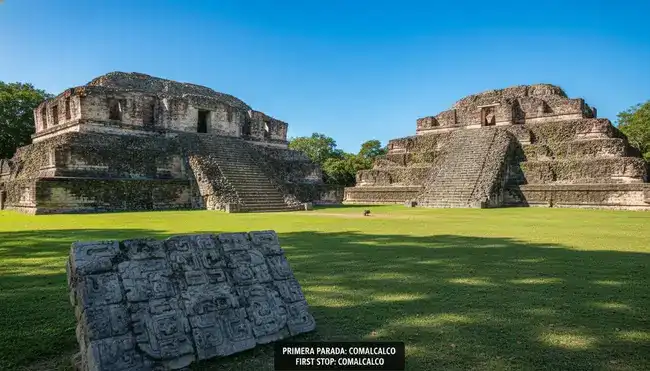 The ancient Comalcalco brick ruins bathed in bright sunlight.
The Heat Strategy: Start your day early at the ruins. We recommend starting with our guide to the Comalcalco Ruins and aiming to be at the gates when they open at 8:00 AM. The ruins have almost no shade and become an oven by noon. After exploring the pyramids, head to Hacienda La Luz around 10:30 AM or 11:00 AM, where the tall shade trees offer relief.
Choosing Your Hacienda: If you are short on time, you may have to choose between estates. Read our comparison in the Hacienda Jesús María guide to decide if you prefer their larger, industrial-scale production.
- Choose La Luz if you love history, antiques, and a convenient, polished museum experience.
- Choose Jesús María if you want to see a massive organic farm, industrial-scale production, and don’t mind traveling further out of town.
Common First-Timer Mistakes
- Showing up without cash. Card terminals can fail, and this is the easiest mistake to avoid.
- Treating it like a full-day stop. Most visits take 60 to 90 minutes unless you add a workshop.
- Skipping Comalcalco Ruins. The two sites pair naturally and make a much stronger half-day than either one alone.
- Arriving too late. If you get there close to the last tour, you lose flexibility and may feel rushed.
- Using Villahermosa as a lunch stop instead of Comalcalco. It adds unnecessary backtracking unless you’re sleeping there.
Where to Eat and Stay Nearby
While you can spend a few hours at the hacienda, you will eventually need a substantial meal and a place to sleep.
 A refreshing traditional pozol chocolate drink served on site.
- On-Site: The “Chocofetería” on the grounds is excellent for a cooling chocolate frappe or a traditional Pozol (fermented corn and cacao dough drink), but it serves snacks rather than full meals.
- Lunch: For a proper feast, we recommend driving 20 minutes north to the coast to explore the things to do in Paraíso Tabasco, especially best seafood spots like El Cheje.
- Accommodation: Comalcalco has very limited luxury inventory. most travelers prefer to use Villahermosa as a base. We recommend reading our Quinta Real Villahermosa review for a reliable 5-star experience that ensures good air conditioning and reliable WiFi after a day in the jungle.
Conclusion
Hacienda La Luz offers the perfect blend of history and flavor. It allows you to walk through the Gilded Age of chocolate production without trekking deep into the wilderness. Whether you are drawn to the antique furniture of the Casa Grande or the smell of roasting cacao in the factory, this estate is a mandatory stop.
Do you prefer the history of the house or the tasting in the factory?
To continue your journey, download the map from our Ultimate Guide to the Ruta del Cacao and head to the Comalcalco Ruins next.