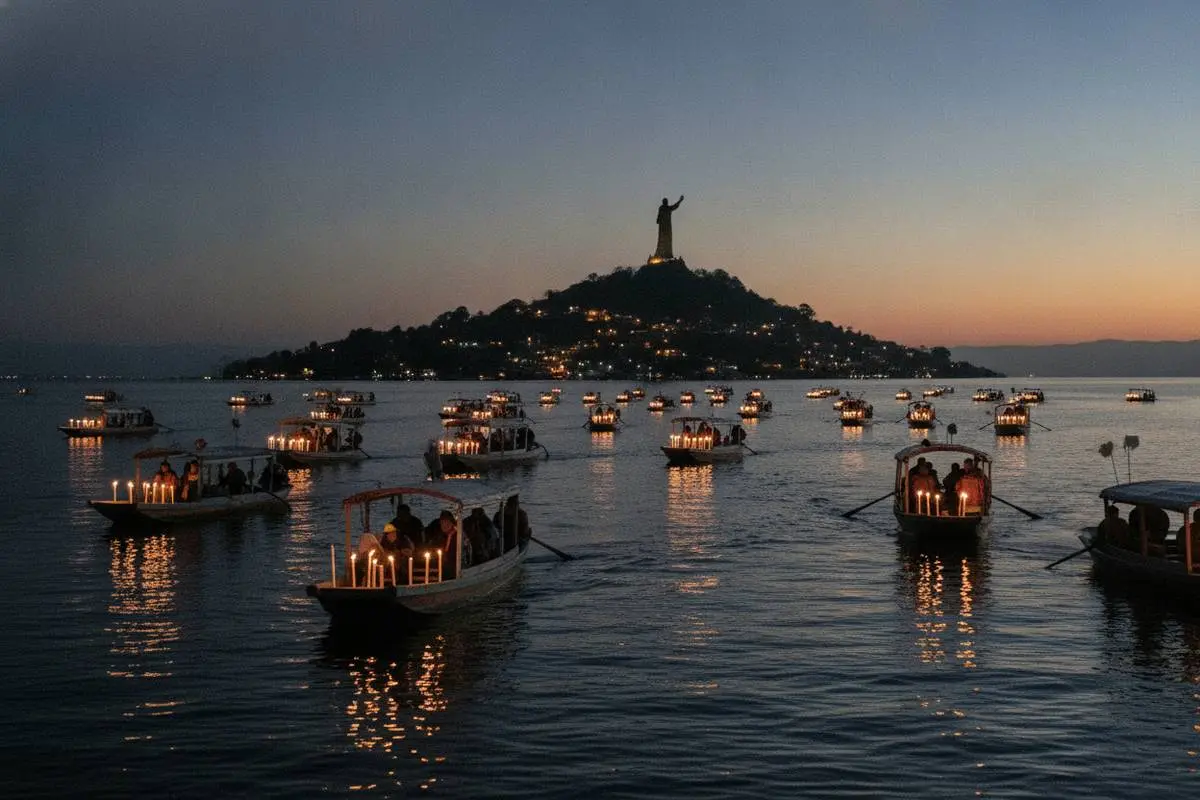
Janitzio Day of the Dead 2026 Guide
Janitzio Day of the Dead 2026 at a Glance
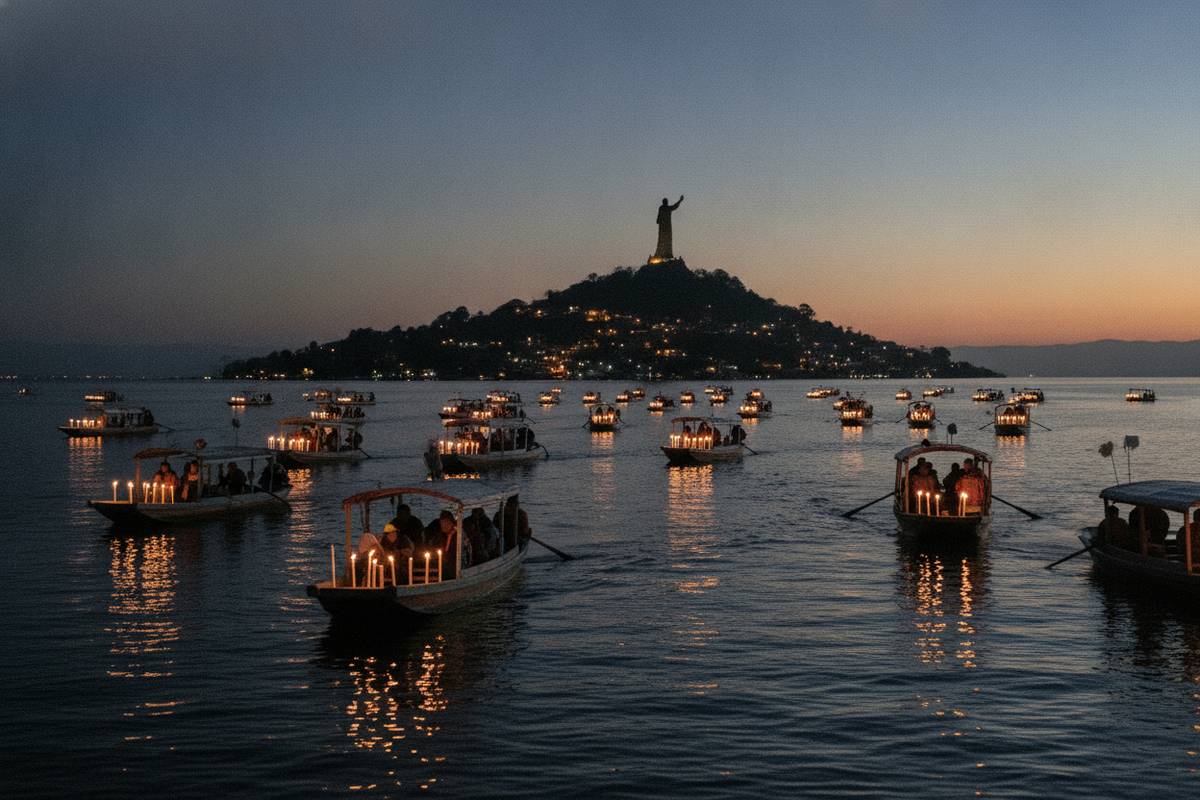
Janitzio Day of the Dead 2026 reaches its most important hours on the night of November 1 into November 2. Families carry flowers, food, candles, and memories to the island cemetery while visitors arrive by boat from Pátzcuaro. The result is powerful but physically demanding: dark water, cold air, a busy pier, narrow uphill lanes, and a small sacred space receiving far more people than usual.
Janitzio is not an attraction with fixed opening hours. It is a living Purépecha community. The event belongs to the island’s families, and access can be adjusted when paths or the cemetery become too full. Start with the Day of the Dead in Michoacán 2026 guide for the regional picture, then use this guide to decide if the island fits your trip.
| Detail | Practical answer |
|---|---|
| Main night | November 1–2 |
| Access | Passenger boat only |
| Starting point | Authorized Pátzcuaro pier |
| Fare to budget | MXN 100–180 ($6–$11 USD) return |
| Island terrain | Steep lanes and many steps |
| Best low-stress visit | Morning or early afternoon Nov. 1 |
| Night visit length | Allow at least 4–6 hours door to door |
| Essential gear | Warm layer, closed shoes, water, small bag |
The official regional page describes Janitzio’s Day of the Dead traditions and notes that boats normally operate continuously during the festival. Treat that as the planning pattern, not a guarantee against weather or 2026 crowd controls.
Choosing Daylight or the Overnight Vigil
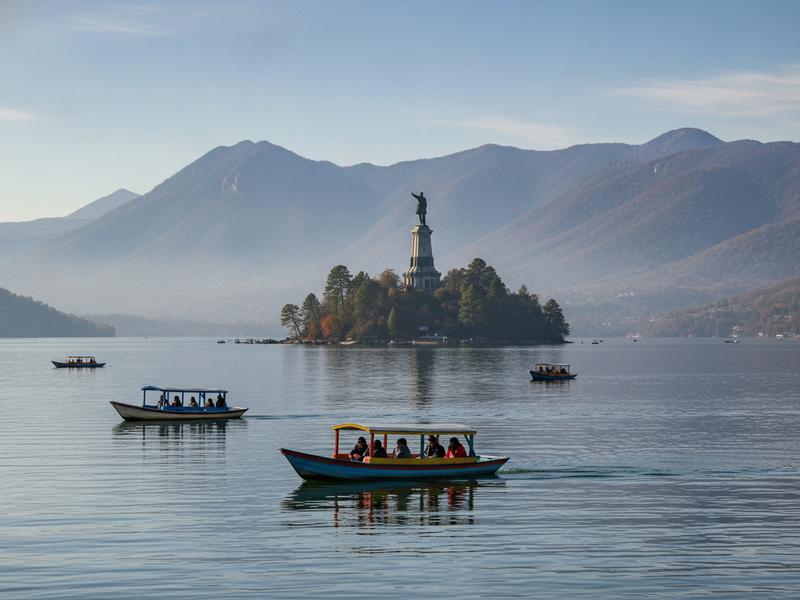
A daylight visit on November 1 is the best option for most first-time travelers. Leave Pátzcuaro in the morning, walk the island before lanes reach maximum density, eat lunch, see public decorations, and return by midafternoon. You still experience the preparations and lake setting without committing to an uncertain midnight queue. Back in Pátzcuaro, you can rest before a land-based vigil in Tzintzuntzan.
An evening visit makes sense when Janitzio itself is the central reason for your trip. Board before the largest late-night rush, carry everything you need, and accept that the return could take longer than expected. Do not schedule another community afterward. The island’s cemetery is not a quick stop on a five-village checklist.
An after-midnight arrival may bring fewer day-trippers, but it is not automatically calm. Boats can unload in waves, the cemetery may remain crowded, and tired visitors move less carefully on steps. It also puts your return in the coldest hours. Choose it only with current local advice and a safe walk from the Pátzcuaro pier to your hotel.
Families mark the night in ways that are solemn and personal. Public boat imagery and butterfly-net demonstrations are easier to photograph than a close family vigil. Use public performances and wide lake scenes for photography, then put the camera away near graves. The Michoacán tourism page on Noche de Muertos explains the island ritual in its regional context.
What you will actually see
You may see decorated boats, fishermen displaying traditional butterfly-shaped nets, market stalls, flower sellers, church activity, processions, and graves lit with candles. Not every famous image occurs continuously. Weather, water conditions, community decisions, and the official program determine what happens. Do not ask a boat operator or family to recreate a ritual for a photograph.
The statue of José María Morelos crowns the island, but climbing to it is optional during the holiday. The steep route consumes energy you may need later. If you want the viewpoint, do it early in daylight and keep the cemetery visit separate.
Boats, Piers, Tickets, and Return Queues
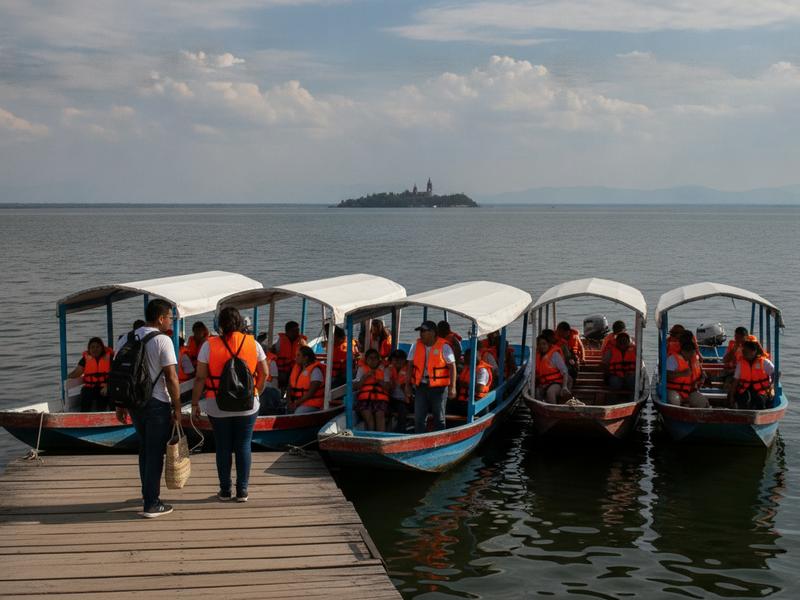
Pátzcuaro has more than one lake access point. Event operations may direct Janitzio passengers through Muelle General or another authorized embarcadero. Ask your hotel which pier is operating for your travel window, then confirm at the booth. Ignore informal promises from people who cannot show an official ticket or boat assignment.
A recent visitor reported MXN 100 ($6 USD) return, but holiday fares change. Carry MXN 100–180 ($6–$11 USD) per person in cash, plus extra small notes. Before paying, ask: ¿Es viaje redondo? (Is it round trip?), ¿A qué muelle regresa? (Which pier does it return to?), and ¿Hay servicio toda la noche? (Is there service all night?). Photograph the booth name and keep the paper ticket accessible.
The crossing commonly takes around 25–40 minutes, depending on pier, boat, and lake conditions. A life jacket should be available; wear it correctly. Keep both hands free while boarding, place your phone on a wrist strap, and protect electronics from spray. If strong wind or fog changes service, accept the delay rather than pressuring a crew to depart.
Return queues are the biggest uncertainty. Follow staff instructions even if another line appears shorter. Stay with your group, but do not hold places for a large party that has not arrived. Agree on a Pátzcuaro meeting point in case you board different boats. Save your hotel location offline because mobile service may slow when everyone leaves together.
Travelers staying in Morelia need an additional plan after the boat. Do not expect to request an app car at the pier at 2 a.m. Prebook a driver with a specific pickup zone outside pedestrian controls, or use a reputable tour that confirms the return. The Morelia in October guide explains the tradeoff of using the city as a holiday base.
Island Route, Food, Toilets, and Accessibility
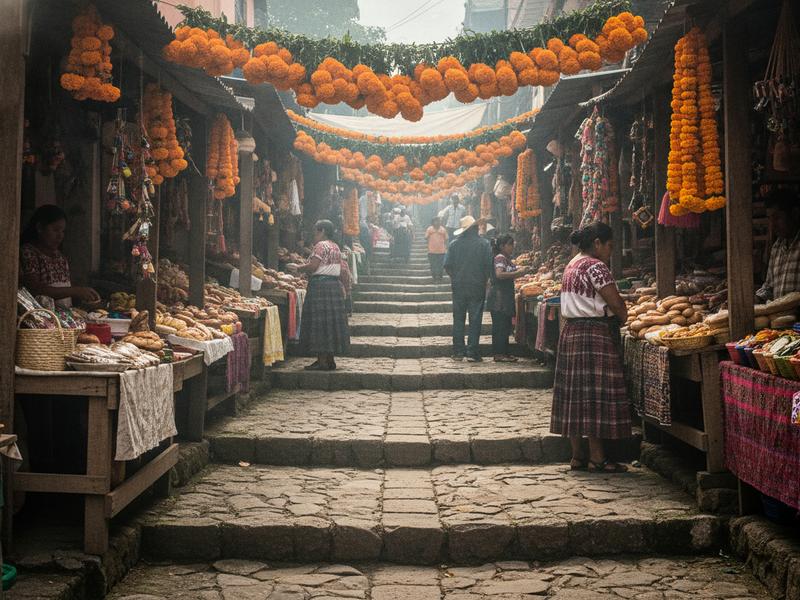
From the dock, the main route climbs through dense lanes toward the church, cemetery, and upper island. Expect uneven paving, steps, vendors, smoke from cooking, and moments when foot traffic stops. Wear closed shoes with grip. A rolling suitcase, stroller, or large backpack is impractical.
Public toilets can have long lines and may require MXN 5–10 ($0.30–$0.60 USD) in coins. Carry tissues and hand sanitizer. Use facilities before joining a cemetery queue, and do not assume a cafe toilet will be available to noncustomers. Water and snacks are sold on the island, yet nighttime lines can be long. Bring a reusable bottle and a compact snack without creating extra trash.
Food stalls may serve corundas, uchepos, pescado blanco or other fish dishes, pozole, atole, tamales, and simple grilled food. Plan MXN 100–250 ($6–$15 USD) for a meal. Choose busy stalls where food is cooked hot, ask the price before ordering, and keep allergy explanations written in Spanish. Alcohol is not a good strategy for staying warm.
Accessibility is difficult. Boats require boarding transitions, the main island route climbs steeply, and crowd controls can limit alternatives. A traveler with reduced mobility should speak directly with an authorized boat cooperative and a local guide before committing. Ask about dock ramps, seating, accessible toilets, and how close any route gets to the cemetery. “Wheelchair friendly” at the pier does not describe the whole island.
If Janitzio looks physically unsuitable, that does not end the trip. Pátzcuaro has public altars and accessible central spaces, while Tzintzuntzan offers land access, though its cemetery surfaces are also uneven. The general Pátzcuaro travel guide helps identify daytime alternatives.
Cemetery Etiquette, Safety, and Packing
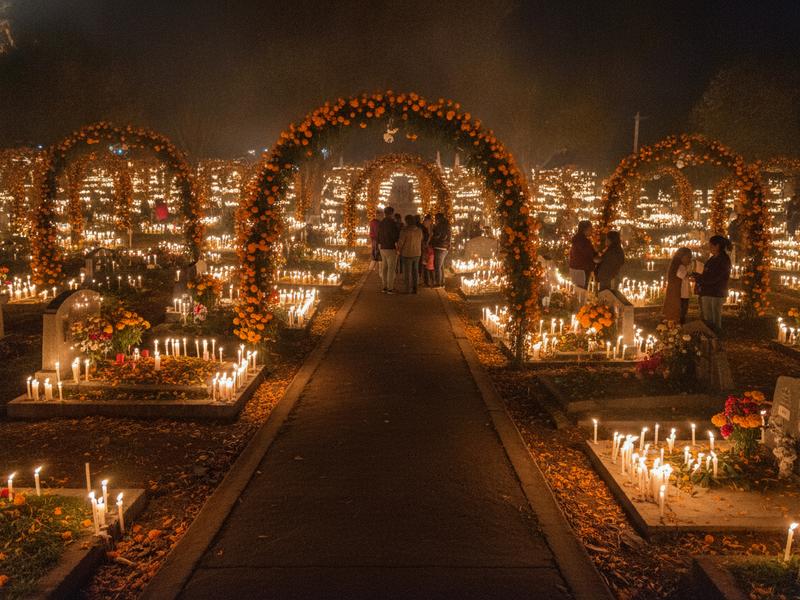
Pause before entering the cemetery. Lower your voice, silence your phone, turn off flash and focus lights, and observe where local visitors stand. Families need access to graves, and processions need a clear route. If the space is full, wait or leave. Having traveled far does not create a right to enter.
Ask permission before photographing a person, child, altar, or grave. A nod toward your camera is not always informed consent; use a simple question such as ¿Puedo tomar una foto? If anyone looks uncomfortable, lower the camera. Do not pose between graves, touch flowers, step over candles, move offerings, or film private conversation.
The government visitor guidance for the Michoacán vigils recommends warm clothes, comfortable shoes, water, light food, and small secure bags. Pack a jacket, light rain shell, closed shoes, power bank, cash in small notes, water, medicine, tissues, and one compact crossbody bag. Leave drones, tripods, large lenses, costume props, and bulky umbrellas at the hotel.
Crowd safety is simple but important. Keep children beside you, do not stop at the top or bottom of stairs, and step away from moving traffic before checking a map. Separate your card and cash. Avoid displaying expensive equipment. If you feel compressed, move with the crowd toward a wider area rather than pushing backward.
Set a turnaround rule before boarding. For example, agree that if the cemetery queue is still closed or unsafe after a certain hour, the group will return to the pier without arguing. Save one contact as the group coordinator, share the hotel address with everyone, and write the Pátzcuaro meeting point on paper in case phones die. Families traveling with children should add each child’s name and an adult’s Mexican phone number inside a pocket. These steps sound cautious, but they reduce stress when boats unload hundreds of people into the same narrow lanes.
If you miss your intended boat, stay at the staffed pier and ask the cooperative for the next authorized departure. Do not accept an unregistered private crossing in poor visibility simply to save time. The lake is part of the experience, but crews and weather set the safe pace.
Janitzio can be meaningful when you arrive prepared to watch less and understand more. Give the crossing time, let families lead the night, and accept that the most respectful choice may be to leave the camera in your bag.