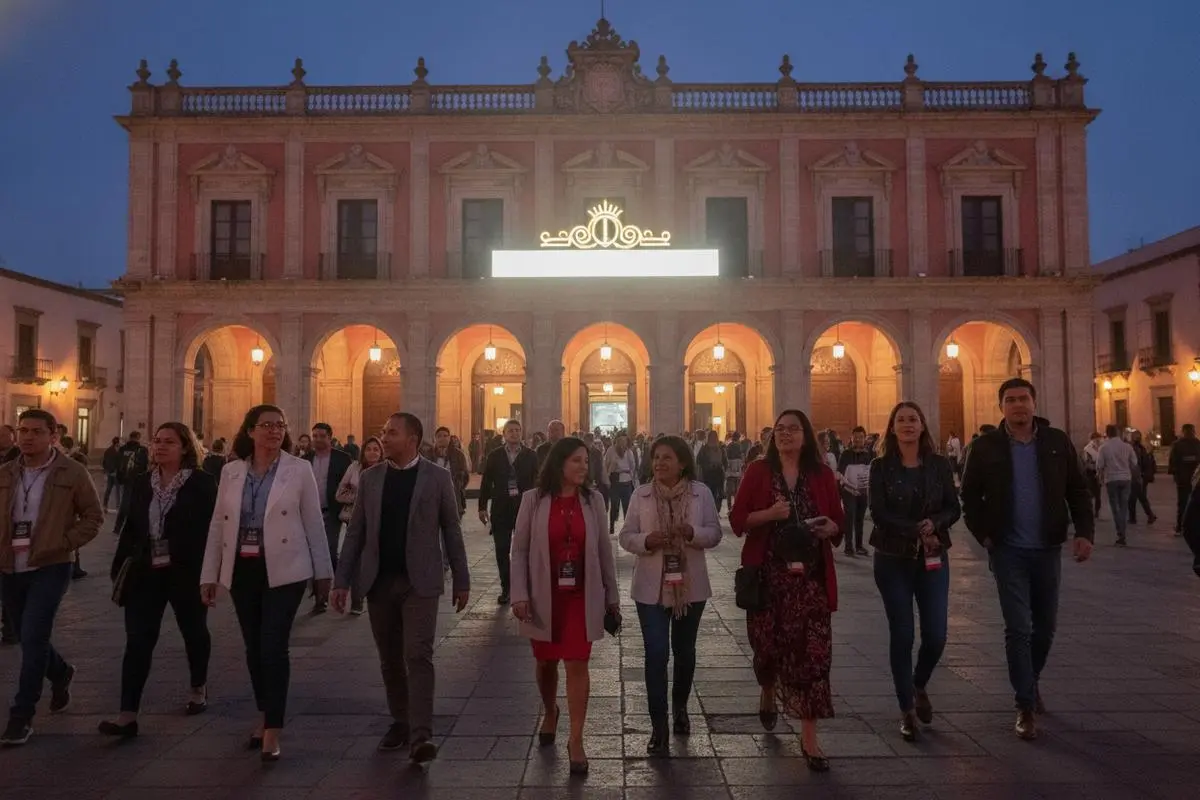
Morelia Film Festival 2026: Complete Guide
Morelia Film Festival 2026 at a Glance
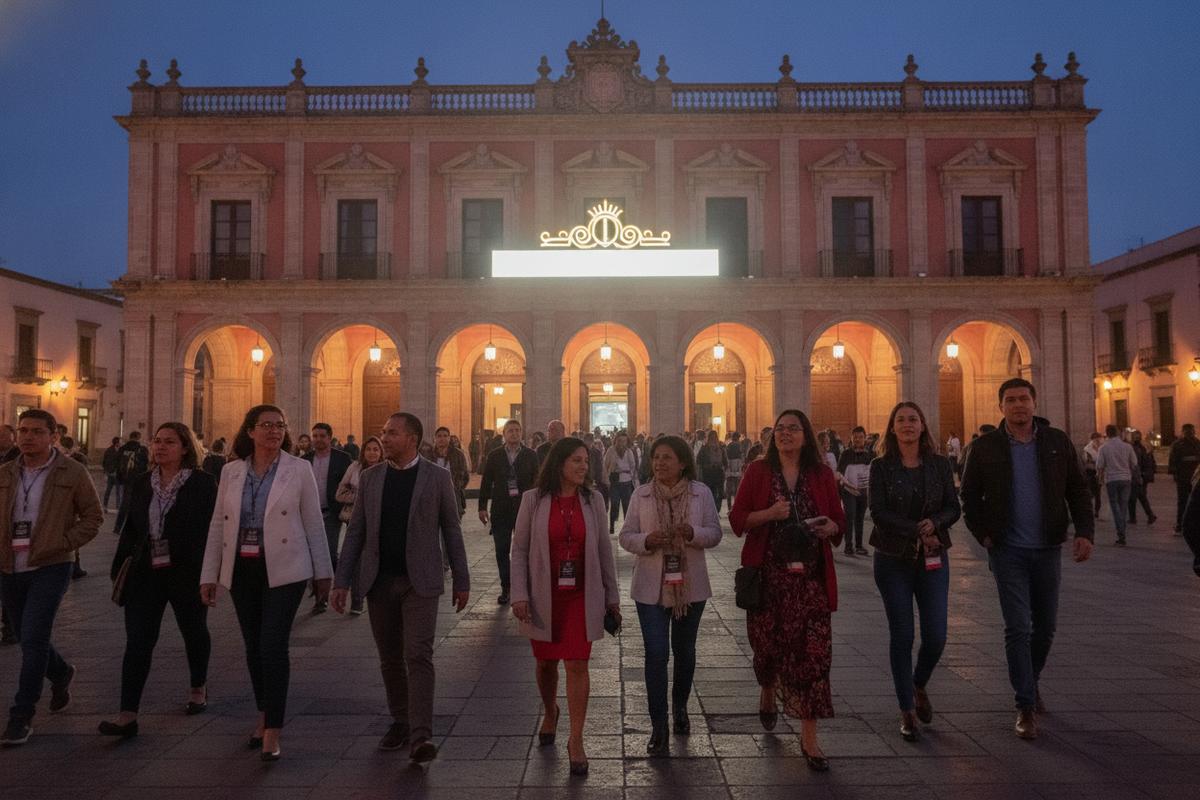
The Morelia Film Festival 2026 runs from October 16 through October 25 in Morelia, Michoacán. Officially named the Festival Internacional de Cine de Morelia, or FICM, it combines Mexican competitions, national and international premieres, retrospectives, tributes, master classes, public conversations, and free programming. It is serious about cinema, but it remains open to ordinary moviegoers: you do not need an industry badge to buy a ticket.
The 24th edition arrives at an unusually useful point in the travel calendar. Morelia’s October afternoons are generally mild, the heaviest summer rains are easing, and the city is preparing for Día de Muertos. A festival trip can therefore combine new Mexican films with cantera-stone streets, regional cooking, museums, and an optional extension toward Pátzcuaro. The challenge is timing. The program is released relatively close to the event, while central hotel rooms can tighten before every screening has been announced.
The official FICM date announcement confirms in-person and virtual activity from October 16 to 25. Its current FAQ says the full program will be announced in mid-September. This guide was checked on August 17, 2026, so any lineup, venue, or price detail not yet published is labeled clearly instead of being guessed.
| Essential detail | FICM 2026 |
|---|---|
| Dates | October 16–25, 2026 |
| Edition | 24th |
| Main city | Morelia, Michoacán |
| Program release | Expected mid-September |
| Best first visit | 3–4 full days |
| Public access | Paid tickets, free screenings, and selected public events |
| 2025 standard ticket reference | MXN 100 ($6 USD) |
| 2025 VIP ticket reference | MXN 176 ($10 USD) |
| Closest airport | Morelia International Airport, MLM |
| Best car-free base | Centro Histórico |
Dollar conversions in this guide use MXN 18 to $1 USD and are rounded for planning. Pay in pesos when a card terminal offers an unfavorable dollar conversion, and check the live rate before departure.
FICM is not one fenced event. Its center of gravity has traditionally included Cinépolis Morelia Centro, Teatro Mariano Matamoros, Teatro Melchor Ocampo, Centro Cultural Universitario, Plaza Benito Juárez, and Cinépolis VIP Plaza Las Américas. The exact 2026 venue list is not final at publication time. Several central venues sit within a compact walking area, while Las Américas requires a taxi, rideshare, or bus from Centro.
Who will enjoy FICM most?
Come for FICM if you want to see Mexican films before their wider release, hear directors discuss their work, or experience a film festival without the invitation-only feeling of an industry market. The competitive sections normally include Mexican feature films, documentaries, short films, and a Michoacán section. International premieres, Cannes-related selections, restored films, and tributes broaden the program beyond the competitions.
You do not need perfect Spanish, but language affects your choices. Mexican films may have English subtitles, international films may carry Spanish subtitles, and talks may be Spanish-only. Read each listing rather than assuming. Music-centered films, visual documentaries, restored classics, and international titles can be easier choices for visitors with limited Spanish. A translation app helps in ticket lines, but it cannot replace subtitles during a two-hour screening.
Travelers who dislike uncertainty should book a refundable room and flexible transport. FICM announces the program after many visitors have already chosen their dates, and in 2025 tickets were released only two days before each screening. That rhythm rewards preparation more than rigid advance scheduling.
Best dates for a first festival trip
Opening weekend, October 16–18, should have the strongest arrival energy, press activity, and competition launches. It may also bring the greatest hotel pressure. Arrive by Thursday, October 15 if an opening event is essential. A same-day flight creates unnecessary risk when traffic, baggage, or a ticket queue can consume the afternoon.
The middle period, October 19–22, is the best balance for many travelers. Weekdays usually make restaurants, streets, and lodging easier while the festival still runs at full depth. A Monday-to-Thursday visit also gives you time to learn the ticket system before the final weekend.
Closing weekend, October 23–25, can concentrate awards, final screenings, and popular repeat showings. It also places you one week before the principal Día de Muertos dates. Travelers continuing to Pátzcuaro should leave buffer nights and expect rising demand as October ends.
Our Morelia in October guide covers weather and seasonal trip planning outside the festival. The broader Morelia travel guide adds city context for visitors adding days before or after FICM.
Program, Tickets, and How FICM Works
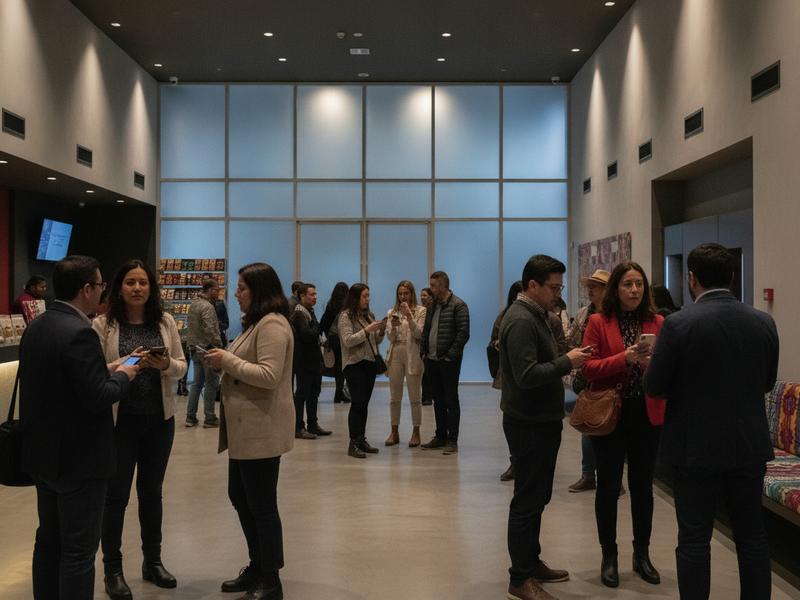
The official 2026 program was not public as of August 17. The festival says it will appear in mid-September, which is the point to move from broad trip planning to a daily screening calendar. Until then, follow the festival itself and avoid third-party lineup pages that present old guests or rumored films as confirmed.
The normal program has four core competitive sections: Mexican feature film, Mexican documentary, Mexican short film, and the Michoacán section. FICM supplements them with international premieres, Mexican premieres, retrospectives, tributes, Cannes Critics’ Week selections, special screenings, master classes, and conversations with filmmakers. Some events are aimed at professionals, but public screenings form the heart of the visitor experience.
A sensible ticket strategy
The official FICM FAQ says anyone may attend by buying tickets online or at the box office. For the 2025 edition, tickets for each screening went on sale two days before the show at 10 a.m. That policy may return in 2026, but wait for the new ticket guide before setting alarms or promising yourself a particular seat.
In 2025, standard screenings cost MXN 100 ($6 USD), VIP screenings cost MXN 176 ($10 USD), and public accreditation packages cost MXN 600 for six tickets ($33 USD) or MXN 1,000 for eleven ($56 USD). These are historical reference prices, not confirmed 2026 charges. A safe planning allowance is MXN 120–220 ($7–$12 USD) per paid film until the festival publishes current prices.
Free screenings are real opportunities, not filler. In 2025, Cinépolis free-show tickets were released at the box office on the day of the screening. Other public events could be accessed according to venue capacity. If a famous premiere sells out, a Mexican short-film program, documentary, restored classic, or free conversation can become the day’s strongest choice.
Use a three-tier shortlist after the program appears:
- Mark two screenings you would travel specifically to see.
- Choose four strong alternatives at different times or venues.
- Save free events and repeat screenings as flexible options.
Do not schedule films wall to wall. A listed running time may exclude introductions, question-and-answer sessions, entry lines, and the walk to the next venue. Leave 45 minutes between central screenings and 90 minutes when moving between Centro and Las Américas. One missed meal can make an exciting day feel like airport transit.
The 2025 admission policy used unnumbered seating and required ticket holders to be seated at least five minutes before showtime. Once the last-minute line entered, a ticket no longer guaranteed a seat. The festival also denied exchanges and refunds for missed screenings. Treat those rules as a warning until 2026 instructions arrive: reach central venues 30 minutes early and high-priority premieres 45–60 minutes early.
How to choose films without knowing every director
Start with the Mexican competition. FICM exists in large part to promote Mexican filmmakers, so these screenings offer something you cannot reproduce by visiting an ordinary multiplex. A feature paired with a director conversation is worth more than a famous international title you can stream later.
Short-film programs are another smart entry point. One ticket exposes you to several filmmakers, and the variety makes language gaps less tiring. The Michoacán section connects the festival to its host state. Documentaries can lead to some of the most useful audience discussions because the subjects and crew are often present.
For international work, prioritize a premiere with talent attendance, a restoration presented by an expert, or a film that lacks distribution in your country. Do not choose only by red-carpet visibility. The best festival memory may come from a half-full afternoon screening where the filmmaker has time for a thoughtful discussion.
Read format details carefully. “VOSE” usually means original-language audio with Spanish subtitles; subtitle arrangements for Mexican films vary. Check age ratings and content notes if traveling with children. FICM is a cultural event, not a family festival by default, though individual screenings may work well for older children and teenagers.
Accreditation or individual tickets?
If a public 2026 accreditation follows the 2025 structure, compare it by use rather than prestige. The 2025 six-ticket package cost the same as six standard tickets and added concessions discounts plus access to the last-minute line. The eleven-ticket package reduced the average slightly. It worked best for committed viewers who could attend enough eligible screenings.
Buy individual tickets if you will see four films or fewer, want mostly free events, or have uncertain day trips. Consider accreditation if you plan two screenings per day and value the last-minute option. Industry accreditation is a separate matter with eligibility rules; ordinary visitors should not assume it grants access to private professional activity.
Our detailed FICM tickets and program guide explains the release rhythm, historical price reference, free shows, queues, and a practical booking checklist.
Venues, Transport, and Moving Around Morelia
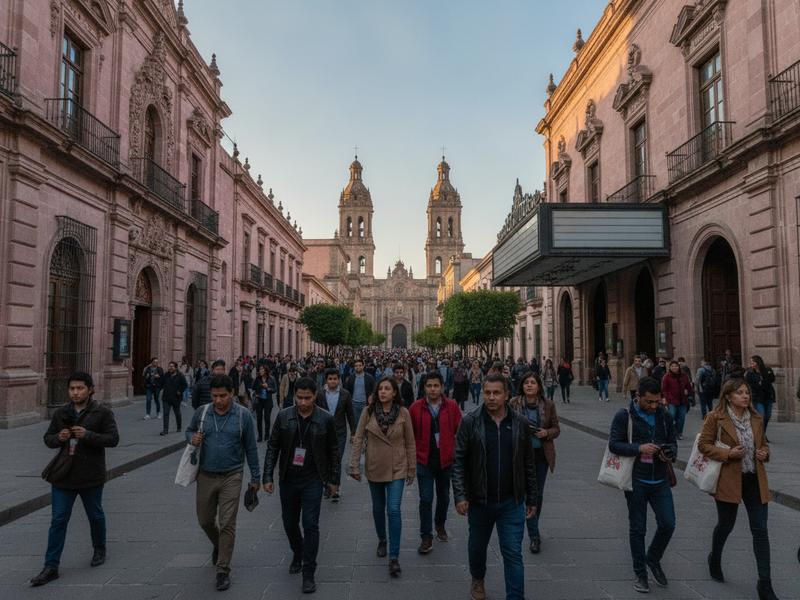
Morelia’s historic center is easier to navigate than Guanajuato’s steep festival terrain, but the venue split still matters. The cathedral, Plaza de Armas, Teatro Mariano Matamoros, Teatro Melchor Ocampo, Centro Cultural Universitario, Cinépolis Morelia Centro, and Plaza Benito Juárez belong to a practical central zone. You can walk between many of them in 5–20 minutes, depending on crowds and road crossings.
The pink-stone center is a UNESCO World Heritage site, and its long straight avenues make orientation simple. Yet stone pavements, high curbs, temporary barriers, and full sidewalks can slow a short route. Map every venue before the first screening and save the Spanish name. A taxi driver may recognize “Cinépolis Centro” more readily than an English translation.
The principal venue zones
Cinépolis Morelia Centro has historically carried a large share of the daily film program. Its practical advantage is density: multiple screens allow several sessions without crossing the city. It is also where ticket demand and queues can concentrate. Know the auditorium number, not only the film title.
Teatro Mariano Matamoros faces the central plaza and offers a formal setting for premieres and special events. Even when your ticket is digital, arrive early enough to find the correct entrance and pass any access check. The surrounding streets can fill quickly after a major event.
Teatro Melchor Ocampo is another central cultural venue used in previous editions. Ticket collection rules can differ by theater; in 2025, tickets for this venue were purchased through the Cinépolis Centro box office. Confirm the 2026 instruction instead of assuming the theater has a normal cinema counter.
Centro Cultural Universitario and Plaza Benito Juárez have supported cultural and public programming. Outdoor or free activity may use different entry systems from paid cinema screenings. Capacity still matters even when the price is zero.
Cinépolis VIP Plaza Las Américas lies southeast of Centro. Allow 25–45 minutes by car depending on traffic and pickup delays, plus time to enter the mall. Do not book a Centro film ending at 6:30 p.m. and a Las Américas screening starting at 7 p.m. A map’s optimistic estimate does not include the audience leaving together.
Pátzcuaro has hosted selected festival screenings in recent editions, including Teatro Emperador Caltzontzin. Treat any 2026 Pátzcuaro listing as a separate outing. The trip from Morelia takes roughly 60–90 minutes each way by road, and Día de Muertos preparation can affect demand late in October.
Airport and bus arrival
Morelia International Airport (MLM) is about 30 kilometers northeast of Centro. A permitted taxi or prearranged transfer commonly requires 35–60 minutes. Budget roughly MXN 550–900 ($31–$50 USD) per vehicle until you confirm the current airport rate. Late arrivals should book a hotel with a staffed reception and save the complete address offline.
Many international visitors find it easier to connect through Mexico City. Direct intercity buses from Terminal Poniente/Observatorio to Morelia generally take around four hours before city traffic and cost roughly MXN 650–950 ($36–$53 USD) each way, depending on operator and service. Book the flexible departure after your flight rather than a tight nonrefundable connection.
From Morelia’s bus terminal, a taxi to Centro may cost about MXN 100–180 ($6–$10 USD), while airport or surge conditions cost more. Use an authorized counter when available. Confirm the destination and fare or app estimate before departure.
Driving can work for a wider Michoacán trip, but a car is unnecessary for central festival days. Parking near Centro may cost MXN 150–300 ($8–$17 USD) per day and can fill. If your itinerary includes Pátzcuaro or countryside stops, choose a hotel with verified parking and leave the car parked during screenings.
Walking and accessibility
Morelia Centro is mostly level compared with many colonial cities, but historic surfaces are not consistently smooth. Travelers with limited mobility should contact the festival and hotel about the complete route: street-to-lobby access, restroom access, reserved seating, and the queue arrangement. A venue described as accessible may still sit behind an awkward curb or crowded entrance.
Carry a small crossbody bag rather than a travel backpack. Exact 2026 bag rules were not posted at publication, and theaters do not function as luggage storage. Leave large cameras, bottles, shopping, and umbrellas at the hotel unless the venue explicitly allows them.
After a late screening, walk on well-lit central streets with other attendees or use a registered taxi/rideshare from a clear pickup point. Avoid staring at your phone at an empty corner while matching a vehicle. Share the trip, verify the plate, and sit in the back. Normal urban awareness is more useful than fear.
Where to Stay, Eat, and Build a Trip Budget
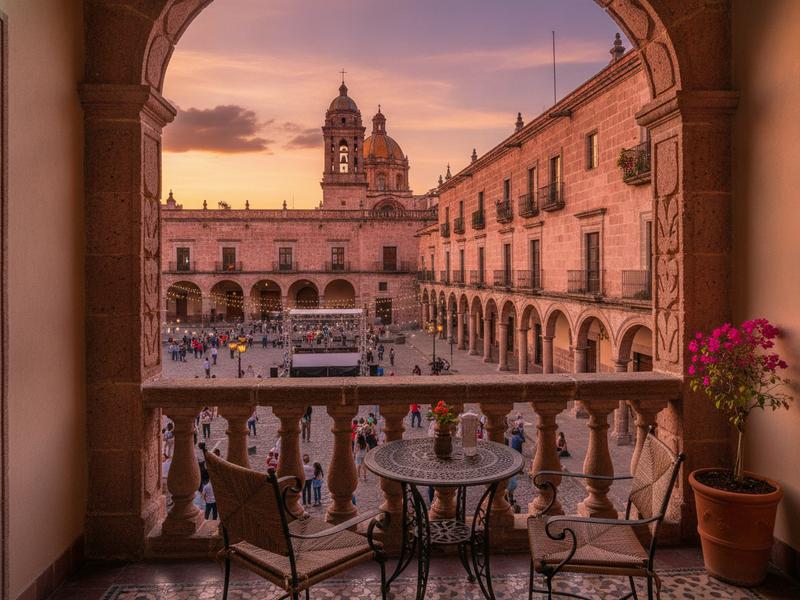
Centro Histórico is the best base for a first FICM trip. A room within a 10-minute walk of Plaza de Armas gives you access to central theaters, cafés, restaurants, pharmacies, and the evening atmosphere. The tradeoff is noise. Ask about street-facing windows, bells, rooftop bars, interior rooms, stairs, elevators, and overnight reception before paying.
The UNESCO listing for Morelia helps explain why the center is worth treating as more than a place to sleep. Hundreds of historic buildings use the region’s pink stone, and the planned street grid creates long architectural views. Staying inside that environment lets you enjoy it early in the morning, before festival lines and tour groups grow.
Best areas by traveler type
Plaza de Armas and Cathedral area: Choose this for maximum walking convenience and a short return after central premieres. Expect the highest event demand and some noise. Midrange festival-period doubles may fall around MXN 1,800–3,500 ($100–$194 USD) per night, while boutique properties can exceed MXN 4,500 ($250 USD).
Las Tarascas and eastern Centro: This area gives you restaurants and a more direct route toward Las Américas while remaining walkable to the core. It suits travelers splitting screenings between both zones. Estimate MXN 1,400–2,800 ($78–$156 USD) for a comfortable double, with wide variation by weekend.
Chapultepec and Las Américas: Stay here if VIP screenings, modern hotels, parking, or quieter nights matter most. You will pay for taxis to most central activity. A typical ride can be MXN 80–180 ($4–$10 USD) each way before surge pricing.
Near the bus terminal: Budget hotels may save money but add transport to every festival day. This works for a short overnight, not for a first-choice cultural base. Compare the full daily taxi total with the price difference of a central room.
Book refundable lodging as soon as dates are confirmed, then recheck after the program release. Do not wait until your ideal premiere is on sale. A room can be canceled; a fully booked central weekend is harder to solve.
Our where to stay for FICM guide compares these areas in detail and gives screening-day transport logic.
What to eat between screenings
Michoacán’s food deserves protected time. Start with sopa tarasca, a bean-and-tomato soup finished with tortilla strips, chile, cream, and cheese. Try corundas, the triangular regional tamales often served with sauce and cream, and uchepos, tender fresh-corn tamales that can lean sweet or savory. Carnitas, enchiladas placeras, gazpacho moreliano, and ate with cheese add range.
Budget MXN 100–180 ($6–$10 USD) for a simple breakfast, MXN 180–350 ($10–$19 USD) for a casual lunch, and MXN 350–700 ($19–$39 USD) for a comfortable dinner with a drink. A tasting menu or hotel restaurant can cost more. Festival days become easier if you eat lunch before 2 p.m. and reserve dinner around fixed evening screenings.
Do not carry a full restaurant wishlist into a four-film day. Choose one serious meal and one practical meal. A market breakfast, café sandwich, or early comida corrida can keep the schedule intact without reducing every meal to popcorn.
Realistic festival budgets
The following three-night estimate is per person, sharing a double room, excluding flights or long-distance buses:
| Category | Budget | Midrange | Comfortable |
|---|---|---|---|
| Lodging share | MXN 1,800 ($100) | MXN 3,600 ($200) | MXN 7,500 ($417) |
| Six screenings | MXN 600 ($33) | MXN 900 ($50) | MXN 1,500 ($83) |
| Food and drinks | MXN 1,350 ($75) | MXN 2,700 ($150) | MXN 4,500 ($250) |
| Local transport | MXN 300 ($17) | MXN 700 ($39) | MXN 1,500 ($83) |
| Museums and extras | MXN 450 ($25) | MXN 900 ($50) | MXN 1,800 ($100) |
| Total | MXN 4,500 ($250) | MXN 8,800 ($489) | MXN 16,800 ($933) |
Ticket figures are allowances because 2026 pricing is pending. Hotel figures can rise on opening and closing weekends. Add a 15 percent buffer and pay attention to taxes and breakfast inclusions before comparing rooms.
Carry a card plus small peso notes. Official ticket channels and formal hotels accept cards, but snacks, markets, tips, and some taxis are easier with cash. Use bank-attached ATMs during daylight, decline dynamic currency conversion, and keep the main cash reserve separate from your daily amount.
A Practical FICM Itinerary and Final Checklist
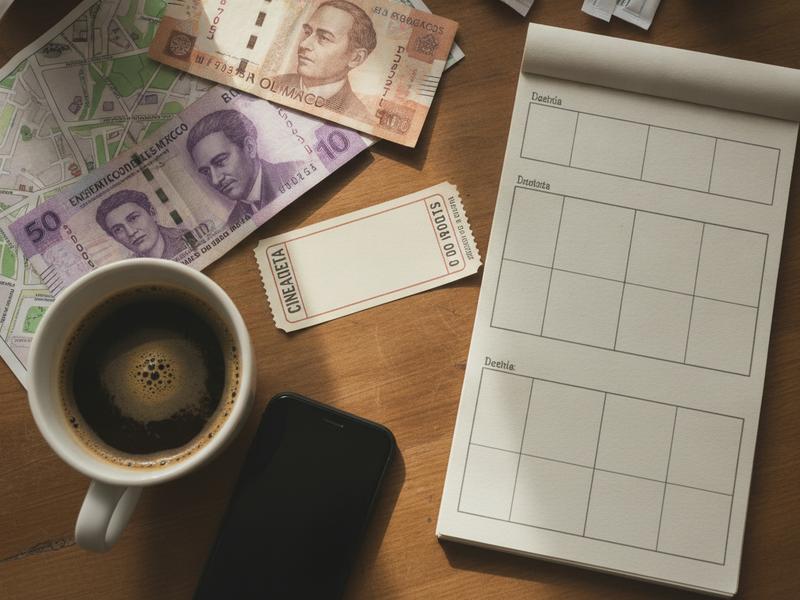
Three full days give a first-time visitor enough depth without turning the trip into a screening marathon. The goal is four to six films, one conversation or free event, one unhurried regional meal, and a little Morelia. Add nights when a specific premiere, closing ceremony, or Pátzcuaro screening requires them.
Arrival evening
Arrive before 5 p.m., check in, and walk the central venue circuit while it is still light. Locate Cinépolis Centro, Teatro Mariano Matamoros, Teatro Melchor Ocampo, and your preferred taxi pickup point. Collect any accreditation or physical ticket only if the 2026 rules require it.
Eat an early dinner and choose a low-risk first event: a free outdoor screening, a repeat show, or a film you would enjoy without making it the trip’s emotional center. Travel delays and unfamiliar streets make arrival night a poor time for your only must-see premiere.
Day one: Mexican competition and central Morelia
Begin with a late-morning Mexican feature, documentary, or short-film program. Leave time after the screening in case the director speaks. Have lunch near Centro, rest for an hour, then visit one place such as the cathedral area, Museo del Dulce, or Centro Cultural Clavijero.
Choose a second film in the early evening and finish with dinner. Two screenings are enough. If a surprise guest or free conversation appears, you still have room to attend.
Day-one ground budget excluding lodging: MXN 700–1,500 ($39–$83 USD), including two tickets, meals, and modest local transport.
Day two: talk, premiere, and a contrasting film
Use the morning for a master class, public conversation, or free event. These sessions can reveal more about Mexican cinema than another random title. Eat a substantial lunch by 2 p.m. and rest before the day’s priority premiere.
Arrive 45–60 minutes early for a high-demand screening. Afterward, attend a shorter, contrasting selection only if the timing is comfortable. Pair a feature with shorts, a documentary with fiction, or an international premiere with the Michoacán section.
If the second event is at Las Américas, allow at least 90 minutes from a central finish time. Dinner near the mall may be more practical than returning to Centro and leaving again.
Day-two ground budget excluding lodging: MXN 900–2,000 ($50–$111 USD), depending on VIP tickets, taxis, and dinner.
Day three: slow city morning and final screening
Sleep later. Have breakfast, walk the aqueduct or Bosque Cuauhtémoc, and avoid filling the morning with a distant excursion. Choose one afternoon film you missed earlier, then close with the event that best represents the trip: a Mexican competition title, awards-related repeat screening, restoration, or director conversation.
Reserve a final dinner rather than hoping the most popular table is free when an audience exits. Pack before bed if your bus or flight leaves early.
Day-three ground budget excluding lodging: MXN 700–1,700 ($39–$94 USD).
The detailed three-day FICM itinerary includes timing templates for opening weekend, weekdays, and a Pátzcuaro extension.
Adding Pátzcuaro and Día de Muertos
Pátzcuaro is about 60 kilometers southwest of Morelia and deserves at least one night when it forms part of the festival or holiday plan. Do not turn it into a rushed return trip between fixed screenings. Travel there after your final Morelia event or dedicate a day with no irreplaceable evening ticket.
Demand increases sharply near October 31 and November 1–2. The Pátzcuaro travel guide covers the town itself, while our Day of the Dead coverage explains why local ceremonies require more respect than a normal street festival. Ask before photographing people, graves, or family altars, and keep a respectful distance from private observances.
Weather and packing
October in Morelia normally means pleasant days, cool evenings, and a declining but still possible chance of rain. Pack a light rain shell, closed shoes with grip, a sweater, sunscreen, and one slightly polished outfit for a premiere or theater. Formalwear is unnecessary for ordinary public screenings.
Your daily festival bag should hold identification, phone, power bank, card, small peso notes, lip balm, any medication, and a light layer. Keep it small enough for cinema rules. Save tickets, hotel details, and the daily schedule offline in case mobile service slows around a crowd.
Final checks before departure
- Confirm the October 16–25 dates against the official festival site.
- Recheck the daily program, subtitles, venue, and running time.
- Read the 2026 ticket-release and admission policy when published.
- Map every venue and leave transfer buffers.
- Verify hotel access, noise expectations, and late reception.
- Reserve transport from MLM or the bus terminal.
- Keep at least one screening slot flexible each day.
- Add a 15 percent budget buffer.
- Ask permission before photographing people at cultural events.
- Check travel conditions for any regional extension close to departure.
FICM rewards curiosity more than celebrity chasing. Choose Mexican work you cannot easily see elsewhere, leave time for the people who made it to speak, and let Morelia remain part of the experience. A trip with five well-chosen films, two long meals, and one unexpected conversation will feel fuller than ten screenings connected by sprints.