Morelia Film Festival 2026: 3-Day Itinerary
Before Day One: Choose the Right Festival Window
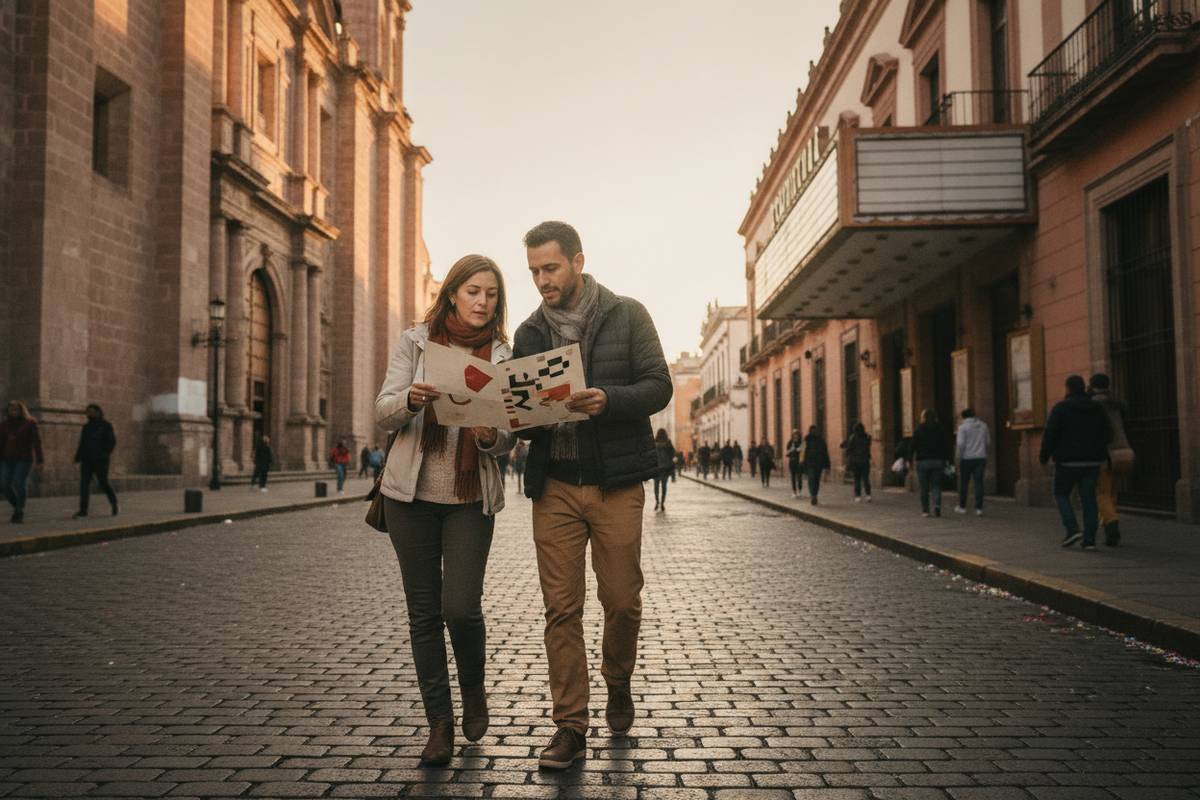
This Morelia Film Festival 2026 itinerary is built for three full days during the October 16–25 event. It assumes you stay in Centro Histórico, attend two screenings daily, and keep a third option flexible. That pace leaves time for filmmaker conversations, meals, venue queues, and Morelia itself.
The full 2026 program will be announced in mid-September, so this itinerary uses time blocks rather than unconfirmed film titles. After the schedule appears, insert your priority screenings without destroying the transfer and rest buffers.
The official festival announcement confirms ten days of in-person and virtual activity. Competitive Mexican features, documentaries, shorts, Michoacán films, premieres, retrospectives, tributes, and master classes are expected parts of the format.
Pick one of three windows
Opening trip: October 15–19. Arrive Thursday, attend Friday through Sunday, and leave Monday. Choose this for launch energy and likely premieres. Expect stronger hotel demand and more attention around high-profile events.
Midweek trip: October 18–22. Arrive Sunday, attend Monday through Wednesday, and leave Thursday. This is the easiest first visit for restaurant access, walking, and a less pressured hotel search. The program remains broad even when red-carpet activity is lighter.
Closing trip: October 22–26. Arrive Thursday, attend Friday through Sunday, and leave Monday. Choose this for final competition screenings, repeat shows, and possible awards activity. It also places you close to Día de Muertos travel demand.
The main FICM 2026 guide provides the complete planning overview. Before buying anything, read the FICM tickets guide because recent editions used a short, staggered sales window.
Arrival evening
Reach Morelia by 4–5 p.m. if possible. Check in, eat, and walk a simple venue loop: Plaza de Armas, Teatro Mariano Matamoros, Cinépolis Morelia Centro, Teatro Melchor Ocampo, and Centro Cultural Universitario. Save each location in your map app with its Spanish name.
If you attend a film, choose a free event, repeat screening, or lower-priority title. Do not put the trip’s only must-see premiere on arrival night. An airport delay, bus traffic, or hotel check-in problem can waste it.
Arrival-evening budget excluding the hotel: MXN 350–900 ($19–$50 USD) for dinner, local transport, and an optional ticket. Conversions use MXN 18 per $1 USD.
Day 1: Mexican Cinema and Centro Histórico
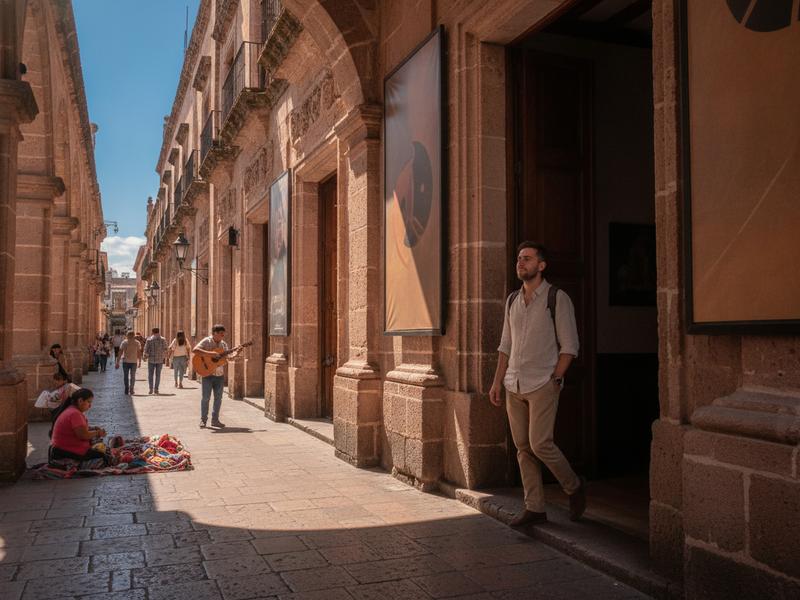
Start with breakfast between 8:30 and 9:30 a.m. near your hotel. Budget MXN 120–220 ($7–$12 USD) for eggs, fruit, coffee, or chilaquiles. Review the day’s program while seated and confirm that no venue or time has changed.
10:30 a.m.–1 p.m.: Mexican competition
Choose a Mexican feature, documentary, or short-film program at Cinépolis Centro or another central venue. The festival’s core purpose is to support Mexican filmmakers, so make this material the foundation of the trip rather than filling every slot with international titles.
Arrive 30 minutes early and stay for any filmmaker discussion. A 100-minute film can occupy two and a half hours once entry, introductions, and questions are included. Do not promise yourself lunch at 12:45.
Tickets cost was still pending for 2026. In 2025, a standard screening cost MXN 100 ($6 USD). Use MXN 120–220 ($7–$12 USD) as a safe 2026 planning allowance per film.
1:30–3 p.m.: Regional lunch
Eat a proper comida before the afternoon slows. Try sopa tarasca, corundas, uchepos, enchiladas placeras, carnitas, or a seasonal menu. Budget MXN 250–500 ($14–$28 USD) with a nonalcoholic drink.
Keep lunch within a 10–15 minute walk of the hotel. Returning to your room after eating creates a useful break and lets you leave shopping or a larger camera behind.
3–5:30 p.m.: One piece of Morelia
Choose one city activity rather than a checklist. Walk the cathedral and Plaza de Armas, visit Centro Cultural Clavijero, see the aqueduct, or browse Museo del Dulce. A museum visit may cost MXN 0–120 ($0–$7 USD), while a guided activity costs more.
The UNESCO description of Morelia explains the planned grid and pink-stone architecture that distinguish the center. Look up from the festival map; the city is not just a corridor between cinemas.
6:30–9 p.m.: Priority film
Make the evening screening your strongest day-one choice. A competition premiere with the director present is ideal. Reach the venue 45 minutes early, especially on Friday or Saturday.
Eat a small snack before entry rather than depending on a late dinner. Afterward, have a light meal or dessert near the hotel. If the audience conversation runs long, let it; that access is part of the value of attending FICM.
Day-one budget excluding lodging: MXN 900–1,800 ($50–$100 USD), including two tickets, meals, one museum, and modest local transport.
Day 2: Public Talk, Headline Premiere, Optional Late Film
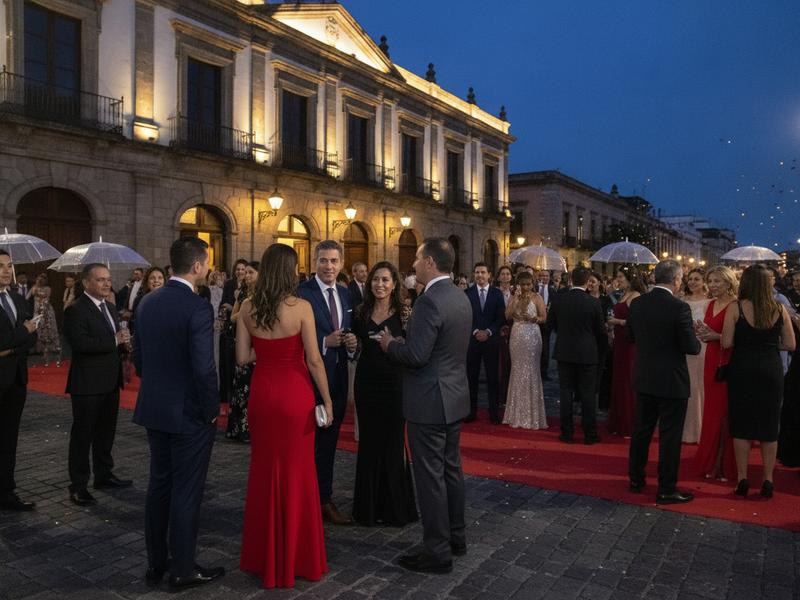
Day two has the trip’s highest-priority screening. Keep the morning useful but light, rest in the afternoon, and avoid a long excursion.
9:30 a.m.–noon: Master class or free event
Look for a public conversation, master class, short-film block, restored film, exhibition, or free screening. A filmmaker discussion can provide more context than another feature and may cost nothing.
If the program offers no suitable event, take a slow walk along the aqueduct or visit Bosque Cuauhtémoc. Do not add a distant day trip simply because the morning is open.
Breakfast plus a café stop should cost MXN 180–350 ($10–$19 USD). Free events still require early arrival and may require same-day tickets.
12:30–3 p.m.: Lunch and program check
Eat by 1:30 p.m. and verify the evening ticket, supported format, auditorium, subtitle language, and entry rules. Charge your phone and save the QR code offline.
Choose a lunch around MXN 250–550 ($14–$31 USD). Avoid a large amount of alcohol; a warm cinema and subtitles make an afternoon drink feel stronger than expected.
3–5 p.m.: Mandatory rest
Return to the hotel. Shower, change, organize a compact bag, and spend at least 45 minutes off your feet. This is not wasted festival time. It protects the event you care about most.
Pack identification, phone, power bank, card, small peso notes, medication, and a light layer. Leave shopping and luggage behind.
The where to stay for FICM guide explains why a central room pays for itself during this break.
5:30–9 p.m.: Headline or must-see premiere
Arrive 45–60 minutes early. Recent FICM rules used unnumbered seating and allowed the last-minute line to take unused seats shortly before showtime. Confirm 2026 policy, but do not gamble with punctuality.
If the event is at Cinépolis VIP Plaza Las Américas, leave Centro 60–90 minutes before the listed start. Traffic, pickup, mall entry, and the queue all take time. A taxi or rideshare may cost MXN 100–220 ($6–$12 USD) each way.
9:30 p.m. onward: Dinner or optional film
Choose one, not both, unless the schedule is unusually comfortable. A late short-film program can work after an early premiere. A second two-hour feature following a long question session usually turns discovery into endurance.
Reserve dinner if a particular restaurant matters. Budget MXN 350–750 ($19–$42 USD) with a drink. Return to the hotel by a lit, active route or verified car.
Day-two budget excluding lodging: MXN 1,000–2,300 ($56–$128 USD), depending on VIP tickets, taxis, and dinner.
Day 3: Michoacán, a Final Film, and Trip Extension
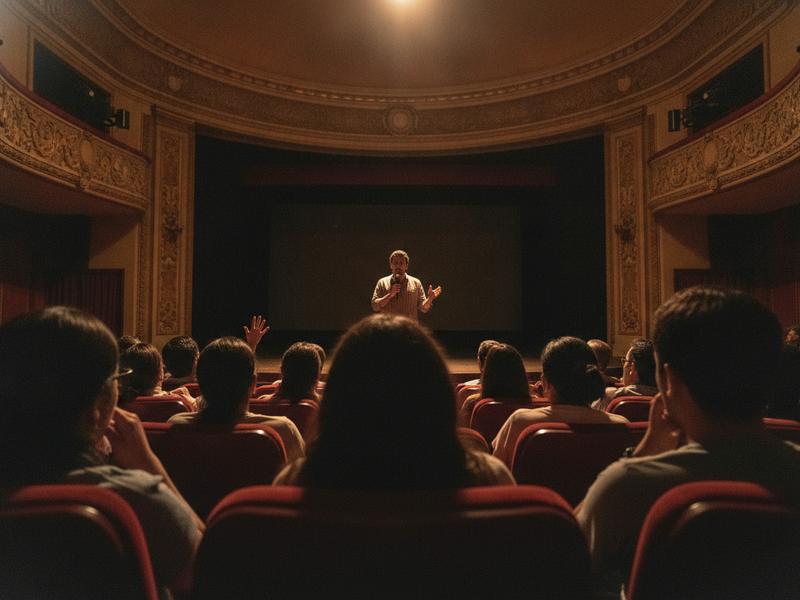
Sleep later on day three. Eat breakfast, check out if necessary, and ask the hotel to store luggage. Never carry a suitcase to a festival venue and hope staff will find space.
10:30 a.m.–1 p.m.: Slow morning
If the first two days were film-heavy, use the morning for the city. Walk Mercado Independencia, visit a museum you skipped, or sit with coffee and write notes about the films. Festival experiences blur quickly; recording directors’ names and titles helps you follow later releases.
If the program contains an essential morning repeat, attend it. Repeat screenings can be easier than premieres and sometimes preserve the same film without the opening-night pressure.
1–3 p.m.: Final regional meal
Choose the Michoacán dish you missed. A comfortable lunch costs MXN 280–600 ($16–$33 USD). Keep luggage at the hotel and allow enough time for service.
3:30–6 p.m.: Michoacán section or documentary
Finish with a film connected to the host state, a Mexican documentary, or a short-film program. This creates a stronger closing note than choosing only by celebrity guest. If filmmakers attend, stay for the conversation.
The exact finish time matters if departing the same evening. Allow at least 90 minutes from a central cinema to the bus terminal and 2.5–3 hours to Morelia airport before a domestic flight, adjusting for the airline’s requirement and traffic. Missing the final question session is better than missing the flight.
Evening: Leave or celebrate
If staying another night, reserve dinner and take a final walk through the illuminated center. If leaving, collect luggage early and use authorized transport. A taxi to the bus terminal may cost MXN 100–180 ($6–$10 USD); a permitted airport vehicle may cost MXN 550–900 ($31–$50 USD).
Day-three budget excluding lodging: MXN 750–1,700 ($42–$94 USD).
Optional Pátzcuaro extension
Add Pátzcuaro after the three festival days, not between priority films. The road trip usually takes 60–90 minutes each way. FICM has used Teatro Emperador Caltzontzin for selected screenings in past editions, but wait for the 2026 venue list before building your trip around one.
Stay one night to experience the plaza and lake region without racing back. Late October demand rises as Día de Muertos approaches, so reserve early and understand that family and cemetery observances are not movie-festival photo opportunities.
Use the Pátzcuaro travel guide for the extension. Ask before photographing people or private altars, follow local access instructions, and avoid blocking ceremonies.
Budget, Variations, and Final Checks
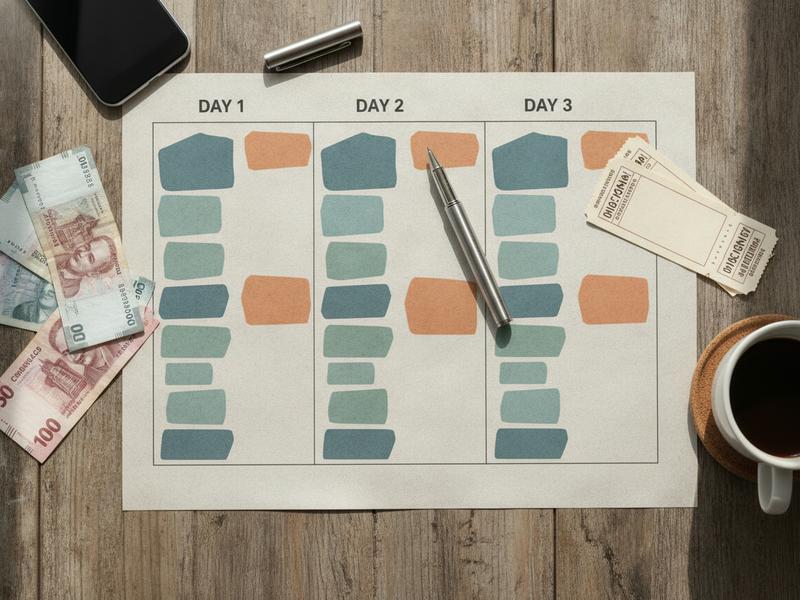
A midrange traveler sharing a double room should plan about MXN 8,800 ($489 USD) for three nights and three festival days, excluding flights or intercity buses.
| Category | Three-day midrange budget |
|---|---|
| Lodging share | MXN 3,600 ($200) |
| Six tickets | MXN 900 ($50) |
| Food and drinks | MXN 2,700 ($150) |
| Local transport | MXN 700 ($39) |
| Museums and extras | MXN 900 ($50) |
| Total | MXN 8,800 ($489) |
Ticket pricing is an allowance because 2026 rates had not been announced by August 17. In 2025, standard tickets were MXN 100 ($6 USD) and VIP tickets were MXN 176 ($10 USD). Hotel costs can rise on opening and closing weekends.
A budget traveler using a simple central room, free screenings, market meals, and walking can aim for MXN 4,500–5,500 ($250–$306 USD). A boutique hotel, VIP films, private airport transfers, and restaurant dinners can lift the same trip above MXN 16,000 ($889 USD).
Two-day version
Keep day one and day two. Attend one Mexican competition film, one shorts or documentary program, one public talk, and one priority premiere. Arrive the preceding evening and leave the morning after day two. Do not schedule Pátzcuaro.
Five-day version
Add a recovery morning, two more competition screenings, and either a Pátzcuaro overnight or an additional Morelia day. Do not simply add three films daily. The longer trip should increase range, not fatigue.
Solo traveler version
Stay central, share your late return plan with someone, and verify every car before entering. Budget more for taxis because you cannot split them. Public festival crowds make the central zone active, but normal urban awareness still applies.
Limited-mobility version
Choose a hotel with verified step-free access, group screenings in one venue, and contact FICM about each auditorium. Replace the Centro walking block with one accessible museum or a car-based architecture route. A schedule with one well-coordinated film daily is better than a spontaneous plan that depends on uncertain curbs and entrances.
Family version
Choose age-appropriate listings and verify subtitle needs. Replace late films with a designated family screening, early meal, or city activity. Do not assume a film festival offers child supervision or that every animated title is intended for young children.
Forty-eight hours before departure, complete this check:
- Confirm every screening time, venue, running time, and subtitle language.
- Save official tickets offline in the accepted format.
- Map transfers and remove impossible double features.
- Reconfirm hotel arrival and luggage storage.
- Reserve airport or terminal transport.
- Charge the phone and power bank.
- Carry a compact bag and light rain layer.
- Reserve one important dinner.
- Keep one screening slot flexible daily.
- Hold a 15 percent budget buffer.
The best three-day FICM itinerary is selective. Six films, a director conversation, three regional meals, and a few hours in Morelia will give you more to remember than a spreadsheet of exhausted checkmarks. Let the program guide you, but do not let it erase the city hosting it.