Oaxaca Sea Turtle Nesting: Escobilla Guide
Oaxaca Sea Turtle Nesting: Escobilla, Mazunte, and the Coast
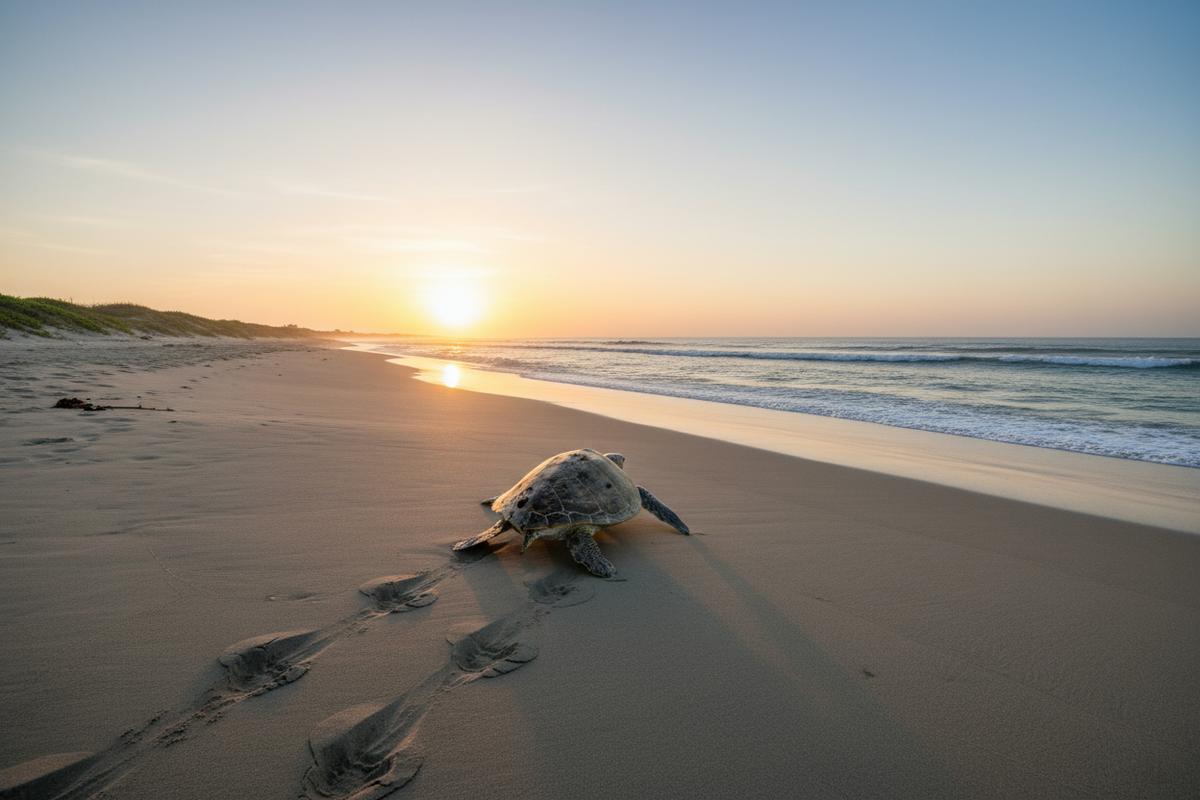
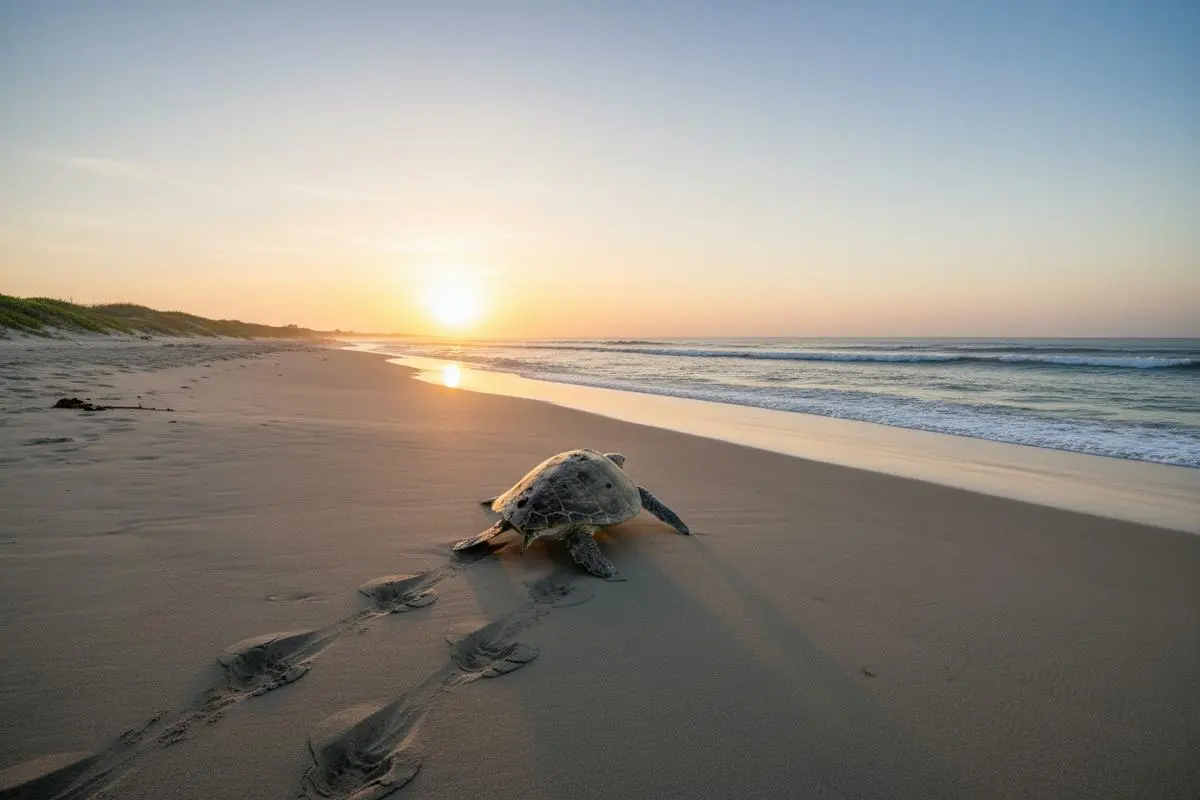
Oaxaca sea turtle nesting is the best reason to plan a late-summer or fall trip to the coast between Puerto Escondido, Mazunte, and Huatulco. This is where olive ridley turtles gather at Playa Escobilla in arribadas, where local camps protect nests through the night, and where visitors can support conservation without turning wildlife into a performance.
This guide focuses on practical planning: when to go, where to stay, how to reach Escobilla, what a responsible tour looks like, and how much to budget in USD and MXN. For the national overview, start with Sea Turtle Nesting in Mexico. For weather and beach conditions, pair it with Puerto Escondido in September and Oaxaca in August.
Why Oaxaca Is the Top Turtle Coast
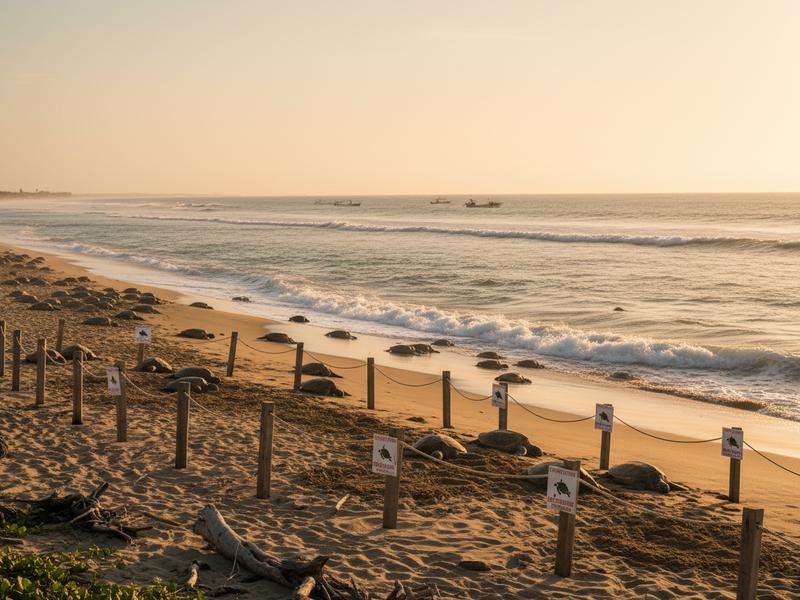
Playa Escobilla is one of the most important olive ridley nesting beaches in the world. The CONANP Playa Escobilla page identifies the area as a sanctuary and lists access by local guides authorized by CONANP. It also places the sanctuary between Puerto Escondido and Pochutla, about 41 km from Puerto Escondido and 68 km from Huatulco.
The headline event is the arribada, a mass nesting arrival when thousands of turtles may come ashore over several nights. These events cannot be booked months ahead. They depend on moon phase, weather, tides, and turtle behavior. That unpredictability is frustrating for planners, but it is also what makes the experience real.
Mazunte adds context. The Centro Mexicano de la Tortuga is an educational stop in town, and nearby beaches such as San Agustinillo, Mermejita, and La Ventanilla give you a calmer base than Puerto Escondido if your main interest is conservation and nature.
Best Time to Visit Escobilla and Mazunte
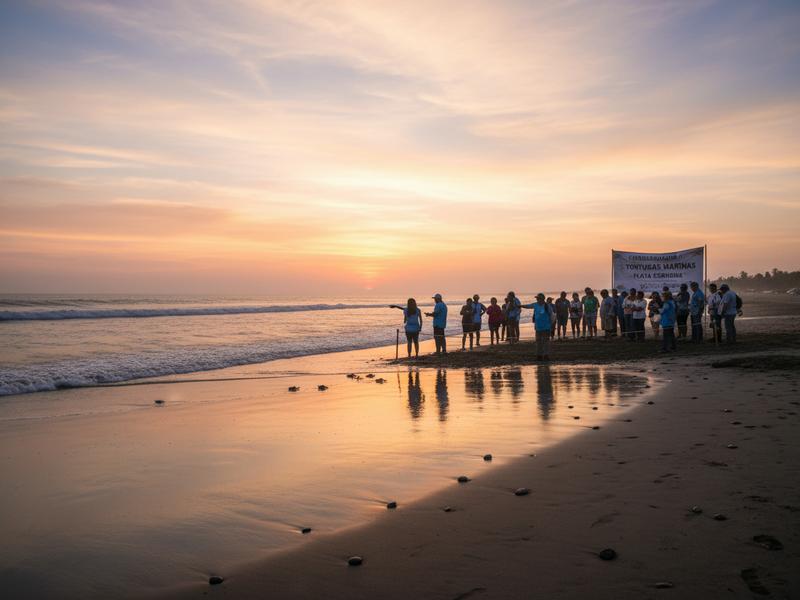
Plan for July through January if turtles are your priority, with August through November the most useful window for most travelers. July can be active, but rain is common. September and October often line up well with stronger turtle activity, green hills, and lower hotel rates. November is drier and easier for beach days.
CONANP lists Escobilla turtle arrivals from 2:00 pm to 7:00 pm and hatchling integration windows from 6:00 am to 10:00 am and 4:00 pm to 6:00 pm, but actual visits depend on what is happening at the sanctuary. Do not arrive expecting to wander in alone. The safest plan is to contact a local guide or conservation group once you are on the coast.
Rainy season matters. Roads can be slower, the ocean can be rough, and late-day storms may cancel activities. That does not make the season bad. It simply means you should keep two flexible evenings in your itinerary instead of one fixed turtle night.
Where to Stay for Turtle Trips
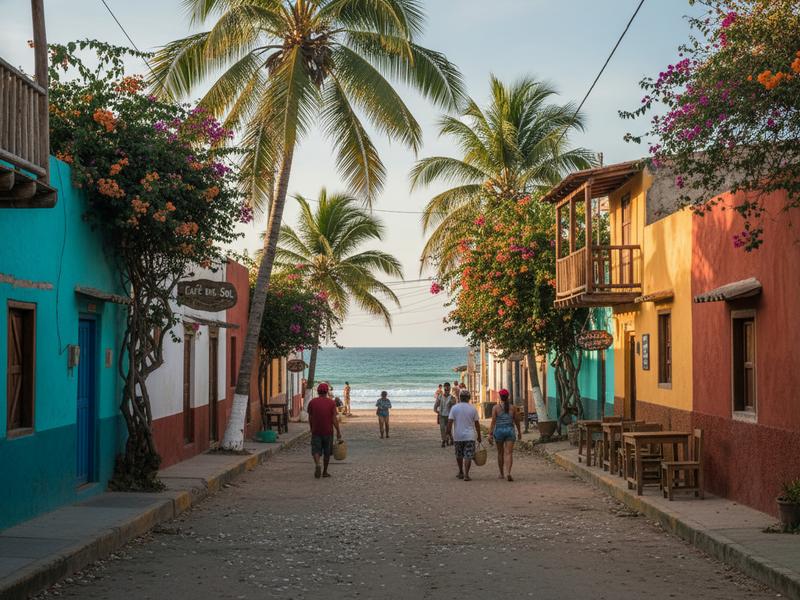
Puerto Escondido is the easiest base if you want flights, restaurants, nightlife, and a wide range of hotels. It is best for travelers mixing turtle conservation with surfing, beach clubs, or a first trip to the Oaxaca coast. From Puerto Escondido, expect 45-70 minutes each way to Escobilla depending on pickup location and road conditions.
Mazunte and San Agustinillo are better if you want quieter evenings and less driving. Lodging is smaller and often simpler, but you are closer to Escobilla, Ventanilla, and the Mexican Turtle Center. See Mazunte Oaxaca before choosing this base, because it has a slower rhythm than Puerto Escondido.
Huatulco works if you want a resort base, easier family logistics, and a cleaner hotel setup. The tradeoff is distance. You can visit Escobilla from Huatulco, but it is not as convenient as staying farther west.
Escobilla vs. Mazunte vs. La Ventanilla
Escobilla is the place to prioritize if your main goal is nesting activity. It is a sanctuary with rules, guides, and access that changes based on conservation needs. You go there because turtles are the focus, not because it is the prettiest swimming beach.
Mazunte is better for learning and basing yourself. The town has small hotels, restaurants, yoga spots, and the Mexican Turtle Center. It gives you more daylight context before an evening activity. If you are nervous about a remote night visit, staying closer to Mazunte can make the logistics feel easier.
La Ventanilla is useful for travelers who want mangroves, wildlife, and community-run nature tourism beyond turtles. It pairs well with a turtle-focused evening because it keeps the trip centered on local conservation rather than only beach time.
Puerto Escondido has the best infrastructure. If you need flights, surf lessons, more restaurants, or a wider hotel range, stay there and book a guided evening from town. The downside is more time in a vehicle.
Costs, Tours, and Logistics
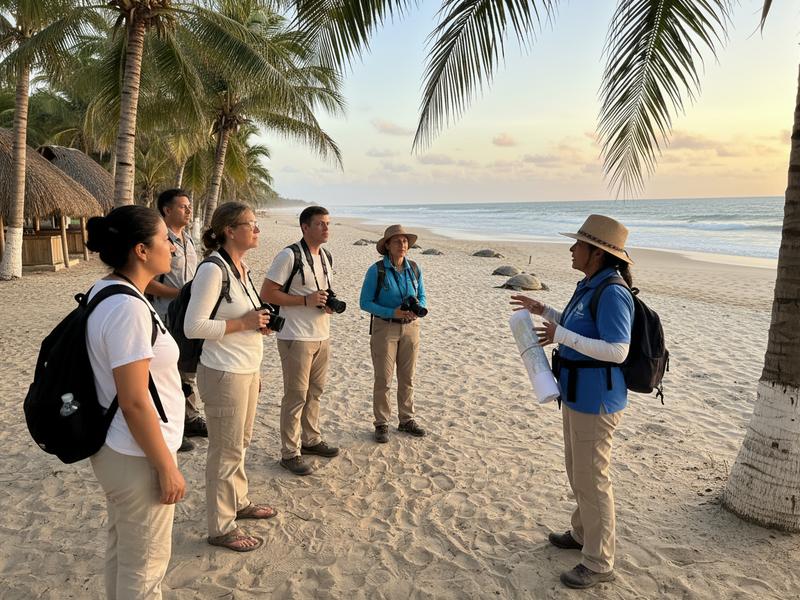
CONANP lists the Escobilla entrance fee at 95 MXN, about $5 USD. That is only the protected area fee. A guided trip from Puerto Escondido or Huatulco normally includes transportation, guide coordination, and waiting time. Expect 800-1,500 MXN per person, about $45-$83 USD, for a shared tour. Private transport can push the cost to 2,500-5,000 MXN total, about $139-$278 USD.
Ask three questions before booking: Is the guide authorized or working with an authorized local group? Will we use red lights or no lights? What happens if there is no turtle activity that night? Good guides answer directly. Poor guides promise guaranteed sightings and photo access.
Bring cash in small bills, closed shoes or sandals that can handle wet sand, water, insect repellent used before reaching the beach, and a light rain jacket. Keep your phone away unless the guide says photos are allowed, and never use flash.
How to Plan Around Arribadas
Arribadas are often tied to moon and tide cycles, but they are not a fixed event calendar. You may hear that one is likely, then learn conditions changed. You may also arrive on an ordinary night and discover activity is better than expected. Build your plan around flexibility rather than certainty.
If you have five nights on the coast, keep two possible turtle evenings open. If you have only two nights, choose a base closer to Escobilla or book a guide who can update you quickly. Do not prepay a nonrefundable luxury plan that depends on one exact night of turtle activity.
Local operators sometimes know more than websites because they hear from camps and guides day by day. Once you are in Puerto Escondido, Mazunte, or San Agustinillo, ask your lodging and at least one conservation-focused operator what has been happening recently. The answer may be “wait,” and that is valid.
The best travelers accept that wildlife sets the schedule. That attitude usually leads to a calmer experience and better decisions.
What Not to Do Around Nesting Turtles
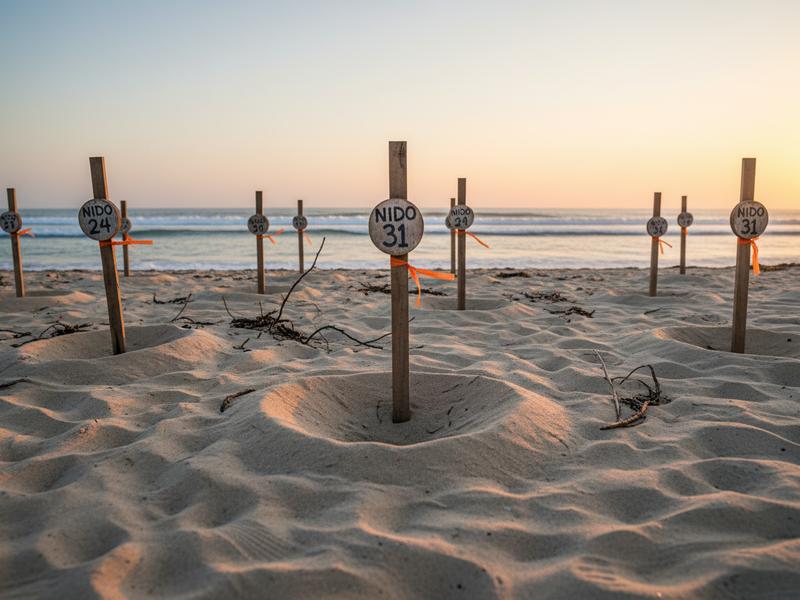
Do not touch turtles, hatchlings, eggs, or marked nests. Do not walk ahead of a nesting female. Do not stand between a turtle and the ocean. Do not use white light. Do not buy tours that include handling hatchlings for selfies. Do not bring pets to nesting zones.
If you see illegal handling, egg theft, or a turtle being harassed, alert your guide or local authorities rather than confronting people alone. Conservation staff deal with these risks regularly and know the correct channels.
Also manage your hotel behavior. If your room faces the beach, close curtains at night. Beachfront lights confuse hatchlings. Fill holes in the sand before you leave. Pack out plastic. Oaxaca’s turtle beaches work because local communities do hard, repetitive protection work; visitors should make that work easier.
Oaxaca Turtle Itinerary
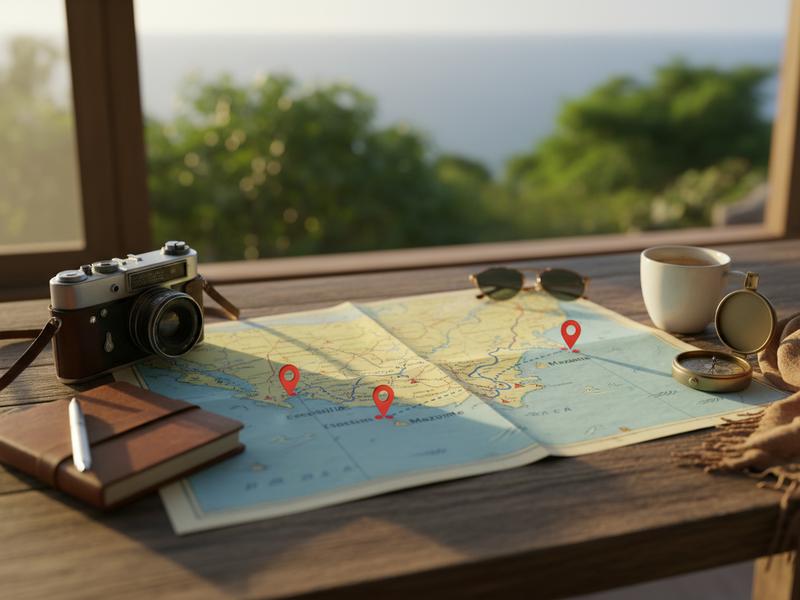
For a focused turtle trip, spend two nights in Puerto Escondido, two nights in Mazunte or San Agustinillo, and one flexible night wherever the best conservation activity is available. Use one evening for Escobilla, one morning for the Turtle Center, and one day for beaches such as La Ventanilla or Punta Cometa.
Budget 7,500-15,000 MXN per person, about $417-$833 USD, before flights for five nights with midrange rooms, local meals, transfers, and one or two turtle activities. Budget travelers can do it for less with collectivos and simple rooms. Families should spend more for safer night transport.
Food, Cash, and Night Safety
Eat before the tour or bring a simple snack for after. Turtle activities often happen around sunset or after dark, and restaurants near remote beaches may be limited. Do not bring food onto the nesting beach itself; keep wrappers and smells away from the sand.
Carry cash in small bills. You may need pesos for the protected area fee, guide tips, taxis, bathrooms, or a late meal. Around 1,500-2,500 MXN per couple, about $83-$139 USD, is a practical cash buffer for an evening if transport is not fully prepaid.
For night safety, use arranged transport instead of trying to flag rides after the activity. The Oaxaca coast is friendly, but remote beach roads at night are not the place to improvise. Share your pickup point with your hotel, keep your phone charged, and avoid bringing valuables you do not need.
If rain is likely, pack a small dry bag. Wet sand, sea spray, and sudden downpours can ruin phones and cameras quickly.
The best Oaxaca turtle trip is not the one with the closest photo. It is the one where you leave the beach quietly, understand what you saw, and know your pesos supported the people guarding the nests.