Sea Turtle Nesting in Mexico: Complete Guide
Sea Turtle Nesting in Mexico: What Travelers Need to Know
Sea turtle nesting in Mexico is one of the most moving wildlife experiences you can plan around, but it only works when the trip puts the animals first. From the mass olive ridley arrivals at Playa Escobilla in Oaxaca to hatchling releases in Puerto Vallarta and protected Caribbean beaches near Akumal, turtle season turns parts of the coast into open-air nurseries.
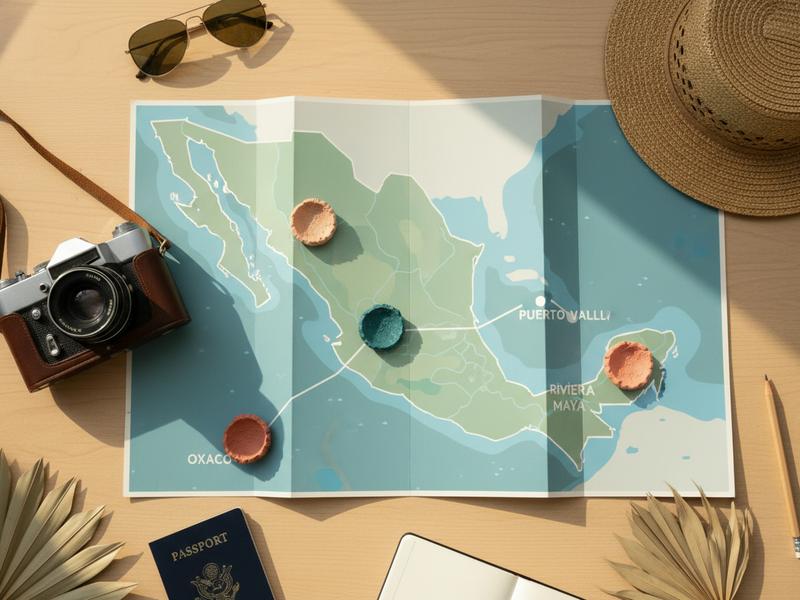
This guide explains when to go, where to base yourself, how much to budget, and how to choose a responsible program. It also links to deeper regional guides for Oaxaca turtle nesting, Puerto Vallarta turtle releases, and Riviera Maya turtle nesting so you can pick the coast that matches your trip.
The most important rule is simple: never treat nesting turtles or hatchlings as a beach show. These are endangered animals using dark sand, moonlight, and instinct to survive. Your best experience will usually happen through a certified camp, a local conservation group, or a hotel program that keeps distance, uses red light, and limits handling.
Best Time for Sea Turtle Nesting in Mexico
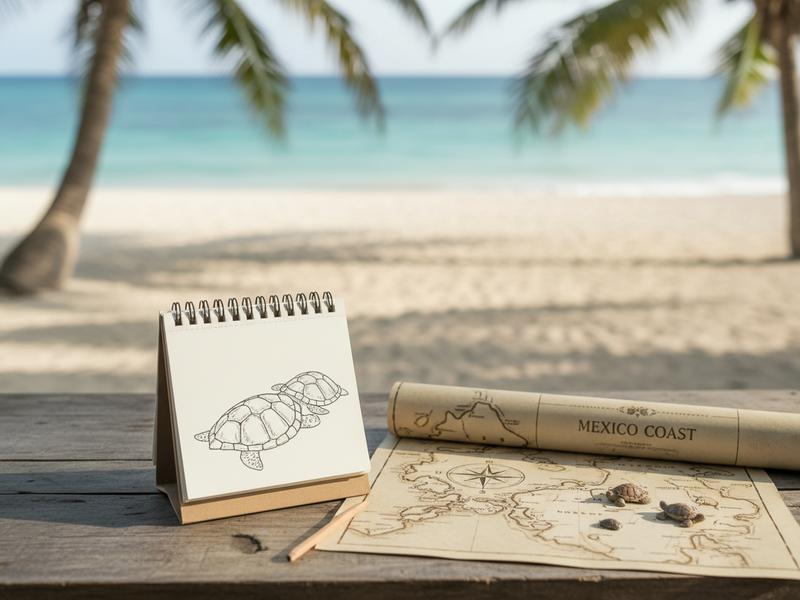
The broad turtle season in Mexico runs from late spring through early winter. For trip planning, July to November is the practical sweet spot. Nesting is active, hatchlings may begin emerging, and many turtle camps are operating regular visitor programs.
The Pacific coast is the strongest choice if seeing hatchlings or joining a supervised release is your priority. Oaxaca can be active from July into January, especially around Escobilla, where olive ridley turtles arrive in large groups called arribadas. Puerto Vallarta and Banderas Bay usually build momentum from August through November, with evening hatchling releases when nests are ready.
The Caribbean side has a different feel. In the Riviera Maya, turtles nest on beaches near Akumal, Xcacel, Tulum, and the Sian Ka’an coast. The area is excellent for travelers already visiting Cancun, Playa del Carmen, or Tulum, but access is more restricted because the beaches are busier and conservation rules are tighter. Expect observation, education, and strict distance more than hands-on release programs.
For a Mexico-wide seasonal frame, pair this guide with Mexico in summer and Mexico in September. Those month guides help you balance turtle season against rain, hurricane risk, flight prices, and beach conditions.
The Best Places to See Sea Turtles in Mexico
Playa Escobilla and Mazunte, Oaxaca
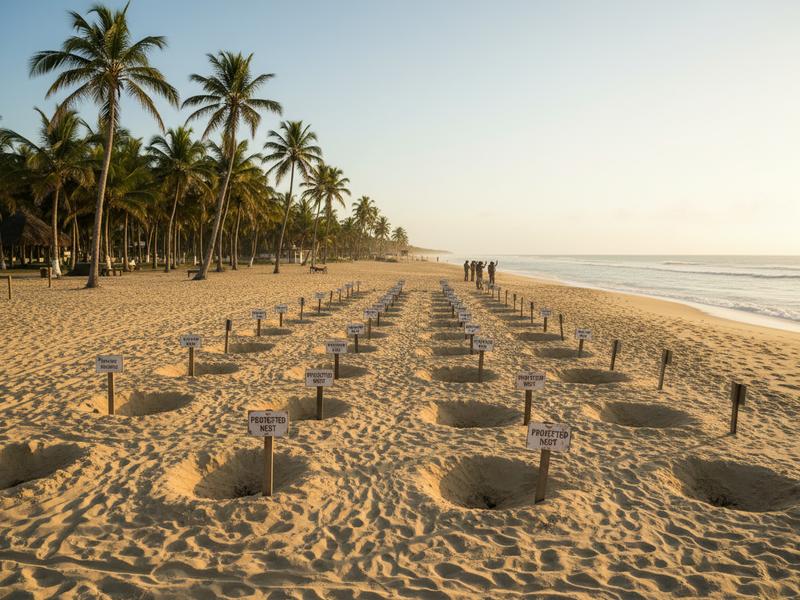
Oaxaca is the strongest turtle destination in Mexico for travelers who want the highest wildlife odds. Playa Escobilla, between Puerto Escondido and Huatulco, is famous for olive ridley arribadas. The CONANP protected area page for Playa Escobilla lists guided access, turtle arrival hours, hatchling integration times, and a typical entrance fee of 95 MXN, about $5 USD.
Escobilla is not a casual swimming beach. It is a sanctuary where access depends on nesting activity and local guides. Nearby Mazunte adds the Centro Mexicano de la Tortuga, a useful stop for understanding the species before you join a release or beach walk. Use Mazunte Oaxaca, Puerto Escondido in August, and Puerto Escondido in September to build the rest of the trip.
Puerto Vallarta and Banderas Bay
Puerto Vallarta is the easiest turtle option for families and first-time visitors. Many hotels and conservation groups run hatchling release programs from late summer into fall. The experience is more controlled than Oaxaca: you receive a short briefing, the hatchlings are placed in containers or on the sand by authorized staff, and visitors watch them crawl toward the water.
Budget 300-900 MXN per person, about $17-$50 USD, for organized conservation experiences. Some hotels include releases for guests when nests hatch on their beaches. If you are already using Puerto Vallarta in August or Puerto Vallarta in September to plan weather and prices, add a turtle release as an evening activity rather than a full-day tour.
Riviera Maya: Akumal, Xcacel, Tulum, and Sian Ka’an
The Riviera Maya is best for travelers who want turtle conservation near major resort areas. Akumal is known for sea turtles in the bay, but snorkeling rules and protected zones matter. Xcacel-Xcacelito is one of Quintana Roo’s key turtle beaches, with nesting season generally discussed as spring through fall. Tulum and Sian Ka’an also protect nesting areas, though access changes with conditions.
This coast requires extra discipline because it is crowded. Do not walk nesting beaches at night with white lights, do not cross marked nesting areas, and do not pay anyone offering unauthorized turtle handling. Use Riviera Maya travel guide, Akumal Beach, and Tulum in September for route planning.
Los Cabos and Baja California Sur
Los Cabos combines resort comfort with turtle protection programs. Many beachfront hotels and conservation groups monitor nests from late summer through fall. The official Visit Los Cabos turtle conservation article describes the region’s hotel and certified operator programs, which is the kind of structure you want for an ethical release.
Los Cabos is a strong fit if you want turtle conservation plus desert scenery, snorkeling, and easier flights from the western United States. Pair it with Los Cabos in August or Los Cabos in September before booking, because late summer can bring heat and storm risk.
Which Turtle Coast Should You Choose?
Choose your coast by trip style, not only by turtle odds. Oaxaca is the strongest wildlife choice because Escobilla is a sanctuary built around turtle protection. It is also the least predictable and the most logistics-heavy for many travelers. You may drive at night, wait for activity, and deal with rain or rough roads. That tradeoff is worth it if the turtles are the main reason for the trip.
Puerto Vallarta is the easiest choice for families, first-time Mexico visitors, and anyone who wants a simple evening activity. You can keep a normal beach vacation and add a supervised release without changing hotels or renting a car. The experience is often smaller than Oaxaca, but it is easier to do well with children or older relatives.
The Riviera Maya is best when turtles are part of a broader Caribbean itinerary. You can learn about conservation, snorkel responsibly in Akumal, visit protected beaches, and still enjoy cenotes, ruins, and restaurants. It is not the best coast for travelers who want guaranteed nesting access, because beach rules, hotel development, and conservation restrictions limit what visitors can do.
Los Cabos works for travelers who want resort comfort, desert scenery, and structured programs. It is especially useful for visitors flying from the western United States. The downside is cost: hotels, transfers, and tours can be higher than on the Oaxaca coast.
Species You May Hear About
Mexico is important because several sea turtle species use its waters and beaches. Travelers most often hear about olive ridley turtles on the Pacific coast, especially in Oaxaca. Green turtles and loggerheads are commonly discussed on the Caribbean side. Hawksbills are associated with reef areas, and leatherbacks are rare but important across broader conservation conversations.
You do not need to identify every species to have a responsible trip, but you should understand that rules vary because species behave differently. A beach that protects nesting females may also protect buried nests, hatchery areas, or offshore feeding zones. Snorkeling rules in Akumal are not the same as Escobilla access rules because the risks are different.
Ask guides which species are active, what threats they face locally, and how the program tracks results. A strong guide can explain beach lighting, nest relocation, predators, illegal egg collection, and visitor limits in simple terms. If the guide only talks about photos, look elsewhere.
How Much Turtle Experiences Cost
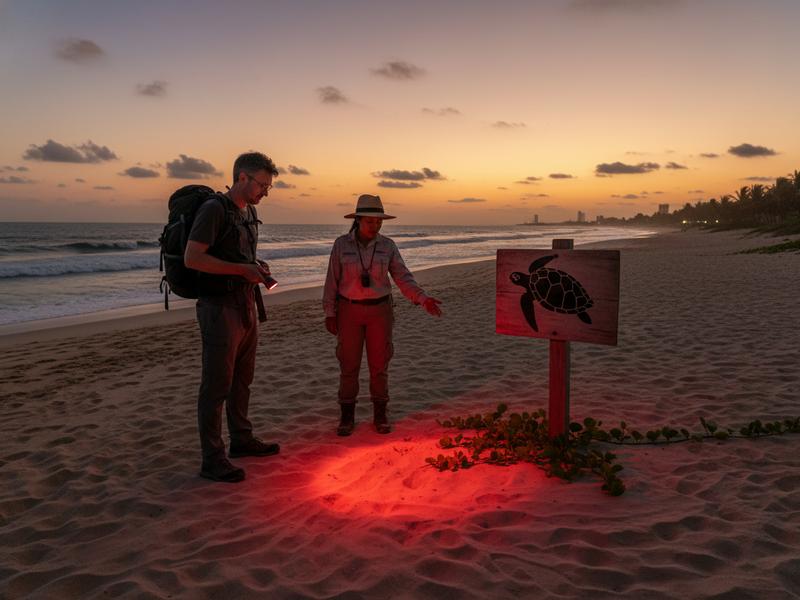
A simple community turtle release can cost 100-300 MXN per person, about $6-$17 USD. More structured tours with transportation, a guide, and hotel pickup often run 700-1,800 MXN, about $39-$100 USD. Private family tours can cost more, especially in resort areas.
In Oaxaca, Escobilla’s protected area fee is listed by CONANP at 95 MXN, about $5 USD, but transportation from Puerto Escondido or Huatulco adds most of the cost. Expect 800-1,500 MXN per person, about $45-$83 USD, for a guided evening tour from Puerto Escondido when available.
In Puerto Vallarta, a basic release experience is often 300-900 MXN, about $17-$50 USD. Some hotel programs are free for guests, though donations to conservation staff are common and appreciated. In Los Cabos, resort-linked or certified operator experiences may range from 900-2,500 MXN, about $50-$139 USD, depending on transportation and group size.
In the Riviera Maya, costs vary sharply. Protected beach visits may be inexpensive during daytime, while guided eco tours tied to Sian Ka’an or Tulum can run 1,500-3,500 MXN, about $83-$194 USD. Pay for education, regulated access, and good guiding. Do not pay for anyone to dig up nests, carry hatchlings for photos, or guarantee contact with wildlife.
How to Evaluate an Operator Before You Pay
A responsible operator makes conservation rules clear before you reach the beach. They tell you that sightings are not guaranteed, explain light restrictions, limit group size, and describe what happens if conditions are unsafe. They should also say who manages the nests: a community camp, a protected area team, a hotel conservation program, or a certified guide network.
Be cautious with phrases like “hold a baby turtle,” “guaranteed release,” or “private turtle photos.” A release can be emotional without direct handling. In many cases, the best visitor role is simply standing quietly behind a marked line while trained staff manage the hatchlings.
Ask where fees go. Good answers include beach patrols, hatchery maintenance, staff salaries, community conservation, transport, and education. Vague answers are not automatic proof of a bad program, but they should make you slow down. Conservation work has real costs, and honest operators are usually comfortable explaining them.
Also check transport. Night drives to remote beaches should use safe vehicles and sober drivers. If the guide wants you to walk a dark beach alone, skip it. Ethical wildlife tourism also needs basic traveler safety.
Ethical Rules for Turtle Season
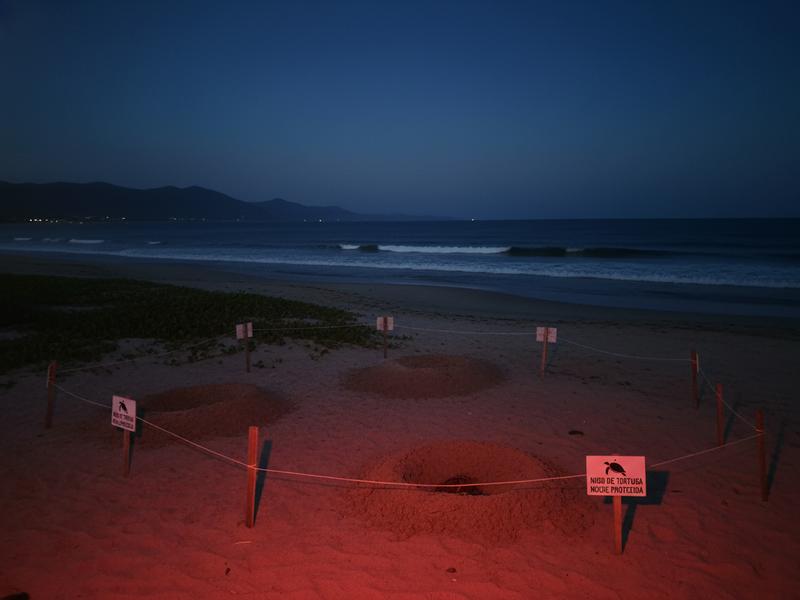
The rules are not complicated, but they matter. Keep your distance from nesting females. Stay behind the guide. Use no flash photography. Do not shine a phone light or flashlight toward the water. If lights are needed, they should be red and controlled by staff. Never touch a nesting turtle.
For hatchlings, follow the program’s rules exactly. Some camps allow each visitor to tip a container so hatchlings crawl across the sand. Others allow observation only. Both can be good. The red flag is a guide who lets visitors hold hatchlings for selfies, pass them around, or chase them down the beach.
Avoid loud beach bars near nesting zones at night. Close curtains if your room faces a nesting beach, because artificial light can confuse hatchlings. Fill holes and flatten sand castles before leaving the beach. Keep dogs away from nesting areas. These small actions directly affect survival.
Mexico’s turtle protections are serious because six of the world’s seven sea turtle species use Mexican waters or beaches. Government agencies and local camps spend long nights moving threatened nests, guarding hatcheries, and recording arrivals. Your role is to support that work, not make it harder.
What to Pack for Turtle Season
Pack dark, quiet clothing and shoes that can handle wet sand. Bright clothing is not a serious problem by itself, but dark colors help you blend into a low-light beach environment. A light rain jacket is useful from July through October, especially in Oaxaca and the Riviera Maya.
Bring insect repellent, but apply it before you reach the beach so you are not spraying chemicals near hatchlings or nesting areas. Carry cash in small bills for entrance fees, tips, taxis, and donations. Many community camps do not operate like large tour companies, and card payments may not be available.
Leave tripods, drones, and bright flashlights behind. A phone is fine for logistics, but do not assume photos will be allowed. If the guide says no photos, accept it immediately. The memory is better when you are not trying to manage a screen in the dark.
If traveling with children, bring water and a small snack before the activity, then keep both away from the release area. A tired child waiting quietly is normal. A child running toward hatchlings is dangerous for the animals and stressful for staff.
Sample Turtle Season Itineraries
Oaxaca Wildlife Week
Base yourself in Puerto Escondido for three nights, then move to Mazunte or San Agustinillo for two. Use one evening for Escobilla if an arribada or authorized release is happening, one morning for the Mexican Turtle Center in Mazunte, and one day for beaches around Zipolite or Punta Cometa. Add Oaxaca in August if you want to combine the coast with Oaxaca City.
Budget 8,000-16,000 MXN per person, about $445-$890 USD, before flights for a comfortable five-night trip with midrange lodging, shared transport, meals, and one or two conservation activities.
Puerto Vallarta Family Long Weekend
Spend four nights in Puerto Vallarta or Nuevo Vallarta. Keep one flexible evening open for a turtle release because hatchings are not scheduled like a theater show. Add a boat day, a food walk, and a quieter beach morning. This is the easiest option with kids because transfers are short and hotels can help coordinate conservation programs.
Budget 10,000-22,000 MXN per person, about $555-$1,220 USD, before flights depending on hotel choice. The turtle activity itself is usually a small part of the budget.
Riviera Maya Conservation Add-On
If you are already in Playa del Carmen, Akumal, or Tulum, add one daytime turtle education stop and one guided nature activity. Do not plan your entire trip around seeing nesting on this coast unless you are working with a reputable conservation group, because access can be limited. Combine it with cenotes near Tulum or day trips from Playa del Carmen for a balanced itinerary.
Month-by-Month Planning Notes
July is the first month I would actively target for a turtle-focused trip. Oaxaca activity can begin to feel more reliable, Puerto Vallarta programs start preparing for a stronger season, and the Riviera Maya has active nesting rules in many beach areas. The tradeoff is rain and heat. Book flexible hotels where possible, and avoid routes that depend on perfect road conditions.
August is often the best compromise for families on school schedules. Turtle activity is more active on multiple coasts, and beach destinations have plenty of flights. It is also hot, humid, and storm-prone. Plan turtle activities for evenings and keep daytime plans simple: pool, shaded lunches, short transfers, and early starts.
September is excellent for value and conservation activity, but it needs weather awareness. You can combine turtle season with Independence Day travel, chiles en nogada, and lower hotel rates. On the Caribbean side, watch hurricane forecasts closely. On the Pacific side, expect rain bursts and rough surf.
October can be a strong month for hatchlings, especially on Pacific beaches, and the weather slowly starts to improve in some areas. It is still not fully dry season. If you want turtle season plus easier beach days, late October and November are safer than early September.
November is the easiest late-season month for many travelers. Rain risk drops in several destinations, prices are often better than Christmas, and some turtle programs are still active. If you are nervous about summer storms, November is a smart compromise.
How to Talk About Turtle Tourism Respectfully
Use the language of conservation rather than spectacle. Say you are joining a supervised release, visiting a protected beach, or learning about nesting season. Avoid language that frames hatchlings as props or nesting females as entertainment. That may sound small, but it changes how travelers choose tours and behave on beaches.
When sharing photos, do not geotag sensitive nesting spots if guides ask you not to. Do not post flash-lit images or handling photos, even if someone else allowed them. Social media teaches other travelers what is acceptable. If the best image you have required breaking a rule, it is not worth sharing.
Tip local guides when they enforce rules kindly and clearly. It is harder for guides to say no to guests than to promise easy photos. Reward the people who protect the beach even when it makes the visitor experience less convenient.
What If You Do Not See Turtles?
A no-sighting night can still support conservation. Your fee may fund patrols, hatchery work, staff time, fuel, or education. Wildlife travel always includes uncertainty. The ethical response is not to demand a substitute animal encounter; it is to understand what the program did with your visit.
Ask questions if activity is quiet. Guides can explain how nests are found, why some eggs are relocated, what predators threaten hatchlings, and how coastal lighting affects survival. That knowledge can make the night valuable even without a dramatic sighting.
If seeing turtles is very important, improve your odds by choosing Oaxaca, staying longer, and keeping multiple evenings open. Do not improve your odds by choosing operators that break rules. A closer view gained the wrong way is not a better experience.
Final Planning Advice
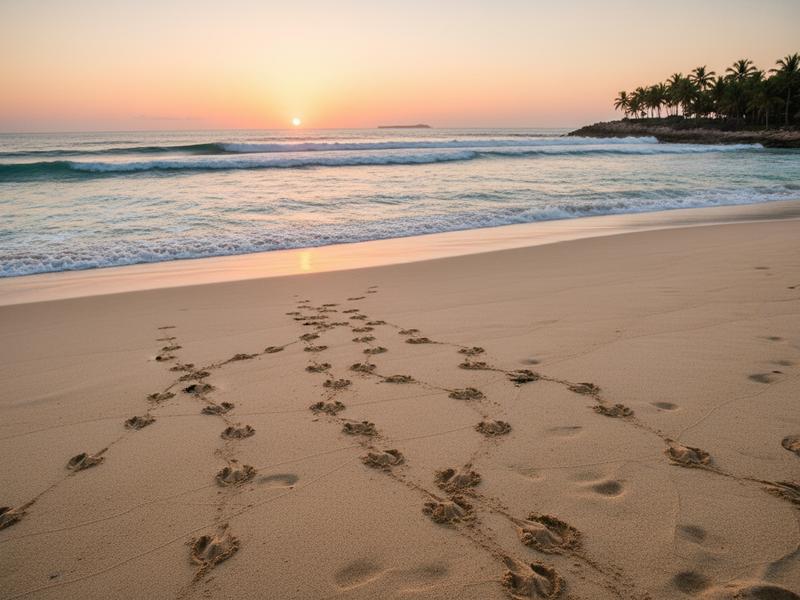
Choose Oaxaca for the strongest wildlife odds, Puerto Vallarta for the easiest family experience, Riviera Maya for a conservation add-on to a Caribbean vacation, and Los Cabos for resort comfort with structured programs. If turtle season is the main reason for your trip, build flexibility into the schedule and choose a base with multiple turtle camps nearby.
Book your first night or tour only after checking recent local activity. Arribadas, hatchings, and nest protection work follow the turtles, moon, tides, and weather. A responsible operator will explain that there are no guarantees. That honesty is a good sign.
How Turtle Season Fits With Weather
Turtle season overlaps with Mexico’s rainy season in many coastal areas. That is not a reason to avoid it, but it changes the trip. Rain often comes in heavy bursts rather than all-day storms, though tropical systems can disrupt travel. Build extra time into your route, especially if you are connecting small coastal towns by road.
On the Pacific coast, surf can be powerful during summer and early fall. A beach can be perfect for turtle activity and still unsafe for swimming. In the Riviera Maya, sargassum can affect beach appearance and swimming conditions, even when turtle conservation work continues. In Los Cabos, heat can be intense before sunset, so evening activities are more comfortable than midday beach walks.
The smartest plan is to choose a destination you will enjoy even if turtle activity is limited. Oaxaca has food, surf towns, lagoons, and mountain-to-coast culture. Puerto Vallarta has restaurants, boat trips, and family hotels. Riviera Maya has cenotes and archaeological sites. Los Cabos has desert landscapes and snorkeling. That way, turtle season becomes the highlight instead of the only thing holding the trip together.
Accessibility and Comfort Notes
Turtle activities are often simple, but they are not always accessible. Sand can be soft, lighting is low, and guides may ask groups to stand for long periods. If someone in your group has mobility needs, ask before booking whether chairs, short walking distances, or vehicle access near the beach are possible. Puerto Vallarta and hotel-based Los Cabos programs are usually easier than remote Oaxaca beach walks.
Bathrooms may be limited or unavailable once you reach the beach. Eat lightly, use the restroom before departure, and bring only what you can carry comfortably. If you need medication, keep it in a small dry pouch because rain and sea spray are common during the season.
Older travelers and families should avoid operators that make the night feel rushed. A good guide gives clear instructions, checks that everyone understands the rules, and keeps the group together. That kind of calm structure protects both travelers and turtles.
Why This Cluster Belongs on Your Mexico Calendar
Turtle season fills an important gap in Mexico travel planning. Many travelers think summer and early fall are only about heat, rain, and hurricane risk. Turtle conservation gives those months a positive reason to travel, especially when prices are lower and beach towns are quieter than winter.
It also encourages better behavior. A reader who learns about lights, marked nests, and responsible releases is more likely to choose the right hotel, ask better questions, and avoid harmful tours. That is good for the reader, good for local communities, and good for Mexico’s beaches.
Use this guide as a starting point, then confirm local conditions close to your travel date. Turtle season is seasonal, local, and alive. The best information often comes from the people walking the beach that week.
The reward is worth the patience. Watching a hatchling crawl across dark sand toward the surf is quiet, small, and unforgettable. Done well, it also supports the people protecting Mexico’s coast long after your trip ends.