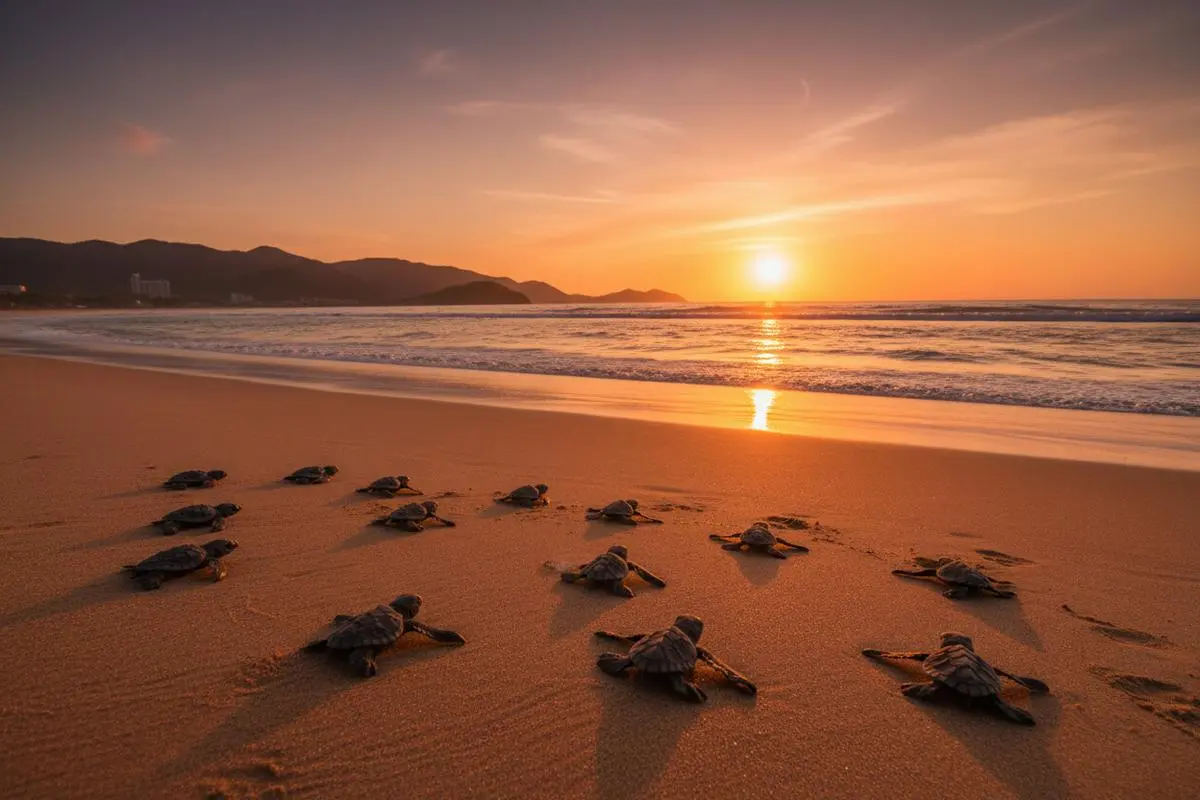
Puerto Vallarta Sea Turtle Release Guide
Puerto Vallarta Sea Turtle Release: What to Expect
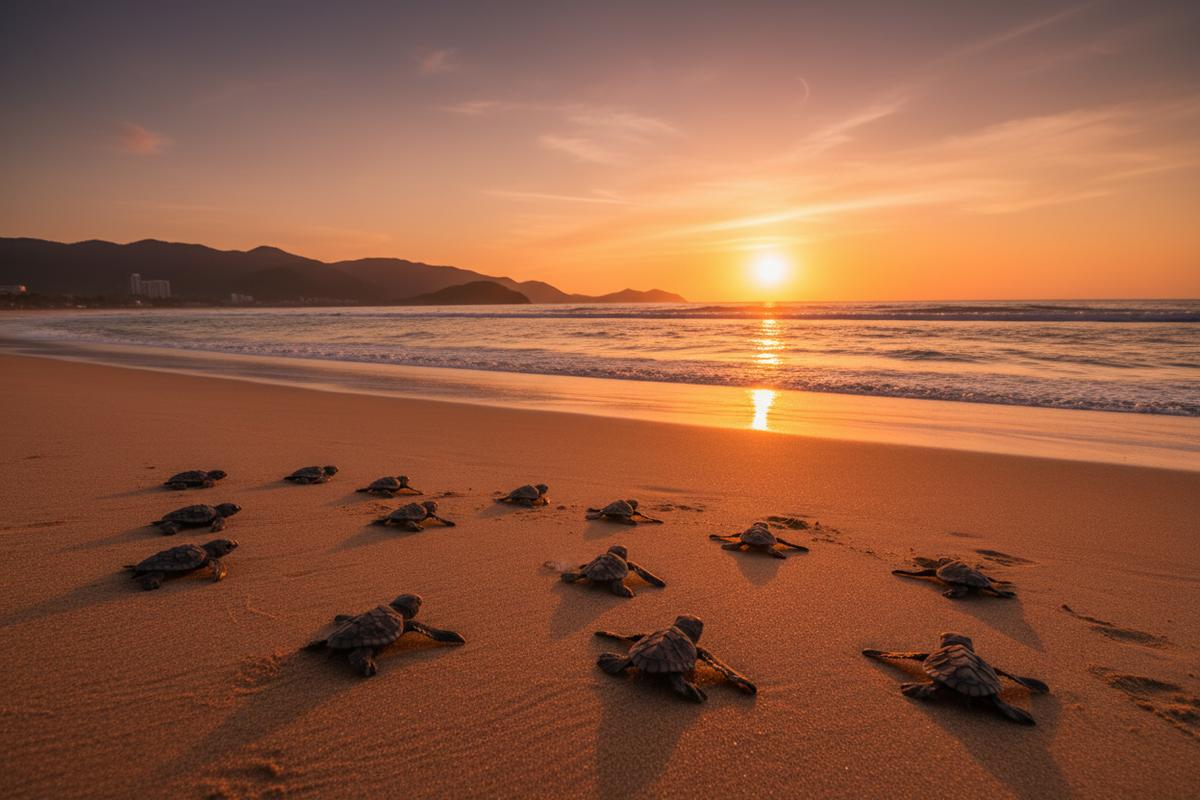
A Puerto Vallarta sea turtle release is a short, emotional evening activity that fits easily into a beach vacation. Instead of chasing wildlife across remote roads, you can often join a hotel-linked or conservation-led program near Puerto Vallarta, Nuevo Vallarta, Boca de Tomates, or beaches around Banderas Bay.
This guide covers timing, costs, where to look, family tips, and ethical rules. For the bigger Mexico planning picture, read Sea Turtle Nesting in Mexico. For seasonal trip planning, use Puerto Vallarta in August, Puerto Vallarta in September, and Puerto Vallarta in October before booking flights.
When Turtle Releases Happen in Puerto Vallarta
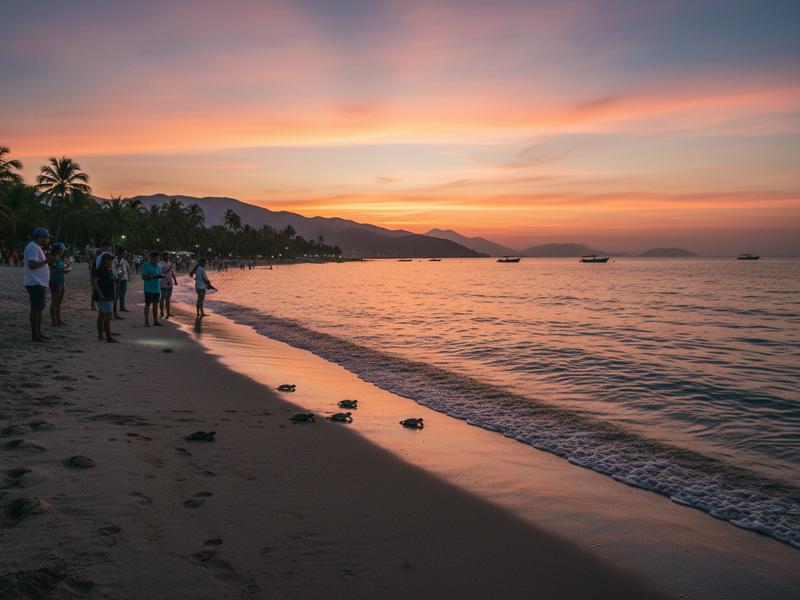
The most useful window is August through November. Nesting can begin earlier, and hatchlings may continue later, but visitors usually have better odds in late summer and fall. If you are still choosing a month, compare the broader weather tradeoffs in Mexico in August and Mexico in September before you build the trip around one turtle evening. Releases happen when protected nests hatch, not when tourists want a schedule, so keep at least one flexible evening open.
Many programs begin around sunset. Staff usually explain the species, threats, and rules first. Then hatchlings are placed on the sand or released from small containers so they can crawl toward the surf. The whole experience may last 30-60 minutes, but waiting is normal.
Weather can change plans. Heavy rain, rough surf, or a nest that is not ready can cancel a release. A responsible program will not force the timing.
Where to Find Responsible Programs
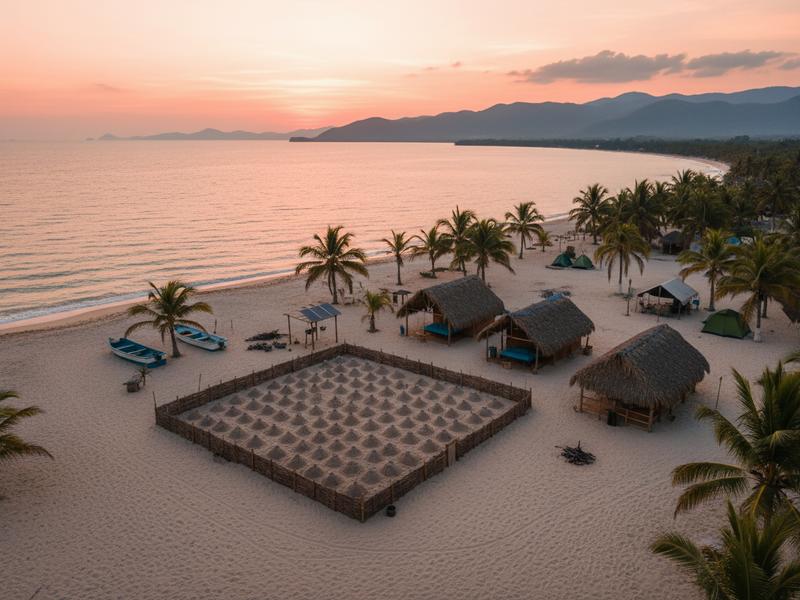
Start with your hotel if you are staying beachfront. Many resorts coordinate with conservation teams when nests hatch on or near their property. This can be the easiest and safest option for families because transport is minimal and staff can explain rules in English and Spanish. Use the Puerto Vallarta travel guide if you are still deciding whether to stay in town, the Hotel Zone, Marina Vallarta, or farther north around Banderas Bay.
If your hotel does not have a program, look for local turtle camps and guided conservation experiences near Boca de Tomates, Nuevo Vallarta, or the north side of Banderas Bay. The operator should talk about conservation first and photos second. Good signs include red-light rules, limited group size, no flash, no handling for selfies, and clear instructions for children.
Tour companies such as Vallarta Adventures discuss sea turtle season as part of the region’s nature calendar, and official destination resources can help you identify legitimate conservation language. Still, confirm details directly because release availability changes day by day. The official Puerto Vallarta tourism site is also useful for checking current destination logistics before you choose a neighborhood, while the Sea Turtle Conservancy has clear background on why hatchling handling and beach lighting matter.
Hotel Programs vs. Independent Camps
Hotel programs are convenient. They are best when you are traveling with kids, older relatives, or anyone who does not want to drive at night. The hotel already knows the beach, staff can communicate changes, and the release may happen steps from your room. The risk is that some hotels treat turtle season like guest entertainment. Ask who supervises the nests and what rules guests must follow.
Independent camps can feel more educational because conservation is their main work. You may learn more about nest monitoring, predators, lighting, and local threats. They may also need more planning: taxi coordination, cash payments, and schedule changes when nests are not ready.
Neither option is automatically better. Choose the one that gives clearer conservation answers. If the hotel program is serious, use it. If a community camp explains the work better, support the camp.
Costs and Booking Tips
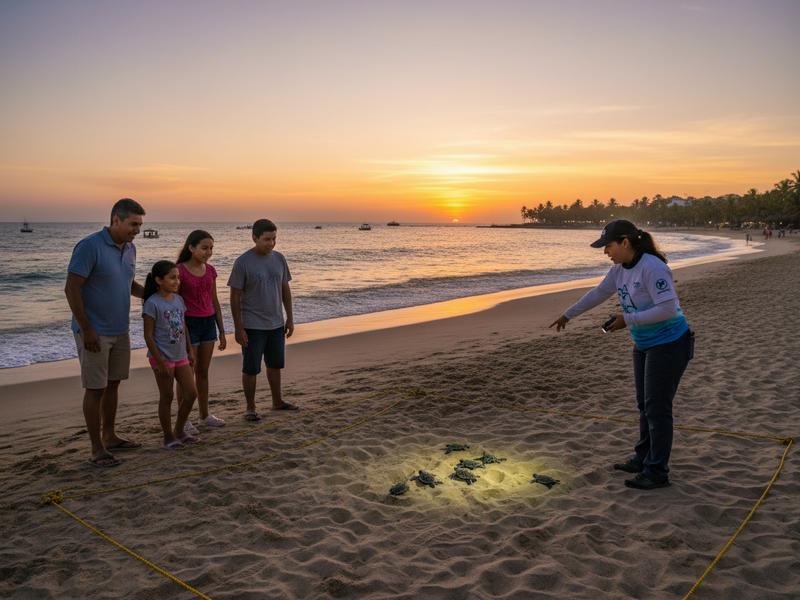
Expect 300-900 MXN per person, about $17-$50 USD, for a basic guided turtle release. Hotel guest programs may be free or donation-based. A package with transportation, guide, and another activity can cost 1,200-2,500 MXN, about $67-$139 USD.
Do not choose solely by price. A cheap program that allows hatchling handling is not a bargain. A more expensive program should explain where your money goes: staff, nest monitoring, beach patrols, hatchery care, or community conservation.
Book early in your stay, not on your final night. If the release gets postponed, you still have another chance. Bring cash for donations, wear sandals, and use insect repellent before arriving rather than spraying it near hatchlings.
Is a Turtle Release Good for Kids?
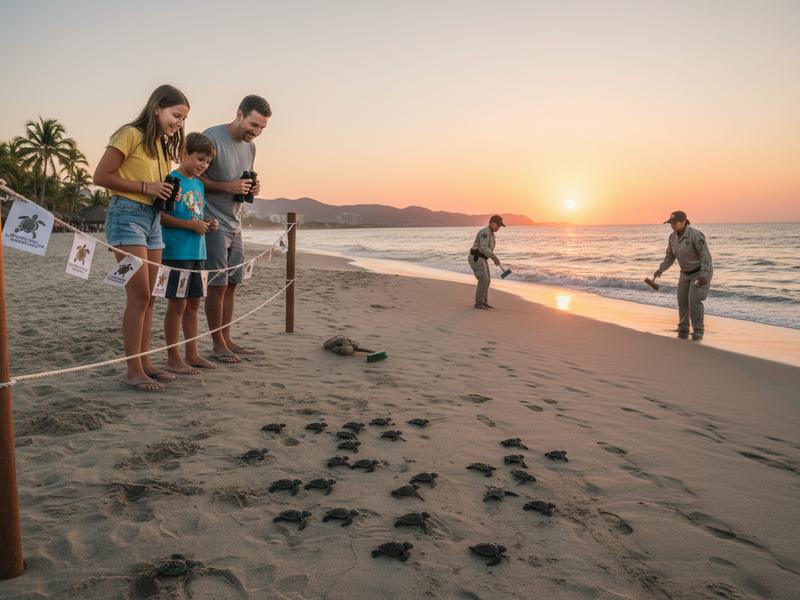
Yes, this can be one of the best family activities in Puerto Vallarta. It is short, memorable, and educational. Children can see conservation as something local people do every night, not just a chapter in a school book.
Set expectations before you go. Kids may not be allowed to touch turtles. They may need to stand behind a line. They may need to stay quiet and keep phones away. Frame that as helping the turtles, not as a restriction.
For younger children, choose a program with easy transport and a clear start time. For teens, pair the release with a broader conversation about plastic waste, beachfront lighting, and how tourism can either harm or fund conservation.
What Happens During a Typical Release
Most releases begin with a briefing. Staff explain the turtle species, why nests are protected, and how hatchlings use moonlight and the horizon to reach the water. They also explain where visitors can stand. Listen closely, because the rules are part of the experience.
Next, staff prepare the hatchlings. Depending on the program, visitors may receive a small container or may simply watch as trained staff place hatchlings on the sand. The goal is for the turtles to crawl across the beach themselves, strengthening movement and orienting toward the ocean.
The crawl can be quick or slow. Some hatchlings pause, turn, or get pushed back by small waves. Staff may intervene if a hatchling is in danger, but visitors should not rush in. The hardest part is staying quiet when you want to help.
Afterward, many programs answer questions or accept donations. This is a good time to ask how many nests they monitor, what threats are biggest locally, and what visitors can do at their hotels to reduce light and plastic waste.
Ethical Rules for Puerto Vallarta Turtle Releases
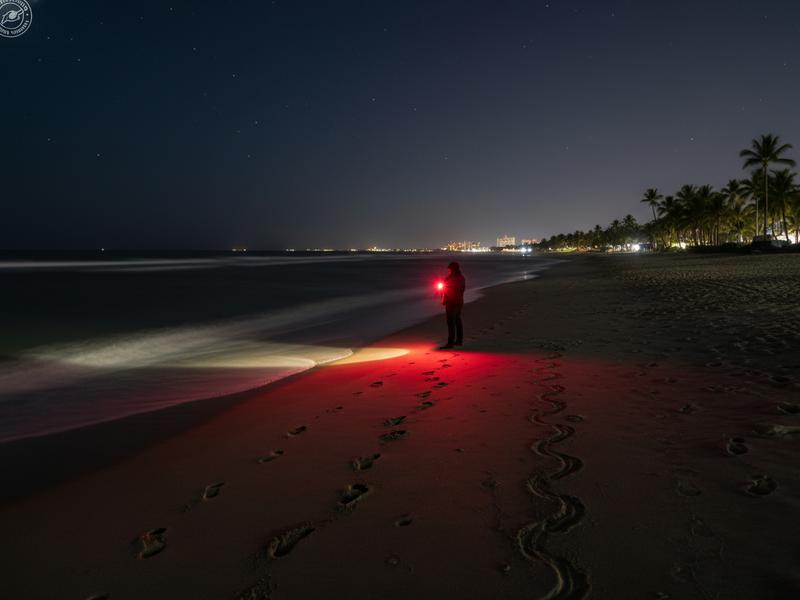
Do not use flash. Do not shine phones toward the water. Do not pick up hatchlings unless authorized staff explicitly instructs you, and be skeptical if they do. Do not block the path to the ocean. Do not cheer loudly when the turtles reach the surf. Quiet is better.
Avoid anyone offering private hatchling handling on the beach. Real conservation programs protect nests before visitors arrive and record activity after visitors leave. They are not carrying a bucket of turtles around for photos.
If you are staying on the beach during turtle season, close curtains after dark and turn off balcony lights. Artificial light can pull hatchlings away from the ocean. Also flatten holes and sand castles before leaving the beach.
What to Bring to a Release
Bring a small amount of cash, sandals, water, and patience. Leave bright flashlights, drones, and large camera rigs at the hotel. If photos are allowed, take only what staff permit and keep your screen dim. Many visitors find the moment feels better when the phone stays in a pocket.
Wear clothes you do not mind getting sandy. Dark colors are useful because they keep the beach visually calm. If rain is in the forecast, bring a light jacket rather than an umbrella, which can block views and bump other guests.
For children, bring a quiet layer and explain the rules before arriving. The beach may be darker and slower than they expect. Tell them their job is to give the turtles space, not to be the first person closest to the water.
Best Puerto Vallarta Turtle Release Itinerary
For a four-night trip, use day one to settle in and ask your hotel about turtle programs. Keep day two or three open for a release. Spend another day exploring the Malecon, taking a food tour, or visiting a quieter beach. Use things to do in Puerto Vallarta for the daytime plan, then keep turtle night simple. If you want more nature, add a boat trip or a visit to the botanical garden.
A comfortable four-night budget before flights might run 12,000-26,000 MXN per person, about $667-$1,445 USD, depending on hotel choice. The turtle release itself is usually a small cost, which makes it easy to add to a larger Vallarta trip.
Combining Turtle Releases With Other Vallarta Activities
Keep turtle night light. Do not book an all-day boat trip, tequila tasting, and release on the same day if you are traveling with kids. A tired group is more likely to ignore instructions. Pair the release with a relaxed beach day, pool afternoon, or early dinner.
If you want a nature-focused trip, combine the release with the Vallarta Botanical Garden, a whale-watching trip in winter on a separate visit, or a birding walk near the river. In late summer and fall, expect humidity and afternoon rain, so morning activities plus an evening release work better than packed midday plans. For a Riviera Nayarit extension, compare Sayulita in September and San Pancho in September, both of which fit the same Pacific turtle-season window.
For food, eat early in town or near your hotel. Releases may run later than expected, and searching for dinner afterward with sandy feet and tired children can sour an otherwise beautiful night.
That ease matters most when you use it to slow down, listen carefully, and let conservation staff lead the night.
Puerto Vallarta’s advantage is ease. Use that advantage by keeping the evening simple and letting the conservation program set the pace.
If turtle conservation is your main goal, Puerto Vallarta is easier than Oaxaca but less dramatic. Choose Vallarta for comfort, family logistics, and a gentle first turtle experience. Choose Oaxaca sea turtle nesting if you want the strongest chance of seeing mass nesting.