Riviera Maya Sea Turtle Nesting Guide
Riviera Maya Sea Turtle Nesting: Akumal, Xcacel, Tulum
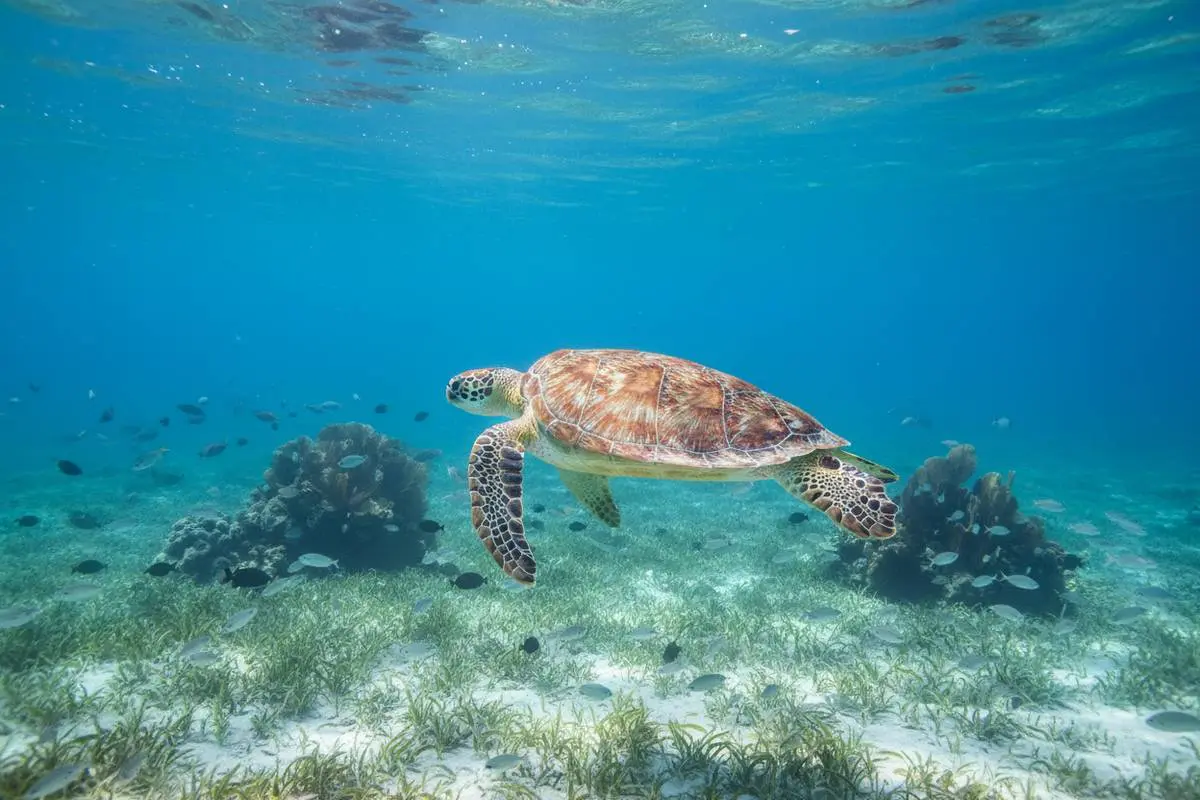
Riviera Maya sea turtle nesting is easy to add to a Cancun, Playa del Carmen, Akumal, or Tulum trip, but it requires more restraint than many visitors expect. This coast has famous beaches, hotels, beach clubs, and heavy foot traffic. That means the best turtle experiences are regulated, quiet, and sometimes less hands-on than Pacific turtle releases.
Use this guide to understand when turtles nest, where to base yourself, how Akumal differs from Xcacel and Tulum, what costs to expect, and how to avoid harmful tours. For the Mexico-wide season, read Sea Turtle Nesting in Mexico. For beach planning, pair this with Riviera Maya Travel Guide and Akumal Beach.
When Is Turtle Season in the Riviera Maya?
The practical visitor window is May through November, with summer and early fall the easiest time to combine nesting season with a normal beach trip. Green turtles, loggerheads, hawksbills, and sometimes leatherbacks are associated with this coast, though exact species and activity vary by beach.
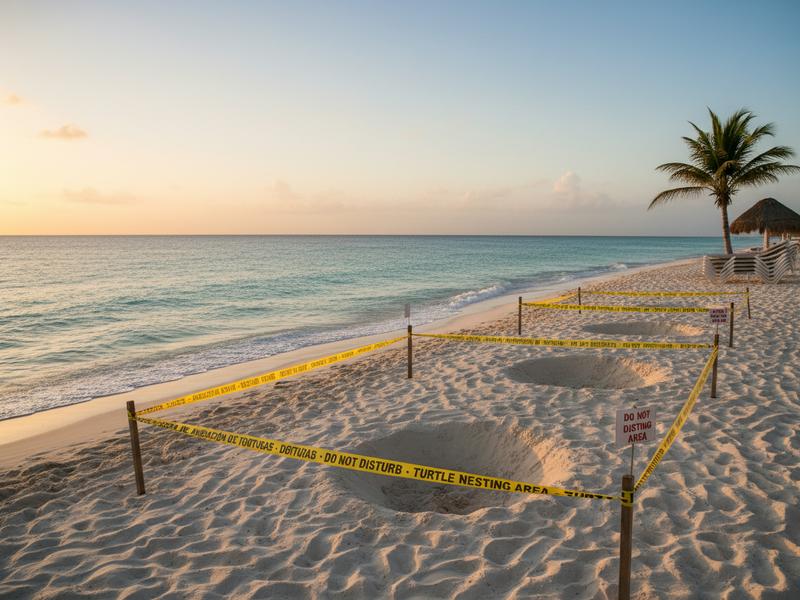
Expect rules to change by site. A beach may close sections at night, restrict access to nesting areas, or ban lights. Conservation staff may move nests to protected areas when needed. That can make the experience feel less spontaneous, but it is necessary on a coast with intense tourism pressure.
August, September, and October can be active months, but they also overlap with heat, rain, sargassum risk, and hurricane season. Use Tulum in August, Tulum in September, and Playa del Carmen in September before committing to dates.
Best Places for Turtle Conservation Experiences
Akumal
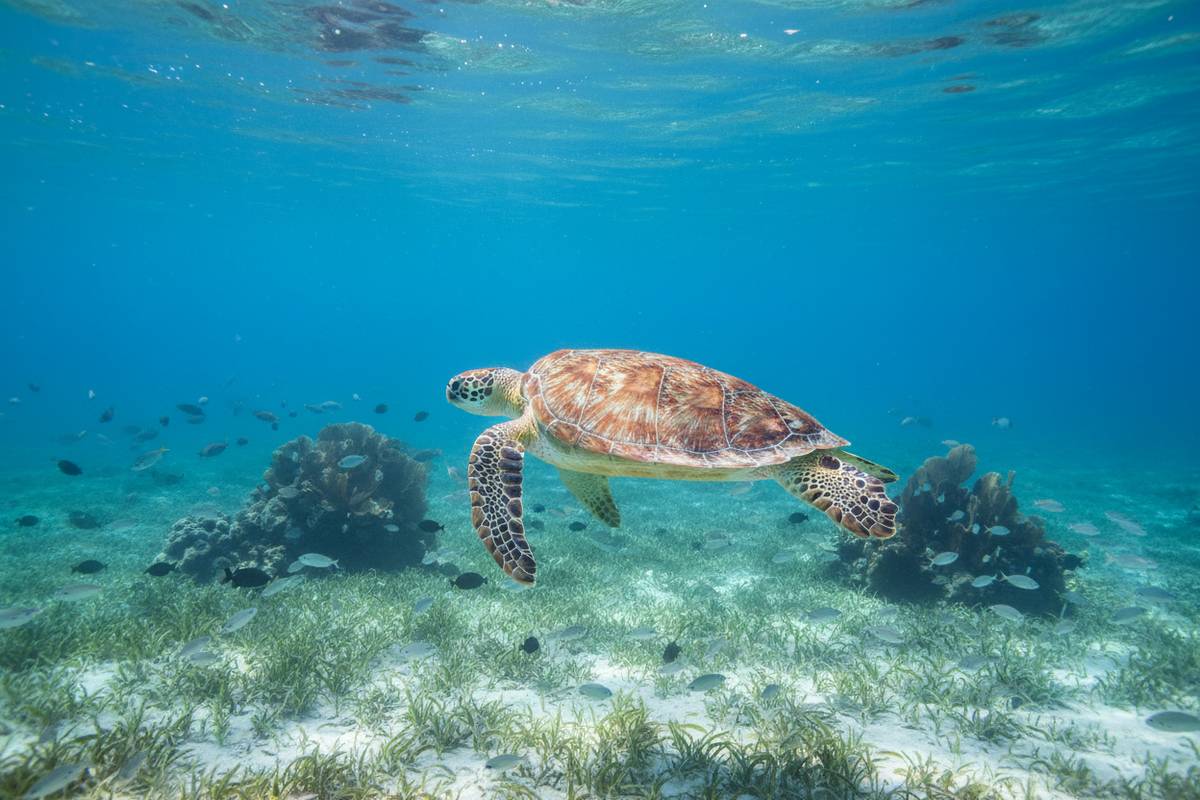
Akumal is famous for sea turtles in the bay, especially for guided snorkeling. This is different from watching nesting. Snorkeling rules are strict because the bay has suffered from crowding. Use authorized guides, stay out of roped zones, and never chase turtles for photos. Local resources such as Akumal MX regularly explain turtle activity and visitor behavior, but you should still confirm current rules once you arrive because protected zones can change.
Akumal works best for travelers who want a daytime turtle education experience, beach time, and easy access from Playa del Carmen or Tulum. It is not the place to improvise night walks looking for nesting turtles.
Xcacel-Xcacelito
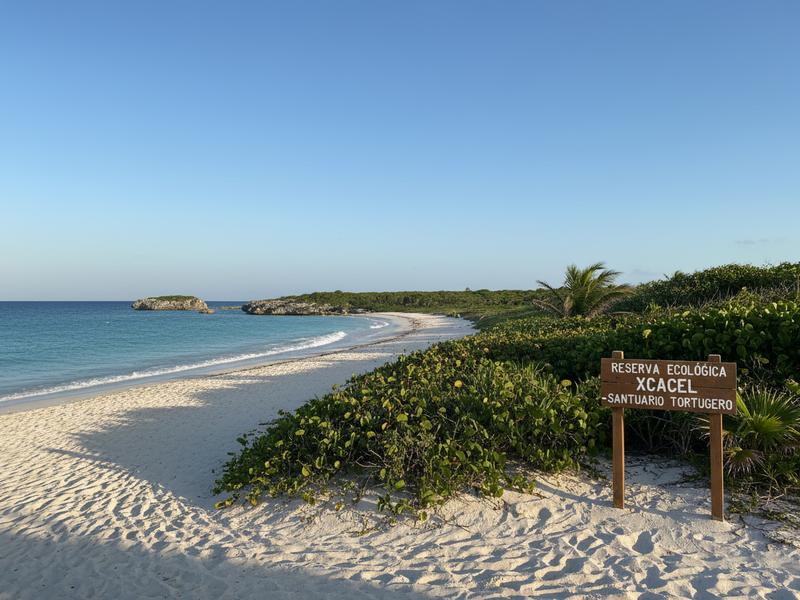
Xcacel-Xcacelito is widely discussed as one of Quintana Roo’s most important turtle beaches. The appeal is that it still feels more protected than many hotel beaches. The responsibility is that visitors must respect marked areas, access rules, and staff instructions.
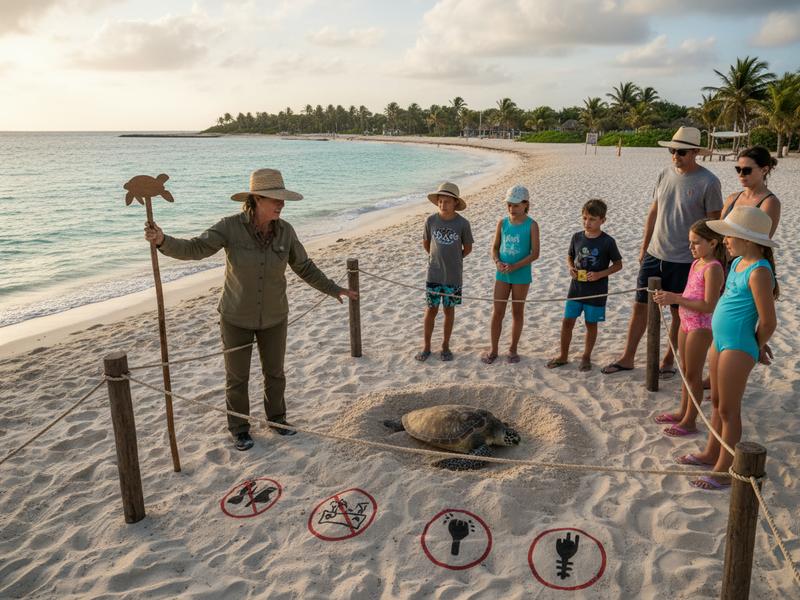
If you visit during the day, treat it as a quiet nature beach. Do not cross marked nesting zones, do not leave trash, and do not expect a release show. If a local conservation program offers education or guided access, follow its rules closely.
Tulum and Sian Ka’an
Tulum’s beach zone and the Sian Ka’an coast also see turtle nesting activity, but tourism pressure is high. Sian Ka’an is better for broader nature experiences: lagoons, birdlife, reef, mangroves, and protected coastline. Turtle nesting should be seen as part of that ecosystem, not the only reason to go. The UNESCO Sian Ka’an listing is a useful reminder that this coast protects more than beaches; it includes wetlands, marine areas, and wildlife habitat.
Nesting vs. Snorkeling: Do Not Confuse Them
Many visitors search for turtle nesting and end up booking a snorkeling tour. Both can be worthwhile, but they are different experiences with different rules. Nesting happens on the beach, usually at night, and should involve distance, darkness, and strict control. Snorkeling happens during the day in feeding areas such as Akumal Bay and should involve distance, flotation rules, and no chasing.
If your goal is to learn about nesting, ask specifically about beach conservation, nest monitoring, and light rules. If your goal is to see a turtle in the water, ask about authorized snorkeling zones, group size, and guide credentials. A good operator will not blur the two just to make a sale.
The most common disappointment comes from expecting a Pacific-style hatchling release in the Riviera Maya. Some programs may exist, but this coast often focuses more on protected access and education. That is not a lesser experience. It reflects the reality of a heavily visited coastline.
Costs and Tour Expectations
A simple beach or protected area visit may cost 100-300 MXN, about $6-$17 USD, depending on the site and access rules. Guided snorkeling in Akumal can cost 500-1,200 MXN, about $28-$67 USD. Broader eco tours near Tulum or Sian Ka’an can range from 1,500-3,500 MXN, about $83-$194 USD.
Be careful with any tour that promises nesting turtles, hatchling releases, and close photos on a fixed date. Real turtle activity is not guaranteed. On this coast, the ethical experience may be a guided talk, a controlled beach walk, or snorkeling with distance rules rather than touching hatchlings.
If you are staying in a beachfront hotel, ask about turtle season procedures. Good hotels explain light rules, marked nests, and who manages conservation. Poor hotels treat nests as guest entertainment.
Sargassum, Storms, and Beach Conditions
Riviera Maya turtle season overlaps with sargassum season and hurricane season. A beach can have active conservation work and still be unpleasant for swimming. Sargassum may pile up along the shore, crews may clean hotel beaches, and nesting zones may be marked off at awkward angles.
Do not move barriers because they block your beach chair view. Conservation teams place markers where nests or sensitive zones need protection. If beach cleanup is happening, give workers and marked nests space. Machinery, rakes, and foot traffic can all affect nesting areas when poorly managed.
Storms can also change plans. Strong surf may erase tracks, expose nests, or make beach access unsafe. If staff close an area, accept it. The goal is not to preserve your itinerary; it is to protect wildlife and people.
Build your trip so bad beach conditions do not ruin it. Cenotes, food tours, archaeological sites, and inland day trips can carry the itinerary when the coast is messy.
Ethical Rules for the Caribbean Coast
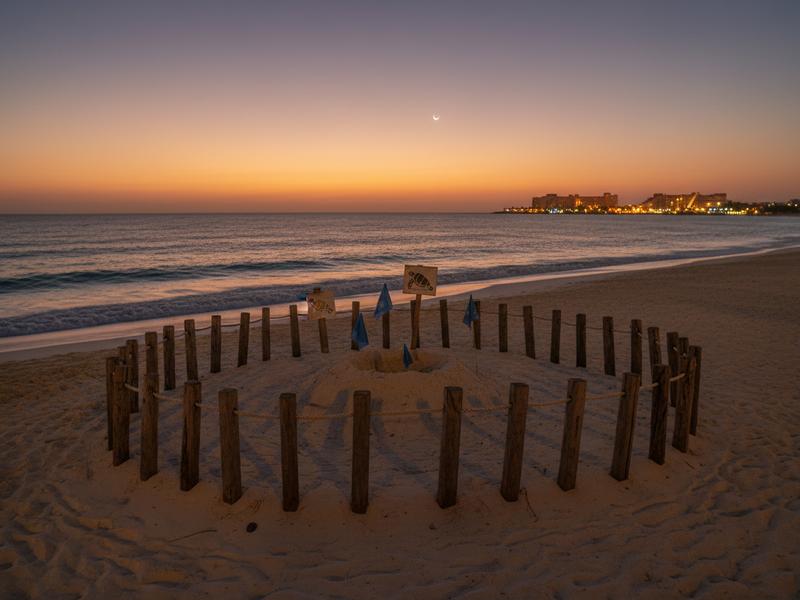
The Riviera Maya’s biggest turtle-season problem is light. Hotel lighting, beach clubs, flash photography, and phones can disorient hatchlings. Keep lights low, close curtains, and never use flash near nesting areas. The Sea Turtle Conservancy explains that artificial light can pull hatchlings away from the ocean, which is why hotel lighting choices matter.
Stay off marked nests. Do not move stakes or signs for a better beach spot. Do not drive on the beach. Do not bring dogs into protected areas. If you see a turtle at night, stop moving, stay behind it, and alert staff if you are on a hotel beach.
For snorkeling, keep distance. A turtle surfacing for air should never need to dodge a crowd. Do not touch shells, block paths, or dive down over turtles. The best guides enforce these rules even when guests complain.
Where to Stay for Turtle Season
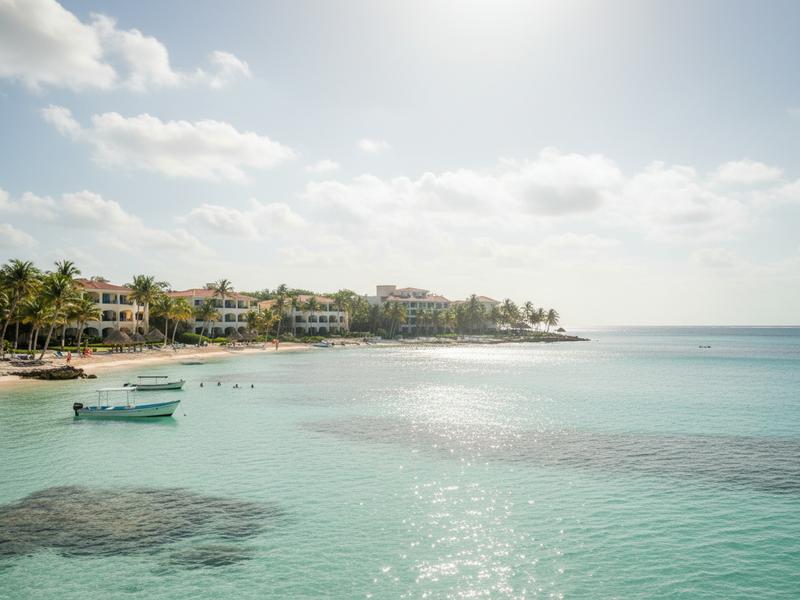
Akumal is the most convenient base if turtles are a top interest. You can combine beach time, guided snorkeling, and nearby cenotes without long transfers. It is quieter than Playa del Carmen and easier than Tulum’s hotel zone.
Playa del Carmen is best if you want restaurants, nightlife, ferries to Cozumel, and many day-trip options. You can visit Akumal or Xcacel by taxi, colectivo, or rental car. Use day trips from Playa del Carmen to organize the rest.
Tulum works if you want Sian Ka’an, cenotes, and a more nature-focused itinerary, but the beach zone can be expensive and complicated. Read is Tulum safe and Tulum hurricane season if traveling in late summer or fall.
Sample Riviera Maya Turtle Itinerary
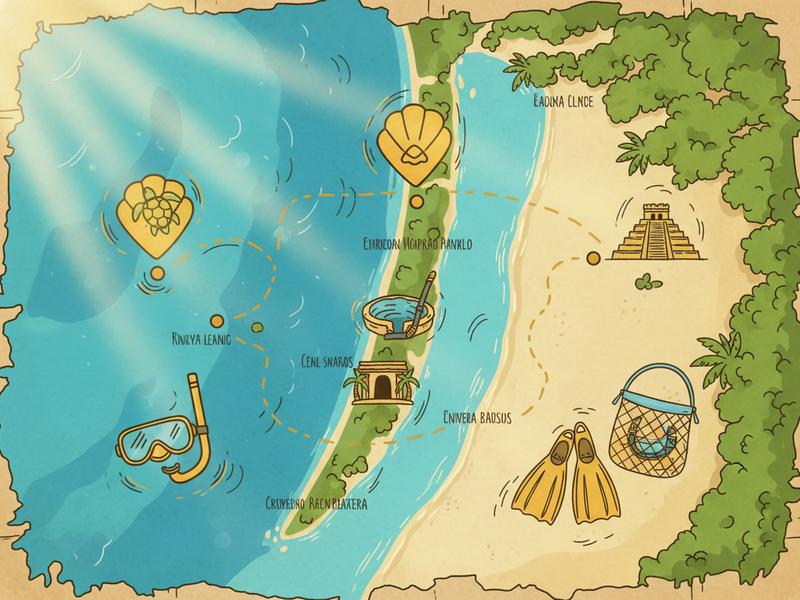
For a five-night trip, spend two nights in Akumal and three in Playa del Carmen or Tulum. Use one morning for guided Akumal snorkeling, one quiet beach day at or near Xcacel if access rules allow, and one full day for Sian Ka’an or cenotes. Keep evenings low-key near nesting beaches.
Budget 14,000-32,000 MXN per person, about $778-$1,778 USD, before flights for midrange lodging, meals, local transport, and one or two guided nature activities. Staying in Tulum’s beach zone can raise that quickly.
Questions to Ask Your Hotel
If you are staying beachfront, ask the hotel what they do during turtle season. Do they dim beach lights? Do they close curtains in oceanfront rooms? Who handles marked nests? Are guests briefed at check-in? Is there a conservation partner or staff biologist?
A good hotel will answer with specific procedures. They may mention light control, nest reporting, guest distance, and coordination with local authorities. A weak answer sounds like “sometimes guests see turtles” without rules.
Also ask what you should do if you see a turtle at night. The answer should be simple: stay back, avoid lights, do not touch, and notify trained staff. If staff encourage photos or approach, that is a warning sign.
Your lodging choice matters because the Riviera Maya has so much beachfront development. A hotel that controls light and educates guests can reduce harm. A hotel that treats nesting as entertainment adds pressure to an already stressed coast.
Come for the whole coastal ecosystem, not only for one wildlife moment. That mindset makes the trip better and keeps pressure off fragile nesting beaches.
Choose the Riviera Maya if turtle conservation is part of a bigger Caribbean trip. Choose Oaxaca if turtles are the main purpose. The Riviera Maya can be wonderful, but only if you accept that protecting the beach matters more than getting the closest view.