Palenque in September: Jungle Rain, Ruins & Value
Is Palenque Worth Visiting in September?
Palenque in September is worth it for travelers who want Maya ruins, thick green jungle, lower hotel pressure, and a practical Chiapas-to-Yucatan route, and who can handle heat, rain, mosquitoes, and flexible storm-season planning. It is atmospheric and good value, but it is not a dry, easy ruins month.
The right September plan is early and focused: visit the archaeological zone at opening time, book a hotel with strong A/C, leave waterfall plans flexible, and avoid stacking a major transfer after a long humid sightseeing day.
Start with Mexico in September if you are still comparing Independence Day, rainy-season, and storm-season destinations. Use this guide once your route already points through Chiapas, Tabasco, Campeche, or Yucatan. For broader context, keep the full Palenque Chiapas guide, Chiapas travel guide, and Palenque to Merida route guide open.
Palenque in September in 30 Seconds
| Question | Short answer |
|---|---|
| Is September worth it? | Yes, if ruins and jungle scenery matter more than dry-weather comfort. |
| Biggest upside | Green jungle, lower hotel pressure, local El Grito timing, and strong route value. |
| Biggest downside | Heat, humidity, mosquitoes, slick paths, rain, and storm-season uncertainty. |
| Best 2026 window | September 17-30, after Independence Day local travel settles. |
| Best trip length | 2 nights for ruins plus one flexible side-trip or transfer day. |
| Best base | Town or jungle-road hotels with reliable A/C, pool access, and easy taxis. |
| Poor fit | Travelers who need dry trails, blue Agua Azul photos, or cool walking weather. |
September rewards travelers who treat Palenque as a morning destination. Protect the first half of the day for ruins or long side trips. Keep lunch, pool time, food, and errands for the hotter, wetter hours. If you are still deciding whether the wet season fits your route, compare the broader Mexico rainy season tradeoffs before locking hotels.
Weather in Palenque in September
September is still deep rainy season in Palenque. The jungle stays green, humidity is high from early morning, and showers or storms are normal later in the day. Some mornings are bright enough for ruins and photos, but comfort drops quickly once heat builds. It also sits inside the wider Mexico hurricane season window, so leave space around long road moves and border-to-border transfers.
| Time of day | What to expect | Best use |
|---|---|---|
| Opening to 10 AM | Most useful window before heat peaks | Palenque ruins, jungle trails, photos |
| Late morning | Heat and humidity climb fast | Finish the main temples, museum, taxi back |
| Midday | Lowest walking comfort | Lunch, pool, hotel break, A/C rest |
| Afternoon | Shower and storm risk rises | Flexible plans, local food, short stops |
| Evening | Warm, damp, and easier than midday | Dinner in town, local plaza, early night |
Pack quick-dry clothing, mosquito repellent, a small rain shell, shoes with grip, and a dry bag for your phone and documents. September paths can be slick, and lowland Palenque feels much heavier than San Cristobal de las Casas in September.
Visiting Palenque Ruins in September
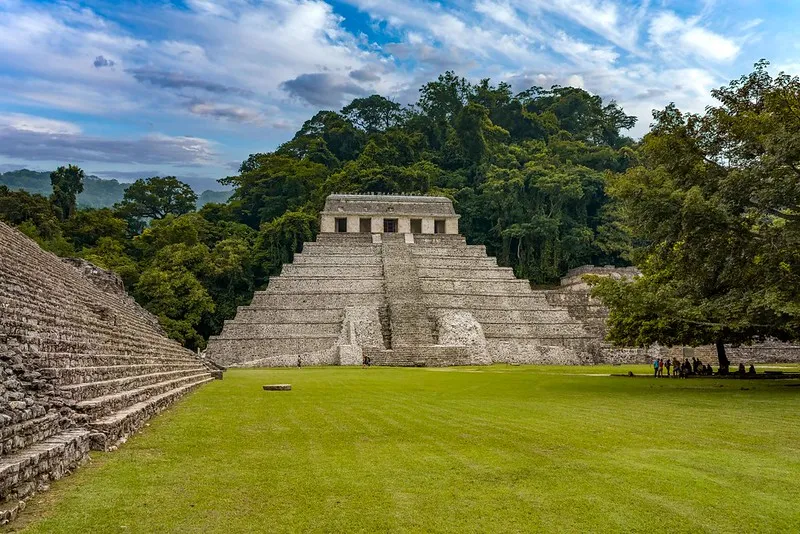
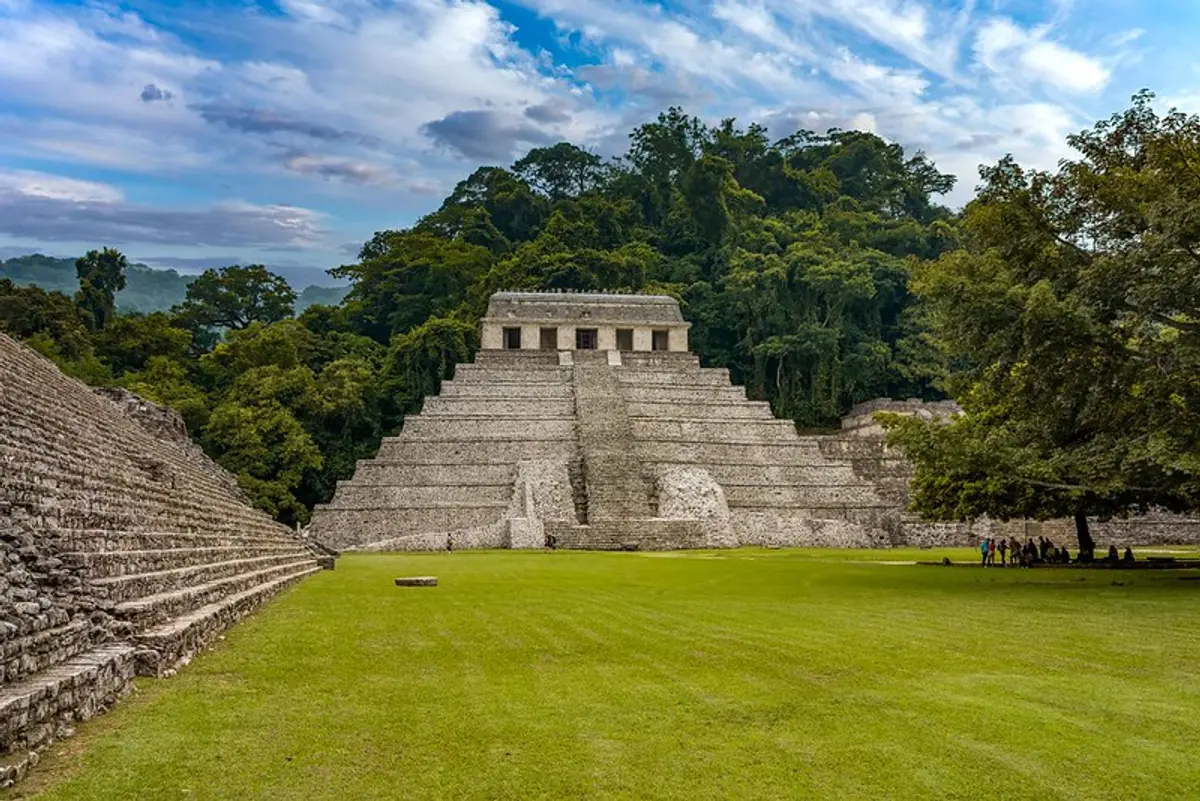
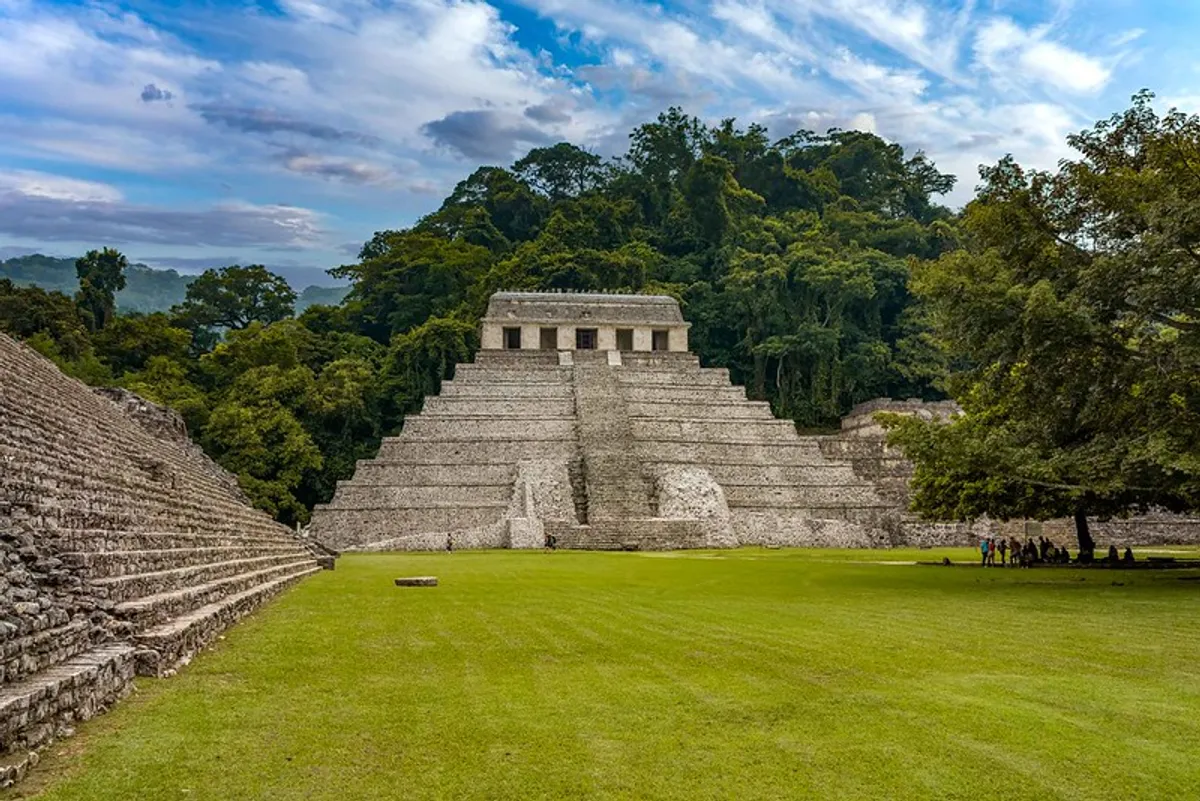
The ruins are the reason to come. In September, Palenque feels intensely green, with damp air, loud jungle sounds, and dramatic clouds around the temples. That atmosphere is the payoff, but it only feels good if you start early.
Aim to be at the entrance near opening time. See the Palace, Temple of the Inscriptions, and Cross Group before the day turns heavy. Carry more water than you think you need, use insect repellent before entering, and do not treat the archaeological zone as a noon activity.
If you are arriving from Tuxtla Gutierrez in September or San Cristobal, expect a sharp climate shift. Palenque is lower, wetter, and more tropical. If you are coming from Villahermosa in September, the heat will feel familiar, but Palenque adds more jungle walking and slicker trails.
El Grito and September Timing
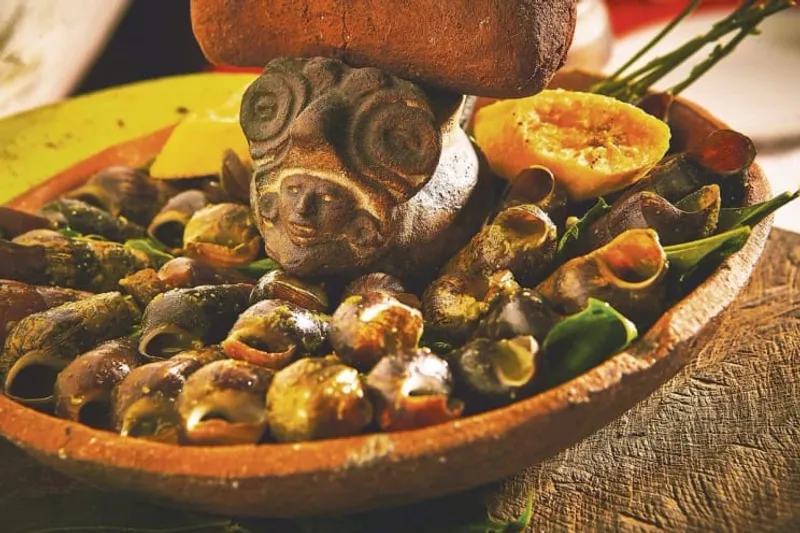
September 15 brings local Independence Day activity across Mexico. Palenque is not a giant El Grito destination like Mexico City, Dolores Hidalgo, Guanajuato, or Guadalajara, so compare the best places to celebrate Mexican Independence Day if the holiday is your priority. The town plaza can still be useful if your route already places you in Chiapas.
Do not build an entire trip around Palenque’s El Grito unless you specifically want a smaller local night. Build the trip around the ruins, then treat the September 15 plaza atmosphere as a bonus. Hotels may be busier around the holiday, but Palenque is usually easier than the famous colonial-city celebration hubs.
September 16 is a national holiday, so confirm bus timing, tours, and transfers instead of assuming a normal weekday rhythm. If your route depends on a long move toward Campeche, Merida, San Cristobal, or Villahermosa, book the transfer before arrival.
Waterfalls, Yaxchilan, and Rainy-Season Side Trips
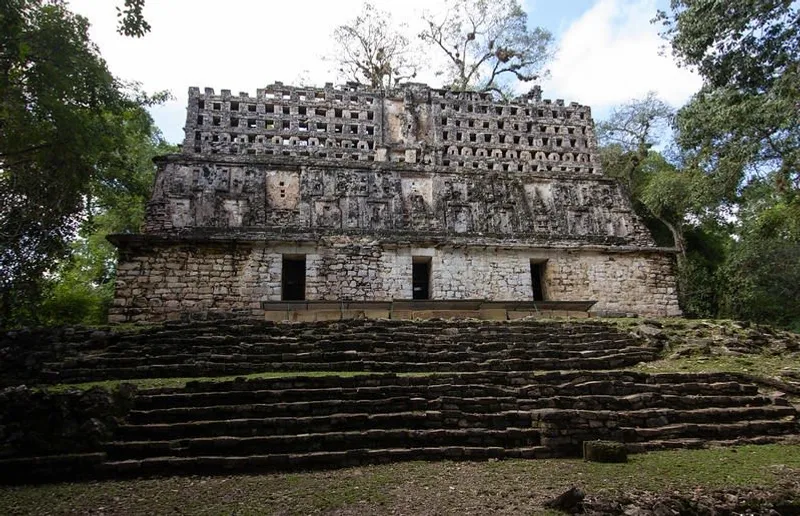
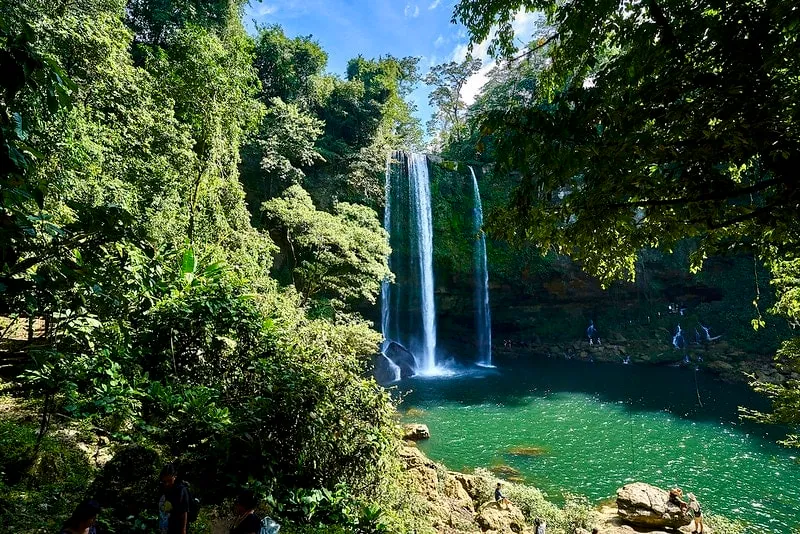
September side trips need flexibility. More rain can make waterfalls powerful, but it also changes water color, road timing, and path safety. Agua Azul is the big caveat: the famous blue color is most reliable in dry season, and September rain can turn the water cloudy or brown.
| Side trip | September reality | Best move |
|---|---|---|
| Misol-Ha | Stronger flow, spray, wet steps | Go if you accept slick paths and a damp visit |
| Agua Azul | Water may not be blue after rain | Go for scenery, not guaranteed turquoise photos |
| Roberto Barrios | More local and waterfall-focused | Ask locally about road and water conditions |
| Yaxchilan and Bonampak | Long jungle day with river logistics | Use a reputable operator and keep timing flexible |
| Campeche or Merida route | Long onward travel after humid days | Avoid stacking major stops on departure day |
If your September trip is short, ruins plus one waterfall day is enough. If you want Yaxchilan, Bonampak, Agua Azul, Misol-Ha, and an onward transfer, give Palenque more breathing room. Before committing to isolated drives or late arrivals, check the current Mexico travel advisory 2026 and ask locally about recent road conditions.
Where to Stay and How Long to Spend
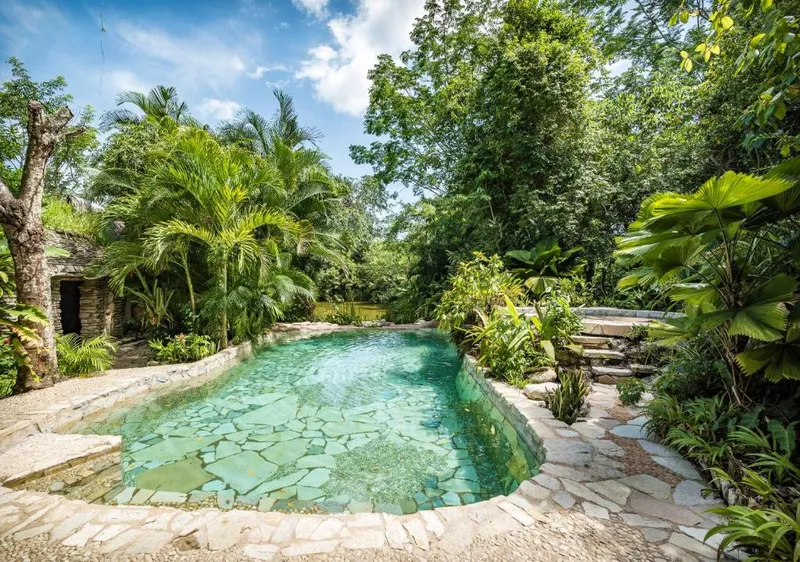
In September, hotel comfort matters as much as location. Look for recent A/C reviews, mosquito control, a pool, reliable taxi access, and a base that fits your route. A charming room without cooling is a bad trade in Palenque this month.
| Stay length | Best for |
|---|---|
| 1 night | Fast route stop before or after the ruins |
| 2 nights | Best minimum: ruins morning plus one flexible side-trip day |
| 3 nights | Yaxchilan or Bonampak, waterfall day, and slower rainy-season pacing |
| Skip overnight | Only if you accept a rushed transfer-heavy visit |
Town hotels make food, buses, taxis, and errands easier. Jungle-road hotels feel more atmospheric and can be better for pool breaks, but you will rely more on taxis or hotel transport. In September, either can work if cooling and logistics are solid.
Palenque vs Other September Bases
| If you are comparing… | Choose Palenque if… | Choose the other place if… |
|---|---|---|
| Palenque vs San Cristobal | You want ruins, jungle, waterfalls, and a Yucatan route | You want cool nights, markets, villages, and easier walking |
| Palenque vs Tuxtla | You want archaeology and jungle atmosphere | You need the airport, Sumidero Canyon, and faster logistics |
| Palenque vs Villahermosa | You want Maya ruins and Chiapas scenery | You want cacao routes, La Venta, Comalcalco, and a more functional lowland city |
| Palenque vs Campeche | You are still in jungle-and-ruins mode | You want a Gulf city, seafood, Edzna, and an easier base for Merida |
Palenque is more memorable than it is easy in September. That is the trade. It rewards travelers who care about ruins and jungle scenery, and it frustrates travelers who want dry paths, cool weather, and a low-friction city break.
Final Verdict: Should You Visit Palenque in September?
Visit Palenque in September if the ruins are a priority and you are willing to plan around heat, rain, mosquitoes, and flexible transfers. It is a strong month for green scenery, lower-pressure hotels, and southeast Mexico routing, but a weak month for travelers who need dry trails or guaranteed blue-water waterfall photos.
The best version is focused: stay two nights, visit the ruins early, keep one flexible side-trip day, and build your onward route toward Campeche, Merida, Villahermosa, or San Cristobal with enough margin for rain. If your dates are flexible, compare September with the national best time to visit Mexico guide before committing the whole trip to lowland Chiapas humidity.