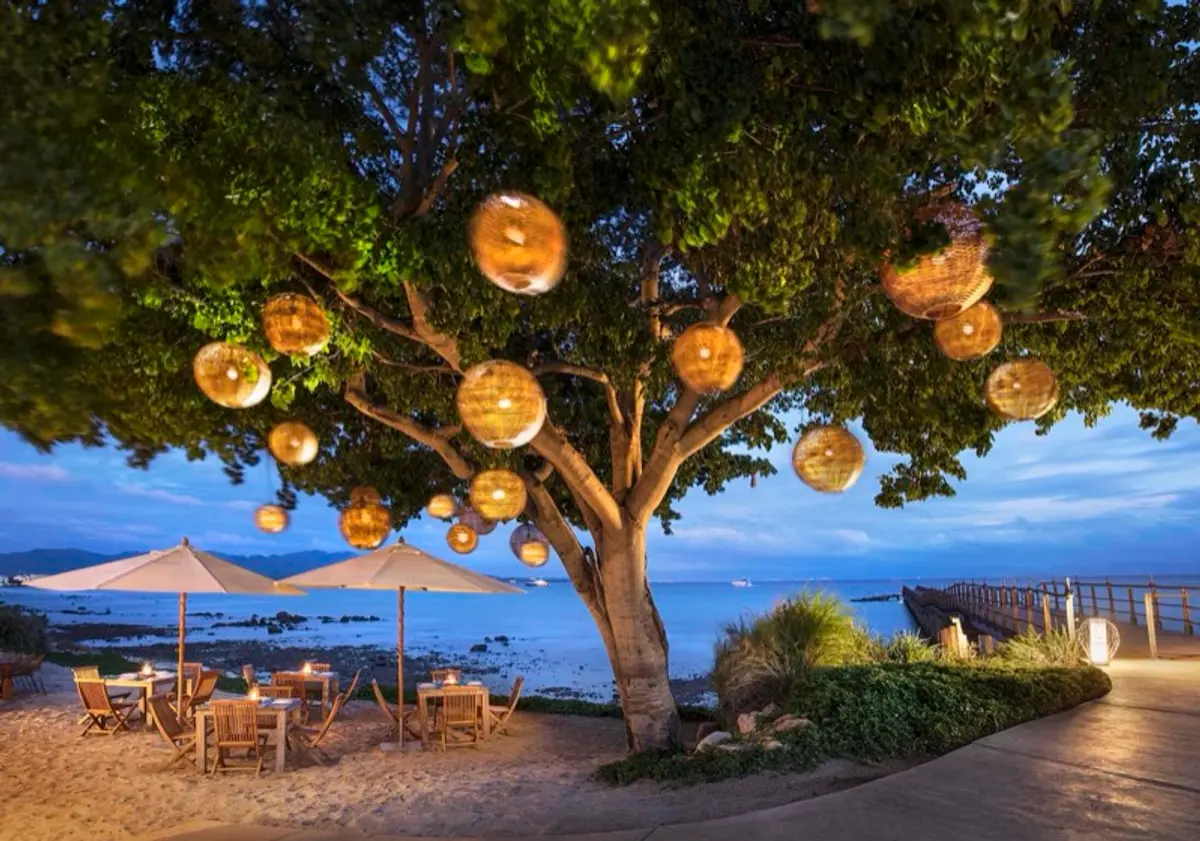
Punta Mita in July: Weather, Resorts & Tips
Is Punta Mita Good in July?
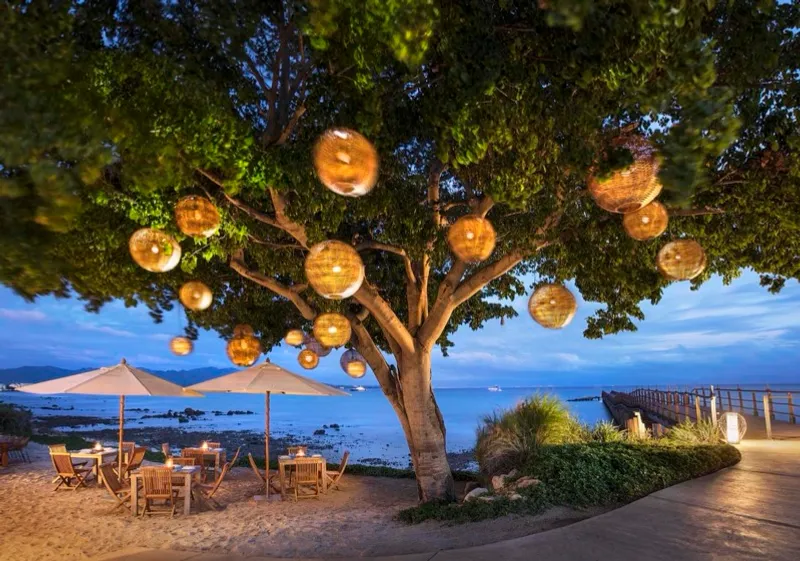
Punta Mita in July is a good fit if you want a polished Pacific resort escape with warm ocean water, green scenery, no Caribbean sargassum, and enough hotel comfort to ride out rainy-season weather. It is not a dry-season beach trip. It is a green-season resort trip, and that distinction matters.
July sits deeper in Punta Mita’s rainy season than June. The coast is lusher, the air is heavier, and afternoon storms become more normal. At the same time, the Pacific is warm, resort pools are easy to use, and the destination avoids the sargassum problems that can make parts of the Caribbean frustrating in midsummer.
Start with Mexico in July if you are still comparing the whole country, then use Best Time to Visit Mexico if your dates are flexible. Use this Punta Mita guide once you know you want a resort-forward Riviera Nayarit base instead of Puerto Vallarta in July, Sayulita in July, or San Pancho in July.
Punta Mita in July in 30 Seconds
| Question | Short answer |
|---|---|
| Is July worth it? | Yes, if you want resort comfort and accept humid rainy-season flexibility. |
| Biggest upside | Warm Pacific water, green landscapes, no sargassum, and softer pricing than winter. |
| Biggest downside | Heat, humidity, mosquitoes, storms, and Mexican summer-vacation demand. |
| Best daily rhythm | Beach, golf, or boats early; pool, spa, lunch, or covered terrace later. |
| Best trip length | 3-4 nights for Punta Mita only; 5-6 if pairing with Puerto Vallarta or Sayulita. |
| Best for | Couples, families, golfers, resort travelers, privacy seekers, and no-sargassum beach planners. |
| Poor fit | Travelers who need dry afternoons, cheap local lodging, big nightlife, or walk-everywhere energy. |
The mistake is treating July like February with lower prices. It is not. July rewards travelers who book a strong hotel, plan the important outdoor activities early, leave slack in the afternoon, and see the rain as part of the Pacific Coast rhythm rather than a failure.
Punta Mita Weather in July
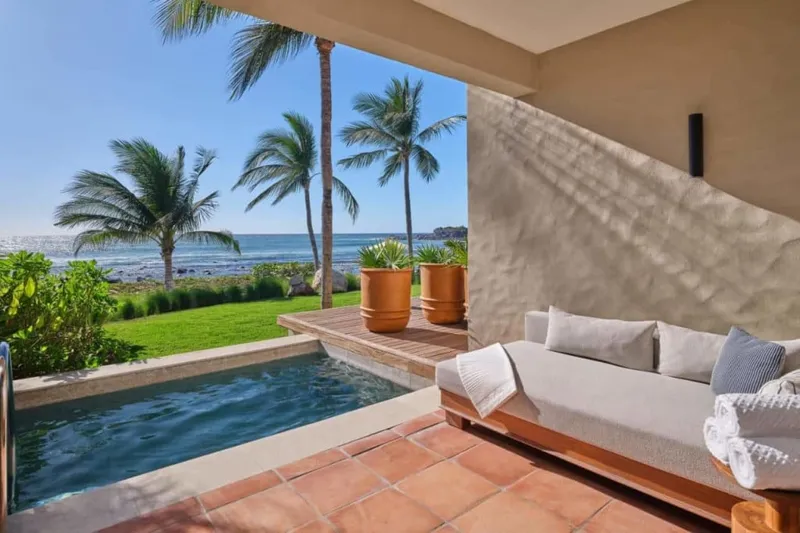
Punta Mita in July is hot, humid, and visibly tropical because it sits inside Mexico’s rainy season. Mornings are the most useful part of the day for beach walks, tee times, paddleboarding, boat departures, and airport transfers. By midday, the sun and humidity slow everything down. Later in the day, showers or thunderstorms become more likely.
Rain does not usually mean every hour is lost. A very normal July pattern is a bright morning, heavy heat after lunch, a storm later in the day, and a softer evening afterward. The key is not to make your best plan depend on a perfectly dry afternoon.
| July factor | What it means in Punta Mita | Best move |
|---|---|---|
| Morning | Best window for beach, golf, boats, and transfers | Put the priority activity first |
| Midday | Hot, humid, bright, and slow | Pool, shade, spa, long lunch, or room break |
| Afternoon storms | More likely than in June | Avoid tight late-day tour timing |
| Evening | Warm, sometimes stormy, often quiet | Choose covered restaurants or resort dining |
| Mosquitoes | More noticeable after rain | Pack repellent and choose screened rooms |
If you are choosing dates, early July is usually a little easier than late July for travelers who want fewer storm interruptions. Late July can feel greener and more dramatic, but it asks for more flexibility with boat days, road trips, and outdoor dinners.
Beaches, Swimming, and No-Sargassum Reality
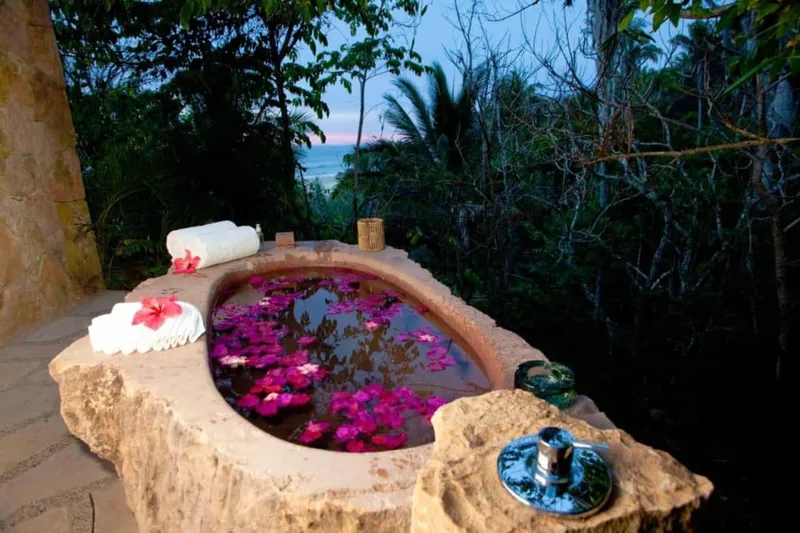
The strongest July argument for Punta Mita is simple: it is on the Pacific Coast. That means no Caribbean sargassum cycle, which is why it belongs on any shortlist of Mexico beaches without sargassum. If you are worried about July beach quality in Tulum in July, Playa del Carmen in July, or Cancun in July, Punta Mita gives you a different set of tradeoffs.
The Pacific is not automatically calm. Surf, currents, wind, and storm systems can still affect swimming. Some Punta Mita beaches are better for lounging and views than open-water swims. Check flags, listen to lifeguards and hotel staff, and do not assume every beautiful stretch of coast is safe every day.
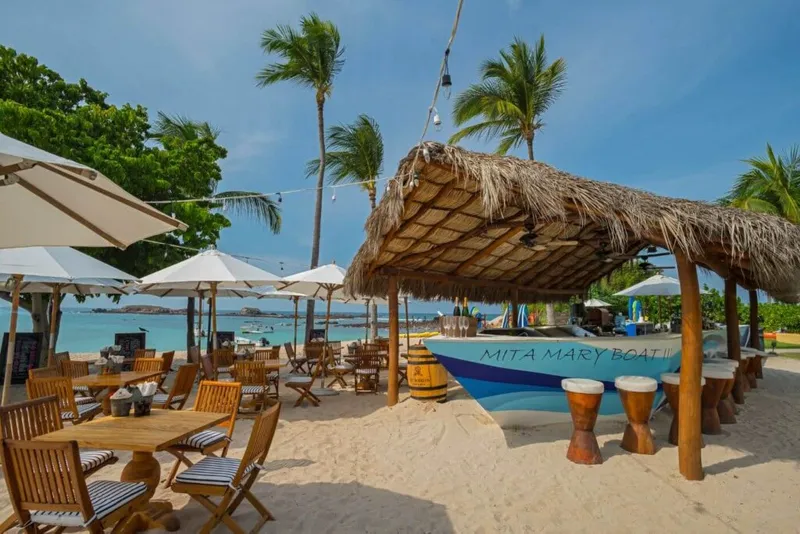
Resort infrastructure helps in July. Pools, shaded loungers, beach service, and easy room access make hot or stormy stretches much easier. If you want more town energy, compare Sayulita in July. If you want quieter village evenings with lower prices, compare San Pancho in July.
Marietas Islands, Golf, and Things to Do
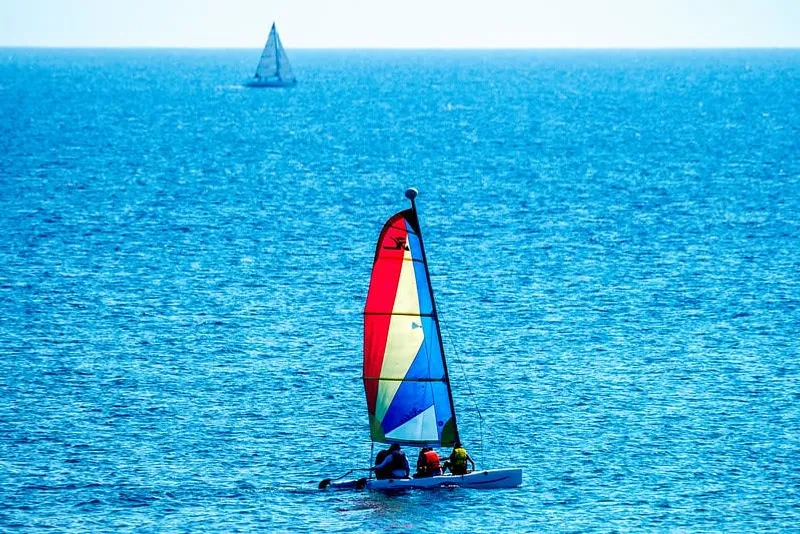
July can still work for Marietas Islands tours, paddleboarding, kayaking, golf, spa days, and slow meals, but you should plan with weather windows instead of fixed all-day schedules. It also sits inside the broader Mexico hurricane season, so book water activities for the morning and keep one spare day if Marietas is the reason you chose Punta Mita.
| Plan | July fit | Practical note |
|---|---|---|
| Marietas Islands tour | Good with weather flexibility | Book early and expect sea-condition decisions |
| Golf | Good, but hot | Choose early tee times and hydrate seriously |
| Paddleboarding/kayaking | Best in calmer morning water | Avoid stormy afternoons |
| Spa/pool day | Excellent | Strong rainy-day backup |
| Sayulita or San Pancho visit | Good with timing | Go early and return before heavy rain if possible |
| Puerto Vallarta dinner | Possible | Build road-time buffer during storms |
This is not the month to stack three logistics-heavy plans into one day. A good July schedule might be one morning activity, a long pool or spa window, and a flexible dinner plan. Punta Mita works best when the resort is not just where you sleep, but part of the actual trip.
Mexican Summer Vacation Timing

July overlaps with Mexican summer vacation, so Punta Mita is not always as empty as the phrase rainy season suggests. International demand is softer than winter, but family travel from Mexico can keep strong resorts busy, especially around weekends and late July.
Book the hotel first if you care about a specific property, room category, villa, or family setup. Then arrange the activity that matters most, whether that is a Marietas tour, golf, a spa day, or a private transfer from Puerto Vallarta airport.
For families, July can be excellent if the hotel has strong pools, shaded kids’ areas, easy dining, and rooms that are comfortable during stormy downtime. For couples, it works best when you want privacy and slow resort days rather than constant beach-town movement.
Where to Stay in July
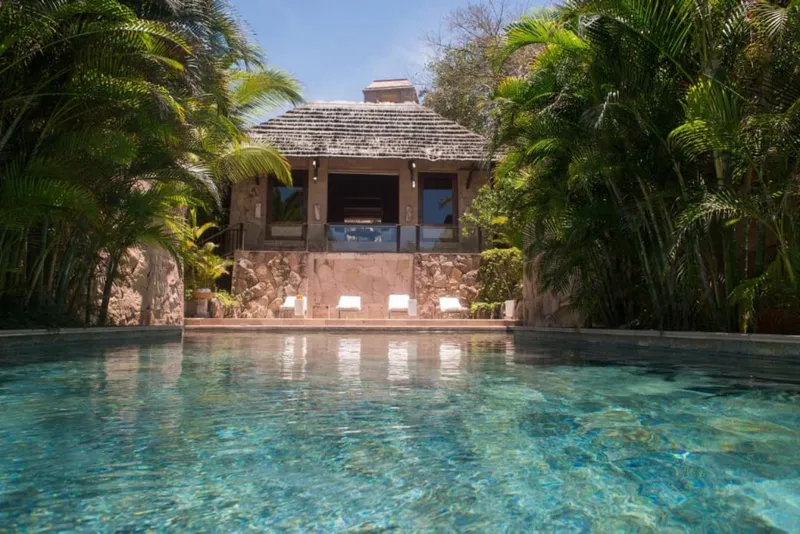
Your hotel choice matters more in July than in dry season. A beautiful room without strong cooling, shaded common areas, or a good pool can feel frustrating when the afternoon turns hot or wet. Use the broader Punta Mita travel guide for orientation, then compare the best hotels in Punta Mita before locking dates. A resort with comfortable indoor-outdoor spaces makes the same weather feel manageable.
| Stay style | Best for | July note |
|---|---|---|
| Luxury resort | Couples, families, comfort-first travelers | Best weather-proof choice if budget allows |
| Villa rental | Groups and longer stays | Ask about A/C, screens, staff support, and backup power |
| Golf/resort community stay | Golfers and privacy seekers | Great if you will use the amenities |
| Nearby Sayulita base | More nightlife and casual restaurants | Visit Punta Mita for a polished beach day |
| Puerto Vallarta base | Better value and variety | Day trip or split stay if Punta Mita rates feel high |
Book for the hardest hour of the day. In July, that usually means humid midafternoon or a rainy evening. If the room, pool, restaurant, and covered spaces still feel appealing then, you made the right call.
Punta Mita vs Puerto Vallarta, Sayulita, and San Pancho in July
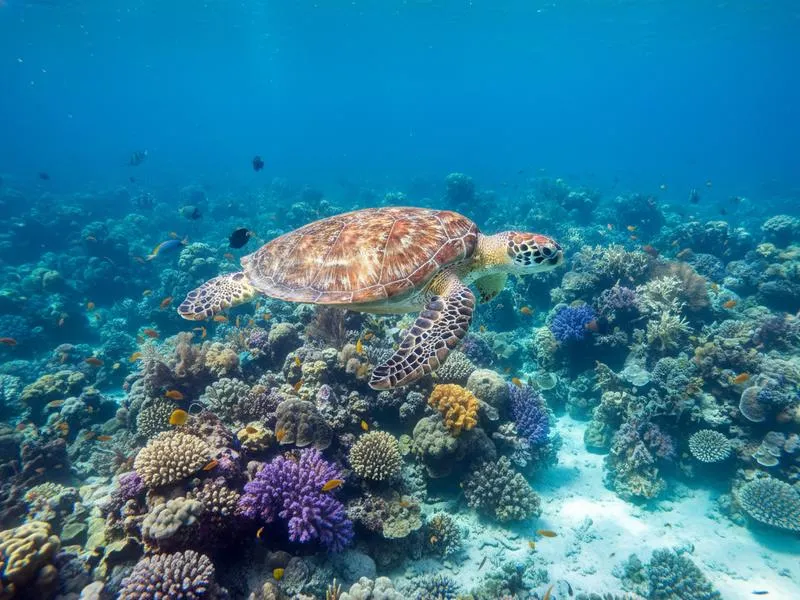
Punta Mita is the polished resort choice in the Riviera Nayarit cluster. Puerto Vallarta is the practical anchor. Sayulita is the social surf town. San Pancho is the quieter village escape. July makes those differences sharper because rainy-season comfort and backup plans matter.
| If you want… | Choose… |
|---|---|
| Resort comfort, golf, privacy, pools, and quieter beaches | Punta Mita |
| Restaurants, nightlife, walkable neighborhoods, and rainy-day depth | Puerto Vallarta in July |
| Surf lessons, shopping, social energy, and more casual beach-town movement | Sayulita in July |
| Slower nights, fewer crowds, and a softer village pace | San Pancho in July |
| Drier Baja resort weather with no sargassum | Los Cabos in July |
If this is your first Riviera Nayarit trip and you want maximum flexibility, split time between Puerto Vallarta and Punta Mita. If you already know you want quiet resort days, go straight to Punta Mita and use the rest of the coast as day-trip material.
What to Pack for Punta Mita in July
Pack for heat, humidity, strong sun, and sudden rain. Punta Mita is polished, but July is still tropical. Comfort matters more than dressing for a dry-season postcard.
- Lightweight breathable clothes
- Swimsuits and a cover-up that dries quickly
- Sandals with grip for wet paths
- Reef-safe sunscreen
- Hat and sunglasses
- Mosquito repellent for evenings
- Light rain jacket or compact umbrella
- Waterproof pouch for boat days
- Casual resort dinner clothes
- Any medication you prefer not to hunt for during rain
If you are staying in a villa or smaller property, ask about laundry, fans, screens, and backup power before booking. Those details matter more in rainy season than in March.
Final Verdict: Should You Visit Punta Mita in July?
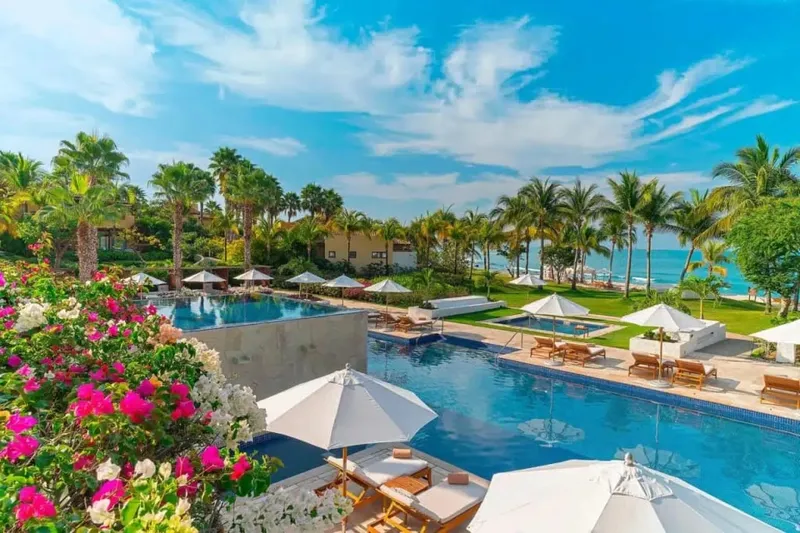
Visit Punta Mita in July if you want a comfortable Pacific resort trip with warm water, green scenery, no sargassum, good hotel infrastructure, and enough flexibility to let rainy-season weather shape the pace. It is especially good for couples, families, golfers, and travelers who would rather upgrade the hotel than chase constant activities.
Skip it if you need guaranteed dry afternoons, cheap local lodging, big nightlife, or a beach town where everything happens on foot. In that case, Puerto Vallarta in July gives you more backup options, while Sayulita in July gives you more casual energy.
The best July version of Punta Mita is simple: book a hotel you actually want to spend time in, schedule the important outdoor plans early, keep afternoons loose, and let the Pacific Coast do what it does best — warm water, green hills, quiet mornings, and a slower resort rhythm than the Caribbean summer rush.