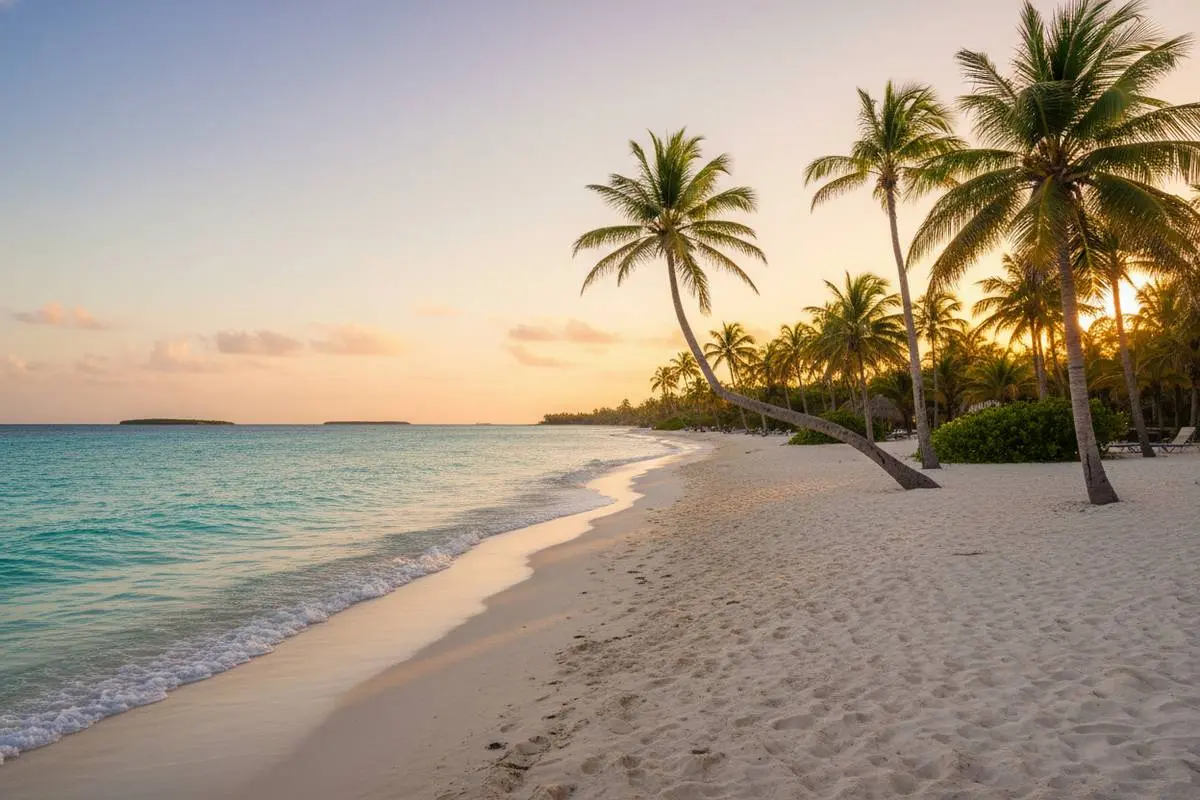
Mexico Beaches Without Sargassum: 2026 Coast Guide
Best Mexico Beaches Without Sargassum in 2026
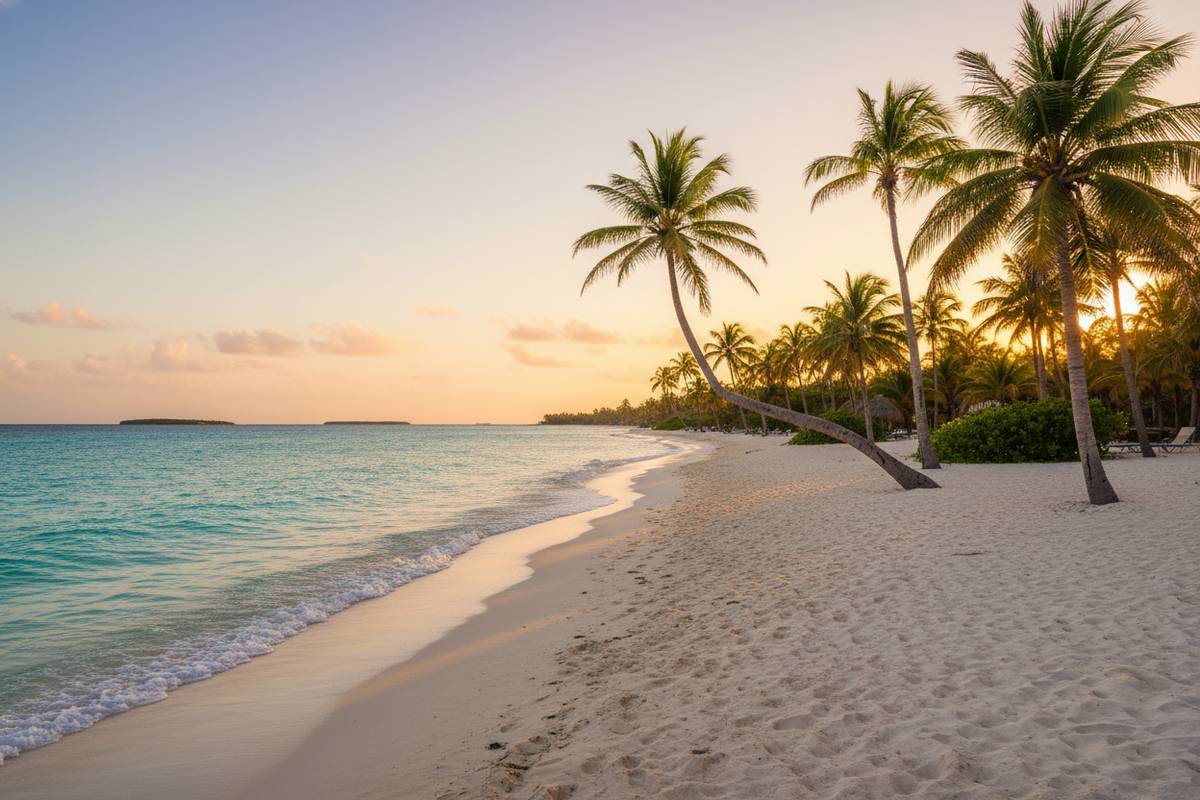
The best Mexico beaches without sargassum are Puerto Vallarta, Huatulco, Zihuatanejo, Los Cabos, La Paz, Mazatlán, San Pancho, Sayulita, and the Oaxaca coast. They sit on the Pacific or Baja side of Mexico, away from the Caribbean current patterns that push brown seaweed mats onto Cancun, Playa del Carmen, and Tulum.
For most summer travelers, the safest swap is Puerto Vallarta for easy flights and restaurants, Huatulco for protected bays, Zihuatanejo for a slower beach town, Los Cabos for polished resorts, and La Paz for wildlife and calm-water day trips. These places avoid Caribbean sargassum, but they come with their own tradeoffs: Pacific rain and humidity, stronger surf on exposed beaches, Baja heat, and Cabo beaches where swimming rules matter.
Use this guide when clear sand matters more than Cancun’s turquoise water color. For the Caribbean side of the decision, read the Mexico sargassum season guide, then compare Cancun sargassum season and Playa del Carmen sargassum season. For official context, NOAA tracks inundation risk in affected Caribbean and Gulf regions, while USF publishes Sargassum Watch research and outlooks.
Puerto Vallarta: Easiest Pacific Swap
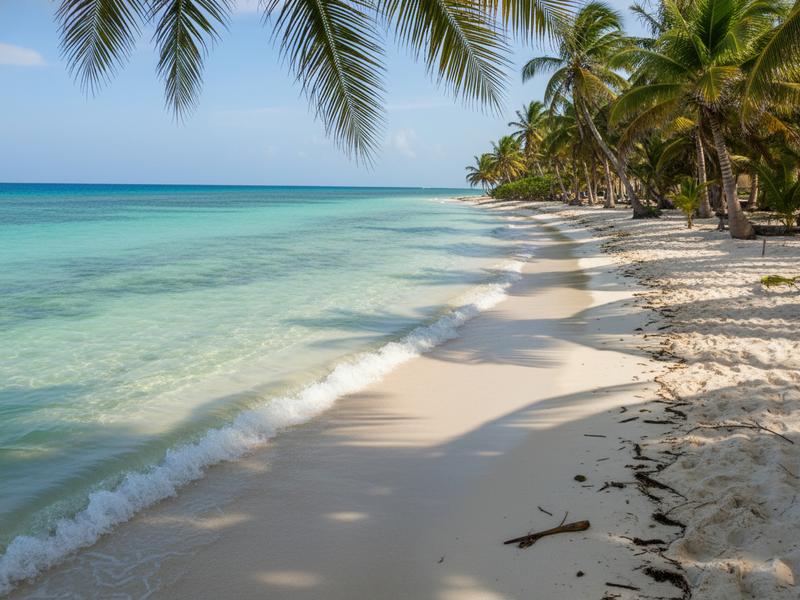
Puerto Vallarta is the simplest Cancun alternative for many travelers. It has strong flight access, a real city, mountain views, boat trips, food, nightlife, family resorts, romantic hotels, and no Caribbean sargassum. If you want a beach trip that still has restaurants and energy, this is the first Pacific place to compare.
Summer in Puerto Vallarta is green and humid. Expect warm ocean water, afternoon or evening rain, and cloudier stretches than winter. The water is not Cancun turquoise; it is usually deeper blue-green. For many travelers, the trade is worth it because the beach does not smell like rotting seaweed and the town gives you much more than a resort strip.
Costs vary by style. A midrange hotel can run $120-220 USD ($2,040-3,740 MXN) per night in summer, while luxury resorts can go far higher. Boat trips, food tours, and day trips often land around $45-140 USD ($765-2,380 MXN) per person. Start with our Puerto Vallarta travel guide and best time to visit Puerto Vallarta.
Huatulco: Protected Bays Without the Crowds
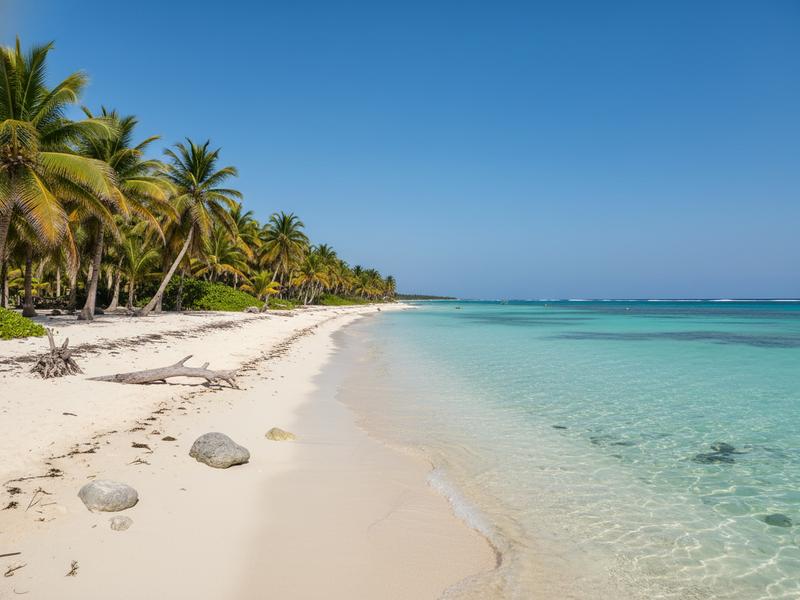
Huatulco is one of Mexico’s best answers to the question, “Where can I get clean beaches without the Riviera Maya mess?” The coastline is built around bays, which gives you more protected swimming options than many open Pacific beaches. It is quieter than Cancun, smaller than Puerto Vallarta, and especially good if you want nature, boat days, and a slower Oaxaca coast trip.
Summer is hot, humid, and green. Rain can arrive in strong bursts, often later in the day. The upside is that the bays look lush and hotel prices can be friendlier than winter. If you want nightlife and shopping, Huatulco may feel too quiet. If you want calm beaches and no sargassum, it makes a lot of sense.
Budget $80-180 USD ($1,360-3,060 MXN) per night for many comfortable hotels outside peak periods, more for polished resorts. Bay boat tours often cost $35-80 USD ($595-1,360 MXN) per person, depending on boat type and inclusions. Read Huatulco Mexico and Huatulco in August for seasonal detail.
Zihuatanejo, Mazatlan, and Smaller Pacific Towns
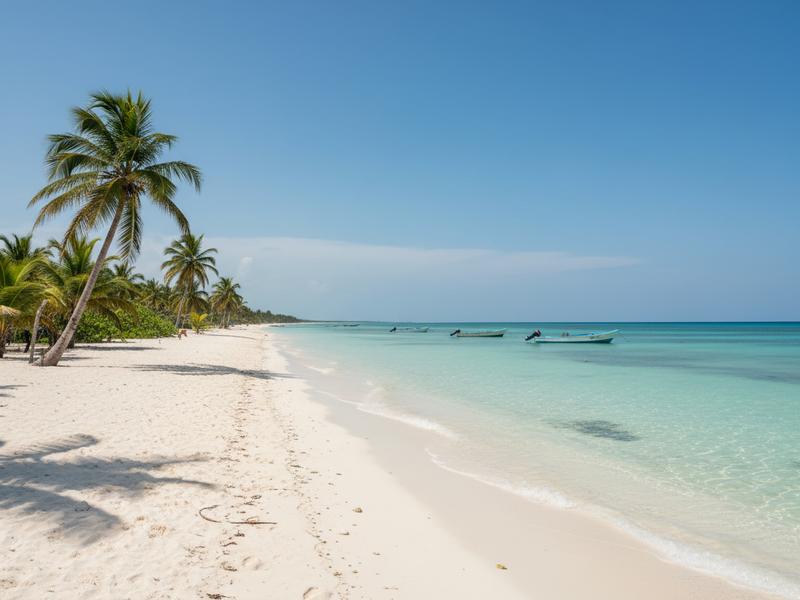
Zihuatanejo is the beach-town pick for travelers who want a bay, seafood, local life, and a softer pace than the big resort zones. La Ropa is the classic swimming beach, and the town gives you enough restaurants and markets without feeling overbuilt. Summer is humid and rainy, but no sargassum means your beach risk is about weather and surf, not seaweed piles.
Mazatlán is better if you want a larger city, malecón, seafood, and value. The beach scene is more urban, and summer heat can be intense, but prices can be attractive. Smaller Nayarit towns such as San Pancho, Lo de Marcos, and Sayulita avoid sargassum too, though summer surf and rain can change swimming conditions.
Use Zihuatanejo in July, beaches in Ixtapa Zihuatanejo, and Mazatlan vs Puerto Vallarta if you want a more local-feeling Pacific trip.
Los Cabos and La Paz: No Seaweed, Different Rules
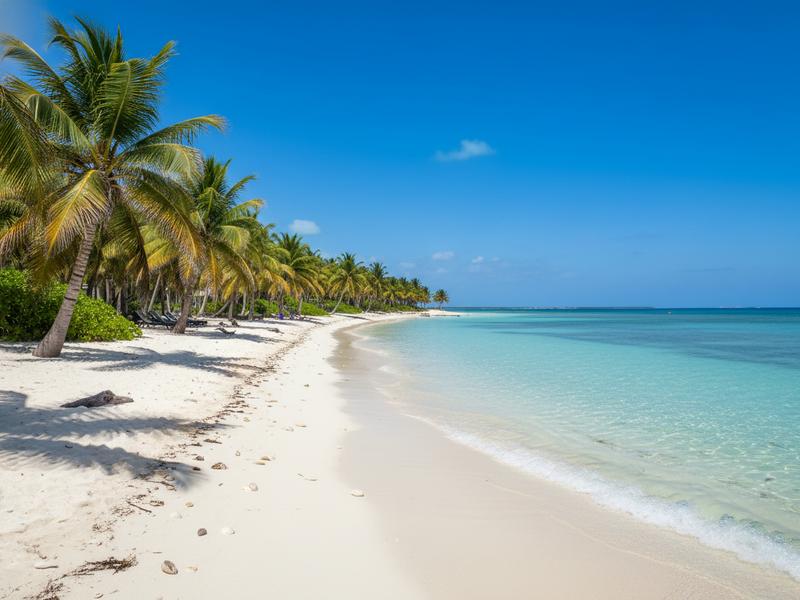
Baja California Sur does not get Caribbean sargassum, but it asks a different question: can you swim where you are staying? Los Cabos has luxury resorts, desert scenery, restaurants, and dramatic coastlines. Many beaches, however, have strong currents and steep shore breaks. You need to choose swimmable areas carefully, especially with kids.
La Paz is less polished and more nature-driven. It is excellent for Balandra, Espíritu Santo, sea lions, kayaking, and calm-water days when conditions cooperate. It can be very hot in summer, so plan early starts and shaded afternoons. If you want wildlife and local pace more than resort service, La Paz may beat Cabo.
Hotel costs vary widely. Cabo luxury can run $300-800 USD ($5,100-13,600 MXN) per night, while La Paz has many comfortable stays around $80-180 USD ($1,360-3,060 MXN). Tours to Espíritu Santo or Balandra-area activities often land around $80-160 USD ($1,360-2,720 MXN) per person. Compare Los Cabos travel guide and La Paz travel guide.
Final No-Sargassum Beach Advice
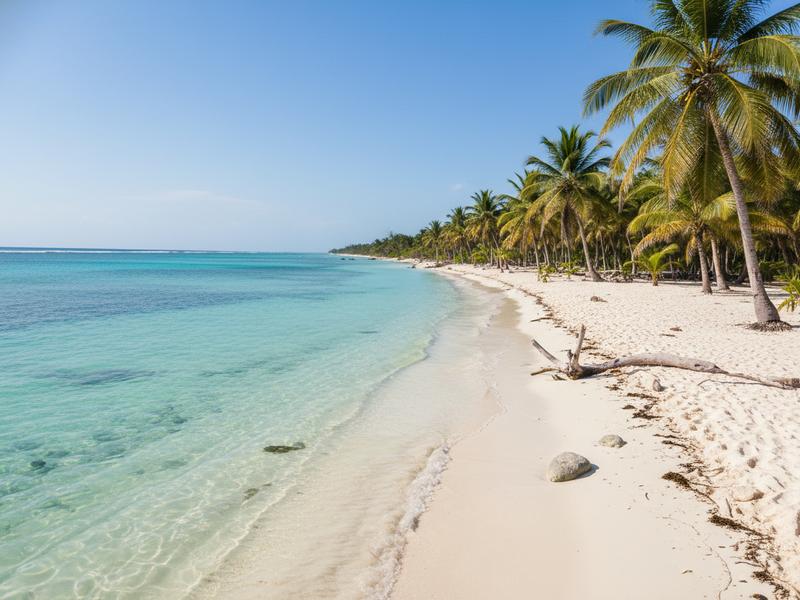
If you are exhausted by sargassum uncertainty, stop trying to outguess the Caribbean and switch coasts. Puerto Vallarta is the easiest all-around swap. Huatulco is the protected-bay choice. Zihuatanejo is the slower Pacific town. Los Cabos is the luxury desert option. La Paz is the wildlife and calm-water Baja option.
Stay in the Caribbean if you want turquoise water, cenotes, ferries, and resort infrastructure enough to accept risk. Choose the Pacific or Baja if you want seaweed-free sand and can accept rain, humidity, surf, or heat. That honest tradeoff is the difference between a stressful summer beach trip and a good one.
How to choose the right no-sargassum coast
Choose Puerto Vallarta if you want the easiest all-around substitute for Cancun: flights, restaurants, tours, resorts, nightlife, and a real town. Choose Huatulco if you want protected bays and a quieter Oaxaca coast pace. Choose Zihuatanejo if you want a beach town with personality and a softer rhythm. Choose Los Cabos if you want luxury, desert landscapes, and strong resort service. Choose La Paz if wildlife, islands, and calm-water nature days matter more than nightlife.
The choice should not be only “no seaweed.” It should be the best match for your trip style. A traveler who loves all-inclusive ease may not enjoy a very quiet bay town. A traveler who wants local seafood and evening walks may feel trapped in a remote luxury corridor. Avoiding sargassum solves one problem; choosing the right coast solves the vacation.
Summer tradeoffs by coast
Pacific Mexico in summer is green, humid, and storm-aware. Rain often comes later in the day, but some weeks are wetter than others. Surf can be stronger, especially on exposed beaches. That means you still need to choose swimmable bays, not just any beach without seaweed.
Baja is different. Los Cabos and La Paz do not have the same tropical rain pattern as the Riviera Maya, but summer heat can be intense. In Cabo, the main safety issue is swimming. In La Paz, the main planning issue is heat and logistics. Early starts, shade, water, and realistic pacing matter.
What you give up by leaving the Caribbean
You may give up that bright Cancun water color. You may give up cenotes, easy Mayan ruins, and the huge Riviera Maya resort ecosystem. You may add longer transfers or fewer direct flights depending on your origin. Those are real tradeoffs.
What you gain is peace of mind. You can wake up without checking seaweed maps. You can plan beach days around weather and surf instead of decomposing algae. For many summer travelers, that emotional simplicity is worth more than a technically prettier shade of water.
Best choices by traveler type
For families, Puerto Vallarta, Huatulco, Zihuatanejo, and La Paz are the first places I would compare. Families need swimmable water, shade, food, and simple logistics more than dramatic scenery. Huatulco’s bays and Puerto Vallarta’s infrastructure are especially useful. Los Cabos can work beautifully, but only if you choose a swimmable beach area or accept that pools may be the main water time.
For couples, the choice depends on mood. Puerto Vallarta gives restaurants and romantic zones. Zihuatanejo feels slower and more personal. Huatulco is quiet and bay-focused. Los Cabos is polished and expensive. La Paz is best for couples who like nature more than resort performance.
For budget travelers, look beyond the flight price. A cheap flight to Cabo can become expensive once hotels, taxis, and tours are added. Puerto Vallarta and Mazatlán often give better overall value. Smaller Pacific towns can be affordable once you arrive, but transfers may require more planning.
When the Caribbean is still worth it
Do not leave the Caribbean only because sargassum exists. Cancun, Isla Mujeres, Cozumel, Playa del Carmen, Tulum, Bacalar, and the cenote routes offer a travel mix the Pacific cannot copy. If your trip is about ruins, freshwater swimming, ferry days, food, nightlife, and resort ease, a flexible Caribbean plan can still beat a no-sargassum coast.
Leave the Caribbean when the beach itself is the product. If you are booking a honeymoon, family beach week, or once-a-year vacation where brown water would cause real disappointment, the Pacific and Baja deserve serious attention. The best destination is the one whose tradeoffs you can accept calmly.
How to compare total cost
Compare total trip cost, not nightly rate. Add flights, hotel, airport transfer, likely tours, meals, and backup activities. A Pacific hotel that costs $40 USD ($680 MXN) more per night may still be cheaper if you are not buying ferry escapes and cenote tours to replace bad beach days. A Caribbean deal may still win if flights are direct and you already wanted inland activities.
This is the practical way to choose: calculate the vacation you will actually take, not the one shown in perfect beach photos.
The bottom line for no-sargassum Mexico
The best no-sargassum destination is not the one with the prettiest photo. It is the one with tradeoffs you actually like. Puerto Vallarta has energy and food. Huatulco has bays and quiet. Zihuatanejo has a slower town feel. Los Cabos has polish and desert drama. La Paz has wildlife and calm-water adventures. Mazatlán has value and city life.
If you choose with that lens, leaving the Caribbean does not feel like a compromise. It feels like choosing a different version of Mexico on purpose. That is the whole point of this guide: not to scare you away from Cancun or Playa, but to make sure sargassum does not choose your vacation for you.
One final practical note: no sargassum does not mean no planning. Check swimmability, rainy-season patterns, airport transfers, and hotel location. A beach can be seaweed-free and still have rough surf, remote logistics, or limited food options. The goal is not to replace one blind spot with another. The goal is to choose the coast whose downsides you understand before you pay.
Choose that way and the trip feels intentional, not reactive. You are not running away from seaweed; you are choosing the Mexico coast that fits your season, budget, and patience. That is the smartest kind of summer beach planning in Mexico.