Three Kings Day in Mexico 2027: Rosca & Travel Tips
What Three Kings Day Means in Mexico
Three Kings Day in Mexico, called Dia de Reyes, is celebrated on January 6. For many families, especially those with children, it is one of the most important dates of the Christmas season. After nine nights of Las Posadas and the Christmas celebrations, children may receive gifts from the Reyes Magos, families cut rosca de reyes, and the long holiday cycle finally starts to wind down.
Travelers often leave Mexico right after New Year and miss it. That is a mistake if you like food traditions and family-centered holidays. January 6 is quieter than Christmas Eve, but it is easier to experience respectfully because bakeries, plazas, and public events are visible.
The day connects directly to our Christmas in Mexico guide. Christmas in Mexico does not end cleanly on December 25. It rolls through New Year, reaches Dia de Reyes, and in many homes continues symbolically to Candlemas on February 2.
Rosca de Reyes and the Baby Figure
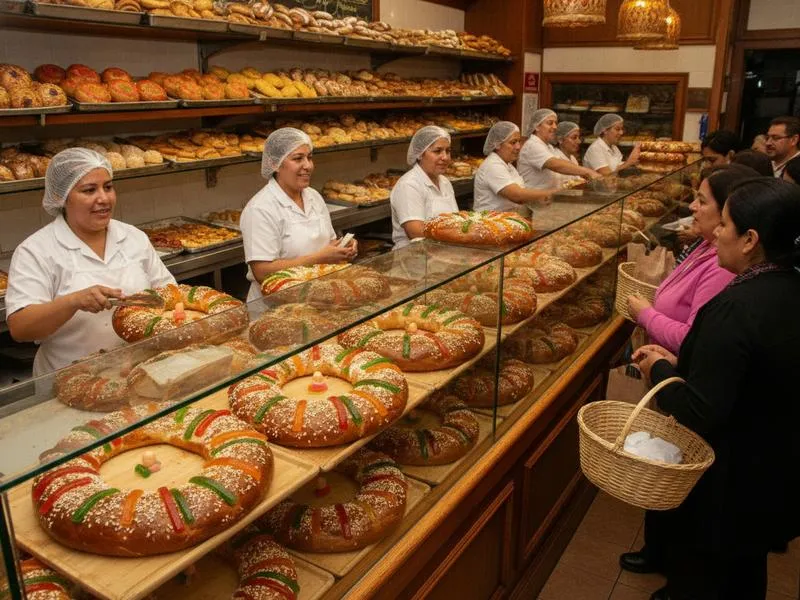
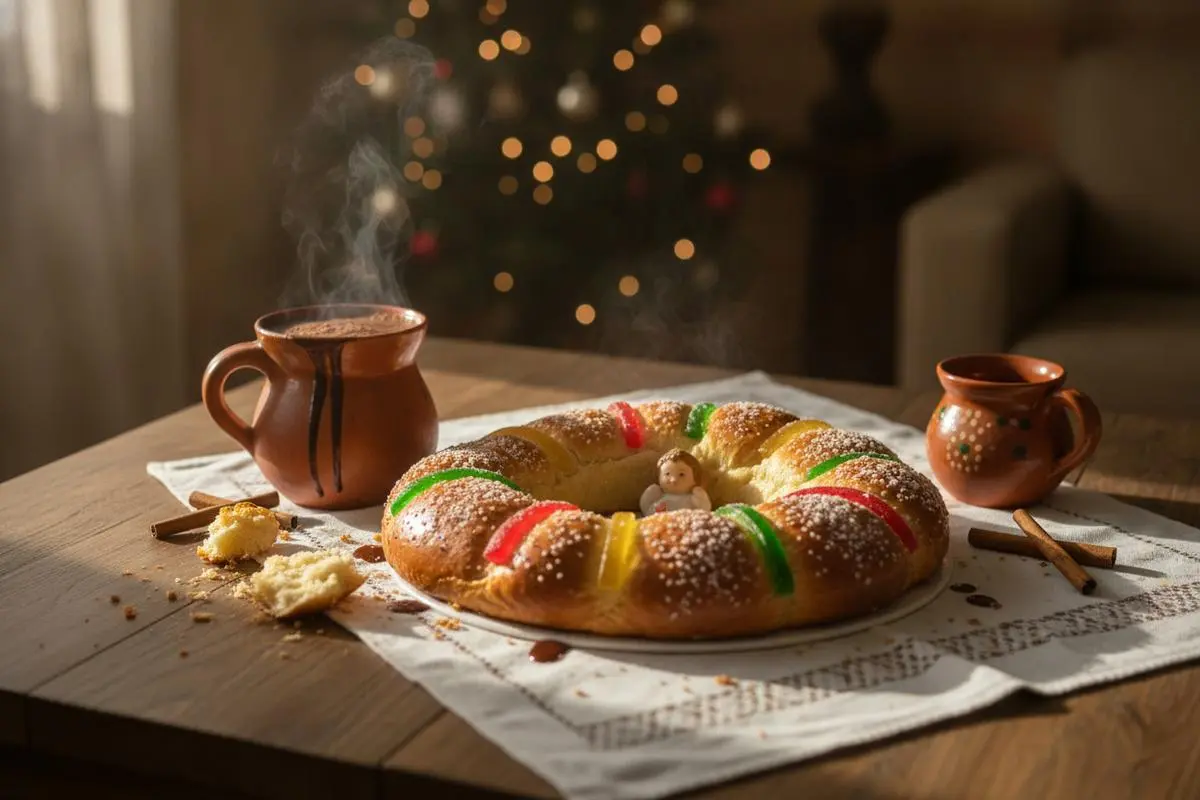
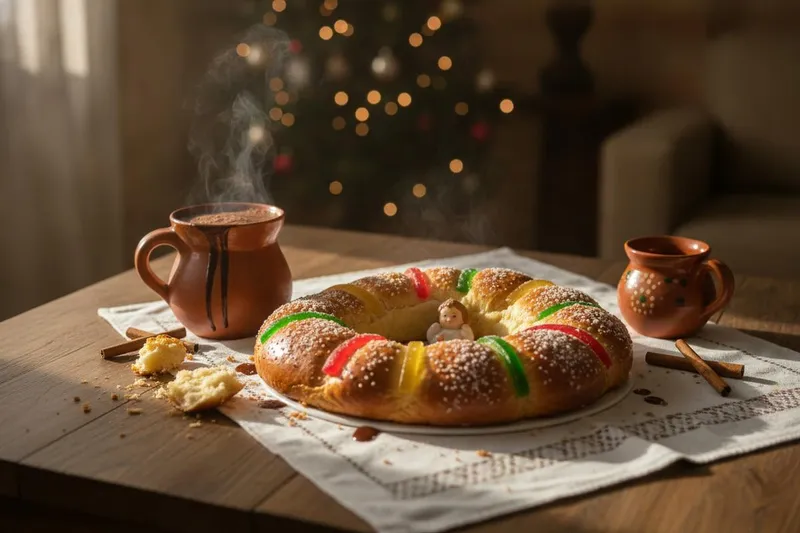
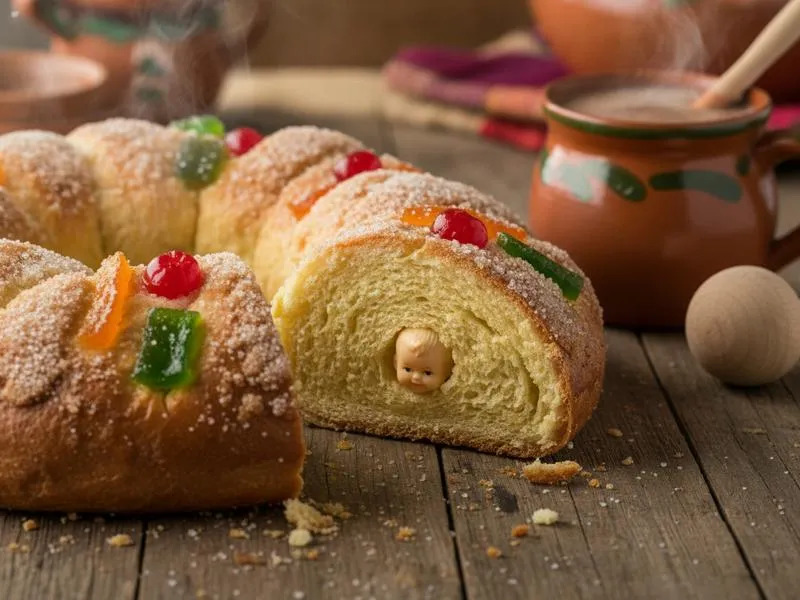
Rosca de Reyes is the food symbol of the day: a ring-shaped sweet bread decorated with candied fruit. The shape is often linked to a crown. The fruit represents jewels. Hidden inside are small baby figures representing the infant Jesus.
When the rosca is sliced, whoever finds a figure takes on responsibility for Candlemas, usually by hosting or paying for tamales on February 2. In practice, families handle this with humor. Some people celebrate finding the figure; others pretend they did not notice. Everyone knows.
For travelers, the easiest way to participate is to buy a small rosca from a bakery on January 5 or 6. Bakeries can be busy, so go early. Expect to pay 150-450 MXN ($8-25 USD) depending on size and bakery quality. Large or filled roscas cost more.
Where to Experience Dia de Reyes
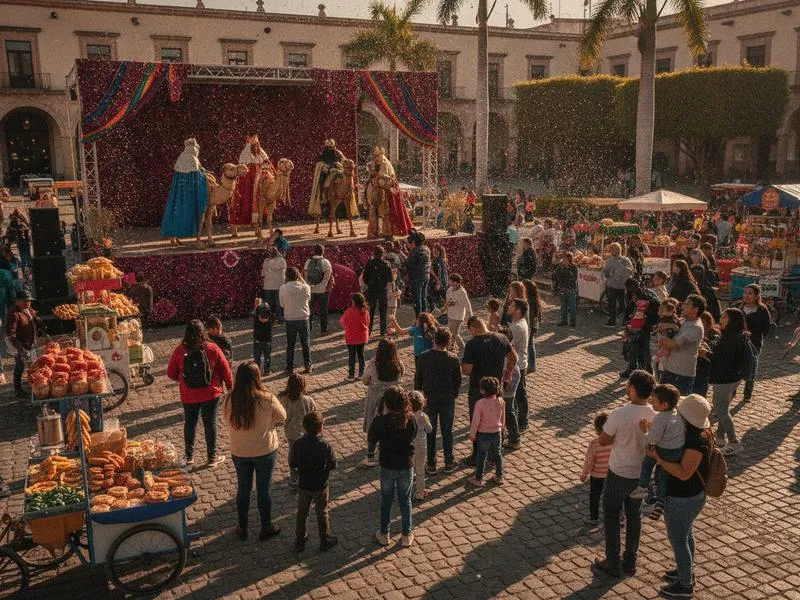
If you are comparing January weather and post-holiday value before choosing a base, start with the Mexico winter escape guide. Mexico City is the easiest base. Bakeries sell rosca everywhere, public plazas may host toy-giving events, and museums or cultural centers sometimes organize family programs. If you are staying after New Year, use our Mexico City in January guide for weather and neighborhood planning.
Puebla is excellent for bakeries, sweets, churches, and family atmosphere. It is also an easy add-on from CDMX. Oaxaca works if you are extending a Christmas food trip, though some travelers leave after Nochebuena. Merida gives the holiday a Yucatecan food context. San Miguel de Allende is pretty and easy, but more expensive.
If you are in a beach destination, the day will still exist, but it may be less visible in tourist zones. Look for local bakeries away from hotel strips.
January 5 vs January 6
January 5 is the shopping and preparation day. Bakeries are busy, families buy or pick up roscas, and children may prepare for the arrival of the Reyes Magos. If you want the best bakery selection, go on January 5 or early January 6. Popular bakeries can run out of smaller sizes.
January 6 is the family day. Children open gifts in the morning in many households, coworkers may share rosca at the office, and families cut rosca at breakfast, afternoon coffee, or evening gatherings. Public events for children may happen in plazas, cultural centers, or municipal spaces depending on the city.
The next connected date is February 2, Candlemas, when the people who found figures in the rosca traditionally provide tamales. Travelers usually will not be in Mexico for both dates, but understanding the connection makes the baby figure make sense.
For religious background on the wider Christian feast, see Epiphany. For the bread itself, Rosca de reyes gives a quick overview of the tradition across Spanish-speaking countries.
Where to Buy Rosca
In Mexico City, good bakeries and supermarket bakeries both sell rosca. A famous bakery is not required; neighborhood panaderias can be excellent. If you are staying in Roma, Condesa, Centro, Coyoacan, Juarez, or Narvarte, you will have options within walking distance.
In Puebla, look for bakeries near the historic center and sweets shops that also handle holiday orders. In Oaxaca, ask your hotel or host for a bakery recommendation because quality varies and the best option may not be the most obvious one near the Zocalo. In Merida, try a local bakery away from the hotel zone if you want a more everyday version.
If you are traveling alone, buy a small rosca or a slice if available. If you are with a group, a medium rosca is more fun because the figure hunt becomes part of the experience. Pair it with hot chocolate, atole, coffee, or milk.
Travel Logistics Around January 6
January 6 is not as disruptive as December 24, December 25, or January 1, but family schedules matter. Bakeries are busy. Some schools and local events shift. Restaurants generally operate, especially in tourist areas, but small family businesses may open late or close early.
Hotel rates often soften after January 5, especially in cultural cities. This is one reason staying for Dia de Reyes can be smart. You get a meaningful tradition after the highest holiday prices begin to ease. Beach destinations may stay expensive into the first week of January, then drop later; our Mexico in January guide compares weather, crowds, and costs by region.
If you are flying home around January 6-8, book transport ahead and leave buffer time. Airports can still feel crowded from post-holiday travel.
Etiquette for Visitors
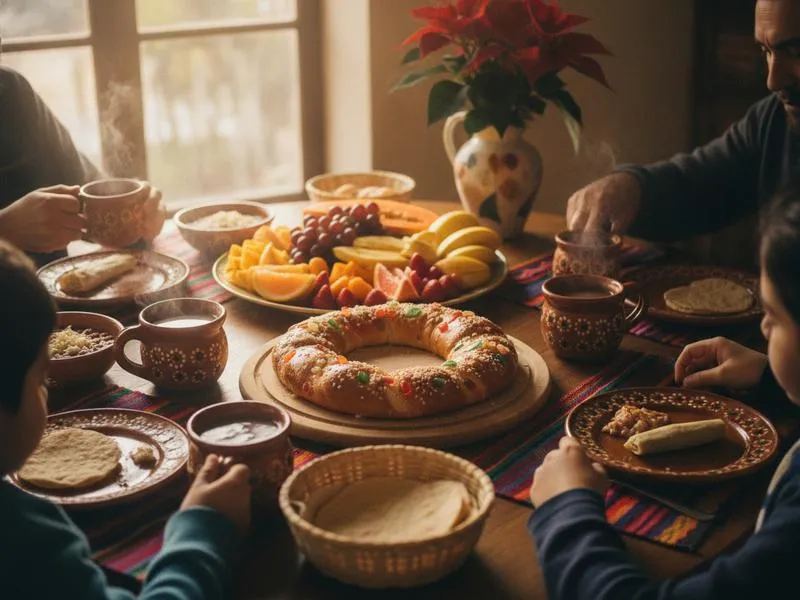
Buying rosca is fine. Attending public events is fine. Joining a family rosca gathering is wonderful if invited. Do not invite yourself into private gatherings or photograph children receiving gifts without permission.
If you are invited to a rosca gathering, bring something small: hot chocolate, coffee, fruit, pastries, or a simple gift for the host. If you find the baby figure, ask what the household custom is before joking too much. Some families take the Candlemas connection seriously; others treat it casually.
At bakeries, be patient. Lines can be long, and everyone is buying for family or work. Order clearly, pay, and move aside.
Family Customs Travelers Should Understand
Some children receive their main gifts from Santa Claus on December 25, others from the Reyes Magos on January 6, and many families now do some mix of both. The exact balance depends on region, household, and family habit. Do not assume one version is the authentic one and the other is imported. Mexican families adapt.
Public toy drives are common around this period. If you want to contribute, do it through a reputable local organization, hotel program, church, or municipal collection point. Avoid handing gifts directly to random children for photos. Good intentions can still create uncomfortable situations.
Workplaces often share rosca too. If you are in Mexico for business or coworking, expect someone to bring one. The person who gets the baby figure may become the joke target for tamales. This is normal. Laugh gently, not loudly.
Best City Bases
Mexico City is the simplest Dia de Reyes base because supply is huge. Bakeries, public events, hotels, transport, and restaurants are easy to find. Puebla is excellent if you want sweets, churches, and a calmer historic center. Oaxaca is good for food travelers who stayed after Christmas, but it may feel quieter than December 23-24.
Merida works well if you want warm weather and Yucatecan food. Guadalajara is practical for a larger-city January trip. San Miguel de Allende is scenic, but by early January the main advantage is atmosphere rather than a uniquely large Reyes program.
Beach destinations are fine but less distinctive. If you are in Cancun, Playa del Carmen, Los Cabos, or Puerto Vallarta, leave the hotel zone and look for a real bakery. Resort buffets may serve rosca, but a neighborhood panaderia gives a better sense of the day.
What to Do If You Find the Figure
If you cut rosca with Mexican friends and find the baby figure, do not panic. Ask what the custom is in that group. In many families, it means you are responsible for tamales on February 2. If you will not be in Mexico then, offer to contribute to the meal, buy coffee, or send money for tamales. Most people will treat it lightly, especially with visitors.
If you buy your own rosca and find the figure, you do not have an obligation to anyone. But it is a good excuse to try tamales before leaving Mexico. Look for a good tamal stand the next morning and consider the ritual complete in traveler form.
A Simple January 6 Plan
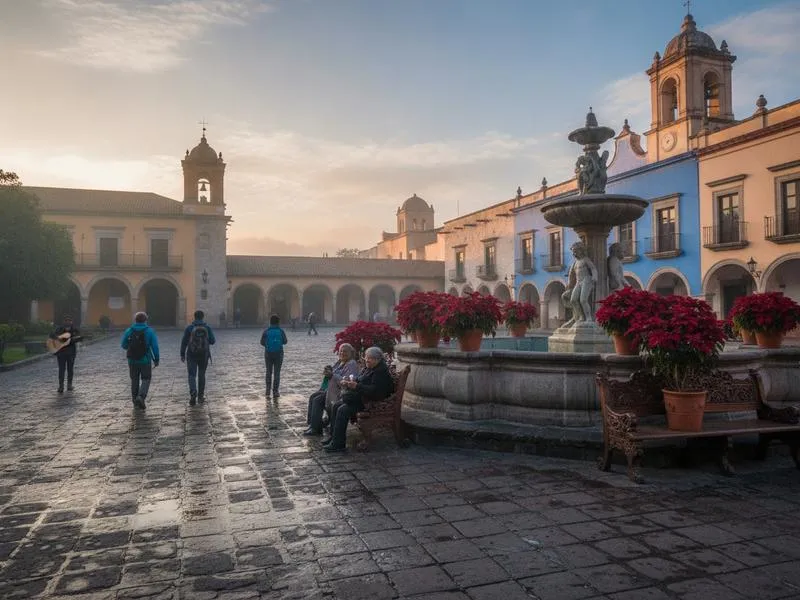
Start with a bakery run, then have rosca with coffee or hot chocolate. Spend the late morning in a museum, plaza, or market. Keep lunch casual because bakeries and family meals make the day feel snack-heavy. In the evening, walk the main square and look for public family events if your city has them.
The best part of Dia de Reyes is that it slows the trip down. After New Year, many travelers are rushing home. Staying a few more days gives you calmer streets, better hotel value, and a final holiday tradition that most international visitors miss.
Costs and Final Planning Advice
Dia de Reyes can be a low-cost addition to a Mexico trip. A bakery rosca and hot chocolate may cost $10-35 USD (180-630 MXN) for two to four people. Public plaza events are often free. A nicer brunch or bakery stop can raise the cost, but this is not usually an expensive travel day.
The better reason to stay is timing. After New Year, cultural cities become easier. Streets calm down, hotel rates improve, and you get one more holiday tradition before the season closes. If your schedule allows, leave Mexico on January 7 or 8 instead of January 2. The trip will feel less rushed, and you will understand the Mexican Christmas calendar more fully.