Tzintzuntzan Day of the Dead 2026 Guide
Tzintzuntzan Day of the Dead 2026 at a Glance
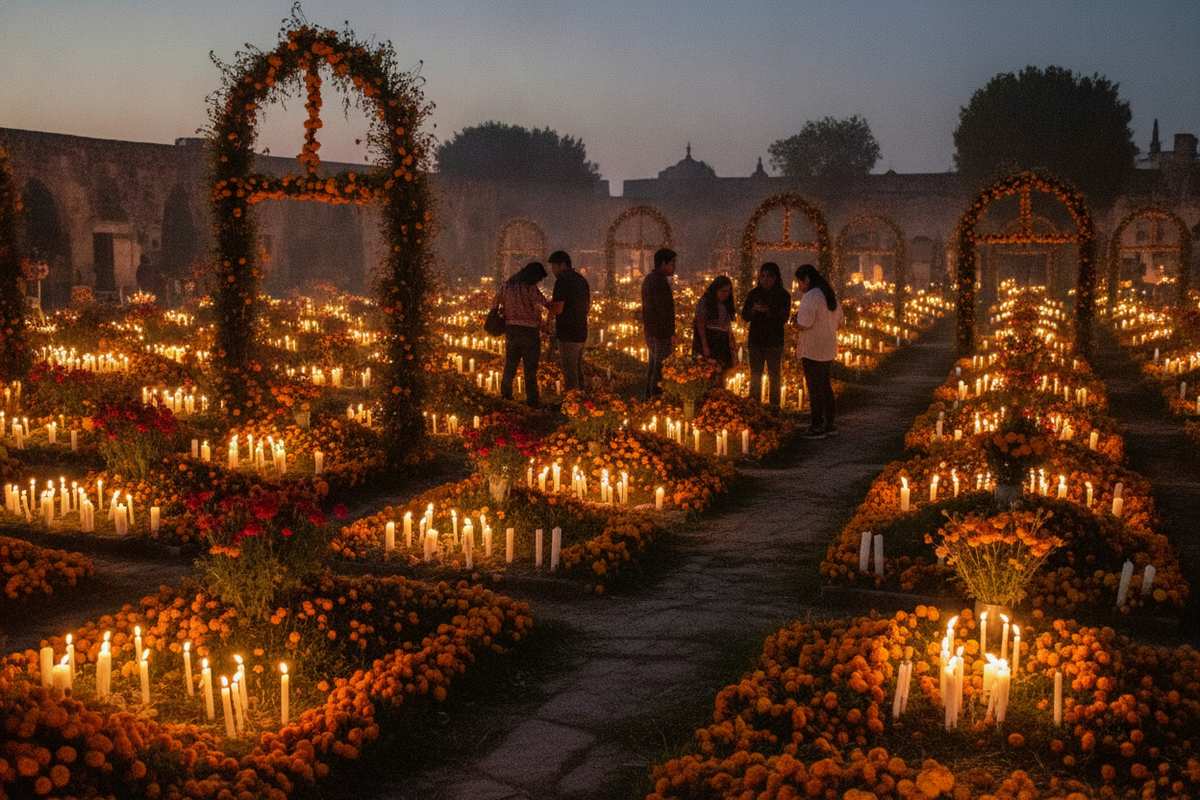
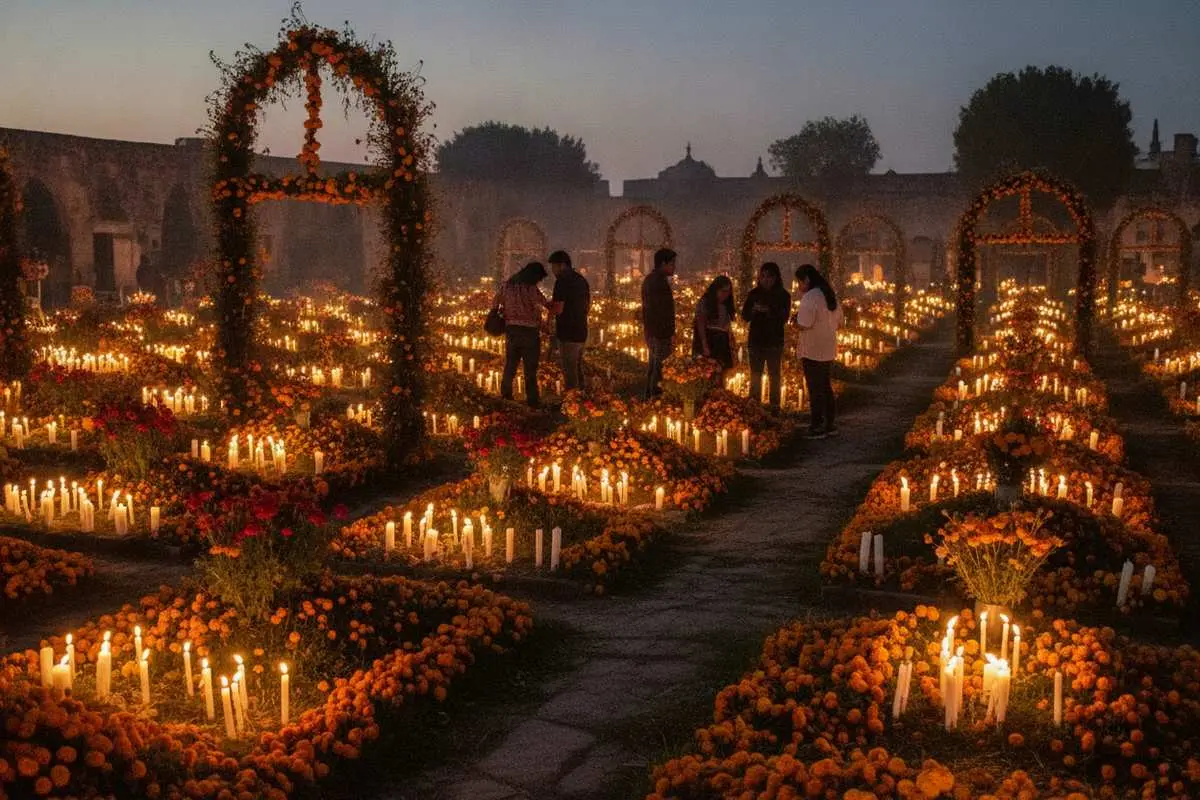
Tzintzuntzan Day of the Dead 2026 is centered on the night of November 1 into November 2. The former Purépecha capital lies about 17 kilometers from Pátzcuaro, making it one of the most practical land-based vigils in the Lake Pátzcuaro region. Visitors come for candlelit cemeteries, elaborate floral arches, black and white pottery, straw ornaments, food, and a town whose archaeological and religious landscape adds context to the night.
Land access makes Tzintzuntzan easier than Janitzio, but not easy. Roads clog, parking moves to the edge of town, temporary controls change pickup points, and the final walk can be long and cold. Use the Day of the Dead in Michoacán 2026 guide to choose a base before making this your main night.
| Detail | Practical answer |
|---|---|
| Main vigil | November 1 into November 2 |
| Distance from Pátzcuaro | About 17 km |
| Normal drive | Roughly 25–35 minutes |
| Event-night drive | Allow 1–2+ hours |
| Main experience | Cemetery vigils and craft market |
| Best arrival | Before sunset or with a guided night transfer |
| Ground budget | MXN 800–2,500 ($47–$147 USD) |
| Night gear | Warm jacket, secure shoes, small bag, cash |
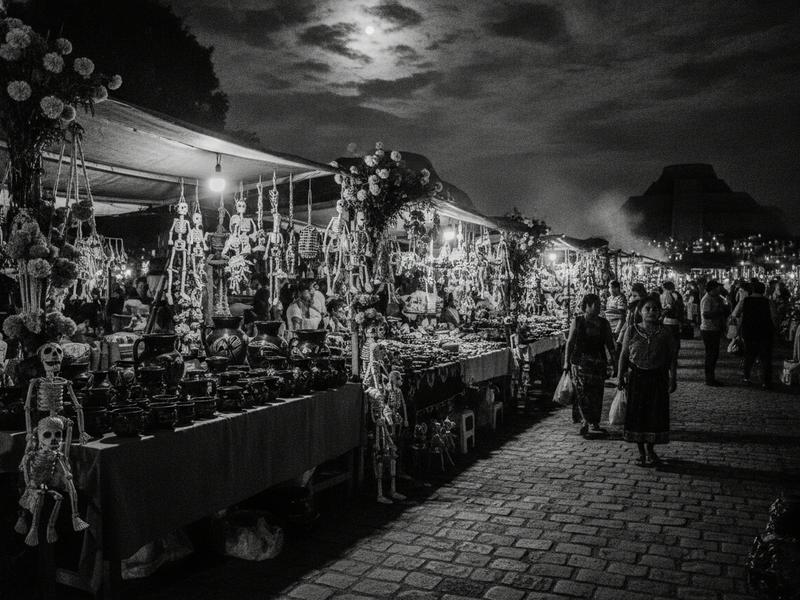
Michoacán’s official Noche de Muertos overview notes Tzintzuntzan’s floral arches and artisans who make pottery, straw angels, and woodcarvings for offerings. These are not souvenir motifs detached from the ceremony; they are part of how local skill and remembrance meet.
What Happens in Tzintzuntzan on November 1
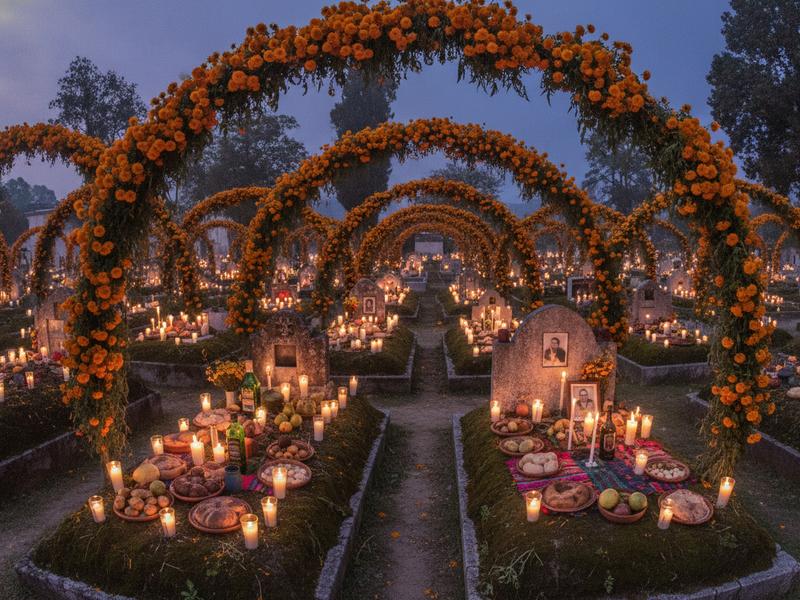
Daylight is for observing the town’s preparations at a manageable pace. Markets expand, families carry flowers and materials, public altars take shape, and food stalls prepare for the night. Visit the craft market and ex-convent area before late afternoon, then eat and add warm clothing before the main flow reaches the cemeteries.
After dark, candles change the space. Families sit near graves with food, flowers, photographs, and personal objects. Some remain for hours. Visitors move along designated paths or the edges of family areas. Music or public activity may be audible nearby, but do not expect every corner to resemble a festival stage. The central act is keeping company with the dead.
Tzintzuntzan is often described as a quieter alternative to Janitzio. That comparison is only partly useful. There is no boat queue and the town has more room, yet it receives substantial domestic and international tourism. One cemetery entrance can still become compressed. Choose it because you want a land-based Purépecha community with major vigils, not because you expect an empty graveyard.
The Michoacán Culture Ministry’s visitor guidance asks travelers to dress warmly, walk in central zones, use public parking, carry small secure bags, and honor the communities maintaining the tradition. Follow any 2026 signs or staff instructions even if they differ from an older map.
Cemetery etiquette in practice
Stop at the entrance and watch before moving. Keep doorways and central paths open. Give seats to family members and older residents. Speak quietly and silence phone sounds. If a procession approaches, step fully aside rather than trying to film it while walking backward.
Ask ¿Puedo tomar una foto? before photographing a person, grave, or offering. Do not use flash, LED lights, tripods, or drones. Never lean over a grave, move a candle, or ask someone to pose. If crowd conditions force you too close to a family, leave that section instead of waiting for a picture.
Getting There, Parking, and Returning at Night
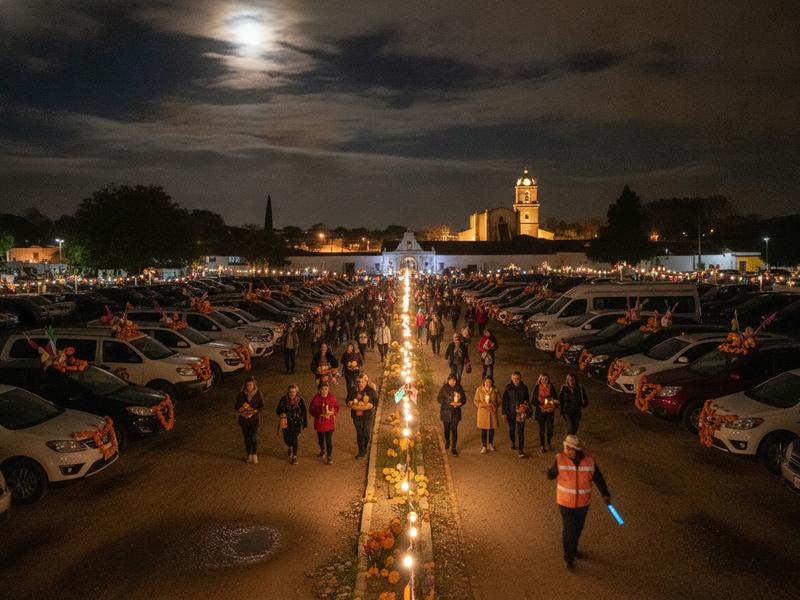
In normal traffic, Pátzcuaro to Tzintzuntzan is a straightforward drive along the lake corridor. On November 1, normal estimates do not apply. Depart before sunset if possible. Road controls may direct vehicles into temporary lots, and the closest legal parking may be well outside the center. Photograph the lot entrance and drop a pin before walking away.
Local buses or shared vans can work in daylight for MXN 20–60 ($1–$4 USD) each way, but late-night frequency and boarding points are uncertain. Ask the operator about the final departure before leaving Pátzcuaro. Do not build an overnight plan around a last bus you have not confirmed in person.
A prearranged taxi or driver commonly offers the best balance. Event pricing depends on waiting time and road access; budget roughly MXN 1,200–2,500 ($71–$147 USD) for a vehicle from Pátzcuaro with an agreed return, then divide among passengers. Put the pickup location, window, total price, waiting policy, and phone number in writing. The driver may be unable to reach the original drop-off point later.
Small-group tours often cost MXN 1,500–3,500 ($88–$206 USD) per person and may combine Tzintzuntzan with another community. Ask how much time is spent in each place. A route advertised with four or five stops can become a bus tour of traffic. One cemetery plus cultural explanation is better than repeated 20-minute arrivals.
Travelers based in Morelia should avoid driving themselves unless their hotel and rental terms support a very late return. Morelia is roughly 65 kilometers away by the practical road route, and holiday traffic can turn the trip into several hours. The Morelia in October guide covers the city as an overflow base.
Cemeteries, Yácatas, Crafts, and Food
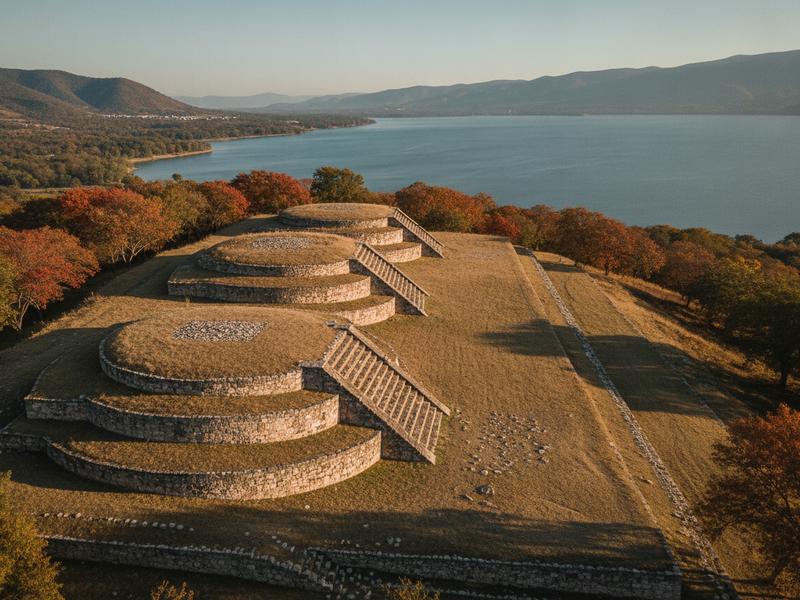
Tzintzuntzan’s yácatas are curved ceremonial platforms on a terrace above Lake Pátzcuaro. Visit the archaeological zone on October 31 or the morning of November 1, subject to official opening hours, rather than trying to fit it into the vigil. The site gives essential context: this was the capital of the Purépecha state before the Spanish conquest.
The former Franciscan convent and olive-tree atrium add a later historical layer. Church activities take priority during the observance, so enter only where public access is clear. Dress and behave as you would in an active religious space. The town is not a museum arranged in one period.
Craft buying directly supports local makers. Look for barro negro and white pottery, woven goods, straw decorations, woodcarving, embroidery, and cempasúchil arrangements. Ask before photographing an artisan at work. Small items may cost MXN 100–400 ($6–$24 USD), while large ceramics or detailed pieces can cost MXN 800–3,000 ($47–$176 USD) or more. Bring cash and do not bargain aggressively over work that took days.
Food options expand during the holiday. You may find corundas, uchepos, pozole, tamales, atole, grilled meats, lake fish, pan de muerto, and sweets. Budget MXN 120–300 ($7–$18 USD) for a meal. Eat before the coldest hours and carry water. Choose a busy stall serving food hot, and keep any allergy explanation saved in Spanish.
The general Pátzcuaro travel guide is useful for combining Tzintzuntzan with daytime lake-region attractions. Do not add Santa Clara del Cobre or Janitzio to the same evening; give those places their own day.
A Realistic Tzintzuntzan Night Plan
At 3:30 p.m., eat a substantial meal in Pátzcuaro or Tzintzuntzan. At 4:30 p.m., meet your driver and travel before the main traffic wave. By 6 p.m., identify the pickup point, public toilets, and a group meeting place. Walk the market and public areas while there is still some light.
Between 7 and 9 p.m., visit the cemetery area slowly. If an entrance is crowded, wait in a public space rather than joining a push. Spend enough time to notice how families arrange light, food, flowers, and seating. Do not measure the visit by the number of photographs.
Around 9 p.m., take a food and warmth break. Reassess traffic and energy. A family with children may choose to return now. Travelers prepared for late hours can revisit a public area or a second cemetery only if local routes remain open and the group agrees.
At 11 p.m. or the prearranged hour, walk to the pickup zone. Give yourself at least 30 minutes beyond the map estimate because exits narrow. Message the driver before leaving the center. If the vehicle is delayed, wait in a lit public place with other visitors, not on the shoulder of a dark road.
Pack a warm jacket, closed shoes, light rain shell, small flashlight used only on empty ground, tissues, sanitizer, water, snack, power bank, pesos, and hotel details. Leave large camera equipment and costume accessories behind. The full Michoacán Day of the Dead itinerary shows how this night fits beside Janitzio and Pátzcuaro without exhausting the trip.
Before leaving town, check that everyone has water, a charged phone, and the same pickup instructions. Drivers may be held outside the original meeting point, so designate one person to communicate while the rest of the group waits together. If police or event staff redirect you, follow the new route and send the driver a landmark plus a dropped pin. Do not split up to search different parking lots. A slower, coordinated exit is safer than chasing the vehicle through dark roadside traffic.
Travelers returning the next day should expect cleanup, reduced market hours, and tired service staff. Keep November 2 gentle, tip fairly, and avoid demanding that temporary displays or ceremonies continue for photographs.
Tzintzuntzan rewards patience. Arrive before the rush, learn what you are seeing, buy from local makers, and let the cemetery remain a family space first. That is the difference between attending responsibly and simply passing through.