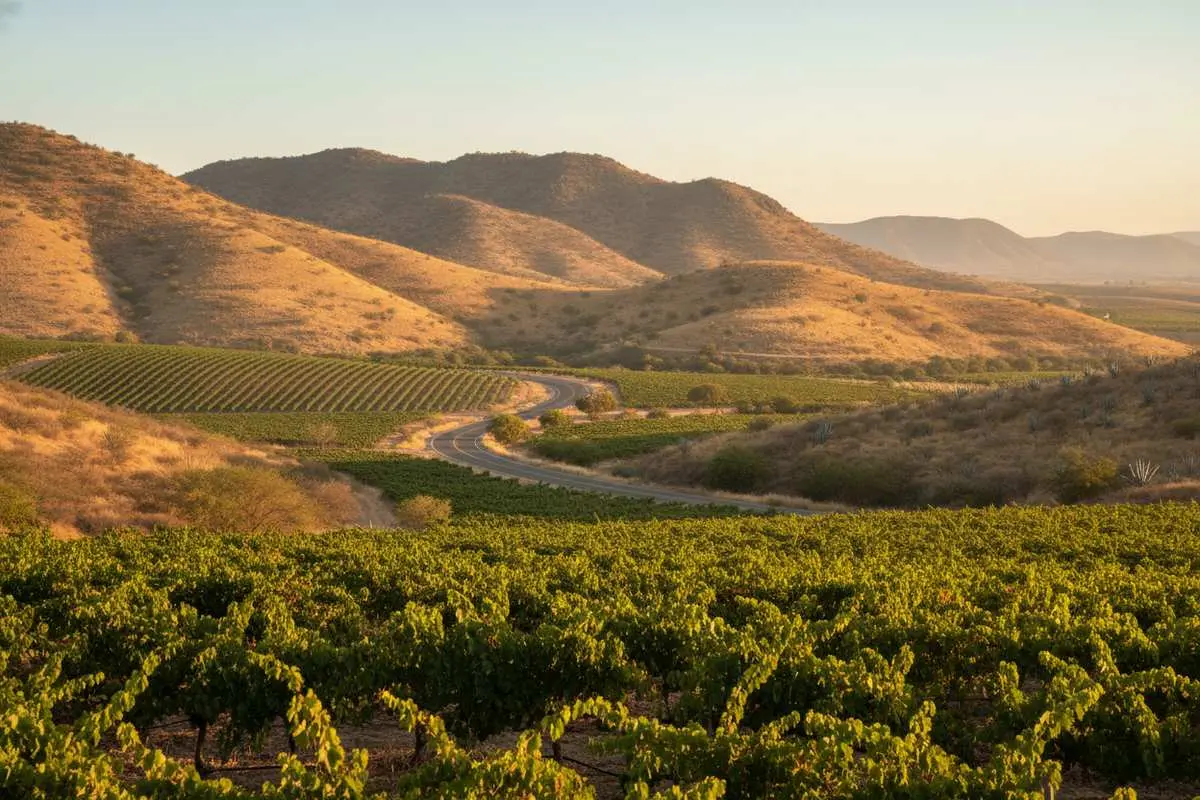
Valle de Guadalupe Wine Route Itinerary
The Right Wine Route Pace
A good Valle de Guadalupe wine route itinerary is simple: two wineries, one long lunch, and maybe one final low-pressure stop. That is enough for most travelers, especially during vendimia season when heat, traffic, and event timing make the valley feel fuller than usual.
This itinerary supports the main Valle de Guadalupe vendimia guide. Use it after you have chosen your base from where to stay in Valle de Guadalupe vendimia and before buying tickets for Fiestas de la Vendimia Ensenada.
One-Day Wine Route Itinerary
| Time | Stop | Notes |
|---|---|---|
| 9:00 AM | Breakfast in Ensenada or hotel | Eat properly before tasting |
| 10:30 AM | Leave for the valley | Confirm driver and reservations |
| 11:00 AM | First tasting | Choose a reliable, structured winery |
| 12:45 PM | Second tasting | Pick a different style or smaller producer |
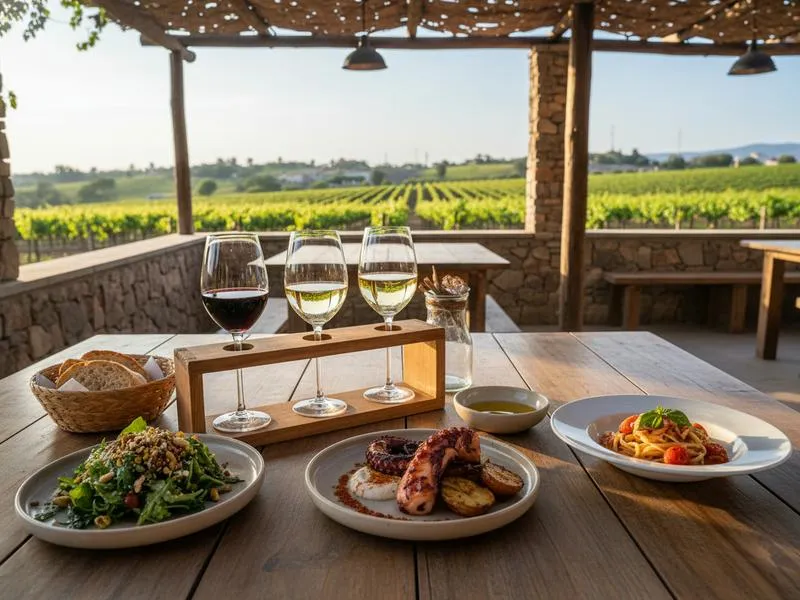
| 2:30 PM | Long lunch | Make this the anchor meal |
| 5:00 PM | Optional shop or scenic stop | Keep it light |
| 7:30 PM | Vendimia dinner or return to Ensenada | Do not add another heavy tasting |
The route works because it accepts how the valley behaves. Roads are rural, parking takes time, tastings are not always fast, and a serious lunch can last two hours. If you try to fit five wineries, you will spend too much time in the car and too little time tasting.
How to Choose Wineries
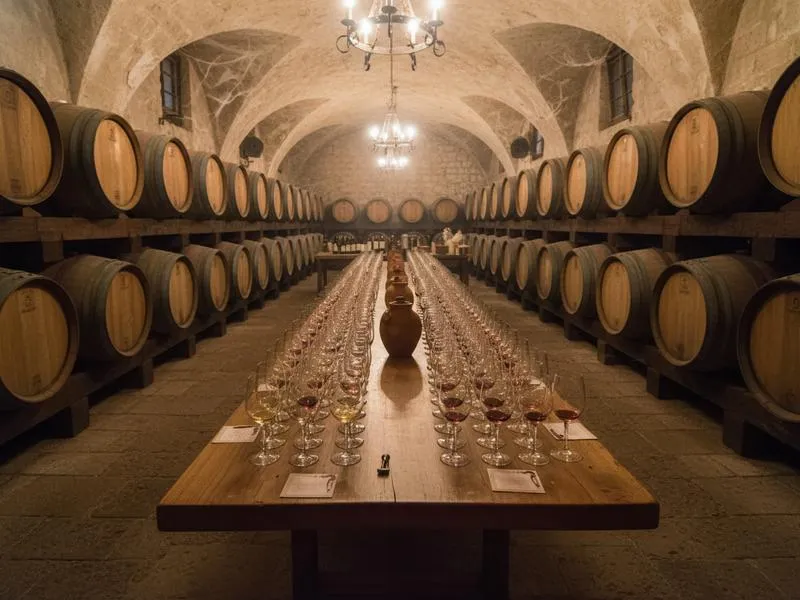
Build contrast into the day. Choose one established winery where reservations, service, and tastings are predictable. Then add a smaller producer or a place with a stronger food angle. This gives you structure and personality.
If wine knowledge is your goal, ask about grape varieties and blends instead of only asking what is most popular. Baja wine often plays with Mediterranean varieties, red blends, and food-friendly whites. The point is not to copy Napa. It is to taste what this dry, coastal-influenced valley does well.
For winery ideas, start with our best wineries in Valle de Guadalupe and the broader best Mexican wines guide.
Vendimia Season Adjustments
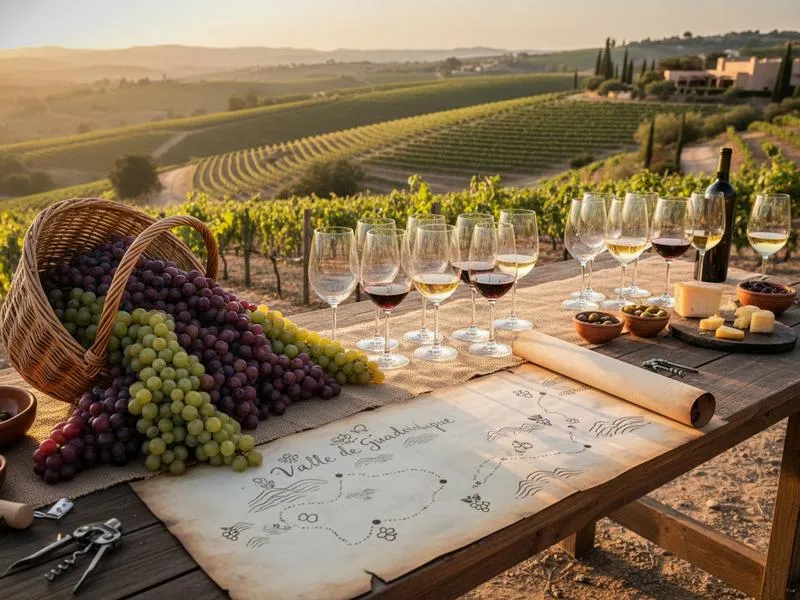
During vendimia, everything needs more margin. Events can change traffic patterns, wineries may have private functions, and popular restaurants book out earlier. Confirm each reservation the day before.
If you have an evening vendimia dinner, reduce the daytime route. Two tastings and lunch are enough. Arrive at the dinner with appetite and energy, not as the final stop after a full day of drinking.
If you do not have an event ticket, vendimia is still a good time to visit. Book a normal tasting day, choose a strong restaurant, and enjoy the seasonal energy without forcing a big-ticket night.
Transport: Tour, Driver, or Rental Car
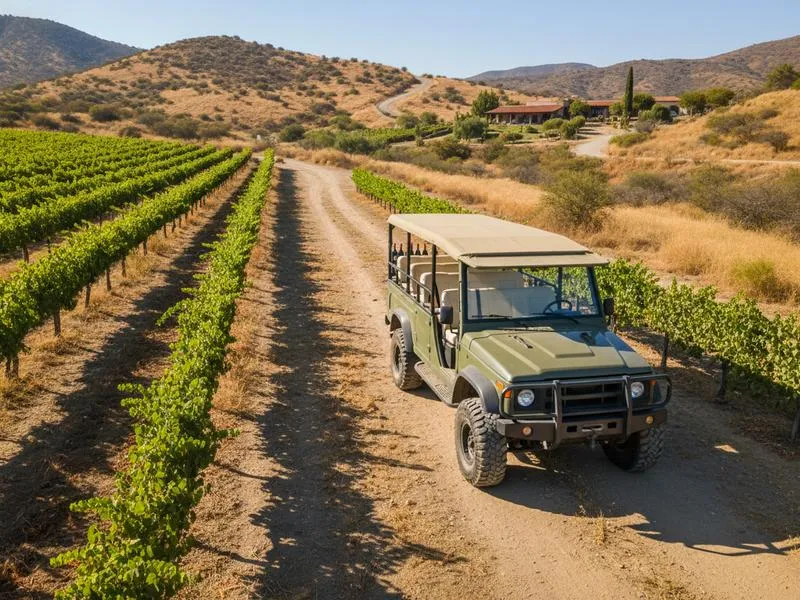
The safest options are a private driver or a wine tour. A rental car is useful for getting to Baja and moving between cities, but it is not a wine-route solution if everyone plans to taste.
For a full-day guided route, compare Valle de Guadalupe wine tours on Viator. For the non-wine parts of a Baja trip, compare rental cars through Rentcars.
Ask any driver three questions before booking:
- What is included in the quoted price?
- How many hours are covered?
- Will they wait during lunch and evening events?
That last detail matters. A cheap transfer can become expensive if waiting time is not included.
Cost for a Wine Route Day
| Item | Typical cost |
|---|---|
| Basic tasting | $15-25 USD / $255-425 MXN |
| Premium tasting | $30-60 USD / $510-1,020 MXN |
| Lunch | $35-90 USD / $595-1,530 MXN per person |
| Private driver | $180-350 USD / $3,060-5,950 MXN per group |
| Group tour | $80-160 USD / $1,360-2,720 MXN per person |
For a couple sharing a private driver, a comfortable wine route day often lands around $300-550 USD total, or $5,100-9,350 MXN, depending on lunch and tasting level. A group of four can bring the per-person transport cost down.
Beginner-friendly route
If this is your first visit, choose one well-known winery first, then one smaller stop, then lunch. The first tasting gives you structure and confidence. The second gives you personality. Lunch gives the day a reason to slow down.
Do not start with the most experimental place on your list unless you already know Baja wine. Begin somewhere that can explain the basics: climate, grapes, blends, and how the valley’s dry conditions shape the wine. After that, a smaller producer will make more sense.
For lunch, choose a restaurant that is either at a winery or very close to your second tasting. Moving across the valley for every stop sounds easy until you add heat, gravel roads, parking, and reservation times.
Food-first route
If food matters more than wine, build the entire day around lunch. Pick the restaurant first, then choose one tasting before and one tasting after. This keeps the meal from becoming an afterthought.
The food-first route works well during vendimia because many chefs run seasonal menus. You may find grilled seafood, garden vegetables, lamb, local cheese, olive oil, bread, and dishes designed around specific bottles. Ask whether a pairing menu is available, but do not feel forced into it if you prefer to choose your own bottle.
If lunch is heavy, skip the late tasting and choose a shop stop instead. Buying one or two bottles after lunch is often smarter than trying to keep tasting when your palate is tired.
Event-day route
On a day with an evening vendimia event, reduce the daytime plan by one stop. The event is not “extra”; it is the main event. A smart day might include breakfast, one tasting, lunch, hotel rest, and then the dinner.
This is especially important if the event includes multiple pours. Arriving already tired or dehydrated is the fastest way to waste an expensive ticket.
If you are staying in Ensenada, build in a rest window before the driver returns. If you are staying in the valley, use the late afternoon for a shower, shade, and water. It sounds basic, but it changes the whole night.
What to ask during tastings
Ask which wines are made from estate fruit and which use grapes from elsewhere in Baja. Ask what bottle the staff would serve with seafood, with grilled meat, and with a hot afternoon lunch. Ask what changed in the current vintage.
These questions get better answers than “what is your best wine?” They also help you buy bottles you will actually enjoy later.
If a tasting room is busy, keep questions short and specific. Vendimia weekends can stretch staff thin. A little patience goes a long way, and you will usually get better attention if you are relaxed rather than rushing.
How to avoid palate fatigue
Drink water before you feel thirsty. Eat breakfast. Share some tastings if allowed. Skip pours that do not interest you. You are not required to finish every glass.
Move from lighter wines to heavier wines when possible. Whites, rosés, and lighter reds usually make more sense before bold reds and dessert wines. If the winery controls the order, follow their structure.
By the third stop, most beginners stop tasting clearly. That is another reason the two-winery plan works. You leave with better memories and better notes.
Best route for a couple
For a couple, I would book one polished tasting, one smaller tasting, and one restaurant with a real view or a strong chef reputation. Keep the day romantic by leaving space between stops. The point is not to maximize the number of labels tasted. It is to have a day that feels easy to remember.
If you are staying in the valley, return to the hotel before dinner. A shower, water, and one quiet hour can reset the night. If you are staying in Ensenada, ask the driver to build that pause into the schedule instead of keeping you in the car until dinner.
Best route for a group
For a group, book fewer stops and more time. Groups move slowly. Someone is always paying, taking photos, using the restroom, asking one more question, or looking for a misplaced phone. A three-stop plan for a couple becomes too tight for six people.
Choose places with parking, clear reservation systems, and enough space. Confirm whether the tasting room can handle your group size. During vendimia, showing up with a large group and no booking is a bad idea.
Final Thoughts
The best Valle de Guadalupe wine route itinerary is restrained. It gives you enough structure to taste well and enough space to enjoy the valley between stops.
During vendimia, that restraint matters even more. Choose two wineries, book lunch, secure transport, and let the day breathe. Baja wine country is much better when you are not watching the clock.