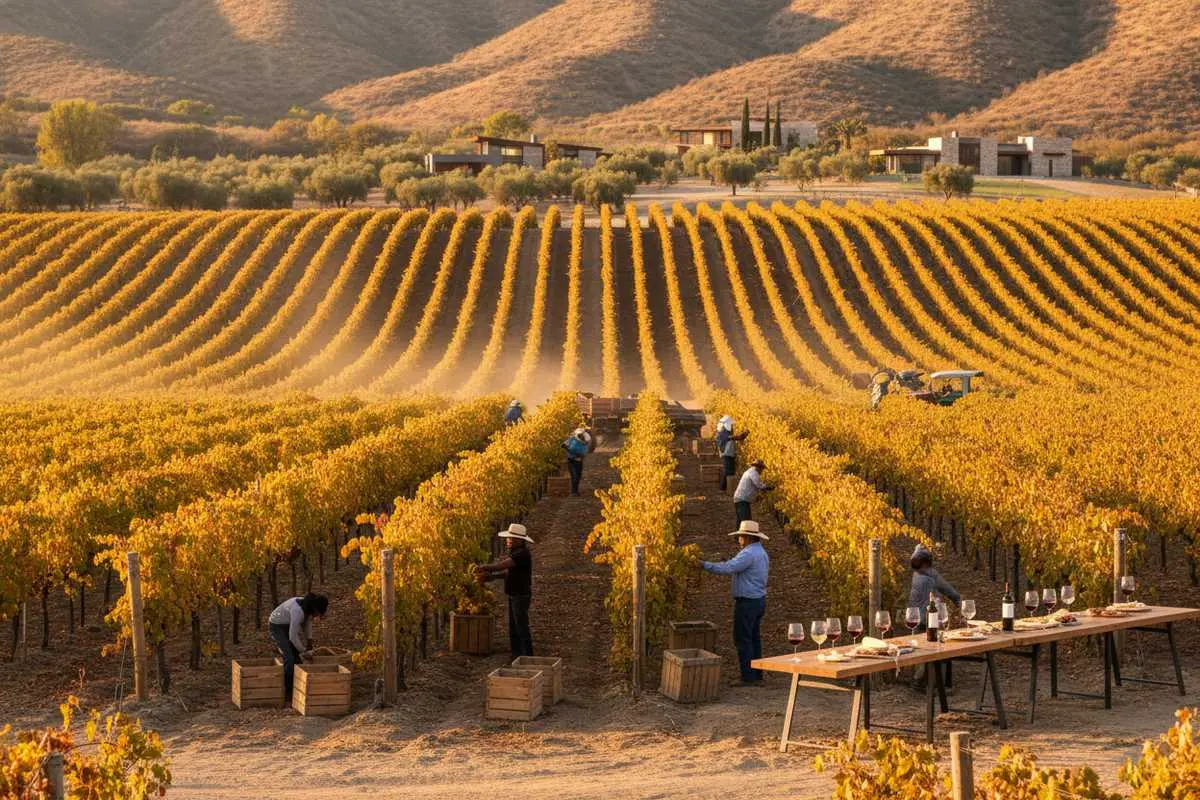
Valle de Guadalupe Vendimia 2026 Guide
Why Valle de Guadalupe Vendimia Belongs on Your 2026 Calendar
Valle de Guadalupe vendimia season is Baja California’s wine-harvest window, and it is the best time to plan a trip if you want the valley at full energy. Vineyards are active, restaurant patios run late, winemakers host special dinners, and Ensenada becomes the practical base for travelers who want wine country without giving up coastal food.
The short version: plan around late July and August, book rooms early, choose one major event instead of trying to attend everything, and treat transportation as part of the budget. The valley is rural, spread out, and not designed for spontaneous bar-hopping. That is part of the appeal, but it also means a poor plan can turn an expensive weekend into a lot of waiting in heat and dust.
This guide is the hub for the cluster. Use it with our existing Valle de Guadalupe wineries guide, Valle de Guadalupe hotels guide, and Ensenada travel guide. For the wider north, pair it with Northern Mexico Travel Guide and best Mexican wines.
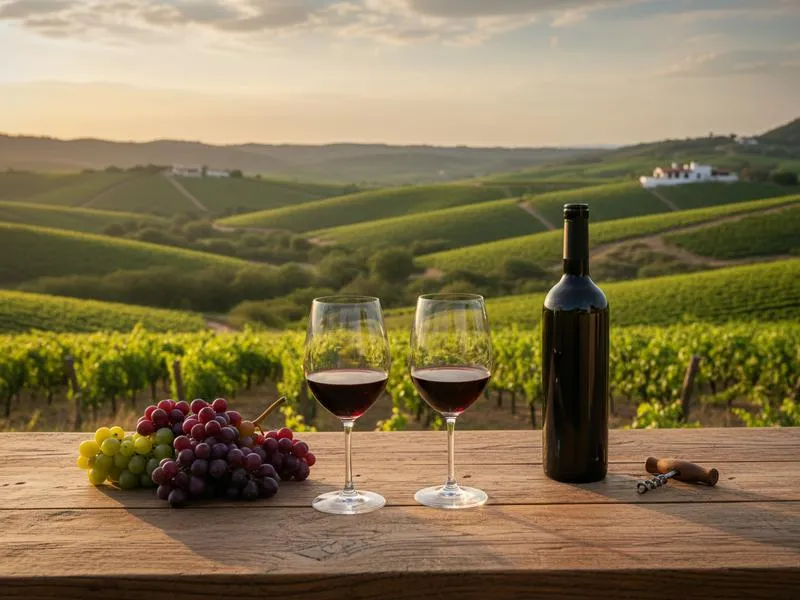
Valle de Guadalupe Vendimia in 30 Seconds
| Question | Practical answer |
|---|---|
| Main season | Late July and August, with some events before or after depending on the year |
| Best trip length | 2-3 nights |
| Best base | Valle de Guadalupe for atmosphere, Ensenada for value and seafood |
| Biggest mistake | Driving yourself between tastings after drinking |
| Best booking window | 2-4 months ahead for hotels, earlier for peak weekends |
| Typical tasting cost | $15-40 USD per person, about $255-680 MXN |
| Special dinner/event cost | $60-180 USD per person, about $1,020-3,060 MXN |
| Best traveler fit | Couples, food travelers, repeat Mexico travelers, San Diego/Tijuana weekenders |
Vendimia is not one single festival day. It is a season of dinners, winery events, grape-harvest celebrations, tastings, concerts, and chef collaborations. Some travelers come for one headline event. Others use the season as a reason to book a normal wine weekend when the valley feels more alive.
For 2026, the official ProVino Baja California Vendimias calendar names two public anchor events: the XXXVI Muestra del Vino on Friday, August 7 and the season-closing XXXVI Concurso de Paellas on Sunday, August 23 at Viña de Liceaga. As of the August 9 calendar check, the Muestra has passed and the Paellas event is the remaining headline date. Confirm ticket availability on the official page, then check individual wineries for smaller dinners and harvest events. Baja California’s tourism board also keeps destination pages for Ensenada, which is useful when you are deciding whether to sleep in the city or in the valley.
When Vendimia Season Happens
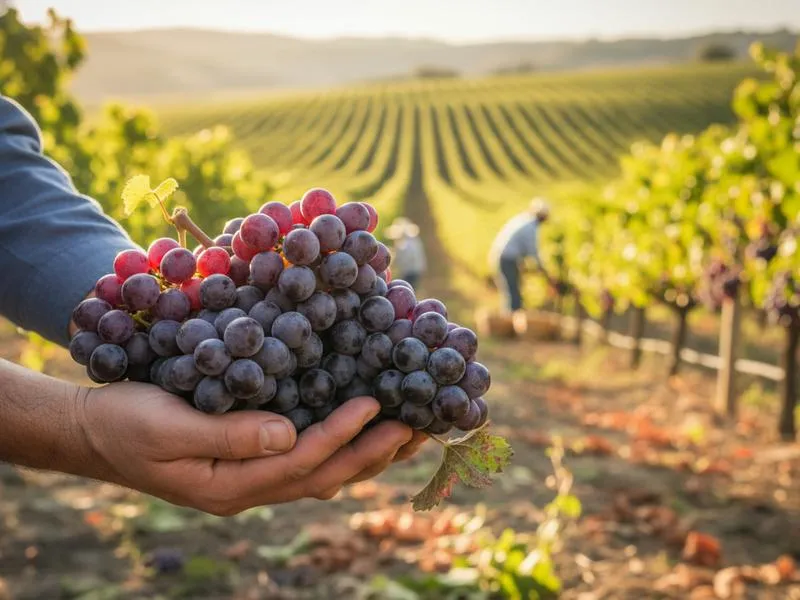
Valle de Guadalupe vendimia usually builds from late July into August. The harvest timing depends on weather, grape variety, winery decisions, and event programming, so do not build a trip around an assumed date from an old blog post. Use the season as your window, then check the current year’s official calendar.
The sweet spot for most visitors is the first half of August. You get strong harvest-season energy, more event options, and a better chance that restaurants and wineries are running special menus. Late August can also work well, but some visitors find the biggest dates and rooms already gone by then.
Weather matters. August in Valle de Guadalupe is dry, sunny, and warm. Daytime temperatures can push into the 80s or 90s Fahrenheit, about 27-35°C, especially away from the coast. Evenings cool down enough for outdoor dinners, which is why so many vendimia events are built around sunset and nighttime meals.
This is not rainy-season Mexico in the same way as Oaxaca, Chiapas, or the Yucatán. Baja’s wine country is dry country. If you are comparing August options across the country, read Mexico in summer and Mexico rainy season, then notice how different Baja is from the Caribbean.
Where to Stay During Vendimia
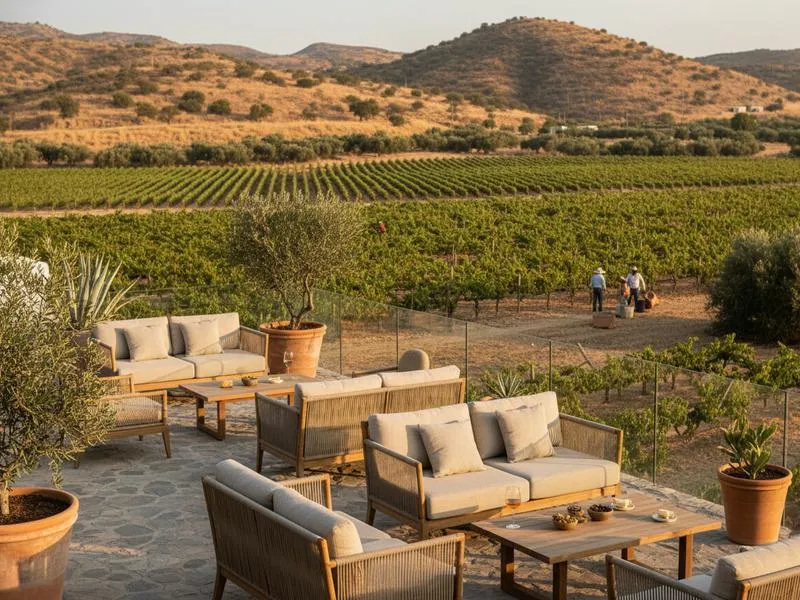
There are two sensible bases for vendimia: inside Valle de Guadalupe or in Ensenada.
Stay in Valle de Guadalupe if you want the wine-country feeling from morning to night. You wake up near the vineyards, keep drives short, and can make a long dinner feel like the center of the trip. The tradeoff is price. Harvest-season rooms often climb fast, and many of the best small properties have limited inventory.
Stay in Ensenada if you care more about value, seafood, and transport flexibility. Ensenada has more hotel supply, more casual restaurants, and a real city rhythm. You will spend more time driving to and from the valley, but you can also add fish tacos, ceviche, craft beer, and the malecón to the trip.
For a dedicated lodging breakdown, use where to stay in Valle de Guadalupe during vendimia. If you already know you want a wine-country property, compare it with our broader best hotels in Valle de Guadalupe guide.
Budget ranges for vendimia weekends:
| Stay style | Typical nightly range | Best for |
|---|---|---|
| Ensenada simple hotel | $70-130 USD / $1,190-2,210 MXN | Value, seafood, one wine day |
| Ensenada nicer hotel | $130-240 USD / $2,210-4,080 MXN | Couples who want city comfort |
| Valle boutique hotel | $180-400 USD / $3,060-6,800 MXN | Wine-country atmosphere |
| Design villa or suite | $350-700+ USD / $5,950-11,900+ MXN | Special occasions, groups |
Use a flexible booking if you are locking in rooms before event tickets go live. Harvest calendars can shift, and a room that looks perfect may not match the final event you choose.
How to Plan Tastings Without Overdoing It
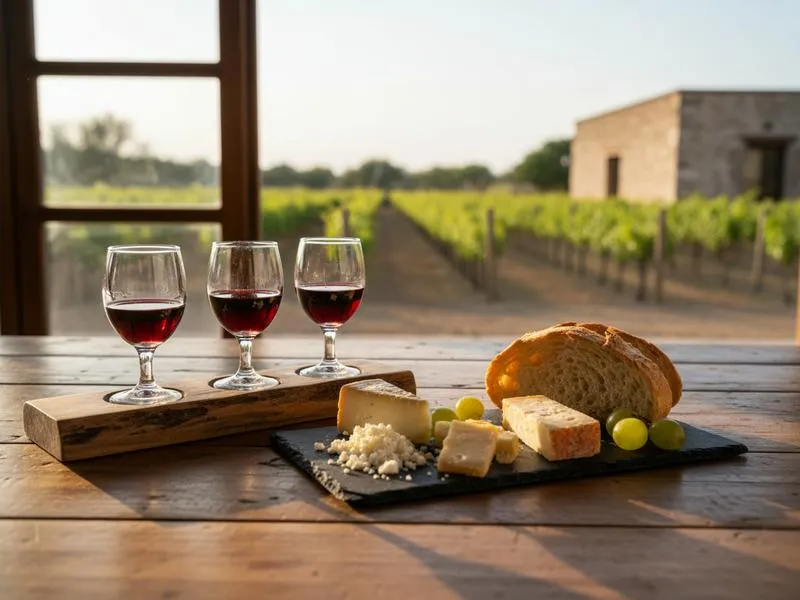
The common first-time mistake is scheduling too many wineries. Valle de Guadalupe rewards restraint. Roads take time, tastings run longer than expected, and the best meals are not quick. If you are not on a guided tour, aim for two or three wineries in a day, then one proper lunch or dinner.
A smart tasting day might look like this:
| Time | Plan |
|---|---|
| 10:30 AM | Leave Ensenada or your valley hotel |
| 11:00 AM | First tasting at a larger, organized winery |
| 12:45 PM | Second tasting at a smaller producer |
| 2:30 PM | Long lunch at a winery restaurant |
| 5:30 PM | Rest, sunset stop, or hotel break |
| 7:30 PM | Ticketed vendimia dinner or casual Ensenada seafood |
That may look light on paper. In practice, it feels full because each stop includes roads, conversation, photos, heat, and food. A rushed route turns the valley into a checklist. A slower route lets you understand what Baja wine actually tastes like: saline whites, structured reds, experimental blends, and food that borrows from the coast, ranches, and the border.
For a complete route, use Valle de Guadalupe wine route itinerary. If you are coming from the United States or Tijuana, read how to get to Valle de Guadalupe before booking anything nonrefundable.
Transportation and Safety
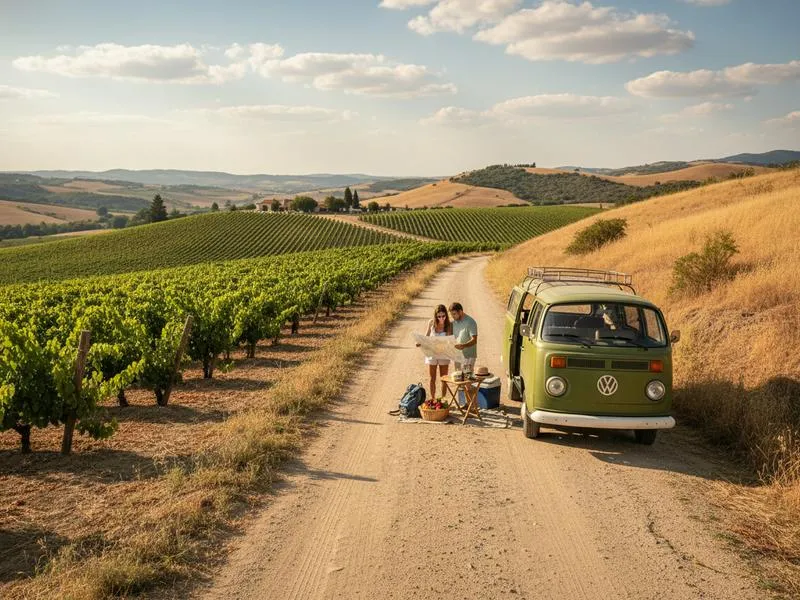
Valle de Guadalupe is not a walkable wine region. Wineries sit along rural roads, ride-hailing can be unreliable, and cell signal can dip. If you plan to drink, arrange transportation before the day starts.
Best options:
- Private driver: most flexible, usually best for couples or small groups.
- Wine tour from Ensenada or Tijuana: easiest if you do not want to manage timing.
- Designated driver: only works if one person is fully committed to not drinking.
- Rental car plus hired local driver: useful if you are doing a wider Baja route.
If you need a rental for the broader route, compare options through Rentcars, but do not use the rental as an excuse to drive between tastings. For guided tasting days, compare Valle de Guadalupe wine tours on Viator and read recent reviews carefully.
Border travelers should also plan the return. Sunday northbound waits at San Ysidro or Otay Mesa can be long. If you can return Monday morning, the trip often feels much calmer.
A Practical 3-Day Vendimia Itinerary
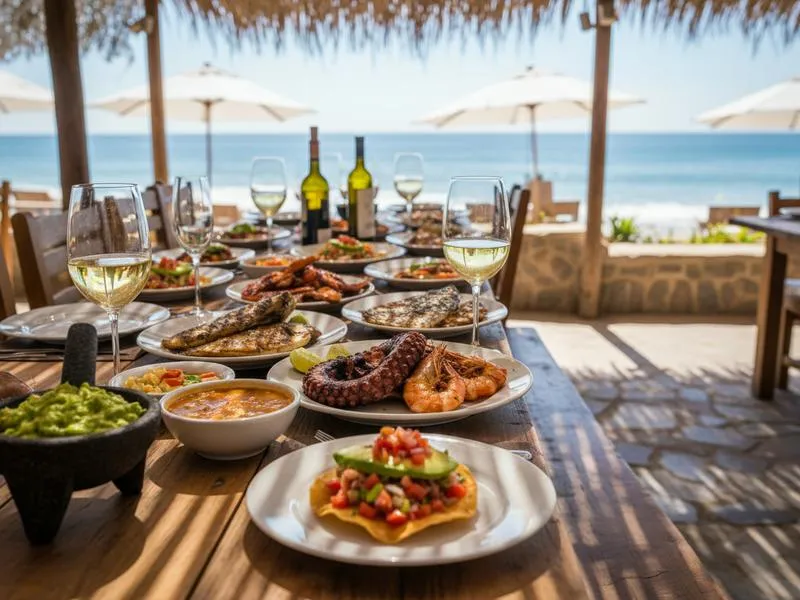
Day 1: Arrive, eat in Ensenada, keep it easy. If you are coming from San Diego, Tijuana, or Mexicali, avoid stacking a major wine dinner onto arrival day. Check in, eat seafood, walk the waterfront, and save your serious palate for the next day. Ensenada’s official Baja tourism page is a useful starting point for city context, and our Ensenada guide covers the traveler side.
Day 2: Wine route plus one major vendimia event. Start with one structured tasting, move to a smaller winery, then settle into lunch. Rest before the evening. If you have a ticketed dinner, do not add a third heavy stop unless the event starts late and your driver is secured.
Day 3: Slow morning, one final stop, return. A relaxed breakfast, one winery shop, or a coastal stop near Ensenada is enough. If you are crossing into the United States, check border conditions before leaving. If you are continuing south, consider adding San Quintin or another Baja stop rather than rushing all the way back north.
Optional Day 4: Add Rosarito, Tijuana food, or more time in Ensenada. The nearby Rosarito guide works well if you want a beach night before crossing back.
What Vendimia Costs
Use these as planning ranges, not promises. Prices change by weekend, winery, and room type.
| Item | Budget range |
|---|---|
| Basic tasting | $15-25 USD / $255-425 MXN |
| Premium tasting | $30-60 USD / $510-1,020 MXN |
| Winery lunch | $35-90 USD / $595-1,530 MXN per person |
| Vendimia dinner/event | $60-180 USD / $1,020-3,060 MXN per person |
| Private driver day | $180-350 USD / $3,060-5,950 MXN per group |
| Wine tour seat | $80-160 USD / $1,360-2,720 MXN per person |
| Ensenada hotel night | $70-240 USD / $1,190-4,080 MXN |
| Valle hotel night | $180-700+ USD / $3,060-11,900+ MXN |
A couple doing two nights in Ensenada, one guided wine day, and one nice dinner can keep the trip near $450-700 USD / $7,650-11,900 MXN, excluding flights. A couple staying inside the valley with a special dinner and private driver can easily spend $900-1,600 USD / $15,300-27,200 MXN.
If that sounds high, visit outside the biggest event weekend. You still get wine country, but rooms soften and restaurant reservations become easier.
Who Should Go and Who Should Skip It
Vendimia is right for travelers who like slow meals, wine talk, dry heat, and regional food. It is especially good for repeat Mexico travelers who already know the beach-and-city circuit and want a different side of the country.
It is less ideal for travelers who want cheap spontaneity. August weekends can be expensive. Small hotels sell out. Some wineries require reservations. Roads can feel confusing after dark. If your style is to arrive with no plan and decide everything at noon, choose a normal shoulder-season weekend instead.
It is also not the best family trip unless your children are comfortable with long meals and slow adult-focused days. Baja has family options, but vendimia itself is built around wine, dinners, and late events.
Best traveler types for vendimia
Couples get the easiest win from vendimia because the whole structure of the season fits a two-person trip: one good room, one driver, one long dinner, and a route that does not need to please a large group. If you are planning an anniversary, birthday, engagement trip, or “we need a weekend that feels different” escape, the valley delivers more atmosphere than most short Mexico trips from the border.
Food travelers also do very well here. Valle de Guadalupe is not only about wine. The best meals pull from Baja’s coast, ranch culture, olive oil producers, garden vegetables, and the region’s border creativity. You can taste oysters, grilled fish, lamb, quail, handmade bread, local cheese, olive oil, and seasonal produce across one weekend. That makes vendimia useful even if you are more food-focused than wine-focused.
Repeat Mexico travelers are another strong fit. If you already know Mexico City, Oaxaca, Puerto Vallarta, or the Riviera Maya, Baja wine country feels like a different chapter. The landscapes are drier, the distances are more spread out, and the food has a northern Pacific identity that does not feel interchangeable with the rest of the country.
Who should pick a different date
Choose a non-vendimia weekend if you want lower prices, easier hotel choice, and more control over winery reservations. September, October, spring weekends, and many winter dates can be calmer. You may miss the harvest energy, but you gain space and often better value.
Choose a different region if your dream Mexico trip is built around beaches, late nightlife, or a family resort. Valle de Guadalupe is not a resort corridor. It is rural wine country with uneven roads, serious restaurants, design hotels, simple ranch-style stays, and a pace that rewards adults who want to linger.
Also choose a different date if heat bothers you. August is part of the appeal because harvest season is active, but midday can feel strong. The best workaround is to plan tastings around shade, lunch, hydration, and evening events. If you want crisp daytime walking weather, come later in the year.
What to book first
Book in this order: event, hotel, driver, restaurants, tastings. If you reverse that order, you may lock yourself into a hotel on the wrong side of the valley or a dinner time that conflicts with the event you actually wanted.
The event comes first because it controls the shape of the weekend. A dinner that starts late in the valley points you toward a valley hotel or a guaranteed driver. A daytime tasting event lets you sleep in Ensenada more comfortably. A concert-style event may make a private driver more important than a standard tour.
The hotel comes second because inventory is limited. Valley rooms can disappear quickly, and Ensenada’s better-value properties tighten on the strongest weekends. If you are uncertain, pay for a flexible rate rather than gambling on late availability.
The driver comes third because transport providers also book up. You do not need the most luxurious car, but you do need a clear pickup point, waiting-time agreement, and return plan. Ask for the price in writing and confirm whether extra hours are billed by the hour or as a full extension.
Restaurants and tastings come after that. They matter, but they are easier to adjust than a sold-out hotel or unavailable driver.
How to think about wine if you are not an expert
You do not need deep wine knowledge to enjoy vendimia. In fact, the best approach is curiosity rather than performance. Ask what the winery grows, which bottles are best with seafood, which reds are designed for grilled meat, and which wines show the valley’s dry climate most clearly.
Baja wines can surprise travelers who expect only big reds. You may find crisp whites, rosés, orange wines, tempranillo blends, nebbiolo, grenache, carignan, sauvignon blanc, chenin blanc, and experimental blends that do not fit a simple old-world category. That variety is part of the fun.
If you plan to buy bottles, think about transport before you start shopping. U.S.-bound travelers should check current customs allowance rules. Domestic travelers should protect bottles from heat and avoid leaving wine in a parked car during the day. In August, that matters.
How vendimia compares with other August Mexico trips
Compared with the Caribbean, Baja gives you less humidity, no sargassum problem, and a more food-and-wine-focused trip. You give up easy beach swimming and resort simplicity.
Compared with Oaxaca in July or August, Valle de Guadalupe is less festival-heavy in the cultural sense and more culinary. Oaxaca gives you markets, Guelaguetza energy, mezcal, and rain-cooled evenings. Valle gives you dry hills, wine dinners, seafood, and borderland ease.
Compared with Mexico City in August, the valley is more expensive and less flexible, but more distinctive for a short special-occasion trip. Mexico City is easier if you want museums, neighborhoods, and a broader food scene without renting a car or hiring a driver.
The reason vendimia earns its place is timing. Many places in Mexico are simply available in August. Valle de Guadalupe has a true seasonal hook.
A realistic packing list
Pack for dry heat, dust, and long meals. Light shirts, linen, breathable dresses, comfortable trousers, and flat shoes work better than heavy resort clothes. The valley can look polished at dinner, but many places still have gravel, dirt paths, and uneven parking areas. Choose shoes you can actually walk in.
Bring a hat and sunglasses for daytime tastings. Add sunscreen, lip balm, and a refillable water bottle. August sun is not a minor detail here. It can make the difference between a pleasant tasting route and an afternoon where everyone fades before dinner.
For evenings, bring a light layer. Temperatures can drop after sunset, especially if you are sitting outside for a long dinner. It is not cold in the way central Mexico can be cold, but a shirt or light jacket helps.
If you plan to buy wine, bring a way to protect bottles from heat and movement. Do not leave bottles in a hot parked car while you continue tasting. If crossing into the United States, check current customs rules before the trip and keep receipts organized.
Responsible wine travel
The valley depends on trust between visitors, wineries, drivers, and local communities. That means reservations matter. If you cannot make a tasting, cancel. If you are late, message or call. Small tasting rooms often plan staffing around the day’s reservations.
Tip fairly when service is good, especially for drivers and tasting-room staff who handle busy vendimia weekends. A private driver who waits through lunch, adjusts timing, and gets you back safely is not just transportation. That person is carrying a lot of the day’s risk.
Respect rural roads and private property. Do not stop in vineyard rows unless the winery clearly allows it. Do not wander into production areas for photos. Harvest season is working season, and many beautiful scenes are also someone else’s job site.
How to use this cluster
If you are starting from zero, read this hub first, then decide your base with where to stay in Valle de Guadalupe vendimia. Once the room is handled, use how to get to Valle de Guadalupe to solve the route and border details.
After that, build your tasting day with Valle de Guadalupe wine route itinerary. If your trip is event-led, read Fiestas de la Vendimia Ensenada before buying tickets.
The older evergreen pages still matter. The best wineries in Valle de Guadalupe page helps with producer choice, while the best hotels in Valle de Guadalupe page gives more property-level context. This vendimia hub sits above those pages as the seasonal planning layer.
Quick decision guide
Choose Ensenada plus one guided wine day if you want the easiest first trip.
Choose a valley hotel plus one ticketed dinner if the weekend is romantic or celebratory.
Choose a private driver if you care about flexibility.
Choose a group tour if you care about simplicity and lower per-person transport cost.
Choose a non-vendimia weekend if you want the wine country experience at a lower price.
Choose August if the seasonal energy is the reason you are going.
One final planning note: do not judge the trip only by the event poster. The strongest vendimia weekend often comes from the supporting choices: the room that makes rest easy, the driver who keeps timing calm, the lunch that gives the day a center, and the decision to stop at two tastings instead of four. Baja wine country is not hard to enjoy, but it is easy to overpack. Leave space for the valley to do its work, and keep one unscheduled hour each day for the good surprises.
Final Thoughts
Valle de Guadalupe vendimia is one of Mexico’s strongest seasonal travel ideas for August because it gives you a clear reason to go now. You are not just visiting wineries; you are catching the valley during the moment that defines its calendar.
The right plan is simple: choose the weekend, book the room, secure transport, pick one major event, and keep the rest of the itinerary loose. Do that, and vendimia becomes what it should be: Baja wine, coastal food, dry summer evenings, and a trip that feels specific to place and season.