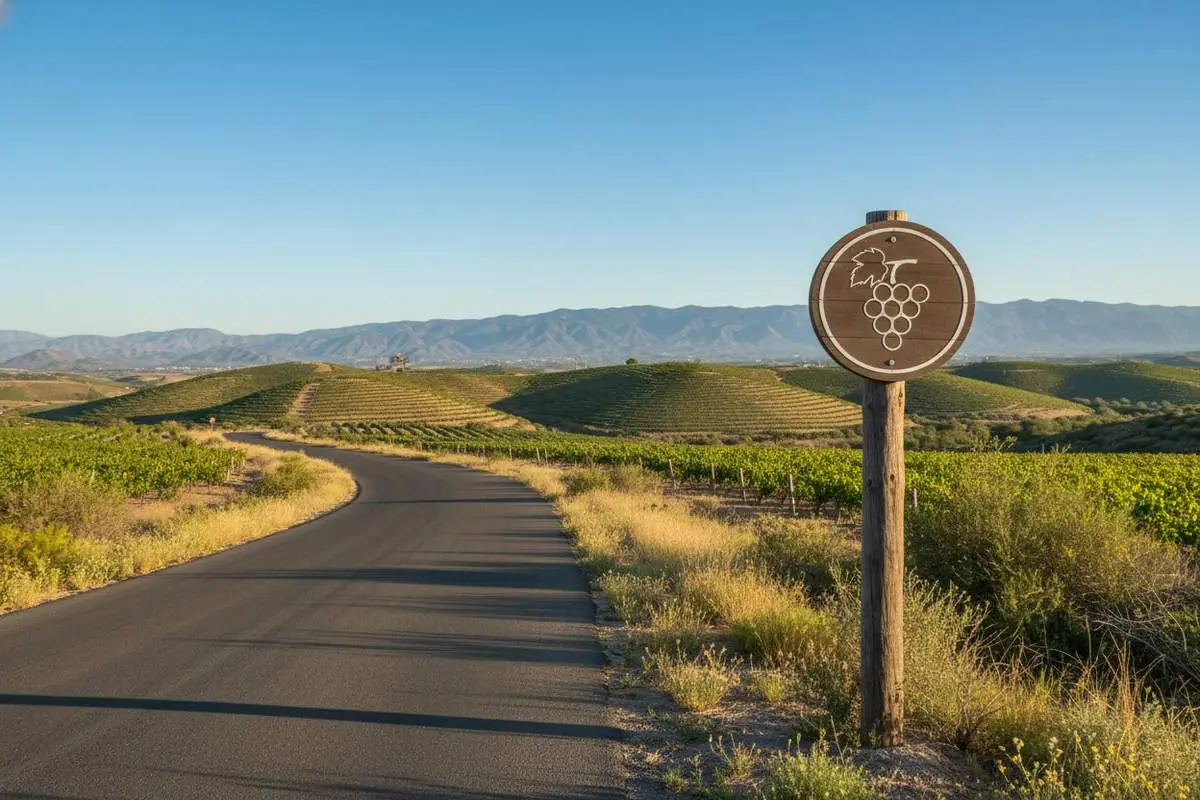
How to Get to Valle de Guadalupe
The Practical Answer
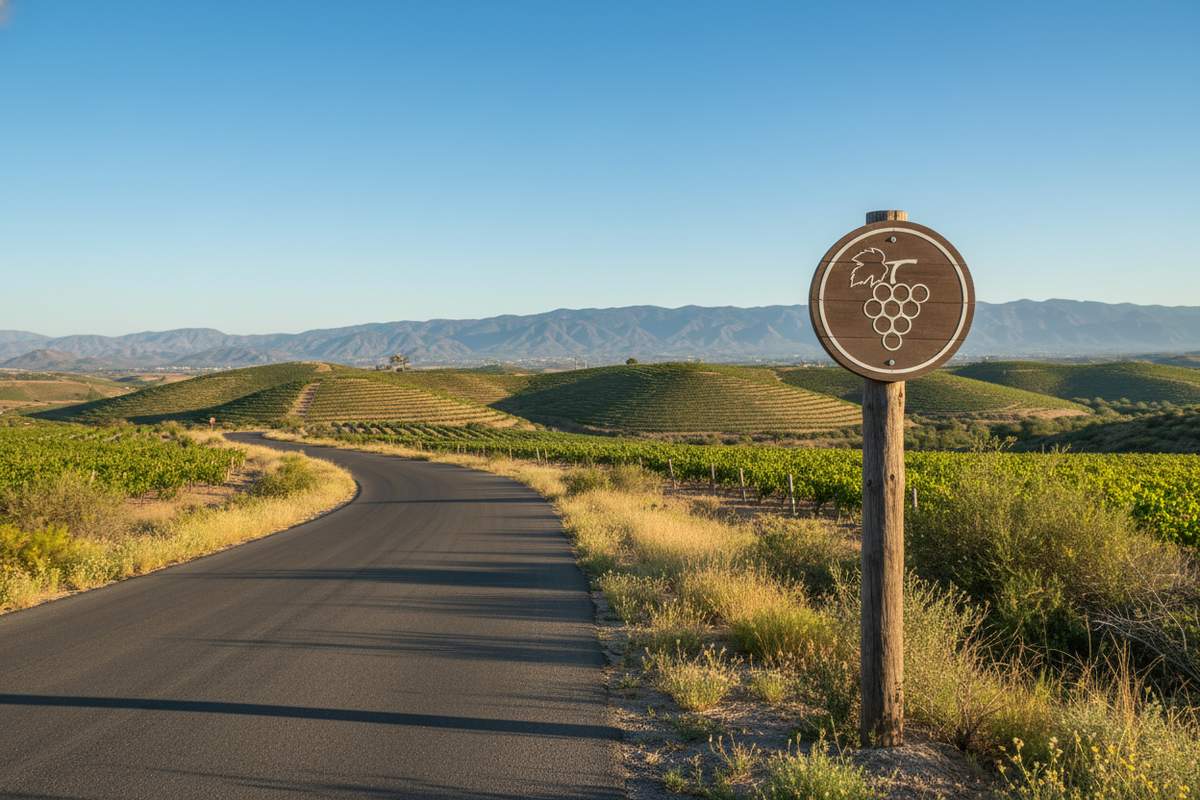
The easiest way to get to Valle de Guadalupe is by car or private transfer from Ensenada, Tijuana, or San Diego. Public transportation can get you to Ensenada, but it does not solve the wine route itself. Once you are in the valley, wineries are spread out and you need a driver if you plan to drink.
This guide supports the main Valle de Guadalupe vendimia guide. If you are planning the actual tasting day, pair it with the Valle de Guadalupe wine route itinerary.
From San Diego
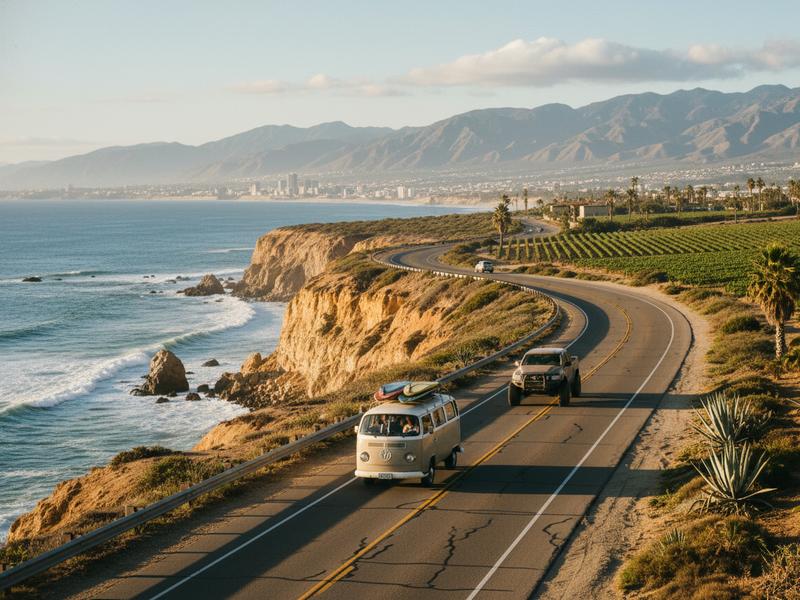
From San Diego, drive south to the border, cross at San Ysidro or Otay Mesa, continue through Tijuana, then head toward Ensenada and inland to Valle de Guadalupe. Without delays, the drive can be around 2.5 hours. With border waits, weekend traffic, and stops, plan closer to 3-4 hours.
If you drive your own car, buy Mexican auto insurance before crossing. Also check your phone plan, toll-road payment options, and border wait times. Sunday return traffic can be heavy, especially after a summer weekend.
For official U.S. destination context, San Diego Tourism’s Valle de Guadalupe page is a useful cross-border overview. For Mexican destination context, use Baja California Travel’s Ensenada page.
From Tijuana or CBX
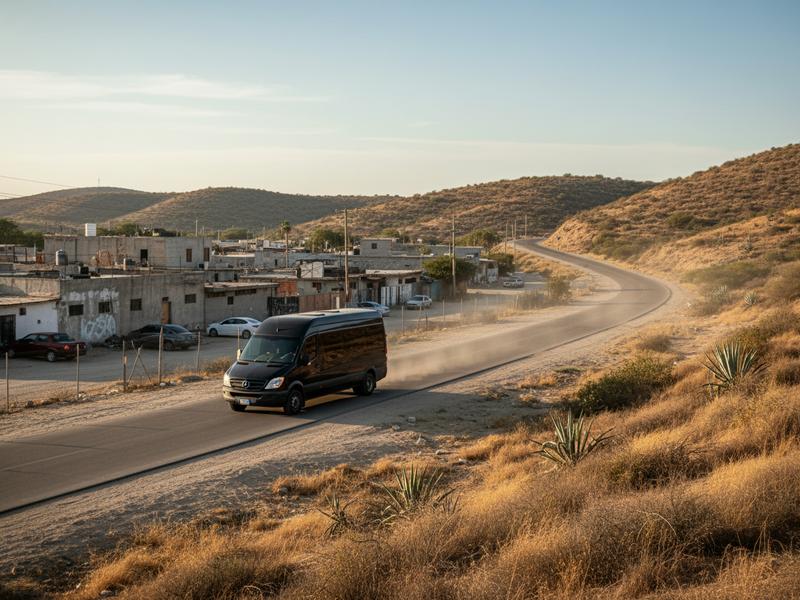
Tijuana is the closest major gateway. If you fly into TIJ or use CBX from the U.S. side, you can hire a transfer, rent a car, or join a tour. This is often easier than flying to San Diego if your trip starts elsewhere in Mexico.
The drive from Tijuana to Valle de Guadalupe is usually around 1.5-2.5 hours depending on route and traffic. If you arrive late, consider sleeping in Tijuana or Ensenada instead of driving rural roads tired.
If renting a car, compare options through Rentcars and confirm cross-border or local insurance details before paying.
From Ensenada
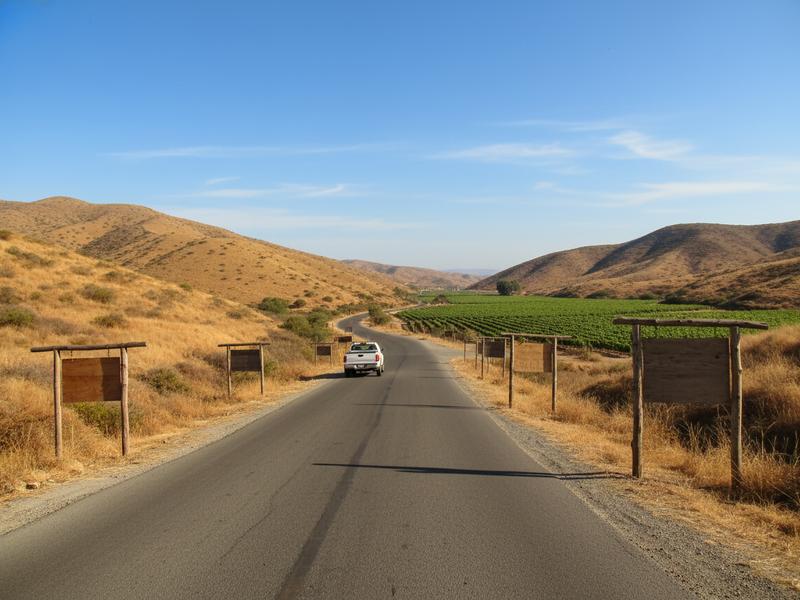
Ensenada is the easiest practical base. The drive to many wineries is roughly 35-60 minutes, depending on your hotel and stops. This makes Ensenada a smart choice for first-timers, especially during Fiestas de la Vendimia.
Stay in Ensenada if you want lower hotel costs, seafood, and more transport options. Stay in the valley if you want the landscape and shorter evening drives. The lodging tradeoff is covered in where to stay in Valle de Guadalupe vendimia.
From Los Angeles
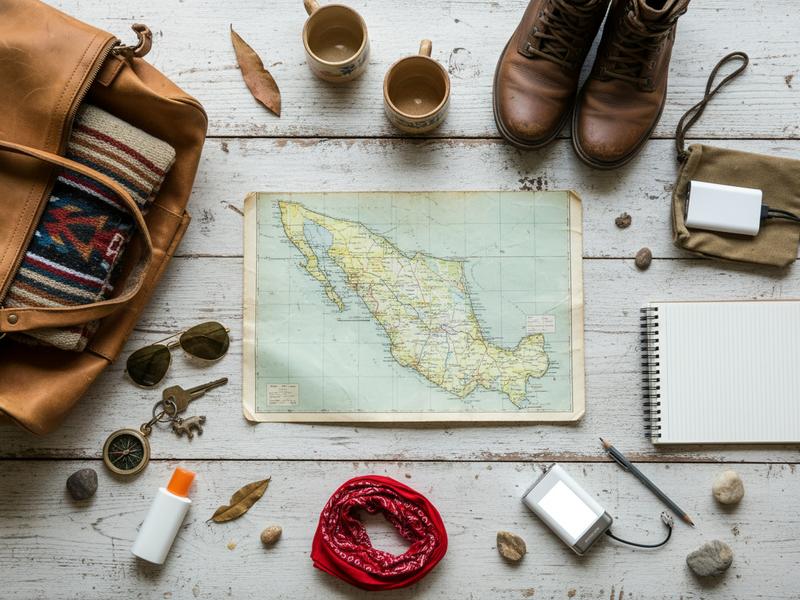
From Los Angeles, Valle de Guadalupe is a long drive. Expect 5-7+ hours depending on traffic and border waits. It can work for a three-night weekend, but it is too much for a relaxed overnight unless you are used to cross-border driving.
A better plan is to split the route: Los Angeles to San Diego or Tijuana, then continue to Ensenada or the valley the next day. If you want beach time on the way, Rosarito can be a useful stop.
Tour vs Self-Drive
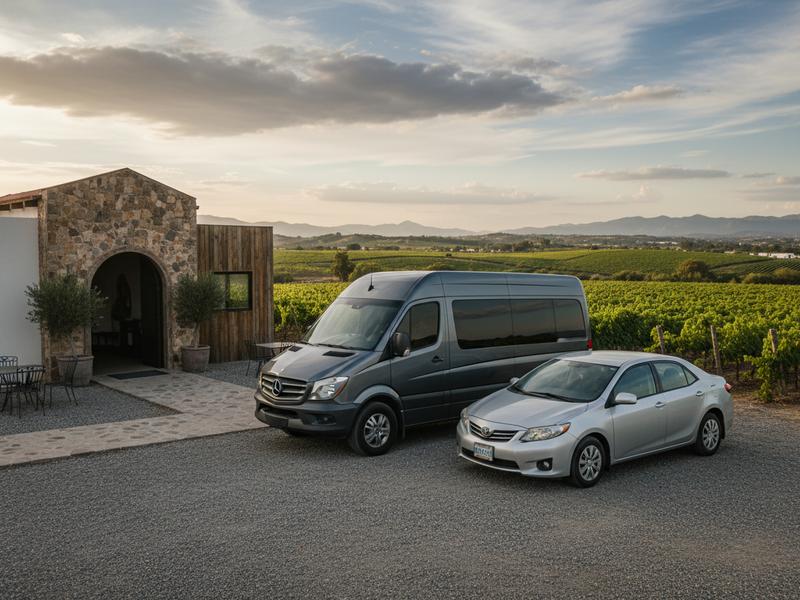
Choose a tour if you want the easiest wine day. You pay more, but you avoid route planning, tasting timing, and drinking-and-driving risk. Compare Valle de Guadalupe wine tours on Viator and read pickup details closely.
Choose self-drive if Valle is part of a wider Baja trip. You can visit Ensenada, Rosarito, Tecate, or farther south at your own pace. Just hire a local driver for the tasting day if everyone wants to drink.
Budget guide:
| Option | Typical cost |
|---|---|
| Rental car day | $35-90 USD / $595-1,530 MXN before insurance |
| Mexican auto insurance | $15-40 USD / $255-680 MXN per day |
| Group wine tour | $80-160 USD / $1,360-2,720 MXN per person |
| Private driver | $180-350 USD / $3,060-5,950 MXN per group |
| Private transfer from Tijuana | Often $150-300+ USD / $2,550-5,100+ MXN |
Safety and Border Tips
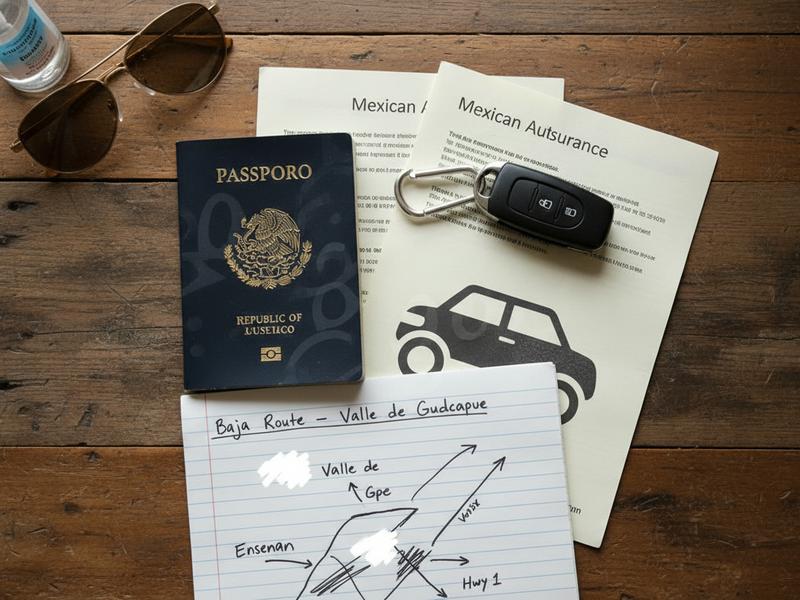
Bring a valid passport. If you are driving, carry registration, Mexican insurance, and a driver’s license. Use toll roads when sensible, avoid driving rural roads tired, and do not drink and drive.
For border returns, check wait times before leaving Ensenada or the valley. Sunday afternoon and evening can be slow. If your schedule allows, return Monday morning or cross outside peak hours.
If you are worried about logistics, make Ensenada your base and book a guided wine day. That solves most problems at once.
Documents and insurance checklist
Bring your passport, driver’s license, vehicle registration if driving, proof of Mexican auto insurance, hotel confirmation, and reservation details. Keep digital and offline copies. Cell signal is usually fine in cities but can be uneven in parts of the valley.
If you are renting a car in Mexico, confirm what insurance is included and what deposit is required. If you are driving a U.S. car into Mexico, buy Mexican liability insurance before crossing. Do not assume your regular U.S. policy handles the legal requirement.
If you plan to buy wine and return to the United States, check current customs allowance rules before the trip. Do not rely on old advice from forums. Rules and enforcement details can change, and travelers should confirm the current limit for alcohol and any duty owed.
Best route for first-timers
The easiest first-timer route is San Diego or Tijuana to Ensenada, sleep in Ensenada, then visit Valle de Guadalupe the next day with a driver. That separates the border drive from the wine day, which makes the whole trip calmer.
If you arrive in Tijuana by air, consider a transfer straight to Ensenada if you land during the day. If you land late, sleep near the airport or in Tijuana and continue in daylight. The goal is not fear; it is avoiding tired rural driving when you do not know the roads yet.
If you are already in Ensenada, the valley becomes much easier. You can leave after breakfast, taste during the day, return before dinner, or stay for an evening event with a prearranged driver.
When a guided tour is worth it
A guided tour is worth it when nobody in your group wants to be the sober driver, when you only have one day, or when you are visiting during vendimia and do not want to manage reservations.
It is also worth it for travelers who are nervous about driving in Mexico. The route is common, but peace of mind has value. A good tour lets you focus on the valley rather than signs, parking, and timing.
The downside is flexibility. Tours may choose wineries you would not pick yourself, and group pacing may feel slower or faster than you prefer. Read the itinerary and pickup details before booking.
When self-driving is worth it
Self-driving is worth it when Valle de Guadalupe is part of a broader Baja itinerary. If you want Rosarito, Ensenada, Tecate, San Quintin, or a longer northern Baja route, a car gives you control.
Self-driving is also useful if one person genuinely does not drink. That person should still be comfortable with rural roads, parking, and night driving if dinner runs late. Do not make someone the designated driver as an afterthought after they expected to taste.
If everyone wants to drink, self-drive to the hotel and then hire a local driver for the tasting day. That hybrid setup is often the best balance of freedom and safety.
Timing the return
The return is where many trips go wrong. Travelers plan the drive south with energy, then forget that Sunday afternoon border waits can be long. Check wait times before leaving the valley, not after you are already committed to the road.
If you can return Monday morning, do it. If you must return Sunday, leave earlier than feels natural or plan a relaxed dinner on the U.S. side instead of making tight evening commitments.
For Mexico-based travelers flying from Tijuana, give yourself more buffer than a normal domestic airport transfer. Wine weekends, road traffic, and border-area congestion can all add time.
Simple route recommendation
For most readers, I would use this order: arrive in Ensenada, sleep, visit the valley with a driver, sleep again, then return. That rhythm keeps the wine day separate from the longest drive and makes the trip feel less fragile.
If you have only one night, make the logistics boring on purpose. Choose Ensenada, book one guided tasting day, and skip late events. Valle de Guadalupe is much more enjoyable when the route is not held together by hope and tight timing.
Final Thoughts
Getting to Valle de Guadalupe is not difficult, but it punishes vague planning. Decide whether you are doing a road trip, a transfer, or a tour before you book tastings.
For most first-timers, the easiest setup is Ensenada for two nights, a hired driver for the wine day, and a relaxed return. For a romantic vendimia trip, stay in the valley and keep drives short. Either way, solve transportation before the first glass of wine.