Where to Stay for Mexico Grand Prix 2026
Best Areas for Mexico Grand Prix 2026
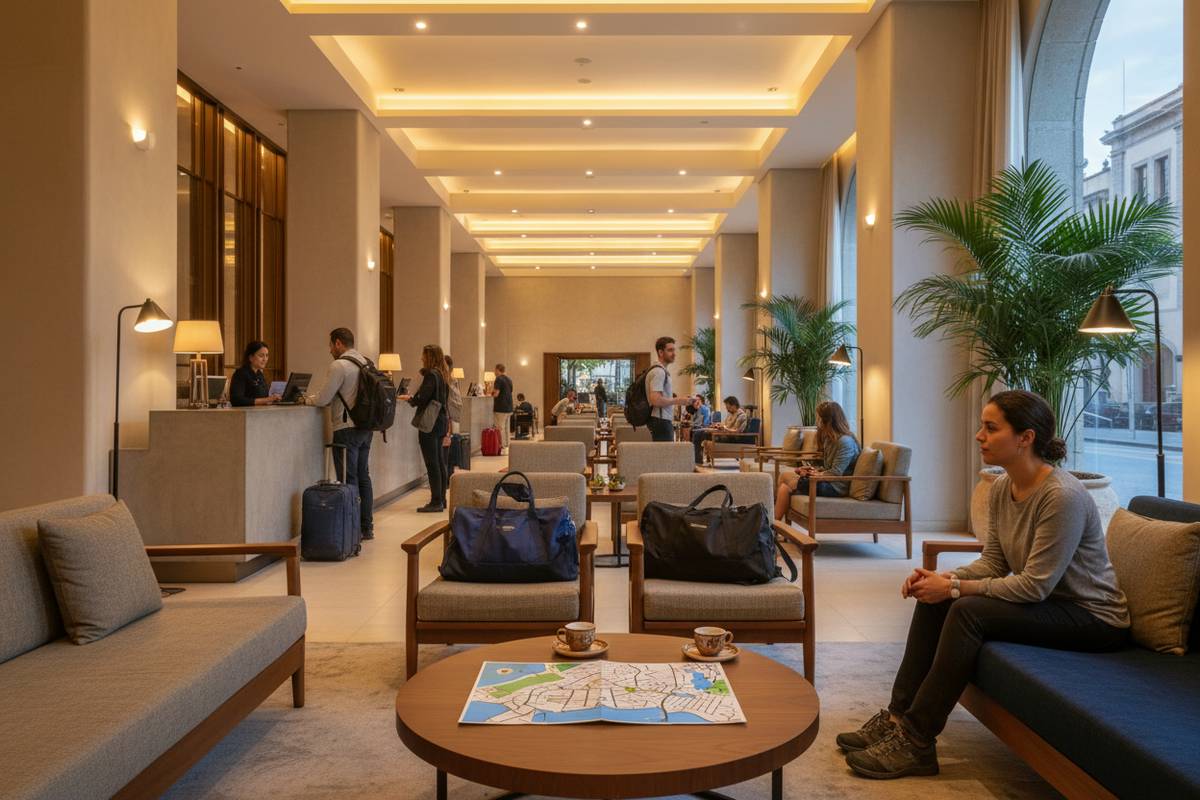
The best answer to where to stay for Mexico Grand Prix 2026 is Roma Norte, Condesa, Juárez, or Reforma for most visitors. These central areas provide restaurants, museums, nightlife, established hotels, and reasonable access toward Autódromo Hermanos Rodríguez. Stay near the airport or circuit only when track convenience matters more than the rest of Mexico City.
Race weekend runs October 30 through November 1 and overlaps Día de Muertos. Hotel demand is therefore wider than Formula 1 alone. A property may sell its cheapest rooms months early, and a low map distance can hide a difficult route across traffic or multiple transit changes.
Use the official Mexico GP site to confirm your ticket zone and access instructions before locking a nonrefundable room. The organizer’s own August 2026 lodging article recommends central visitor areas including Roma, Condesa, Polanco, Centro, Reforma, and Coyoacán, but each creates a different race-day trip.
| Area | Best for | Typical race-week double | Track strategy | Main tradeoff |
|---|---|---|---|---|
| Roma Norte | First visits, food, nightlife | MXN 2,800–5,500 ($156–$306) | Reach Line 9 by short connection | Event noise and high demand |
| Condesa | Parks, couples, calmer evenings | MXN 2,800–5,500 ($156–$306) | Line 9 from Chilpancingo area | Popular and expensive |
| Juárez/Reforma | Large hotels, transit, sightseeing | MXN 2,500–5,800 ($139–$322) | Metro or road connection east | Businesslike blocks vary |
| Centro Histórico | Value, culture, ofrendas | MXN 1,800–4,200 ($100–$233) | Metro connection toward Line 9 | Crowds, noise, block selection |
| Polanco | Luxury, dining, premium hotels | MXN 4,500–10,000+ ($250–$556+) | Rideshare or Metro transfers | Long race commute |
| Airport/circuit area | Short track-first trip | MXN 1,600–4,000 ($89–$222) | Walk, shuttle, or short ride | Weak tourist evenings |
Prices are planning ranges, not quotes, and use MXN 18 to $1 USD. Compare the final total including VAT, city taxes, breakfast, and cancellation terms.
Roma Norte and Condesa: Best Overall
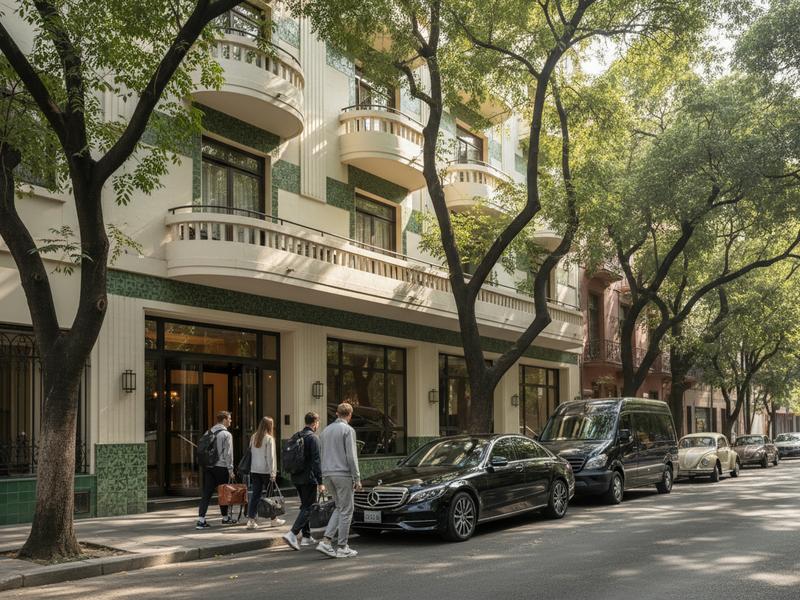
Roma Norte and Condesa are the safest recommendations for a first trip because they work before and after the circuit. You can walk to breakfast, return to dozens of dinner options, and use parks or cafés on a recovery morning. The neighborhoods also have everything from hostels and apartment-style stays to design hotels.
For the race, a hotel toward the southern or eastern side of Condesa can be useful for Metro Chilpancingo on Line 9. Properties in northern Roma may require a short rideshare, Metrobús, or another Metro connection. Do not call the entire neighborhood “next to the Metro”; measure the door-to-platform walk.
Expect solid midrange doubles around MXN 2,800–5,500 ($156–$306 USD) during the combined race and holiday period. Hostels or simple guesthouses may start near MXN 900–1,800 ($50–$100 USD) per private room, while sought-after boutiques can exceed MXN 7,000 ($389 USD).
Who should choose Roma?
Pick Roma Norte if restaurants, cocktail bars, coffee, and an active street atmosphere matter. It is the better choice for a group that wants to celebrate after qualifying. Ask for an interior room if sleep matters, because bars and street activity can continue late.
Who should choose Condesa?
Choose Condesa for parks, morning walks, and a slightly calmer residential rhythm. Staying near Avenida Insurgentes or the Chilpancingo side simplifies transport. A beautiful room deep on the western edge may add 20 minutes to every circuit morning.
Our Mexico City neighborhoods guide compares both areas with Polanco, Centro, and Coyoacán outside the race context.
Juárez, Reforma, and Centro: Practical Alternatives
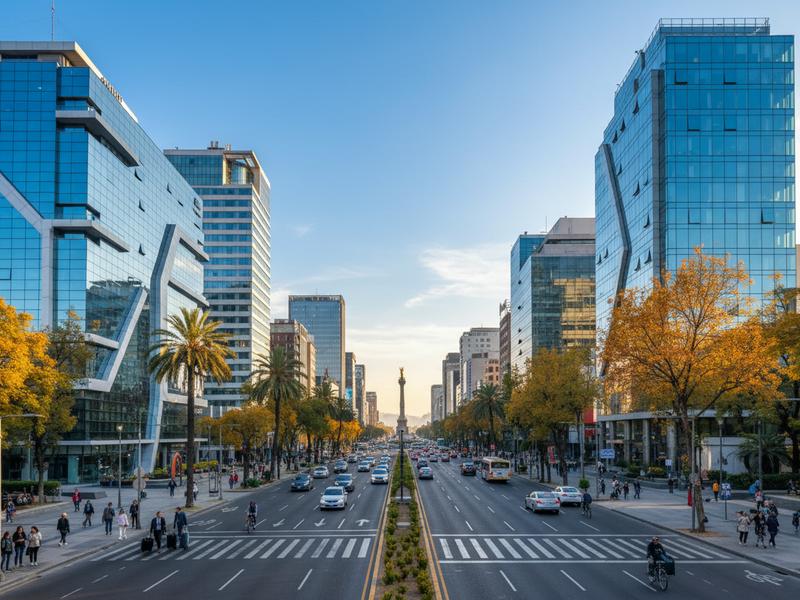
Juárez and Reforma work well for travelers who prefer large hotels, 24-hour reception, elevators, breakfast, luggage storage, and bilingual service. The area places Chapultepec, Centro, Roma, and major museums within manageable reach. It is less intimate than Condesa but often easier for a short, organized trip.
A good double may run MXN 2,500–5,800 ($139–$322 USD). Luxury towers cost more, while older business hotels can offer value. Check recent reviews for street noise, air-conditioning, water pressure, and room renovation rather than relying on the lobby photographs.
Large hotels can justify a slightly higher rate during this weekend. A staffed desk can help with an early taxi, lost mobility card, restaurant cancellation, luggage storage, or a driver who cannot find the entrance. Breakfast beginning at 6:30 or 7:00 a.m. is worth more than a rooftop pool you will never use.
Apartment-style lodging works for groups, but verify legal operation, self-check-in reliability, elevator access, and what happens if the smart lock fails after midnight. A lower nightly price may exclude cleaning or service fees. Add every charge before comparing it with a hotel.
Race transport can combine a short road connection with Metro Line 9 or a Metro transfer. Build a route from the exact hotel address. “Reforma” covers a long corridor, and a western address near Chapultepec differs greatly from one near Centro.
Centro Histórico
Centro can provide lower prices, grand architecture, public ofrendas, museums, and direct cultural atmosphere. Aim near Bellas Artes, Alameda, or well-reviewed blocks around the historic core. Avoid choosing a property only because it says Centro; block conditions and nighttime activity vary.
Budget roughly MXN 1,800–4,200 ($100–$233 USD) for a well-located double during event dates. The tradeoffs are crowds, bells, street noise, and transport closures related to public events. If Día de Muertos is as important as the race, Centro becomes more appealing. Review the Day of the Dead in Mexico guide before assuming every activity occurs on the same night.
Polanco Versus the Airport and Circuit Area
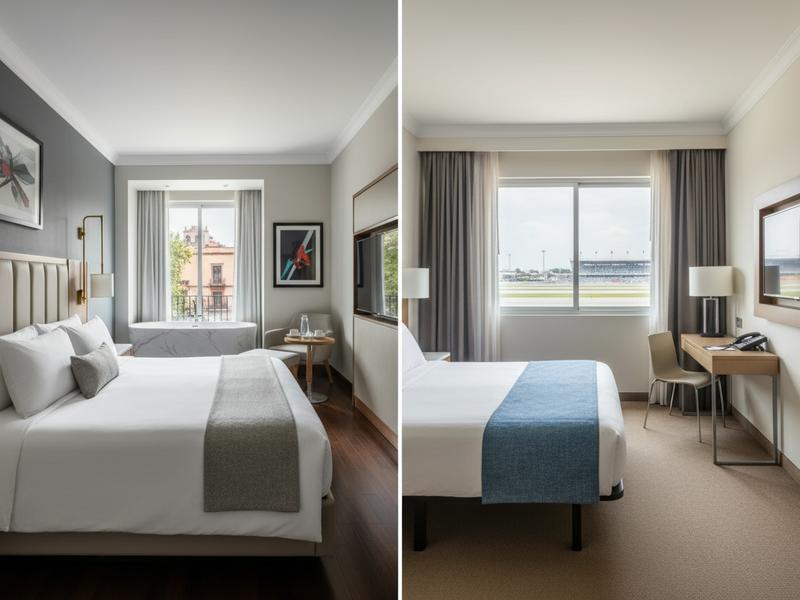
Polanco offers Mexico City’s deepest selection of luxury hotels, high-end restaurants, shopping, and polished service. It may also attract team personnel, sponsors, and fans seeking a premium race-week atmosphere. Standard upscale rooms can cost MXN 4,500–10,000 ($250–$556 USD) nightly, with top suites far above that.
The transport drawback is real. Polanco is not on Line 9. A rideshare to the circuit can take 35–75 minutes before special closures, and the return can be slower. Metro requires transfers. Choose Polanco because you want Polanco, not because a booking page calls it central.
The Polanco neighborhood guide explains its museums, restaurants, and everyday appeal.
Airport and circuit-side hotels
Hotels near Mexico City International Airport, Foro Sol/Estadio GNP, or Ciudad Deportiva can reduce race-day distance. Some may provide an event shuttle or place you close to a useful gate. Verify the route on foot; a highway, locked perimeter, or wrong circuit side can turn 1.5 kilometers into an impractical walk.
Typical rooms may cost MXN 1,600–4,000 ($89–$222 USD), though event demand can lift them. This area makes sense for:
- A Friday-to-Monday race-only trip
- An early flight after the event
- A traveler with limited mobility and a confirmed accessible transfer
- A group with a contracted shuttle
- Someone who does not care about neighborhood dinners or walking
It is less suitable for a first Mexico City visit. Evening food choice can be limited, and every museum or social plan needs another journey.
Coyoacán, Narvarte, and Roma Sur
Coyoacán offers plazas, museums, and a residential atmosphere, but it is south of the most direct visitor routes to the circuit. Choose it only if the neighborhood itself is a priority and you accept transfers or rideshares. Rates can range from MXN 1,800–4,500 ($100–$250 USD), with limited hotel stock compared with Reforma.
Narvarte and Roma Sur can deliver better value and local food while remaining closer to Line 9 connections than Polanco. They have fewer conventional tourist hotels, so review the exact street and late-night entry. A well-rated property near Centro Médico can be a smart race base without the highest Roma Norte premium.
These areas are useful second choices, not universal answers. A bargain that requires two long walks and a transfer every morning may cost more in energy than it saves in pesos.
Transport, Booking Rules, and Safety
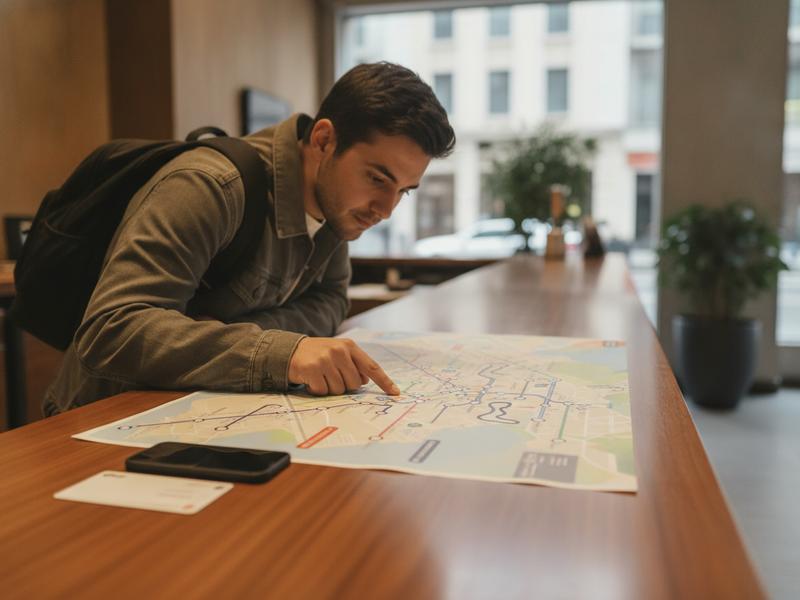
Line 9 serves Velódromo, Ciudad Deportiva, and Puebla around the circuit. Your right station depends on the gate and colored zone printed on the ticket. A hotel near Chilpancingo or Centro Médico can simplify access, but packed trains and long internal walks still require time.
Allow 90 minutes from central areas to the seat on Friday and two hours on Sunday. This includes walking, security, wrong-turn margin, and dense platforms. The official ticket FAQ lists the circuit address and ticket conditions; watch for a 2026 access update with gate-specific instructions.
A rideshare from central neighborhoods may quote MXN 180–450 ($10–$25 USD) under normal conditions and rise above MXN 700 ($39 USD) during event demand. Drop-off closures can force a final walk. Ask the hotel whether staff have handled previous Mexico GP weekends and where they recommend meeting a car after the race.
Hotel booking checklist
Before paying, confirm:
- Total cost with taxes and local fees
- Free-cancellation deadline in Mexico City time
- Check-in desk hours after a delayed flight
- Air-conditioning or fan, since afternoon rooms can warm up
- Interior versus street-facing room
- Elevator and step-free entrance if required
- Breakfast start time before the circuit
- Luggage storage for Tuesday departure
- Distance to the actual transit entrance
- Recent reports of construction or nightlife noise
Book refundable lodging first if you are still deciding between ticket sections. Once the grandstand is final, recheck the route and keep or change the hotel within the cancellation window.
Read the cancellation policy like a schedule
“Free cancellation” is incomplete without a date, time zone, and penalty. Some properties charge the full stay 30 days before arrival; others allow changes until two or three days out. Save a screenshot or PDF of the policy at booking and set a calendar reminder one week before the deadline.
Avoid moving hotels during the three race days to save a small amount. Packing, luggage storage, traffic, and mismatched check-in times can consume the entire gap between sessions. If splitting the stay, change once on Monday after the race and only when the second property improves a longer city plan.
Contact the hotel directly after booking to confirm the reservation, bed setup, arrival window, and accessibility request. Do not send payment outside the original platform because an unexpected message claims your card failed; lodging phishing is common around high-demand events.
Safety by area
Roma, Condesa, Juárez, Reforma, Polanco, and tourist sections of Centro all require normal big-city awareness. Use well-lit routes, keep phones away at empty corners, and choose a staffed pickup point after dark. A busy event does not eliminate phone theft on public transport.
At the hotel, use the safe for passports and backup cards. Carry only the day’s money and one payment card to the circuit. Share the hotel name and meeting point with companions; mobile service can slow after the race.
Best Hotel Strategy by Trip Type
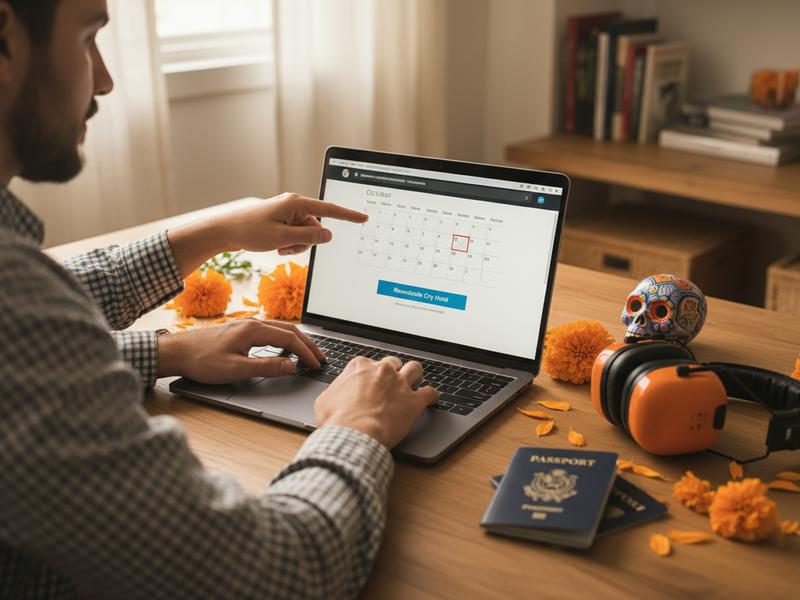
First international visit: Stay in Condesa or Roma for five nights, Thursday through Tuesday. Target MXN 2,800–4,500 ($156–$250 USD) nightly and prioritize a 24-hour desk plus easy Line 9 access.
Luxury race weekend: Choose Polanco or upper Reforma. Arrange a driver only if you accept traffic risk, and keep Metro as a backup. Budget MXN 6,000–12,000 ($333–$667 USD) or more per night.
Value trip: Look at Centro, Roma Sur, or a simple property near a Line 9 connection. Confirm recent reviews and the nighttime route. Aim for MXN 1,500–2,800 ($83–$156 USD) nightly.
Race-only visit: Use an airport or circuit-area hotel with a verified gate route. A short Friday-to-Monday stay saves money only if flight timing is reliable.
Race plus Día de Muertos: Stay through Tuesday, November 3. Roma, Juárez, Reforma, or Centro can support both sides. The Mexico City in October guide covers the seasonal overlap, while our Mexico GP weekend itinerary turns the room choice into a daily route.
The final rule is simple: do not optimize one morning at the expense of five nights. A well-run hotel in a useful neighborhood, 10 minutes closer to the correct transit line, usually beats a poor room whose map pin sits closer to the circuit wall.