Mexico Grand Prix 2026: Weekend Itinerary
The Best Mexico Grand Prix 2026 Itinerary
The best Mexico Grand Prix 2026 weekend itinerary runs for five nights, from Thursday, October 29 to Tuesday, November 3. The track schedule fills Friday through Sunday, while the race’s October 30–November 1 dates overlap Día de Muertos. Arriving Thursday protects practice from flight delays; staying Monday lets you experience the city without squeezing a cultural event between qualifying and dinner.
The official local schedule lists Practice 1 at 12:30 p.m. and Practice 2 at 4:00 p.m. Friday. Practice 3 starts at 11:30 a.m. Saturday, followed by qualifying at 3:00 p.m. Sunday’s race starts at 2:00 p.m. All times here are Mexico City local time.
| Day | Track priority | City plan | Sleep priority |
|---|---|---|---|
| Thursday, Oct. 29 | None | Arrival, transit card, easy dinner | High |
| Friday, Oct. 30 | FP1 and FP2 | Breakfast near hotel | High |
| Saturday, Oct. 31 | FP3 and qualifying | One confirmed evening event | Medium-high |
| Sunday, Nov. 1 | Race and podium | Celebration near hotel | High |
| Monday, Nov. 2 | None | Day of the Dead cultural day | Flexible |
| Tuesday, Nov. 3 | None | Departure or one museum | — |
The complete Mexico City Grand Prix guide covers tickets, sections, packing, and trip costs. This page concentrates on the order and timing that make the weekend work.
Thursday: Arrive and Remove Friction
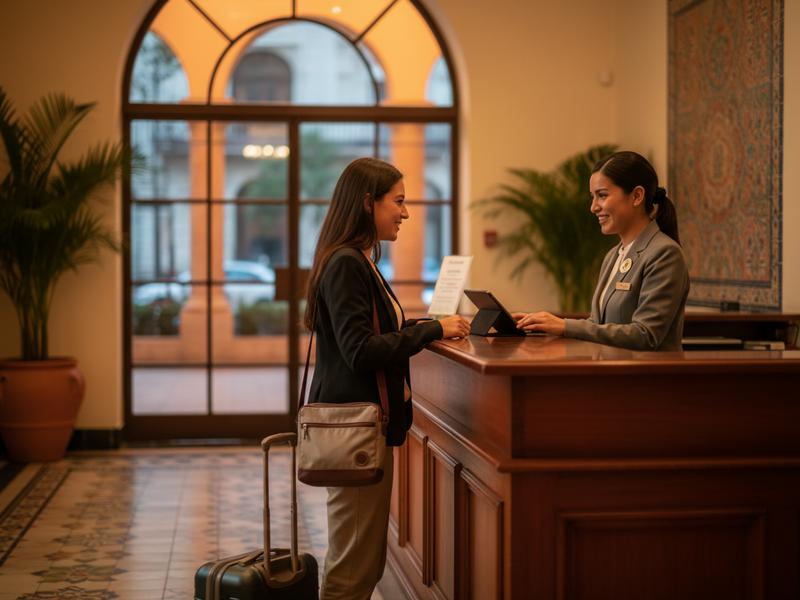
Book a flight scheduled to land by mid-afternoon. Mexico City International Airport is close to the circuit on a map but road congestion, immigration, baggage, and terminal transfers can consume hours. A permitted airport taxi or app ride to Roma, Condesa, Juárez, or Reforma may cost MXN 250–550 ($14–$31 USD), depending on terminal, demand, and traffic.
After check-in, complete five jobs:
- Open every official ticket in the correct account.
- Save your zone, gate, seat, and emergency meeting point offline.
- Load a Mexico City mobility card if using Metro.
- Withdraw or exchange enough pesos for small purchases.
- Buy sunscreen, water, and any forgotten layer.
Do not schedule Teotihuacán, a tasting menu, or late nightlife. Eat within a short walk of the hotel for MXN 180–500 ($10–$28 USD) per person. Set out clothes and charge the phone and power bank.
Optional Thursday cultural stop
If you arrive rested, visit one nearby public ofrenda or illuminated display. Limit it to 60–90 minutes and confirm the event through an official city or venue source. Public installations can be meaningful, but not every announced schedule is final months ahead.
The Day of the Dead guide explains why public celebration and private remembrance should not be treated as interchangeable attractions.
Friday: Learn the Circuit During Practice
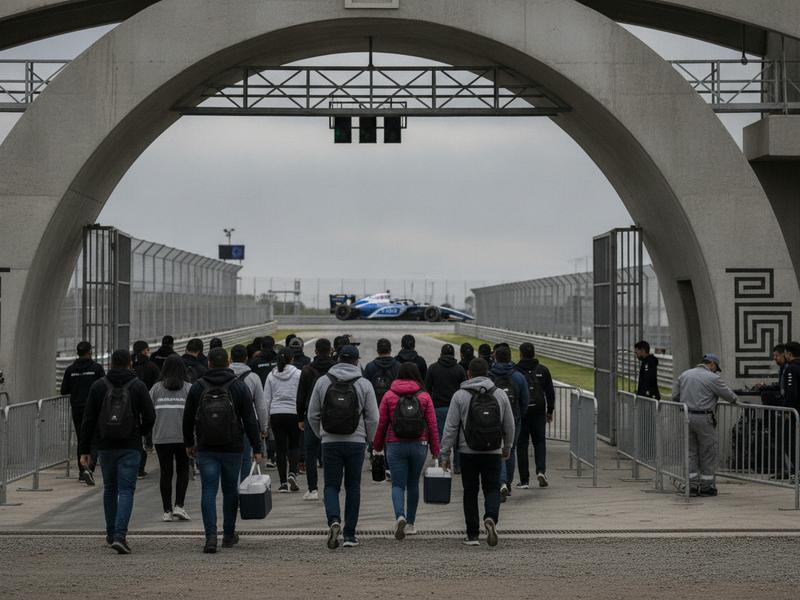
Eat breakfast around 8:00 a.m. and leave the hotel by 9:30 or 10:00. Even with a 12:30 p.m. Practice 1, you need room for packed Metro service, a zone-specific exit, security, and the internal walk. If the route is easy, extra time becomes a relaxed lap of your permitted facilities.
Metro Line 9 stations Velódromo, Ciudad Deportiva, and Puebla serve different sides of Autódromo Hermanos Rodríguez. Use the station assigned to your ticket’s gate. The general circuit pin is not enough. Keep the bag closed and in front on crowded trains.
Practice 1 runs 12:30–1:30 p.m. Use it to understand the live timing screen, identify corners visible from the seat, and check where shade moves. Eat after the first session, before queues peak. A circuit meal and drinks can cost MXN 250–500 ($14–$28 USD).
Practice 2 runs 4:00–5:00 p.m. Stay for the full session. Teams often complete longer runs and qualifying simulations, making it more useful than casual visitors expect.
Friday evening
Do not rush toward the first train. Wait 20–40 minutes, hydrate, and allow the sharpest crowd to move. A dinner near the hotel at 8:00 p.m. works. Budget MXN 250–700 ($14–$39 USD), depending on tacos versus a reservation restaurant.
Review Saturday’s gate and weather before bed. Friday is also the moment to fix uncomfortable shoes, weak ear protection, or a bag that security almost rejected.
What Friday teaches you
Write down the time you left the hotel, entered the station, reached security, and sat down. Note the busiest food period and the easiest restroom. Those observations are more reliable than a generic map and let you improve Saturday immediately.
If you used a rideshare, save the actual drop-off point rather than the driver’s final pin. If you used Metro, photograph the station exit number without capturing other passengers closely. Set the Saturday departure 30 minutes earlier if any part felt rushed.
Saturday: Qualifying and One Evening Plan
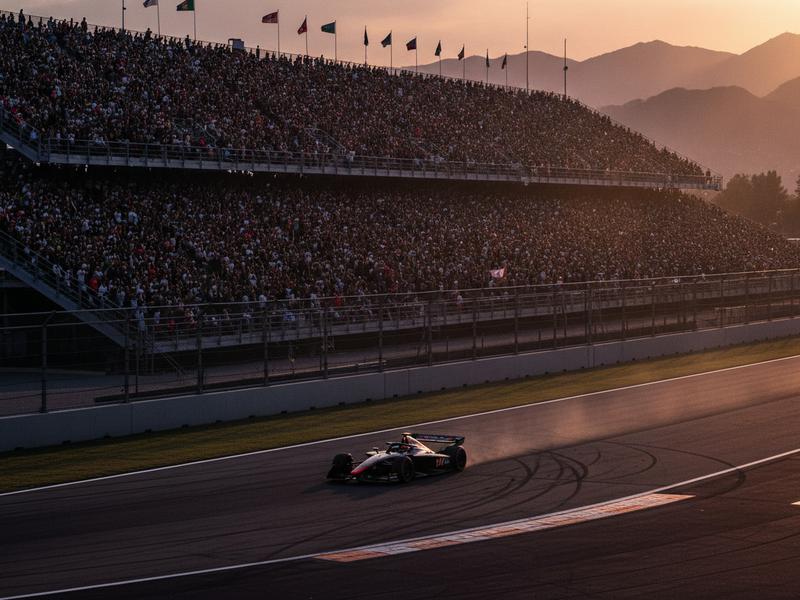
Leave around 8:30–9:00 a.m. Practice 3 begins at 11:30 and ends at 12:30. Qualifying starts at 3:00 p.m. The gap is enough for food and a facility break, not enough for leaving the circuit.
Qualifying runs for approximately one hour. Stay alert to Q1, Q2, and Q3 eliminations rather than waiting only for the final lap. Thin air and the long straight can tighten margins, while stadium sections amplify every reaction.
After the session, decide between two strategies:
- Energy-first: Wait out the crowd, return to the hotel, eat, and sleep.
- One-event: Attend one ticketed or confirmed public event near your hotel after a rest.
October 31 is not the night to stack a parade, a cemetery, three bars, and a cross-city dinner. You have a long Sunday ahead, and public-event dates can affect roads. Respect private rituals and do not arrive at a community space expecting a performance.
For seasonal weather and late-month pressure, see Mexico City in October.
Saturday budget
- Breakfast: MXN 120–300 ($7–$17 USD)
- Circuit food and water: MXN 400–800 ($22–$44 USD)
- Transit: MXN 10–150 ($1–$8 USD), depending on Metro versus ride
- Dinner: MXN 250–900 ($14–$50 USD)
- Optional event: MXN 0–800 ($0–$44 USD)
Total: roughly MXN 780–2,950 ($43–$164 USD), excluding ticket and hotel.
Sunday: Race Day Without a Last-Minute Sprint
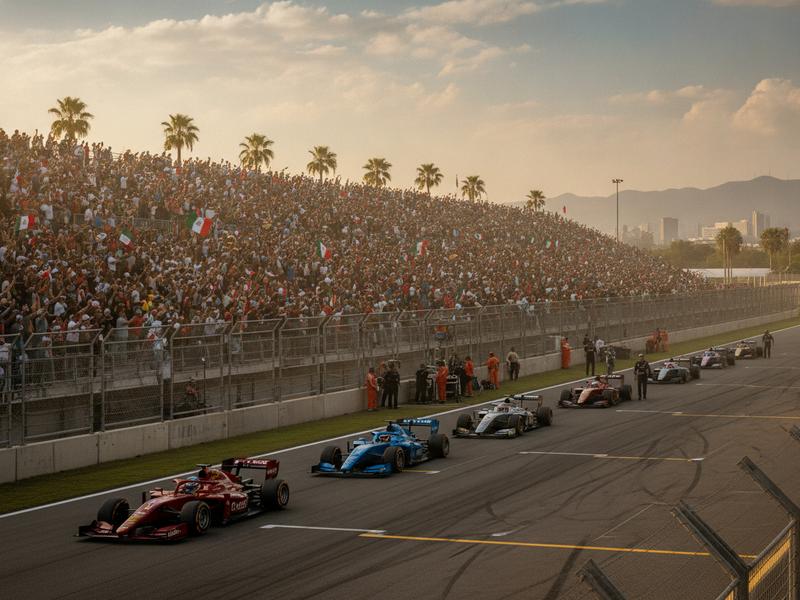
Sunday’s race begins at 2:00 p.m. Eat by 7:30 a.m. and leave between 8:30 and 9:00. Aim to be inside the venue by 10:30 and at your seat by 11:00. This buffer sounds generous until a platform closes, a security line stalls, or the assigned gate sits farther away than expected.
Carry less than Saturday. You know what you used. Keep the official ticket open, set a companion meeting point, and bring enough approved water capacity, sunscreen, ear protection, medication, card, and pesos.
Eat a substantial early lunch around 11:30. Session breaks produce the longest lines. Limit alcohol before the race; altitude, sun, and dehydration can turn a celebration into a medical problem.
The race covers 71 laps and 305.354 kilometers. Follow strategy through the large screen and timing, then watch the visible corner rather than filming every lap. If your section can see the podium, stay. If it cannot, do not force your way into a restricted zone.
The official Formula 1 Mexico event page confirms the circuit distance, lap count, and Sunday schedule. Check it again in race week alongside local organizer notices.
Getting back after the race
The first post-race hour is the hardest transport window. Stay seated briefly, use facilities before joining the line, and walk only toward the exit assigned to your zone. If meeting a rideshare, use a predetermined point outside the main closure area.
Celebrate near your hotel. Reserve a flexible table for 8:00 or 8:30 p.m. and tell the restaurant you are coming from the race. A nonrefundable 6:30 booking is a poor bet.
If the race or transport runs late
Keep Monday free of early flights and nonrefundable morning tours. A red flag, severe weather procedure, delayed exit, or transport disruption can shift the evening by hours. The race is the reason for the trip; protect it from an artificial deadline.
If Metro access is temporarily controlled, follow staff directions and wait in a well-lit venue area. Do not walk along unfamiliar roads simply because an app shows a shorter line. Use the group’s backup pickup point and send one clear message rather than draining the battery with repeated calls.
Monday: Give Day of the Dead Its Own Day
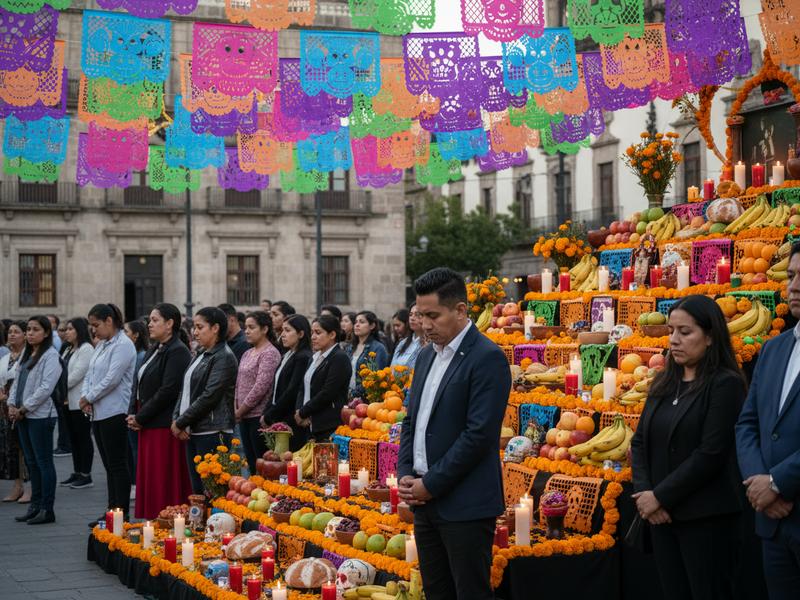
Sleep late and eat a proper breakfast. Then choose one cultural district or theme. Good options may include public ofrendas in Centro, a museum program, market food, neighborhood altars, or a guided activity that explains the tradition rather than treating it as decoration. Check official 2026 listings close to the date.
A sensible day might look like:
- 10:30 a.m.: Breakfast or brunch near the hotel
- 12:00 p.m.: Museum or public cultural display
- 2:30 p.m.: Lunch and pan de muerto
- 4:00 p.m.: Rest at the hotel
- 6:00 p.m.: One confirmed public ofrenda route or guided activity
- 8:30 p.m.: Final dinner
Budget MXN 500–1,800 ($28–$100 USD) for food, admission, and local transport. A private guide or premium dinner costs more.
Ask before photographing individuals or private offerings. Do not touch altar objects, step between a family and a grave, or use solemn settings as costume backgrounds. Mexico City offers many public spaces where visitors can participate appropriately.
Shorter and Longer Versions
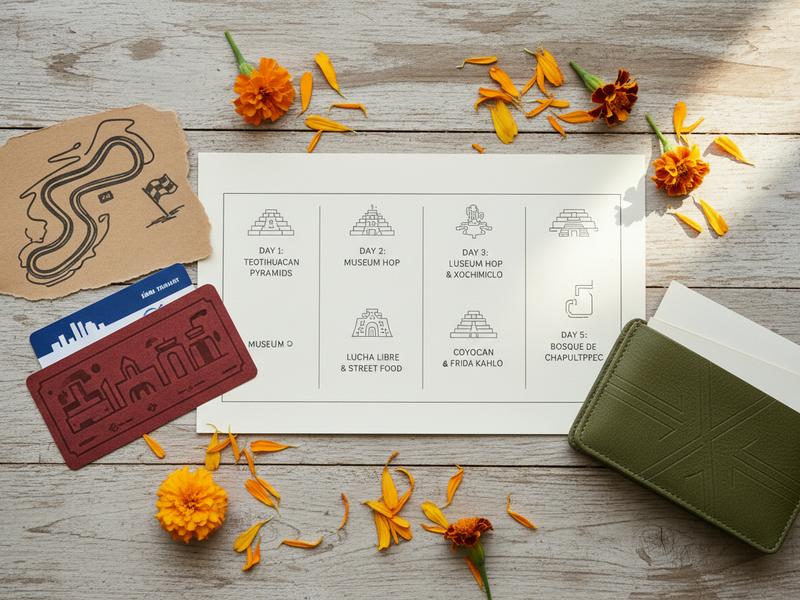
Three-night race-only plan
Arrive Thursday evening and depart Monday afternoon. Attend all sessions, eat near the hotel, and skip major sightseeing. Stay in Juárez, Reforma, Roma, Condesa, or a verified circuit-area hotel. This plan works for experienced city travelers but gives no flight-delay cushion beyond Thursday.
Seven-night city-and-race plan
Arrive Tuesday, October 27 and leave Tuesday, November 3. Use Wednesday for the National Museum of Anthropology and Chapultepec, Thursday for Centro or a food tour, then follow the race plan. This separates first-time sightseeing from track fatigue and makes it easier to set city priorities.
Sample spending money
For five days, excluding flight, hotel, and race ticket:
| Style | Food | Local transport | Activities/extras | Total |
|---|---|---|---|---|
| Careful | MXN 2,400 | MXN 500 | MXN 1,100 | MXN 4,000 ($222) |
| Comfortable | MXN 4,000 | MXN 1,500 | MXN 1,500 | MXN 7,000 ($389) |
| Flexible | MXN 5,000 | MXN 2,000 | MXN 1,500 | MXN 8,500 ($472) |
Merchandise, nightlife, private drivers, and premium tours are outside these ranges.
Packing by day
Thursday needs passport security, a payment backup, and hotel details. Friday needs the full approved race kit because it tests your setup. Saturday can be lighter after you remove unused items. Sunday needs the strongest battery plan, sun protection, ear protection, medication, and cash reserve.
Monday should not look like race day. Wear ordinary comfortable city clothing and leave large race merchandise at the hotel if visiting crowded public displays. A discreet bag and respectful appearance fit museums, markets, and remembrance spaces better than carrying every track souvenir.
Check the organizer’s final bag rules each morning. Security practice can tighten, and prohibited-item lists change. Store rejected objects at the hotel rather than expecting the venue to hold them.
Before departure, connect the itinerary to the seat and hotel you actually booked. The Mexico GP tickets guide explains gate-changing products and grandstand tradeoffs. The where-to-stay guide compares neighborhood routes and hotel price bands.
One last rule keeps the weekend sane: never put two irreplaceable commitments on opposite sides of Mexico City with a narrow gap. The race schedule is fixed, traffic is not, and the city deserves enough time to be experienced at human speed.
Share the final plan with every traveler before departure. Each person should know the hotel address, ticket gate, meeting point, Monday outline, and backup transport option. That small preparation keeps one lost phone or separated train carriage from becoming the story of the weekend.