Mexico City Grand Prix 2026: Complete Guide
Mexico City Grand Prix 2026 at a Glance
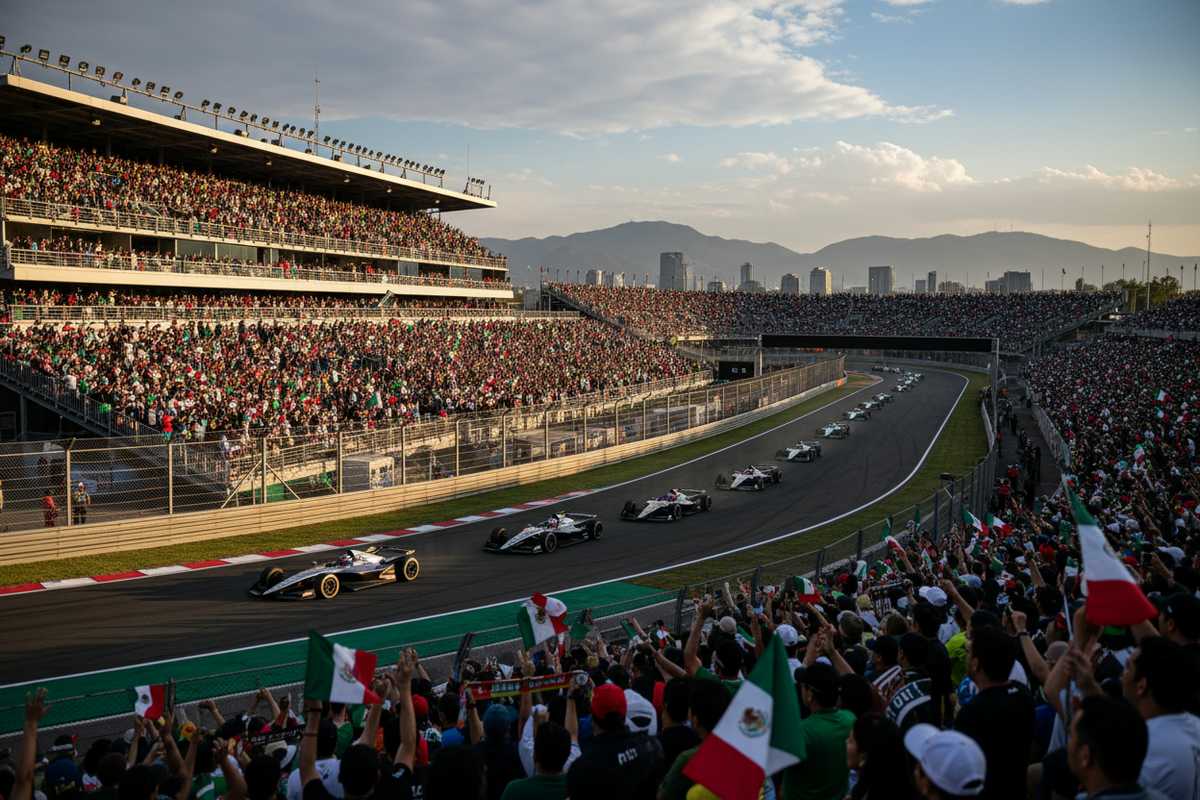
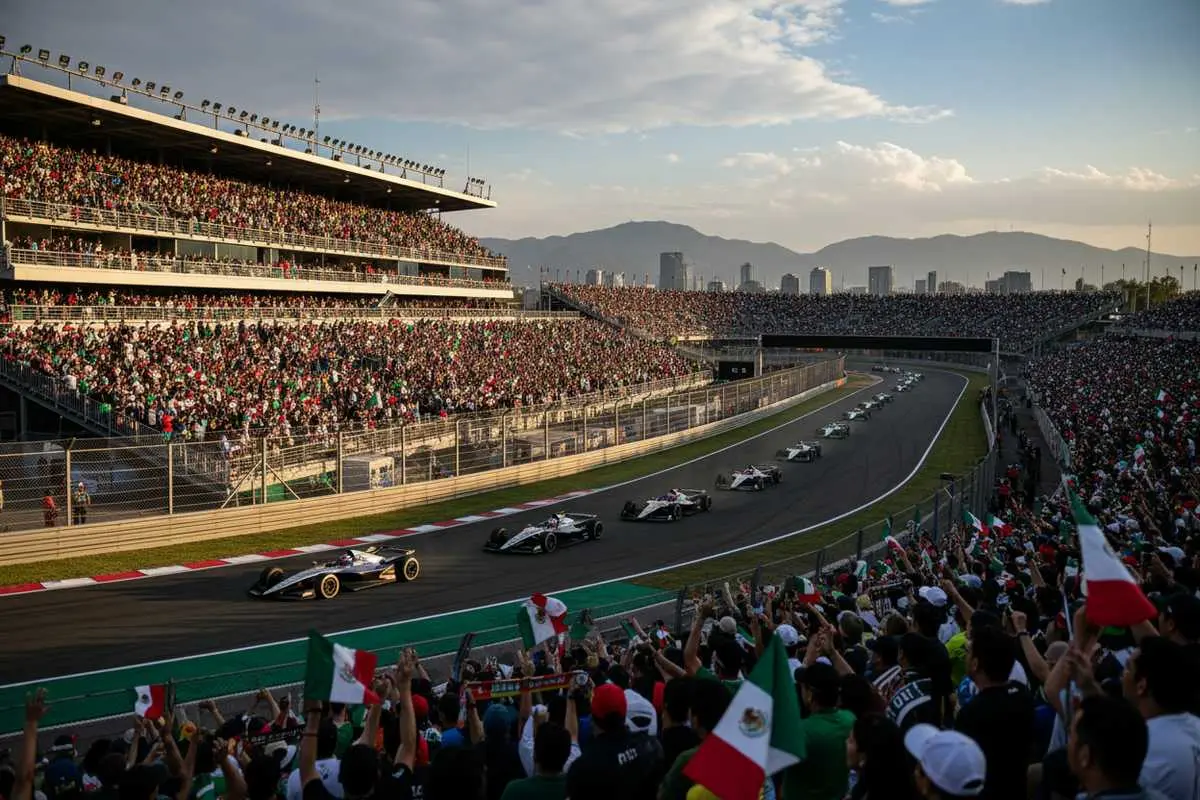
The Mexico City Grand Prix 2026 takes place from Friday, October 30 through Sunday, November 1 at Autódromo Hermanos Rodríguez. Friday brings two practice sessions, Saturday has final practice and qualifying, and Sunday’s 71-lap race begins at 2:00 p.m. local time. The circuit sits more than 2,200 meters above sea level, runs for 4.304 kilometers, and finishes its most famous sequence inside the Estadio GNP Seguros stadium section.
This edition creates an unusual trip-planning challenge. It overlaps the principal Día de Muertos weekend, so race fans are competing for flights and hotel rooms with visitors coming for ofrendas, parades, cemetery traditions, and seasonal events. The combination can make a five-night trip excellent, but it punishes late decisions. A cheap grandstand is not much of a bargain if the remaining hotel is far from useful transport.
The official Formula 1 event page confirms the race date, circuit length, number of laps, and session structure. The Mexico GP organizer publishes local schedules, authorized ticket links, access updates, and circuit information. This guide was checked on August 24, 2026; prices and availability can change, so verify your section before paying.
| Essential detail | Mexico GP 2026 |
|---|---|
| Dates | October 30–November 1, 2026 |
| Venue | Autódromo Hermanos Rodríguez, Mexico City |
| Friday | Practice 1 at 12:30 p.m.; Practice 2 at 4:00 p.m. |
| Saturday | Practice 3 at 11:30 a.m.; qualifying at 3:00 p.m. |
| Sunday | Race at 2:00 p.m. |
| Circuit | 4.304 km; 71 laps; 305.354 km race distance |
| Lowest listed ticket | MXN 3,900 ($217 USD), plus fees |
| Best first-visit stay | Roma, Condesa, Juárez, or Reforma |
| Useful transit | Metro Line 9; station depends on ticket zone |
| Recommended trip length | 5 nights, Thursday to Tuesday |
Dollar conversions throughout use MXN 18 to $1 USD and are rounded. Pay in pesos when a terminal offers to convert the charge to dollars; that convenience often uses a worse rate than your bank.
Who should make this trip?
The Mexico GP works particularly well for fans who want a city break around the race rather than a remote circuit weekend. The venue is inside the urban area, the airport is close by distance, and the city offers museums, food markets, parks, bars, and major historic sites. You can eat breakfast in Roma, spend a day at the circuit, and return to a proper neighborhood dinner instead of a temporary race village.
The event is less forgiving for travelers who dislike crowds, long standing periods, or fixed zones. Your three-day ticket keeps you in the same zone unless you buy a Grand Tour product. Movement between colored ticket zones is restricted. The journey from entrance to seat can be longer than the map suggests, and the full audience leaves in the same short window.
Families can attend, but children aged four and older need a ticket according to the organizer’s current FAQ. Ear protection is sensible for children and sound-sensitive adults. Travelers with mobility needs should confirm the designated accessible zone, permitted companion ticket, entrance, and actual step-free route before booking a hotel.
How long should you stay?
Arrive by Thursday, October 29. That gives you time to recover from a flight, collect essentials, test the journey toward the venue, and resolve any mobile-ticket issue before Friday. Leaving Monday morning forces you to choose between an exhausted airport trip and the November 2 side of Día de Muertos. A Tuesday departure is better.
A five-night Thursday-to-Tuesday stay is the practical default. Add Wednesday if crossing several time zones or if a museum day matters. If you only have three nights, accept that the race will dominate the trip and save major sightseeing for a future visit. Separate must-do stops from things that can wait.
Race Schedule and the Autódromo Experience
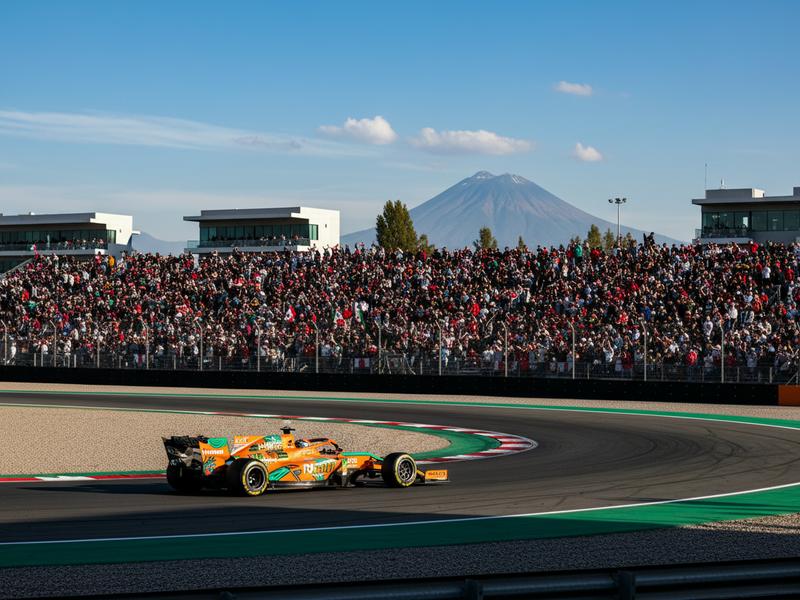
Friday is not a throwaway day. Practice 1 begins at 12:30 p.m. and Practice 2 at 4:00 p.m. local time. The first session is your chance to learn the entrance, locate water and food points, understand sightlines, and watch drivers adapt to the thin air. The second usually offers more meaningful long-run and qualifying preparation. Aim to reach your seat by 11:30 a.m., earlier if your ticket instructions set a strict gate time.
Saturday carries Practice 3 at 11:30 a.m. and qualifying from 3:00 to 4:00 p.m. Qualifying is one of the weekend’s strongest live sessions because every lap matters and the stadium reacts immediately to sector times. Arrive with breakfast finished, a charged phone, sun protection, and enough time to absorb a slow security line.
The Sunday race starts at 2:00 p.m. The official race distance is 305.354 kilometers over 71 laps. Plan to be inside the circuit by 10:30 or 11:00 a.m. so support activity, the drivers’ parade, food queues, and pre-race ceremonies do not become a sprint. If your goal is only to reach the seat ten minutes before lights out, one transport delay can ruin a year of planning.
Why altitude changes the racing
Autódromo Hermanos Rodríguez sits above 2,200 meters. Air density is lower than at most circuits, reducing drag but also limiting aerodynamic downforce and cooling. Cars reach very high speeds on the main straight while teams manage brakes, power units, and temperatures carefully. Fans feel the altitude too: stairs and long walks can be more tiring during the first day.
Hydrate steadily, eat normally, and do not schedule a hard workout after landing. Alcohol hits some visitors faster at altitude. A headache can also result from dehydration, sun, travel fatigue, or missed food, so treat the basics first and seek medical help if symptoms are severe or unusual.
Which part of the circuit is best?
The green-zone main grandstands face the start, finish, pits, and opening ceremony. They provide the fullest view of race procedure but carry the highest standard grandstand prices: MXN 30,500 ($1,694 USD) before fees for Gradas 1 and 2.
The blue zone covers several grandstands around Turns 1 through 3 and later parts of the lap. Seats near the braking zone at Turn 1 offer obvious passing potential. Grada 6A was listed at MXN 7,000 ($389 USD), while other blue-zone seats ranged higher. Sightlines and access gates vary, so choose the action you value rather than a color alone.
The yellow and pink areas cover the technical middle sector around Turns 4 through 11. They suit fans who enjoy direction changes, braking, and car control more than pit activity. Current listed prices commonly fall between MXN 10,500 and MXN 19,900 ($583–$1,106 USD), depending on the grandstand.
The gray and brown sections place you in the stadium environment. Gradas 14 Sur and 15 Norte were listed at MXN 10,000 ($556 USD), while premium boxes cost more. You do not see the main-straight start, but the atmosphere, slow-speed proximity, podium setting, and large screens can compensate. The official F1 guide calls this the circuit’s signature viewing area.
How to evaluate a seat beyond the corner name
Ask four questions before paying. First, how many seconds of each lap can you see with your own eyes? A long straight may show the car longer but reveal less braking and steering than a multi-corner view. Second, is a large screen visible from the seat? Live timing and broadcast replays explain pit strategy and incidents that happen elsewhere. Third, what does the ticket zone allow behind the stand? Food, shade, toilets, merchandise, and fan activities differ. Fourth, how difficult is the assigned entrance from your hotel?
Front rows feel close but may look through fencing and make it harder to see over barriers. Higher rows give a broader view and a better angle into adjacent corners, though stairs become part of every food break. Photos from a specific section are more useful than general “best seat” rankings. When possible, use the organizer’s interactive map and compare recent spectator photographs from the same grandstand.
Shade is limited and changes as the sun moves. A roof shown in a marketing image may cover hospitality rather than your row. Late October is milder than spring, but high-altitude sunlight remains strong. Pay for a covered product only when the listing explicitly names covered seating.
Finally, decide how much the podium matters. Stadium spectators get the strongest ceremony atmosphere; main-straight spectators understand the grid and pits; Turn 1 spectators accept a distant podium in exchange for higher incident potential. You cannot optimize every feature from one fixed seat.
Tickets, Prices, and Buying Without Getting Scammed
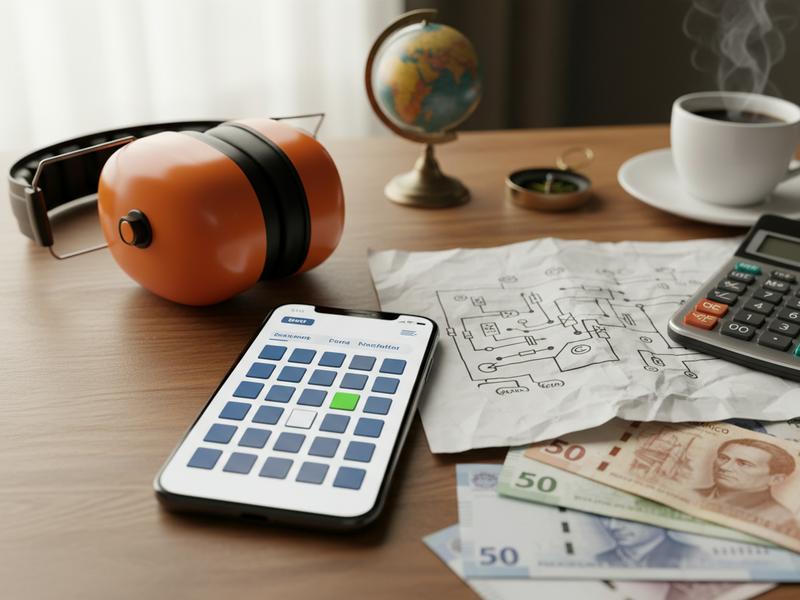
Official Mexico GP tickets are generally sold as three-day packages, not individual Friday, Saturday, and Sunday admission. The organizer lists Ticketmaster México as the safe primary seller and says foreign-issued cards are accepted online. Current rules limit a buyer to four tickets. Seats are numbered, the assigned location remains the same for all three days, and exchanges or refunds are not normally available.
As of August 24, the official ticket table showed several grandstands sold out and selected seats still available. Base prices ran from MXN 3,900 ($217 USD) for the lowest listed options to MXN 45,700 ($2,539 USD) for Boxes Oro Norte, before service charges. The organizer displayed service-fee references as high as MXN 7,500 ($417 USD) on a MXN 30,500 ticket, so checkout totals matter.
| Example section | Listed base price | Approx. USD | August 24 status shown |
|---|---|---|---|
| Grada 2A / accessible entry tier | MXN 3,900 | $217 | Sold out |
| Grada 6A | MXN 7,000 | $389 | Buy link shown |
| Grada 14 Sur | MXN 10,000 | $556 | Buy link shown |
| Grada 8 | MXN 10,500 | $583 | Buy link shown |
| Grada 5A | MXN 13,900 | $772 | Buy link shown |
| Grada 10 | MXN 19,900 | $1,106 | Buy link shown |
| Grada 1 | MXN 30,500 | $1,694 | Buy link shown |
| Boxes Oro Norte | MXN 45,700 | $2,539 | Sold out |
Availability can change between reading and checkout. A displayed buy button is not a reservation. Do not book a nonrefundable international flight merely because a resale listing exists.
Primary sale versus resale
Use the organizer’s link to reach Ticketmaster México rather than typing a similar-looking address from an advertisement. Confirm the event, all three dates, venue, section, row, and final currency. Save the order email and add the ticket to the official mobile account before travel. A screenshot may not work if the ticket uses changing Safetix credentials.
The organizer warns that buying or selling tickets at the venue is considered illegal resale and can lead to arrest. Unofficial social accounts, wire transfers, cryptocurrency requests, urgency claims, and screenshots are serious warning signs. If primary inventory is gone, use only a resale route whose transfer and buyer-protection terms you understand. A cheaper payment with no enforceable protection is not a saving.
For detailed views, price bands, service fees, international-card steps, and sold-out alternatives, use our Mexico Grand Prix tickets guide.
Build the full trip budget before buying
A race ticket is only one line. A careful five-night budget for one person sharing a room might include:
- Ticket: MXN 7,000–19,900 ($389–$1,106 USD)
- Five hotel nights, shared: MXN 8,000–20,000 ($444–$1,111 USD) per person
- Food and water: MXN 3,000–6,500 ($167–$361 USD)
- Airport and local transport: MXN 800–3,000 ($44–$167 USD)
- Race merchandise and extras: MXN 1,000–4,000 ($56–$222 USD)
- Museums or tours: MXN 500–2,500 ($28–$139 USD)
That produces an on-the-ground range of roughly MXN 20,300–55,900 ($1,128–$3,106 USD) before international flights. A premium grandstand, solo hotel room, or hospitality package can move the total far higher.
Three budgets that actually work
A careful plan uses a MXN 7,000 ($389 USD) primary ticket, a shared room outside the most expensive Roma blocks, Metro for the circuit, neighborhood breakfasts, and one museum day. Five nights can land around MXN 22,000–28,000 ($1,222–$1,556 USD) per person before flights. It still covers all practice and qualifying sessions; savings come from lodging and transport rather than skipping the event.
A comfortable plan pairs a MXN 10,000–15,000 ($556–$833 USD) seat with a well-reviewed Condesa, Roma, Juárez, or Reforma hotel, several rideshares outside peak exits, and good dinners. Expect roughly MXN 35,000–48,000 ($1,944–$2,667 USD) per person sharing a room.
A premium plan begins above MXN 60,000 ($3,333 USD) before airfare once a main-straight seat, luxury hotel, private airport transfer, and daily higher-end dining enter the calculation. Hospitality can push the cost well above MXN 100,000 ($5,556 USD). Read inclusions carefully: lounge access does not always include a hotel, and an “experience” may still assign a standard grandstand.
Reserve 10 percent for change. A delayed flight, surge-priced airport ride, pharmacy visit, replacement charger, or extra night is more likely than a perfectly fixed spreadsheet.
Where to Stay and How to Reach the Circuit
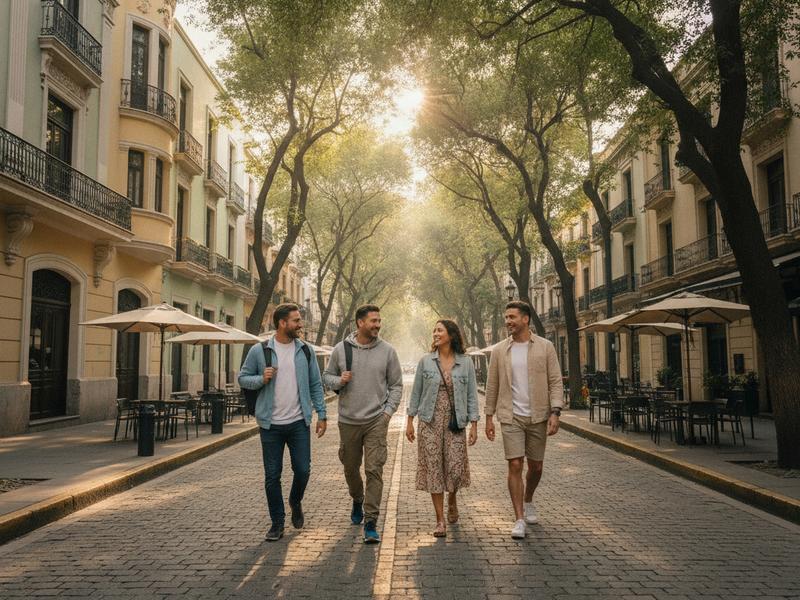
Choose a hotel for the entire trip, not only for distance from the track. Roma Norte and Condesa offer the easiest first-visit mix of food, cafés, parks, nightlife, and familiar lodging. Juárez and Reforma have larger hotels, broad transport connections, and relatively direct access to Centro. Polanco provides luxury properties and polished dining but usually means a longer, more expensive race-day route.
Staying near the airport or venue can shorten one journey, yet the immediate surroundings are not the city’s strongest visitor base. You may save time in the morning and spend it again traveling to dinner, museums, or Día de Muertos events. This approach fits a short race-only trip better than a five-night city break.
Late October prices vary sharply. A basic private room may start around MXN 1,200–2,200 ($67–$122 USD) on ordinary dates, while a solid midrange double in Roma, Condesa, Juárez, or Reforma can rise to MXN 2,500–5,500 ($139–$306 USD) during the combined race and holiday period. Higher-end rooms may exceed MXN 7,000 ($389 USD). Book refundable rates, verify taxes, and read cancellation deadlines in local time.
Our Mexico City neighborhood comparison explains each area’s everyday tradeoffs. The dedicated where to stay for the Mexico Grand Prix guide focuses on race transport, early starts, hotel price bands, and late returns.
Using Metro Line 9
Metro Line 9 runs past the circuit area, with Velódromo, Ciudad Deportiva, and Puebla stations serving different sides. Do not automatically follow the largest crowd. Check the entrance assigned to your colored zone and match it to the organizer’s access map. Crossing the circuit complex to correct a station mistake can be slow or impossible through restricted areas.
The standard Metro fare has long been MXN 5 (about $0.30 USD), making it far cheaper than a rideshare. Buy or load the required mobility card before race morning, keep it separate from your phone, and expect packed platforms. Bags should stay closed and in front of you. If you are uncomfortable in dense crowds, leave earlier and wait after the session rather than joining the first surge.
From Roma or Condesa, reaching Line 9 near Chilpancingo or Centro Médico can be practical depending on the hotel. From Juárez or Reforma, you may need a Metro, Metrobús, or short taxi connection. Polanco requires more transfers or a road journey. Test the route on Thursday if this is your first time using the network.
Taxi, rideshare, and private drivers
A normal rideshare quote from central visitor areas to the circuit may be MXN 180–450 ($10–$25 USD), but event traffic and surge pricing can push it above MXN 700 ($39 USD). The bigger problem is not price; it is road access and the final walking point. A driver cannot promise to pass closures.
Arrange a meeting point several blocks from the heaviest gates. Save it offline and agree on a backup if cell service struggles. For a private driver, confirm the total waiting charge, parking or access limitations, cancellation rules, and a post-race contact method in writing. Even a paid driver may sit in the same traffic as everyone else.
Build a transport failure plan
Your primary route should have a second route that does not depend on the same system. If Metro is primary, save a walking path from the correct gate to a clear rideshare pickup area. If a driver is primary, load a mobility card and learn which Line 9 station serves the ticket zone. If one person holds every digital ticket, transfer them officially or make sure the group stays together until entry.
On Friday, record real door-to-seat timing. Note how long the walk took, where the queue began, which entrance signs were easy to miss, and where you emerged after the session. Adjust Saturday rather than repeating a rushed arrival. On Sunday, add 30 minutes to Friday’s best result because the crowd is larger and the race is the one session you cannot recover.
Do not arrange an airport departure within a few hours of the checkered flag. A 2:00 p.m. start can run toward 4:00 p.m.; podium activity, walking, crowds, baggage pickup, and airport traffic follow. Even a late-night flight creates unnecessary stress. Monday afternoon is the earliest comfortable departure, and Tuesday is better for this year’s holiday overlap.
Travelers who cannot stand for long periods should ask the organizer about accessible gates and transport before race week. A station elevator on the network does not guarantee a step-free path from platform to seat. Save the venue contact and carry medical needs in permitted packaging.
What to Pack, Eat, and Expect Inside
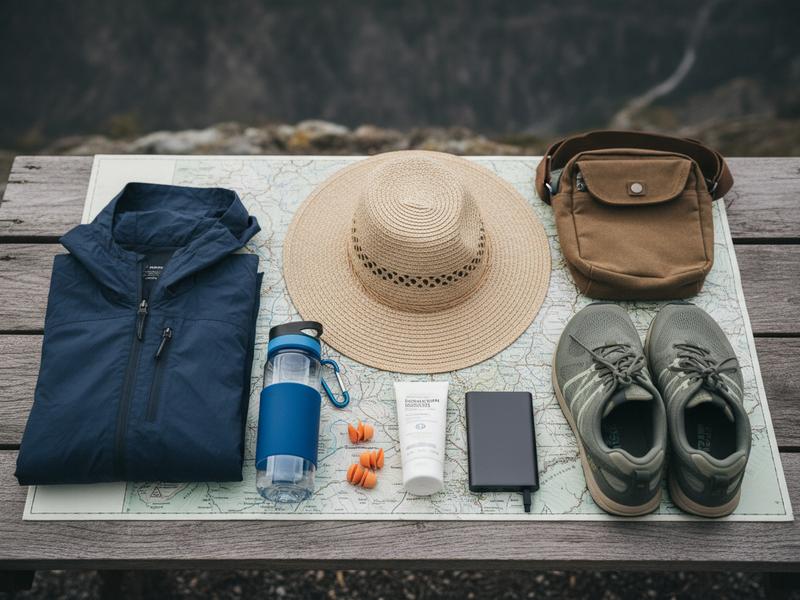
Late October in Mexico City often brings mild afternoons, cool mornings, strong high-altitude sun, and a lower rain chance than summer. Conditions can still change. Wear light layers, broken-in shoes, a hat, and sunscreen. A thin rain layer is easier than a full umbrella if umbrellas are restricted. Check the final organizer forecast and bag rules in race week.
Bring only what you can carry comfortably for ten hours. Useful items include your official ticket, ID, phone, small power bank, payment card, some pesos, ear protection, approved empty or refillable water container if permitted, medication in original packaging, and a compact layer for the evening. Do not assume lockers exist.
The organizer’s entry page should be your final authority on bag dimensions, food, liquids, cameras, batteries, flags, and prohibited objects. Rules can change and may differ from another Grand Prix. A security guard cannot make an exception because a blog from last year said an item was accepted.
Food and payment
The circuit normally offers quick food, drinks, beer gardens, and fan-zone options. Event pricing is higher than neighborhood pricing. Budget about MXN 500–1,000 ($28–$56 USD) per person per day if buying two meals, water, and a drink inside. Eat a real breakfast near the hotel because lines grow around session breaks.
Carry a card and some pesos. Temporary systems can fail, terminals can lose signal, and a vendor may accept only one payment method. Keep cash split into small amounts. Mexico generally tips around 10–15 percent for table service, but a fixed concession counter is different from a full-service restaurant.
After the circuit, choose dinner close to the hotel. Friday can support a later reservation, but Saturday and Sunday fatigue arrives quickly. A taco shop, fonda, or casual neighborhood restaurant often works better than a tasting menu scheduled immediately after qualifying.
Safety without drama
Crowded transport and entrances create opportunities for phone theft. Zip the bag, keep it in front, and do not store a phone in a back pocket. Verify any rideshare plate and driver before entering. Use the official ticket account rather than displaying barcodes in public social posts.
Inside the venue, note your zone’s medical point and exits when you arrive. Agree on a meeting location with companions in case mobile service slows. The circuit address is Viaducto Río Piedad and Río Churubusco, Ciudad Deportiva, Iztacalco, but a specific gate is more useful than the general address.
Race Weekend Plus Day of the Dead
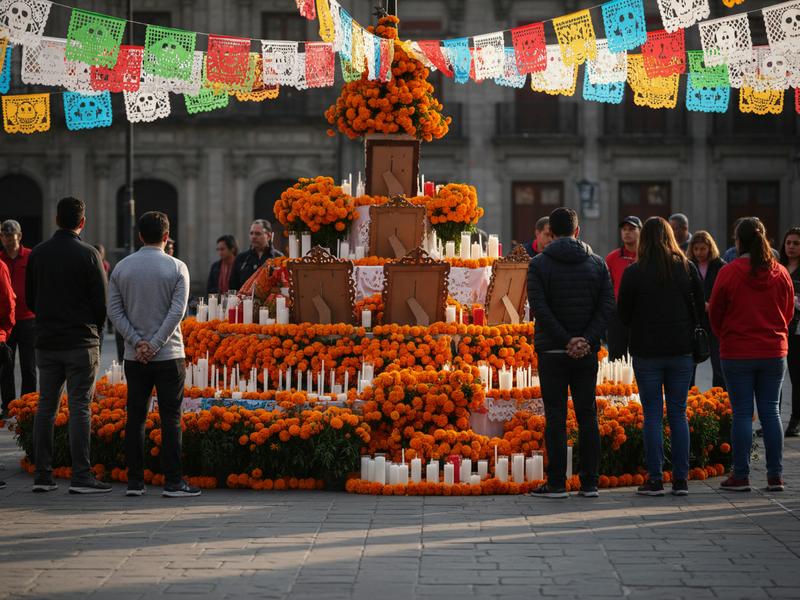
The 2026 race ends on November 1, while Día de Muertos observance centers on November 1 and 2 and public installations often appear earlier. That creates both opportunity and pressure. You may find marigold displays, public ofrendas, museum programs, and seasonal food before the race, but large public-event dates and road closures need confirmation from Mexico City authorities closer to the weekend.
Do not assume every decorated display is entertainment. Día de Muertos is a family and community practice centered on remembrance. Public ofrendas welcome respectful visitors; private cemetery rituals are not a costume set. Ask before photographing people closely, avoid blocking offerings, and keep alcohol-fueled race celebrations away from solemn spaces.
Our Day of the Dead in Mexico guide explains meaning, dates, food, and visitor etiquette. Mexico City in October also requires close attention to weather and late-month event pressure.
A realistic five-night outline
Thursday, October 29: Arrive, check in, load a transit card, collect cash, and eat early. Visit a nearby public ofrenda only if energy permits.
Friday, October 30: Leave after breakfast, reach the circuit before Practice 1, watch both sessions, and return for a casual dinner.
Saturday, October 31: Attend Practice 3 and qualifying. Choose one confirmed evening event close to your hotel; do not cross the entire city for several speculative stops.
Sunday, November 1: Make race day the priority. Stay for the podium if your section allows a view, wait out the first transport surge, and celebrate near your base.
Monday, November 2: Give the cultural side of the trip a full day. Visit a public ofrenda, museum, market, or guided cultural activity and keep the tone respectful.
Tuesday, November 3: Depart after breakfast or use the morning for one museum if the flight is late.
Food planning around cultural closures and crowds
Late October is a poor time to rely on spontaneous tables at famous restaurants. Reserve one important dinner, preferably Thursday or Monday, and keep circuit nights flexible. Many neighborhood taquerías and casual restaurants do not need advance booking, but opening hours may change around public events.
Pan de muerto, hot chocolate, tamales, tacos, and seasonal dishes make good additions when chosen as food rather than checklist props. Pay normal posted prices and avoid blocking a busy bakery display for photographs. Around Centro, carry small cash because markets and temporary stalls may not take cards.
For race mornings, choose hotels or cafés serving breakfast by 7:30 a.m. A pretty brunch place opening at 9:00 is useless on Sunday. Buy fruit, yogurt, bread, or another backup on Thursday if the room has suitable storage. Check venue rules before packing outside food; do not assume that an item accepted Friday will bypass a different security check Sunday.
The full Mexico Grand Prix weekend itinerary adds session buffers, meal timing, alternate transport, and budgets for three-, five-, and seven-night trips.
Final booking order
Secure the official ticket first. Next, reserve a refundable hotel whose transport route you understand. Then book flights with enough Thursday arrival margin, followed by airport transport and any high-demand Monday cultural activity. Restaurants can wait until the official event calendar and your energy plan are clearer.
The best Mexico GP trip is not the one with the most expensive seat. It is the one where the ticket, hotel, route, food, and extra nights support each other. Give the circuit three serious days, give Mexico City at least one day of its own, and leave enough slack for the city to feel like more than a backdrop to the race.