Mucbipollo in Yucatán: Hanal Pixán Food Guide
What Mucbipollo Is
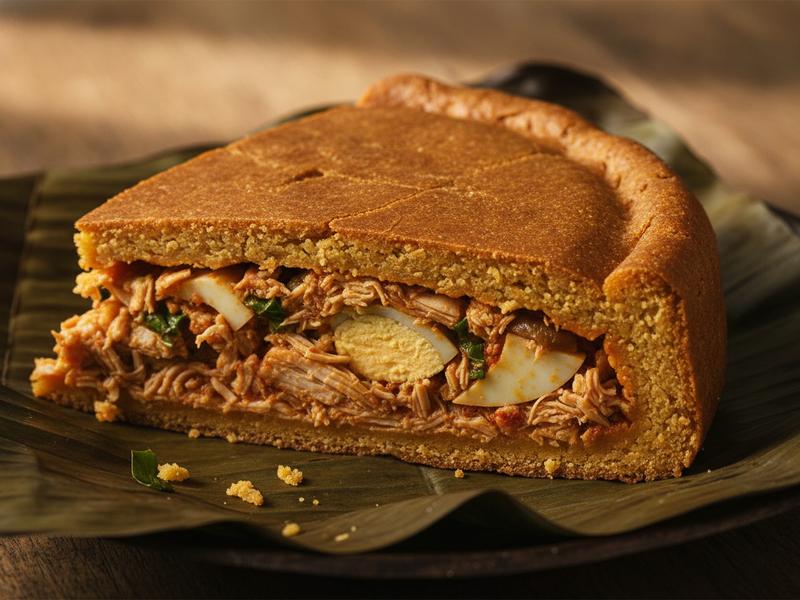
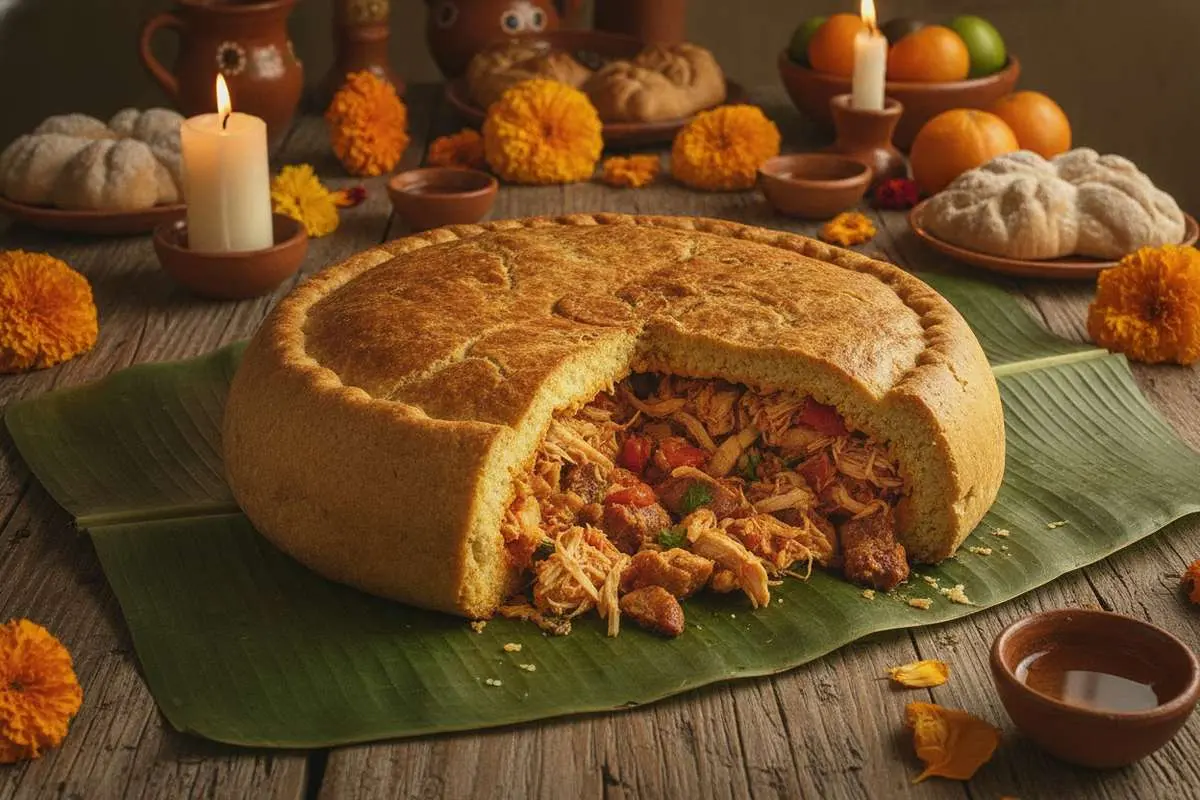
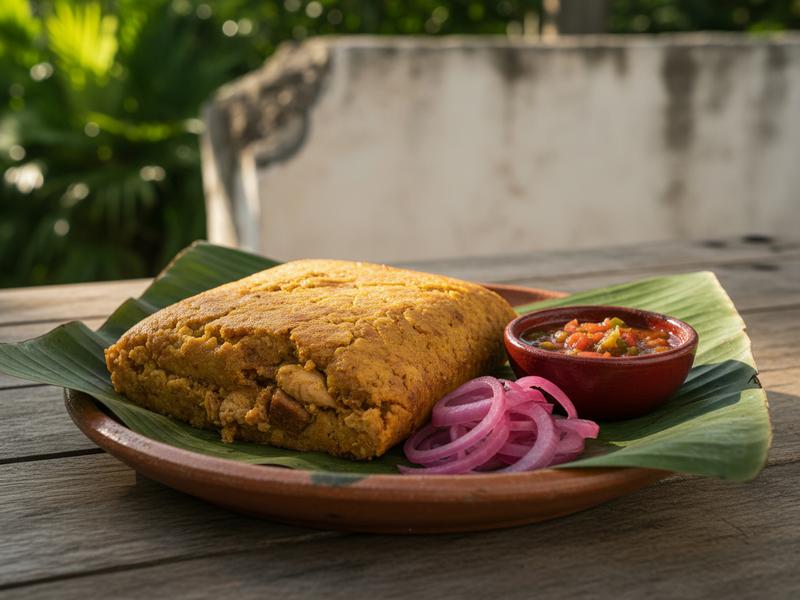
Mucbipollo is the food most closely linked with Hanal Pixán in Yucatán. Imagine a tamal large enough for a family table: a thick corn-masa case filled with chicken, pork, tomato, spices, and cooking juices, wrapped in banana leaf, then baked until the outside firms and the center becomes deeply savory.
In Mérida, people often shorten the name to pib. Technically, the pib is the underground oven where heated stones cook the wrapped package beneath earth. Everyday language is flexible, so a market sign advertising “pibes” is offering the finished food, not construction equipment.
The dish matters because it joins maize, harvest, family work, and remembrance. It is prepared as an offering for returning souls and as a meal for living relatives gathered during the season. The Yucatán tourism board’s food feature identifies it specifically as a traditional Janal Pixán dish.
If this is your first Hanal Pixán trip, start with our complete Hanal Pixán Yucatán guide. Food tastes better when you understand why it is on the table.
What it tastes like
The banana leaf adds a green, earthy aroma without being eaten. A well-baked exterior has some resistance and light browning. The inner masa stays softer because it absorbs broth, tomato, meat fat, and seasoning. Chicken brings a clean savory flavor; pork adds richness.
Recipes vary by household. Some fillings are loose and saucy, while others set into a compact center. Tomato may be prominent or subtle. Chile can add warmth, but most pibes are not designed as a heat challenge. Salsa is often served separately.
One serving is filling. Share side dishes and wait before ordering another slice. Travelers sometimes mistake its simple shape for a snack, then discover that a dense piece of maize and meat is a full lunch.
Why Pib Belongs to Hanal Pixán
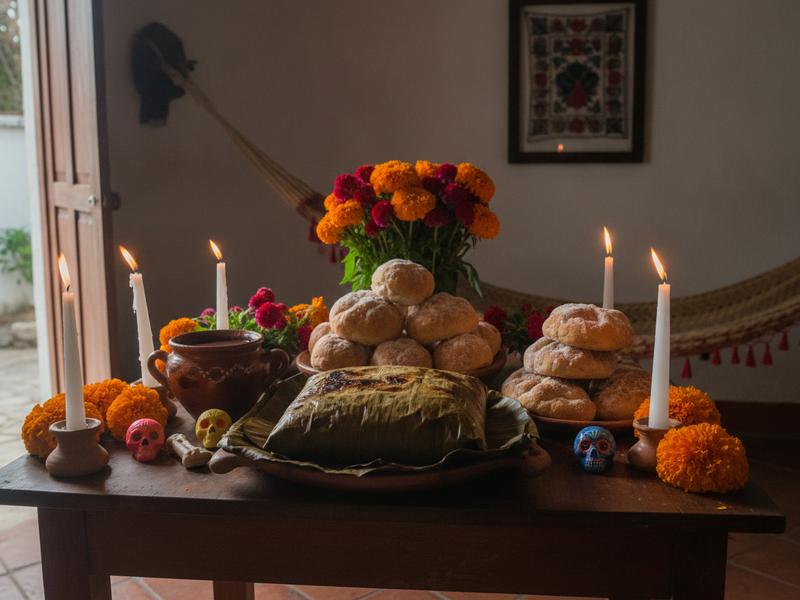
Hanal Pixán means food for the souls. The phrase is not metaphor alone: food is prepared so deceased relatives can return to the essence of dishes they loved. Mucbipollo is especially suited to the season because it uses new maize and requires collective work.
The municipal Mérida Hanal Pixán guide lists mucbipollo among offerings for both children’s and adults’ altars. It appears alongside chocolate, sweet bread, atole nuevo, corn, handmade tortillas, relleno negro, and other family foods.
Preparing a traditional pib can begin a day ahead. People shop for meat, masa, banana leaves, tomatoes, spices, and wood. The filling is cooked, masa is seasoned, packages are assembled, and the earth oven is heated. One cook may know the right masa texture while another manages the fire and stones.
That shared labor is important. A restaurant can sell an excellent slice, but it cannot reproduce the exact meaning of a family recipe associated with a grandmother, uncle, or child. Travelers should enjoy the public food without claiming access to the private memory behind every version.
The buried cooking method
A traditional pib is a shallow earth oven. A fire heats stones, food packages are lowered in, protective material covers them, and earth seals the heat. Exact construction and timing differ among cooks. The result is baked rather than steamed.
Commercial producers may use masonry ovens or conventional equipment to meet volume, safety, and city constraints. That does not automatically make the food fake. Ask how it was cooked if the method matters to you, but do not dismiss a family business because it lacks a backyard pit.
Ingredients and Preparation
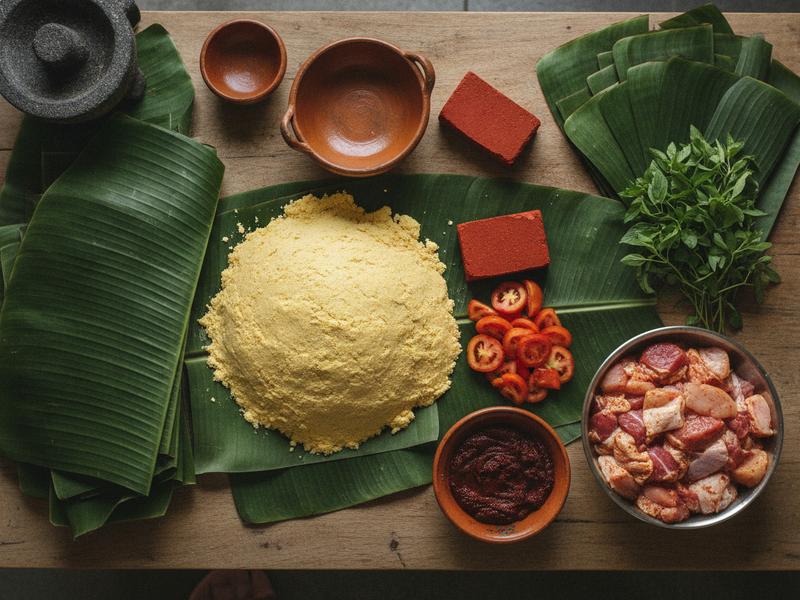
Most mucbipollo begins with nixtamalized corn masa, banana leaf, chicken, pork, tomato, onion, garlic, epazote or other herbs, achiote or regional seasoning, broth, salt, and fat. Kol, a thickened sauce made with broth and masa, helps keep the filling moist.
Not every family uses the same meat or seasoning. Turkey may replace chicken. Some add hard-boiled egg, chile, or extra tomato. Others guard a spice ratio learned through generations. A responsible guide describes the pattern without declaring one household wrong.
A simplified preparation sequence
- Season and cook the meat until nearly tender, reserving its broth.
- Prepare a tomato-based sauce and a lightly thickened kol with broth and masa.
- Season the main masa with salt, fat, and enough broth for a smooth but sturdy texture.
- Pass banana leaves over heat briefly so they bend without splitting.
- Form a thick masa base and raised edge on the leaves.
- Add meat, sauce, and kol, then cover with a thinner masa lid.
- Wrap tightly in banana leaf and secure the package.
- Bake in a prepared pib or suitable oven until the masa is cooked through and the exterior firms.
This is not a complete food-safety recipe. Large packages heat slowly, and raw meat or undercooked masa creates risk. First-time cooks should use a tested recipe from a Yucatecan cook, monitor internal temperature, and avoid improvising an earth oven without experienced help.
Pib, mucbipollo, and regional names
Mukbil pollo is another spelling you may see, based on a Maya phrase related to buried chicken. Mucbipollo is common in tourism writing. Pib is the easiest word at a Mérida market.
In Campeche, Janal Pixán food may use related names and preparations. Listen locally and ask what a vendor calls the dish. Language changes across communities even when ingredients look similar.
Where to Eat Mucbipollo in Mérida
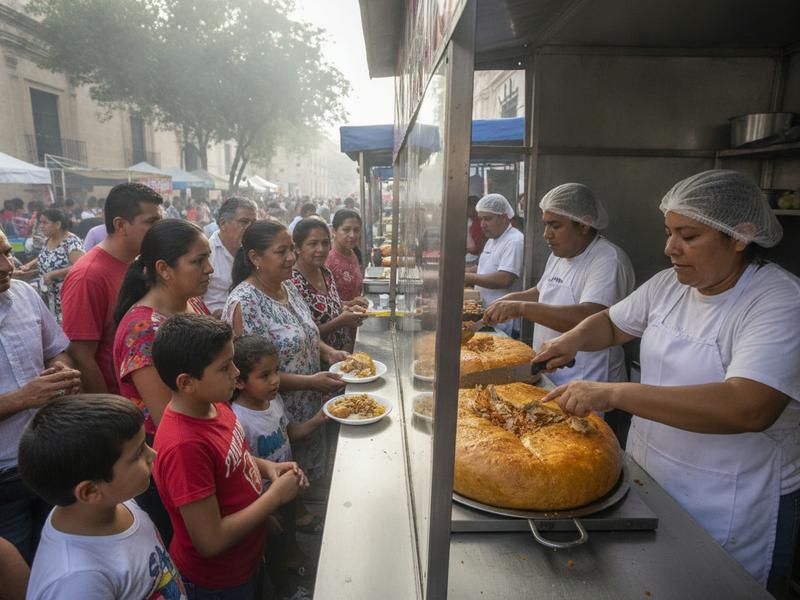
The Feria del Mucbipollo in Barrio de San Sebastián is the easiest public introduction when it appears in the annual Festival de las Ánimas program. The 2025 municipal schedule listed an all-day fair with food sales and regional performances. Check the official 2026 festival page before making a special trip because date, hours, and layout can change.
Arrive before noon for the widest choice. Ask whether a price is for a slice, a quarter, or a whole pib. Some sellers use tickets or a central payment point; others take cash at the stall.
Markets and neighborhood bakeries are another option. Mercado de Santiago, Lucas de Gálvez, and small businesses around San Sebastián may advertise pibes from late October. Supply changes daily. Ask your hotel host or a market vendor where they ordered theirs.
Restaurants sometimes add mucbipollo to a seasonal menu. This provides seating, shade, card payment, and easier dietary questions. It may cost more and lack earth-oven smoke, but a well-made restaurant version is a sensible choice for first-time visitors.
Typical prices in 2026
A single portion usually costs MXN 90–175 ($5–$10 USD). A quarter or large share can cost MXN 175–350 ($10–$20 USD). A whole family-size pib may run MXN 450–900 ($26–$51 USD), with premium fillings or delivery raising the total.
Use these as planning ranges, not fixed tariffs. We convert at about MXN 17.50 per $1 USD for readability. Pay in pesos and confirm the portion before ordering.
Preorders may require a deposit. Get the pickup date, time, size, filling, and total price in writing through the vendor’s normal channel. Do not send money to an unverified social account simply because it uses festival photos.
How to order
Useful phrases include:
- “¿Es porción o pib entero?” — Is that a serving or a whole pib?
- “¿Es de pollo, cerdo o mixto?” — Is it chicken, pork, or mixed?
- “¿Está hecho en horno de tierra?” — Was it cooked in an earth oven?
- “¿Lleva manteca?” — Does it contain lard?
- “¿A qué hora recojo el pedido?” — What time do I collect the order?
For more market dishes, read our best Yucatán foods guide.
Dietary Needs, Storage, and Food Safety
Traditional mucbipollo is not vegetarian. Even a vegetable-filled version may use chicken broth or pork lard in the masa. Vegan travelers should ask direct questions and choose a vendor who understands cross-contact.
Corn masa does not contain gluten by nature, but prepared masa, seasonings, sauces, and shared kitchens can introduce cross-contact. People with celiac disease need more than a verbal “no wheat” answer. Ask about packaged seasoning, flour used to thicken sauces, preparation surfaces, and serving utensils.
Common allergens can include egg in some family versions and dairy in nontraditional commercial adaptations. Banana leaf is a wrapper and is not eaten.
Storing leftovers
Mucbipollo is dense and moist. Do not leave it at room temperature through a hot Mérida afternoon. Refrigerate within two hours, or within one hour in intense heat, using a clean covered container.
Reheat a portion until steaming throughout. A skillet or oven helps restore the firmer outer texture. Do not carry a whole pib on a long unrefrigerated bus journey.
Building a complete meal
Pair a slice with pickled red onion, a small amount of salsa, and a fresh drink. Xe’ek’, a seasonal mix of citrus and jicama, adds brightness. Coffee, chocolate, or atole makes sense in the morning, though hot drinks can feel heavy by midday.
For two people, budget MXN 350–700 ($20–$40 USD) at a fair for portions, drinks, dessert, and extra bread. A sit-down seasonal meal may cost MXN 700–1,225 ($40–$70 USD) for two with service.
How to compare vendors fairly
Look first at freshness and handling, not at claims about the “most authentic” pib. A busy stall should keep finished food protected, cut portions with clean utensils, and serve them hot. The cook should be able to tell you the filling and whether the masa contains lard.
Earth-oven smoke can add flavor, but it is not the only measure of quality. Notice whether the masa is cooked through, the center is moist without being raw, and the seasoning tastes balanced. One family’s firm pib and another family’s softer version can both be excellent.
If you want to compare, share two small portions from different sellers. Do not take one bite and throw away the rest for a video. Food made for remembrance deserves the same care as any other family specialty.
Buying a whole pib
A whole pib makes sense for four to eight people depending on size and appetite. Confirm weight or dimensions, number of expected servings, filling, pickup time, and whether the price includes salsa or pickled onion. Bring a flat reusable bag or box so the banana-leaf package remains level.
Hotels may restrict strong-smelling food or lack refrigeration. Ask before placing a family-size order. If your room has only a minibar, buy portions you can finish instead.
Taking food on a bus or flight
Cooked meat and dense masa need temperature control. A two-hour bus ride in an air-conditioned cabin is still risky if the food sat warm beforehand. Use an insulated bag with cold packs, keep the package sealed, and refrigerate it immediately at your destination.
Airline and customs rules vary. Domestic security may allow solid cooked food, but sauces and international agricultural restrictions can create problems. Eat mucbipollo in Yucatán and take home the memory rather than carrying an unrefrigerated package across borders.
A Food-Focused Hanal Pixán Day
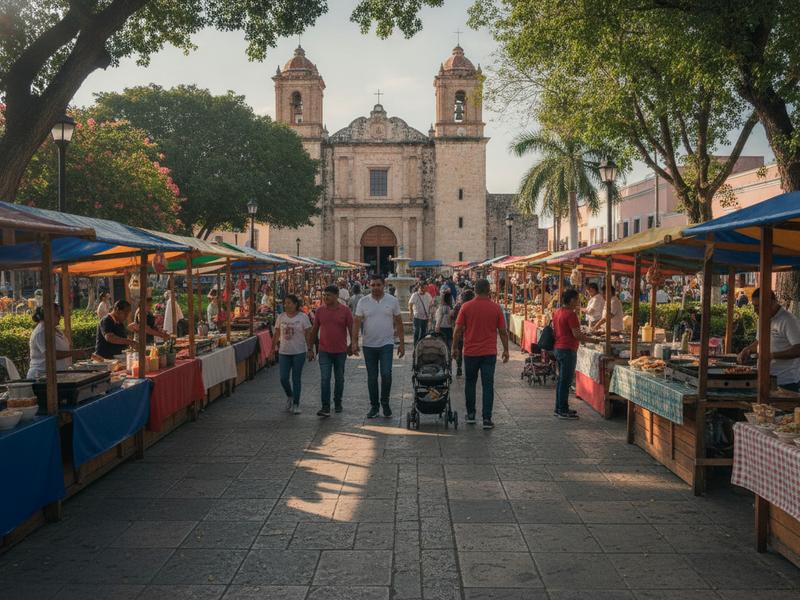
Start in San Sebastián by 9 a.m. Visit the market or fair before the midday heat, compare two or three vendors, and order one portion rather than a whole pib. Ask each cook what distinguishes the filling and method.
After eating, walk north through La Ermita and San Juan. These streets form part of the traditional Paseo de las Ánimas route, so seeing them in daylight improves the evening experience. Rest during the hottest hours.
In late afternoon, visit a public altar display. If the procession happens that evening, eat a light early dinner and return to one viewing area. Our four-day Hanal Pixán itinerary places the food fair and procession in a realistic schedule.
Do not judge your experience by how smoky the pib tastes or how dramatic the preparation looks. The best version is often the one a vendor explains with pride, served warm, with no performance beyond feeding people well.
Mucbipollo turns maize, fire, patience, and family memory into a meal. Taste it slowly, pay the cook fairly, and remember that the season continues after your plate is empty.