Paseo de las Ánimas Mérida 2026 Guide
What the Paseo de las Ánimas Is
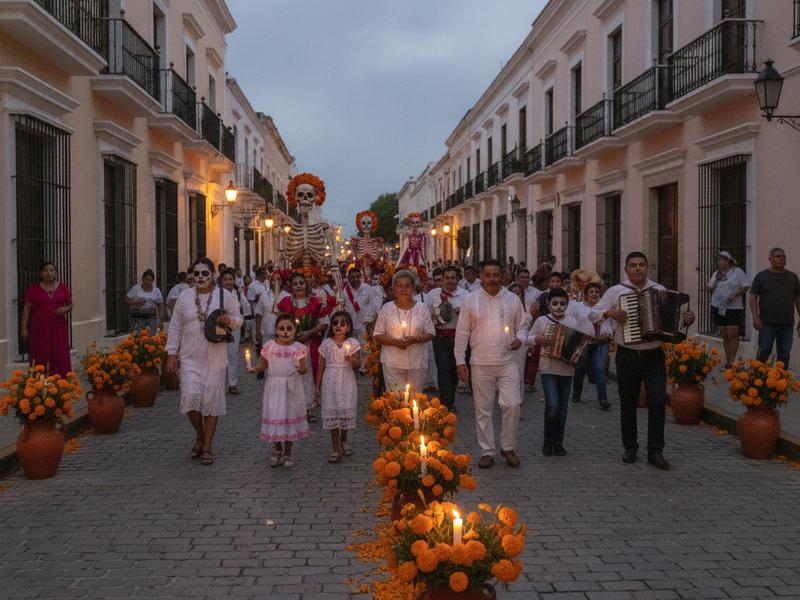
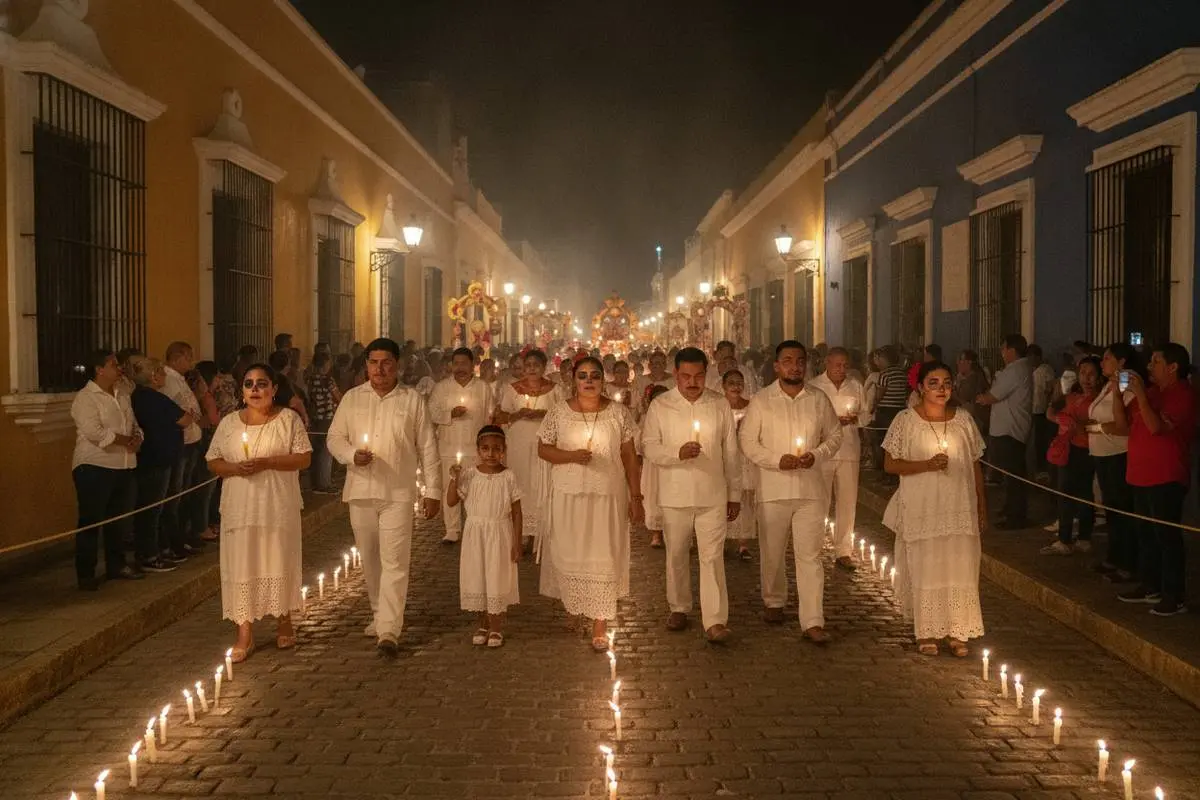
The Paseo de las Ánimas is Mérida’s largest public event during Hanal Pixán. A long procession of children, adults, performers, and community groups walks from the General Cemetery through La Ermita toward San Juan. Along the corridor, visitors find Yucatecan altars, regional food, music, dance, and educational displays.
It is both civic and traditional. The City of Mérida created the modern walk in 2008, drawing on the imagined route souls would follow back among the living. The official Mérida tradition page describes regional clothing, Maya ceremony, altar exhibitions, and vaquería among the program’s elements.
The walk belongs to the broader Festival de las Ánimas, which typically spreads activities across several days. Do not plan only around a parade. The altar displays, Feria del Mucbipollo, neighborhood performances, children’s programming, and quieter daytime visits add essential context.
Read our complete Hanal Pixán guide before building your itinerary. It explains the three traditional days, altar customs, food, and the difference between Mérida’s public events and private family observances.
Paseo de las Ánimas 2026 Date and Route
Mérida had not published the complete 2026 Festival de las Ánimas schedule as of August 3, 2026. The fixed Hanal Pixán observances fall on Saturday, October 31; Sunday, November 1; and Monday, November 2. The city may place its main walk on one of those dates or on a nearby evening.
Use only the official Festival de las Ánimas program to confirm the date and street plan. In 2025, the city scheduled the Paseo on Friday, October 31 and published route information, performance times, and road alternatives online. That is useful precedent, not a confirmed 2026 timetable.
The traditional south-to-north corridor is:
- General Cemetery entrance and surrounding streets.
- Calle 66 toward La Ermita de Santa Isabel.
- La Ermita and the adjoining historic neighborhood.
- The Arco de San Juan and Parque de San Juan area.
The entire corridor is walkable, but moving against tens of thousands of spectators is slow. Choose one section and stay there through the main procession.
Best viewing zones
The General Cemetery has the strongest ceremonial context and the densest crowds. It suits adults who arrive early and are comfortable standing. Keep the cemetery entrance clear for participants and families.
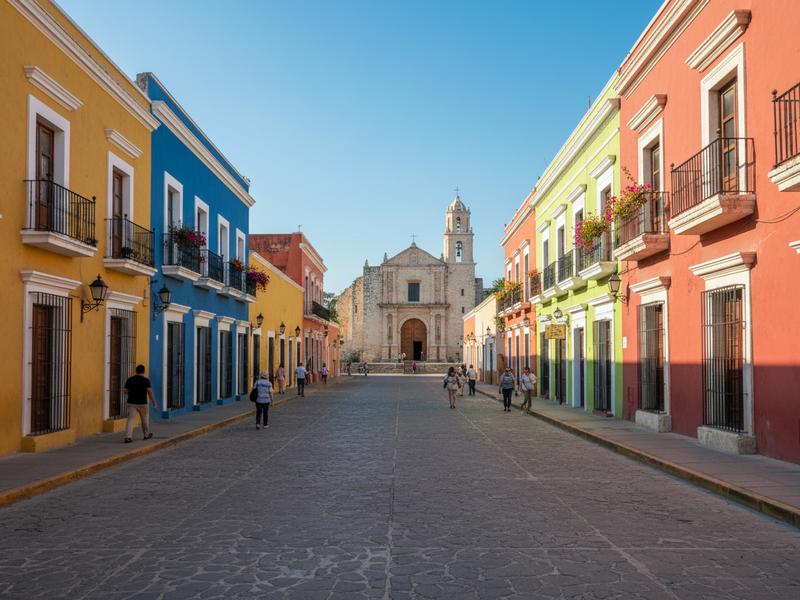
La Ermita offers attractive colonial surroundings, local food, and staged programming. It is still busy but gives you more ways to step away from the curb. San Juan is usually the most practical option for families, older visitors, and people staying in Centro because it is closer to many hotels and has broader public space.
When to arrive
Arrive two to three hours before the official start for the cemetery or La Ermita. One to two hours may be enough around San Juan, but a front-row spot is never guaranteed. Use the afternoon to identify toilets, food areas, and a meeting point.
Do not save curb space with large blankets or tripods. The route belongs to residents and participants first. A small folding stool may be useful for someone with limited mobility if the city permits it and you place it away from the main line.
Getting There and Leaving After the Walk
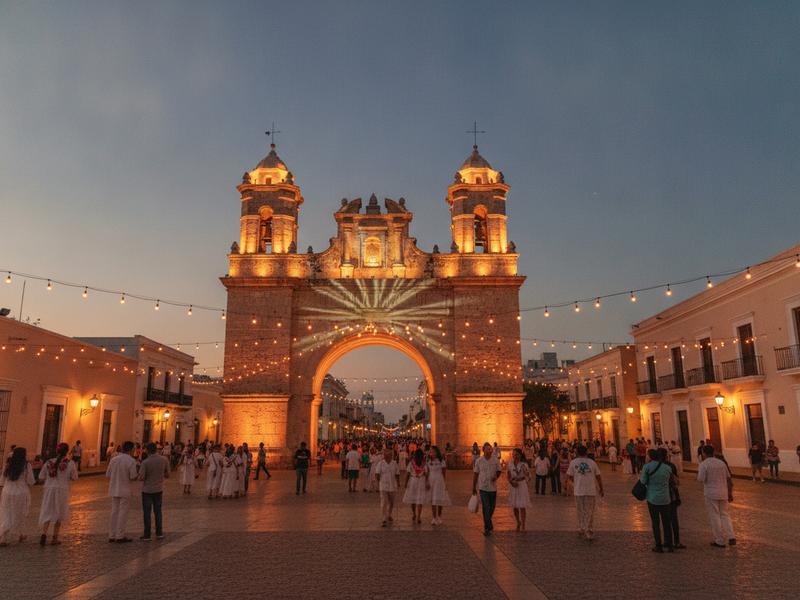
Walking is the simplest option from a central hotel. From Plaza Grande to San Juan takes about 10 to 15 minutes. La Ermita is another 15 to 20 minutes south. The cemetery entrance is roughly 10 to 15 minutes beyond La Ermita, depending on closures and crowd flow.
If your hotel is north of Centro, take a taxi or rideshare well before closures begin, then walk the final blocks. A normal central ride may cost MXN 80–175 ($5–$10 USD), while festival surge pricing can push it to MXN 210–350 ($12–$20 USD). Agree on the fare before entering a street taxi.
After the walk, pickup points shift to open cross streets. Save your hotel’s address and map offline. Do not pressure a driver to enter a closed road. Walk with the crowd to a bright area, verify the plate, and share the ride details with your companions.
Driving and parking
Leave a rental car at your hotel. Street closures, full parking lots, pedestrians, and changing exit routes make driving frustrating. If you are arriving from outside Mérida, park at a secured lot on the edge of Centro by midafternoon and walk.
Public event attendance is normally free. Parking may cost MXN 80–210 ($5–$12 USD) for the evening. Never leave luggage, cameras, or passports visible inside a vehicle.
Where to stay
Centro, Santiago, Santa Ana, and the south end of Paseo de Montejo all work. Centro minimizes transport after the event. Santiago balances access with quieter streets. Santa Ana is convenient for restaurants but farther from the cemetery end.
Expect festival-period rooms around MXN 1,050–1,750 ($60–$100 USD) for basic lodging and MXN 2,100–4,200 ($120–$240 USD) for comfortable central hotels. Check our Mérida hotel-area guide and book a refundable rate before the official schedule appears.
Food, Altars, and What to See Along the Route
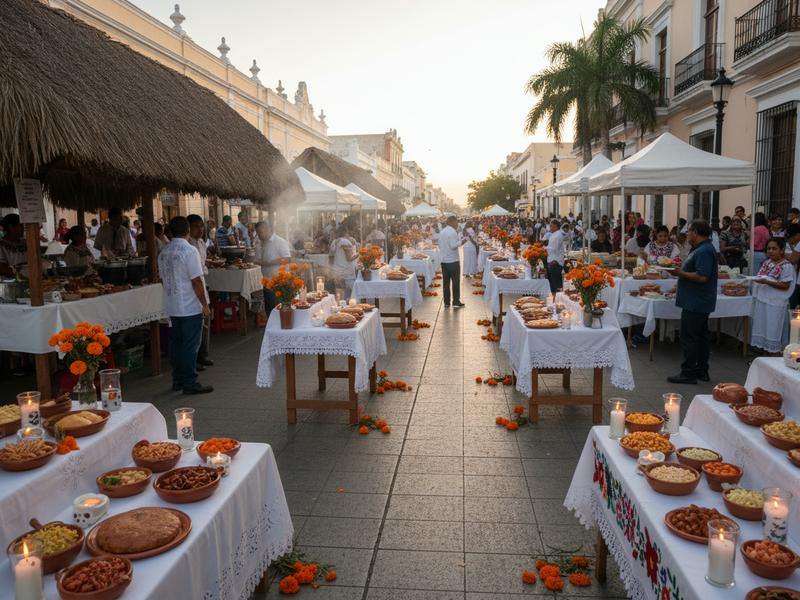
Eat before the main procession begins. Lines grow after dark, and walking with a full plate through a tight crowd is difficult. Mucbipollo, panuchos, salbutes, tamales, marquesitas, atole, aguas frescas, and regional sweets are common possibilities.
Budget MXN 90–175 ($5–$10 USD) for a serving of mucbipollo, MXN 35–70 ($2–$4 USD) for a snack, and MXN 50–105 ($3–$6 USD) for a nonalcoholic drink. Bring small bills because mobile terminals can lose connection.
Our mucbipollo guide explains why the earth-baked tamal matters during Hanal Pixán. For a wider food list, use the Yucatán food guide.
Public altars may be arranged by schools, neighborhood associations, government offices, and cultural groups. Read the labels before taking a photograph. Some displays explain the different altar forms for children and adults, while others honor a particular person or profession.
Performances can happen at San Juan, La Ermita, the cemetery entrance, and side stages. The 2025 municipal program included music, comedy, dance, a Maya ceremony, and a ball-game presentation. Expect the 2026 mix to change.
Face painting and clothing
Local artists often offer catrina makeup for MXN 175–525 ($10–$30 USD), depending on detail. Choose an artist using clean brushes and single-use applicators around the eyes and lips. Remove makeup before sleeping and stop if you feel irritation.
Wear breathable clothes and closed shoes. Costumes should not block another person’s view or copy sacred Maya clothing as a joke. A simple flower crown or locally painted face is enough if you want to participate in the public mood.
Etiquette, Photography, and Family Tips
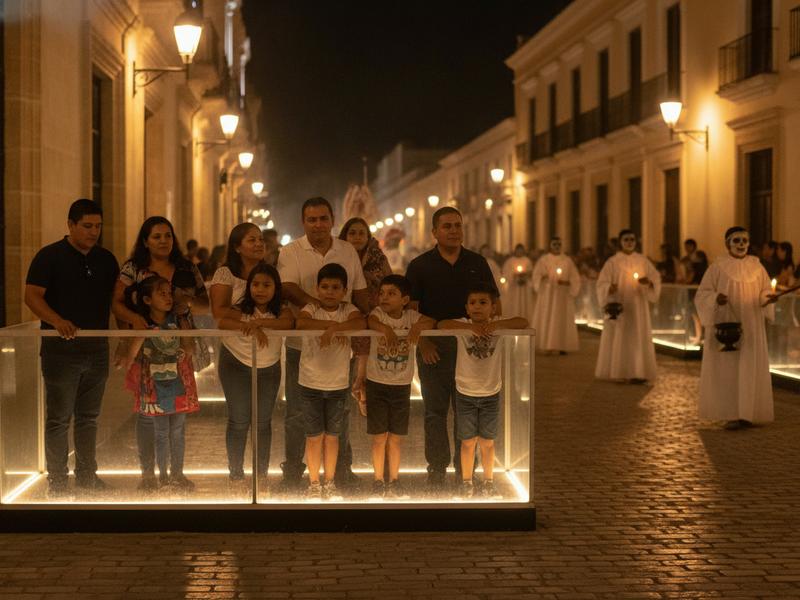
Ask before taking close portraits. A public procession allows wide photographs, but it does not erase individual consent. Avoid flash near children, ceremonies, incense, or altar candles. Never step into the procession for a selfie.
Do not touch altar food, photographs, flowers, candles, or embroidered cloth. A public display is still an act of remembrance. Keep drinks away from altar tables and do not sit on cemetery walls or graves.
Families with young children should choose San Juan or the edges of La Ermita and arrive before dark. Bring water, a quiet snack, a small fan, and hearing protection for noise-sensitive children. Write a phone number on a card in each child’s pocket.
Wheelchair users should contact Mérida’s municipal visitor office after the route is published. Colonial sidewalks can be narrow and uneven, and temporary vendor setups change curb access. A viewing area near San Juan may be easier than the cemetery entrance, but the final route map should guide the decision.
Crowd safety
Use a zipped crossbody bag worn in front. Carry a copy of your passport rather than the original. Fix a meeting point in daylight and agree that no one chases the procession alone if separated.
Late October remains hot and humid. Drink water before you feel thirsty and take a break if you develop headache, nausea, or dizziness. A disposable poncho or compact rain jacket helps if a short storm arrives.
Toilets, seating, and accessibility
Use a restaurant or museum toilet before entering the densest part of the corridor. Temporary facilities may be available, but lines grow quickly and paper or water can run low. Carry tissues and hand sanitizer without using them near food or altar surfaces.
Permanent public seating is limited. Older travelers should choose a stage or plaza area where benches are visible in daylight. Ask municipal staff where wheelchair users can watch without blocking emergency access. Colonial curbs, narrow sidewalks, and temporary electrical cables make the cemetery end more difficult than San Juan for many mobility needs.
Rain plan
Short rain does not always cancel the night. Pack a breathable rain shell or disposable poncho rather than a wide umbrella that blocks views. Protect your phone in a small waterproof pouch and wear shoes with grip.
If officials pause or reroute the procession, follow their instructions and avoid crowding performers under narrow awnings. Save one indoor restaurant near Centro and one alternate activity for the next morning. A schedule change is frustrating, but safety comes before a single evening’s photograph.
Local language that helps
“¿Por dónde pasa el paseo?” asks where the procession passes. “¿Está cerrada esta calle?” asks whether a street is closed. “¿Puedo tomar una foto?” is the essential permission question. A polite “con permiso” helps when moving through a crowd, but it does not give you permission to cross the route.
Carry your hotel name and address in writing. If mobile service fails, a police officer, municipal volunteer, or taxi driver can still help you find the correct direction.
Photography settings without blocking the route
Use a phone or small camera rather than a tripod. Night mode can handle many wide scenes if you brace your elbows and wait for participants to pass naturally. Turn off flash, screen sounds, and any bright focus-assist lamp before the procession begins.
Keep the camera below other spectators’ eye level when you are not shooting. Do not hold a phone on a long stick above children or step off the curb for a cleaner angle. If a performer stops near you, take one or two frames and lower the camera so the people behind you can also see.
For portraits, make eye contact and ask. Consent is especially important for children, older residents, and anyone standing beside a memorial altar. A technically imperfect photograph made with permission is better than a sharp image taken through intrusion.
Food and water timing
Carry one full bottle before entering the route. Buy dinner early, then use stalls only for a later snack. This reduces waste, shortens your time in lines, and keeps crowded walkways free of large plates.
A Simple Paseo de las Ánimas Evening Plan
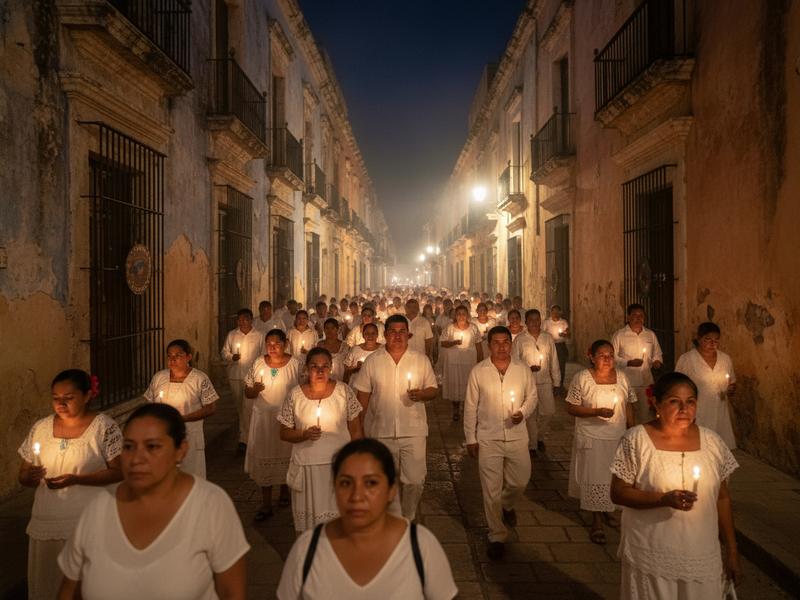
At 3:30 p.m., eat a substantial meal in Centro or Santiago. At 4:30 p.m., walk the route in daylight and choose your zone. By 5:00 p.m., buy water, find a toilet, and visit nearby public altars. Settle into your viewing area at least two hours before the confirmed procession time.
After the procession passes, wait 20 to 30 minutes before moving. Explore one performance area and buy a snack. Around 10:00 p.m., walk north toward Centro with the main pedestrian flow or request a ride from an open cross street.
A couple can spend MXN 700–1,750 ($40–$100 USD) for the evening, including an early meal, snacks, drinks, face painting for one person, and two rides. The procession itself normally costs nothing.
Recheck the official program 48 hours before attending because rain, operations, and street works can change details. Keep the rest of your trip flexible with our four-day Hanal Pixán itinerary.
The Paseo de las Ánimas is visually powerful, but the best memory is not a perfect photograph. It is the moment a whole street makes room for families, food, music, and the names of people who are still loved.