Hanal Pixán Yucatán 2026: Complete Travel Guide
What Hanal Pixán Means in Yucatán
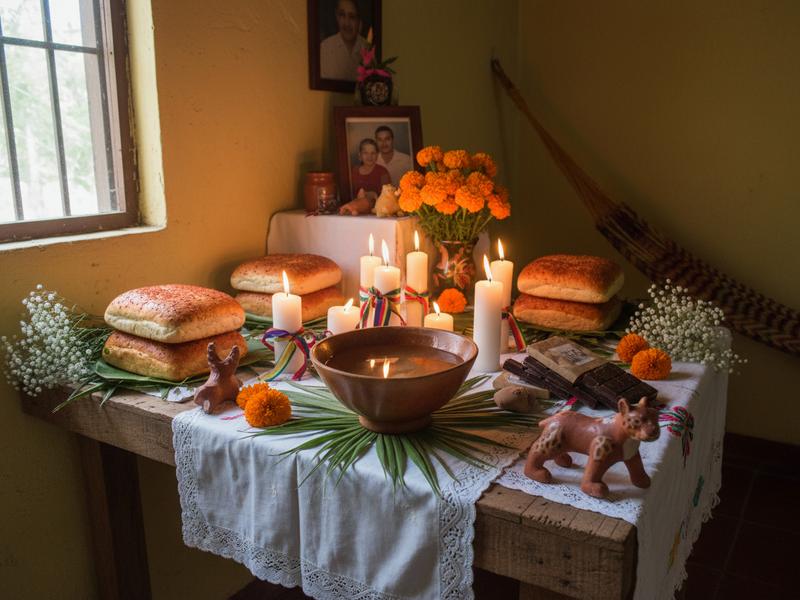
Hanal Pixán is one of the most meaningful times to visit Yucatán, but it is also one of the easiest traditions for travelers to misunderstand. The phrase is commonly translated from Yucatec Maya as “food for the souls.” From October 31 through November 2, families prepare to receive relatives who have died. They clean their homes, arrange altars, light candles, pray, and cook dishes tied to the maize harvest and family memory.
This is not a costume weekend built for visitors. Public concerts, processions, altar displays, and food fairs make the tradition accessible, especially in Mérida, yet its center remains inside homes and communities. A photograph, a favorite drink, a toy, a bowl of water, a handmade tortilla, or a carefully wrapped tamal may carry more meaning than the largest public installation.
The best trip balances both sides. Attend the public events with curiosity, then leave space for ordinary neighborhood life. Eat mucbipollo because it belongs to the season, not because it is a novelty challenge. If a local person explains an altar, listen before reaching for your camera. That approach produces a better journey and shows respect for the people keeping the tradition alive.
The Mérida municipal guide to Hanal Pixán describes three core days. October 31, known as U Hanal Palal, is dedicated to children who died. November 1, U Hanal Nucuch Uinicoob, is for adults. November 2, U Hanal Pixanoob, brings remembrance of all faithful departed. Some households continue observances during November and mark the souls’ departure at the end of the month.
If you already know Mexico’s national celebration, start with our broader Day of the Dead Mexico guide. Hanal Pixán fits within that national season, but its Maya vocabulary, foods, altar design, and local rhythm deserve their own trip rather than a quick comparison with Oaxaca or Mexico City.
Hanal Pixán, Janal Pixán, and pronunciation
You will see both Hanal Pixán and Janal Pixán in Spanish-language sources. The spelling varies because Maya sounds do not map neatly onto Spanish or English. In everyday travel conversation, a soft initial sound close to the English “h” is widely understood. Pixán is often rendered approximately as pee-SHAHN, although pronunciation varies among speakers.
Do not get trapped in a spelling debate while speaking with residents. Use the form your host or guide uses, and remember that language is part of the tradition rather than branding for an event.
How it differs from Mexican Halloween imagery
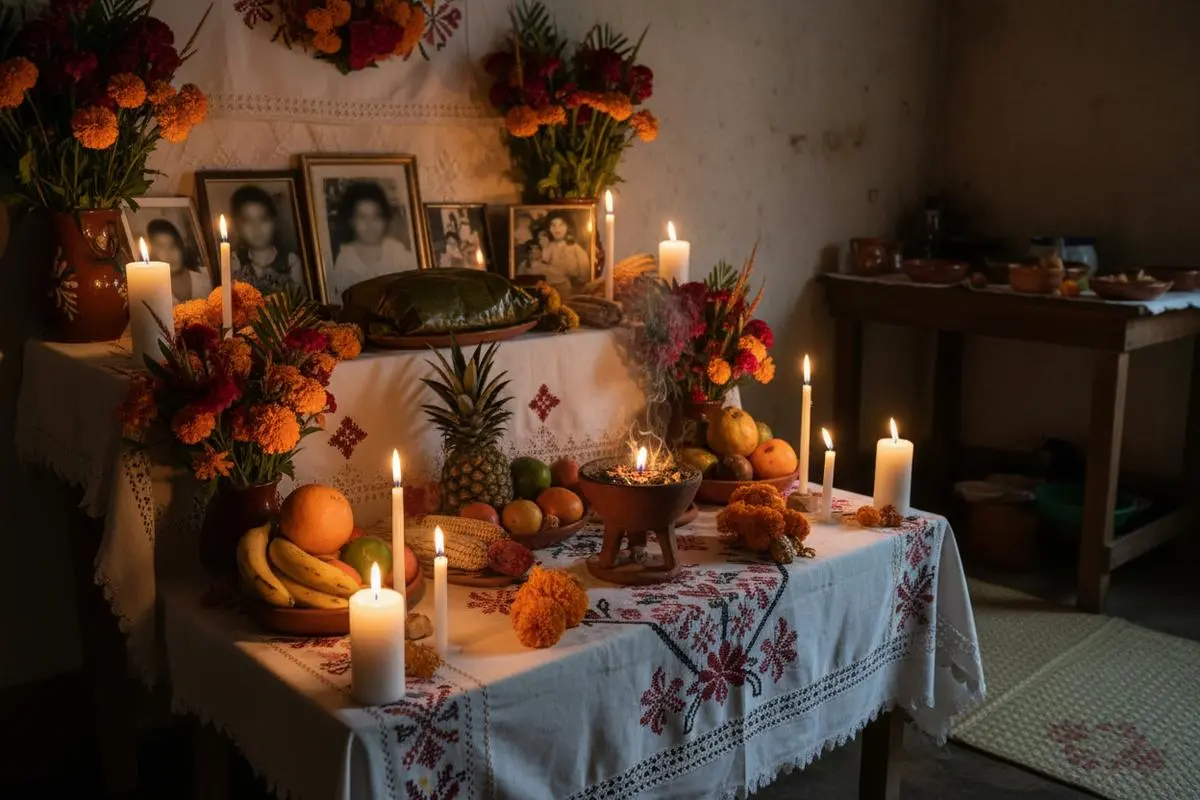
Skull makeup and catrina costumes appear at many public events in Mérida. They are visually striking, but they are not the whole observance. Household altars may use white or dark candles for adults, colored candles and toys for children, embroidered cloths, clay incense burners, flowers, water, maize, and foods the deceased person enjoyed.
Halloween parties also happen across the peninsula, sometimes on the same weekend. Enjoy them if you wish, but do not describe Hanal Pixán as “Maya Halloween.” The two occasions can share a calendar without sharing a purpose.
Hanal Pixán 2026 Dates and Planning Timeline
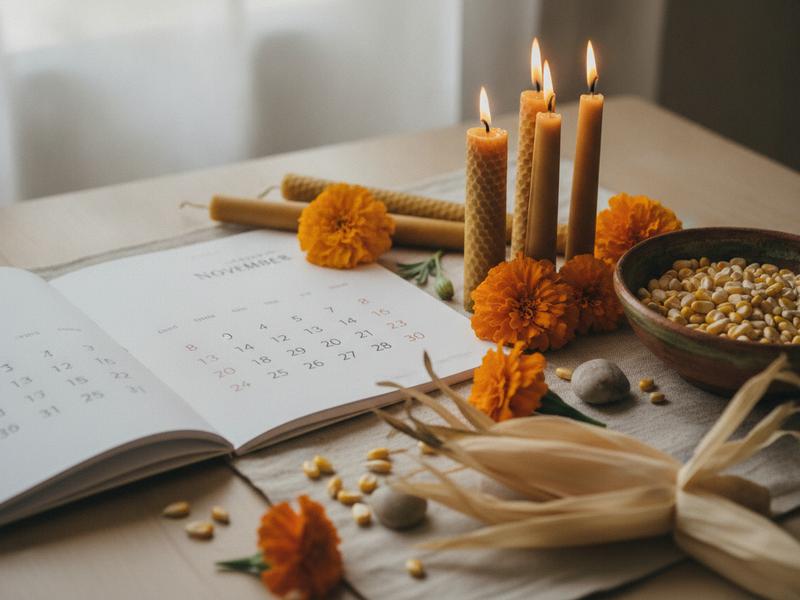
The traditional Hanal Pixán dates in 2026 are Saturday, October 31; Sunday, November 1; and Monday, November 2. Those dates are reliable. The full 2026 Festival de las Ánimas schedule in Mérida was not yet published when this article was updated on August 3, 2026.
That distinction matters. Travelers often book a single night based on an unofficial social-media graphic, only to discover that the Paseo de las Ánimas takes place earlier than the household observances. In 2025, Mérida scheduled its main walk on Friday, October 31, but annual dates and routes can change. Treat any exact 2026 parade date as provisional until it appears on the municipal Festival de las Ánimas website.
For a strong first trip, reserve Mérida for at least four nights from Thursday, October 29 through Monday, November 2. Five nights through Tuesday, November 3 gives you a calmer final day and protects against schedule changes. If you want to include Pomuch, add two nights in Campeche City instead of attempting a rushed same-day detour from Mérida.
When to book flights and hotels
Book refundable lodging by early August if you want a specific boutique hotel in Centro. By September, well-located rooms often become more expensive, and options near the procession corridor can narrow. A basic private room may start around MXN 1,050–1,750 ($60–$100 USD), while a comfortable central hotel often costs MXN 2,100–4,200 ($120–$240 USD) during the festival period. Premium restored mansions can exceed MXN 5,250 ($300 USD) per night.
These are planning ranges rather than guaranteed rates. We use an editorial conversion of about MXN 17.50 per $1 USD, rounded for quick comparison. Your card statement will reflect the live exchange rate and any foreign-transaction fee.
Centro works best for events and walking. Santiago has restaurants and a neighborhood feel. Santa Ana and the southern end of Paseo de Montejo are convenient if you want cafés and easier rideshare pickup.
What to reserve and what stays flexible
Reserve lodging, long-distance transport, and any small-group cultural tour that clearly identifies its local host. Keep restaurant bookings and day trips more flexible until the official program appears. Public events are generally free, so you do not need to buy questionable “parade tickets” from resellers.
Set a calendar reminder for late September to check the official Mérida program. Confirm the procession day, street closures, altar exhibition times, the Feria del Mucbipollo, and activities for children. Screenshots help because mobile data can slow near large gatherings.
Where to Experience Hanal Pixán
Mérida is the most practical base for an international traveler. The airport receives domestic and selected international flights, ADO buses connect it with Cancún and Campeche, and the compact center supports walking between many venues. More importantly, the city offers several public ways to learn without intruding on private homes.
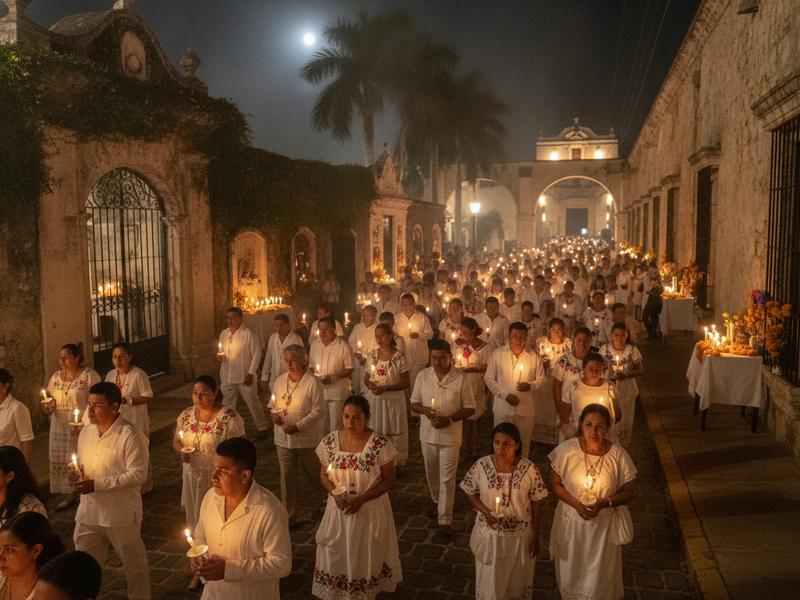
The headline event is the Paseo de las Ánimas, a procession traditionally running from the General Cemetery toward the Arco de San Juan. Participants wear regional Yucatecan clothing and remembrance makeup, while streets along the route host altars, food stalls, music, dance, and educational displays. The supporting route guide covers viewing areas, transport, and the update process once the official schedule is released.
Mérida also stages altar displays, Maya ceremonies, neighborhood performances, children’s activities, and the Feria del Mucbipollo. The atmosphere changes block by block. Plaza Grande can feel ceremonial and civic. San Sebastián is strongly connected with seasonal food. The cemetery corridor becomes crowded and emotional, especially near the procession start.
Smaller Yucatán towns
Hanal Pixán is observed throughout Yucatán, not only in Mérida. Towns such as Izamal, Valladolid, Tekax, and communities around the peninsula may arrange altars or local programming. Smaller places can feel more personal, but they rarely publish detailed English schedules and may have fewer public events.
Do not arrive expecting residents to open their homes. Build the day around ordinary attractions, check the municipal social pages, and ask your hotel or local tourism office which activities welcome visitors. Izamal is useful if you want a yellow-city day trip with seasonal context, while a longer Maya route can connect sites across the peninsula.
Pomuch and northern Campeche
Pomuch, in Campeche state, is known for Choo Ba’ak, the careful cleaning and rewrapping of relatives’ bones in the cemetery. The National Institute of Anthropology and History explains that family members use small brushes, embroidered cloths, and individual ossuary boxes as part of a continuing relationship with those who died.
This is not a show. Photography can feel invasive, especially when a family is handling human remains or speaking to a relative. Visit with a local guide when possible, keep distance, and accept a refusal immediately. The practical Pomuch section below covers the next planning step.
Campeche City makes a better base than Mérida for Pomuch. The road distance is roughly 52 kilometers, or 32 miles, and local buses or private drivers are easier to arrange from the state capital. Campeche also gives you a walled historic center, Gulf seafood, and enough lodging choice to avoid pressuring a small community.
Hanal Pixán Altars, Symbols, and Family Customs
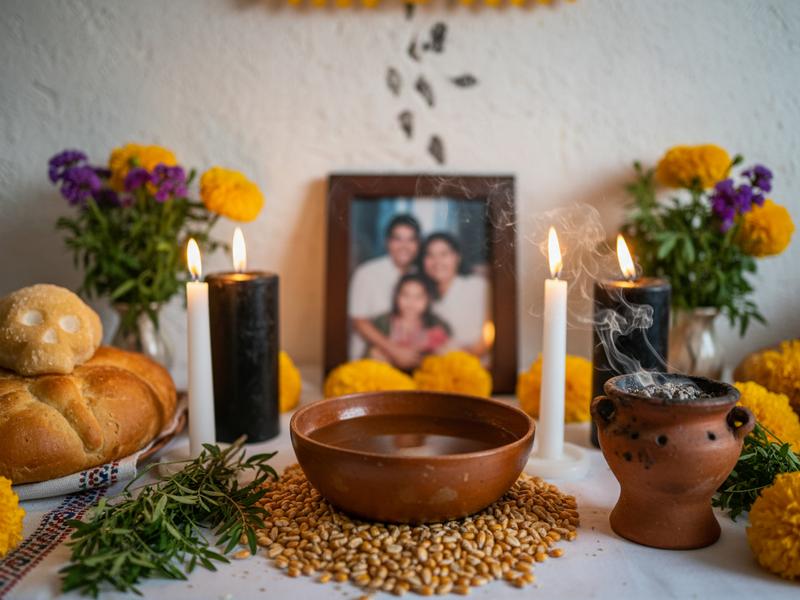
Travel writing often turns altars into checklists. Real altars are more personal. Families choose photographs, objects, foods, and arrangements connected with the people they remember. Religion, town custom, budget, generation, and household preference all influence the result.
Water helps welcome the returning soul. Candles mark a path and carry prayer. Incense changes the atmosphere of a room. Maize and seasonal food connect the observance with the land and harvest. A cross or saint image may show Catholic practice alongside Maya understandings of time, family, and the returning dead.
Children’s altars can include colored candles, toys, sweets, and photographs. Adult altars may use white or black candles, embroidered cloth, coffee, chocolate, tobacco, liquor, or a dish the person favored. The municipal tradition guide lists atole nuevo, handmade tortillas, relleno negro, escabeche, frijol con puerco, cochinita pibil, and mucbipollo among possible offerings.
The sequence of remembrance
October 31 focuses on children. November 1 focuses on adults. November 2 gathers the faithful departed. These divisions shape altar details and prayers, but a visitor should not assume every family follows an identical timetable.
Some Yucatecan households also leave a small altar for the Ánima Sola, a soul without relatives to prepare offerings. The gesture expresses hospitality beyond one’s immediate family. At the end of November, certain households prepare food and light remaining candle pieces to mark the souls’ return.
Public altars versus home altars
Public displays in plazas, schools, hotels, and government buildings are designed for viewing and education. Photography is usually allowed, though you should still watch for signs. Home altars are private. A doorway being open is not permission to enter.
If you are invited inside, ask where to stand. Do not move food, candles, photographs, or religious objects for a better composition. Avoid leaning over the altar, and never place your bag or drink on the table. A simple “¿Puedo tomar una foto?” is better than silent assumptions.
Flowers and local language
Orange marigolds appear, but Hanal Pixán is not defined by one national flower. Regional plants, herbs, and seasonal blooms may be used. The Mérida guide names ruda and several local flowers in traditional arrangements. Listen to the names residents use instead of correcting them with a generic Day of the Dead vocabulary learned elsewhere.
What to Eat During Hanal Pixán
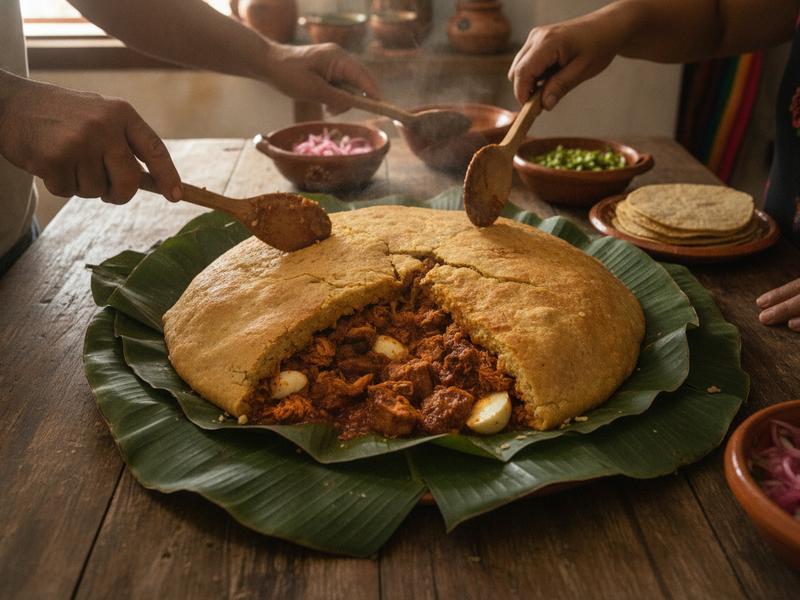
Mucbipollo is a large tamal made with corn masa, seasoned meat, tomato, spices, and sometimes additional ingredients determined by family tradition. It is wrapped in banana leaf and traditionally baked in a pib, an earth oven. In casual conversation, people may call the dish itself pib.
The first bite is dense, smoky, and deeply savory. The masa absorbs meat juices and seasoning, while the banana leaf adds aroma. It is not the same as a small steamed tamal you might order for breakfast. One portion can be a full meal, and a family-size piece may feed several people.
At a fair or market, expect a serving to cost roughly MXN 90–175 ($5–$10 USD). A complete family-size mucbipollo may range from MXN 450–900 ($26–$51 USD), depending on size, filling, and vendor. Seasonal demand is intense, so preordering is normal. The food section below explains where to find more details on ingredients, regional names, tasting, and respectful buying.
Other seasonal foods matter too. Xe’ek’ combines citrus and jicama with chile and seasoning. New-corn atole, chocolate, sweet breads, pumpkin-seed sweets, candied squash, yuca, coconut, and sweet potato appear in homes and markets. Relleno negro, escabeche, puchero, and cochinita pibil may be prepared as offerings or family meals.
A broader introduction to Yucatán cooking before your trip will help you distinguish dishes and order with more confidence.
Where to taste seasonal food
Mérida’s Feria del Mucbipollo in San Sebastián is the most visible public option when included in the annual program. Markets, bakeries, small restaurants, and neighborhood cooks also sell seasonal dishes. Ask your lodging host where they buy pib rather than relying only on social-media lists.
Markets are best visited in the morning. Bring small peso notes, carry a reusable container if a vendor accepts it, and expect popular items to sell out. If food is clearly on an altar, it is an offering rather than a buffet. Wait until a host explicitly serves you.
Food safety and dietary needs
Choose stalls with steady turnover and hot food held hot. Mucbipollo is dense, so refrigerate leftovers promptly. Travelers avoiding pork should ask about both the filling and the broth or fat used in the masa. Vegetarian versions exist commercially but are not the traditional default.
Useful questions include “¿Tiene cerdo?” for pork, “¿Lleva manteca?” for lard, and “¿Pica mucho?” for heat. A street-food meal may cost MXN 140–280 ($8–$16 USD) per person, while a sit-down Yucatecan dinner with drinks may cost MXN 350–700 ($20–$40 USD).
Four-Day Hanal Pixán Itinerary and Budget
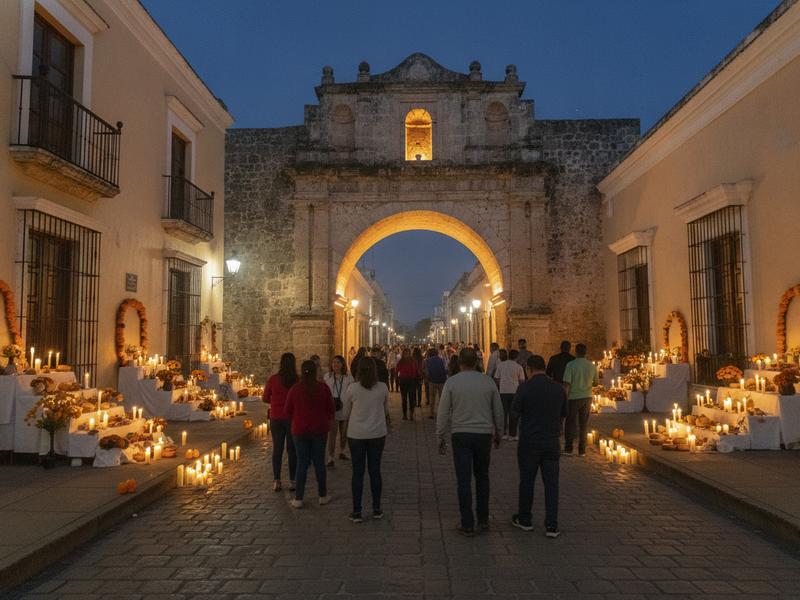
This outline assumes four nights in Mérida and an official schedule similar in shape to recent years. Move the days once Mérida publishes the 2026 program.
Day 1: Arrive and understand the city
Check into Centro by midafternoon. Walk Plaza Grande, the cathedral area, San Juan, and La Ermita before dark. This gives you the geography of the procession corridor without event crowds. Visit a public altar display if one is open, then eat an early Yucatecan dinner.
Budget MXN 350–700 ($20–$40 USD) for dinner, MXN 120–250 ($7–$14 USD) for airport transport by public bus or shared ride, or MXN 350–550 ($20–$31 USD) for a private taxi depending on pickup point and time.
Day 2: Market, altar learning, and Paseo de las Ánimas
Start at a market before 10 a.m. Look for seasonal fruit, bread, flowers, candles, and prepared food while remembering that residents are shopping for family observances. Spend the hottest midday hours at a museum or resting.
Reach the procession corridor before late afternoon. Select one viewing zone rather than trying to chase the entire walk. Carry water and cash, and eat before the densest crowds arrive. The public event is typically free. Allow MXN 250–525 ($14–$30 USD) for food, snacks, and local transport.
Day 3: Mucbipollo and neighborhood events
Attend the food fair if scheduled, or reserve lunch at a restaurant offering a seasonal menu. Walk San Sebastián and nearby streets in daylight. In the evening, choose one municipal performance rather than collecting events for photographs.
Allow MXN 350–700 ($20–$40 USD) for meals and MXN 0–350 ($0–$20 USD) for museum entry or a locally led walk. Public cultural programming is often free.
Day 4: Izamal or a quieter Mérida day
If you want a day trip, leave early for Izamal. A bus or shared van may cost around MXN 100–210 ($6–$12 USD) each way, while a private driver for the day can run MXN 2,800–4,900 ($160–$280 USD). Return before dark if you are unfamiliar with the route.
The quieter alternative is better for many travelers: spend the morning in Santiago, visit a museum, rest, and return to a public altar in the evening. Mérida has enough museums, markets, and neighborhoods to fill a day without depending on the festival schedule.
Sample four-night budget
For one person sharing a double room, a realistic midrange budget is MXN 9,800–17,500 ($560–$1,000 USD), excluding flights. That includes four hotel nights, local transport, meals, event snacks, one museum or paid walk, and a day trip. A careful budget traveler using a hostel and public buses might spend MXN 5,250–8,750 ($300–$500 USD). A private hotel, driver, and guided experiences can lift the trip above MXN 24,500 ($1,400 USD).
Keep a 15 percent buffer. Festival traffic, surge pricing, and last-minute route changes can add costs even when public events are free.
Respectful Travel, Safety, and Practical Tips
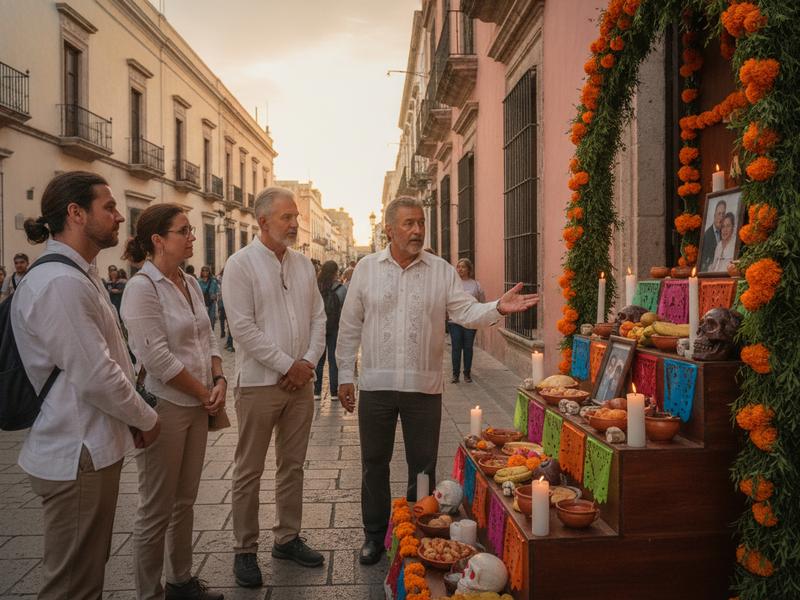
Ask before photographing people, children, home altars, and cemetery rituals. Permission for a wide street scene does not automatically include a close portrait. If someone is praying, cooking for a family altar, cleaning a grave, or handling remains, keep your camera down unless invited.
Avoid theatrical skull makeup when visiting a cemetery or small community unless a local event specifically encourages it. In Mérida’s public parade zone, face painting is common; in Pomuch, the same look may feel out of place. Context matters more than a universal rule.
Dress for heat and rain. Late October in Yucatán is still humid, and short storms remain possible. Wear breathable clothing and shoes that can handle wet pavement. Bring water, insect repellent, a compact rain shell, sunscreen, and a small power bank.
Crowds around the Paseo de las Ánimas can be tight. Keep your phone and wallet in a zipped front pocket or crossbody bag. Choose a meeting point with your companions before mobile service slows. If traveling with children, write a contact number on a card in their pocket and avoid the most compressed section near the procession start.
Transportation after events
Street closures can push rideshare pickup several blocks away. Do not ask a driver to enter a closed corridor. Walk to a bright, busy cross street and verify the license plate before entering. If your hotel is within a comfortable central walk, ask staff which streets remain active after the event.
Driving is rarely useful on the main procession evening. Parking fills early and exit routes can change. Use a taxi, rideshare, or walk. For Pomuch, however, a hired driver or organized local visit may offer more flexibility than combining several bus connections.
Health and insurance
Heat exhaustion can happen even after sunset. Alternate sweet drinks or beer with water and take breaks. Use repellent at dawn and dusk. Pack prescribed medication in your carry-on and know the nearest 24-hour pharmacy.
Mexico does not require every visitor to buy travel insurance, but medical care, trip disruption, and missed connections can be expensive. Compare policies based on coverage rather than a banner promise, and read exclusions for preexisting conditions, motorcycles, alcohol, and weather-related delays.
Cultural mistakes to avoid
Do not call every altar an “ofrenda aesthetic.” Do not touch photographs or food. Do not block a doorway with a tripod. Do not fly a drone over a cemetery or procession. Do not offer families money for access to a ritual unless the arrangement comes through a transparent community-led visit.
Avoid claiming that one town has the “most authentic” celebration. Mérida’s civic events, a home altar in Valladolid, and Pomuch’s cemetery customs serve different communities. Authenticity is not a contest arranged for travelers.
Visiting as a family
Children can connect with the food, candles, music, and idea of remembering relatives, but parents should explain the observance before arrival. Say that families are welcoming people they love and that some displays may include photographs of children or recently deceased relatives. Avoid presenting the evening as a scary festival.
Choose daytime altar exhibitions and the San Juan section of the procession corridor for a first visit. Bring a refillable water bottle, familiar snack, small fan, ear protection, and a lightweight change of clothes. Strollers work on broad streets but become difficult on broken sidewalks and inside dense crowds. A child carrier is more practical for toddlers, though the heat can make it uncomfortable for both adult and child.
If a child becomes upset in a cemetery or around a memorial, leave without making the family explain. Public plazas provide plenty of ways to participate without forcing a close encounter with grief.
Solo travel
Mérida’s central event areas stay active late, but solo travelers should still plan the route home before dark. Tell hotel staff which event you are attending, keep your phone charged, and avoid walking down empty side streets after the main crowd disperses. Joining a small city-led or locally guided walk can add context without requiring an all-day tour.
At food stalls, solo travelers can ask for a half portion or share a table when invited. A whole pib is not economical for one person. Hostels and small hotels sometimes organize group walks; confirm that the outing respects cemetery and photography rules rather than treating the event as a pub crawl.
Accessibility and sensory needs
Mérida’s historic sidewalks vary in width and condition. Curbs can be high, vendor cables cross pavement, and crowds reduce turning space for wheelchairs. Once the 2026 map is published, contact the municipal visitor office and your hotel about accessible drop-off points. San Juan generally offers broader space than the cemetery entrance, but temporary barriers can change the best choice.
Travelers who cannot stand for long should bring a compact seat only if allowed and position it behind the front viewing line. A daytime altar exhibition can provide more space, light, and seating than the nighttime procession. People sensitive to smoke should avoid dense incense areas; those sensitive to noise can choose side streets away from stages.
Spanish and Maya language courtesy
Basic Spanish changes the quality of the trip. Learn to ask permission, thank a cook, and understand a refusal. “¿Puedo pasar?” asks whether you may enter. “¿Puedo tomar una foto?” asks for a photograph. “Gracias por explicarme” thanks someone for an explanation.
Do not ask a Maya speaker to perform a phrase for video. If a guide teaches local words, repeat them with humility and accept correction. Hanal Pixán is a good moment to notice that Yucatán is multilingual and that place names, foods, and family customs carry meanings English travel labels often flatten.
Weather backups
A strong shower can pause an outdoor performance, flood a low curb, or change a procession start time. Keep one museum, café, and indoor meal option saved for each day. A delay does not mean the entire tradition is canceled; family observances continue beyond the municipal stage.
If a tropical system threatens the peninsula, follow official civil-protection advice and allow the city to prioritize safety. Do not travel to a small town during warnings simply because your hotel is nonrefundable. Travel insurance, flexible transport, and an extra night protect both your budget and the community from unnecessary pressure.
Final Planning Checklist for 2026
Reserve refundable lodging for October 29 through November 2 or 3. Recheck the official program in late September. Save your hotel’s address offline, carry pesos, and leave open space in the schedule. If Pomuch is a priority, base yourself in Campeche and arrange a respectful local guide or driver rather than making an improvised cemetery stop.
Most importantly, arrive ready to learn. Hanal Pixán offers public beauty—candles, music, food, flowers, and processions—but its deepest meaning comes from family memory. Travelers are guests around that memory.
Use the supporting guides in this cluster to plan the details:
- Paseo de las Ánimas in Mérida for route logistics and schedule updates.
- Pomuch Day of the Dead for transport and cemetery etiquette.
- Mucbipollo in Yucatán for seasonal food and buying tips.
- Four-day Hanal Pixán itinerary for a bookable day-by-day plan.
With four or five nights, a flexible hotel booking, and respect for the line between public celebration and private ritual, Hanal Pixán can become one of the most thoughtful Mexico trips you take.
Recheck every operating detail before departure, carry patience with your pesos, and let local hosts set the pace once you arrive.